Test 12 — Categories ABC (cars, motorcycles, trucks)
Updated 2026-10-13 · official question bank of 2 October 2026
Test 12, Categories ABC (cars, motorcycles, trucks): 20 questions from the official bank of 2 October 2026 across all 10 topics. Under every question: the correct answer, the explanation (in Armenian) and the signs it mentions. In the app the same test is taken without hints, and the exam simulation runs on a 30-minute timer.
1. On a marked two-way road with three lanes, except a road with reversible traffic control, where the center lane is used for traffic in both directions, entering the leftmost lane is:
Permitted.
Prohibited.
Permitted only for passing, going around an obstruction, making a left turn, or making a U-turn.
Correct answer: Prohibited.ABC · D/T
Why: Երեք գոտի ունեցող երկկողմ ճանապարհին ձախ եզրային գոտին նախատեսված է միայն հանդիպակաց երթևեկության համար. կետ 54-ն արգելում է մուտք գործել այնտեղ։ Միջին գոտի դուրս գալ կարելի է միայն վազանցի, շրջանցման, ձախ շրջադարձի կամ հետադարձի համար։
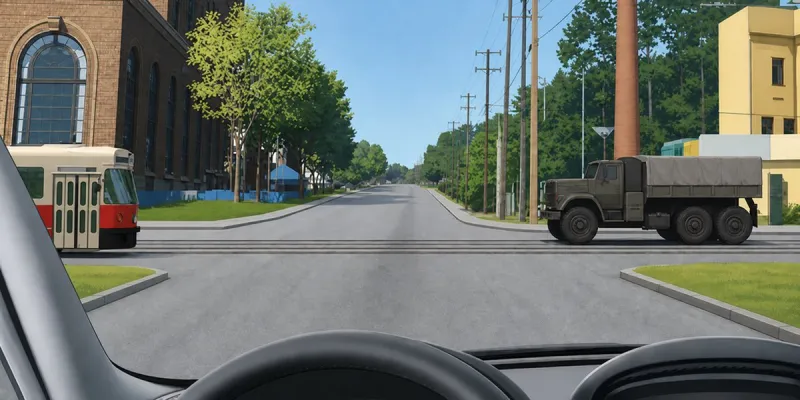
2. If you intend to make a left turn at the intersection, to which vehicle or vehicles must you yield?
The truck.
All vehicles.
No one.
Correct answer: All vehicles.ABC · D/T
Why: Առավելության նշաններ չկան՝ հավասարազոր ճանապարհների խաչմերուկ է։ Կետ 98-ի համաձայն՝ տրամվայն առավելություն ունի ոչ ռելսագնաց տրանսպորտային միջոցների նկատմամբ, իսկ աջից մոտեցող բեռնատարին նույնպես զիջում ենք։ Ձախ շրջադարձ կատարելիս զիջում ենք բոլորին։
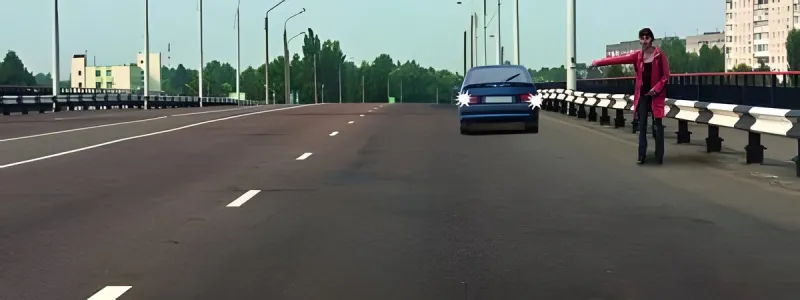
3. Is the passenger-car driver permitted to approach the passenger on the bridge by backing?
Yes.
Yes, if it does not interfere with other road users.
No.
Correct answer: No.ABC
Why: Ուղևորը կամրջի վրա է։ Կետ 49-ով հետընթացն արգելվում է կետ 50-ում թվարկված տեղերում, որոնց թվում են կամուրջները (50.3), ուստի հետընթացով մոտենալը արգելվում է՝ անկախ խոչընդոտից։
4. According to the Law of the Republic of Armenia on Ensuring Road Traffic Safety, a public transit vehicle is:
A vehicle that operates along a route, has designated stops, and carries passengers and/or baggage, including a tram, trolleybus, or bus.
A vehicle that operates along a route, has designated stops, and carries passengers and/or baggage, including a tram, trolleybus, or bus, as well as a passenger taxi.
Correct answer: A vehicle that operates along a route, has designated stops, and carries passengers and/or baggage, including a tram, trolleybus, or bus.ABC · D/T
Why: ՀՀ օրենքի համաձայն՝ ընդհանուր օգտագործման տրանսպորտային միջոց է կանգառի կետեր ունեցող, երթուղիներով շարժվող, ուղևորներ և (կամ) ուղեբեռներ տեղափոխող տրամվայը, տրոլեյբուսը կամ ավտոբուսը։ Թեթև մարդատար տաքսին այդ սահմանման մեջ չի մտնում։
5. A vehicle may not be operated if:
The horn does not operate.
The cooling system does not maintain a stable operating temperature for the engine.
In both cases.
Correct answer: The horn does not operate.ABC · D/T
Why: Ձայնային ազդանշանի սարքի չաշխատելը 6.3 ենթակետով անսարքություն է։ Հովացման համակարգի ջերմային ռեժիմը ցանկում չկա, ուստի միայն առաջին տարբերակը։
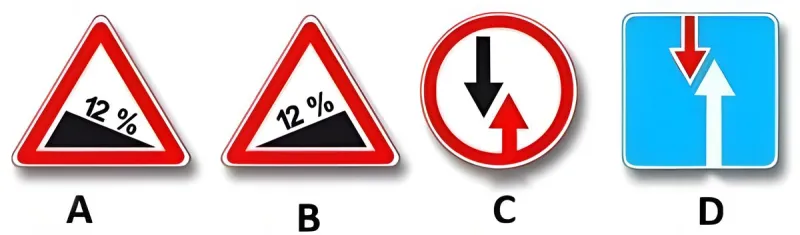
6. With which sign must you yield to oncoming traffic at a narrow section?
Only C.
A and C.
B and C.
Correct answer: A and C.ABC · D/T
Why: C-ն 2.6 «Հանդիպակաց երթևեկության առավելություն» նշանն է, որը պարտադրում է նեղ հատվածում զիջել հանդիպակացին։ A-ն 1.13 «Կտրուկ վայրէջք»-ն է, իսկ կետ 46-ով 1.13 և 1.14 նշաններով հատվածներում ճանապարհը զիջում է վայրէջքի ուղղությամբ ընթացողը. A և C։ B-ն 1.14 «Կտրուկ վերելք»-ն է, D-ն՝ 2.7-ը, որը մեզ առավելություն է տալիս։
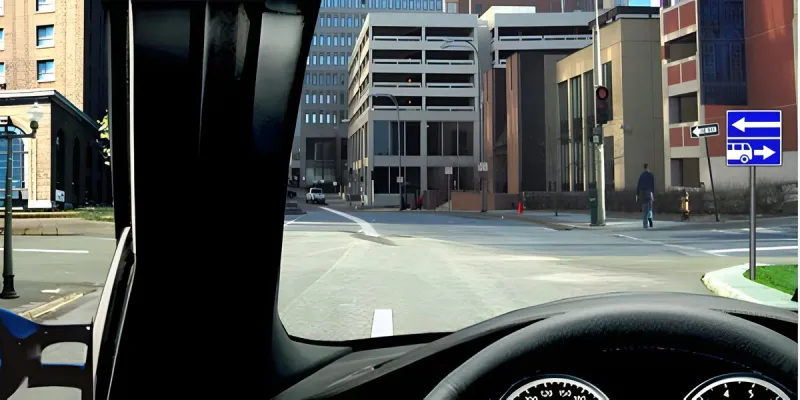
7. In which direction or directions is the passenger car permitted to proceed?
To the left and by making a U-turn.
In any direction.
Straight ahead, to the left, and by making a U-turn.
Correct answer: Straight ahead, to the left, and by making a U-turn.ABC
Why: Խաչմերուկից առաջ 5.13.2 «Ելք դեպի ընդհանուր օգտագործման տրանսպորտային միջոցների համար գոտիով ճանապարհ» նշանն է. հատվող ճանապարհով ընդհանուր երթևեկությունը կատարվում է միայն դեպի ձախ, իսկ դեպի աջ ուղղությամբ կա միայն ընդհանուր օգտագործման տրանսպորտային միջոցների գոտի։ Կետ 124-ով այլ տրանսպորտային միջոցների երթևեկությունն այդ գոտում արգելվում է, ուստի թեթև մարդատարը չի կարող թեքվել աջ. թույլատրվում է ուղիղ, դեպի ձախ և հակառակ ուղղությամբ։
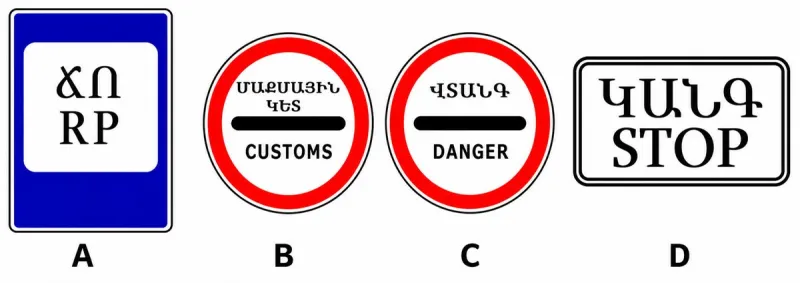
8. After which signs is proceeding prohibited without permission?
Only A and D.
Only B and C.
Only D and C.
All of them.
Correct answer: Only B and C.ABC · D/T
Why: B-ն 3.17.1 «Մաքսային կետ» նշանն է, որն արգելում է առանց կանգառի անցումը մաքսային կետի մոտով, իսկ C-ն՝ 3.17.2 «Վտանգ»-ը, որից հետո երթևեկությունը կարելի է շարունակել միայն թույլտվություն ստանալուց հետո։ Պաշտոնական պատասխանով երկու դեպքում էլ առանց թույլտվության երթևեկել չի թույլատրվում։ A-ն 7.13 «Ոստիկանություն», D-ն 6.16 «Կանգ-գիծ» նշաններն են։
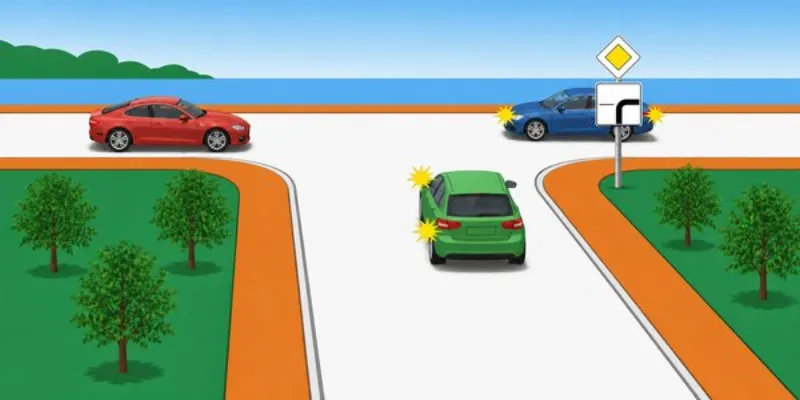
9. Which automobile will proceed through the intersection last?
The blue automobile.
The red automobile.
The green automobile.
Correct answer: The red automobile.ABC · D/T
Why: Կապույտի մոտ 2.1 «Գլխավոր ճանապարհ» նշանն է 8.13 «Գլխավոր ճանապարհի ուղղությունը» ցուցանակով. գլխավոր ճանապարհը թեքվում է կապույտի և կանաչի միջև, կարմիրը երկրորդական ճանապարհի վրա է։ Կետ 96-ով երկրորդական ճանապարհից մոտեցողը զիջում է գլխավոր ճանապարհով ընթացողներին, իսկ վերջիններս միմյանց նկատմամբ գործում են կետ 97-ով. կարմիրն անցնում է վերջինը։
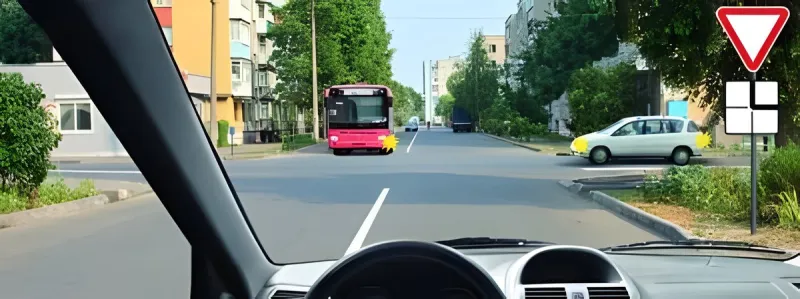
10. When proceeding straight ahead, you must yield to:
Both drivers.
Only the passenger car.
No one.
Correct answer: Both drivers.ABC · D/T
Why: Մեր դիմաց 2.4 «Զիջեք ճանապարհը» նշանն է 8.13 «Գլխավոր ճանապարհի ուղղությունը» ցուցանակով. գլխավոր ճանապարհն անցնում է դիմացի թևով (ավտոբուս) և թեքվում աջ (թեթև մարդատար)։ Ուղիղ երթևեկելիս կետ 96-ով զիջում ենք երկուսին՝ անկախ նրանց ուղղությունից։
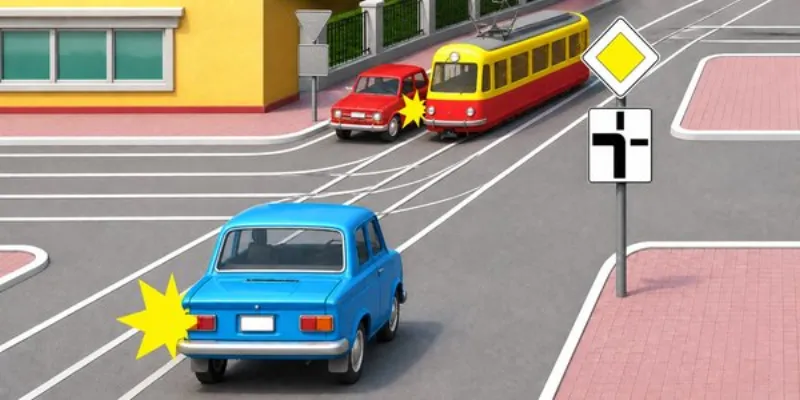
11. Which vehicle will proceed through the intersection second?
The tram.
The red automobile.
The blue automobile.
Correct answer: The tram.ABC · D/T
Why: Կապույտի դիմաց 2.1 «Գլխավոր ճանապարհ» նշանն է 8.13 «Գլխավոր ճանապարհի ուղղությունը» ցուցանակով. այն գլխավոր ճանապարհով է և անցնում է առաջինը։ Տրամվայն ու կարմիրը երկրորդական ճանապարհի վրա են, և հավասարազոր ճանապարհի վրա տրամվայն առավելություն ունի ոչ ռելսագնաց մեքենայի նկատմամբ (կետ 96). տրամվայն անցնում է երկրորդը։
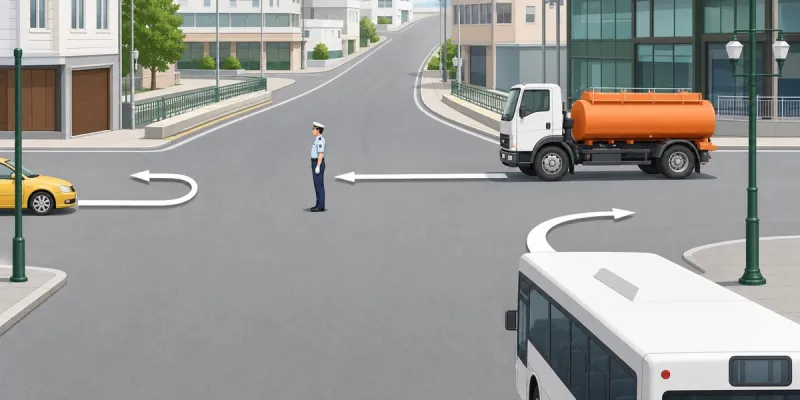
12. The following drivers are permitted to continue along the indicated paths:
The truck driver.
The bus driver and the truck driver.
The passenger-car driver and the bus driver.
The bus driver.
Correct answer: The bus driver.ABC · D/T
Why: Կարգավորողի ձեռքերն իջեցված են, կրծքով դեպի ավտոցիստեռնն է, լուսացույց և նշաններ չկան։ Կրծքի կողմի բեռնատարին և թիկունքի դեղին մեքենային երթևեկությունն արգելված է (կետ 16, 2-րդ ենթակետ «բ»), կողքի ավտոբուսին թույլատրվում է նշված աջ շրջադարձը («ա»)։ Միայն ավտոբուսի վարորդը։
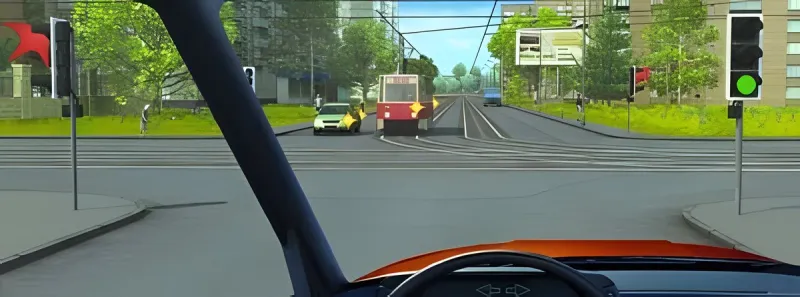
13. When proceeding straight through the intersection, the driver:
May proceed first.
Must yield to the tram.
Must yield to both drivers.
Correct answer: Must yield to the tram.ABC · D/T
Why: Բոլորի համար կանաչ է, նշաններ չկան։ Ուղիղ անցնելիս զիջում ենք ձախ թեքվող հանդիպակաց տրամվային, քանի որ միաժամանակյա թույլատրող ազդանշանով ընթացող տրամվայն առավելություն ունի անկախ ուղղությունից (կետ 92), իսկ ձախ թեքվող հանդիպակաց թեթև մարդատարը կետ 90-ով զիջում է մեզ։ Միայն տրամվային։
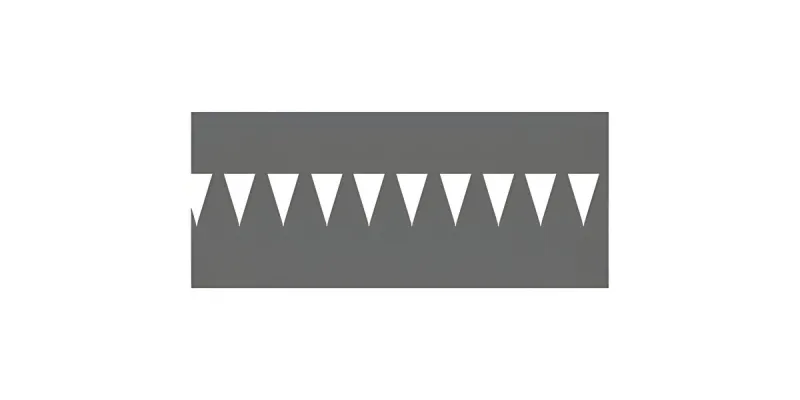
14. Where must the driver stop the vehicle when this pavement marking is present?
At the pavement marking.
On the pavement marking.
At least 5 m before the pavement marking.
Correct answer: At the pavement marking.ABC · D/T
Why: Սա 1.13 գծանշումն է (եռանկյունների շարք). ցույց է տալիս այն տեղը, որտեղ վարորդն անհրաժեշտության դեպքում պետք է կանգ առնի և զիջի հատող ճանապարհով երթևեկողներին։ Կանգ են առնում գծանշման մոտ, ոչ դրա վրա և ոչ 5 մ առաջ։
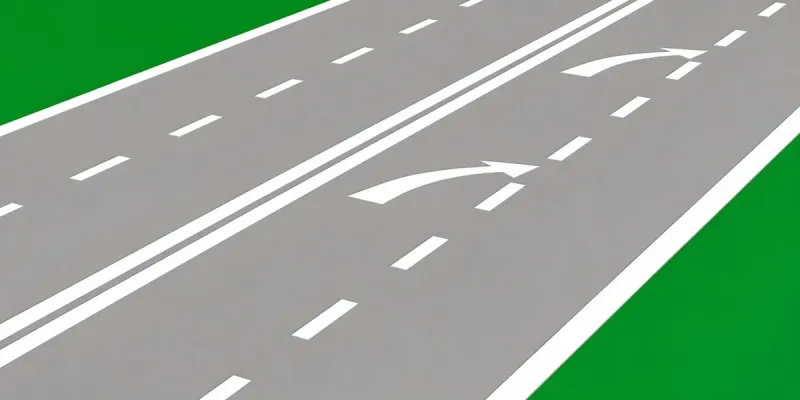
15. What do the arrows marked on the roadway warn about?
They warn the driver of an approaching hazardous section of road.
They warn of an approaching end of the traffic lane.
They indicate the direction of a hazardous turn in the road.
Correct answer: They warn of an approaching end of the traffic lane.ABC · D/T
Why: Երթևեկելի մասի վրա գծված 1.19 սլաքները նախազգուշացնում են երթևեկության գոտու վերջին մոտենալու մասին, որտեղ գոտիների թիվը նվազում է։
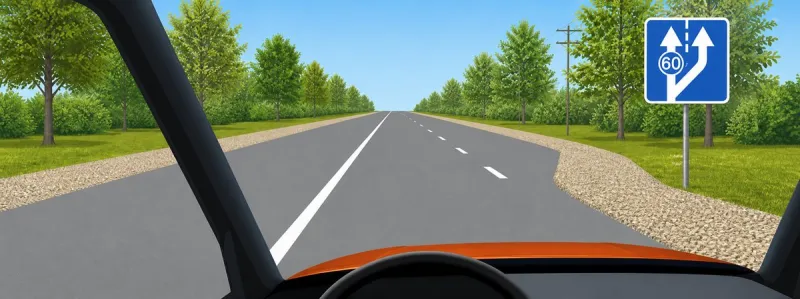
16. When towing a motor vehicle, in which lane may you continue on this road?
The right lane only.
Any lane.
Correct answer: The right lane only.ABC · D/T
Why:5.15.1 «Երթևեկության ուղղությունները գոտիներով» նշանը ձախ գոտու համար սահմանում է առնվազն 60 կմ/ժ։ Քարշակելիս թույլատրվում է ոչ ավելի, քան 50 կմ/ժ (կետ 71), ուստի երթևեկությունը շարունակել կարելի է միայն աջ գոտիով։
17. While the vehicle is moving, are persons permitted to be in the cargo bed of a truck if it is not equipped for carrying people?
Prohibited.
Permitted on roads that are not freeways.
Permitted only for persons accompanying the cargo or proceeding to receive it, provided they are seated on seats installed below the level of the sides of the cargo bed.
Correct answer: Permitted only for persons accompanying the cargo or proceeding to receive it, provided they are seated on seats installed below the level of the sides of the cargo bed.ABC
Why: Կետ 154-ով մարդ փոխադրելու համար չկահավորված բեռնատարի թափքում կարող են գտնվել միայն բեռն ուղեկցող կամ այն ստանալու համար մեկնող անձինք՝ պայմանով, որ ապահովված են սահմանված նստատեղերով։
18. The driver of a vehicle equipped with a blue flashing beacon has the right-of-way over other road users if the driver:
Has activated the flashing beacon.
Is giving a special audible signal.
Has activated the blue flashing beacon and the special audible signal.
Correct answer: Has activated the blue flashing beacon and the special audible signal.ABC · D/T
Why: Կետ 26-ով երթևեկության մյուս մասնակիցների նկատմամբ առավելություն ստանալու համար պետք է միացված լինեն և՛ կապույտ առկայծող փարոսիկը, և՛ հատուկ ձայնային ազդանշանը միասին։
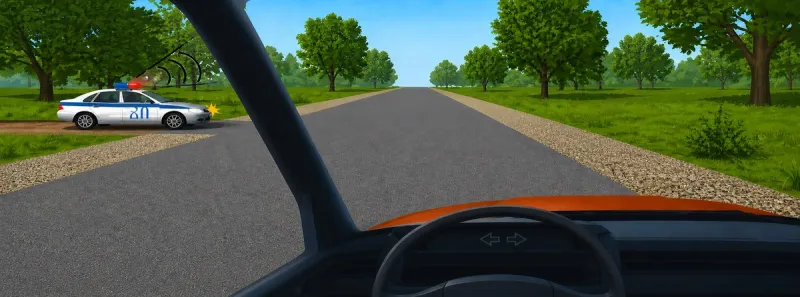
19. Must we yield to a driver exiting an adjacent area with flashing beacons and a special audible signal activated?
No.
Yes.
Correct answer: Yes.ABC · D/T
Why: Կապույտ և կարմիր փարոսիկներով ու հատուկ ձայնային ազդանշանով ոստիկանության ավտոմոբիլին կետ 29-ով պետք է զիջել ճանապարհը, նույնիսկ եթե այն դուրս է գալիս մերձակա տարածքից։
20. In case of a crash, what information should be provided to the emergency dispatcher when requesting an ambulance?
State the landmark nearest to the crash location. Report the number of injured persons and indicate their sex and age.
State the street and house number nearest to the crash location. Indicate who was injured in the crash (pedestrian, driver, or passenger) and describe the injuries sustained.
State the crash location (street, house number, and the landmarks nearest to the scene). Report the number of injured persons, their sex, approximate age, state of consciousness, breathing and circulation, and whether there is severe bleeding, fractures, or other injuries. Wait until the dispatcher confirms that the call has been received.
Correct answer: State the crash location (street, house number, and the landmarks nearest to the scene). Report the number of injured persons, their sex, approximate age, state of consciousness, breathing and circulation, and whether there is severe bleeding, fractures, or other injuries. Wait until the dispatcher confirms that the call has been received.ABC · D/T
Why: Առաջին օգնություն. շտապ օգնություն կանչելիս հայտնում են դեպքի ճշգրիտ վայրը, տուժածների թիվը, սեռը, մոտավոր տարիքը և վիճակը (գիտակցություն, շնչառություն, արյան շրջանառություն, արյունահոսություն, կոտրվածքներ) և սպասում, մինչև օպերատորը հաստատի կանչի ընդունումը։
In Varordakan Tester the same tests are taken without hints, wrong answers are collected automatically, and there is an exam simulation (20 questions, 30 minutes, pass at 18), a 3D intersection simulator, video lessons and an AI assistant that cites the Traffic Rules point. Free.
Sources: questions from the official bank of the Road Police of Armenia (roadpolice.am, edition of 2 October 2026); rule points from the Traffic Rules of the Republic of Armenia (arlis.am). Varordakan Tester is an independent educational app, not affiliated with the Police of Armenia.