Test 29 — Categories ABC (cars, motorcycles, trucks)
Updated 2026-10-13 · official question bank of 2 October 2026
Test 29, Categories ABC (cars, motorcycles, trucks): 20 questions from the official bank of 2 October 2026 across all 10 topics. Under every question: the correct answer, the explanation (in Armenian) and the signs it mentions. In the app the same test is taken without hints, and the exam simulation runs on a 30-minute timer.
1. When the paths of vehicles intersect and the order of passage is not established by the rules, the driver who must yield is the one:
To whose right another vehicle is approaching.
To whose left another vehicle is approaching.
Correct answer: To whose right another vehicle is approaching.ABC · D/T
Why: Կետ 45-ը ընդհանուր կանոնն է. երբ երթևեկության ուղիները հատվում են, իսկ հերթականությունը կանոններով սահմանված չէ, զիջում է այն վարորդը, որին տրանսպորտային միջոց է մոտենում աջից։
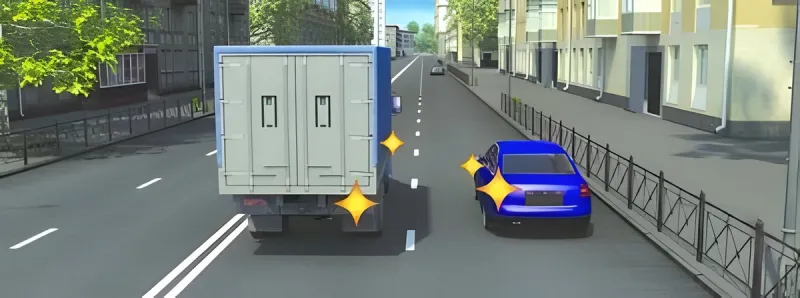
2. When changing lanes simultaneously, which vehicle driver has the right-of-way?
The truck driver.
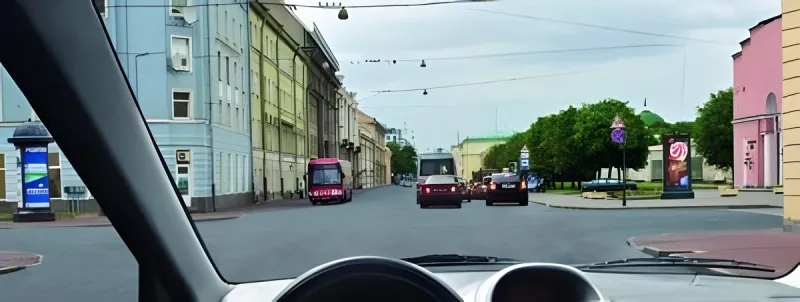
The passenger-car driver.
Correct answer: The passenger-car driver.ABC
Why: Բեռնատարն ու թեթև մարդատարը միաժամանակ վերադասավորվում են նույն գոտի։ Կետ 39-ի համաձայն՝ միաժամանակյա վերադասավորման դեպքում ճանապարհը զիջում է ձախից ընթացողի վարորդը, ուստի առաջնահերթությունն աջ կողմում գտնվող թեթև մարդատարի վարորդինն է։
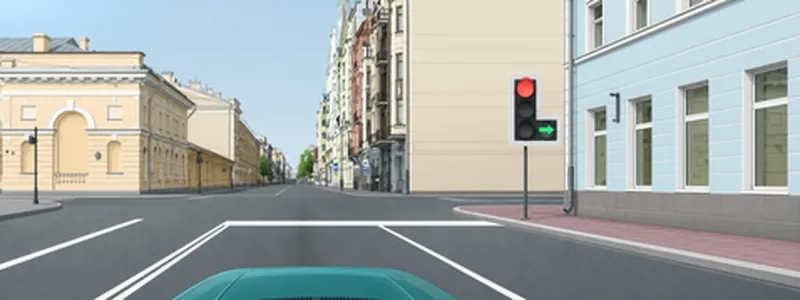
3. In this situation, is the driver permitted to make a right turn?
Yes.
No.
Correct answer: No.ABC · D/T
Why: Ավտոմոբիլը ձախ գոտում է, իսկ կետ 40-ի համաձայն աջ շրջադարձը կատարվում է միայն աջ եզրային գոտուց։ Բացի այդ, աջ շրջադարձը կարգավորվում է լուսացույցի լրացուցիչ սեկցիայի սլաքով (կետ 8)։ Ուստի այս իրավիճակում աջ շրջադարձ կատարել չի թույլատրվում։
4. According to the Law of the Republic of Armenia on Ensuring Road Traffic Safety, the right to drive vehicles arises:
Upon receipt of the driver’s license.
Upon assignment of the digital version of the driver’s license.
In either case.
Correct answer: In either case.ABC
Why: ՀՀ օրենքի համաձայն՝ տրանսպորտային միջոցներ վարելու իրավունքը ծագում է վարորդական իրավունքի վկայականը ստանալու կամ դրա թվային տարբերակը հատկացնելու պահից՝ երկու դեպքում էլ։
5. A vehicle may not be operated if:
The remaining tread depth of the tires of a passenger car is 1.8 mm.
The hydraulic brake system is not leak-tight.
In both cases.
Correct answer: The hydraulic brake system is not leak-tight.ABC
Why: Հիդրավլիկ արգելակային հաղորդակի հերմետիկության խախտումը Հավելվածի 1.2 ենթակետով արգելող անսարքություն է։ Թեթև մարդատարի 1.8 մմ պահպանաշերտը 1.6 մմ նվազագույնից (4.1) բարձր է, ուստի միայն երկրորդ տարբերակն է անսարքություն։
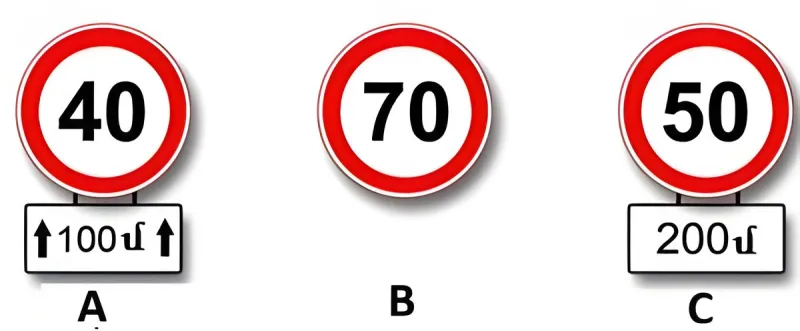
6. Which sign takes effect immediately from the location where it is installed?
Only A and B.
Only B.
All of them.
Correct answer: Only A and B.ABC · D/T
Why: Նշանի ազդեցությունն անմիջապես տեղակայման վայրից սկսվում է A (3.24՝ 8.2.1 «Ազդման գոտի» ցուցանակով) և B (3.24) դեպքերում։ C դեպքում 8.1.1 «Հեռավորություն մինչև օբյեկտ» ցուցանակը ցույց է տալիս, որ սահմանափակումն սկսվում է 200 մ հետո։
7. From what point do the requirements regulating traffic in a populated area take effect?
After the “Beginning of Populated Area” sign with a white background.
Only after signs with a white or blue background that contain the name of the populated area.
Only after the beginning of the developed area.
Correct answer: After the “Beginning of Populated Area” sign with a white background.ABC · D/T
Why: Սպիտակ հիմնագույնով 5.23.1 և 5.23.2 «Բնակավայրի սկիզբ» նշաններից հետո գործում են բնակավայրում երթևեկության կարգը սահմանող կանոնները։ Կապույտ հիմնագույնով 5.25 նշանը ցույց է տալիս բնակավայր, որտեղ տվյալ ճանապարհին այդ կանոնները չեն գործում։
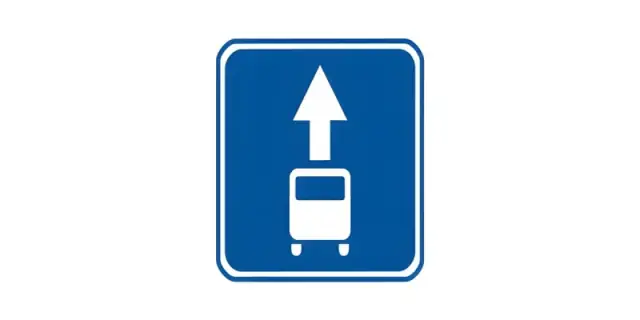
8. When making a right turn, is it permitted to enter the lane indicated by this sign?
Permitted.
Prohibited.
Permitted if the lane is not separated from the rest of the roadway by a solid pavement marking.
Correct answer: Permitted if the lane is not separated from the rest of the roadway by a solid pavement marking.ABC
Why: Նշան 5.14 «Ընդհանուր օգտագործման տրանսպորտային միջոցների համար գոտի»-ով նշված գոտի աջ շրջադարձի համար մուտք գործել թույլատրվում է միայն այն դեպքում, երբ այն մնացած երթևեկելի մասից բաժանված է ընդհատվող գծանշմամբ (կետ 124)։
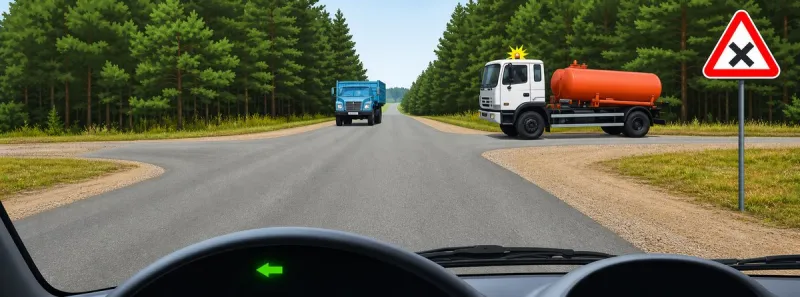
Why:1.6 «Հավասարազոր ճանապարհների խաչմերուկ» նշան։ Ձախ շրջադարձի ժամանակ կետ 98-ով զիջում ենք աջից մոտեցող ավտոցիստեռնին, կետ 99-ով՝ հանդիպակաց ուղիղ գնացող բեռնատարին. երկու վարորդներին։
10. When congestion has formed immediately beyond the intersection, entering the intersection is permitted:
If you intend to continue straight ahead.
If you intend to make a turn or a U-turn.
In all of the listed cases.
Correct answer: If you intend to make a turn or a U-turn.ABC · D/T
Why: Կետ 88-ով արգելվում է մուտք գործել խաչմերուկ, եթե առջևի խցանումը կհարկադրի կանգնել՝ խոչընդոտելով լայնական երթևեկությանը, բացառությամբ աջ կամ ձախ շրջադարձ կատարելու դեպքերի։
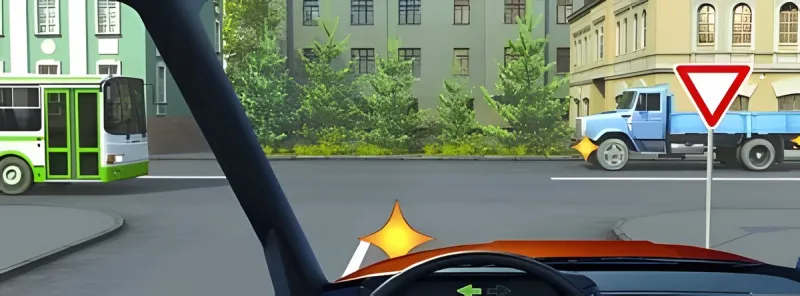
11. In this situation, you must yield to:
The bus driver.
The truck driver.
Both drivers.
Correct answer: Both drivers.ABC · D/T
Why: Մեր դիմաց 2.4 «Զիջեք ճանապարհը» նշանն է առանց ցուցանակի. հատվող ճանապարհը գլխավորն է։ Ձախի ավտոբուսն ու աջի բեռնատարը երկուսն էլ դրանով են ընթանում, ուստի կետ 96-ով զիջում ենք երկուսին՝ անկախ նրանց ուղղությունից։
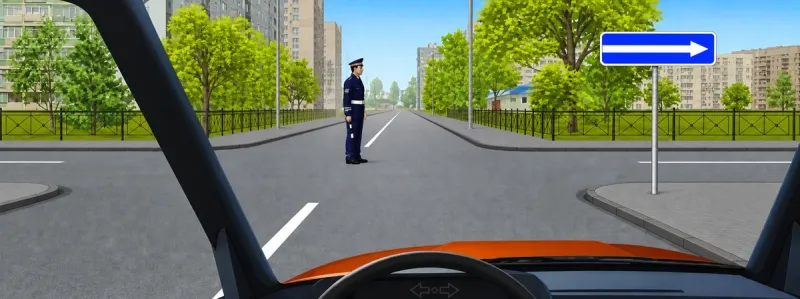
Correct answer: Straight ahead and to the right.ABC · D/T
Why: Կարգավորողը մեզ կողքով է, ձեռքերն իջեցված, ուստի կողքից թույլատրվում է ուղիղ և աջ (կետ 16, 2-րդ ենթակետ «ա»)։ Աջի 5.7.1 «Ելք դեպի միակողմ երթևեկությամբ ճանապարհ» նշանը ցույց է տալիս, որ կողմնային ճանապարհը միակողմ է դեպի աջ, ուստի աջ շրջադարձը հոսքի ուղղությամբ է։ Ուղիղ և աջ։
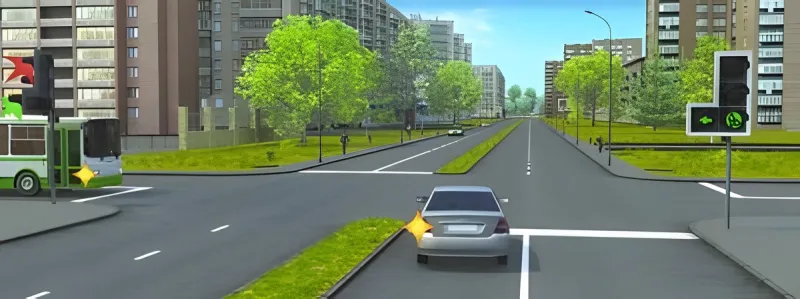
Correct answer: The passenger-car driver.ABC · D/T
Why: Միայն լուսացույցներ են, նշաններ չկան։ Թեթև մարդատարը ձախ է թեքվում հիմնական կանաչով և միացված ձախ սեկցիայով (կետ 8), ավտոբուսն ընթանում է կարմիրի հետ միացված լրացուցիչ սեկցիայի սլաքով և կետ 91-ով զիջում է այլ ուղղություններից ընթացողներին։ Առաջնահերթությունը թեթև մարդատարի վարորդինն է։
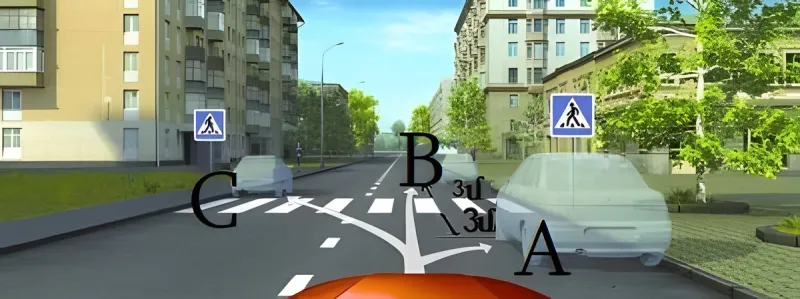
14. At which of the indicated locations is stopping permitted?
Only A.
Only B.
Only B and C.
At none of the locations.
Correct answer: Only B.ABC
Why: A տեղը հետիոտնային անցումից (նշաններ 5.19.1, 5.19.2) առաջ 5 մ-ից մոտ է, ինչը կետ 84-ով արգելված է։ C տեղը մի քանի գոտի ունեցող երկկողմ ճանապարհի ձախ կողմում է, որտեղ կանգառ չի թույլատրվում (կետեր 78, 79)։ Թույլատրվում է միայն B տեղում՝ աջ կողմում, անցումից հետո։
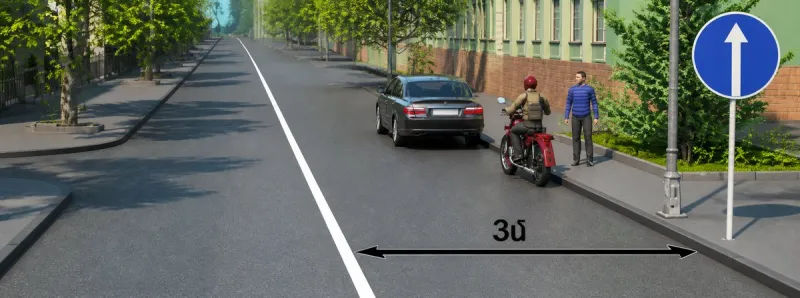
15. Are the drivers permitted to stop at the indicated location?
Yes.
Only the driver of the motorcycle.
No.
Correct answer: No.ABC
Why: Աջ գոտին մինչև հոծ առանցքային գիծն ընդամենը 3 մ է, ուստի կանգնած տրանսպորտային միջոցի և հոծ գծի միջև 3 մ-ից պակաս կմնա։ Կետ 84-ի համաձայն՝ նման տեղում կանգառն արգելվում է բոլորին, այդ թվում՝ մոտոցիկլներին։
16. What is the maximum permitted speed when towing a vehicle with a flexible coupling?
70 km/h.
60 km/h.
50 km/h.
40 km/h.
30 km/h.
Correct answer: 50 km/h.ABC · D/T
Why: Կետ 71.2-ով միմյանց կցված մեխանիկական տրանսպորտային միջոցներով քարշակելիս, այդ թվում՝ ճկուն կցիչով, թույլատրվում է 50 կմ/ժ ոչ ավելի արագություն։
17. Is towing motorcycles permitted?
Towing motorcycles with sidecars is permitted.
Towing motorcycles without sidecars is permitted.
Permitted in both cases.
Correct answer: Towing motorcycles with sidecars is permitted.ABC
Why: Կետ 143.2-ով արգելվում է առանց կողային կցորդի մոտոցիկլներով քարշակելը, ինչպես նաև դրանց քարշակումը։ Կողային կցորդով մոտոցիկլների քարշակումը թույլատրվում է։
18. At what distance from the vehicle must the emergency warning triangle be placed?
At least 15 m in populated areas and at least 30 m outside populated areas.
At least 10 m in populated areas and at least 20 m outside populated areas.
At least 5 m in populated areas and at least 10 m outside populated areas.
Correct answer: At least 15 m in populated areas and at least 30 m outside populated areas.ABC · D/T
Why: Կետ 23.2-ով «Վթարային կանգառ» նշանը տեղադրվում է բնակավայրերում տրանսպորտային միջոցից ոչ պակաս 15 մ, իսկ բնակավայրերից դուրս՝ 30 մ հեռավորության վրա։
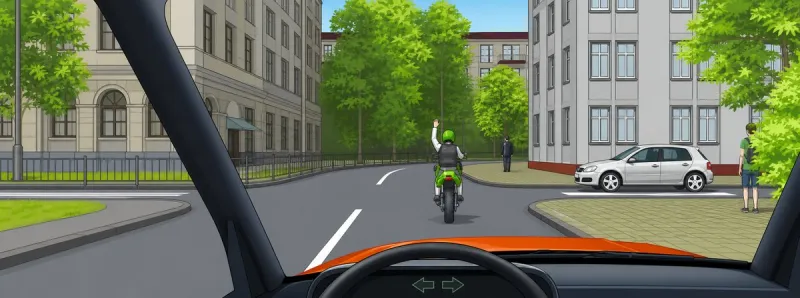
19. What is the driver of the motorcycle indicating?
An intention to continue straight ahead.
An intention to make a left turn.
An intention to slow down in order to yield to the passenger car.
Correct answer: An intention to slow down in order to yield to the passenger car.ABC · D/T
Why: Մոտոցիկլի վարորդի դեպի վեր պարզված ձեռքը կետ 37-ի համաձայն արգելակման ազդանշանն է. նա իջեցնում է արագությունը՝ թեթև մարդատարին զիջելու համար։
20. An injured person with an abdominal injury should be:
Laid down with the head elevated.
Laid down with the legs elevated.
Laid down with the knees bent.
Correct answer: Laid down with the knees bent.ABC · D/T
Why: Առաջին օգնություն. որովայնի վնասվածքի դեպքում տուժածին պառկեցնում են ոտքերը ծնկային հոդերում ծալած, որպեսզի թուլանա որովայնի պատի լարվածությունը և նվազի ցավը։
In Varordakan Tester the same tests are taken without hints, wrong answers are collected automatically, and there is an exam simulation (20 questions, 30 minutes, pass at 18), a 3D intersection simulator, video lessons and an AI assistant that cites the Traffic Rules point. Free.
Sources: questions from the official bank of the Road Police of Armenia (roadpolice.am, edition of 2 October 2026); rule points from the Traffic Rules of the Republic of Armenia (arlis.am). Varordakan Tester is an independent educational app, not affiliated with the Police of Armenia.