Test 35 — Categories ABC (cars, motorcycles, trucks)
Updated 2026-10-13 · official question bank of 2 October 2026
Test 35, Categories ABC (cars, motorcycles, trucks): 20 questions from the official bank of 2 October 2026 across all 10 topics. Under every question: the correct answer, the explanation (in Armenian) and the signs it mentions. In the app the same test is taken without hints, and the exam simulation runs on a 30-minute timer.
1. Giving a signal:
Gives the driver right-of-way over other road users.
Gives the driver right-of-way only when changing lanes.
Does not give the driver right-of-way over other road users.
Correct answer: Does not give the driver right-of-way over other road users.ABC · D/T
Why: Կետ 36-ի վերջին նախադասությունը հստակ ասում է. ազդանշան տալը երթևեկության մյուս մասնակիցների նկատմամբ առավելություն չի տալիս։
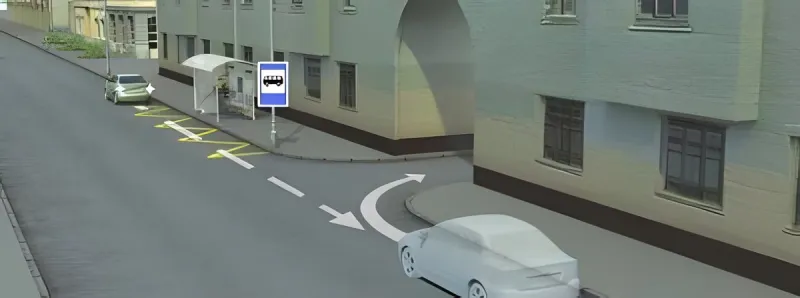
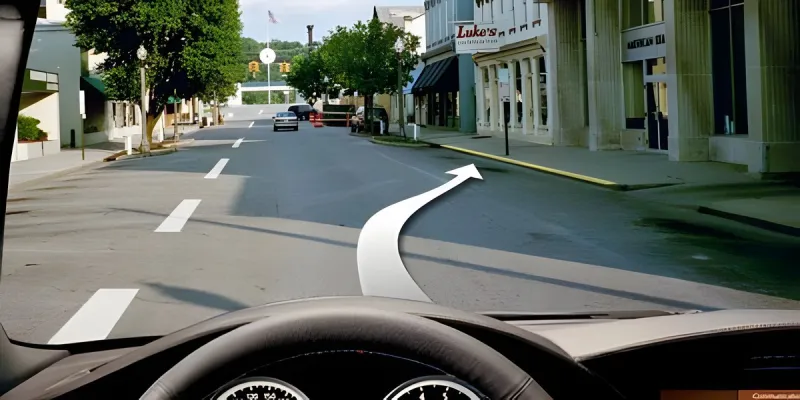
2. In the indicated situation, is it permitted to back up in order to enter the yard by making a right turn?
Yes, if we do not interfere with public transit vehicle traffic.
No.
Correct answer: No.ABC
Why: Մոտակայքում ընդհանուր օգտագործման տրանսպորտային միջոցների կանգառի կետ է (5.16 նշան, դեղին 1.17 գծանշում)։ Կետ 49-ով հետընթացն արգելվում է կետ 50-ում թվարկված տեղերում, որոնց թվում են կանգառի կետերով հատվածները (50.6), ուստի բակ մտնելու համար հետընթացն արգելվում է։
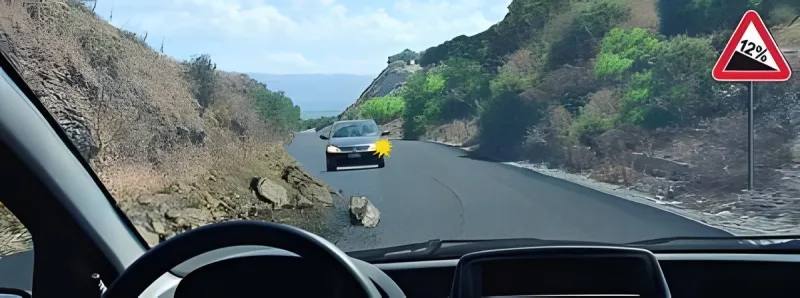
Why: Մեր ուղղությամբ տեղադրված է 1.13 «Կտրուկ վայրէջք» նշանը. մենք իջնում ենք, հանդիպակաց ավտոմոբիլը բարձրանում է։ Կետ 46-ի համաձայն՝ 1.13 և 1.14 նշաններով կահավորված հատվածներում, անկախ խոչընդոտի դասավորությունից, ճանապարհը զիջում է վայրէջքի ուղղությամբ ընթացողը, ուստի պարտավոր ենք զիջել։
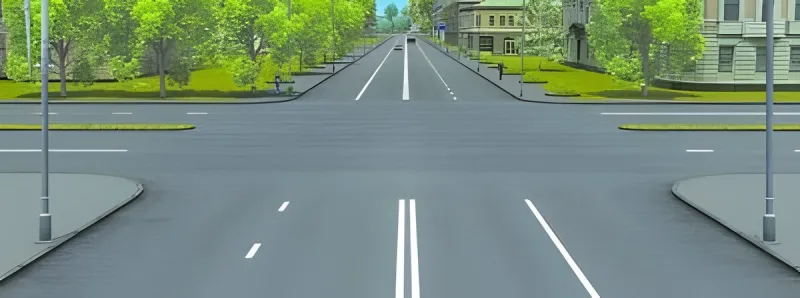
4. How many intersections are shown in this image?
One.
Two.
Four.
Correct answer: One.ABC · D/T
Why: Երկու ճանապարհների հատումը մեկ խաչմերուկ է, նույնիսկ եթե ճանապարհներից մեկը երկու երթևեկելի մաս ունի («Ճանապարհային երթևեկության անվտանգության ապահովման մասին» ՀՀ օրենքի սահմանում)։
5. A vehicle may not be operated if:
Lamps or lenses are missing from the lighting devices.
Lenses or lamps that do not correspond to the type of the lighting device are used.
In both cases.
Correct answer: In both cases.ABC · D/T
Why:3.4 ենթակետը ներառում է և՛ լամպերի կամ ցրիչների բացակայությունը, և՛ լուսային սարքի տեսակին չհամապատասխանող լամպերի ու ցրիչների օգտագործումը։ Երկու դեպքում էլ շահագործումն արգելվում է։
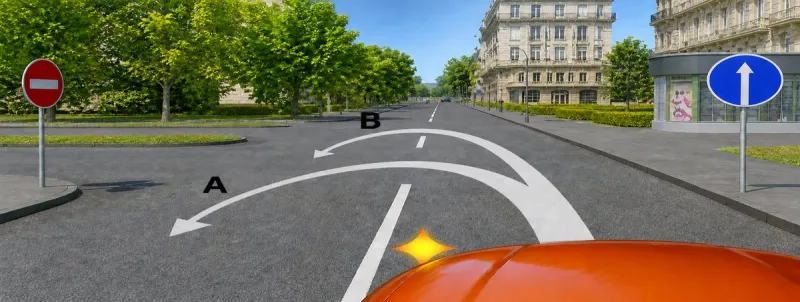
6. Along which path is the U-turn permitted?
Only A.
Only B.
Any of the paths.
Correct answer: Only B.ABC · D/T
Why: Ձախ ճանապարհի մուտքին 3.1 «Մուտքն արգելվում է» նշանն է, ուստի այնտեղ ավարտվող A հետադարձն արգելված է։ B հետագիծը հետադարձն ավարտում է խաչմերուկի սահմաններում և թույլատրվում է. աջ կողմի 4.1.1 նշանը վերաբերում է խաչմերուկից հետո ընկած հատվածին։
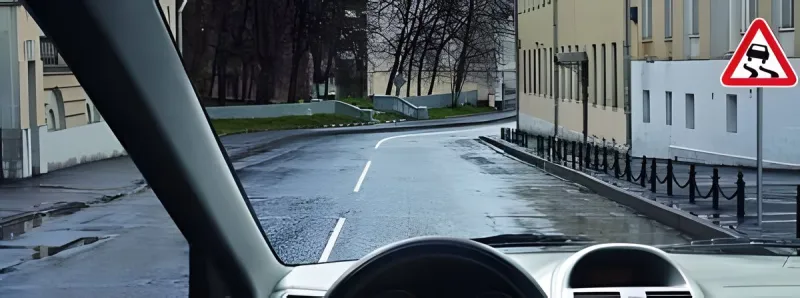
7. At what minimum distance from the sign will a slippery section of road begin in a populated area?
At least 100 m.
At least 50 m.
Immediately after the sign.
Correct answer: At least 50 m.ABC · D/T
Why:1.15 «Սայթաքուն ճանապարհ» նախազգուշացնող նշանը բնակավայրում տեղադրվում է վտանգավոր հատվածից 50–100 մ առաջ, ուստի սայթաքուն հատվածը սկսվում է նվազագույնը 50 մետրից։
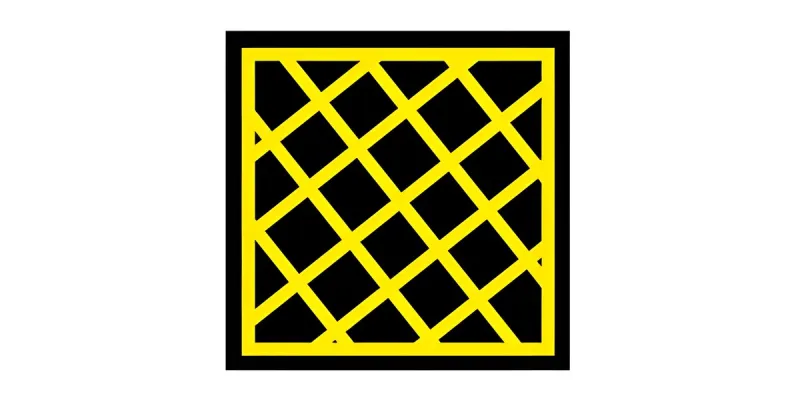
8. What does the following pavement marking indicate?
A vehicle parking area.
A pedestrian crossing.
A safety island.
A section of an intersection that may not be entered if congestion has formed ahead in the direction of traffic and would force the driver to stop.
Correct answer: A section of an intersection that may not be entered if congestion has formed ahead in the direction of traffic and would force the driver to stop.ABC · D/T
Why: Դեղին ցանցաձև գծանշումը 1.26-ն է. այն ցույց է տալիս խաչմերուկի հատվածը, որտեղ արգելվում է մուտք գործել, եթե առջևում առաջացած խցանումը վարորդին կհարկադրի կանգ առնել (կետ 88)։
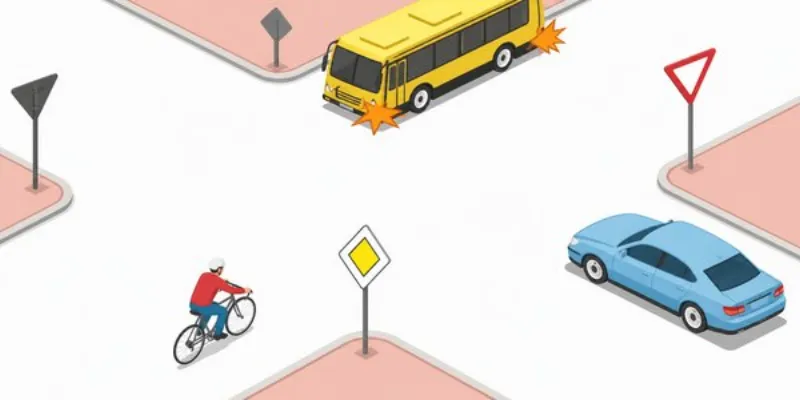
9. The vehicles will proceed through the intersection in the following order:
The passenger car, the bus, the bicycle.
The bus, the bicycle, the passenger car.
The bus, the passenger car, the bicycle.
The bicycle, the bus, the passenger car.
Correct answer: The bicycle, the bus, the passenger car.ABC · D/T
Why: Հեծանվորդի դիմաց 2.1 «Գլխավոր ճանապարհ» նշանն է, կապույտի դիմաց՝ 2.4 «Զիջեք ճանապարհը», ավտոբուսի մոտ և ձախում նշանների թիկունքն է երևում։ Կապույտը երկրորդական ճանապարհից է և կետ 96-ով զիջում է գլխավոր ճանապարհով ընթացողներին։ Հեծանվորդն անցնում է առաջինը, ավտոբուսը, որի ուղին հատում է հեծանվորդինը, սպասում է նրան (կետ 99, 98) և անցնում կապույտից առաջ. հեծանիվ, ավտոբուս, թեթև մարդատար։
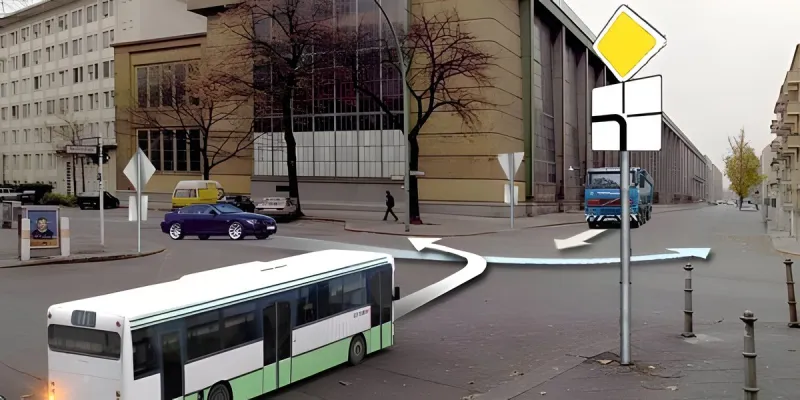
10. The passenger car will proceed through the intersection:
First.
Second, after the bus.
Third.
Correct answer: Second, after the bus.ABC
Why: Մեր (ավտոբուսի) առջև 2.1 «Գլխավոր ճանապարհ» նշանն է 8.13 ցուցանակով. գլխավոր ճանապարհն անցնում է մեր թևով և թեքվում ձախ՝ թեթև մարդատարի թևը, իսկ դիմացի բեռնատարը երկրորդական ճանապարհից է։ Գլխավոր ճանապարհով ընթացողները միմյանց նկատմամբ գործում են հավասարազոր խաչմերուկի կանոններով (կետ 97). ավտոբուսը մոտենում է թեթև մարդատարի աջից, ուստի այն զիջում է ավտոբուսին (կետ 98)։ Բեռնատարը զիջում է երկուսին (կետ 96). թեթև մարդատարն անցնում է երկրորդը՝ ավտոբուսից հետո։
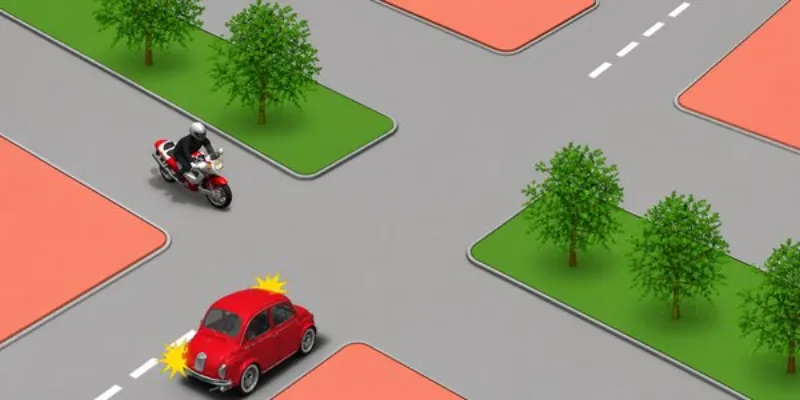
Why: Առավելության նշաններ և լուսացույց չկան՝ հավասարազոր ճանապարհների խաչմերուկ։ Ավտոմոբիլը մոտենում է մոտոցիկլի աջ կողմից, ուստի կետ 98-ով մոտոցիկլը զիջում է, առաջնահերթությունն ավտոմոբիլի վարորդինն է։
12. Traffic is permitted:
Straight ahead and to the right.
Straight ahead only.
To the right only.
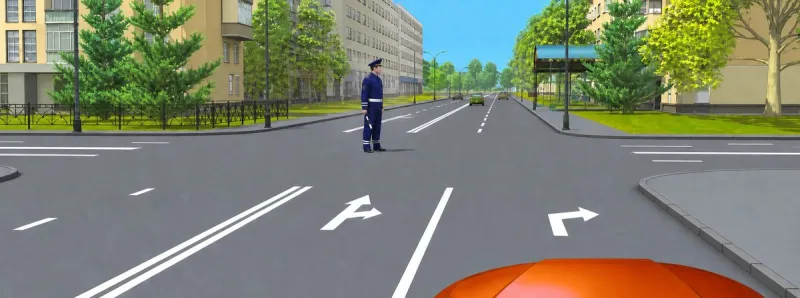
Correct answer: To the right only.ABC · D/T
Why: Կարգավորողը կրծքով դեպի մեզ է, աջ ձեռքը պարզված է առաջ. 1.18 գծանշման սլաքները թույլատրում են ուղիղ և աջ, բայց որոշիչը կարգավորողի ազդանշանն է (կետ 20). կրծքի կողմից թույլատրվում է միայն աջ (կետ 16, 3-րդ ենթակետ «բ»)։
13. When making a right turn:
We must yield to the tram operator.
We will proceed through the intersection first.
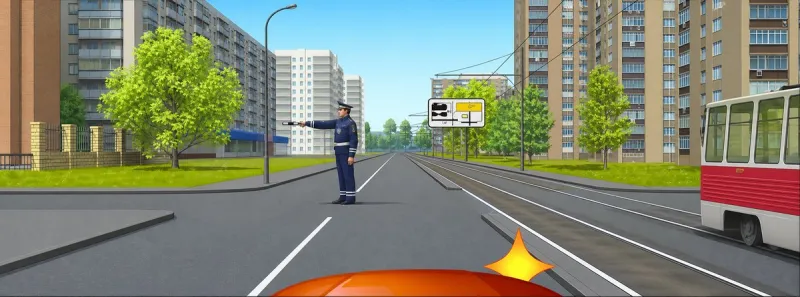
Correct answer: We will proceed through the intersection first.ABC · D/T
Why: Կարգավորողը կրծքով դեպի մեզ է, աջ ձեռքը պարզված է առաջ, լուսացույց և նշաններ չկան։ Կրծքի կողմից մեզ թույլատրվում է աջ շրջադարձ (կետ 16, 3-րդ ենթակետ «բ»), իսկ նրա ձախ կողմի տրամվային՝ միայն ձախ («ա»), ուստի ուղիները չեն հատվում, անցնում ենք առաջինը։
14. Parking is prohibited:
At a railroad crossing.
At a railroad crossing and within 50 m of it.
At a railroad crossing and within 50 m before it.
Correct answer: At a railroad crossing and within 50 m of it.ABC · D/T
Why: Կայանումն արգելվում է գծանցի վրա (այնտեղ արգելված է նաև կանգառը, կետ 84.2 և 86.1) և գծանցին 50 մ-ից մոտ՝ երկու կողմից (կետ 86.4), ոչ միայն դրանից առաջ։
15. Is the vehicle permitted to stop at the indicated location to drop off passengers?
Permitted.
Prohibited.
Permitted, but only by driving onto the sidewalk.
Correct answer: Prohibited.ABC · D/T
Why: Նշված տեղը խաչմերուկի անկյունում է՝ հատվող երթևեկելի մասի եզրից 5 մ-ից մոտ։ Կետ 84-ի համաձայն՝ նման վայրում կանգառն արգելվում է, ուստի ուղևոր իջեցնելու համար կանգ առնել չի թույլատրվում։
16. If cargo protrudes 0.6 m beyond the rear end of the vehicle, must it be marked during daylight hours with the “Oversized Cargo” identification sign and, at night or under conditions of insufficient visibility, additionally with a white light or reflector at the front and a red light or reflector at the rear?
Yes.
No.
Correct answer: No.ABC
Why: Կետ 162-ով նշում պահանջվում է միայն, երբ բեռը հետևից 1 մ-ից ավելի է դուրս ցցված։ 0,6 մ-ը շեմից ցածր է, ուստի նշում չի պահանջվում՝ ոչ։
17. When towing with a rigid coupling, the distance between the vehicles must not exceed:
4 m.
5 m.
6 m.
Correct answer: 4 m.ABC · D/T
Why: Կետ 140-ով կոշտ կցիչով քարշակելիս տրանսպորտային միջոցների միջև հեռավորությունը պետք է լինի 4 մ ոչ ավելի։
18. We must yield to:
Everyone.
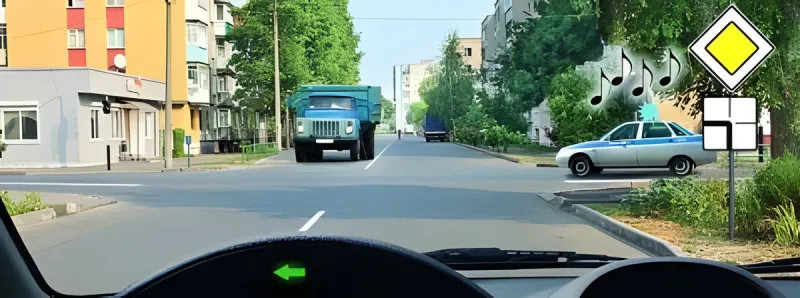
The driver of the police automobile.
No one.
Correct answer: The driver of the police automobile.ABC · D/T
Why: Մենք գլխավոր ճանապարհով ենք (նշան 2.1՝ 8.13 ցուցանակով), ուստի երկրորդական ճանապարհի բեռնատարը զիջում է մեզ (կետ 96)։ Կապույտ փարոսիկով և ձայնային ազդանշանով ոստիկանության ավտոմոբիլին կետ 28-ի համաձայն զիջում ենք։
Gives the driver the right-of-way over other road users.
Does not give the driver the right-of-way over other road users.
Gives the driver the right-of-way only when starting to move.
Correct answer: Does not give the driver the right-of-way over other road users.ABC · D/T
Why: Կետ 36-ի վերջին նախադասությամբ ազդանշան տալը երթևեկության մյուս մասնակիցների նկատմամբ առավելություն չի տալիս, այդ թվում՝ շարժում սկսելիս։
20. In case of severe bleeding, you should:
Only cover the wound with a bandage.
Apply a pressure bandage to the injured area and apply pressure at the arterial pressure point.
Put ash into the wound.
Correct answer: Apply a pressure bandage to the injured area and apply pressure at the arterial pressure point.ABC · D/T
Why: Առաջին օգնություն. ուժեղ արյունահոսության դեպքում դնում են ճնշող վիրակապ և ճնշում գործադրում զարկերակի սեղման կետի վրա։ Սովորական ծածկելը բավարար չէ, մոխիրը վարակ է։
In Varordakan Tester the same tests are taken without hints, wrong answers are collected automatically, and there is an exam simulation (20 questions, 30 minutes, pass at 18), a 3D intersection simulator, video lessons and an AI assistant that cites the Traffic Rules point. Free.
Sources: questions from the official bank of the Road Police of Armenia (roadpolice.am, edition of 2 October 2026); rule points from the Traffic Rules of the Republic of Armenia (arlis.am). Varordakan Tester is an independent educational app, not affiliated with the Police of Armenia.