Test 37 — Categories ABC (cars, motorcycles, trucks)
Updated 2026-10-13 · official question bank of 2 October 2026
Test 37, Categories ABC (cars, motorcycles, trucks): 20 questions from the official bank of 2 October 2026 across all 10 topics. Under every question: the correct answer, the explanation (in Armenian) and the signs it mentions. In the app the same test is taken without hints, and the exam simulation runs on a 30-minute timer.
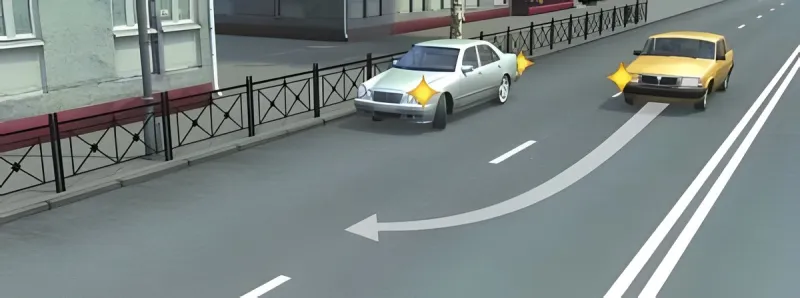
1. Which driver must yield?
The driver of the white automobile.
The driver of the yellow automobile.
Correct answer: The driver of the white automobile.ABC · D/T
Why: Սպիտակ ավտոմոբիլը երթևեկությունն սկսում է ճանապարհի եզրից, ինչը նշանակում է վերադասավորվել այն գոտի, որով շարժվում է դեղին ավտոմոբիլը։ Կետ 39-ով վերադասավորվող վարորդը զիջում է այդ գոտիով երթևեկողներին, իսկ կետ 36-ով ազդանշան տալն առավելություն չի տալիս, ուստի զիջում է սպիտակ ավտոմոբիլի վարորդը։
2. In the absence of traffic signs, pavement markings, and a median, drivers on a two-way road must pass elements of road structures located on the roadway:
On the right.
On the left.
Correct answer: On the right.ABC · D/T
Why: Կետ 64-ով երկկողմ ճանապարհին, բաժանարար գոտու բացակայության դեպքում, երթևեկելի մասում գտնվող կղզյակները, կարճասյուները և կառույցների տարրերը շրջանցվում են աջ կողմից, եթե նշաններն ու գծանշումն այլ բան չեն թելադրում։
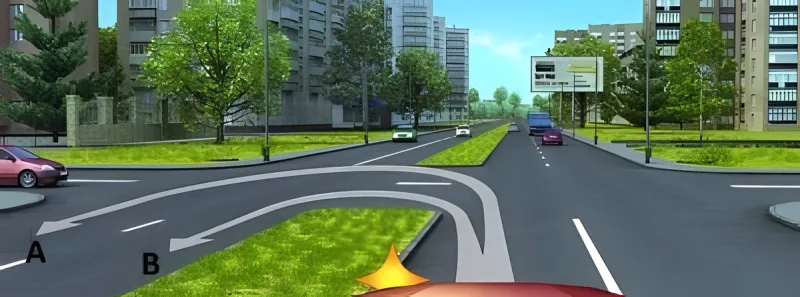
3. Along which path is the U-turn permitted?
Only A.
Only B.
Both paths are permitted.
Correct answer: Only A.ABC · D/T
Why: Բաժանարար գոտով ճանապարհին հետադարձը կատարվում է ձախ եզրային գոտուց՝ բաժանարար գոտու բացվածքով, այնպես, որ երթևեկելի մասերի փոխհատումից դուրս գալիս տրանսպորտային միջոցը չհայտնվի հանդիպակաց կողմում (կետեր 40 և 41)։ B հետագիծը հատում է բաժանարար գոտին, ուստի թույլատրված է միայն A հետագիծը։
4. According to the Law of the Republic of Armenia on Ensuring Road Traffic Safety, nighttime is:
In fall and winter, the period from 8:00 p.m. to 8:00 a.m.; in spring and summer, the period from 10:00 p.m. to 6:00 a.m.
The period between the end of evening twilight and the beginning of morning twilight.
The period during which sunlight is absent.
Correct answer: The period between the end of evening twilight and the beginning of morning twilight.ABC · D/T
Why: ՀՀ օրենքի համաձայն՝ օրվա մութ ժամանակ է երեկոյան մթնշաղի վերջի և առավոտյան աղջամուղջի սկզբի միջև ընկած ժամանակահատվածը։
5. A vehicle may not be operated if:
The engine-hood latch provided by the vehicle’s design does not operate.
The rear side windows are curtained and two side rear-view mirrors are installed.
In both cases.
Correct answer: The engine-hood latch provided by the vehicle’s design does not operate.ABC · D/T
Why: Շարժիչի ծածկոցի փականի չաշխատելը 6.6 ենթակետով անսարքություն է։ Հետևի կողային ապակիների վարագուրապատումն անսարքություն է միայն, երբ բացակայում են երկու կողային հայելիները (6.5). հայելիների առկայությամբ դա անսարքություն չէ։
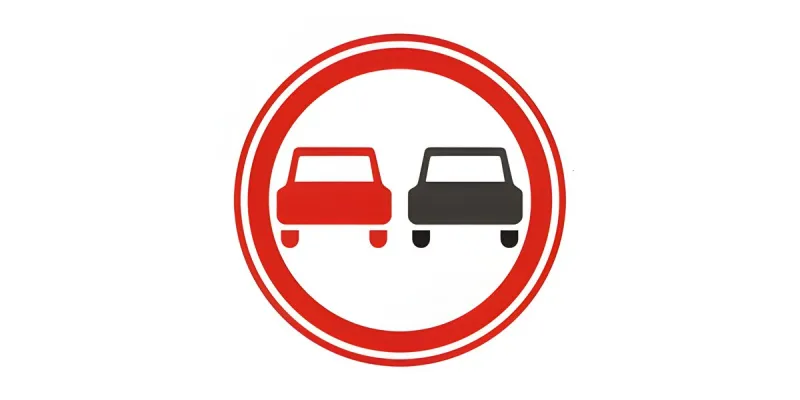
6. When this traffic sign is present:
Passing by all types of vehicles is prohibited, except when passing slow-moving vehicles, animal-drawn carts, two-wheeled motorcycles without sidecars, mopeds, and bicycles.
Trucks with a maximum authorized mass not exceeding 3.5 metric tons are permitted to pass.
Passing is permitted if the speed of the passing vehicle does not exceed 30 km/h.
Correct answer: Passing by all types of vehicles is prohibited, except when passing slow-moving vehicles, animal-drawn carts, two-wheeled motorcycles without sidecars, mopeds, and bicycles.ABC · D/T
Why: Նշան 3.20 «Վազանցն արգելվում է»-ի առկայության դեպքում արգելվում է բոլոր տեսակի տրանսպորտային միջոցներով վազանց կատարելը (բացի դանդաղընթացներից)։
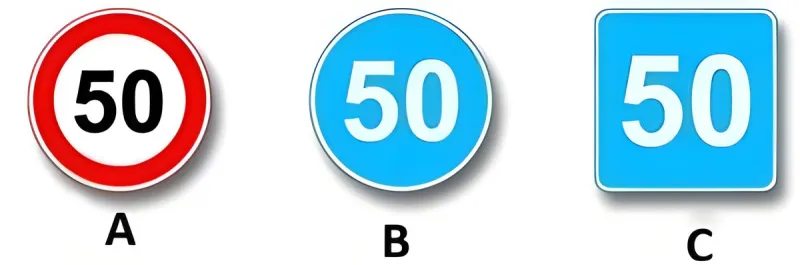
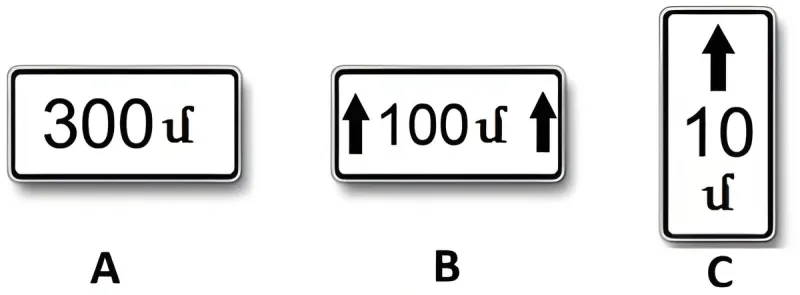
7. Within the area of effect of which sign may you proceed at a speed of 60 km/h?
Only B.
B and C.
None of them.
Correct answer: B and C.ABC · D/T
Why: A (3.24 «Առավելագույն արագության սահմանափակում») արգելում է 50-ից բարձր արագությունը։ B (4.6 «Նվազագույն արագության սահմանափակում») և C (6.2 «Առաջարկվող արագություն») նշանների գոտում 60 կմ/ժ արագությամբ երթևեկել կարելի է։
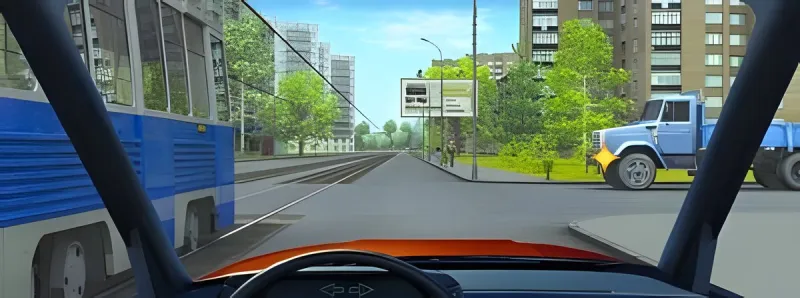
We may proceed through the intersection simultaneously with the tram.
Correct answer: We must yield to the truck driver.ABC · D/T
Why: Առավելության նշաններ չկան՝ հավասարազոր ճանապարհների խաչմերուկ։ Բեռնատարը մոտենում է մեր աջից, կետ 98-ով պարտավոր ենք զիջել նրան, իսկ ձախի տրամվայն էլ առավելություն ունի (կետ 100), ուստի նրա հետ միաժամանակ անցնել չենք կարող։
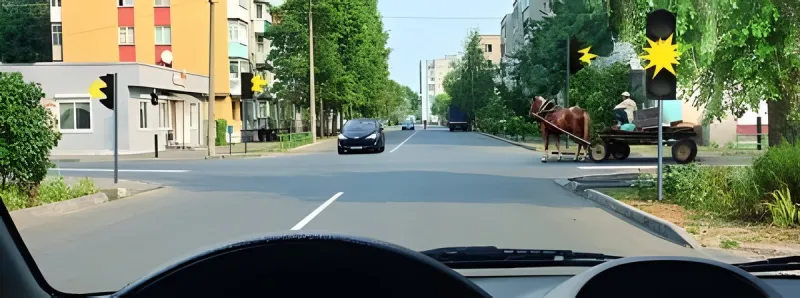
10. When the traffic signal is flashing yellow:
We must wait for the green signal.
We will proceed through the intersection after yielding to the driver of the animal-drawn cart.
You will proceed through the intersection simultaneously with the passenger car.
Correct answer: We will proceed through the intersection after yielding to the driver of the animal-drawn cart.ABC · D/T
Why: Լուսացույցը դեղին թարթող է. այն թույլատրում է երթևեկությունը և խաչմերուկը դարձնում չկարգավորվող (կետ 7, 4-րդ ենթակետ, կետ 95), ուստի կանաչին սպասել պետք չէ։ Առավելության նշաններ չկան, ուստի կետ 98-ով զիջում ենք աջից մոտեցող լծասայլին և դրանից հետո անցնում խաչմերուկը։
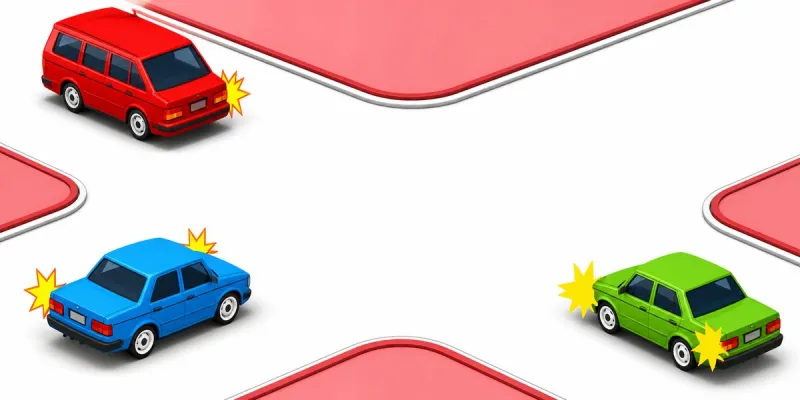
11. Which vehicle will proceed through the intersection second?
The blue automobile.
The green automobile.
The red automobile.
Correct answer: The blue automobile.ABC · D/T
Why: Նշաններ չկան՝ հավասարազոր ճանապարհների խաչմերուկ։ Կետ 98-ով զիջում են աջից մոտեցողին, կետ 99-ով ձախ շրջադարձ կատարողը զիջում է հանդիպակաց ուղիղ կամ աջ գնացողին. կապույտն անցնում է երկրորդը։
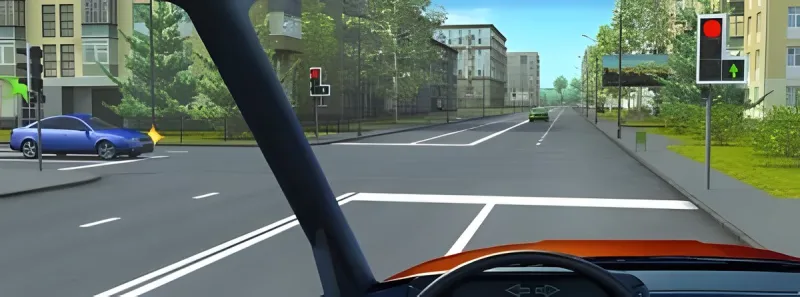
12. When proceeding straight through the intersection:
We may proceed first.
We must yield to the passenger-car driver.
Correct answer: We must yield to the passenger-car driver.ABC · D/T
Why: Մեր լուսացույցը կարմիր է՝ միացված ուղիղ սլաքով կանաչ սեկցիայով, առջևում 1.12 «Կանգ-գիծ» գծանշումն է, նշաններ չկան։ Կարմիրի հետ միացված լրացուցիչ սեկցիայի սլաքով ուղիղ անցնելիս կետ 91-ով զիջում ենք ձախից կանաչով մոտեցող թեթև մարդատարին։
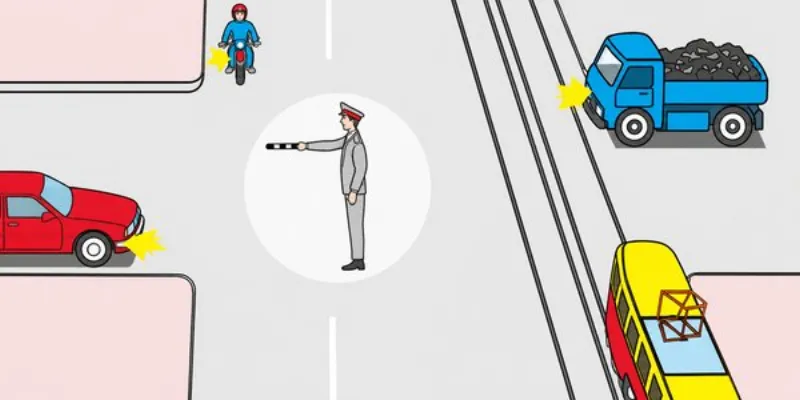
13. Traffic is permitted for:
The red automobile.
The motorcycle.
The tram and the red automobile.
The tram.
The blue automobile.
Correct answer: The red automobile.ABC · D/T
Why: Կարգավորողի աջ ձեռքն առաջ է պարզված, նա կանգնած է կրծքով դեպի կարմիր մեքենան։ Կրծքի կողմից թույլատրվում է միայն աջ շրջադարձ (կետ 16.3), և կարմիրը հենց աջ է թեքվում։ Մոտոցիկլը նրա աջ կողմից է, բեռնատարն ու տրամվայը՝ թիկունքից, որտեղից երթևեկությունն արգելված է (կետ 16.3)։
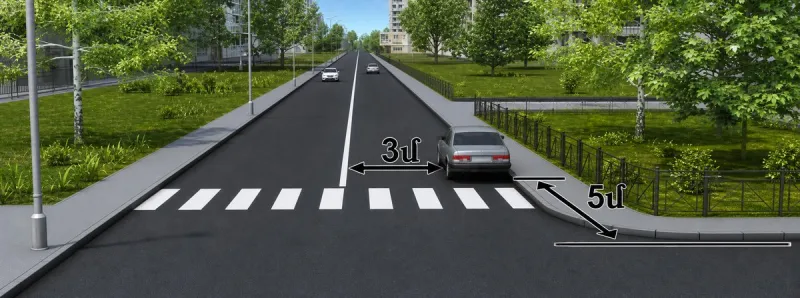
14. Stopping at the indicated location is:
Permitted.
Prohibited.
Correct answer: Permitted.ABC
Why: Ավտոմոբիլը կանգ է առել հետիոտնային անցումից հետո (5 մ արգելքը գործում է անցումից առաջ) և հատվող երթևեկելի մասի եզրից 5 մ հեռավորության վրա, ուստի կետ 84-ի պահանջները չեն խախտվում, և կանգառը թույլատրվում է։
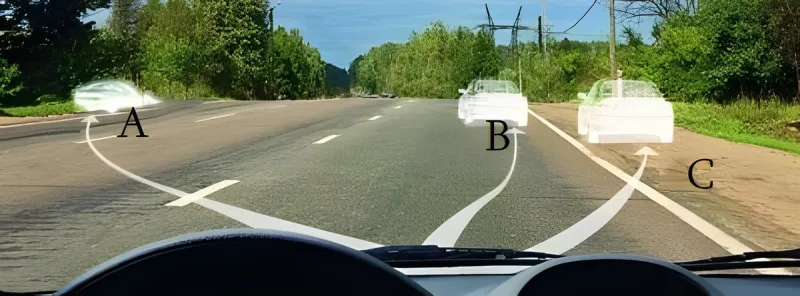
15. Which option shows a vehicle stopped correctly?
Only C.
Only A and C.
Only B and C.
In all three cases.
Correct answer: Only C.ABC · D/T
Why: Բնակավայրից դուրս կետ 78-ի համաձայն կանգառը կատարվում է կողնակին (C)։ Կողնակի առկայության դեպքում երթևեկելի մասի վրա կանգնելը (B) թույլատրված չէ, իսկ ձախ կողմում կանգառը (A) կետ 79-ով թույլատրվում է միայն բնակավայրերում։
16. Carrying people in a cargo trailer is:
Prohibited.
Permitted.
Permitted only for persons accompanying the cargo.
Correct answer: Prohibited.ABC
Why: Կետ 158.1-ով մարդկանց փոխադրումը բեռնատար կցորդում արգելվում է՝ առանց բացառությունների։
17. In populated areas, vehicles are permitted to proceed at a speed not exceeding:
60 km/h.
80 km/h.
90 km/h.
Correct answer: 60 km/h.ABC · D/T
Why: Կետ 68-ով բնակավայրերում տրանսպորտային միջոցների երթևեկությունը թույլատրվում է 60 կմ/ժ ոչ ավելի արագությամբ։
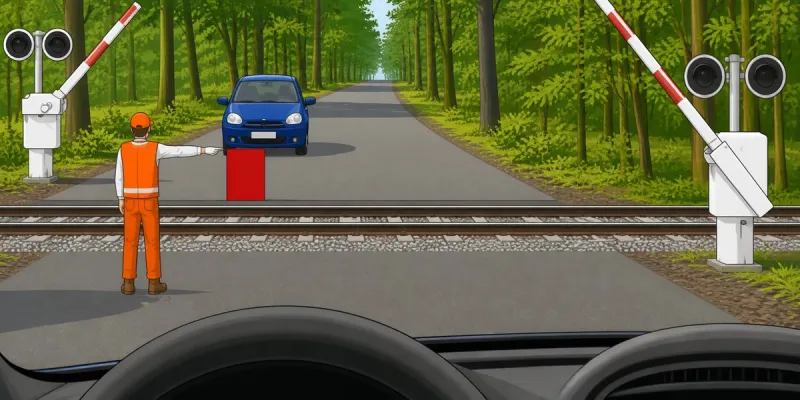
18. In this situation, is it permitted to cross the railroad crossing?
Prohibited.
Permitted if no train is approaching.
Permitted because the railroad crossing attendant is prohibiting the oncoming vehicle from crossing.
Correct answer: Prohibited.ABC · D/T
Why: Գծանցի հերթապահը ձեռքը կողմ է պարզել կարմիր դրոշակով։ Կետ 113.5-ով կողմ պարզած ձեռքերը և կարմիր դրոշակը արգելող ազդանշան են բոլոր վարորդների համար, ոչ միայն հանդիպակացի, ուստի գծանցն անցնելն արգելվում է։
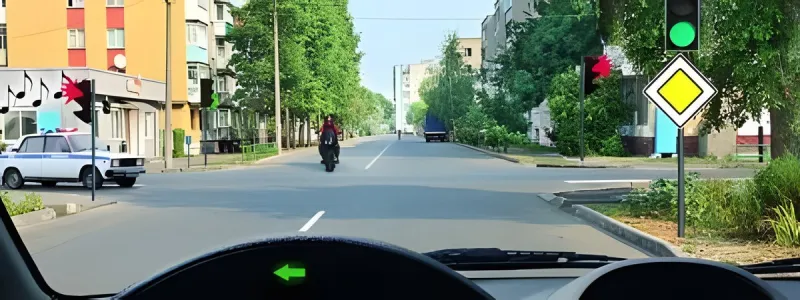
19. In this situation, to whom must you yield?
The driver of the motorcycle.
The driver of the automobile with special light and audible signals activated.
Both drivers.
Correct answer: Both drivers.ABC
Why: Կանաչ ազդանշան է վառվում, ուստի խաչմերուկը կարգավորվող է, և 2.1 նշանը չի գործում (կետ 173)։ Ձախ շրջադարձ կատարելիս զիջում ենք հանդիպակացից ուղիղ ընթացող մոտոցիկլին (կետ 90) և կապույտ փարոսիկով ու ձայնային ազդանշանով ոստիկանության ավտոմոբիլին (կետ 28)։
20. When providing first aid to an unconscious injured person who has circulation and breathing, in what position should the person be placed?
On their back, with a roll placed under the head.
On their back, with the legs spread apart.
Place the injured person in the recovery position so that the bent knees touch the ground and the upper hand is positioned under the cheek.
Correct answer: Place the injured person in the recovery position so that the bent knees touch the ground and the upper hand is positioned under the cheek.ABC · D/T
Why: Առաջին օգնություն. անգիտակից, բայց շնչող և արյան շրջանառություն ունեցող տուժածին տալիս են կայուն կողքի դիրք՝ ծալված ծունկը գետնին հպված, վերևի ձեռքը այտի տակ, որպեսզի շնչուղիները բաց մնան։ Մեջքի վրա պառկած դիրքում լեզուն կամ փսխումը կարող են խցանել շնչուղիները։
In Varordakan Tester the same tests are taken without hints, wrong answers are collected automatically, and there is an exam simulation (20 questions, 30 minutes, pass at 18), a 3D intersection simulator, video lessons and an AI assistant that cites the Traffic Rules point. Free.
Sources: questions from the official bank of the Road Police of Armenia (roadpolice.am, edition of 2 October 2026); rule points from the Traffic Rules of the Republic of Armenia (arlis.am). Varordakan Tester is an independent educational app, not affiliated with the Police of Armenia.