Test 39 — Categories ABC (cars, motorcycles, trucks)
Updated 2026-10-13 · official question bank of 2 October 2026
Test 39, Categories ABC (cars, motorcycles, trucks): 20 questions from the official bank of 2 October 2026 across all 10 topics. Under every question: the correct answer, the explanation (in Armenian) and the signs it mentions. In the app the same test is taken without hints, and the exam simulation runs on a 30-minute timer.
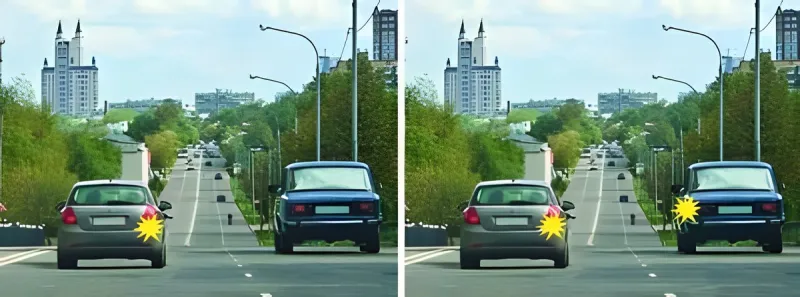
1. In which image does the driver of the blue automobile have the right-of-way over the other driver?
The left image.
The right image.
Both images.
Correct answer: Both images.ABC
Why: Երկու նկարում էլ կապույտ և մյուս ավտոմոբիլները միաժամանակ վերադասավորվում են, և կապույտն աջ կողմում է։ Կետ 39-ի համաձայն՝ միաժամանակյա վերադասավորման դեպքում ճանապարհը զիջում է ձախից ընթացողի վարորդը, ուստի կապույտ ավտոմոբիլի վարորդն առավելություն ունի երկու իրավիճակում էլ։
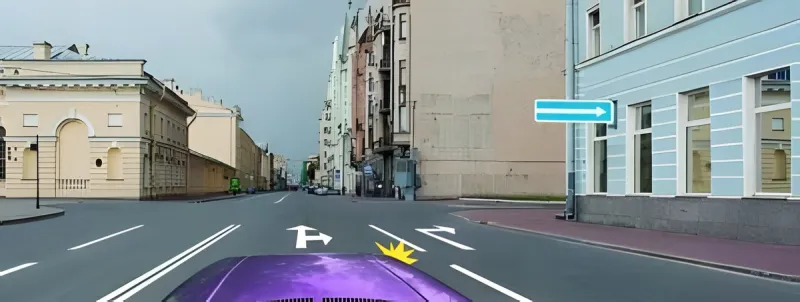
2. In this situation, must the driver first change to the right lane and only then make the right turn?
Yes.
No.
Correct answer: No.ABC · D/T
Why: Երթևեկելի մասի 1.18 գծանշման սլաքները թույլատրում են աջ շրջադարձը նաև մեր գոտուց։ Կետ 40-ի համաձայն՝ եթե նշանով կամ գծանշմամբ շրջադարձը թույլատրվում է նաև այլ գոտիներից, եզրային գոտի վերադասավորվել պարտադիր չէ։
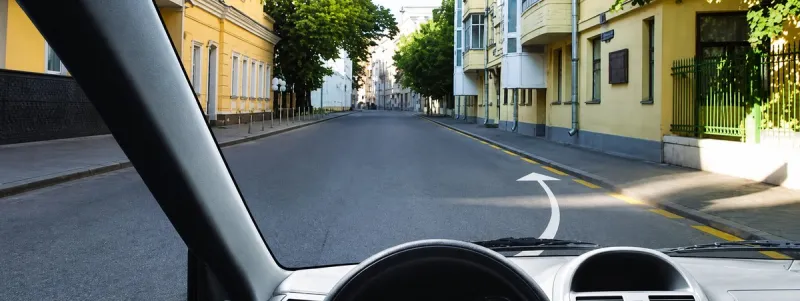
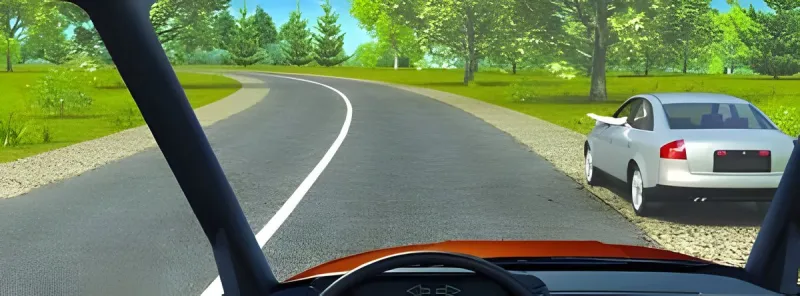
3. You need to make a left turn on a two-way road with three lanes. From which lane must you make this maneuver?
From the right lane.
From the center lane.
From either the right or the center lane.
From the center lane if the right lane is occupied.
Correct answer: From the center lane.ABC · D/T
Why: Երեք գոտի ունեցող երկկողմ ճանապարհին միջին գոտին օգտագործվում է երկու ուղղություններով երթևեկության համար, և կետ 54-ով ձախ շրջադարձի համար դուրս են գալիս հենց այդ գոտի։ Ձախ եզրային գոտին միայն հանդիպակացների համար է։
4. Starting to move means:
The moment a vehicle begins moving from a stopping or parking location, with or without changing to an adjacent traffic lane.
The moment a vehicle begins moving from a stopping or parking location while changing to an adjacent traffic lane.
Correct answer: The moment a vehicle begins moving from a stopping or parking location, with or without changing to an adjacent traffic lane.ABC · D/T
Why: Կետ 3-ի սահմանման համաձայն՝ երթևեկության սկիզբ է կանգառի կամ կայանման վայրից տրանսպորտային միջոցի շարժումն սկսելու պահը՝ հարևան գոտի վերադասավորվելով կամ առանց դրա։
5. A vehicle may not be operated if:
The remaining tire tread depth of a truck is 1.4 mm.
Yellow reflectors are installed at the front.
In both cases.
Correct answer: Yellow reflectors are installed at the front.ABC
Why: Առջևում արգելվում են ցանկացած գույնի լուսանդրադարձիչներ, բացի սպիտակից (3.6), ուստի դեղինն անսարքություն է։ Բեռնատարի 1.4 մմ պահպանաշերտը 1.0 մմ նվազագույնից (4.1) բարձր է, ուստի միայն երկրորդ տարբերակը։
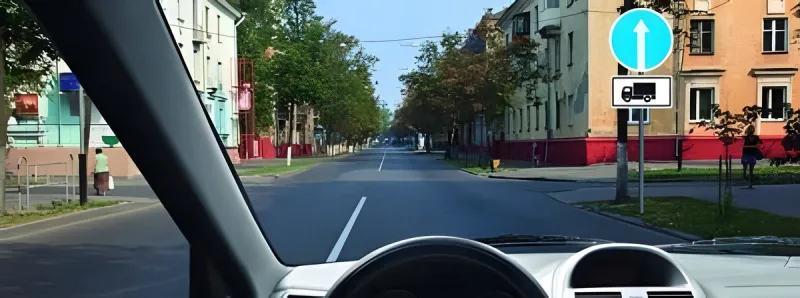
6. In which direction or directions is the passenger-car driver permitted to proceed in this situation?
Straight ahead only.
Straight ahead and to the right.
In any direction.
Correct answer: In any direction.ABC
Why:4.1.1 «Երթևեկությունն ուղիղ» նշանը տեղադրված է 8.4.1 «Տրանսպորտային միջոցի տեսակ» (բեռնատար) ցուցանակով, ուստի թեթև մարդատարին չի վերաբերում, և նրա վարորդին թույլատրվում է երթևեկել ցանկացած ուղղությամբ։
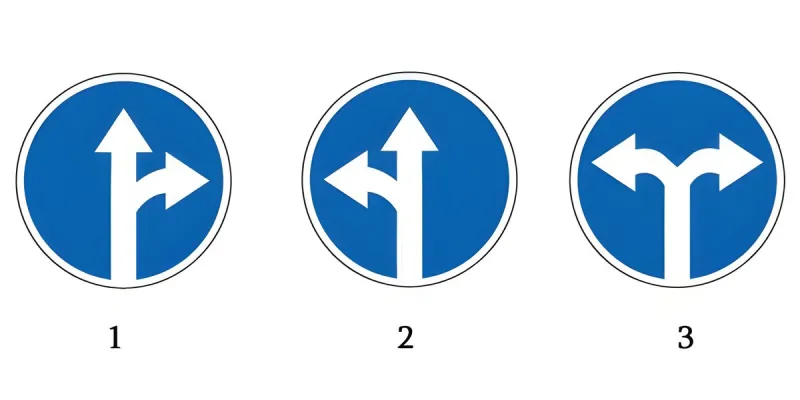
7. Which traffic sign requires a driver to proceed only to the left or to the right?
1
2
3
Correct answer: Option 3ABC · D/T
Why: 3-րդը 4.1.6 «Երթևեկությունը դեպի աջ կամ դեպի ձախ» նշանն է. թույլատրվում է միայն սլաքների ուղղություններով։ 4.1.4-ը ուղիղ կամ աջ է, 4.1.5-ը՝ ուղիղ կամ ձախ։
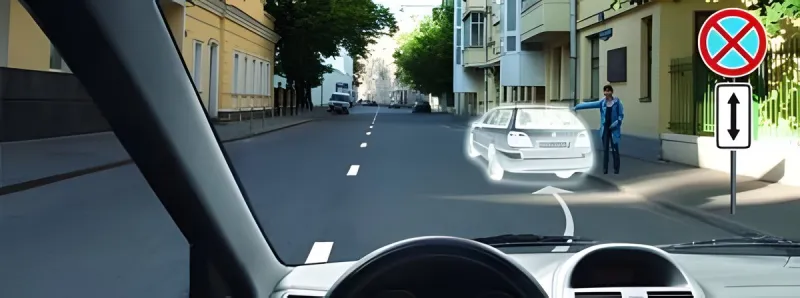
8. In this situation, stopping to pick up a passenger is:
Permitted after the sign.
Permitted before the sign.
Prohibited in both cases.
Correct answer: Prohibited in both cases.ABC
Why:3.27 «Կանգառն արգելվում է» նշանը 8.2.4 «Ազդման գոտի» ցուցանակով (երկկողմ սլաք) ցույց է տալիս, որ նշանն այդ հատվածում արգելքի գոտու մեջ է, այսինքն՝ արգելքը գործում է նշանից թե՛ առաջ, թե՛ հետո։ Ուստի ուղևոր նստեցնելու նպատակով կանգառն արգելվում է երկու դեպքում էլ։
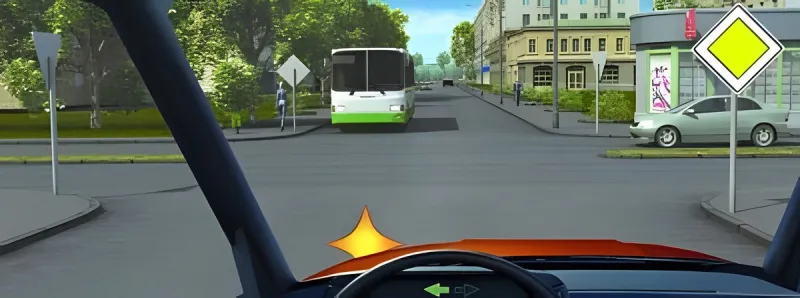
9. When making a left turn at the second crossing, the driver:
Has the right-of-way.
Must yield to the other drivers.
Must yield to the bus driver.
Correct answer: Must yield to the bus driver.ABC · D/T
Why:2.1 «Գլխավոր ճանապարհ» նշան. գլխավոր ճանապարհով ենք։ Երկրորդ խաչմերուկում ձախ շրջադարձ կատարելիս կետ 99-ով զիջում ենք նույն ճանապարհով հանդիպակաց ուղիղ գնացող ավտոբուսին, իսկ երկրորդական ճանապարհի թեթև մարդատարը կետ 96-ով զիջում է մեզ. միայն ավտոբուսի վարորդին։
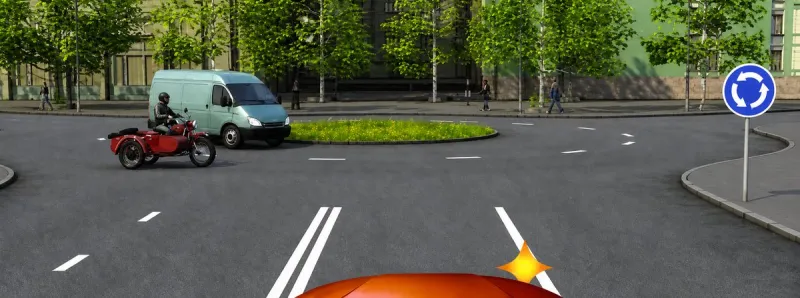
Correct answer: Must yield to both drivers.ABC · D/T
Why:4.3 «Շրջանաձև երթևեկություն» նշան. մուտք գործելիս կետ 98.1-ով զիջում ենք շրջանաձև խաչմերուկում արդեն երթևեկող բոլորին՝ և՛ մոտոցիկլին, և՛ բեռնատարին։
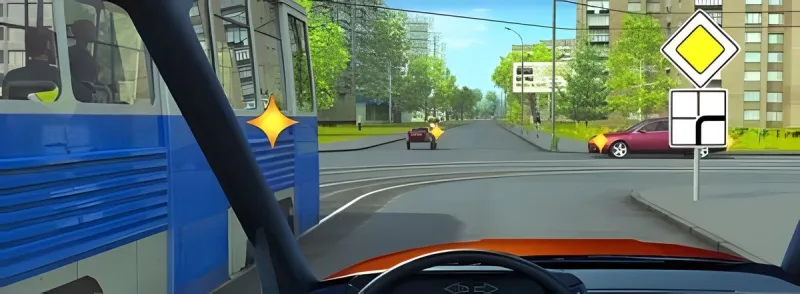
Correct answer: The passenger-car driver and the tram operator.ABC · D/T
Why: Մեր դիմաց 2.1 «Գլխավոր ճանապարհ» նշանն է 8.13 «Գլխավոր ճանապարհի ուղղությունը» ցուցանակով. գլխավոր ճանապարհն անցնում է մեր թևով և թեքվում աջ՝ թեթև մարդատարի թևը, դիմացի թևը մոտոցիկլով երկրորդական է։ Ձախի տրամվայը մեր գլխավոր ճանապարհով է և հավասարազոր ճանապարհի վրա առավելություն ունի ոչ ռելսագնաց միջոցների նկատմամբ (կետ 96, 100), թեթև մարդատարը մոտենում է աջից (կետ 97, 98). զիջում ենք թեթև մարդատարին և տրամվային, մոտոցիկլը զիջում է մեզ։
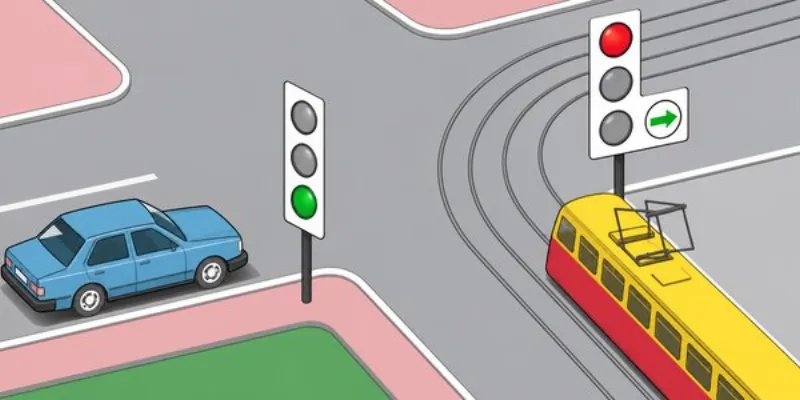
12. The automobile will proceed through the intersection:
First.
Second.
Correct answer: First.ABC · D/T
Why: Երկու լուսացույց, նշաններ չկան։ Տրամվայն աջ է թեքվում կարմիրի հետ միացված լրացուցիչ սեկցիայի սլաքով, ուստի կետ 92-ով զիջում է հիմնական կանաչով ընթացող ավտոմոբիլին. ավտոմոբիլն անցնում է առաջինը։
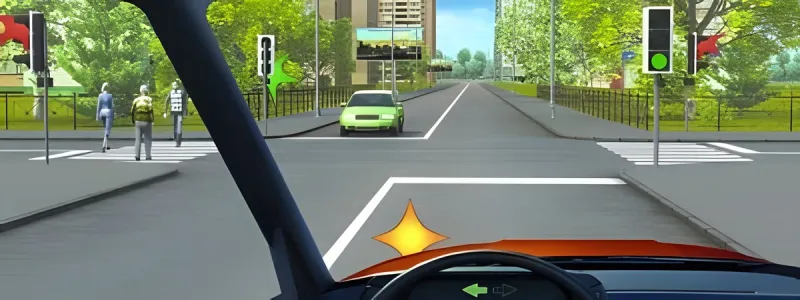
13. When making a left turn, you must yield to:
Only the passenger-car driver.
Pedestrians only.
The passenger-car driver and the pedestrians.
Correct answer: The passenger-car driver and the pedestrians.ABC · D/T
Why: Կանաչ լուսացույց, 1.12 «Կանգ-գիծ» և 1.14.1 «Զեբր» գծանշումներ, նշաններ չկան։ Կանաչով ձախ թեքվելիս վարորդը կետ 90-ով զիջում է հանդիպակաց ուղիղ գնացող թեթև մարդատարին և կետ 87-ով խոչընդոտ չի ստեղծում մուտք գործվող ճանապարհը հատող հետիոտներին։ Թեթև մարդատարի վարորդին և հետիոտներին։
14. Is parking permitted at the indicated location?
Prohibited.
Only on the sidewalk.
Only for motorcycles.
Permitted.
Correct answer: Prohibited.ABC · D/T
Why: Եզրաքարի մոտ գծված դեղին ընդհատվող 1.10 գծանշումը ցույց է տալիս կայանելն արգելված տեղը, ուստի նշված վայրում կայանելն արգելվում է։
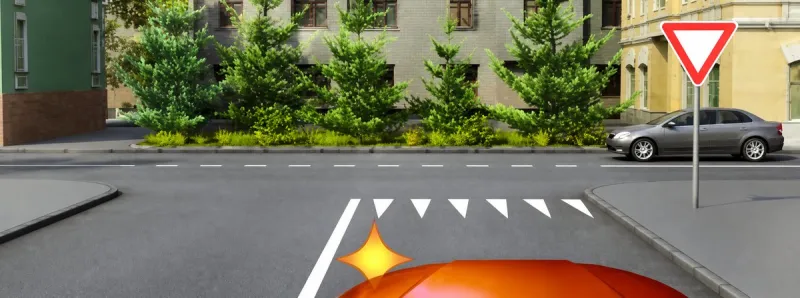
15. With this pavement marking, may you enter the intersection if doing so does not interfere with the passenger-car driver?
Yes.
No.
Correct answer: No.ABC · D/T
Why:2.4 «Զիջեք ճանապարհը» նշանը և 1.13 գծանշումը ցույց են տալիս, որ մենք երկրորդական ճանապարհին ենք, և 1.13 գծանշման մոտ պետք է կանգ առնենք ու զիջենք ճանապարհը հատող ճանապարհով երթևեկող տրանսպորտային միջոցներին։ Կետ 96-ով երկրորդական ճանապարհով երթևեկող վարորդը պետք է զիջի գլխավոր ճանապարհով մոտեցող տրանսպորտային միջոցներին։ Թեթև մարդատարը գլխավոր ճանապարհով մոտենում է խաչմերուկին, ուստի մենք պետք է նախ այն բաց թողնենք և միայն դրանից հետո մուտք գործենք խաչմերուկ։
16. If cargo protrudes 1.2 m beyond the rear end of the vehicle, must it be marked during daylight hours with the “Oversized Cargo” identification sign and, at night or under conditions of insufficient visibility, additionally with a white light or reflector at the front and a red light or reflector at the rear?
Yes.
No.
Correct answer: Yes.ABC
Why: Կետ 162-ով առջևի կամ հետևի եզրաչափից 1 մ-ից ավելի դուրս ցցված բեռը պետք է նշվի «Մեծ եզրաչափերով բեռ» նշանով, մթին՝ նաև լապտերիկներով։ 1,2 մ-ը գերազանցում է շեմը, ուստի՝ այո։
17. What is the maximum permitted speed when towing with a flexible coupling?
70 km/h.
60 km/h.
50 km/h.
40 km/h.
30 km/h.
Correct answer: 50 km/h.ABC · D/T
Why: Կետ 71.2-ով միմյանց կցված մեխանիկական տրանսպորտային միջոցներով քարշակելիս, այդ թվում՝ ճկուն կցիչով, թույլատրվում է 50 կմ/ժ ոչ ավելի արագություն։
18. In this situation, what can the driver’s outstretched arm indicate?
An intention to start moving.
An intention to stop.
A general emergency signal.
Correct answer: An intention to start moving.ABC · D/T
Why: Կանգնած ավտոմոբիլի վարորդի դեպի կողմ պարզված ձեռքը ձախ շրջադարձի ձեռքի ազդանշանն է (կետ 37), որով նա նախազգուշացնում է երթևեկությունն սկսելու մասին (կետ 36)։
19. Passing is prohibited:
At intersections.
Within 150 m before railroad crossings.
In both cases.
Correct answer: At intersections.ABC · D/T
Why: Վազանցն արգելվում է խաչմերուկներում (կետ 77.1)։ Երկաթուղային գծանցից առաջ արգելքը 100 մ է (կետ 77.3), ոչ 150 մ, ուստի ճիշտ է միայն առաջին տարբերակը։
20. When treating minor wounds, you should:
Wash the wound with soap and clean water, then bandage it.
Treat the wound with alcohol-containing substances (iodine, vodka, perfume, etc.).
Correct answer: Wash the wound with soap and clean water, then bandage it.ABC · D/T
Why: Առաջին օգնություն. քիչ վտանգավոր վերքերը լվանում են օճառով և մաքուր ջրով, ապա վիրակապում։ Սպիրտային նյութերը (յոդ, օղի) վնասում են հյուսվածքները։
In Varordakan Tester the same tests are taken without hints, wrong answers are collected automatically, and there is an exam simulation (20 questions, 30 minutes, pass at 18), a 3D intersection simulator, video lessons and an AI assistant that cites the Traffic Rules point. Free.
Sources: questions from the official bank of the Road Police of Armenia (roadpolice.am, edition of 2 October 2026); rule points from the Traffic Rules of the Republic of Armenia (arlis.am). Varordakan Tester is an independent educational app, not affiliated with the Police of Armenia.