Test 4 — Categories ABC (cars, motorcycles, trucks)
Updated 2026-10-13 · official question bank of 2 October 2026
Test 4, Categories ABC (cars, motorcycles, trucks): 20 questions from the official bank of 2 October 2026 across all 10 topics. Under every question: the correct answer, the explanation (in Armenian) and the signs it mentions. In the app the same test is taken without hints, and the exam simulation runs on a 30-minute timer.
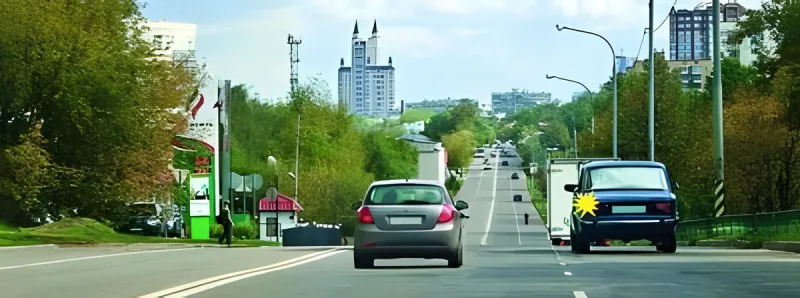
1. Must the driver proceeding straight ahead in the second lane yield to the driver changing lanes from the right?
No.
Yes.
Correct answer: No.ABC
Why: Աջից վերադասավորվող վարորդը փոխում է գոտին, իսկ երկրորդ գոտիով ուղիղ ընթացողը ուղղությունը չի փոխում։ Կետ 39-ով զիջում է վերադասավորվողը, ուստի ուղիղ ընթացող վարորդը պարտավոր չէ զիջել։
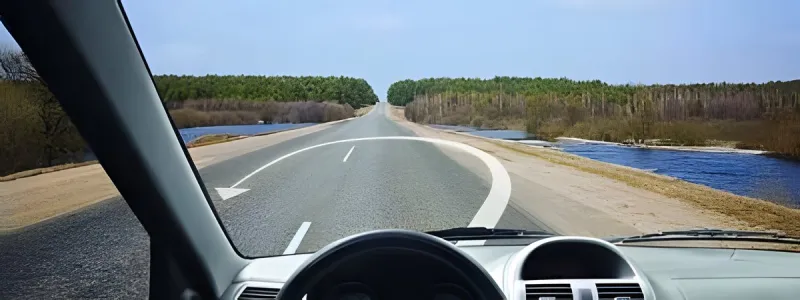
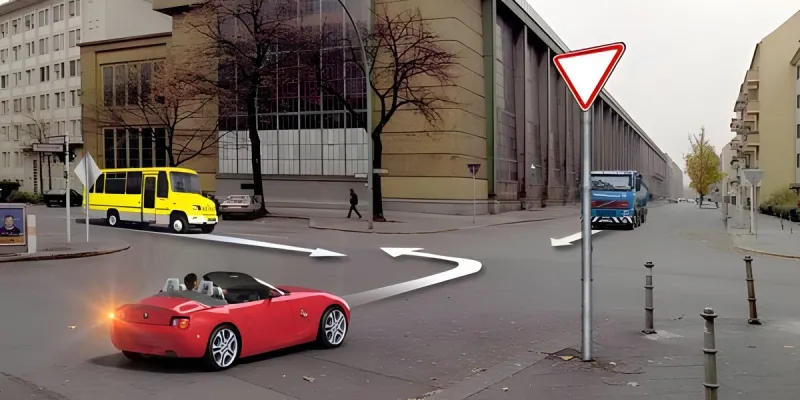
2. If visibility of 100 m is provided in both directions, is it permitted to make a U-turn along the indicated path?
No.
Yes.
Correct answer: No.ABC · D/T
Why: Ճանապարհն այս հատվածում անցնում է ջրի վրայով։ Կետ 50.3-ով կամուրջների վրա հետադարձն արգելվում է՝ անկախ տեսանելիությունից, ուստի 100 մ տեսանելիության դեպքում էլ թույլատրված չէ։
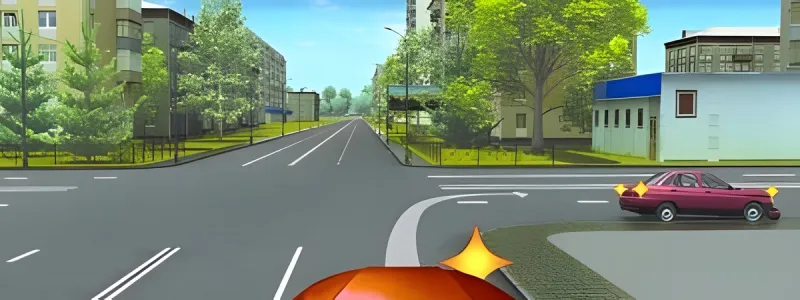
3. The right turn along the indicated path is:
Permitted.
Prohibited.
Correct answer: Permitted.ABC · D/T
Why: Նշված աջ շրջադարձը կատարվում է երթևեկելի մասի աջ եզրին մոտ և ավարտվում է կողային ճանապարհի աջ գոտում, ինչպես պահանջում է կետ 41-ը, ուստի թույլատրված է։
4. Maneuvering means:
Starting to move a vehicle (involving entry into an adjacent traffic lane), changing lanes, changing direction, stopping (with a lane change), and backing.
Starting to move a vehicle, changing lanes, changing direction, stopping, and backing.
Correct answer: Starting to move a vehicle (involving entry into an adjacent traffic lane), changing lanes, changing direction, stopping (with a lane change), and backing.ABC · D/T
Why: Կետ 3-ի սահմանման համաձայն՝ մանևրում է երթևեկության սկիզբը (կապված հարևան գոտի դուրս գալու հետ), վերադասավորումը, երթևեկության ուղղության փոփոխությունը, կանգառը (վերադասավորվելով) և հետընթաց կատարելը։
5. A vehicle may not be operated if:
For a bus built on a passenger-car chassis, the total play in the steering system exceeds 10 degrees.
The mudguards and splash guards provided by the vehicle’s design are missing.
In both cases.
Correct answer: In both cases.ABC
Why: Թեթև մարդատարի բազայի վրա պատրաստված ավտոբուսի ղեկի խաղացքի սահմանը 10 աստիճան է (2.1), ուստի գերազանցումն անսարքություն է. ցեխապաշտպան գոգնոցների և ցայտապաշտպանիչների բացակայությունը՝ 6.7 ենթակետով։ Երկու դեպքում էլ շահագործումն արգելվում է։
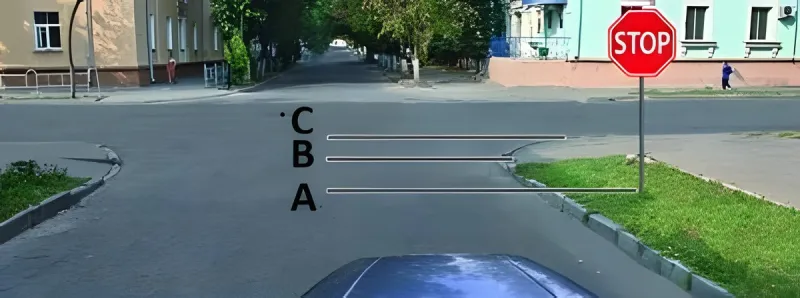
6. Where must the driver stop in order to comply with the sign?
Before the sign (A).
Before the intersection (B).
Before the intersection of the roadways (C).
Correct answer: Before the intersection of the roadways (C).ABC · D/T
Why: Նշան 2.5 «Երթևեկությունն առանց կանգառի արգելվում է»-ի պահանջը «Կանգ-գծի» բացակայության դեպքում կատարվում է հատվող երթևեկելի մասի եզրից առաջ (C), ոչ թե նշանի առջև կամ խաչմերուկից առաջ։
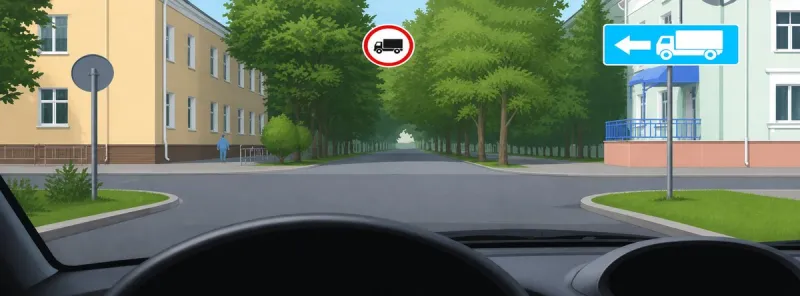
7. In which direction or directions may you continue through this intersection if you are driving a truck with a maximum authorized mass of 3.5 metric tons?
To the left only.
To the right, to the left, or by making a U-turn.
In any direction.
Correct answer: In any direction.ABC
Why: Նշան 3.4 «Բեռնատար ավտոմոբիլների երթևեկությունն արգելվում է»-ն վերաբերում է 3,5 տ-ից ավելի զանգվածով բեռնատարներին, իսկ 6.15.3-ը միայն առաջարկում է ուղղություն, ուստի 3,5 տ բեռնատարով կարելի է շարունակել ցանկացած ուղղությամբ։
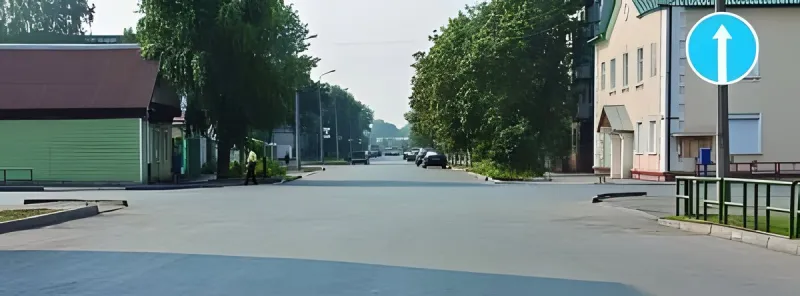
8. What should you do if you need to reverse your direction of movement?
Make a U-turn at this intersection.
Proceed straight through the intersection and then make a U-turn.
Both options are permitted.
Correct answer: Proceed straight through the intersection and then make a U-turn.ABC · D/T
Why: Խաչմերուկից առաջ տեղադրված 4.1.1 «Երթևեկությունն ուղիղ» նշանն արգելում է հետադարձն այս խաչմերուկում։ Նշանը գործում է միայն այդ հատման վրա, ուստի խաչմերուկն ուղիղ անցնելուց հետո հետադարձը թույլատրվում է։
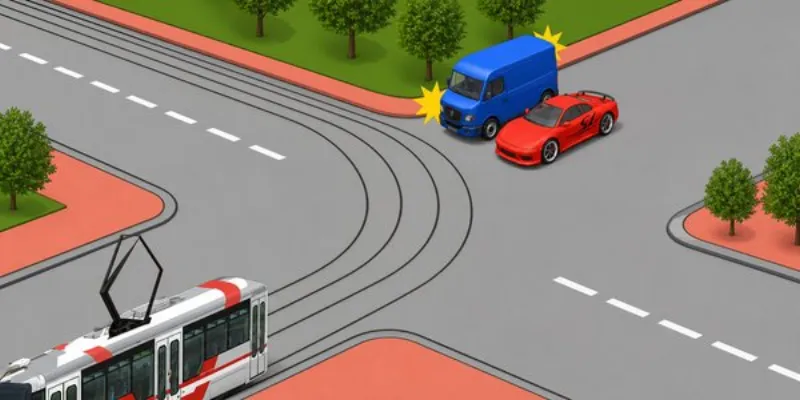
Why: Նշաններ և լուսացույց չկան՝ հավասարազոր ճանապարհների չկարգավորվող խաչմերուկ։ Կետ 100-ով (նաև կետ 98) տրամվայն այստեղ առավելություն ունի ոչ ռելսագնաց տրանսպորտային միջոցների նկատմամբ՝ անկախ երթևեկության ուղղությունից. ճանապարհը զիջում են բեռնատարի և թեթև մարդատարի վարորդները։
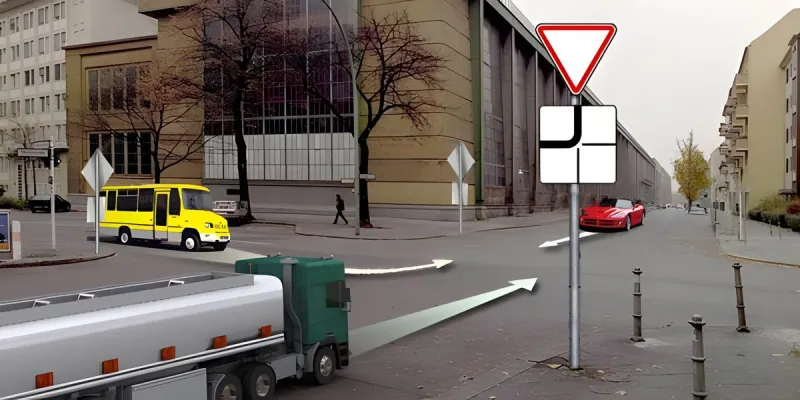
10. The vehicles will proceed through the intersection in the following order:
The bus, then the passenger car and the truck simultaneously.
The passenger car and the truck simultaneously, then the bus.
Correct answer: The bus, then the passenger car and the truck simultaneously.ABC · D/T
Why: Ավտոցիստեռնի դիմաց 2.4 «Զիջեք ճանապարհը» նշանն է 8.13 «Գլխավոր ճանապարհի ուղղությունը» ցուցանակով. գլխավոր ճանապարհն անցնում է ձախ թևից (ավտոբուս) և թեքվում դեպի դիմաց։ Ավտոբուսը գլխավոր ճանապարհով է և անցնում է առաջինը, թեթև մարդատարն ու բեռնատարը կետ 96-ով զիջում են նրան և անցնում միաժամանակ, քանի որ նրանց ուղիները չեն հատվում (կետ 97)։
11. The vehicles will proceed through the intersection in the following order:
The passenger car, the bus, the truck.
The bus, the truck, the passenger car.
The bus, the passenger car, the truck.
Correct answer: The bus, the truck, the passenger car.ABC · D/T
Why: Մեր առջև 2.4 «Զիջեք ճանապարհը» նշանն է՝ առանց ցուցանակի, ուստի հատվող ճանապարհը գլխավորն է, իսկ մերն ու դիմացինը՝ երկրորդական։ Ավտոբուսը գլխավոր ճանապարհով է և անցնում է առաջինը (կետ 96)։ Երկրորդական ճանապարհների միջև գործում են հավասարազոր խաչմերուկի կանոնները (կետ 97). մենք ձախ ենք թեքվում և կետ 99-ով զիջում ենք հանդիպակաց ուղղությունից աջ թեքվող բեռնատարին։ Ավտոբուս, բեռնատար, թեթև մարդատար։
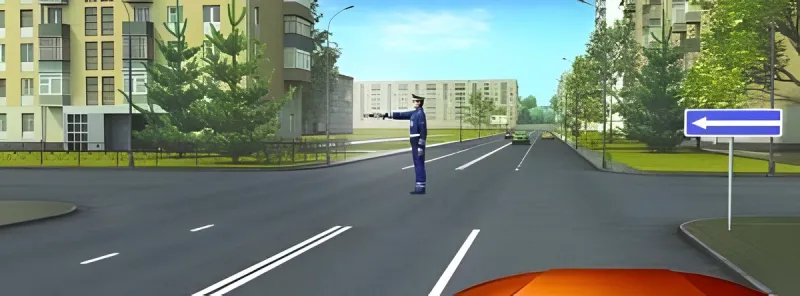
12. In which direction or directions may the driver continue in this situation?
Straight ahead only.
Straight ahead and to the right.
Straight ahead and to the left.
In all directions.
Correct answer: Straight ahead only.ABC · D/T
Why: Կարգավորողի ձեռքը պարզված է կողմ, մենք մոտենում ենք նրա կողքից, ուստի թույլատրված է ուղիղ և աջ (կետ 16, 2-րդ ենթակետ «ա»)։ Սակայն աջի 5.7.2 «Ելք դեպի միակողմ երթևեկությամբ ճանապարհ» նշանը ցույց է տալիս, որ կողմնային ճանապարհը միակողմ է դեպի ձախ, ուստի աջ շրջադարձը կլիներ հոսքին հակառակ։ Մնում է միայն ուղիղ։
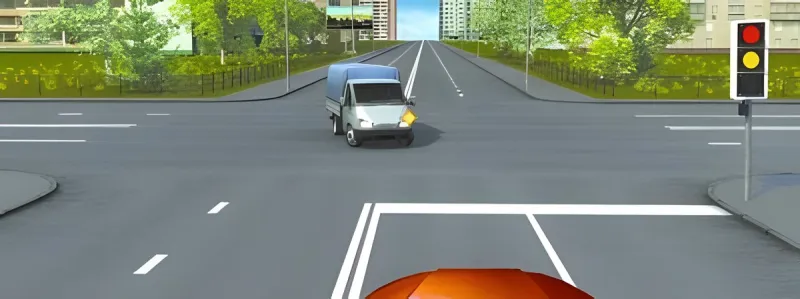
13. When the green traffic signal turns on, the driver:
Must yield to the truck driver.
Has the right-of-way.
Correct answer: Must yield to the truck driver.ABC · D/T
Why: Մեր լուսացույցը կարմիր և դեղին է (կանաչը շուտով կմիանա, կետ 7, 6-րդ ենթակետ), առջևում 1.12 «Կանգ-գիծ» գծանշումն է, բեռնատարը դեռ անցնում է խաչմերուկը։ Կանաչի միանալու դեպքում կետ 94-ով զիջում ենք երթևեկելի մասի հատումը դեռ չավարտած բեռնատարին։
14. What does the solid yellow horizontal pavement marking indicate?
A location where stopping and parking of vehicles are prohibited.
A location where stopping is permitted to drop off passengers or unload the vehicle.
A location where parking of vehicles is prohibited.
Correct answer: A location where stopping and parking of vehicles are prohibited.ABC · D/T
Why: Դեղին հոծ 1.4 գծանշումը ցույց է տալիս այն տեղերը, որտեղ տրանսպորտային միջոցների կանգառը և կայանումն արգելված են։
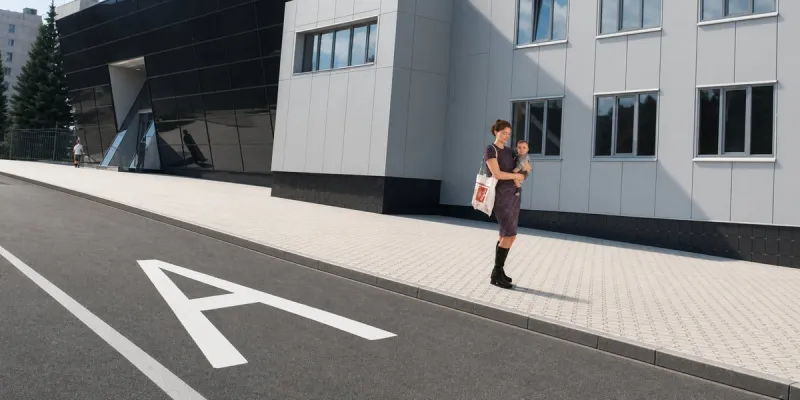
15. What does the letter “A” marked in a traffic lane of the roadway mean?
The road (route) number.
A special lane designated for public transit vehicles.
A special lane designated for category A vehicles.
Correct answer: A special lane designated for public transit vehicles.ABC · D/T
Why: Երթևեկելի մասի գոտում գծանշված «A» տառը (1.23.1 գծանշում) ցույց է տալիս ընդհանուր օգտագործման տրանսպորտային միջոցների երթևեկության համար նախատեսված հատուկ գոտին։
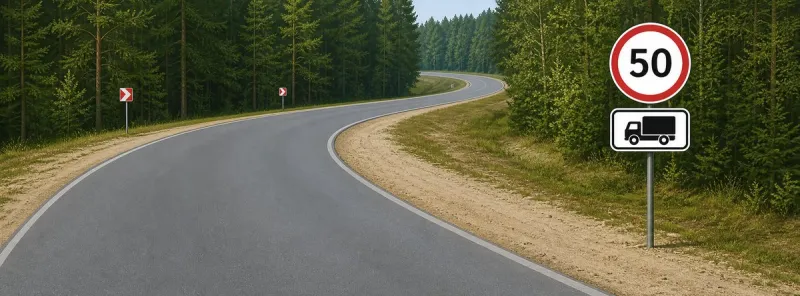
16. What is the maximum permitted speed for the driver of a truck with a maximum authorized mass not exceeding 3.5 metric tons within the area of effect of these signs?
No more than 50 km/h.
No more than 70 km/h.
No more than 90 km/h.
Correct answer: No more than 90 km/h.ABC
Why: Նշան 3.24 «Առավելագույն արագության սահմանափակում» 50-ը 8.4.1 ցուցանակով վերաբերում է 3,5 տ-ից ավելի զանգվածով բեռնատարներին։ 3,5 տ-ից ոչ ավելի բեռնատարի համար գործում է կետ 69-ի ընդհանուր սահմանը՝ ոչ ավելի, քան 90 կմ/ժ։
17. In populated areas, vehicles are permitted to proceed at a speed not exceeding:
60 km/h.
80 km/h.
90 km/h.
Correct answer: 60 km/h.ABC · D/T
Why: Կետ 68-ով բնակավայրերում տրանսպորտային միջոցների երթևեկությունը թույլատրվում է 60 կմ/ժ ոչ ավելի արագությամբ։
18. When approaching a stationary vehicle with a red flashing beacon activated, drivers proceeding in the same direction must:
Stop and continue only after receiving permission.
Reduce speed so that they can stop immediately if necessary.
Correct answer: Stop and continue only after receiving permission.ABC · D/T
Why: Կետ 31-ով կարմիր առկայծող փարոսիկ միացրած կանգնած մեքենային մոտենալիս տվյալ ուղղությամբ երթևեկող վարորդները կանգ են առնում և շարունակում միայն թույլտվություն ստանալուց հետո։
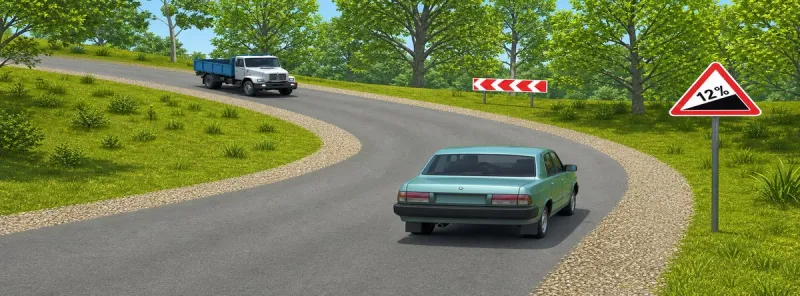
19. If oncoming traffic is difficult in this situation, who must yield?
The truck driver.
The passenger-car driver.
Correct answer: The truck driver.ABC
Why: Թեթև մարդատարի ուղղությամբ տեղադրված է 1.14 «Կտրուկ վերելք» նշանը. թեթև մարդատարը բարձրանում է, բեռնատարն իջնում է։ Կետ 46-ի համաձայն՝ նման հատվածներում ճանապարհը զիջում է վայրէջքի ուղղությամբ ընթացողը՝ բեռնատարի վարորդը։
20. What should be done when providing first aid for a burn?
Leave the burn uncovered.
Open the fluid-filled blisters and then apply a tight bandage.
Apply oil to the burn.
Cool the burn with water, then cover it with sterile dressing material or clean cloth.
Correct answer: Cool the burn with water, then cover it with sterile dressing material or clean cloth.ABC · D/T
Why: Առաջին օգնություն. այրվածքը սառեցնում են ջրով, ապա ծածկում ստերիլ վիրակապով կամ մաքուր գործվածքով։ Բշտերը չեն բացում, ձեթ չեն քսում, բաց չեն թողնում։
In Varordakan Tester the same tests are taken without hints, wrong answers are collected automatically, and there is an exam simulation (20 questions, 30 minutes, pass at 18), a 3D intersection simulator, video lessons and an AI assistant that cites the Traffic Rules point. Free.
Sources: questions from the official bank of the Road Police of Armenia (roadpolice.am, edition of 2 October 2026); rule points from the Traffic Rules of the Republic of Armenia (arlis.am). Varordakan Tester is an independent educational app, not affiliated with the Police of Armenia.