Test 41 — Categories ABC (cars, motorcycles, trucks)
Updated 2026-10-13 · official question bank of 2 October 2026
Test 41, Categories ABC (cars, motorcycles, trucks): 20 questions from the official bank of 2 October 2026 across all 10 topics. Under every question: the correct answer, the explanation (in Armenian) and the signs it mentions. In the app the same test is taken without hints, and the exam simulation runs on a 30-minute timer.
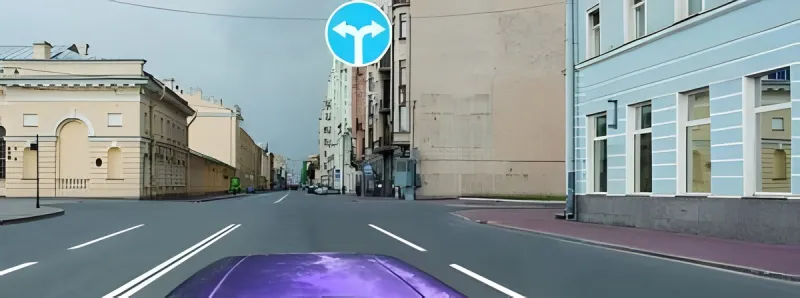
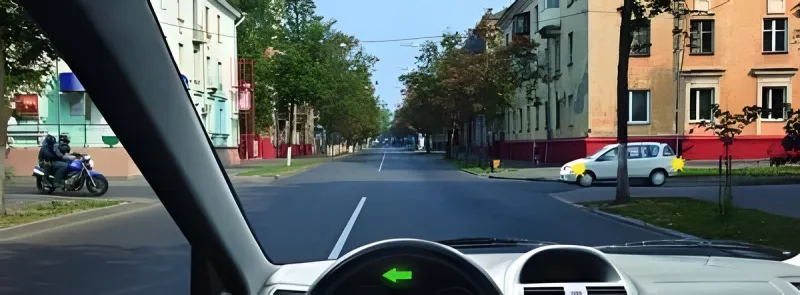
1. From this lane, traffic may continue:
To the left only.
To the left and by making a U-turn.
To the right, to the left, and by making a U-turn.
Correct answer: To the left and by making a U-turn.ABC · D/T
Why: Նշան 4.1.6 «Երթևեկությունը դեպի աջ կամ դեպի ձախ»-ը թույլատրում է աջ և ձախ շրջադարձերը։ Կետ 40-ի համաձայն՝ աջ շրջադարձը կատարվում է միայն աջ եզրային գոտուց, ուստի ձախ գոտուց թույլատրվում է միայն ձախ ուղղությունը, իսկ ձախ շրջադարձի թույլտվությունը ներառում է նաև հետադարձը։
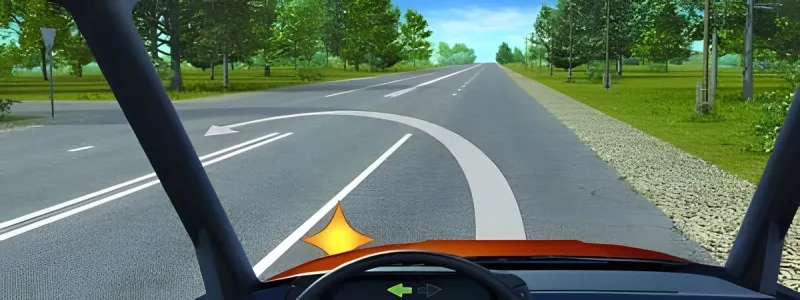
2. Making a U-turn in the indicated manner at this intersection is:
Permitted.
Prohibited.
Correct answer: Prohibited.ABC · D/T
Why: Հետադարձի հետագիծը հատում է հանդիպակաց հոսքերը բաժանող 1.3 կրկնակի հոծ գիծը։ Հոծ գծերը (1.1, 1.3) հատել արգելվում է, ուստի նշված եղանակով հետադարձը չի թույլատրվում։ Կետ 60-ով միայն ընդհատվող գծերն են հատվում՝ վերադասավորվելիս։
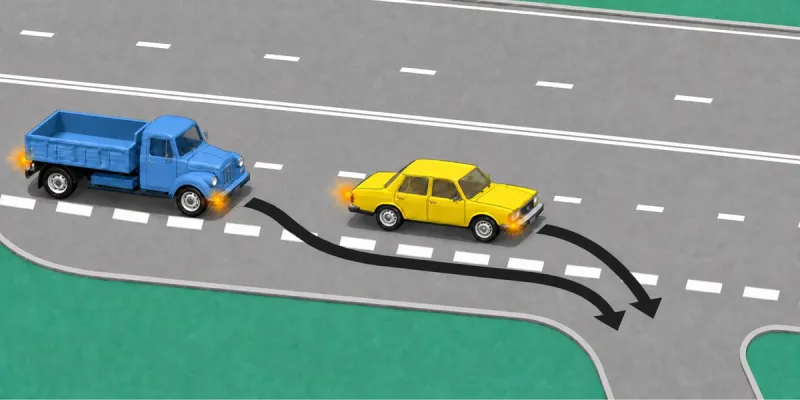
3. Which vehicle driver violates the rules when turning on a road with a deceleration lane?
Both drivers.
The driver of the yellow vehicle.
Both drivers make the turn correctly.
Correct answer: The driver of the yellow vehicle.ABC · D/T
Why: Կետ 47-ի համաձայն՝ արգելակման գոտու առկայության դեպքում շրջադարձ կատարելու մտադրություն ունեցող վարորդը պետք է նախապես վերադասավորվի այդ գոտի և միայն այնտեղ իջեցնի արագությունը։ Դեղին ավտոմոբիլի վարորդը շրջադարձը կատարում է անմիջապես երթևեկության գոտուց և խախտում է կանոնները։
4. According to the Law of the Republic of Armenia on Ensuring Road Traffic Safety, the following are considered equivalent to motorcycles:
Three-wheeled motor vehicles with a mass of up to 400 kg in fully equipped and fueled condition, excluding the driver, cargo, and passengers.
All-terrain motor vehicles (quadricycles).
Quadricycles with a motorcycle-type seating position or motorcycle-type handlebars.
Correct answer: Quadricycles with a motorcycle-type seating position or motorcycle-type handlebars.ABC
Why: ՀՀ օրենքի համաձայն՝ մոտոցիկլին են հավասարեցվում մոտոցիկլային նստեցվածքով կամ մոտոցիկլային տեսակի ղեկով քվադրիցիկլները։
5. A vehicle may not be operated if:
The engine operates intermittently.
The tires have localized damage exposing the tire cord.
The interior lighting devices of a passenger car do not operate.
In all of the listed cases.
Correct answer: The tires have localized damage exposing the tire cord.ABC
Why: Դողի հենքը (կորդը) մերկացնող տեղային վնասվածքները 4.2 ենթակետով անսարքություն են։ Շարժիչի ընդհատումներով աշխատելը և թեթև մարդատարի սրահի լուսավորությունը ցանկում չկան։
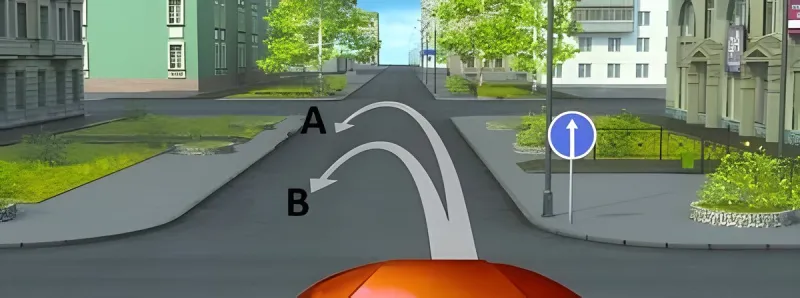
6. Along which path is a U-turn permitted?
At the intersection, along path A.
Before the intersection, along path B.
Permitted along both paths.
Prohibited along both paths.
Correct answer: At the intersection, along path A.ABC · D/T
Why: Ճանապարհահատվածի սկզբում տեղադրված 4.1.1 «Երթևեկությունն ուղիղ» նշանը գործում է մինչև մոտակա խաչմերուկը։ Մինչև խաչմերուկը (B) հետադարձն այդ գոտում արգելված է, իսկ խաչմերուկում (A) նշանն այլևս չի գործում, և հետադարձը թույլատրվում է։
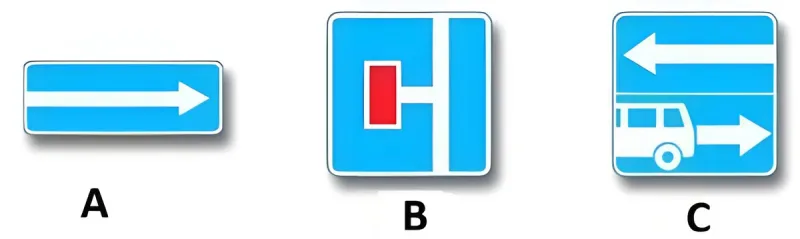
Why: Ձախ շրջադարձ կարելի է կատարել B (6.8.3 «Փակուղի»՝ ձախ ճանապարհը միջանցիկ անցում չունի, բայց այնտեղ թեքվել կարելի է) և C (5.13.2. հատվող ճանապարհով ընդհանուր երթևեկությունը դեպի ձախ է) նշանների դեպքում։ A-ն (5.7.1) ցույց է տալիս, որ հատվող միակողմ ճանապարհով երթևեկությունը դեպի աջ է, ուստի ձախ շրջադարձը կլիներ հոսքին հակառակ։
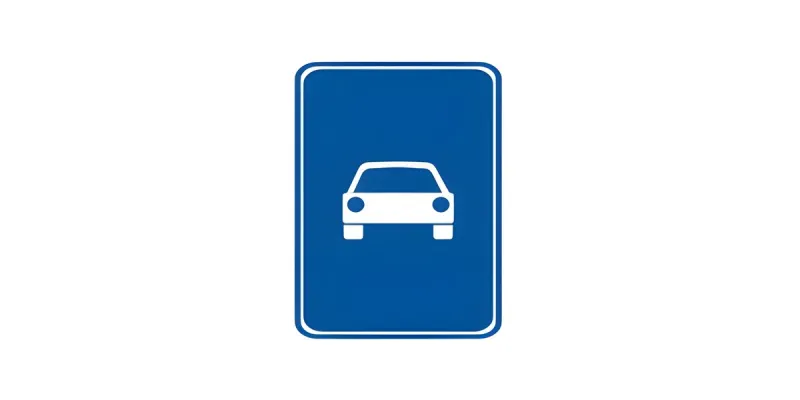
8. Which vehicles are permitted within the area where this sign is in effect?
Motor vehicles.
All vehicles.
Automobiles and motorcycles.
Vehicles whose maximum speed exceeds 40 km/h.
Correct answer: Automobiles and motorcycles.ABC · D/T
Why: Նշան 5.3 «Ճանապարհ ավտոմոբիլների համար»-ով նշված ճանապարհներին թույլատրվում է ավտոմոբիլների և մոտոցիկլների երթևեկությունը. կետ 117-ի համաձայն՝ այստեղ գործում են ավտոմայրուղիների արգելքները (կետ 116)։
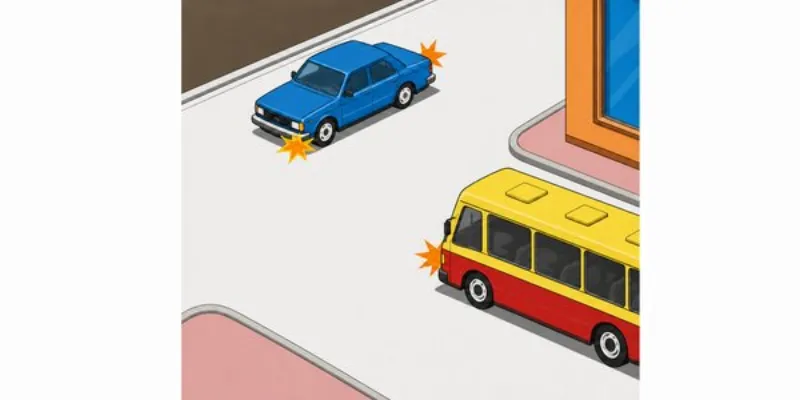
Why: Ավտոբուսը բակից (մերձակա տարածքից) դուրս է գալիս այն ճանապարհը, որով ընթանում է կապույտը։ Կետ 38-ով մերձակա տարածքից ճանապարհ դուրս գալիս վարորդը զիջում է ճանապարհով երթևեկողներին. ճանապարհը ելքի նկատմամբ գլխավոր է (կետ 3, 1-ին ենթակետ)։
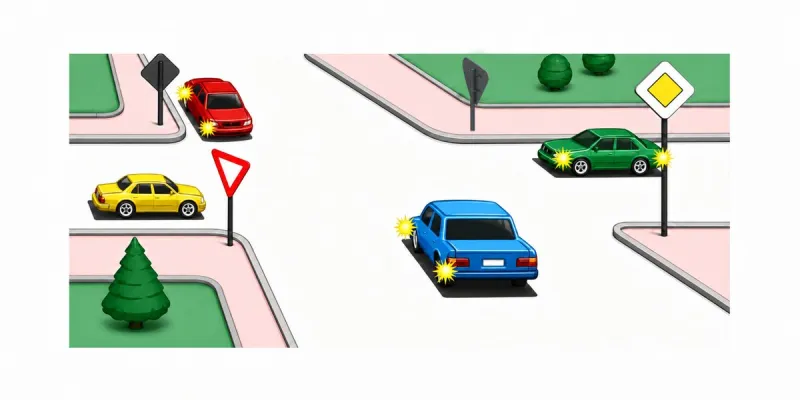
10. Which vehicle will proceed through the intersection third?
The blue automobile.
The yellow automobile.
The green automobile.
The red automobile.
Correct answer: The yellow automobile.ABC · D/T
Why: Դեղինի դիմաց 2.4 «Զիջեք ճանապարհը» նշանն է, կանաչի դիմաց՝ 2.1 «Գլխավոր ճանապարհ». կարմիրի և կապույտի մոտ նշանների թիկունքն է երևում, ուստի կարմիրը նույնպես երկրորդական, իսկ կապույտը՝ գլխավոր ճանապարհի վրա է։ Կետ 96-ով գլխավոր ճանապարհով ընթացողներն անցնում են առաջ, իսկ երկրորդական ճանապարհի մեքենաները միմյանց նկատմամբ գործում են աջի խոչընդոտի կանոնով (կետ 97, 98). դեղինն անցնում է երրորդը։
Correct answer: You will yield to the passenger-car driver.ABC · D/T
Why: Նշաններ չկան՝ հավասարազոր ճանապարհների խաչմերուկ։ Կետ 98-ով զիջում ենք աջից մոտեցող թեթև մարդատարին, իսկ ձախի մոտոցիկլը զիջում է մեզ. միայն թեթև մարդատարի վարորդին։
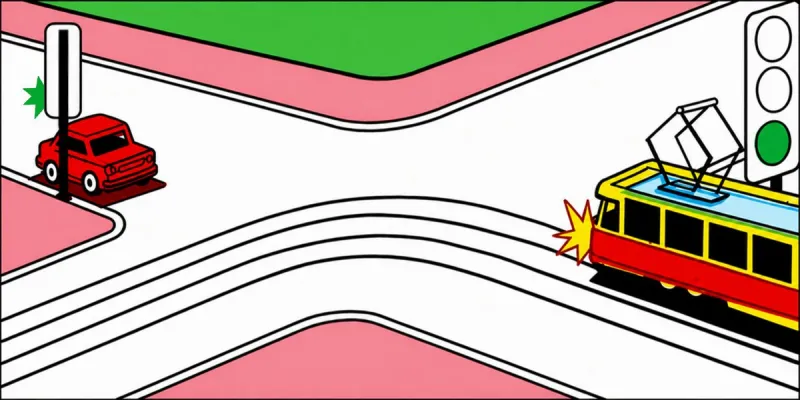
12. Which vehicle driver has the right-of-way?
The automobile driver.
The tram operator.
Correct answer: The tram operator.ABC · D/T
Why: Երկու լուսացույցներն էլ կանաչ են, նշաններ չկան։ Կետ 92-ով, երբ ազդանշանները թույլատրում են տրամվայի և ոչ ռելսագնաց միջոցի միաժամանակյա երթևեկություն, առավելությունը տրամվայինն է՝ անկախ ուղղությունից։
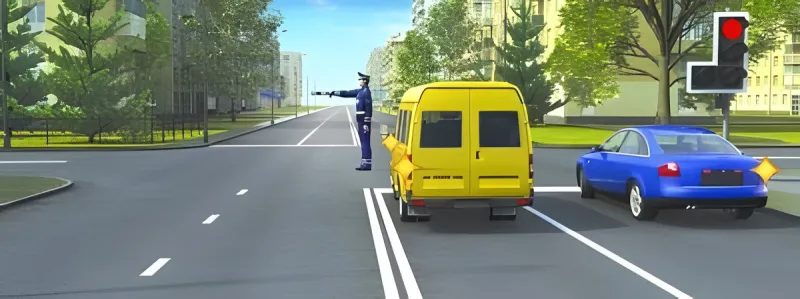
13. Which driver may continue?
Neither driver.
Only the bus driver.
Both drivers.
Correct answer: Both drivers.ABC · D/T
Why: Նկարում և՛ կարգավորող է, և՛ կարմիր լուսացույց. կարգավորողի ազդանշանները գերակայում են լուսացույցին (կետ 20)։ Աջ ձեռքը պարզված է առաջ, ֆուրգոնն ու կապույտը մոտենում են նրա ձախ կողմից, որտեղից ոչ ռելսագնաց միջոցներին թույլատրվում է բոլոր ուղղություններով (կետ 16, 3-րդ ենթակետ «ա»)։ Երկու վարորդներն էլ կարող են շարունակել։
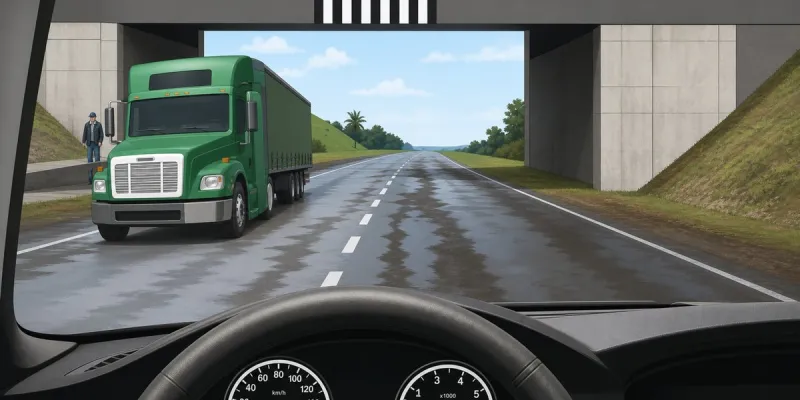
14. This type of vertical pavement marking indicates:
The lower edges of a bridge or tunnel.
The entrance to an unlit tunnel.
Any element of a road structure that creates a hazard for traffic.
Correct answer: The lower edges of a bridge or tunnel.ABC · D/T
Why: Ուղղաձիգ 2.2 գծանշումը նշում է թունելների, կամուրջների և ուղեկամուրջների հենամեջային կառույցների ստորին եզրը։
15. Parking is prohibited:
On bridges, elevated roadways, and overpasses.
Under bridges, elevated roadways, and overpasses.
In all of the listed cases.
Correct answer: In all of the listed cases.ABC · D/T
Why: Կայանումն արգելվում է կանգառն արգելված վայրերում (կետ 86.1), իսկ կետ 84.2-ով կանգառն արգելվում է կամուրջների, ուղեկամուրջների, էստակադների վրա և դրանց տակ։ Ուստի երկու տարբերակն էլ ճիշտ են։
16. Transportation of cargo is prohibited if the cargo:
Restricts the driver’s field of vision.
Makes the vehicle difficult to control or reduces its stability.
Obscures exterior lights or reflectors, license plates, or identification signs, or prevents hand signals from being seen.
In all of the above cases.
Correct answer: In all of the above cases.ABC
Why: Կետ 164-ով բեռի փոխադրումն արգելվում է, եթե այն սահմանափակում է տեսադաշտը (164.1), դժվարացնում է ղեկավարումը և թուլացնում կայունությունը (164.2) կամ ծածկում է լուսային սարքերը, համարանիշերն ու ճանաչման նշանները (164.3)։ Բոլոր երեքը ցանկում են։
17. Children may be carried in the front seat of a passenger car that is not equipped with a child restraint system if they have reached the age of:
10 years.
11 years.
12 years.
Correct answer: 12 years.ABC
Why: Կետ 159.1-ով 7-ից մինչև 12 տարեկան երեխաներին թեթև մարդատարի առջևի նստատեղին կարելի է փոխադրել միայն մանկական պահող համակարգով։ Առանց դրա երեխան պետք է լինի առնվազն 12 տարեկան։
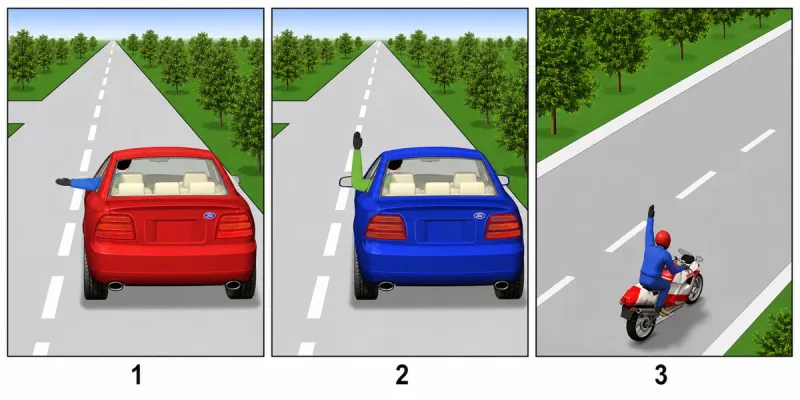
18. In which image is the driver giving a left-turn signal?
1
2
3
Correct answer: Option 1ABC · D/T
Why: Կետ 37-ի համաձայն՝ ձախ շրջադարձի ազդանշանին համապատասխանում է դեպի կողմ պարզված ձախ ձեռքը (1-ին նկար)։ 2-րդ նկարում արմունկում վեր ծալված ձախ ձեռքն աջ շրջադարձի ազդանշանն է, իսկ 3-րդում վեր պարզված ձեռքը՝ արգելակման։
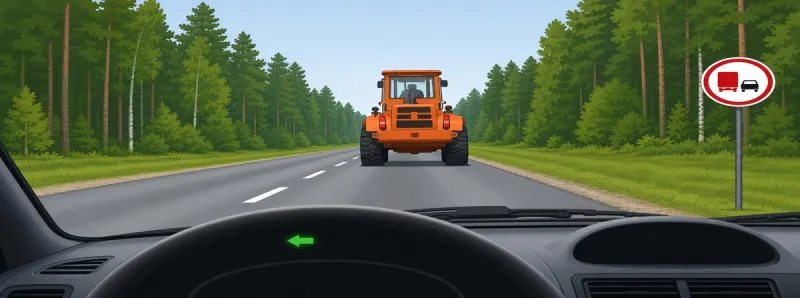
19. Is the driver of a truck with a maximum authorized mass of 3 metric tons permitted to pass the tractor?
Yes.
Yes, if the tractor is moving at less than 30 km/h.
No.
Correct answer: Yes.ABC
Why: Նշան 3.22 «Բեռնատար ավտոմոբիլներով վազանցն արգելվում է»-ն վերաբերում է միայն 3,5 տ-ից ավելի թույլատրելի առավելագույն զանգված ունեցող բեռնատարներին, ուստի 3 տ զանգվածով բեռնատարին տրակտորին վազանցելը թույլատրվում է։
20. You hear a vehicle engine running in your neighbor’s garage. When you open the door, you see your neighbor lying on the floor. What should you do first?
Open the doors wide and turn off the engine; if possible, remove the injured person from the scene.
Carefully examine the injured person’s body for injuries.
Turn the injured person onto the side into the recovery position.
Help the injured person into a semi-sitting position.
Correct answer: Open the doors wide and turn off the engine; if possible, remove the injured person from the scene.ABC · D/T
Why: Առաջին օգնություն. ավտոտնակում արտանետվող գազերով թունավորում է։ Առաջին հերթին լայն բացում են դռները, անջատում շարժիչը և հնարավորության դեպքում տուժածին հանում մաքուր օդ. մյուս քայլերը հետո։
In Varordakan Tester the same tests are taken without hints, wrong answers are collected automatically, and there is an exam simulation (20 questions, 30 minutes, pass at 18), a 3D intersection simulator, video lessons and an AI assistant that cites the Traffic Rules point. Free.
Sources: questions from the official bank of the Road Police of Armenia (roadpolice.am, edition of 2 October 2026); rule points from the Traffic Rules of the Republic of Armenia (arlis.am). Varordakan Tester is an independent educational app, not affiliated with the Police of Armenia.