Test 53 — Categories ABC (cars, motorcycles, trucks)
Updated 2026-10-13 · official question bank of 2 October 2026
Test 53, Categories ABC (cars, motorcycles, trucks): 20 questions from the official bank of 2 October 2026 across all 10 topics. Under every question: the correct answer, the explanation (in Armenian) and the signs it mentions. In the app the same test is taken without hints, and the exam simulation runs on a 30-minute timer.
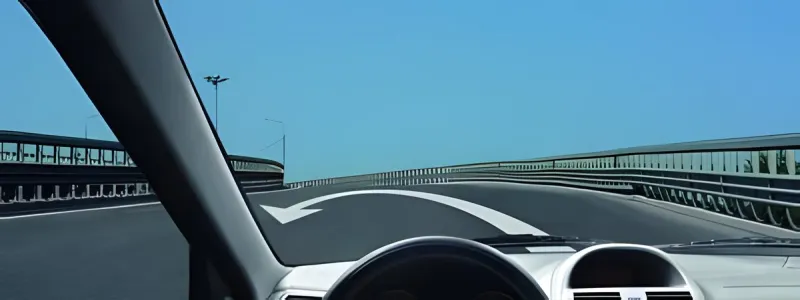
1. While on a bridge, is a U-turn permitted?
Permitted if visibility is 100 m or more.
Prohibited.
Correct answer: Prohibited.ABC · D/T
Why: Կետ 50-ի համաձայն՝ հետադարձն արգելվում է կամուրջների, ուղեկամուրջների և էստակադների վրա ու դրանց տակ՝ անկախ տեսանելիությունից։
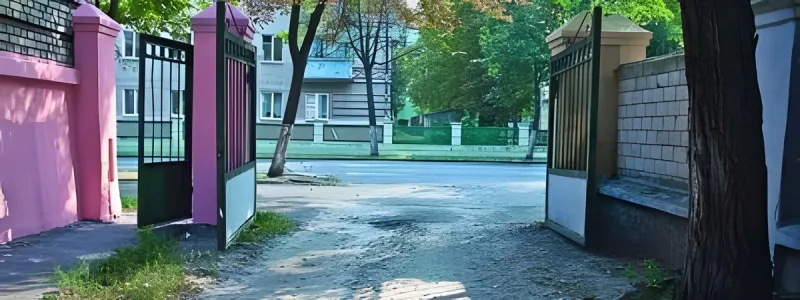
2. When entering the road in this situation, we must yield to:
Drivers approaching from the right.
All drivers.
Drivers and pedestrians.
Correct answer: Drivers and pedestrians.ABC
Why: Կետ 38-ի համաձայն՝ մերձակա տարածքից (բակից) ճանապարհ դուրս գալիս վարորդը պետք է ճանապարհը զիջի դրանով երթևեկող բոլոր տրանսպորտային միջոցներին և խոչընդոտ չստեղծի հետիոտների համար։
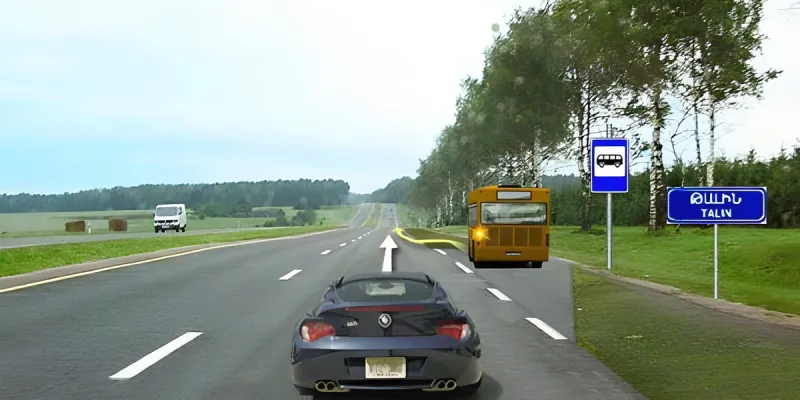
3. Which vehicle driver has the right-of-way?
The passenger-car driver.
The fixed-route bus driver.
Correct answer: The passenger-car driver.ABC · D/T
Why: Կետ 125-ով սահմանված՝ կանգառից երթևեկությունն սկսող երթուղային ավտոբուսի առավելությունը գործում է միայն բնակավայրերում։ Այստեղ ճանապարհը բնակավայրից դուրս է (կապույտ 5.25 նշանը դեռ առջևում է), ուստի առաջնահերթությունը թեթև մարդատարի վարորդինն է։
4. According to the Law of the Republic of Armenia on Ensuring Road Traffic Safety, driver’s licenses obtained in other countries by citizens of the Republic of Armenia, including dual citizens, that comply with the requirements for driver’s licenses under the 1968 Vienna Convention on Road Traffic and its subsequent amendments and supplements are considered valid within the territory of the Republic of Armenia, from the date those persons enter the Republic of Armenia, for:
One year.
Six months.
Three months.
Correct answer: Three months.ABC
Why: ՀՀ օրենքի համաձայն՝ ՀՀ քաղաքացիների (այդ թվում՝ երկքաղաքացիների) այլ երկրներում ստացած և Վիեննայի 1968 թ. կոնվենցիային համապատասխանող վարորդական վկայականները ՀՀ տարածքում գործող են ՀՀ մուտք գործելու պահից երեք ամիս ժամկետով։
5. A motorcycle with a sidecar may not be operated if:
The transverse passenger handhold on the seat, as provided by the design, is missing.
The remaining tire tread depth is 0.6 mm.
A first-aid kit is missing.
In all of the listed cases.
Correct answer: In all of the listed cases.ABC
Why: Ուղևորի լայնակի բռնատեղի բացակայությունը (6.12), 0.8 մմ նվազագույնից ցածր 0.6 մմ պահպանաշերտը (4.1) և կողային կցորդով մոտոցիկլում դեղատուփի բացակայությունը (6.9) բոլորն էլ արգելող անսարքություններ են։
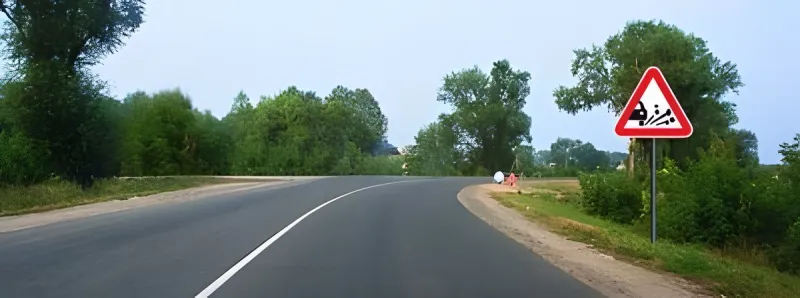
6. What does this traffic sign warn about?
An approaching slippery section of road.
An approaching wet and dirty section of road.
An approaching section of road where loose gravel may be thrown up by vehicle tires.
Correct answer: An approaching section of road where loose gravel may be thrown up by vehicle tires.ABC · D/T
Why: Սա 1.18 «Խճի արտանետում» նշանն է. այն նախազգուշացնում է ճանապարհահատվածի մասին, որտեղ հնարավոր է խճի արտանետում անիվների տակից։
7. What does the pavement marking on the roadway indicate?
The boundaries of lanes designated for vehicles proceeding in the same direction.
The boundaries of a reversible traffic lane.
Correct answer: The boundaries of a reversible traffic lane.ABC · D/T
Why: Դարձափոխային լուսացույցների տակ գծված կրկնակի ընդհատվող 1.9 գծանշումը ցույց է տալիս դարձափոխային երթևեկության գոտու սահմանները։
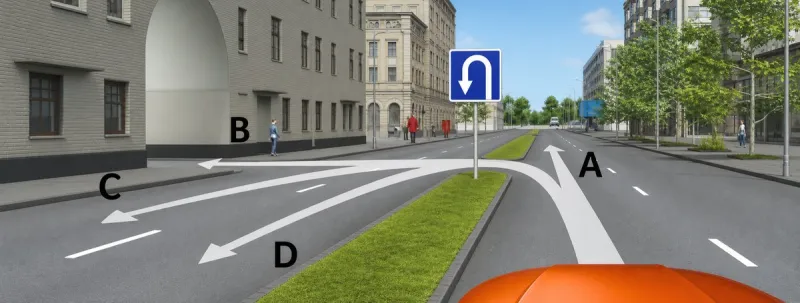
8. Along which path is it permitted to continue?
Only A.
Only A or C.
Only A or D.
Any path except B.
Correct answer: Any path except B.ABC · D/T
Why:6.3.1 «Հետադարձի տեղ» նշանով նշված տեղում ձախ շրջադարձն արգելվում է, ուստի B հետագիծն արգելված է։ A հետադարձը, C ուղիղ երթևեկությունը և D վերադասավորումը թույլատրված են՝ ցանկացած, բացի B-ից։
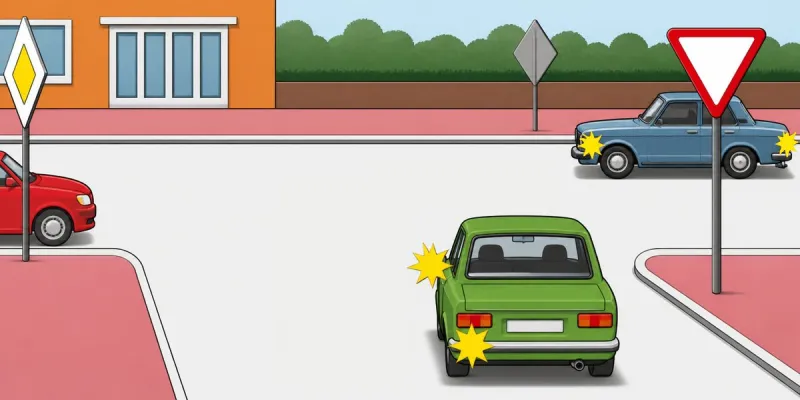
9. The automobiles will proceed through the intersection in the following order:
The blue automobile, the green automobile, the red automobile.
The red automobile, the blue automobile, the green automobile.
The green automobile, the red automobile, the blue automobile.
Correct answer: The red automobile, the blue automobile, the green automobile.ABC · D/T
Why: Կարմիրի առջև 2.1 «Գլխավոր ճանապարհ» նշանն է, կապույտի համար՝ նույն նշանը (երևում է թիկունքը), իսկ կանաչի առջև՝ 2.4 «Զիջեք ճանապարհը»։ Կարմիրն ու կապույտը գլխավոր ճանապարհով են և միմյանց նկատմամբ գործում են հավասարազոր խաչմերուկի կանոններով (կետ 97). ձախ թեքվող կապույտը կետ 99-ով զիջում է հանդիպակաց ուղիղ ընթացող կարմիրին։ Կանաչը կետ 96-ով զիջում է երկուսին. կարմիր, կապույտ, կանաչ։
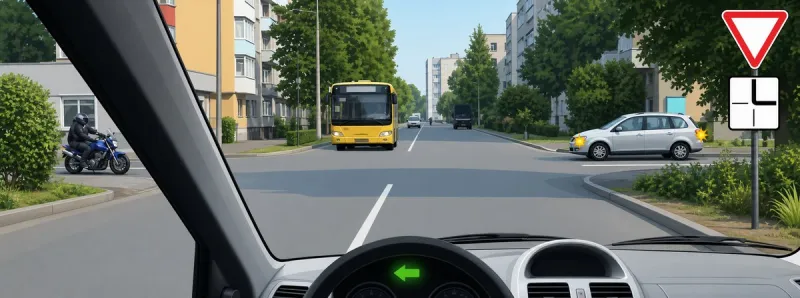
10. In this situation, when making a left turn, we must yield to:
All drivers.
Only the passenger-car driver.
The bus driver and the passenger-car driver.
Correct answer: The bus driver and the passenger-car driver.ABC · D/T
Why: Մեր դիմաց 2.4 «Զիջեք ճանապարհը» նշանն է 8.13 «Գլխավոր ճանապարհի ուղղությունը» ցուցանակով. գլխավոր ճանապարհն անցնում է դիմացի թևով (ավտոբուս) և թեքվում աջ (թեթև մարդատար)։ Ձախ շրջադարձի ժամանակ կետ 96-ով զիջում ենք երկուսին, իսկ ձախի մոտոցիկլը մյուս երկրորդական թևից է և, մեր ձախում լինելով, զիջում է մեզ (կետ 97, 98). ավտոբուսի և թեթև մարդատարի վարորդներին։
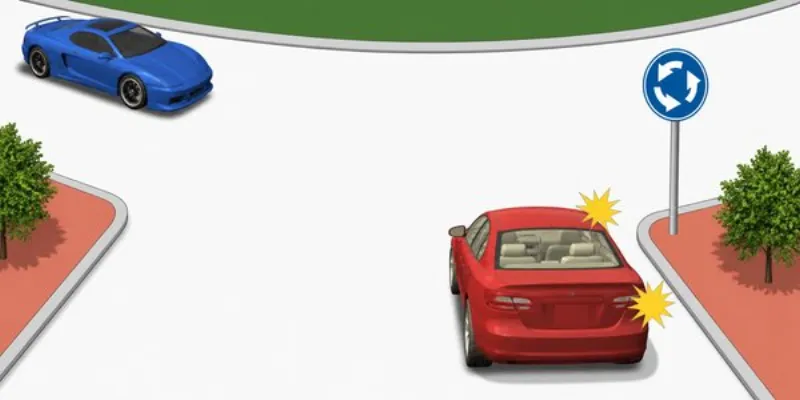
Has the right-of-way because it approached the roundabout from the right of the blue automobile.
Must yield to the blue automobile proceeding on the roundabout.
Correct answer: Must yield to the blue automobile proceeding on the roundabout.ABC · D/T
Why: Խաչմերուկը կահավորված է 4.3 «Շրջանաձև երթևեկություն» նշանով։ Կետ 98.1-ով մուտք գործող վարորդը պարտավոր է զիջել շրջանաձև խաչմերուկում արդեն երթևեկողներին. կարմիրը զիջում է կապույտին՝ անկախ աջի խոչընդոտի կանոնից։
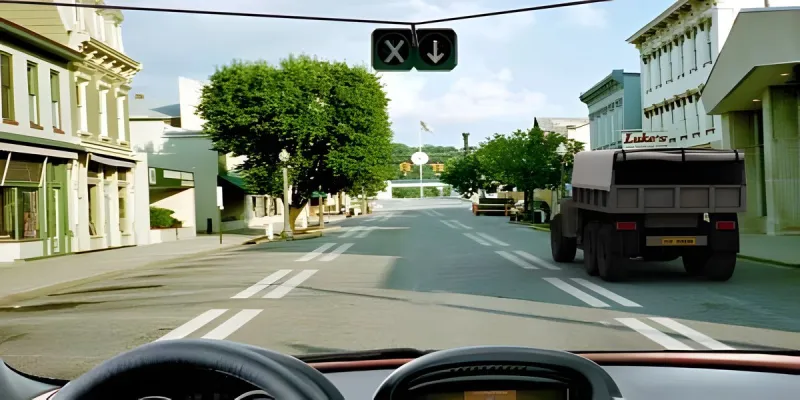
12. This traffic signal is used to regulate traffic:
Across the entire width of the roadway.
In roadway lanes where the direction of traffic may change to the opposite direction.
Only in lanes designated for public transit vehicles.
Correct answer: In roadway lanes where the direction of traffic may change to the opposite direction.ABC · D/T
Why: Դարձափոխային լուսացույցը («X»-աձև կարմիր և դեպի ներքև սլաքով կանաչ ազդանշաններ) կարգավորում է երթևեկությունն այն գոտիներով, որոնց ուղղությունը կարող է փոխվել հանդիպակացի (կետ 13)։
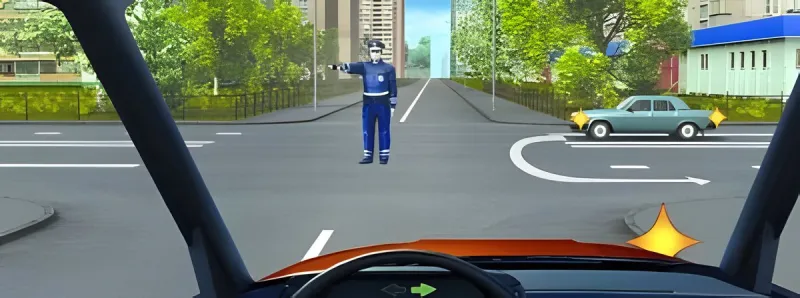
13. When making a right turn:
You must yield to the passenger-car driver.
You will proceed through the intersection first.
Correct answer: You will proceed through the intersection first.ABC · D/T
Why: Կարգավորողը կրծքով դեպի մեզ է, աջ ձեռքն առաջ. կրծքի կողմից թույլատրվում է միայն աջ շրջադարձ (կետ 16.3), որը և կատարում ենք։ Հատող ճանապարհի մեքենան կարգավորողի ձախ կողմից է և կարող է գնալ բոլոր ուղղություններով, սակայն մեր աջ շրջադարձը մոտակա գոտի նրա ուղին չի հատում. զիջելու պարտավորություն չկա, անցնում ենք առաջինը։
14. Is it permitted to drop off a passenger at a location where a solid yellow line is marked on the upper surface of the curb and a “No Stopping” sign is posted?
Permitted.
Prohibited.
Permitted if no public transit vehicles are present.
Permitted only for public transit vehicles.
Correct answer: Prohibited.ABC · D/T
Why: Եզրաքարի վրա գծված դեղին հոծ 1.4 գծանշումը և 3.27 «Կանգառն արգելվում է» նշանը ցույց են տալիս այն տեղը, որտեղ կանգառն արգելված է բոլորին, ուստի այնտեղ ուղևոր իջեցնելու համար կանգ առնել չի թույլատրվում։
15. When orange and white pavement markings conflict, drivers:
May follow whichever pavement marking is more convenient.
Must follow the white pavement marking.
Must follow the orange pavement marking.
Correct answer: Must follow the orange pavement marking.ABC · D/T
Why: Կետ 174-ով, եթե ժամանակավոր (նարնջագույն) և մշտական (սպիտակ) գծանշումների պահանջները հակասում են, վարորդները ղեկավարվում են ժամանակավոր գծանշմամբ։
16. Under icy road conditions, towing is prohibited:
With a flexible coupling.
With a rigid coupling.
By the partial-loading method.
Correct answer: With a flexible coupling.ABC · D/T
Why: Կետ 143.3-ով մերկասառույցի պայմաններում արգելվում է ճկուն կցիչով քարշակումը. կոշտ կցիչն ու մասնակի բեռնումը թույլատրված են։
17. Within the permitted limits, what maximum speed should a driver select?
A speed that ensures full control of the vehicle.
The driver may select any speed that does not exceed the maximum permitted speed.
Correct answer: A speed that ensures full control of the vehicle.ABC · D/T
Why: Կետ 66-ով վարորդը պետք է ընտրի այնպիսի արագություն, որը հնարավորություն է տալիս ապահովելու տրանսպորտային միջոցի լիարժեք կառավարումը։ Թույլատրելի առավելագույնը չգերազանցելը բավարար չէ։
18. Is passing vehicles at an intersection permitted when proceeding on a road that is the priority road relative to the intersecting road?
Permitted.
Prohibited.
Correct answer: Prohibited.ABC · D/T
Why: Կետ 77.1-ով վազանցն արգելվում է խաչմերուկներում՝ առանց բացառության։ Գլխավոր ճանապարհի վրա գտնվելը վազանց չի թույլատրում։
19. The turn signal must be canceled
Immediately before the maneuver.
Immediately after the maneuver.
During the maneuver.
Correct answer: Immediately after the maneuver.ABC · D/T
Why: Կետ 36-ով լուսային ցուցիչով տրված ազդանշանը դադարեցվում է մանևրն ավարտելուց անմիջապես հետո (ձեռքով տրվողը՝ սկսելուց առաջ)։
20. If a low-front vehicle strikes a child 3–5 years old, injuries are most likely to occur in the:
Lower limbs and head.
Pelvis and chest.
Correct answer: Pelvis and chest.ABC · D/T
Why: Առաջին օգնություն. 3-5 տարեկան երեխայի համար ցածր թափքով մեքենայի բամպերը կոնքի և կրծքավանդակի բարձրության վրա է, ուստի առավել հավանական են կոնքի և կրծքավանդակի վնասվածքները։
In Varordakan Tester the same tests are taken without hints, wrong answers are collected automatically, and there is an exam simulation (20 questions, 30 minutes, pass at 18), a 3D intersection simulator, video lessons and an AI assistant that cites the Traffic Rules point. Free.
Sources: questions from the official bank of the Road Police of Armenia (roadpolice.am, edition of 2 October 2026); rule points from the Traffic Rules of the Republic of Armenia (arlis.am). Varordakan Tester is an independent educational app, not affiliated with the Police of Armenia.