Test 55 — Categories ABC (cars, motorcycles, trucks)
Updated 2026-10-13 · official question bank of 2 October 2026
Test 55, Categories ABC (cars, motorcycles, trucks): 20 questions from the official bank of 2 October 2026 across all 10 topics. Under every question: the correct answer, the explanation (in Armenian) and the signs it mentions. In the app the same test is taken without hints, and the exam simulation runs on a 30-minute timer.
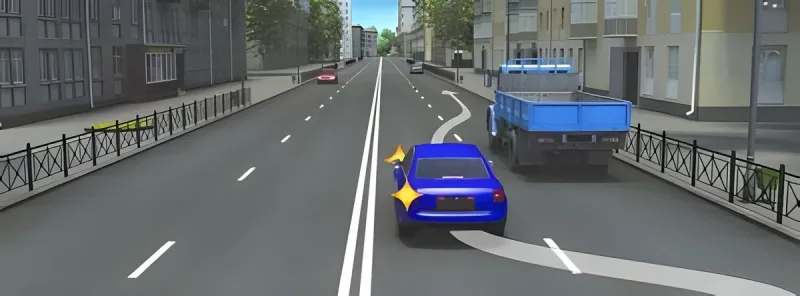
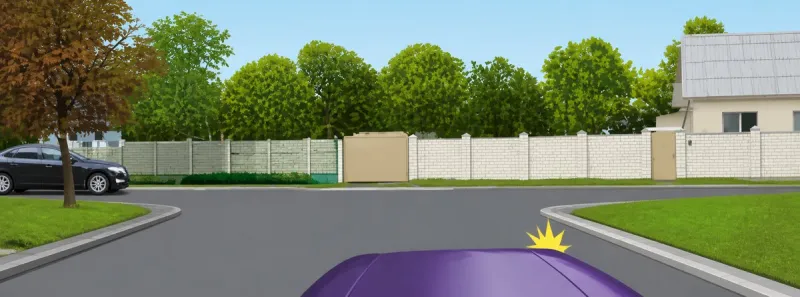
1. After completing the pass, must the passenger-car driver change back to the rightmost lane?
No, if the passing maneuver is performed in a populated area.
Yes.
No.
Correct answer: No, if the passing maneuver is performed in a populated area.ABC
Why: Կետ 56-ի համաձայն՝ բնակավայրերում վարորդները կարող են երթևեկել իրենց համար հարմար գոտիով, ուստի վազանցն ավարտելուց հետո աջ եզրային գոտի վերադառնալը պարտադիր չէ, եթե գործում են բնակավայրով երթևեկության կանոնները։
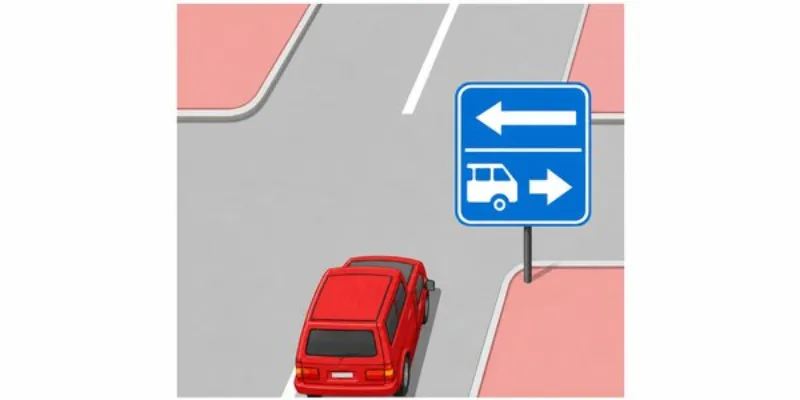
2. In which directions is traffic permitted?
To the left only.
Straight ahead, to the left, and by making a U-turn.
Straight ahead only.
Correct answer: Straight ahead, to the left, and by making a U-turn.ABC · D/T
Why:5.13.2 «Ելք դեպի ընդհանուր օգտագործման տրանսպորտային միջոցների համար գոտիով ճանապարհ» նշանը ցույց է տալիս, որ հատվող ճանապարհով ընդհանուր երթևեկությունը դեպի ձախ է, իսկ դեպի աջ ուղղությամբ կա միայն ընդհանուր օգտագործման տրանսպորտային միջոցների գոտի։ Կետ 124-ով այլ տրանսպորտային միջոցների երթևեկությունն այդ գոտում արգելվում է, ուստի թույլատրվում է ուղիղ, դեպի ձախ և հետադարձ։
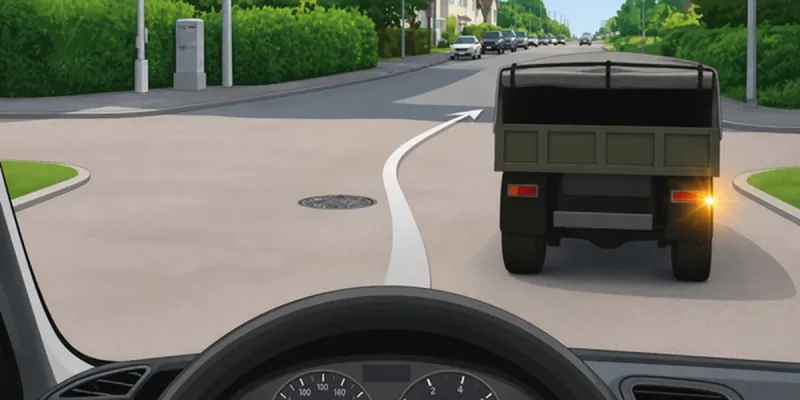
3. In this situation, are you permitted to perform the indicated maneuver?
Yes.
No.
Correct answer: No.ABC · D/T
Why: Առջևից ընթացող բեռնատարը ձախ շրջադարձի ազդանշան է տալիս։ Կետ 73-ի համաձայն՝ վազանց սկսելուց առաջ վարորդը պետք է համոզվի, որ առջևից ընթացողը վազանցի, ձախ շրջադարձի կամ հետադարձի ազդանշան չի տվել, ուստի նշված մանևրի իրավունք չունեք։
4. Are the sidewalk and shoulders considered part of the road?
Yes.
Only the shoulder.
No.
Correct answer: Yes.ABC · D/T
Why: ՀՀ օրենքի համաձայն՝ ճանապարհն ընդգրկում է երթևեկելի մասը, տրամվայի գծերը, մայթերը, կողնակները և բաժանարար գոտիները, ուստի մայթն ու կողնակները ճանապարհի մաս են։
5. A vehicle may not be operated if:
A first-aid kit is missing from a truck.
White reflectors are installed at the front.
In both cases.
Correct answer: A first-aid kit is missing from a truck.ABC
Why: Բեռնատարում բժշկական դեղատուփի բացակայությունը 6.9 ենթակետով անսարքություն է։ Առջևում սպիտակ լուսանդրադարձիչները հենց թույլատրվածն են (3.6՝ առջևում արգելվում են բոլոր գույները, բացի սպիտակից), ուստի երկրորդ տարբերակն անսարքություն չէ։
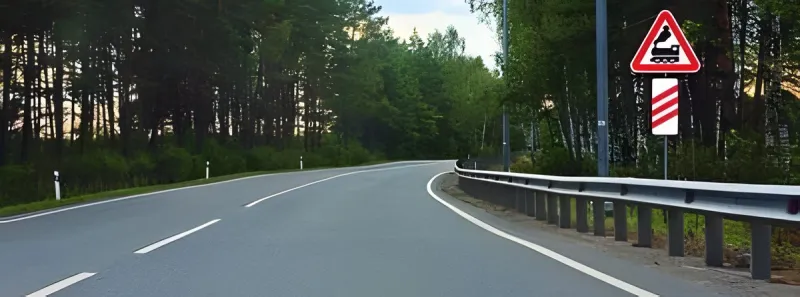
6. These signs warn that:
There is a three-track railroad crossing ahead.
There is a railroad crossing without a barrier gate 150–300 m ahead.
There is a railroad crossing 50–100 m ahead.
Correct answer: There is a railroad crossing without a barrier gate 150–300 m ahead.ABC · D/T
Why:1.2 «Երկաթուղային գծանց առանց ուղեփակոցի» նշանը 1.4.1 «Մոտեցում երկաթուղային գծանցին» (երեք շերտ) նշանի հետ տեղեկացնում է, որ 150–300 մ հեռավորությունից կլինի առանց ուղեփակոցի երկաթուղային գծանց։
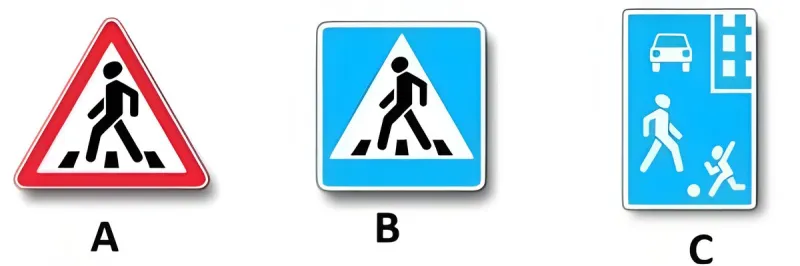
7. Which signs indicate the section where drivers must yield to pedestrians crossing the roadway?
Only A and B.
Only B and C.
All of them.
Correct answer: Only B and C.ABC · D/T
Why: Երթևեկելի մասը հատող հետիոտներին զիջում են B (5.19.1 «Հետիոտնային անցում») և C (5.21 «Բնակելի գոտի», որտեղ հետիոտներն առավելություն ունեն) նշաններով նշված հատվածներում։ A-ն 1.22 նախազգուշացնող նշանն է։
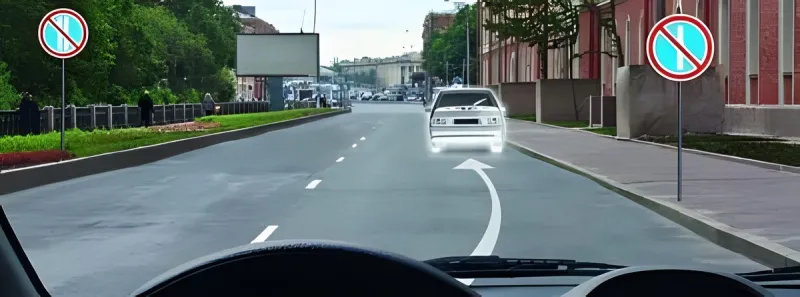
8. On odd-numbered dates of the month, is parking permitted at the indicated location?
Yes.
Yes, after 7:00 PM.
No.
Correct answer: Yes, after 7:00 PM.ABC · D/T
Why: Ճանապարհի երկու կողմում 3.29 «Կայանելն արգելվում է ամսվա կենտ օրերին» և 3.30 «Կայանելն արգելվում է ամսվա զույգ օրերին» նշաններն են։ Կենտ օրերին նշված կողմում կայանումն արգելված է, սակայն երկու նշանների միաժամանակյա կիրառման դեպքում տրանսպորտային միջոցները մյուս կողմ են տեղափոխվում ժամը 19:00–21:00-ի սահմաններում, ուստի ժամը 19:00-ից հետո կարելի է կայանել։
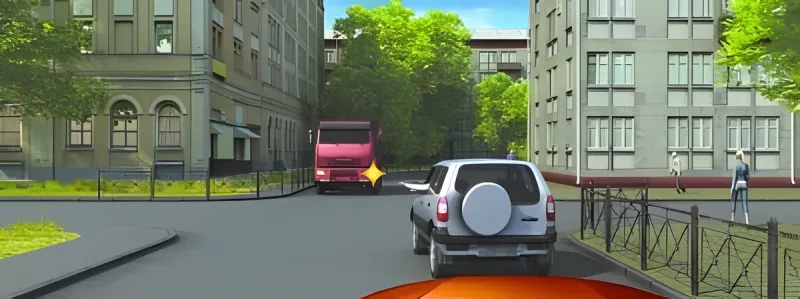
9. May the vehicles make left turns simultaneously?
Yes.
No. The passenger-car driver must yield.
No. The truck driver must yield.
Correct answer: Yes.ABC
Why: Ձախ շրջադարձ կատարող երկու տրանսպորտային միջոցները հանդիպակաց ուղղություններից են, և նրանց ուղիները չեն հատվում՝ նրանք շրջանցում են միմյանց ձախ կողմով։ Կետ 99-ով ձախ թեքվողը զիջում է միայն հանդիպակաց ուղղությունից ուղիղ կամ դեպի աջ ընթացողներին, ուստի երկուսն էլ կարող են շրջադարձը կատարել միաժամանակ։
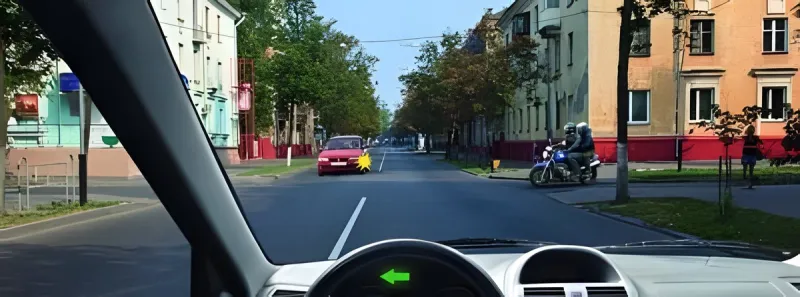
10. When making a left turn:
You will proceed first, simultaneously with the passenger car.
You will proceed after the motorcycle.
Correct answer: You will proceed after the motorcycle.ABC · D/T
Why: Նշաններ չկան՝ հավասարազոր ճանապարհների խաչմերուկ։ Ձախ շրջադարձի ժամանակ կետ 98-ով զիջում ենք աջից մոտեցող մոտոցիկլին, իսկ հանդիպակաց թեթև մարդատարը նույնպես ձախ է թեքվում և մեզ չի խանգարում (կետ 99). անցնում ենք մոտոցիկլից հետո։
11. When making a right turn:
You must yield.
You may proceed first.
Correct answer: You may proceed first.ABC · D/T
Why: Առավելության նշաններ չկան՝ հավասարազոր ճանապարհների խաչմերուկ։ Միակ մեքենան մոտենում է մեր ձախից և կետ 98-ով զիջում է մեզ. աջ շրջադարձը կատարում ենք առաջինը։
12. If the traffic controller’s right arm is extended forward, traffic of non-rail vehicles from the controller’s left side is permitted:
Straight ahead and to the left.
In all directions.
Correct answer: In all directions.ABC · D/T
Why: Կետ 16.3-ով, երբ կարգավորողի աջ ձեռքն առաջ է պարզված, նրա ձախ կողմից ոչ ռելսագնաց տրանսպորտային միջոցների երթևեկությունը թույլատրվում է բոլոր ուղղություններով։
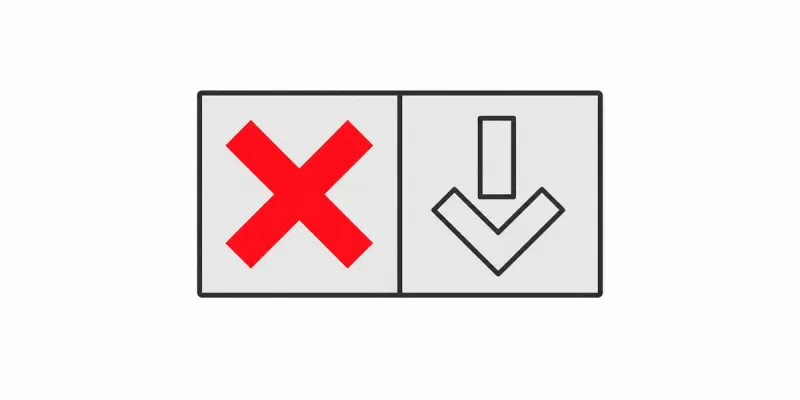
13. When this traffic signal is red, traffic is prohibited:
Across the entire width of the roadway.
At a speed not exceeding 50 km/h.
In the lane over which the signal is located.
Correct answer: In the lane over which the signal is located.ABC · D/T
Why: Դարձափոխային լուսացույցի «X»-աձև կարմիր ազդանշանն արգելում է երթևեկությունն այն գոտիով, որի վերևում այն տեղակայված է (կետ 13)։
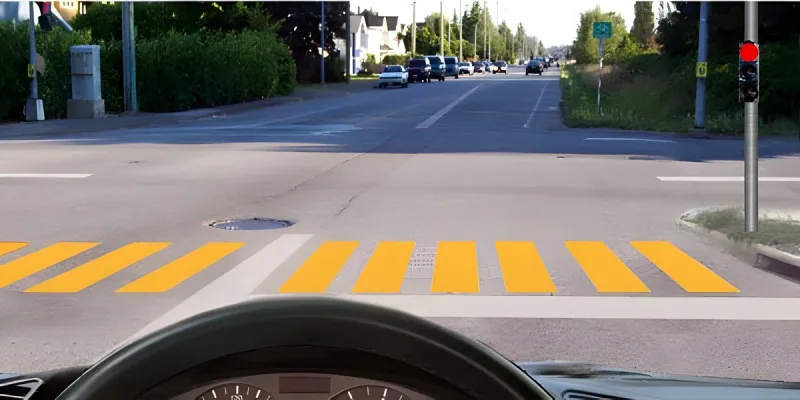
14. Where must the driver stop in this situation?
Stopping is not required.
Before the traffic signal.
Before the “Stop Line” pavement marking.
Before the intersection of the traffic lanes.
Correct answer: Before the “Stop Line” pavement marking.ABC · D/T
Why: Լուսացույցի կարմիր ազդանշան է, և հետիոտնային անցումից առաջ գծված է «Կանգ-գիծ» 1.12 գծանշումը։ Կետ 18-ի համաձայն՝ արգելող ազդանշանի դեպքում վարորդը պետք է կանգ առնի «Կանգ-գիծ» գծանշման առջև։
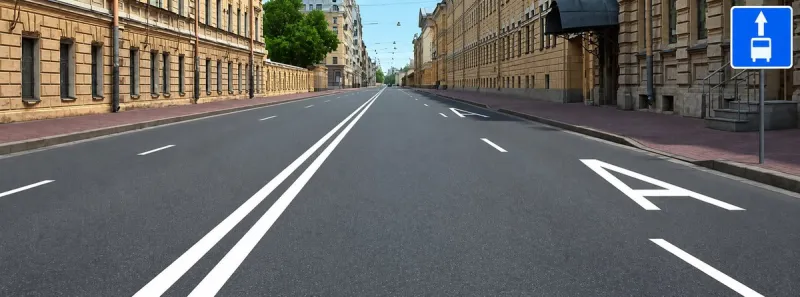
15. Which vehicles may use the rightmost lane of this road?
Trolleybuses and public transit buses.
Trolleybuses and buses.
Buses only.
Correct answer: Trolleybuses and public transit buses.ABC · D/T
Why: Աջ եզրային գոտին ընդհանուր օգտագործման տրանսպորտային միջոցների գոտի է (նշան 5.14, «A» գծանշում)։ Կետ 124-ի համաձայն՝ այդ գոտիով կարող են երթևեկել միայն ընդհանուր օգտագործման տրանսպորտային միջոցները՝ տրոլեյբուսներն ու ընդհանուր օգտագործման ավտոբուսները։
16. While the vehicle is moving, are persons permitted to be in the cargo bed of a truck if it is not equipped for carrying people?
Prohibited.
Permitted on roads that are not freeways.
Permitted only for persons accompanying the cargo or proceeding to receive it, provided they are seated on seats installed below the level of the sides of the cargo bed.
Correct answer: Permitted only for persons accompanying the cargo or proceeding to receive it, provided they are seated on seats installed below the level of the sides of the cargo bed.ABC
Why: Կետ 154-ով մարդ փոխադրելու համար չկահավորված բեռնատարի թափքում կարող են գտնվել միայն բեռն ուղեկցող կամ այն ստանալու համար մեկնող անձինք՝ պայմանով, որ ապահովված են սահմանված նստատեղերով։
17. Trucks carrying people in an equipped cargo bed are permitted to proceed at a speed not exceeding:
60 km/h.
70 km/h.
80 km/h.
Correct answer: 60 km/h.ABC · D/T
Why: Կետ 71.1-ով կահավորված թափքում մարդ փոխադրող բեռնատար ավտոմոբիլներին թույլատրվում է ոչ ավելի, քան 60 կմ/ժ արագություն։
18. In which case must the driver give a warning signal before stopping?
If another vehicle is proceeding behind the driver.
Only in populated areas.
In all cases.
Correct answer: In all cases.ABC · D/T
Why: Կետ 36-ով ազդանշան տրվում է ցանկացած մանևրից, այդ թվում՝ կանգառից առաջ, առանց տեղի կամ հետևից երթևեկողի առկայության պայմանի. այսինքն՝ բոլոր դեպքերում։
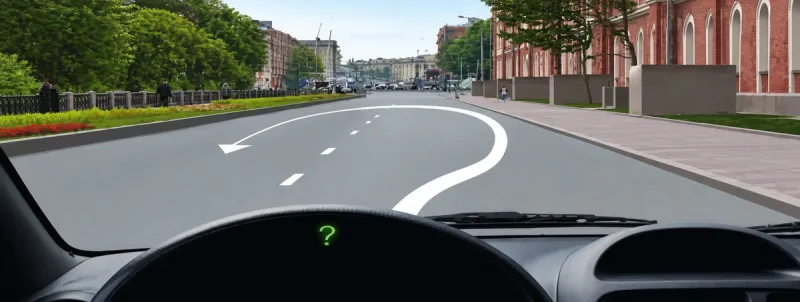
19. Which turn signals must you use when making a U-turn along the indicated path?
Right.
Left.
First right, then left.
Correct answer: First right, then left.ABC · D/T
Why: Նշված հետագծով հետադարձը սկսվում է դեպի աջ եզր շեղվելով, ապա ձախ շրջվելով, ուստի կետ 36-ի համաձայն նախ տրվում է աջ, ապա ձախ շրջադարձի ազդանշանը։
20. When an injured person has an open fracture of a limb, first aid requires you to:
Immediately elevate the injured limb.
Cover the wound with a sterile dressing and immobilize the injured limb.
Stop the bleeding by direct pressure.
Apply cold compresses to the wound.
Correct answer: Cover the wound with a sterile dressing and immobilize the injured limb.ABC · D/T
Why: Առաջին օգնություն. բաց կոտրվածքի դեպքում վերքը ծածկում են ստերիլ անձեռոցիկով և անշարժացնում վերջույթը։ Վերջույթը չեն բարձրացնում և ոսկրի վրա ուղղակի ճնշում չեն գործադրում։
In Varordakan Tester the same tests are taken without hints, wrong answers are collected automatically, and there is an exam simulation (20 questions, 30 minutes, pass at 18), a 3D intersection simulator, video lessons and an AI assistant that cites the Traffic Rules point. Free.
Sources: questions from the official bank of the Road Police of Armenia (roadpolice.am, edition of 2 October 2026); rule points from the Traffic Rules of the Republic of Armenia (arlis.am). Varordakan Tester is an independent educational app, not affiliated with the Police of Armenia.