Test 6 — Categories ABC (cars, motorcycles, trucks)
Updated 2026-10-13 · official question bank of 2 October 2026
Test 6, Categories ABC (cars, motorcycles, trucks): 20 questions from the official bank of 2 October 2026 across all 10 topics. Under every question: the correct answer, the explanation (in Armenian) and the signs it mentions. In the app the same test is taken without hints, and the exam simulation runs on a 30-minute timer.
1. The passenger-car driver:
Must yield.
Has the right-of-way because the vehicle is approaching from the right.
Correct answer: Must yield.ABC
Why: Թեթև մարդատարը վերադասավորվում է այն գոտի, որով ուղիղ ընթանում է բեռնատարը։ Կետ 39-ի համաձայն՝ վերադասավորվող վարորդը զիջում է առանց ուղղությունը փոխելու երթևեկողին. «աջից մոտենալու» առավելությունը գործում է միայն միաժամանակյա վերադասավորման դեպքում։
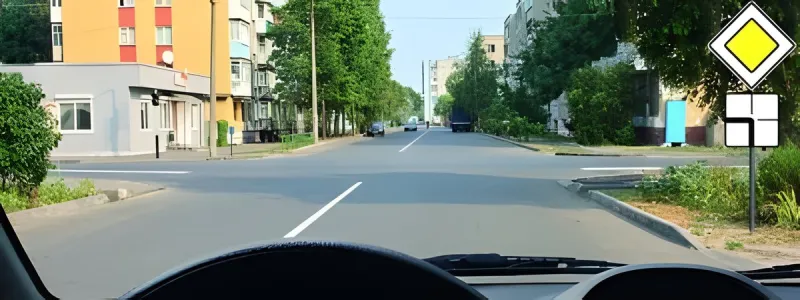
2. A U-turn at this intersection is:
Permitted.
Prohibited.
Correct answer: Permitted.ABC · D/T
Why: Մենք գլխավոր ճանապարհով ենք (նշան 2.1 և 8.13 ցուցանակ)։ Խաչմերուկը կետ 50-ով հետադարձն արգելող տեղերի ցանկում չկա, ուստի այս խաչմերուկում հետադարձը թույլատրվում է։
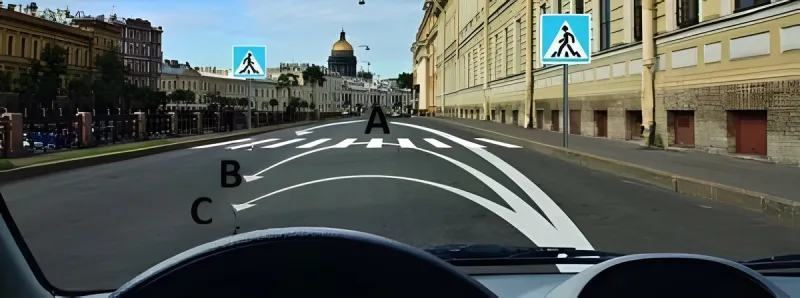
Why: Կետ 50-ի համաձայն՝ հետադարձն արգելվում է հետիոտնային անցումների վրա (նշաններ 5.19.1, 5.19.2)։ B հետագիծն անցնում է անցումի վրայով, իսկ A և C հետագծերը՝ անցումից առաջ և հետո, ուստի թույլատրված են միայն դրանք։
4. According to the Law of the Republic of Armenia on Ensuring Road Traffic Safety, a passenger car is:
An automobile with no more than 8 seats intended for passengers and designed and equipped for the safe and comfortable transportation of passengers and baggage.
An automobile with no more than 4 seats intended for passengers, excluding children under 12 years of age, and designed and equipped for the safe and comfortable transportation of passengers and baggage.
Correct answer: An automobile with no more than 8 seats intended for passengers and designed and equipped for the safe and comfortable transportation of passengers and baggage.ABC
Why: ՀՀ օրենքի համաձայն՝ թեթև մարդատար ավտոմոբիլ է ուղևորների համար նախատեսված 8-ից ոչ ավելի նստատեղ ունեցող տրանսպորտային միջոցը՝ չհաշված վարորդի նստատեղը։
5. A vehicle may not be operated if:
Tires with different tread patterns are installed on the same axle.
The remaining tire tread depth of a passenger car is 1.6 mm.
In both cases.
Correct answer: Tires with different tread patterns are installed on the same axle.ABC
Why: Նույն սռնու վրա տարբեր նախշանկարներով դողերը 4.5 ենթակետով անսարքություն են։ 1.6 մմ պահպանաշերտը հավասար է թեթև մարդատարի նվազագույնին (4.1), դրանից պակաս չէ, ուստի միայն առաջին տարբերակը։
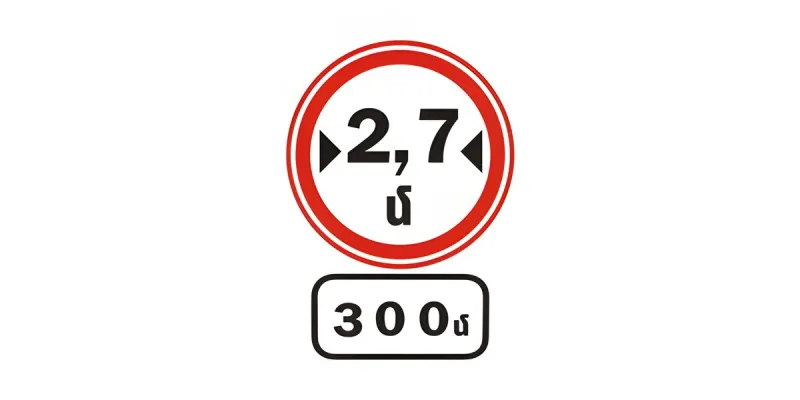
6. What does the supplemental plaque used with the main sign indicate?
The length of the narrow section of road.
The distance from the sign to the location where the restriction begins.
The distance to the location for going around the narrow section of road.
Correct answer: The distance from the sign to the location where the restriction begins.ABC · D/T
Why:3.14 «Լայնության սահմանափակում» նշանի տակ տեղադրված 8.1.1 «Հեռավորություն մինչև օբյեկտ» ցուցանակը ցույց է տալիս նշանից մինչև սահմանափակման տեղն ընկած հեռավորությունը։
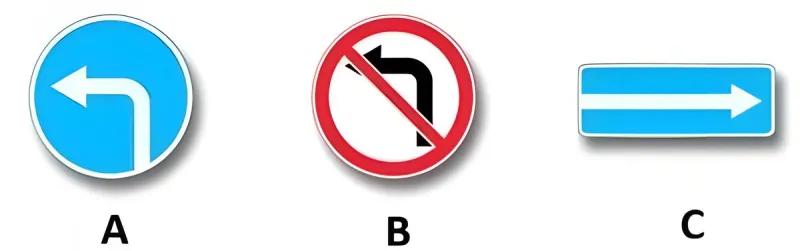
Why: Հետադարձը թույլատրում են բոլորը. A (4.1.3 «Երթևեկությունը դեպի ձախ») թույլատրում է նաև հետադարձը, B (3.18.2) արգելում է միայն ձախ շրջադարձը, C (5.7.1) միայն տեղեկացնում է միակողմ ճանապարհի մասին։
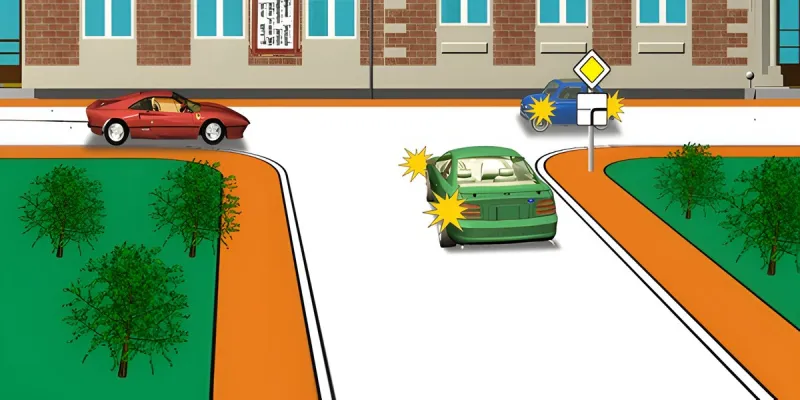
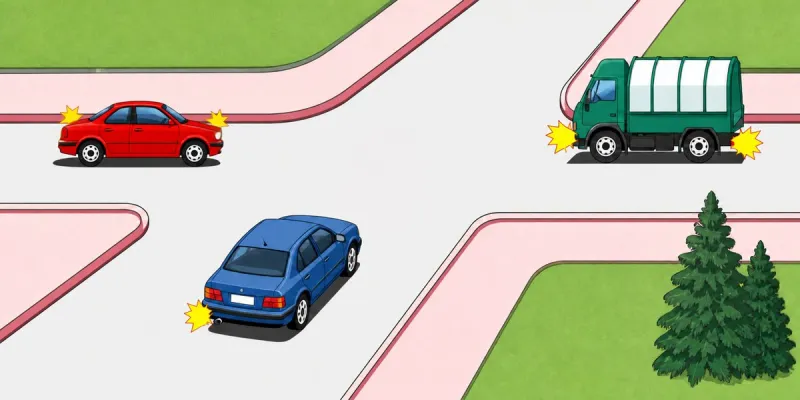
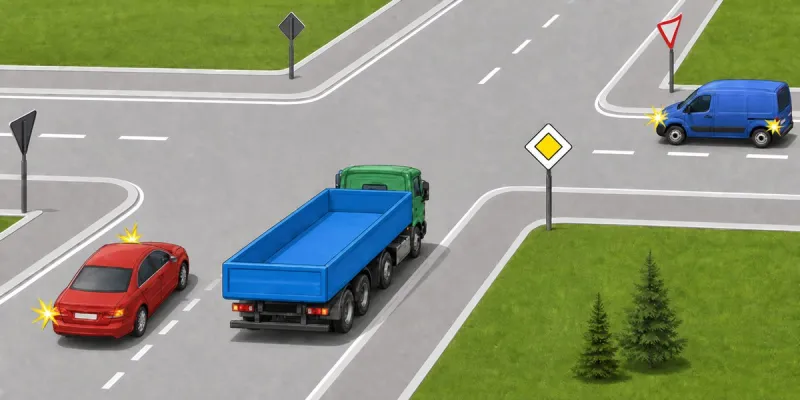
9. Which vehicle will proceed through the intersection first?
The red automobile.
The green automobile.
The blue automobile.
Correct answer: The blue automobile.ABC · D/T
Why: Կապույտի մոտ 2.1 «Գլխավոր ճանապարհ» նշանն է 8.13 «Գլխավոր ճանապարհի ուղղությունը» ցուցանակով. գլխավոր ճանապարհը թեքվում է կապույտի և կանաչի միջև։ Կարմիրը երկրորդական ճանապարհից է և կետ 96-ով զիջում է, իսկ գլխավոր ճանապարհի վրա կետ 97-ով գործում է աջի խոչընդոտի կանոնը. կապույտն անցնում է առաջինը։
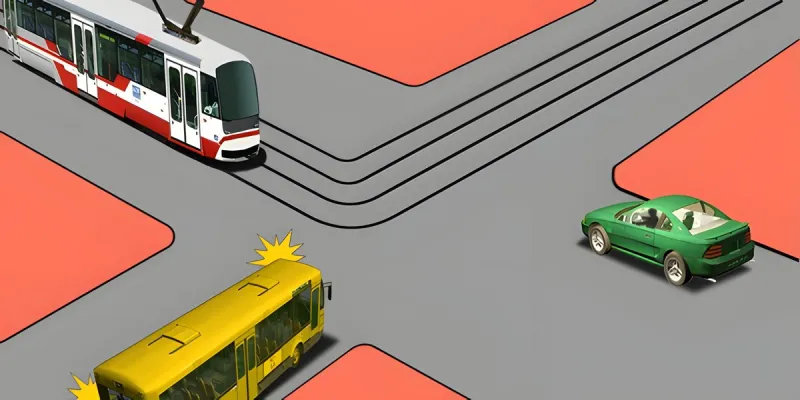
10. The vehicles will proceed through the intersection in the following order:
The passenger car, the bus, the tram.
The tram, the bus, the passenger car.
The tram, the passenger car, the bus.
Correct answer: The tram, the passenger car, the bus.ABC · D/T
Why: Նշաններ և լուսացույց չկան՝ հավասարազոր ճանապարհների չկարգավորվող խաչմերուկ։ Կետ 100-ով տրամվայն անցնում է առաջինը՝ անկախ ուղղությունից, ապա ավտոբուսը կետ 98-ով զիջում է աջից մոտեցող թեթև մարդատարին. տրամվայ, թեթև մարդատար, ավտոբուս։
11. Which vehicle will proceed through the intersection first?
The green automobile.
The red automobile.
The blue automobile.
Correct answer: The green automobile.ABC · D/T
Why: Նշաններ չկան՝ հավասարազոր ճանապարհների խաչմերուկ։ Կետ 98-ով զիջում են աջից մոտեցողին, կետ 99-ով ձախ շրջադարձ կատարողը զիջում է հանդիպակաց ուղիղ գնացողին. կանաչ բեռնատարի աջից ոչ ոք չկա, այն անցնում է առաջինը։
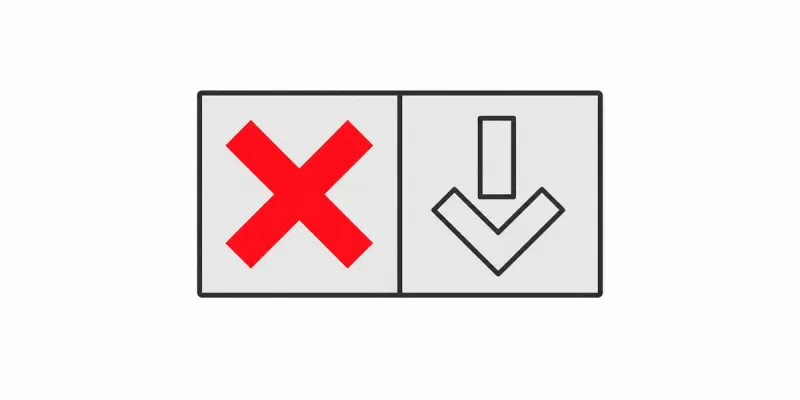
12. When this traffic signal is red, traffic is prohibited:
Across the entire width of the roadway.
At a speed not exceeding 50 km/h.
In the lane over which the signal is located.
Correct answer: In the lane over which the signal is located.ABC · D/T
Why: Դարձափոխային լուսացույցի «X»-աձև կարմիր ազդանշանն արգելում է երթևեկությունն այն գոտիով, որի վերևում այն տեղակայված է (կետ 13)։
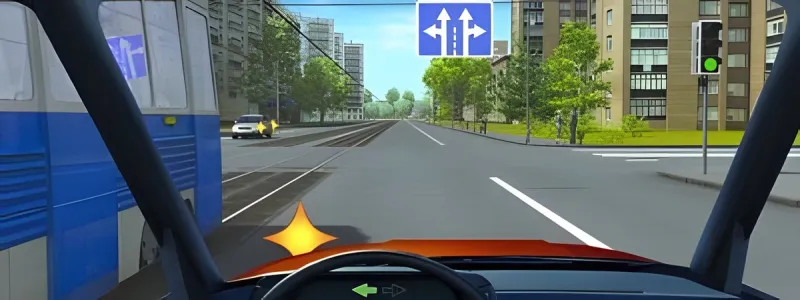
13. When making a left turn:
You must yield to the tram operator.
You will proceed through the intersection first.
Correct answer: You must yield to the tram operator.ABC · D/T
Why: Կանաչ է և՛ մեզ, և՛ ձախի տրամվայի համար. 5.15.1 «Երթևեկության ուղղությունները գոտիներով» նշանը միայն գոտիներն է բաշխում, առաջնահերթություն չի սահմանում։ Կետ 92-ով միաժամանակյա թույլատրող ազդանշանի դեպքում առավելությունը տրամվայինն է՝ անկախ ուղղությունից, ուստի ձախ շրջադարձի ժամանակ պարտավոր ենք զիջել տրամվայի վարորդին։
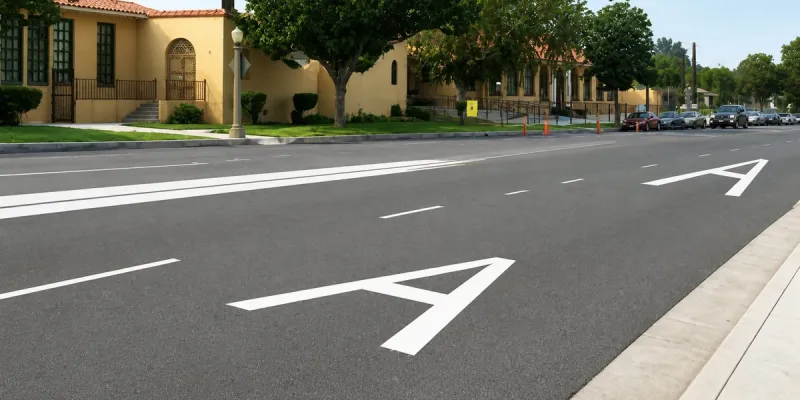
14. For which vehicles is the lane marked with the letter “A” designated?
Only buses operating on an established route.
Trolleybuses and taxis.
Public transit vehicles.
Correct answer: Public transit vehicles.ABC · D/T
Why: «A» տառով գծանշված գոտին (1.23.1) կետ 124-ի համաձայն առանձնացված է ընդհանուր օգտագործման տրանսպորտային միջոցների համար՝ ոչ միայն ավտոբուսների կամ տրոլեյբուսների։
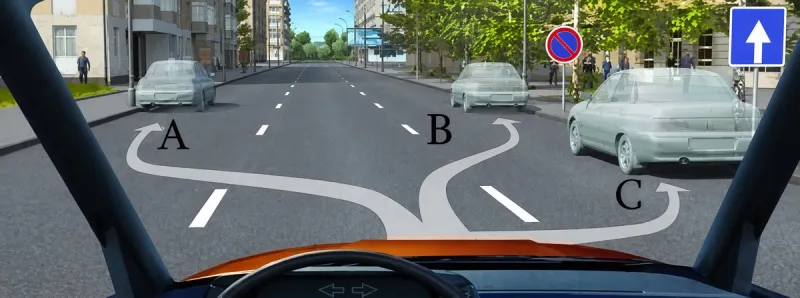
15. At which of the indicated locations is parking permitted?
Only A.
Only C.
A or C.
Correct answer: A or C.ABC · D/T
Why: Ճանապարհը միակողմ երթևեկությամբ է (նշան 5.5). կետ 79-ի համաձայն կայանել կարելի է ձախ կողմում (A) և աջ կողմում՝ 3.28 «Կայանելն արգելվում է» նշանից առաջ (C)։ B տեղում ավտոմոբիլը կկանգնի երկրորդ շարքով, ինչը կետ 80-ով արգելված է։
16. During towing, if the hazard warning lights are absent or malfunctioning, the emergency warning triangle must be placed:
At the rear of the towed vehicle.
At the front of the towing vehicle.
On either vehicle, in a visible location, at the driver’s discretion.
Correct answer: At the rear of the towed vehicle.ABC · D/T
Why: Կետ 24-ով քարշակման ժամանակ վթարային լուսային ազդանշանի բացակայության կամ անսարքության դեպքում «Վթարային կանգառ» նշանը տեղադրվում է քարշակվող տրանսպորտային միջոցի հետևի մասում։
17. Cargo must be positioned and, when necessary, secured on the vehicle so that it:
Does not extend above the sides of the cargo bed.
Does not create significant noise, raise dust, or pollute the road or the environment.
Does not extend more than 0.8 m beyond the rear edge of the vehicle.
Correct answer: Does not create significant noise, raise dust, or pollute the road or the environment.ABC
Why: Կետ 164.4-ով բեռի փոխադրումն արգելվում է, եթե այն զգալի աղմուկ է հանում, փոշի բարձրացնում կամ աղտոտում ճանապարհն ու շրջակա միջավայրը, ուստի բեռը պետք է տեղաբաշխվի և ամրացվի այնպես, որ դա չլինի։ Մյուս տարբերակների չափերը կանոններում չկան։
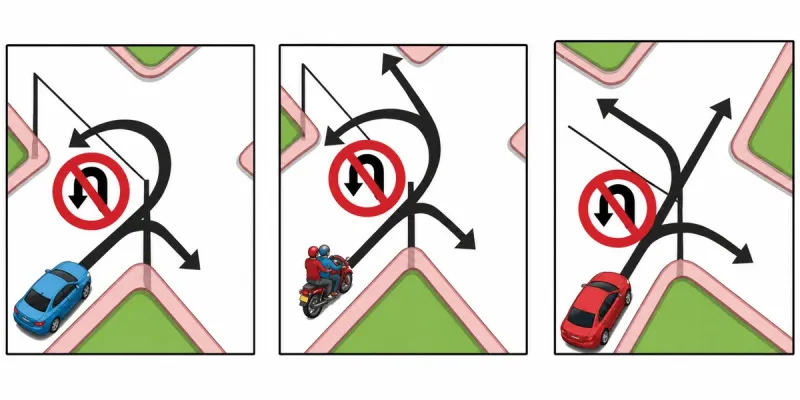
18. Which image shows the permitted directions of traffic?
The left image.
The center image.
The right image.
The center and right images.
Correct answer: The right image.ABC · D/T
Why: Նշան 3.19 «Հետադարձն արգելվում է»-ն արգելում է միայն հետադարձը, իսկ ձախ շրջադարձը թույլատրվում է։ Երթևեկության թույլատրելի ուղղությունները ճիշտ են պատկերված աջ նկարում։
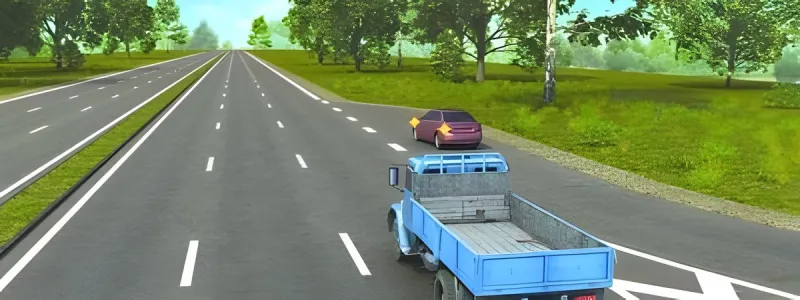
19. Is the driver of the red automobile permitted to pass in this situation?
Permitted.
Prohibited.
Permitted if the speed of the automobile being passed does not exceed 30 km/h.
Correct answer: Prohibited.ABC
Why: Կարմիր ավտոմոբիլը բեռնատարին կվազանցի խաչմերուկում։ Կետ 77-ի համաձայն՝ վազանցն արգելվում է խաչմերուկներում, այդ թվում՝ գլխավոր ճանապարհով (նշան 2.1) ընթանալիս։
20. When providing first aid, to protect yourself from infection, you should:
Avoid direct contact with the wound and provide assistance only while wearing sterile gloves.
Do not assist injured persons who are bleeding.
Correct answer: Avoid direct contact with the wound and provide assistance only while wearing sterile gloves.ABC · D/T
Why: Առաջին օգնություն. վարակումից պաշտպանվելու համար խուսափում են վերքին անմիջապես դիպչելուց և օգնում են միայն ստերիլ ձեռնոցներով։ Արյունահոսող տուժածին չօգնելը թույլատրելի չէ։
In Varordakan Tester the same tests are taken without hints, wrong answers are collected automatically, and there is an exam simulation (20 questions, 30 minutes, pass at 18), a 3D intersection simulator, video lessons and an AI assistant that cites the Traffic Rules point. Free.
Sources: questions from the official bank of the Road Police of Armenia (roadpolice.am, edition of 2 October 2026); rule points from the Traffic Rules of the Republic of Armenia (arlis.am). Varordakan Tester is an independent educational app, not affiliated with the Police of Armenia.