Test 60 — Categories ABC (cars, motorcycles, trucks)
Updated 2026-11-14 · official question bank of 6 November 2026
Test 60, Categories ABC (cars, motorcycles, trucks): 20 questions from the official bank of 6 November 2026 across all 10 topics. Under every question: the correct answer, the explanation (in Armenian) and the signs it mentions. In the app the same test is taken without hints, and the exam simulation runs on a 30-minute timer.
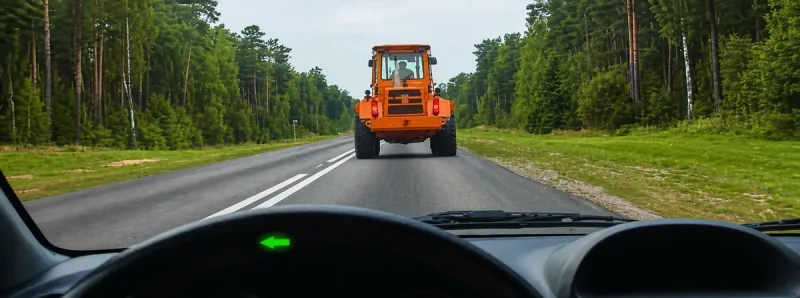
1. With oncoming traffic on a steep downgrade, you must yield to:
The public transit vehicle.
The vehicle proceeding uphill.
The vehicle proceeding downhill.
Correct answer: The vehicle proceeding uphill.ABC · D/T
Why: Կտրուկ վայրէջքի վրա հանդիպակաց երթևեկության դեպքում կետ 46-ով ճանապարհը զիջում է վայրէջքով իջնողը. ճանապարհը զիջվում է վերև բարձրացող տրանսպորտային միջոցին։
2. A roundabout is established at the intersection. The roadway on which you are approaching the intersection has two traffic lanes. When entering the intersection to make a turn, which lane are you required to occupy?
The right lane.
The left lane.
Either the right or the left lane.
Correct answer: Either the right or the left lane.ABC · D/T
Why: Կետ 40-ով շրջադարձից առաջ պետք է նախապես զբաղեցնել եզրային գոտին, բացառությամբ թվարկված դեպքերի։ Շրջանաձև երթևեկությամբ խաչմերուկ մուտք գործելը (40.1) այդ բացառություններից է, ուստի կարելի է մուտք գործել և՛ աջ, և՛ ձախ գոտուց։
3. On all roads, where there are three or more lanes for traffic in the same direction, are motorcycles permitted to use the far-left lane?
Permitted when overtaking.
Permitted when turning left or making a U-turn.
Permitted in both of the above cases.
Correct answer: Permitted in both of the above cases.ABC
Why: Կետ 57-ը գործում է բոլոր ճանապարհներին. երեք և ավելի գոտիների դեպքում ձախ եզրային գոտին թույլատրվում է զբաղեցնել վազանց, ձախ շրջադարձ կամ հետադարձ կատարելիս։ Մոտոցիկլների համար լրացուցիչ սահմանափակում չկա, ուստի երկու դեպքում էլ թույլատրվում է։
4. According to the Law of the Republic of Armenia on Ensuring Road Traffic Safety, a driver’s license authorizing the operation of category B and C vehicles may be issued to:
Persons who have reached 16 years of age.
Persons who have reached 17 years of age.
Persons who have reached 18 years of age.
Correct answer: Persons who have reached 18 years of age.ABC
Why: ՀՀ օրենքի համաձայն՝ «B» և «C» կարգերի տրանսպորտային միջոցներ վարելու իրավունքի վկայական տրվում է 18 տարին լրացած անձանց։
5. A vehicle may not be operated if:
The horn does not operate.
The cooling system does not maintain a stable operating temperature for the engine.
In both cases.
Correct answer: The horn does not operate.ABC · D/T
Why: Ձայնային ազդանշանի սարքի չաշխատելը 6.3 ենթակետով անսարքություն է։ Հովացման համակարգի ջերմային ռեժիմը ցանկում չկա, ուստի միայն առաջին տարբերակը։
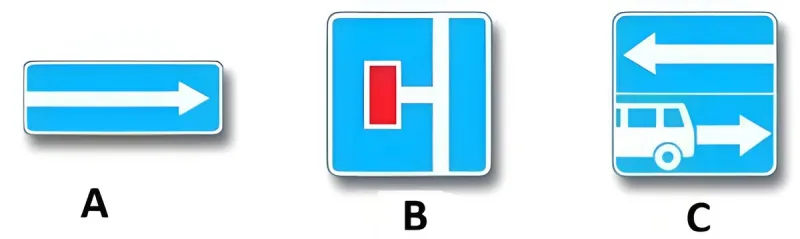
6. With which sign may you make a left turn?
Only B.
A and B.
B and C.
Correct answer: B and C.ABC · D/T
Why: Ձախ շրջադարձ կարելի է կատարել B (6.8.3 «Փակուղի»՝ ձախ ճանապարհը միջանցիկ անցում չունի, բայց այնտեղ թեքվել կարելի է) և C (5.13.2. հատվող ճանապարհով ընդհանուր երթևեկությունը դեպի ձախ է) նշանների դեպքում։ A-ն (5.7.1) ցույց է տալիս, որ հատվող միակողմ ճանապարհով երթևեկությունը դեպի աջ է, ուստի ձախ շրջադարձը կլիներ հոսքին հակառակ։
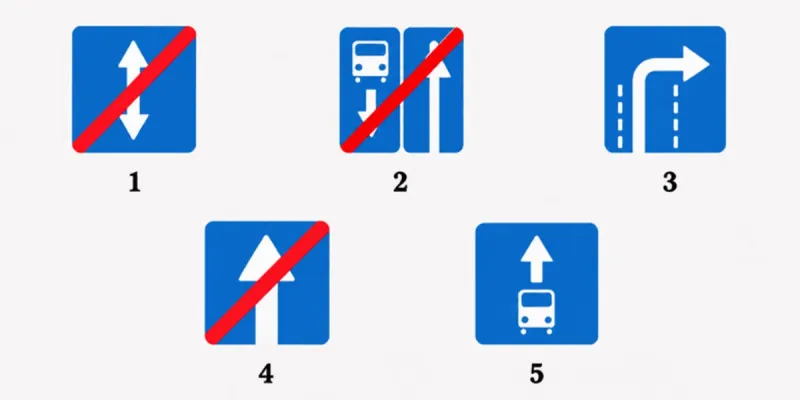
Why: «Միակողմ երթևեկությամբ ճանապարհի վերջ» կոչվում է 4-րդ նշանը՝ 5.6-ը։ 1-ը 5.9 «Դարձափոխային երթևեկության վերջ», 2-ը 5.12 «Ընդհանուր օգտագործման տրանսպորտային միջոցների համար գոտիով ճանապարհի վերջ», 3-ը 5.15.2 «Երթևեկության ուղղությունները գոտիով», 5-ը 5.14 «Ընդհանուր օգտագործման տրանսպորտային միջոցների համար գոտի» նշաններն են։
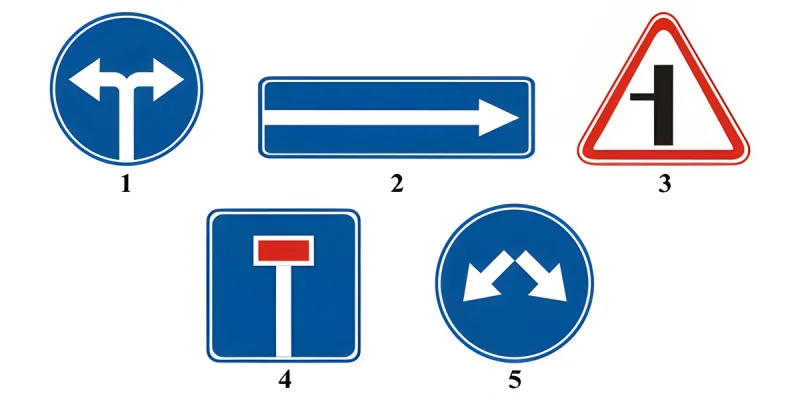
8. Which sign indicates that an obstruction may be passed on either the right or the left?
1
2
3
4
5
Correct answer: Option 5ABC · D/T
Why: Արգելքի շրջանցումն աջից կամ ձախից ցույց է տալիս 5-րդ նշանը՝ 4.2.3-ը։ 1-ը 4.1.6 «Երթևեկությունը դեպի աջ կամ դեպի ձախ», 2-ը 5.7.1 «Ելք դեպի միակողմ երթևեկությամբ ճանապարհ», 3-ը 2.3.3 «Երկրորդական ճանապարհի հարում», 4-ը 6.8.1 «Փակուղի» նշաններն են։
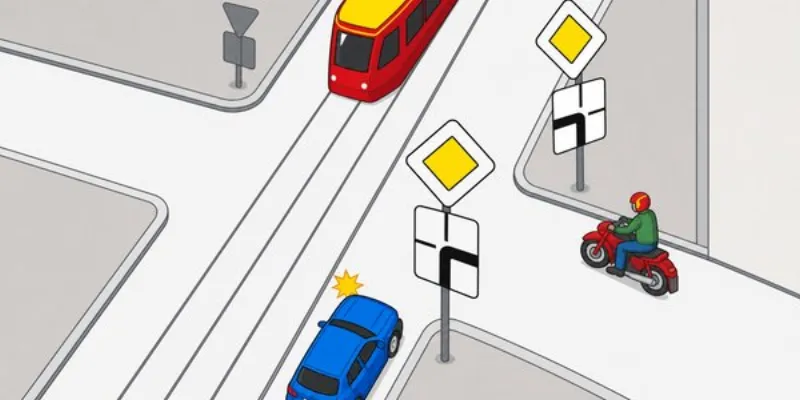
9. In what order will the vehicles proceed through the intersection?
The motorcycle, the automobile, the tram.
The tram, the automobile, the motorcycle.
The tram, the motorcycle, the automobile.
Correct answer: The motorcycle, the automobile, the tram.ABC · D/T
Why: Կապույտի և մոտոցիկլի դիմաց 2.1 «Գլխավոր ճանապարհ» նշաններն են 8.13 «Գլխավոր ճանապարհի ուղղությունը» ցուցանակով. գլխավոր ճանապարհը թեքվում է նրանց միջև, տրամվայը երկրորդական ճանապարհի վրա է։ Կետ 96-ով գլխավոր ճանապարհով ընթացողներն անցնում են առաջ, իսկ գլխավոր ճանապարհն ուղղություն փոխելիս կետ 97-ով նրանք միմյանց նկատմամբ գործում են աջի խոչընդոտի կանոնով (կետ 98). մոտոցիկլ, ավտոմոբիլ, տրամվայ։
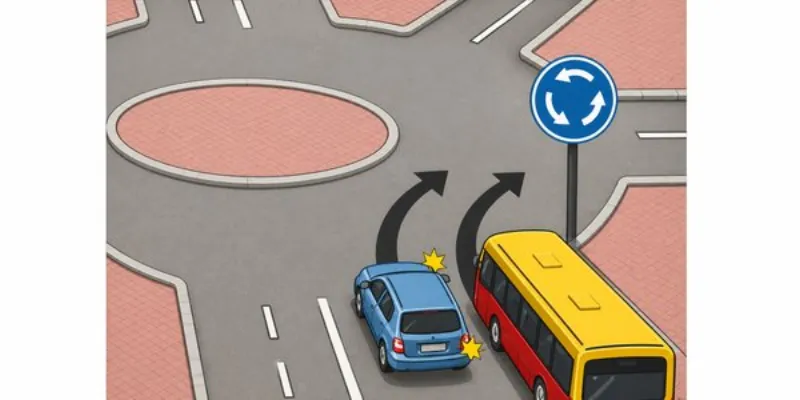
10. Which vehicle driver is entering the roundabout correctly?
Both drivers.
Only the bus driver.
Only the passenger-car driver.
Correct answer: Both drivers.ABC · D/T
Why:4.3 «Շրջանաձև երթևեկություն» նշան։ Կետ 40-ի 1-ին ենթակետով շրջանաձև խաչմերուկ մուտք գործելիս եզրային գոտի զբաղեցնելը պարտադիր չէ, ուստի և՛ ձախ գոտուց մուտք գործող ավտոմոբիլը, և՛ աջ գոտուց մուտք գործող ավտոբուսը ճիշտ են։
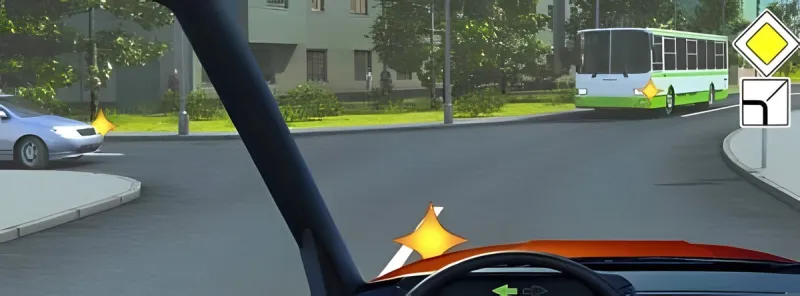
Why: Մեր դիմաց 2.1 «Գլխավոր ճանապարհ» նշանն է 8.13 «Գլխավոր ճանապարհի ուղղությունը» ցուցանակով. գլխավոր ճանապարհն անցնում է մեր թևով և թեքվում ձախ՝ թեթև մարդատարի թևը, դիմացի ավտոբուսը երկրորդական ճանապարհի վրա է։ Մեքենան գլխավոր ճանապարհով է, բայց մոտենում է ձախից և կետ 97, 98-ով զիջում է մեզ, ավտոբուսը զիջում է կետ 96-ով. ոչ ոքի չենք զիջում։
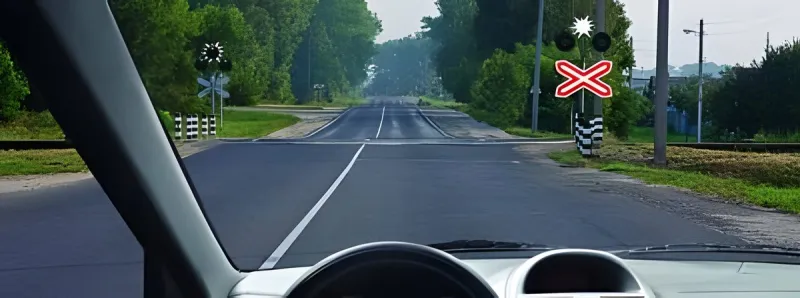
Why: Գծանցը նշված է 1.3.1 «Միագիծ երկաթուղի» նշանով, և գծանցի լուսացույցի լուսնասպիտակ թարթող ազդանշանն է միացված։ Կետ 15-ով լուսնասպիտակ թարթող ազդանշանը թույլատրում է գծանցով երթևեկությունը, ուստի գծանցն անցնելը թույլատրված է։
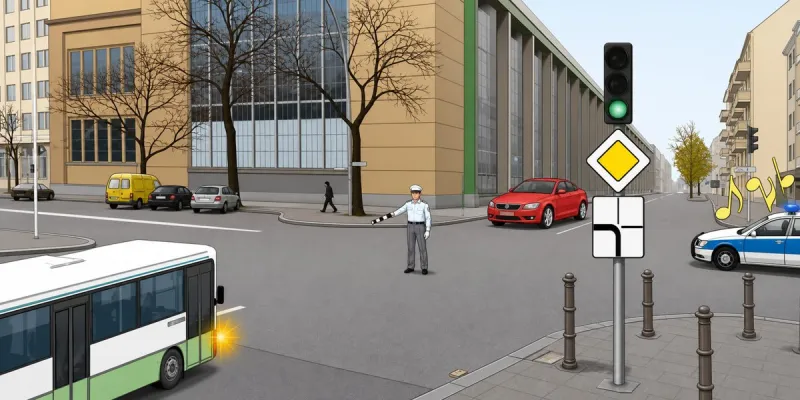
13. In this situation, which vehicles are permitted to continue?
The passenger car straight ahead, the patrol vehicle in all directions, and the bus to the right only.
Only the patrol vehicle, in all directions.
The patrol vehicle in all directions and the bus to the right only.
Correct answer: The patrol vehicle in all directions and the bus to the right only.ABC · D/T
Why: Նկարում և՛ կարգավորող է, և՛ կանաչ լուսացույց, և՛ 2.1 նշան 8.13 ցուցանակով։ Կետ 20-ով կարգավորողի ազդանշանները գերակայում են թե՛ լուսացույցին, թե՛ նշանին։ Կարգավորողի աջ ձեռքը պարզված է առաջ. նրա կրծքի կողմից մոտեցող ավտոբուսին թույլատրվում է միայն աջ (կետ 16.3 «բ»), ձախ կողմից մոտեցող պարեկային ավտոմոբիլին՝ բոլոր ուղղություններով («ա»), իսկ թիկունքի կողմի կարմիր ավտոմոբիլին երթևեկությունն արգելված է («գ»)։ Հատուկ ազդանշանները կարգավորողի ազդանշաններից ազատում չեն տալիս (կետ 26)։
14. What does the solid yellow horizontal pavement marking indicate?
A location where stopping and parking of vehicles are prohibited.
A location where stopping is permitted to drop off passengers or unload the vehicle.
A location where parking of vehicles is prohibited.
Correct answer: A location where stopping and parking of vehicles are prohibited.ABC · D/T
Why: Դեղին հոծ 1.4 գծանշումը ցույց է տալիս այն տեղերը, որտեղ տրանսպորտային միջոցների կանգառը և կայանումն արգելված են։
15. With this pavement marking, passing is:
Permitted.
Permitted if the vehicle ahead is a slow-moving vehicle.
Prohibited.
Correct answer: Prohibited.ABC · D/T
Why:1.11 գծանշման հոծ գիծը մեր կողմում է, իսկ ընդհատվողը՝ հանդիպակաց երթևեկության կողմում։ Այն թույլատրվում է հատել միայն ընդհատվող գծի կողմից, ուստի հանդիպակաց գոտի դուրս գալով վազանց կատարելն արգելվում է, անկախ նրանից, որ առջևում դանդաղընթաց տրակտոր է։
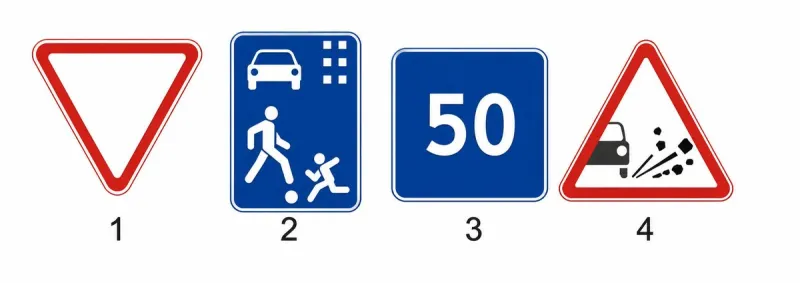
16. Which sign limits speed?
1 and 3.
1 and 4.
2
2 and 3.
Correct answer: Option 2ABC · D/T
Why: 1-ը 2.4 «Զիջեք ճանապարհը», 2-ը 5.21 «Բնակելի գոտի», 3-ը 6.2 «Առաջարկվող արագություն», 4-ը 1.18 «Խճի արտանետում» նշանն է։ Արագությունը սահմանափակում է միայն 5.21-ը. կետ 68-ով բնակելի գոտում թույլատրվում է 20 կմ/ժ ոչ ավելի, իսկ 6.2-ը միայն առաջարկություն է։
17. Trucks carrying people in an equipped cargo bed are permitted to proceed at a speed not exceeding:
60 km/h.
70 km/h.
80 km/h.
Correct answer: 60 km/h.ABC · D/T
Why: Կետ 71.1-ով կահավորված թափքում մարդ փոխադրող բեռնատար ավտոմոբիլներին թույլատրվում է ոչ ավելի, քան 60 կմ/ժ արագություն։
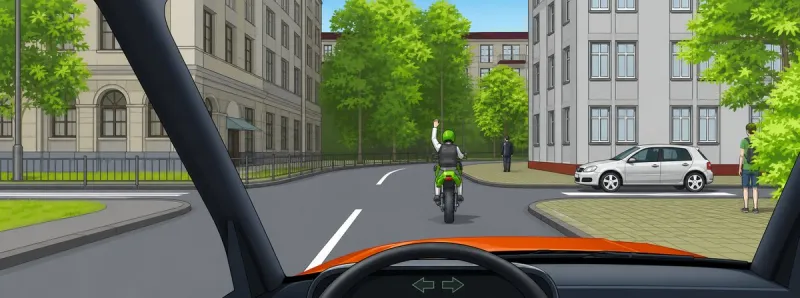
18. What is the driver of the motorcycle indicating?
An intention to continue straight ahead.
An intention to make a left turn.
An intention to slow down in order to yield to the passenger car.
Correct answer: An intention to slow down in order to yield to the passenger car.ABC · D/T
Why: Մոտոցիկլի վարորդի դեպի վեր պարզված ձեռքը կետ 37-ի համաձայն արգելակման ազդանշանն է. նա իջեցնում է արագությունը՝ թեթև մարդատարին զիջելու համար։
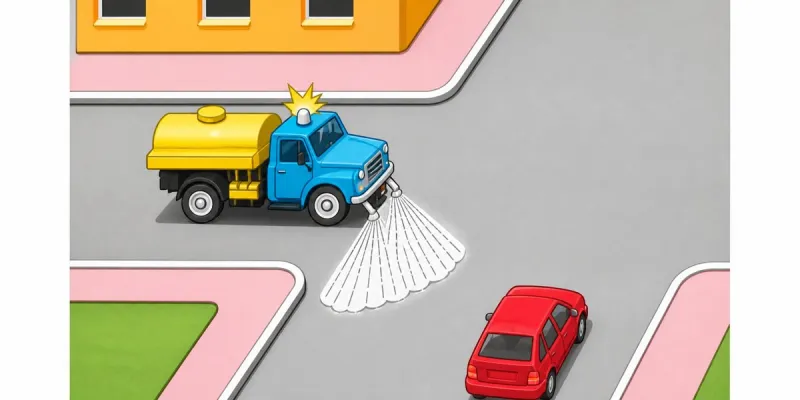
19. Which vehicle driver has the right-of-way?
The driver of the road-cleaning vehicle.
The passenger-car driver.
Correct answer: The passenger-car driver.ABC
Why: Ճանապարհային մեքենայի դեղին առկայծող փարոսիկը երթևեկության առավելություն չի տալիս (կետ 32)։ Հավասարազոր ճանապարհների խաչմերուկում առավելությունն աջից մոտեցող թեթև մարդատարի վարորդինն է (կետ 98)։
20. What is the optimal position for a conscious injured person when a spinal injury is suspected?
Lay the injured person on their side.
Lay the injured person on their back on a firm, flat surface; do not move them or change their position unless necessary.
Lay the injured person on their back, place a roll made from clothing under the neck, and raise the legs.
Correct answer: Lay the injured person on their back on a firm, flat surface; do not move them or change their position unless necessary.ABC · D/T
Why: Առաջին օգնություն. ողնաշարի վնասվածքի կասկածի դեպքում գիտակից տուժածին պառկեցնում են մեջքի վրա՝ կոշտ, հարթ մակերեսին, և առանց անհրաժեշտության չեն տեղաշարժում ու դիրքը չեն փոխում։
In Varordakan Tester the same tests are taken without hints, wrong answers are collected automatically, and there is an exam simulation (20 questions, 30 minutes, pass at 18), a 3D intersection simulator, video lessons and an AI assistant that cites the Traffic Rules point. Free.
Sources: questions from the official bank of the Road Police of Armenia (roadpolice.am, edition of 6 November 2026); rule points from the Traffic Rules of the Republic of Armenia (arlis.am). Varordakan Tester is an independent educational app, not affiliated with the Police of Armenia.