Updated 2026-10-13 · official question bank of 2 October 2026
Test 14, Categories D/T (bus, trolleybus): 20 questions from the official bank of 2 October 2026 across all 10 topics. Under every question: the correct answer, the explanation (in Armenian) and the signs it mentions. In the app the same test is taken without hints, and the exam simulation runs on a 30-minute timer.
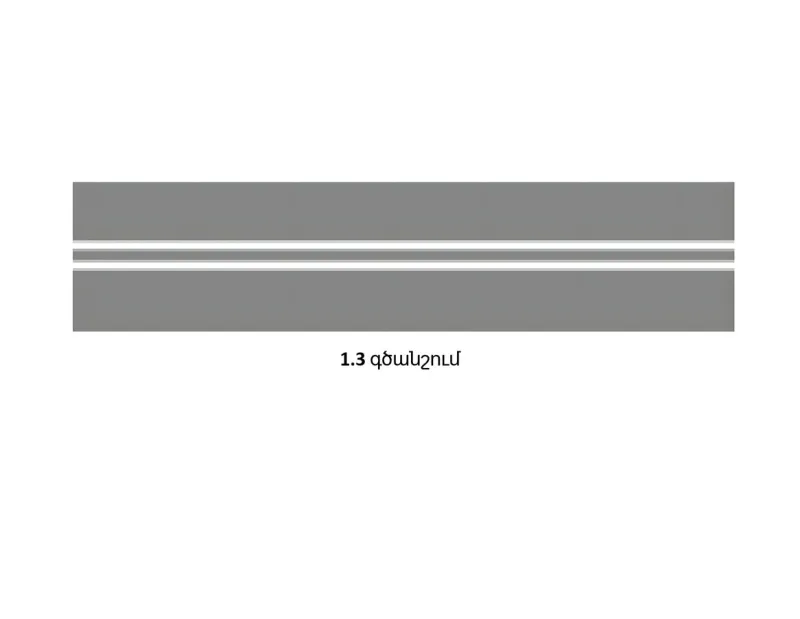
1. What does this horizontal pavement marking separate?
The public transit vehicle lane from the remaining lanes of the roadway.
On roads with four or more traffic lanes, it separates traffic flows moving in opposite directions.
Correct answer: On roads with four or more traffic lanes, it separates traffic flows moving in opposite directions.D/T
Why:1.3 կրկնակի հոծ գծանշումը չորս և ավելի երթևեկության գոտի ունեցող ճանապարհներին բաժանում է հանդիպակաց ուղղությունների տրանսպորտային հոսքերը։
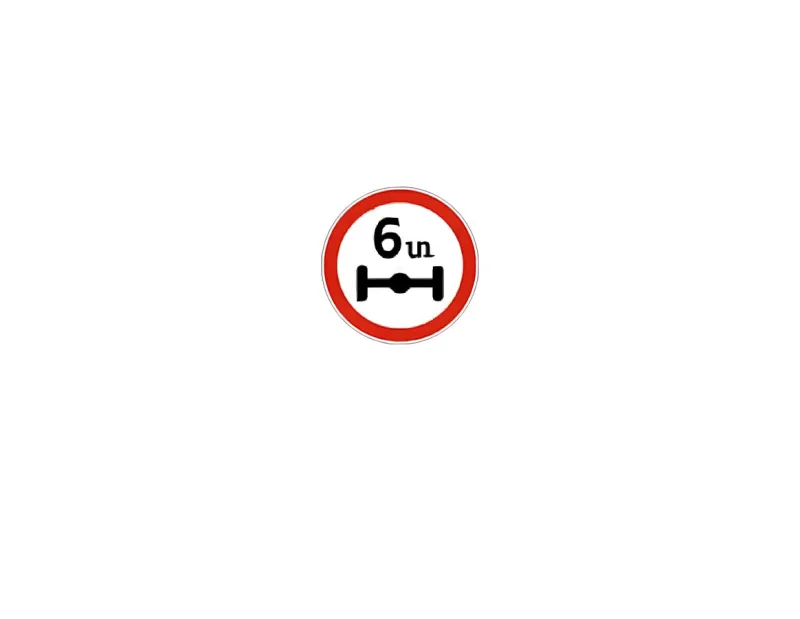
2. Within the area of effect of this sign, buses are prohibited from driving if:
Their actual mass is 8 t.
The axle load exceeds the value indicated on the sign.
Their maximum authorized mass is 8 t.
Correct answer: The axle load exceeds the value indicated on the sign.D/T
Why: Նշանը 3.12 «Սռնու վրա բեռնվածության սահմանափակում» (6 տ) է. այն արգելում է այն տրանսպորտային միջոցների երթևեկությունը, որոնց որևէ սռնու վրա բեռնվածությունը մեծ է նշանի վրա նշվածից, անկախ ընդհանուր զանգվածից։
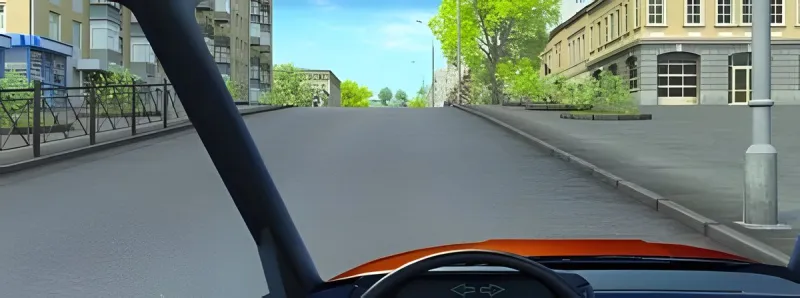
3. When proceeding uphill in this direction, a U-turn is:
Permitted if it can be completed in one maneuver.
Permitted if visibility of 100 m is provided in both directions.
Prohibited.
Correct answer: Permitted if visibility of 100 m is provided in both directions.ABC · D/T
Why: Վերելքի վրա ճանապարհի հեռանկարը սահմանափակ է։ Կետ 50-ի համաձայն՝ հետադարձն արգելվում է թեկուզ մեկ ուղղությամբ 100 մ-ից պակաս տեսանելիության տեղերում, ուստի այն թույլատրվում է միայն երկու կողմից 100 մ տեսանելիության դեպքում։
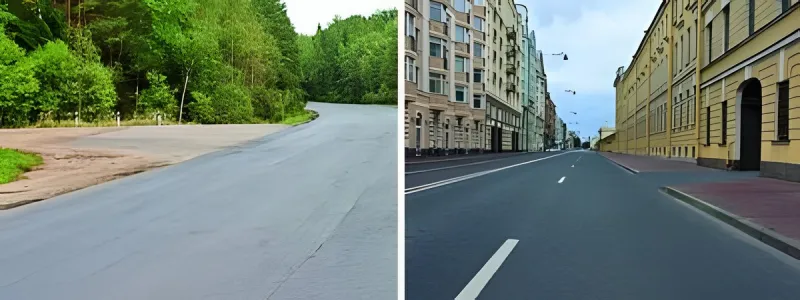
4. In which image is an intersection shown?
Only in the left image.
Only in the right image.
In both images.
Correct answer: Only in the left image.ABC · D/T
Why: Մերձակա տարածքից ճանապարհ ելքը խաչմերուկ չի համարվում («Ճանապարհային երթևեկության անվտանգության ապահովման մասին» ՀՀ օրենքի սահմանում), ուստի խաչմերուկ պատկերված է միայն ձախ նկարում։
5. A bus may not be operated if:
Two wheel chocks are available.
The interior lighting devices of the bus passenger compartment do not operate.
In both cases.
Correct answer: The interior lighting devices of the bus passenger compartment do not operate.D/T
Why: Ավտոբուսի սրահի ներքին լուսավորության չաշխատելը 6.6 ենթակետով անսարքություն է։ Երկու հակագլորման հենակի առկայությունը 6.9-ի պահանջն է, ուստի միայն երկրորդ տարբերակը։
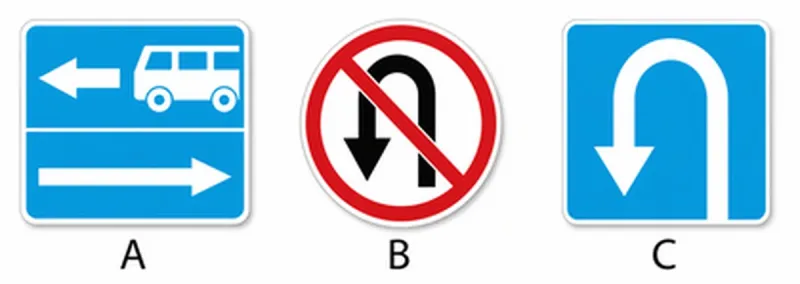
6. Which of the signs prohibits making a left turn?
Only A.
Only A and B.
Only A and C.
All of them.
Correct answer: Only A and C.ABC · D/T
Why: Ձախ շրջադարձն արգելում են A (5.13.1 «Ելք դեպի ընդհանուր օգտագործման տրանսպորտային միջոցների գոտիով ճանապարհ») և C (6.3.1 «Հետադարձի տեղ», որտեղ ձախ շրջադարձն արգելվում է) նշանները։ B-ն՝ 3.19 «Հետադարձն արգելվում է», արգելում է միայն հետադարձը։
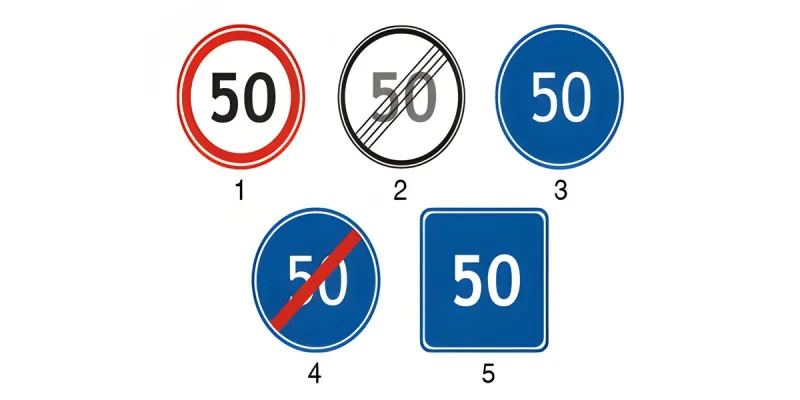
7. Which sign indicates the end of a zone with a maximum speed limit of 50 km/h?
1
2
3
4
5
Correct answer: Option 2ABC · D/T
Why: 50 կմ/ժ առավելագույն արագության սահմանափակման գոտու վերջը ցույց է տալիս 2-րդ նշանը՝ 3.25։ 1-ը 3.24, 3-ը 4.6 «Նվազագույն արագության սահմանափակում», 4-ը 4.7, 5-ը 6.2 «Առաջարկվող արագություն» նշաններն են։
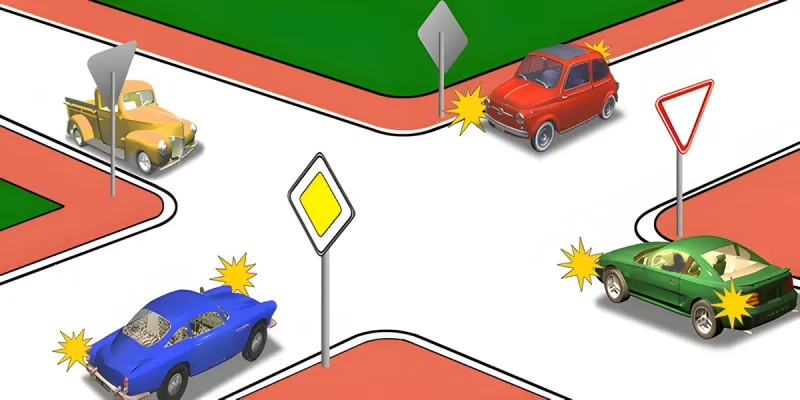
9. Which vehicle will proceed through the intersection last?
The blue automobile.
The yellow automobile.
The green automobile.
The red automobile.
Correct answer: The green automobile.ABC · D/T
Why: Կապույտի առջև 2.1 «Գլխավոր ճանապարհ» նշանն է, կանաչի առջև՝ 2.4 «Զիջեք ճանապարհը», իսկ մյուս երկու թևերում նշանների թիկունքն է երևում։ Գլխավոր ճանապարհով ընթացող կապույտն ու կարմիրն անցնում են առաջ (կետ 96)։ Երկրորդական ճանապարհի մեքենաները միմյանց նկատմամբ գործում են հավասարազոր խաչմերուկի կանոններով (կետ 97). ձախ շրջադարձ կատարող կանաչը կետ 99-ով զիջում է հանդիպակաց ուղղությունից ուղիղ ընթացող դեղինին. կանաչն անցնում է վերջինը։
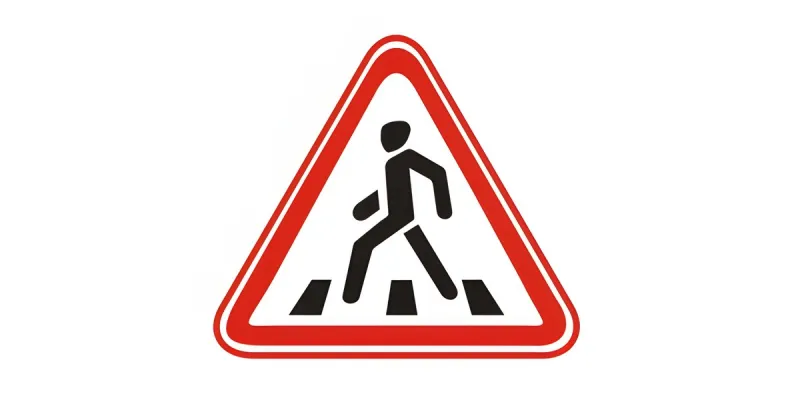
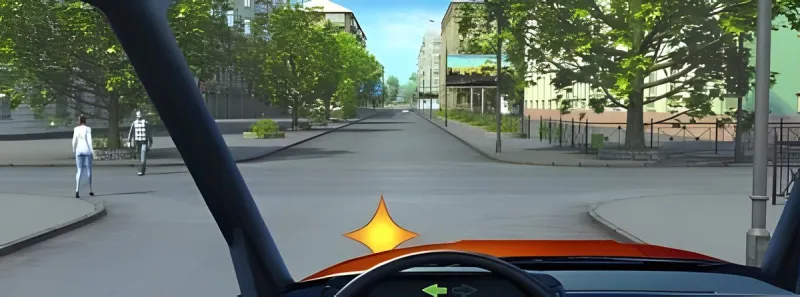
10. In this situation, must we avoid interfering with pedestrians?
Yes.
No.
Correct answer: Yes.ABC · D/T
Why: Խաչմերուկում ձախ շրջադարձ կատարելիս վարորդը կետ 87-ով խոչընդոտ չպետք է ստեղծի երթևեկելի մասը հատող հետիոտների համար. պարտավոր ենք։
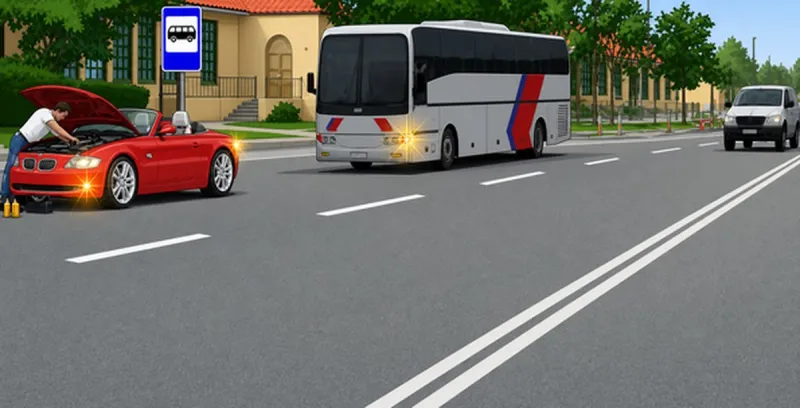
11. In this situation, must the driver of the fixed-route bus yield to the passenger car before starting to move?
Not required.
Must yield.
Correct answer: Not required.D/T
Why: Երթուղային ավտոբուսը երթևեկությունն սկսում է 5.16 նշանով կահավորված կանգառի կետից բնակավայրում, ուստի կետ 125-ով առավելություն ունի և թեթև մարդատարին զիջելու պարտավորություն չունի. նա միայն պետք է համոզվի, որ հարևան գոտիով մոտեցողները խոչընդոտ չեն ստեղծում։
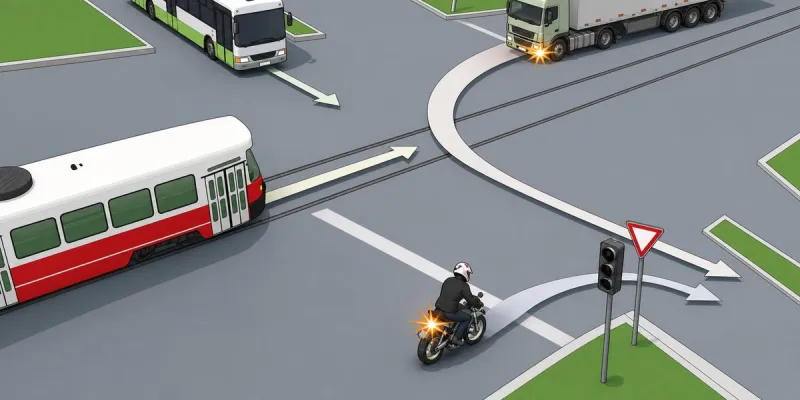
12. The vehicles will proceed through the intersection in the following order:
The tram, the bus, the truck, the motorcycle.
The bus, the truck, the tram, the motorcycle.
The bus, then the tram and the motorcycle, then the truck.
Correct answer: The bus, then the tram and the motorcycle, then the truck.ABC · D/T
Why: Լուսացույցն անջատված է, ուստի խաչմերուկը չկարգավորվող է (կետ 95) և գործում է մոտոցիկլի թևի 2.4 «Զիջեք ճանապարհը» նշանը։ Հատվող գլխավոր ճանապարհի ավտոբուսն անցնում է առաջինը (կետ 96), ապա տրամվայն ու մոտոցիկլը միաժամանակ, քանի որ նրանց ուղիները չեն հատվում, իսկ ձախ թեքվող բեռնատարը զիջում է (կետ 99) և անցնում վերջինը։
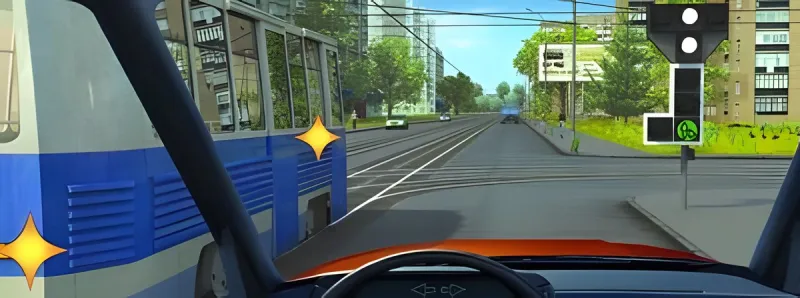
Why: Տրամվայի «T»-աձև լուսացույցի միայն վերևի ազդանշաններն են միացված՝ առանց ներքևի, ուստի կետ 14-ով տրամվայի երթևեկությունն արգելված է. մեր լուսացույցը կանաչ է՝ միացված ձախ սեկցիայով (կետ 8)։ Անցնում ենք առաջինը։
14. What does the wide broken-line pavement marking indicate?
The boundary between the roadway and the shoulder.
The boundary between a main traffic lane of the roadway and an acceleration lane.
The boundary between a main traffic lane of the roadway and a deceleration lane.
Correct answer: The boundary between a main traffic lane of the roadway and an acceleration lane.ABC · D/T
Why: Ընդհատվող լայն 1.8 գծանշումը ցույց է տալիս երթևեկելի մասի հիմնական գոտու և թափառքի (կամ արգելակման) գոտու միջև առկա սահմանը։
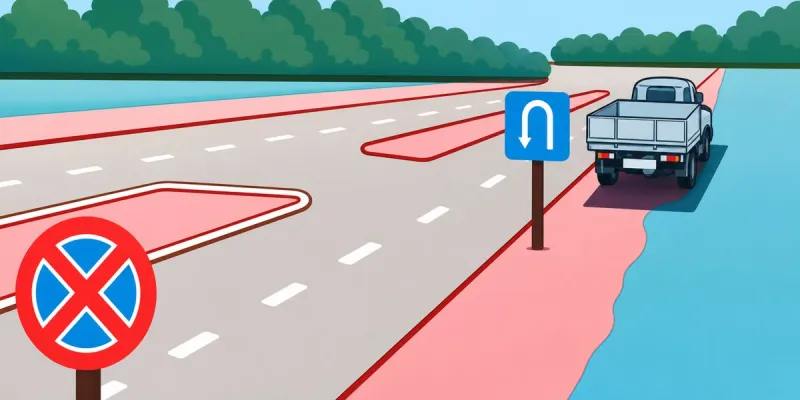
15. Does the prohibitory sign apply to the section of road where the driver has stopped?
Yes.
No.
Correct answer: Yes.ABC · D/T
Why: Նշան 3.27 «Կանգառն արգելվում է»-ի ազդման գոտին տարածվում է մինչև մոտակա խաչմերուկը։ 6.3.1 «Հետադարձի տեղ» նշանով նշված տեղը խաչմերուկ չէ, ուստի արգելող նշանն ազդում է նաև այն հատվածի վրա, որտեղ վարորդը կանգառ է կատարել։
The number of people in the passenger compartment of a bus operating on a tourist route exceeds the number of equipped seats.
The number of people in the passenger compartment of a bus operating on an intercity route exceeds the number of equipped seats.
In both cases.
Correct answer: In both cases.D/T
Why: Կետ 152-ով միջքաղաքային և զբոսաշրջության երթուղիներով երթևեկող ավտոբուսների սրահում մարդկանց թիվը չպետք է գերազանցի կահավորված նստատեղերի քանակը։ Երկու դեպքն էլ արգելված են։
17. In which case is towing prohibited?
Under icy road conditions with a rigid coupling.
Under icy road conditions with a flexible coupling.
By motorcycles with sidecars.
Correct answer: Under icy road conditions with a flexible coupling.ABC · D/T
Why: Կետ 143.3-ով մերկասառույցին արգելվում է ճկուն կցիչով քարշակումը։ Կոշտ կցիչը մերկասառույցին թույլատրված է, իսկ 143.2-ն արգելում է քարշակել միայն առանց կողային կցորդի մոտոցիկլներով, ոչ կցորդով։
18. At night, on unlit sections of road, a bus operating on an established route must have the following activated:
Low-beam headlights only.
High-beam headlights only.
High-beam or low-beam headlights.
Correct answer: High-beam or low-beam headlights.D/T
Why: Կետ 127.1-ով օրվա մութ ժամանակ, անկախ ճանապարհի լուսավորվածությունից, մեխանիկական տրանսպորտային միջոցների վրա պետք է միացված լինի լապտերների հեռահար կամ մոտակա լույսը։ Երթուղային ավտոբուսը բացառություն չէ։
19. Must a bus driver activate a turn signal when reversing?
No, because the hazard warning lights must be activated when reversing.
No, because the white light of the reversing lamps is sufficient to warn other drivers.
Yes.
Correct answer: Yes.D/T
Why: Կետ 3-ով հետընթացը մանևր է, իսկ կետ 36-ով մանևրից առաջ պետք է ազդանշան տալ շրջադարձի լուսային ցուցիչով, ուստի հետընթացի ժամանակ նույնպես միացնում են համապատասխան ցուցիչը։
20. If organs protrude through an open abdominal wound, you should:
Wash them and carefully try to place the protruding organs back inside.
Cover the protruding organs with a clean moist cloth and plastic film.
Cut off the protruding organs and bandage the wound.
Do not touch them; transport the injured person to a hospital in that condition.
Correct answer: Cover the protruding organs with a clean moist cloth and plastic film.ABC · D/T
Why: Առաջին օգնություն. որովայնից արտընկած օրգանները տեղը չեն մտցնում և չեն կտրում. ծածկում են մաքուր խոնավ գործվածքով և պոլիէթիլենային թաղանթով, որ չչորանան։
In Varordakan Tester the same tests are taken without hints, wrong answers are collected automatically, and there is an exam simulation (20 questions, 30 minutes, pass at 18), a 3D intersection simulator, video lessons and an AI assistant that cites the Traffic Rules point. Free.
Sources: questions from the official bank of the Road Police of Armenia (roadpolice.am, edition of 2 October 2026); rule points from the Traffic Rules of the Republic of Armenia (arlis.am). Varordakan Tester is an independent educational app, not affiliated with the Police of Armenia.