Updated 2026-10-13 · official question bank of 2 October 2026
Test 21, Categories D/T (bus, trolleybus): 20 questions from the official bank of 2 October 2026 across all 10 topics. Under every question: the correct answer, the explanation (in Armenian) and the signs it mentions. In the app the same test is taken without hints, and the exam simulation runs on a 30-minute timer.
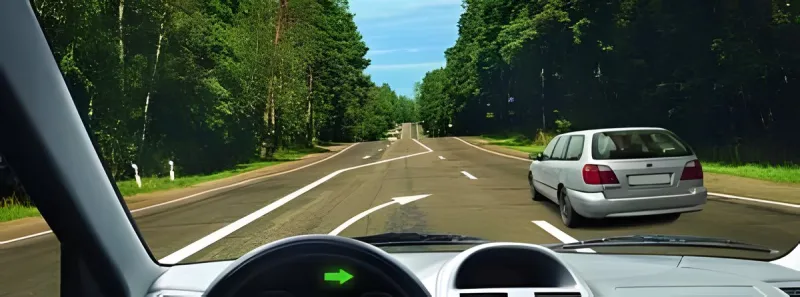
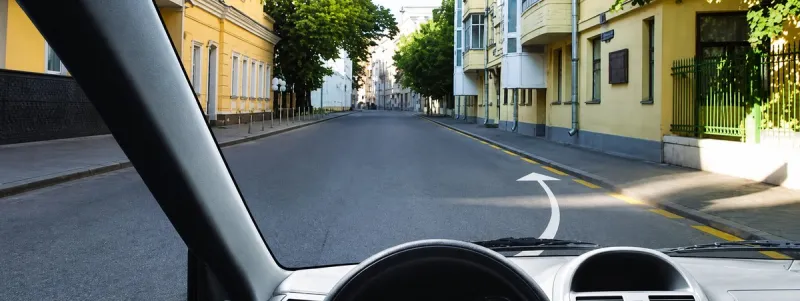
1. In this situation, when changing to the adjacent lane:
You must yield to drivers proceeding in that lane.
You have the right-of-way.
Correct answer: You must yield to drivers proceeding in that lane.ABC · D/T
Why: Կետ 39-ի համաձայն՝ վերադասավորման ժամանակ վարորդը պետք է ճանապարհը զիջի հարևան գոտիով առանց ուղղությունը փոխելու երթևեկող տրանսպորտային միջոցներին, ուստի հարևան գոտի վերադասավորվելիս պարտավոր ենք զիջել այդ գոտիով ընթացողներին։
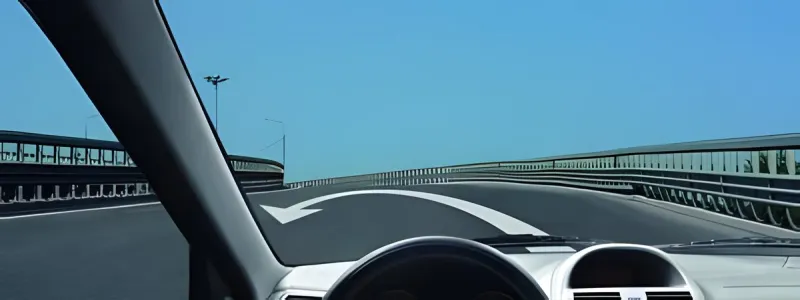
2. While on a bridge, is a U-turn permitted?
Permitted if visibility is 100 m or more.
Prohibited.
Correct answer: Prohibited.ABC · D/T
Why: Կետ 50-ի համաձայն՝ հետադարձն արգելվում է կամուրջների, ուղեկամուրջների և էստակադների վրա ու դրանց տակ՝ անկախ տեսանելիությունից։
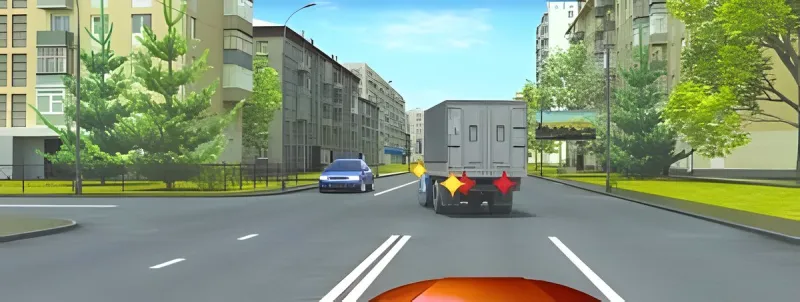
3. In this situation, when proceeding straight ahead, it is permitted to:
Go around the truck on the right.
Continue only after the truck has passed.
Both of the above are permitted.
Correct answer: Both of the above are permitted.ABC · D/T
Why: Ձախ գոտու բեռնատարը ձախ շրջադարձի ազդանշան է տվել և սկսել մանևրը։ Կետ 74-ի համաձայն՝ նման տրանսպորտային միջոցին թույլատրվում է անցնել աջից, իսկ սեփական գոտիով անցնելը կողանցում է (կետ 3), ուստի թույլատրելի է թե՛ աջից շրջանցելը, թե՛ բեռնատարի անցումը սպասելը։
4. According to the Law of the Republic of Armenia on Ensuring Road Traffic Safety, persons authorized to operate category B, C, and D vehicles and subcategory C1 and D1 vehicles may also operate them with trailers if the trailer’s maximum authorized mass is:
950 kg.
850 kg.
750 kg.
Correct answer: 750 kg.ABC · D/T
Why: ՀՀ օրենքի համաձայն՝ «B», «C», «D» կարգերի և «C1», «D1» ենթակարգերի վկայական ունեցող անձանց թույլատրվում է քարշակել կցորդ, որի թույլատրելի առավելագույն զանգվածը չի գերազանցում 750 կիլոգրամը։
5. A vehicle may not be operated if:
There are cracks in a wheel rim or wheel disc.
There are visible distortions in the shape or dimensions of the wheel-rim mounting holes.
In both cases.
Correct answer: In both cases.ABC · D/T
Why:4.3 ենթակետը ներառում է և՛ անվահեցի կամ անվասկավառակի ճաքերը, և՛ ամրացման անցքերի ձևի ու չափերի տեսանելի խախտումները։ Երկու դեպքում էլ շահագործումն արգելվում է։
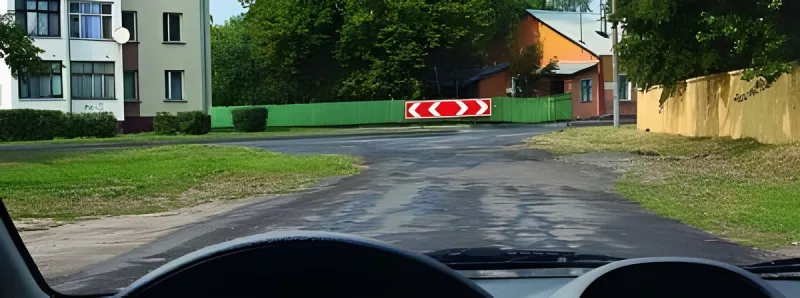
6. This sign:
Indicates the directions of traffic at the intersection.
Prohibits proceeding through the intersection.
Correct answer: Indicates the directions of traffic at the intersection.ABC · D/T
Why: Սա 1.34.3 «Շրջադարձի ուղղություն» նշանն է. T-աձև խաչմերուկում այն ցույց է տալիս շարժման ուղղությունները, ոչ թե արգելում է երթևեկությունը։
7. Are buses with a maximum authorized mass exceeding 3.5 metric tons permitted to travel on a motorway in lanes to the left of the second lane?
Permitted.
Not permitted.
Correct answer: Permitted.D/T
Why: Կետ 116.3-ով ավտոմայրուղիներում երկրորդ գոտուց ձախ գտնվող գոտիներով երթևեկելն արգելվում է միայն 3,5 տ-ից ավելի թույլատրելի առավելագույն զանգված ունեցող բեռնատար ավտոմոբիլներին. ավտոբուսների համար այդ արգելքը չկա։
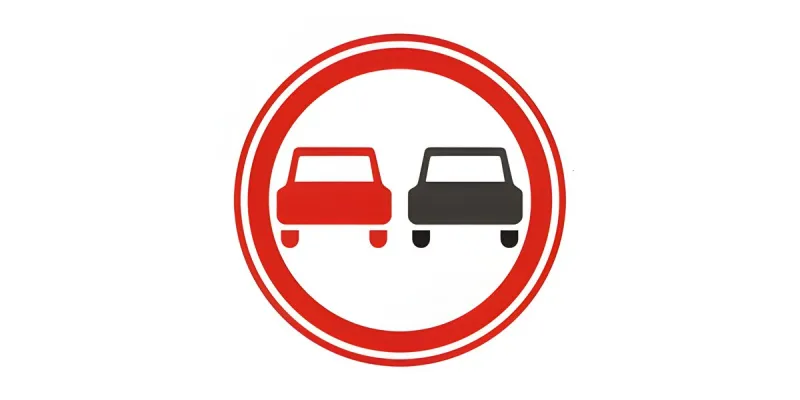
8. When this traffic sign is present:
Passing by all types of vehicles is prohibited, except when passing slow-moving vehicles, animal-drawn carts, two-wheeled motorcycles without sidecars, mopeds, and bicycles.
Trucks with a maximum authorized mass not exceeding 3.5 metric tons are permitted to pass.
Passing is permitted if the speed of the passing vehicle does not exceed 30 km/h.
Correct answer: Passing by all types of vehicles is prohibited, except when passing slow-moving vehicles, animal-drawn carts, two-wheeled motorcycles without sidecars, mopeds, and bicycles.ABC · D/T
Why: Նշան 3.20 «Վազանցն արգելվում է»-ի առկայության դեպքում արգելվում է բոլոր տեսակի տրանսպորտային միջոցներով վազանց կատարելը (բացի դանդաղընթացներից)։
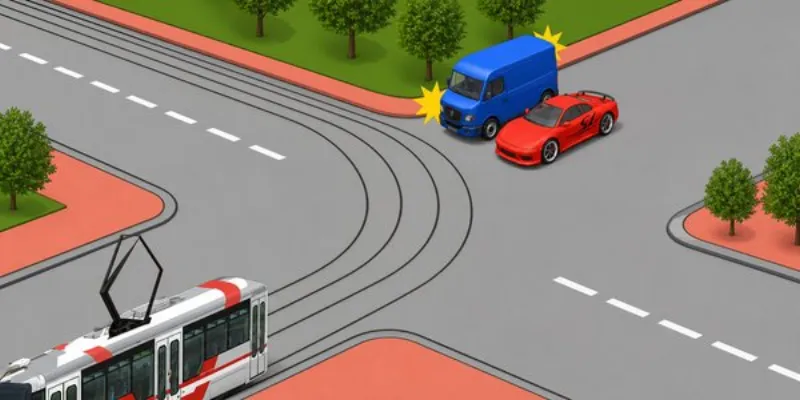
Why: Նշաններ և լուսացույց չկան՝ հավասարազոր ճանապարհների չկարգավորվող խաչմերուկ։ Կետ 100-ով (նաև կետ 98) տրամվայն այստեղ առավելություն ունի ոչ ռելսագնաց տրանսպորտային միջոցների նկատմամբ՝ անկախ երթևեկության ուղղությունից. ճանապարհը զիջում են բեռնատարի և թեթև մարդատարի վարորդները։
10. How must a bus driver act at a signal-controlled pedestrian crossing after the traffic signal changes to a permissive signal?
Begin moving immediately because pedestrians are prohibited from entering the crossing when the signal is permissive for vehicles.
Allow pedestrians to finish crossing the roadway in their chosen direction and only then continue driving.
Correct answer: Allow pedestrians to finish crossing the roadway in their chosen direction and only then continue driving.D/T
Why: Կետ 105-ով կարգավորվող հետիոտնային անցումներում լուսացույցի թույլատրող ազդանշանը միանալուց հետո վարորդը պետք է հնարավորություն տա հետիոտներին ավարտելու ընտրված ուղղությամբ երթևեկելի մասի հատումը։
11. When a driver cannot determine whether the road has a paved surface (at night, because of mud, snow, etc.) and there are no priority signs:
The driver must consider that he/she is on a secondary road.
The driver must follow the rules for proceeding through an intersection of roads of equal priority.
Correct answer: The driver must consider that he/she is on a secondary road.ABC · D/T
Why: Կետ 101-ով, երբ վարորդը չի կարող որոշել ծածկույթի առկայությունը (մութ, ցեխ, ձյուն) և առավելության նշաններ չկան, նա պետք է համարի, որ գտնվում է երկրորդական ճանապարհի վրա։
12. Is a bus driver permitted to pass a vehicle that has reduced speed immediately before an intersection?
Permitted if there are no pedestrians crossing the roadway at that moment.
Prohibited.
Permitted if visibility at the intersection is sufficient to perform the maneuver safely.
Correct answer: Prohibited.D/T
Why: Խաչմերուկից անմիջապես առաջ արագությունը նվազեցրած տրանսպորտային միջոցին վազանցելը կկատարվեր խաչմերուկում, իսկ կետ 77.1-ով խաչմերուկներում վազանցն արգելվում է։
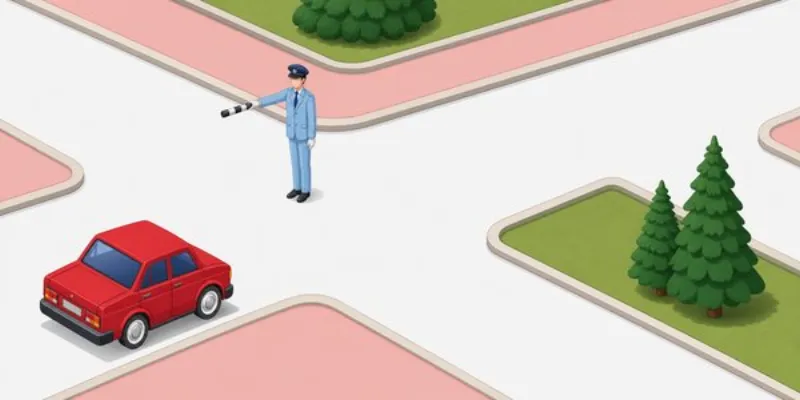
13. Traffic is permitted:
To the right through the first passage.
Straight ahead and to the right through the first passage.
Correct answer: To the right through the first passage.ABC · D/T
Why: Կարգավորողը կրծքով դեպի կարմիր ավտոմոբիլն է, աջ ձեռքը պարզված է առաջ, լուսացույց և նշաններ չկան։ Կետ 16-ի 3-րդ ենթակետի «բ»-ով կրծքի կողմից թույլատրվում է միայն աջ շրջադարձ՝ առաջին (մոտակա) անցումով. ուղիղ գնալն արգելված է։
14. Is parking permitted at the indicated location?
Prohibited.
Only on the sidewalk.
Only for motorcycles.
Permitted.
Correct answer: Prohibited.ABC · D/T
Why: Եզրաքարի մոտ գծված դեղին ընդհատվող 1.10 գծանշումը ցույց է տալիս կայանելն արգելված տեղը, ուստի նշված վայրում կայանելն արգելվում է։
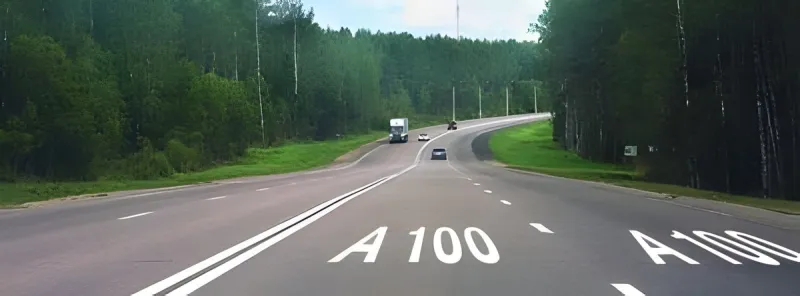
15. The marking applied to the roadway indicates:
The distance from the nearest intersection.
The distance from the nearest populated area.
The road or route number.
Correct answer: The road or route number.ABC · D/T
Why: Երթևեկելի մասի «A100» գրառումը 1.22 գծանշումն է, որը ցույց է տալիս ճանապարհի (երթուղու) համարը։
16. What is called a “change of direction of travel”?
A maneuver performed for the purpose of entering another road.
A maneuver performed for the purpose of entering another road or an adjacent area.
A change from the previously selected direction of travel, excluding reversing, performed by making a turn or U-turn.
A change from the previously selected direction of travel, including reversing, performed by making a turn or U-turn.
Correct answer: A change from the previously selected direction of travel, excluding reversing, performed by making a turn or U-turn.D/T
Why: Կետ 3-ի սահմանմամբ երթևեկության ուղղության փոփոխությունը նախկինում ընտրած ուղղության փոփոխությունն է (բացառությամբ հետընթացի)՝ կատարվող շրջադարձի կամ հետադարձի միջոցով։
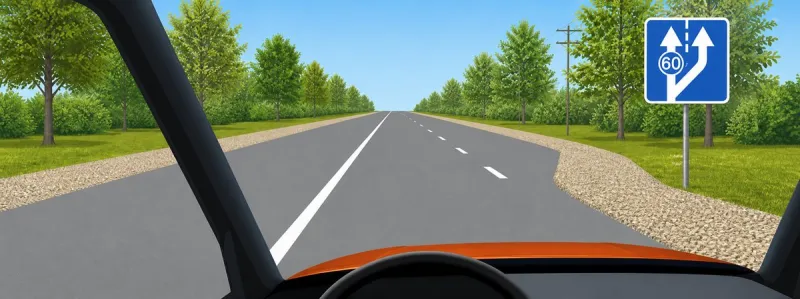
17. When towing a motor vehicle, in which lane may you continue on this road?
The right lane only.
Any lane.
Correct answer: The right lane only.ABC · D/T
Why:5.15.1 «Երթևեկության ուղղությունները գոտիներով» նշանը ձախ գոտու համար սահմանում է առնվազն 60 կմ/ժ։ Քարշակելիս թույլատրվում է ոչ ավելի, քան 50 կմ/ժ (կետ 71), ուստի երթևեկությունը շարունակել կարելի է միայն աջ գոտիով։
18. The driver of a vehicle with white flashing beacons activated gives a special audible signal in order to:
Obtain right-of-way over other road users.
Attract the attention of police officers and other persons.
Correct answer: Attract the attention of police officers and other persons.ABC · D/T
Why: Կետ 35-ով լուսնասպիտակ փարոսիկներն ու հատուկ ձայնային ազդանշանը միացվում են միայն մեքենայի վրա հարձակման դեպքում. դրանք առավելություն չեն տալիս և ծառայում են միայն ոստիկանության և այլ անձանց ուշադրությունը գրավելու համար։
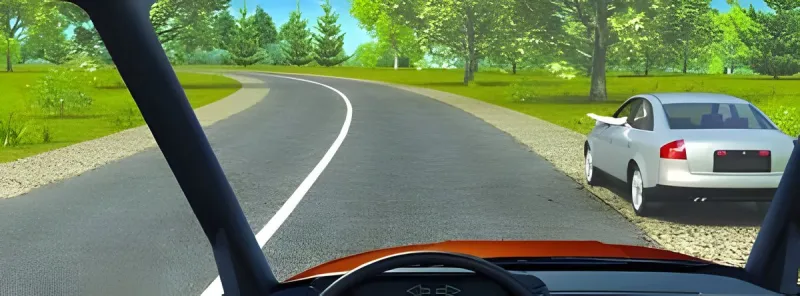
19. In this situation, what can the driver’s outstretched arm indicate?
An intention to start moving.
An intention to stop.
A general emergency signal.
Correct answer: An intention to start moving.ABC · D/T
Why: Կանգնած ավտոմոբիլի վարորդի դեպի կողմ պարզված ձեռքը ձախ շրջադարձի ձեռքի ազդանշանն է (կետ 37), որով նա նախազգուշացնում է երթևեկությունն սկսելու մասին (կետ 36)։
20. When providing first aid for a nosebleed, you should:
Tilt the person’s head back.
Tilt the person’s head forward and pinch the upper part of the nose.
Place a cotton swab in the person’s nose.
Allow the bleeding to continue until it stops on its own.
Correct answer: Tilt the person’s head forward and pinch the upper part of the nose.ABC · D/T
Why: Առաջին օգնություն. քթից արյունահոսության դեպքում գլուխը թեթևակի կախում են առաջ և սեղմում քթի փափուկ մասը։ Գլուխը հետ տանելը արյունը ուղղում է կոկորդ, տամպոնն ու սպասելը չեն օգնում։
In Varordakan Tester the same tests are taken without hints, wrong answers are collected automatically, and there is an exam simulation (20 questions, 30 minutes, pass at 18), a 3D intersection simulator, video lessons and an AI assistant that cites the Traffic Rules point. Free.
Sources: questions from the official bank of the Road Police of Armenia (roadpolice.am, edition of 2 October 2026); rule points from the Traffic Rules of the Republic of Armenia (arlis.am). Varordakan Tester is an independent educational app, not affiliated with the Police of Armenia.