Updated 2026-10-13 · official question bank of 2 October 2026
Test 47, Categories D/T (bus, trolleybus): 20 questions from the official bank of 2 October 2026 across all 10 topics. Under every question: the correct answer, the explanation (in Armenian) and the signs it mentions. In the app the same test is taken without hints, and the exam simulation runs on a 30-minute timer.
1. What do priority signs establish?
Specific traffic regimes for proceeding through intersections, roadway crossings, or narrow sections of road.
The order of proceeding through intersections, roadway crossings, or narrow sections of road.
Correct answer: The order of proceeding through intersections, roadway crossings, or narrow sections of road.D/T
Why: Առավելության նշանները (կետ 167, 2-րդ խումբ) սահմանում են խաչմերուկներով, երթևեկելի մասերի փոխհատումներով կամ ճանապարհների նեղ հատվածներով անցման հերթականությունը։
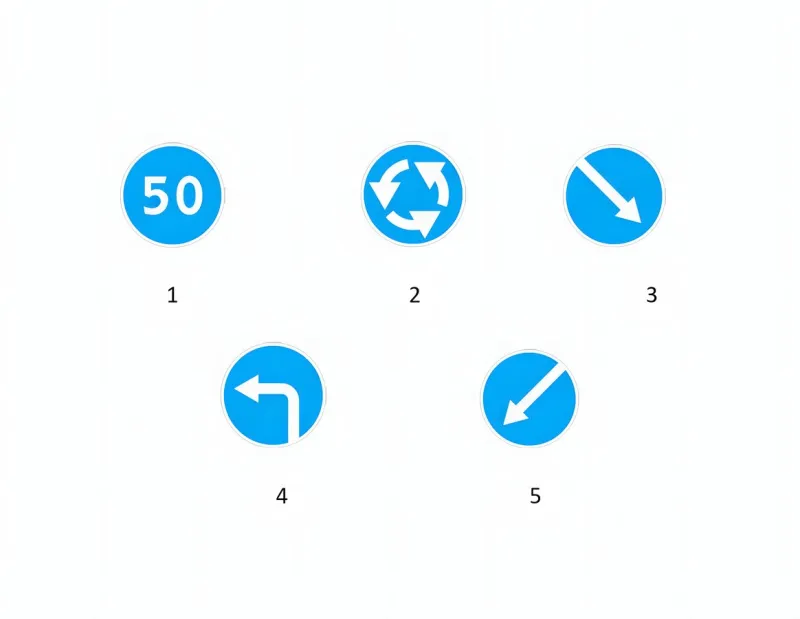
2. Which sign does not apply to public transit vehicles?
1.
2.
3.
4.
5.
Correct answer: Option 4.D/T
Why:4.1.1–4.1.6 նշանների ազդեցությունը չի տարածվում ընդհանուր օգտագործման տրանսպորտային միջոցների վրա. պատասխանը 4-րդ նշանն է՝ 4.1.3 «Երթևեկությունը դեպի ձախ»։ 1-ը 4.6, 2-ը 4.3, 3-ը 4.2.1, 5-ը 4.2.2 նշաններն են։
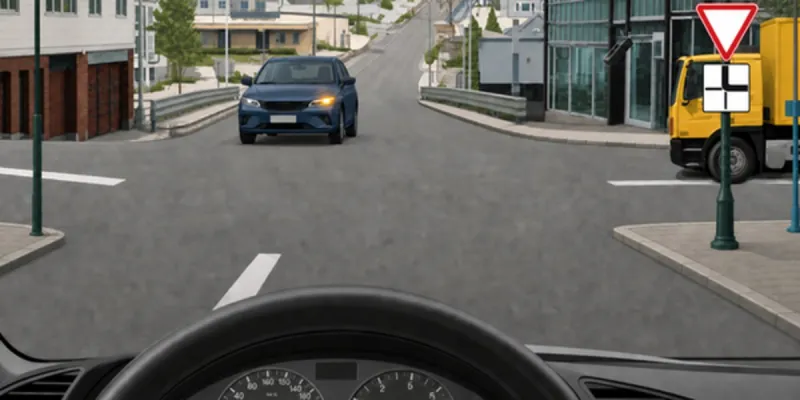
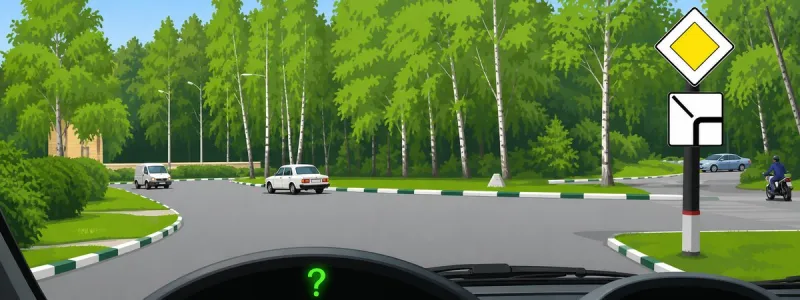
3. You are proceeding straight ahead. To which vehicle or vehicles must you yield?
Only the passenger car.
The truck.
Both vehicles.
Neither vehicle.
Correct answer: Both vehicles.ABC · D/T
Why: Մեր ուղղությամբ տեղադրված է 2.4 «Զիջեք ճանապարհը» նշանը 8.13 «Գլխավոր ճանապարհի ուղղություն» ցուցանակով. թե՛ թեթև մարդատարը, թե՛ բեռնատարը գլխավոր ճանապարհով են ընթանում։ Կետ 96-ի համաձայն՝ զիջում ենք երկուսին։
4. According to the Law of the Republic of Armenia on Ensuring Road Traffic Safety, a pedestrian crossing is:
A section of road located at an intersection, marked by road signs and/or pavement markings and designated in accordance with the law for pedestrian movement.
A designated section of the roadway marked by road signs and/or pavement markings and intended in accordance with the law for pedestrian movement.
Correct answer: A designated section of the roadway marked by road signs and/or pavement markings and intended in accordance with the law for pedestrian movement.D/T
Why: ՀՀ օրենքի համաձայն՝ հետիոտնային անցումը ճանապարհային նշաններով և (կամ) գծանշումով նշված, հետիոտների տեղաշարժման համար նախատեսված երթևեկելի մասի առանձնացված հատվածն է. այն պարտադիր չէ, որ լինի խաչմերուկում։
5. A bus may not be operated if:
The engine operates intermittently.
On buses equipped with a gas-cylinder fuel system, the dates of the most recent and scheduled inspections are not indicated on the outer surface of the gas cylinders.
In both cases.
Correct answer: On buses equipped with a gas-cylinder fuel system, the dates of the most recent and scheduled inspections are not indicated on the outer surface of the gas cylinders.D/T
Why: Գազաբալոնների արտաքին մակերեսին վերջին և պլանավորված փորձարկումների ամսաթվերի բացակայությունը 6.16 ենթակետով անսարքություն է։ Շարժիչի ընդհատումներով աշխատելը ցանկում չկա, ուստի միայն երկրորդ տարբերակը։
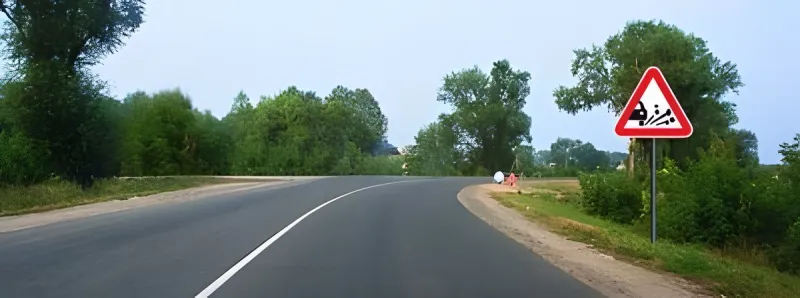
6. What does this traffic sign warn about?
An approaching slippery section of road.
An approaching wet and dirty section of road.
An approaching section of road where loose gravel may be thrown up by vehicle tires.
Correct answer: An approaching section of road where loose gravel may be thrown up by vehicle tires.ABC · D/T
Why: Սա 1.18 «Խճի արտանետում» նշանն է. այն նախազգուշացնում է ճանապարհահատվածի մասին, որտեղ հնարավոր է խճի արտանետում անիվների տակից։
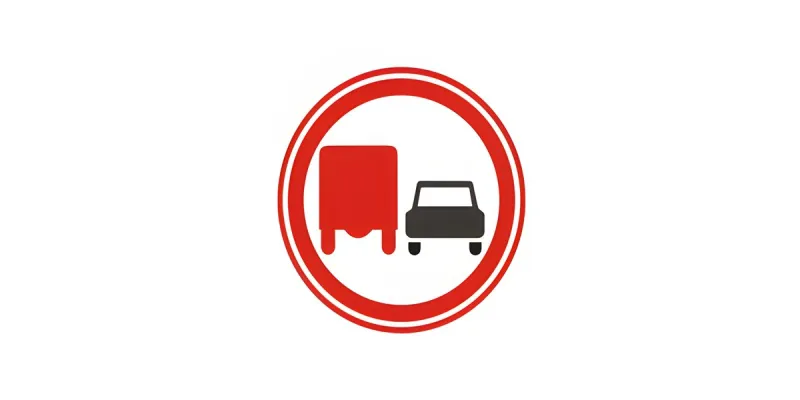
7. Is the bus driver permitted to pass within the area where this sign is in effect?
Permitted in all cases, provided the passing rules are observed.
Prohibited.
Permitted if the speed of the vehicle being passed does not exceed 30 km/h.
Correct answer: Permitted in all cases, provided the passing rules are observed.D/T
Why: Նշան 3.22 «Բեռնատար ավտոմոբիլներով վազանցն արգելվում է»-ն վերաբերում է միայն 3,5 տ-ից ավելի զանգվածով բեռնատարներին, ուստի ավտոբուսի վարորդին վազանցը թույլատրվում է՝ վազանցի կանոնները պահպանելով։
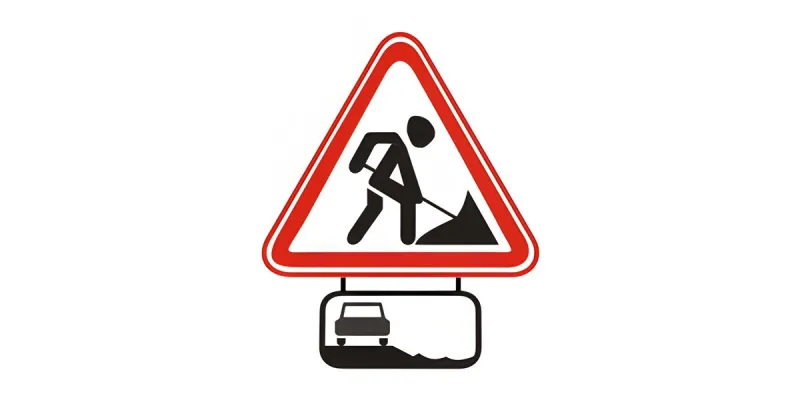
8. What do this sign and supplemental plaque warn about?
Stopping on the shoulder is prohibited because of roadwork.
Entering the shoulder is dangerous because of roadwork.
Parking on the shoulder is prohibited because of roadwork.
Correct answer: Entering the shoulder is dangerous because of roadwork.ABC · D/T
Why:1.25 «Ճանապարհային աշխատանքներ» նշանը 8.12 «Վտանգավոր կողնակ» ցուցանակով նախազգուշացնում է, որ նորոգման աշխատանքների պատճառով ճանապարհի կողնակ մուտք գործելը վտանգավոր է։
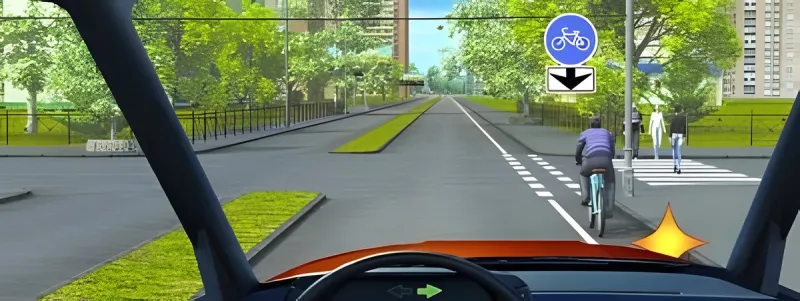
Correct answer: Pedestrians and bicyclists.ABC · D/T
Why:4.4 «Հեծանվային արահետ» նշանը 8.2.3 «Ազդման գոտի» ցուցանակով նշում է կողմնային փողոցի հեծանվային արահետը, կողքին՝ 1.14.1 «Զեբր» հետիոտնային անցումն է։ Աջ շրջադարձի ժամանակ հատում ենք երկուսն էլ. կետ 87-ով վարորդը խոչընդոտ չպետք է ստեղծի հետիոտներին և պետք է ճանապարհը զիջի հեծանվային արահետով ընթացող հեծանվորդներին։
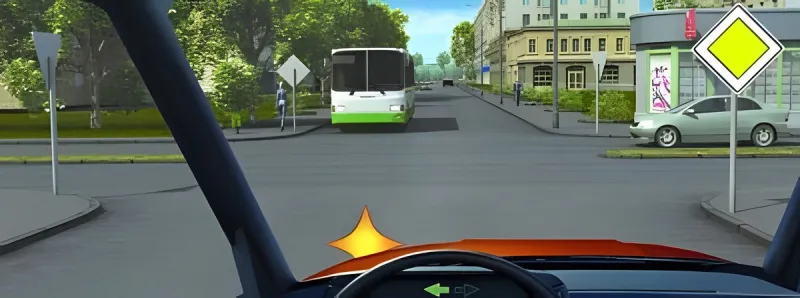
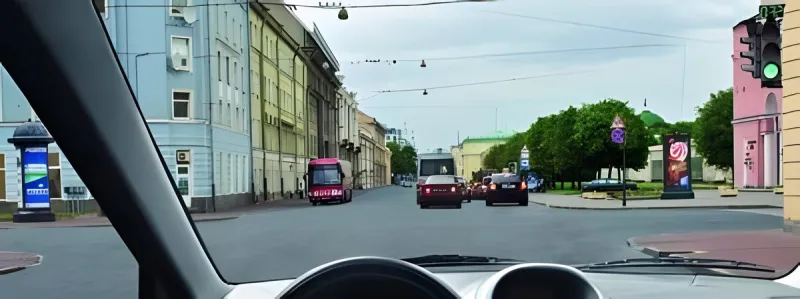
10. When making a left turn at the second crossing, the driver:
Has the right-of-way.
Must yield to the other drivers.
Must yield to the bus driver.
Correct answer: Must yield to the bus driver.ABC · D/T
Why:2.1 «Գլխավոր ճանապարհ» նշան. գլխավոր ճանապարհով ենք։ Երկրորդ խաչմերուկում ձախ շրջադարձ կատարելիս կետ 99-ով զիջում ենք նույն ճանապարհով հանդիպակաց ուղիղ գնացող ավտոբուսին, իսկ երկրորդական ճանապարհի թեթև մարդատարը կետ 96-ով զիջում է մեզ. միայն ավտոբուսի վարորդին։
11. How must a bus driver make a turn in order not to violate the traffic rules?
When leaving the intersection of roadways, the vehicle must not enter the side intended for oncoming traffic.
When leaving the intersection area, the vehicle must not enter the side intended for oncoming traffic.
In both cases.
Correct answer: When leaving the intersection of roadways, the vehicle must not enter the side intended for oncoming traffic.D/T
Why: Կետ 41-ով շրջադարձը պետք է կատարել այնպես, որ երթևեկելի մասերի փոխհատումից դուրս գալիս տրանսպորտային միջոցը չհայտնվի հանդիպակաց երթևեկության կողմում։
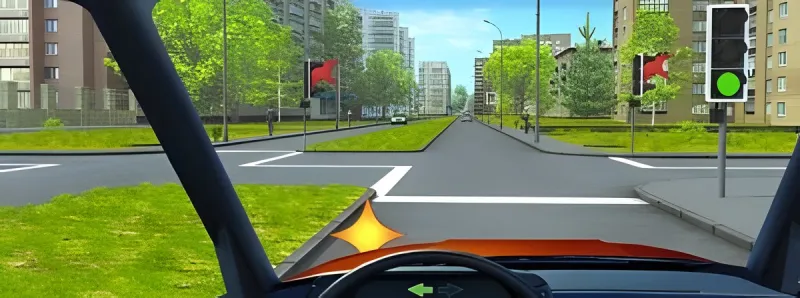
12. When making a left turn:
I will complete the maneuver without stopping.
After entering the intersection, I will stop before the second “Stop Line” and wait for the green signal.
Correct answer: After entering the intersection, I will stop before the second “Stop Line” and wait for the green signal.ABC · D/T
Why: Խաչմերուկում մեր ուղղությամբ երկու լուսացույց է, երկրորդից առաջ՝ 1.12 «Կանգ-գիծ» գծանշում, նշաններ չկան։ Կետ 93-ով, երբ խաչմերուկի լուսացույցից առաջ կանգ-գիծ կա, վարորդը ղեկավարվում է յուրաքանչյուր լուսացույցով, ուստի կանաչով մուտք գործելուց հետո կանգնում ենք երկրորդ «Կանգ-գծի» առջև և սպասում կանաչին։
13. After the permissive traffic signal turns on, we may enter the intersection:
Only when making a turn or a U-turn.
In all cases.
Correct answer: Only when making a turn or a U-turn.ABC · D/T
Why: Խաչմերուկից անմիջապես հետո խցանում է։ Կետ 88-ով նույնիսկ թույլատրող ազդանշանից հետո արգելվում է մուտք գործել խաչմերուկ, եթե դրանում կանգնելով կխոչընդոտենք լայնական երթևեկությանը, բացառությամբ շրջադարձ կամ հետադարձ կատարելու դեպքերի։
14. Where is the solid yellow line indicating locations where stopping and parking are prohibited marked?
On the roadway.
Near the edge of the roadway.
Near the edge of the roadway or on the upper surface of the curb.
Only on the upper surface of the curb.
Correct answer: Near the edge of the roadway or on the upper surface of the curb.ABC · D/T
Why: Կանգառն ու կայանումն արգելող դեղին հոծ 1.4 գիծը գծվում է երթևեկելի մասի եզրի մոտ կամ եզրաքարի վերին մակերեսին։
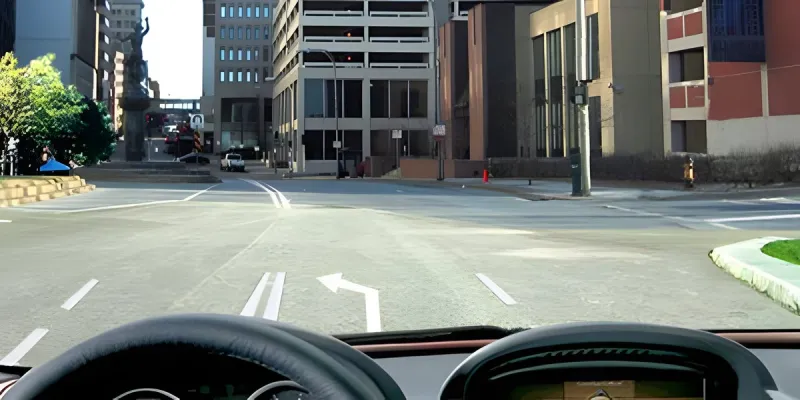
15. This pavement marking permits traffic:
To the left only.
To the left and by making a U-turn.
By making a U-turn only.
Straight ahead, to the left, and by making a U-turn.
Correct answer: To the left and by making a U-turn.ABC · D/T
Why: Գոտու վրա գծված 1.18 գծանշման սլաքն ուղղված է դեպի ձախ։ Այն թույլատրում է երթևեկել դեպի ձախ, իսկ ձախ շրջադարձ թույլատրող սլաքը թույլատրում է նաև հետադարձը։
16. Within the permitted limits, what maximum speed should a driver select?
A speed that ensures full control of the vehicle.
The driver may select any speed that does not exceed the maximum permitted speed.
Correct answer: A speed that ensures full control of the vehicle.ABC · D/T
Why: Կետ 66-ով վարորդը պետք է ընտրի այնպիսի արագություն, որը հնարավորություն է տալիս ապահովելու տրանսպորտային միջոցի լիարժեք կառավարումը։ Թույլատրելի առավելագույնը չգերազանցելը բավարար չէ։
17. When approaching a railroad crossing, a bus driver must be guided by:
The instructions of the railroad-crossing attendant.
The requirements of traffic signals, signs, and pavement markings used to regulate traffic at railroad crossings, and by the position of the barrier.
All of the listed requirements.
Correct answer: All of the listed requirements.D/T
Why: Կետ 110-ով երկաթուղային գծանցին մոտենալիս վարորդը պետք է ղեկավարվի և՛ գծանցի հերթապահի ցուցումներով, և՛ լուսացույցների, նշանների, գծանշումների պահանջներով ու ուղեփակոցի դիրքով։
18. When making a right turn while following the priority road, giving a turn signal is:
Required.
Required only at night.
Not required.
Correct answer: Required.ABC · D/T
Why:2.1 նշանը 8.13 ցուցանակով ցույց է տալիս, որ գլխավոր ճանապարհը խաչմերուկում թեքվում է։ Գլխավոր ճանապարհով շրջադարձ կատարելիս ուղղությունը փոխվում է, ուստի կետ 36-ով ազդանշան տալը պարտադիր է՝ օրվա ցանկացած ժամի։
19. To obtain right-of-way over other road users, the driver of a patrol vehicle must activate:
The blue flashing beacon.
The blue and red flashing beacons.
The blue flashing beacon and the special audible signal.
Correct answer: The blue flashing beacon and the special audible signal.ABC · D/T
Why: Կետ 26-ով երթևեկության մյուս մասնակիցների նկատմամբ առավելություն ստանալու համար պետք է միացնել կապույտ առկայծող փարոսիկը և հատուկ ձայնային ազդանշանը միասին. միայն փարոսիկը բավարար չէ։
20. In case of a crash, what information should be provided to the emergency dispatcher when requesting an ambulance?
State the landmark nearest to the crash location. Report the number of injured persons and indicate their sex and age.
State the street and house number nearest to the crash location. Indicate who was injured in the crash (pedestrian, driver, or passenger) and describe the injuries sustained.
State the crash location (street, house number, and the landmarks nearest to the scene). Report the number of injured persons, their sex, approximate age, state of consciousness, breathing and circulation, and whether there is severe bleeding, fractures, or other injuries. Wait until the dispatcher confirms that the call has been received.
Correct answer: State the crash location (street, house number, and the landmarks nearest to the scene). Report the number of injured persons, their sex, approximate age, state of consciousness, breathing and circulation, and whether there is severe bleeding, fractures, or other injuries. Wait until the dispatcher confirms that the call has been received.ABC · D/T
Why: Առաջին օգնություն. շտապ օգնություն կանչելիս հայտնում են դեպքի ճշգրիտ վայրը, տուժածների թիվը, սեռը, մոտավոր տարիքը և վիճակը (գիտակցություն, շնչառություն, արյան շրջանառություն, արյունահոսություն, կոտրվածքներ) և սպասում, մինչև օպերատորը հաստատի կանչի ընդունումը։
In Varordakan Tester the same tests are taken without hints, wrong answers are collected automatically, and there is an exam simulation (20 questions, 30 minutes, pass at 18), a 3D intersection simulator, video lessons and an AI assistant that cites the Traffic Rules point. Free.
Sources: questions from the official bank of the Road Police of Armenia (roadpolice.am, edition of 2 October 2026); rule points from the Traffic Rules of the Republic of Armenia (arlis.am). Varordakan Tester is an independent educational app, not affiliated with the Police of Armenia.