Updated 2026-10-13 · official question bank of 2 October 2026
Test 53, Categories D/T (bus, trolleybus): 20 questions from the official bank of 2 October 2026 across all 10 topics. Under every question: the correct answer, the explanation (in Armenian) and the signs it mentions. In the app the same test is taken without hints, and the exam simulation runs on a 30-minute timer.
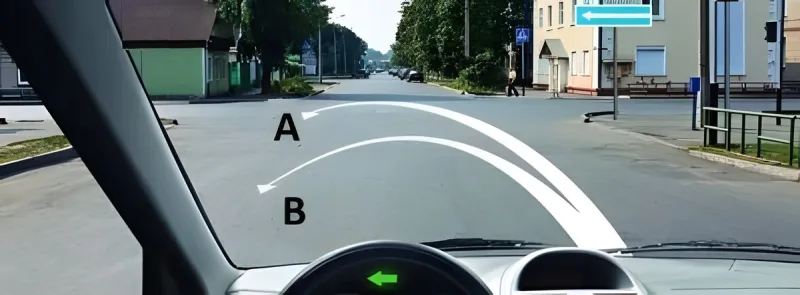
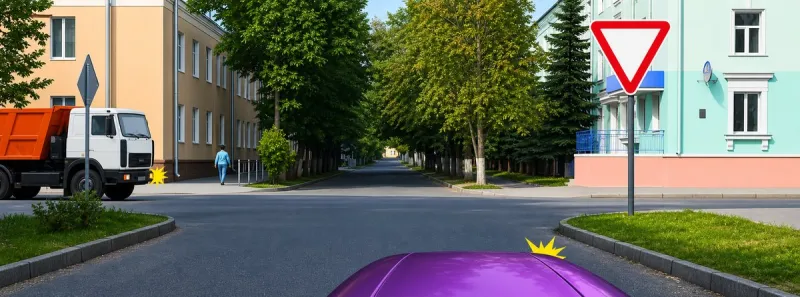
1. Along which path is the U-turn permitted?
Any of the paths.
Only B.
Only A.
Correct answer: Any of the paths.ABC · D/T
Why: Հատվող ճանապարհը միակողմ երթևեկությամբ է (նշան 5.7.2) և հանդիպակաց կողմ չունի, իսկ հետիոտնային անցում այստեղ չկա։ Կետ 41-ի պահանջը երկու հետագծով էլ պահպանվում է, ուստի հետադարձը թույլատրված է ցանկացած հետագծով։
2. You need to make a left turn on a two-way road with three lanes. From which lane must you make this maneuver?
From the right lane.
From the center lane.
From either the right or the center lane.
From the center lane if the right lane is occupied.
Correct answer: From the center lane.ABC · D/T
Why: Երեք գոտի ունեցող երկկողմ ճանապարհին միջին գոտին օգտագործվում է երկու ուղղություններով երթևեկության համար, և կետ 54-ով ձախ շրջադարձի համար դուրս են գալիս հենց այդ գոտի։ Ձախ եզրային գոտին միայն հանդիպակացների համար է։
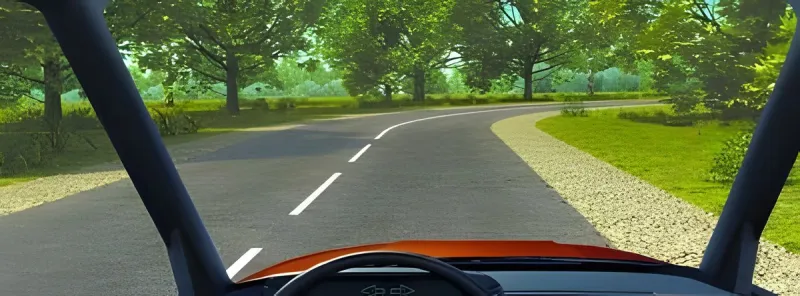
3. Is a U-turn permitted at this location?
Yes.
Permitted if visibility is 100 m or more.
No.
Correct answer: Permitted if visibility is 100 m or more.ABC · D/T
Why: Կետ 50-ի համաձայն՝ հետադարձն արգելվում է ճանապարհի թեկուզ մեկ ուղղությամբ 100 մ-ից պակաս տեսանելիության տեղերում, ուստի այս վայրում այն թույլատրվում է, եթե տեսանելիությունը 100 մ և ավելի է։
4. A lane change means:
Leaving the traffic lane occupied by the vehicle while maintaining the original direction of movement.
Leaving the row occupied by the vehicle within a marked traffic lane while maintaining the original direction of movement.
Both of the listed cases.
Correct answer: Both of the listed cases.ABC · D/T
Why: Կետ 3-ի սահմանման համաձայն՝ վերադասավորում է զբաղեցրած երթևեկության գոտուց կամ գծանշված գոտու սահմաններում զբաղեցրած շարքից, երթևեկության սկզբնական ուղղությունը պահպանելով, դուրս գալը՝ նշված երկու դեպքերն էլ։
5. According to the traffic rules, a bus steering system is considered inoperative if:
The steering wheel is difficult to turn.
The driver is unable to change the direction of travel even when proceeding at minimum speed.
The total steering-system play is 25 degrees.
Correct answer: The driver is unable to change the direction of travel even when proceeding at minimum speed.D/T
Why: Կետ 144-ով չգործող է համարվում այն ղեկային կառավարումը, որը վարորդին թույլ չի տալիս փոխել երթևեկության ուղղությունը անգամ նվազագույն արագությամբ երթևեկելիս։ Դժվար պտտվող ղեկը կամ 25 աստիճան խաղացքը դրա սահմանումը չեն։
6. What do mandatory signs indicate?
Permitted directions of traffic and minimum speed, and they also establish directions of movement for pedestrians and drivers of certain vehicles.
The order of proceeding through intersections and narrow sections of road.
Correct answer: Permitted directions of traffic and minimum speed, and they also establish directions of movement for pedestrians and drivers of certain vehicles.D/T
Why: Թելադրող նշանները (կետ 167, 4-րդ խումբ) սահմանում են երթևեկության թույլատրելի ուղղությունները, նվազագույն արագությունը, ինչպես նաև հետիոտների և որոշ տրանսպորտային միջոցների համար նախատեսված երթևեկության ուղիները։ Խաչմերուկների և նեղ հատվածների անցման հերթականությունը սահմանում են առավելության նշանները։
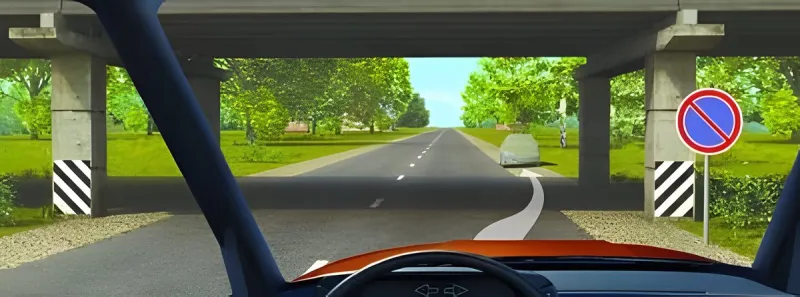
7. Parking beyond the overpass is:
Permitted.
Prohibited.
Correct answer: Prohibited.ABC · D/T
Why: Ուղեկամրջի տակ տեղադրված է 3.28 «Կայանելն արգելվում է» նշանը, որի ազդման գոտին տարածվում է մինչև մոտակա խաչմերուկը, ուստի ուղեկամրջից հետո կայանումն արգելվում է։
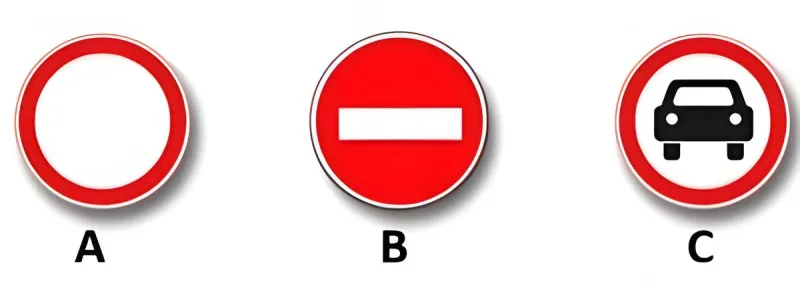
8. Which sign does not apply to you if you reside within the area where the sign is in effect?
Only A.
Only B.
Only A and C.
Only C.
All of them.
Correct answer: Only A and C.ABC · D/T
Why: A-ն 3.2 «Երթևեկությունն արգելվում է», B-ն 3.1 «Մուտքն արգելվում է», C-ն 3.3 «Մեխանիկական տրանսպորտային միջոցների երթևեկությունն արգելվում է» նշաններն են։ 3.2 և 3.3 նշանների ազդեցությունը չի տարածվում նշանի ազդման գոտում բնակվող կամ աշխատող քաղաքացիների տրանսպորտային միջոցների վրա, իսկ 3.1-ը նման բացառություն չունի։
9. In which direction is a public transit bus proceeding in a designated lane permitted to travel?
To the right and left only.
Straight ahead only.
In all directions.
Correct answer: Straight ahead only.D/T
Why: Կետ 14-ով «T»-աձև լուսնասպիտակ լուսացույցի ներքևի ազդանշանը միացված է վերևի միջին ազդանշանի հետ, ինչը թույլատրում է երթևեկել միայն ուղիղ։
10. In this situation, a right turn is permitted:
Only after the truck has passed.
At the same time as the truck, provided this does not interfere with the truck driver.
Correct answer: At the same time as the truck, provided this does not interfere with the truck driver.ABC · D/T
Why: Մեր դիմաց 2.4 «Զիջեք ճանապարհը» նշանն է, ձախի բեռնատարը գլխավոր ճանապարհով է։ Աջ շրջադարձը թույլատրվում է բեռնատարի հետ միաժամանակ միայն այն դեպքում, եթե կետ 96-ով նրան խոչընդոտ չենք ստեղծի։
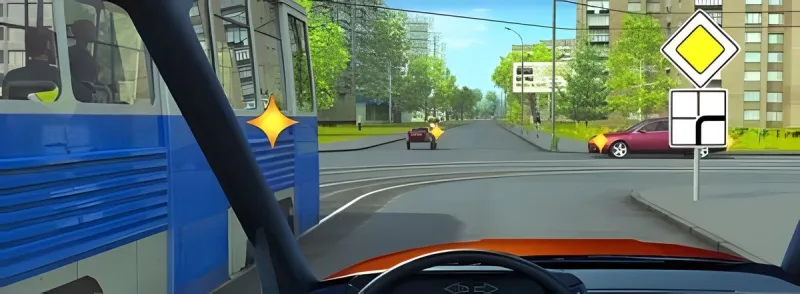
Correct answer: The passenger-car driver and the tram operator.ABC · D/T
Why: Մեր դիմաց 2.1 «Գլխավոր ճանապարհ» նշանն է 8.13 «Գլխավոր ճանապարհի ուղղությունը» ցուցանակով. գլխավոր ճանապարհն անցնում է մեր թևով և թեքվում աջ՝ թեթև մարդատարի թևը, դիմացի թևը մոտոցիկլով երկրորդական է։ Ձախի տրամվայը մեր գլխավոր ճանապարհով է և հավասարազոր ճանապարհի վրա առավելություն ունի ոչ ռելսագնաց միջոցների նկատմամբ (կետ 96, 100), թեթև մարդատարը մոտենում է աջից (կետ 97, 98). զիջում ենք թեթև մարդատարին և տրամվային, մոտոցիկլը զիջում է մեզ։
12. Is a bus driver permitted to pass on sections of road with limited visibility when the maneuver requires entering the oncoming traffic lane?
Permitted.
Prohibited.
Permitted if the driver is sure the maneuver can be completed safely.
Correct answer: Prohibited.D/T
Why: Կետ 77.8-ով սահմանափակ տեսանելիությամբ հատվածներում հանդիպակաց երթևեկության գոտի դուրս գալով վազանցն արգելվում է։
13. What lateral distance must a bus driver maintain from a vehicle traveling alongside?
A distance sufficient to avoid a collision with it.
At least 0.5 meters.
At least 1 meter.
Correct answer: A distance sufficient to avoid a collision with it.D/T
Why: Կետ 62-ով կողքով ընթացող տրանսպորտային միջոցներից պետք է պահպանել այնպիսի միջկողային տարածություն, որ հնարավոր լինի խուսափել դրանց հետ բախվելուց. կանոնները կոնկրետ մետրեր չեն սահմանում։
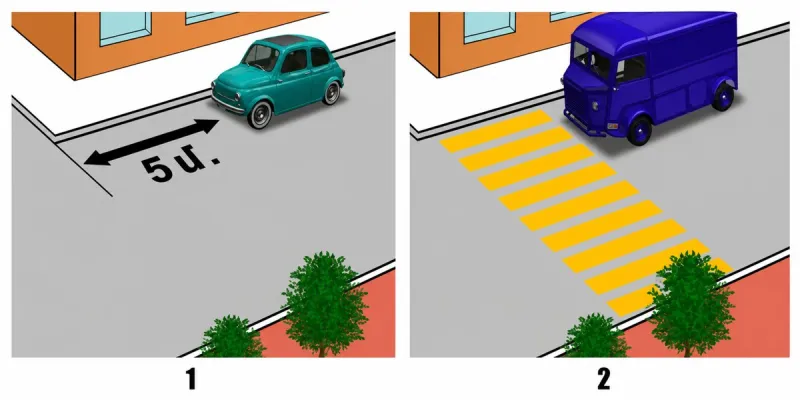
14. In which image has the driver stopped correctly to drop off passengers?
In the left image.
In both images.
In the right image.
Correct answer: In the left image.ABC · D/T
Why: Կետ 84-ի համաձայն՝ կանգառն արգելվում է հետիոտնային անցումների վրա և դրանցից առաջ 5 մ-ից մոտ։ Ձախ նկարում կանգառը կատարված է անցումից 5 մ առաջ, իսկ աջ նկարում՝ անմիջապես անցումի վրա, ուստի ճիշտ է ձախ նկարը։
15. Within what distance of a railroad crossing is vehicle parking prohibited?
15 m.
50 m.
100 m.
150 m.
Correct answer: 15 m.ABC · D/T
Why: Կետ 86.4-ով կայանումն արգելվում է երկաթուղային գծանցներին 50 մ-ից մոտ։ Թվարկվածներից միայն 15 մ-ն է 50 մ-ից մոտ, ուստի այդ հեռավորության վրա կայանումն արգելվում է։ 50 մ-ի և ավելի հեռավորության վրա կայանումը թույլատրվում է։
16. If the roadway is divided into lanes by pavement markings, a bus driver is permitted to cross broken lines:
During heavy traffic when all lanes are occupied.
Only when changing lanes.
In any case.
Correct answer: Only when changing lanes.D/T
Why: Կետ 60-ով, եթե երթևեկելի մասը գծանշմամբ բաժանված է գոտիների, ընդհատվող գծերը կարելի է հատել միայն վերադասավորվելիս։
17. What is the maximum permitted speed when towing with a flexible coupling?
70 km/h.
60 km/h.
50 km/h.
40 km/h.
30 km/h.
Correct answer: 50 km/h.ABC · D/T
Why: Կետ 71.2-ով միմյանց կցված մեխանիկական տրանսպորտային միջոցներով քարշակելիս, այդ թվում՝ ճկուն կցիչով, թույլատրվում է 50 կմ/ժ ոչ ավելի արագություն։
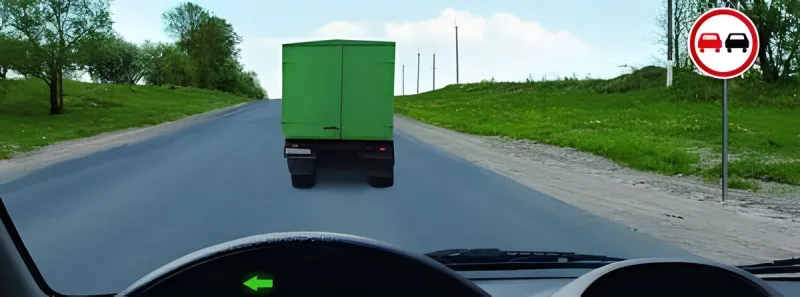
18. Is passing permitted in this situation?
Prohibited.
Permitted if the truck is moving at less than 30 km/h.
Permitted.
Correct answer: Prohibited.ABC · D/T
Why: Նշան 3.20 «Վազանցն արգելվում է»-ն արգելում է բոլոր տրանսպորտային միջոցների վազանցը, բացի դանդաղընթացներից, ուստի բեռնատարին վազանցելն այս իրավիճակում արգելվում է։
Correct answer: To attract the attention of road users.ABC · D/T
Why: Կետ 17-ով կարգավորողը սուլիչով ազդանշան է տալիս երթևեկության մասնակիցների ուշադրությունն իր վրա հրավիրելու համար, ոչ միայն կանգնեցնելու պահանջի դեպքում։
20. How should first aid be provided in case of frostbite and hypothermia?
Rub the affected areas of the body with snow or a woolen cloth, then warm them, give the injured person an alcoholic drink, and move them to a warm place.
Warm and immobilize the affected areas of the body, cover the injured person with warm clothing or a blanket, give a warm drink, and move the person to a warm place.
Apply ointment to the affected areas of the body, apply a warming compress and a heating pad, move the injured person to a warm place, and give a warm drink.
Correct answer: Warm and immobilize the affected areas of the body, cover the injured person with warm clothing or a blanket, give a warm drink, and move the person to a warm place.ABC · D/T
Why: Առաջին օգնություն. ցրտահարության դեպքում ախտահարված մասերը տաքացնում և անշարժացնում են, տուժածին ծածկում են, տալիս տաք ըմպելիք և տեղափոխում տաք տարածք։ Ձյունով շփելը, ալկոհոլն ու քսուքները վնասակար են։
In Varordakan Tester the same tests are taken without hints, wrong answers are collected automatically, and there is an exam simulation (20 questions, 30 minutes, pass at 18), a 3D intersection simulator, video lessons and an AI assistant that cites the Traffic Rules point. Free.
Sources: questions from the official bank of the Road Police of Armenia (roadpolice.am, edition of 2 October 2026); rule points from the Traffic Rules of the Republic of Armenia (arlis.am). Varordakan Tester is an independent educational app, not affiliated with the Police of Armenia.