Updated 2026-11-14 · official question bank of 6 November 2026
Test 67, Categories D/T (bus, trolleybus): 20 questions from the official bank of 6 November 2026. Under every question: the correct answer, the explanation (in Armenian) and the signs it mentions. In the app the same test is taken without hints, and the exam simulation runs on a 30-minute timer.
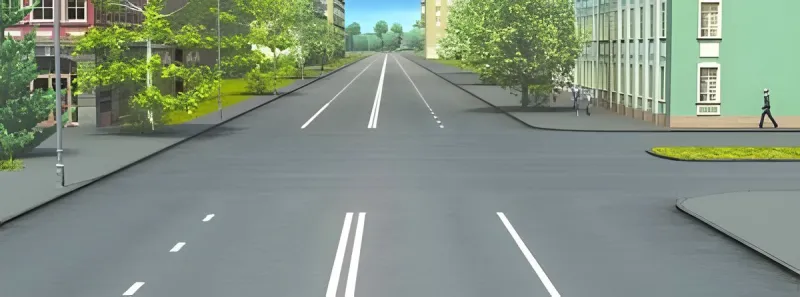
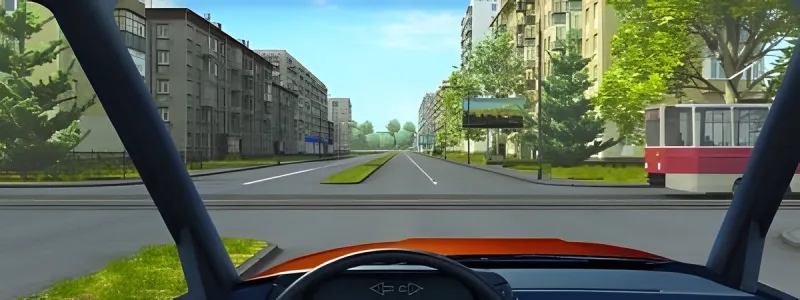
1. How many intersections of roadways are there at this intersection?
One.
Two.
Correct answer: Two.ABC · D/T
Why: Հատվող ճանապարհը բաժանարար գոտի (խոտածածկ կղզյակ) ունի, ուստի բաղկացած է երկու առանձին երթևեկելի մասից։ Մեր ճանապարհը հատում է դրանցից յուրաքանչյուրը. խաչմերուկում երթևեկելի մասերի երկու հատում կա։
2. According to the Law of the Republic of Armenia on Ensuring Road Traffic Safety, is a driver with a category D licence permitted to drive a bus with more than eight passenger seats while towing a trailer whose maximum authorised mass does not exceed 750 kg?
Yes, it is permitted.
No, it is not permitted.
Correct answer: Yes, it is permitted.D/T
Why: ՀՀ օրենքի համաձայն՝ «D» կարգի վկայական ունեցող անձին թույլատրվում է վարել ավտոբուս նաև կցորդով, եթե կցորդի թույլատրելի առավելագույն զանգվածը չի գերազանցում 750 կգ-ը։
3. A vehicle may not be operated if:
The parking brake system does not hold the vehicle stationary on the gradient specified by the standard.
The leak-tightness of the transmission seals is compromised.
In both cases.
Correct answer: In both cases.ABC · D/T
Why: Ստանդարտով սահմանված թեքության վրա անշարժ վիճակ չապահովող կայանման արգելակը 1.4 ենթակետով անսարքություն է, փոխանցման տուփի կիպարարների հերմետիկության խախտումը՝ 6.15 ենթակետով։ Երկու դեպքում էլ շահագործումն արգելվում է։
4. A bus travelling on a motorway develops a mechanical fault that prevents it from exceeding 40 km/h. May it continue at that speed to the nearest parking area or repair facility?
No, it is not permitted.
Yes, if it travels in the rightmost lane with its hazard warning lights switched on.
Correct answer: No, it is not permitted.D/T
Why: Կետ 116-ով ավտոմայրուղիներում արգելվում է այն տրանսպորտային միջոցների երթևեկությունը, որոնց արագությունը տեխնիկական բնութագրերից կամ վիճակից ելնելով չի գերազանցում 40 կմ/ժ։ Անսարքության պատճառով 40 կմ/ժ-ից արագ չերթևեկող ավտոբուսը չի կարող շարունակել երթևեկել ավտոմայրուղով։
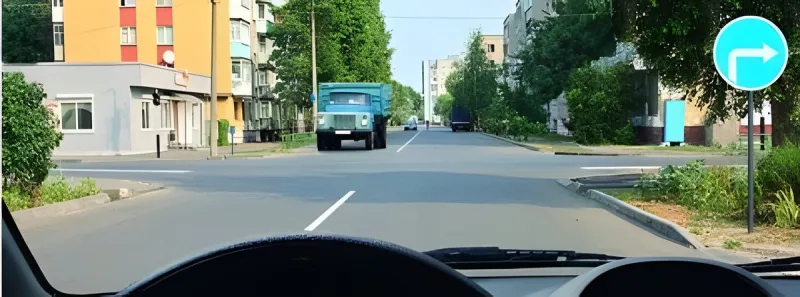
5. Which vehicle driver may continue straight ahead through this intersection?
The public transit vehicle driver.
The motorcycle operator.
The bicyclist.
Correct answer: The public transit vehicle driver.ABC · D/T
Why:4.1.2 «Երթևեկությունը դեպի աջ» նշանը թույլատրում է միայն աջ շրջադարձ, բայց թելադրող 4.1.1–4.1.6 նշանների ազդեցությունը չի տարածվում ընդհանուր օգտագործման (երթուղային) տրանսպորտային միջոցների վրա, ուստի ուղիղ կարող է շարունակել միայն դրա վարորդը։
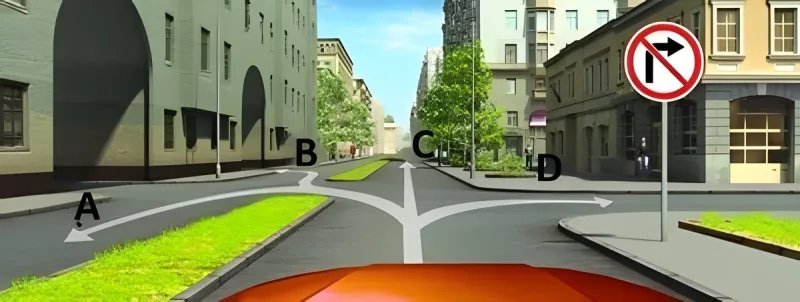
6. Which of the indicated directions is permitted?
Only C.
A or C.
All except D.
Correct answer: A or C.ABC · D/T
Why:3.18.1 «Աջ շրջադարձն արգելվում է» նշանն արգելում է D ուղղությունը։ Ձախ կողմի ճանապարհն ունի բաժանարար գոտի, իսկ B հետագծով տրանսպորտային միջոցը կհայտնվեր դրա մոտակա՝ հանդիպակաց երթևեկության կողմում, ինչը կետ 41-ով արգելվում է։ Թույլատրելի են A (ձախ) և C (ուղիղ) ուղղությունները։
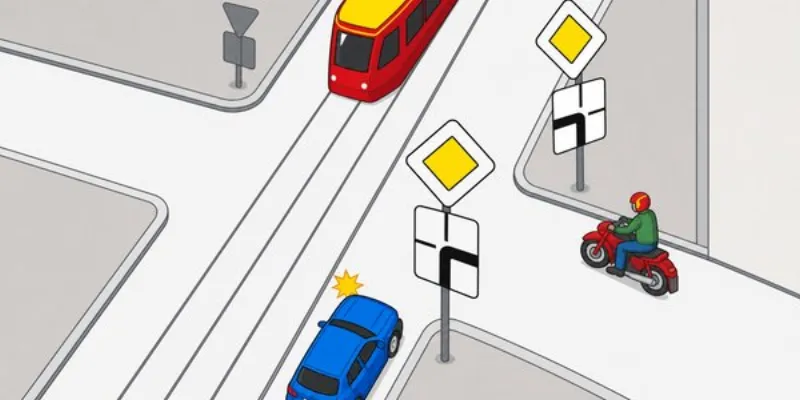
7. In what order will the vehicles proceed through the intersection?
The motorcycle, the automobile, the tram.
The tram, the automobile, the motorcycle.
The tram, the motorcycle, the automobile.
Correct answer: The motorcycle, the automobile, the tram.ABC · D/T
Why: Կապույտի և մոտոցիկլի դիմաց 2.1 «Գլխավոր ճանապարհ» նշաններն են 8.13 «Գլխավոր ճանապարհի ուղղությունը» ցուցանակով. գլխավոր ճանապարհը թեքվում է նրանց միջև, տրամվայը երկրորդական ճանապարհի վրա է։ Կետ 96-ով գլխավոր ճանապարհով ընթացողներն անցնում են առաջ, իսկ գլխավոր ճանապարհն ուղղություն փոխելիս կետ 97-ով նրանք միմյանց նկատմամբ գործում են աջի խոչընդոտի կանոնով (կետ 98). մոտոցիկլ, ավտոմոբիլ, տրամվայ։
Why: Նշաններ և լուսացույց չկան՝ հավասարազոր ճանապարհների չկարգավորվող խաչմերուկ։ Կետ 100-ով տրամվայն առավելություն ունի ոչ ռելսագնաց միջոցների նկատմամբ՝ անկախ ուղղությունից, բացի այդ մոտենում է մեր աջից (կետ 98). պարտավոր ենք զիջել։
9. May a bus driver enter a reversible traffic lane immediately after turning if the traffic signal currently permits travel in that lane?
Yes, but only after a left turn.
No, it is not permitted.
Only if the bus is a public transport vehicle.
Correct answer: No, it is not permitted.D/T
Why: Կետ 42-ով դարձափոխային երթևեկությամբ ճանապարհ շրջադարձ կատարելիս տրանսպորտային միջոցը պետք է հայտնվի աջ եզրային մասում, և միայն դրանից հետո, համոզվելով, որ տվյալ ուղղությամբ երթևեկությունը թույլատրվում է նաև այլ գոտով, կարելի է վերադասավորվել։ Անմիջապես դարձափոխային գոտի մուտք գործել չի թույլատրվում։
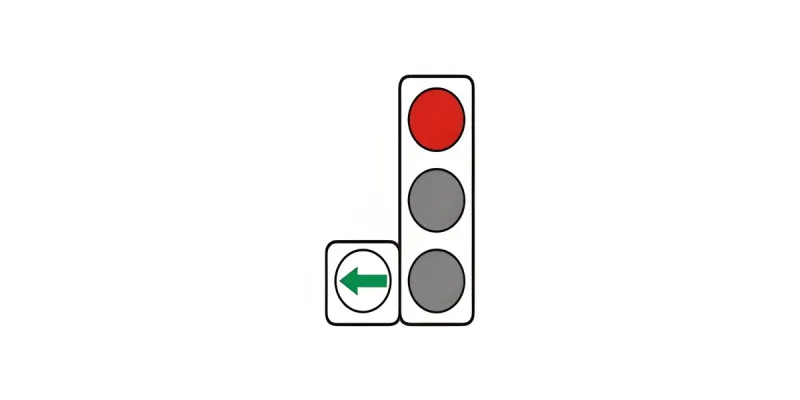
10. When the traffic signal is green, must the tram operator yield to vehicles approaching from other directions?
Yes.
No.
Correct answer: Yes.ABC · D/T
Why: Լուսացույցը կարմիր է՝ ձախ ուղղված կանաչ լրացուցիչ սեկցիայով։ Կետ 92-ով կարմիրի հետ միացված լրացուցիչ սեկցիայի սլաքի ուղղությամբ երթևեկող տրամվայի վարորդը զիջում է այլ ուղղություններից մոտեցողներին (այլ վարորդների համար՝ կետ 91)։ Պարտավոր է։
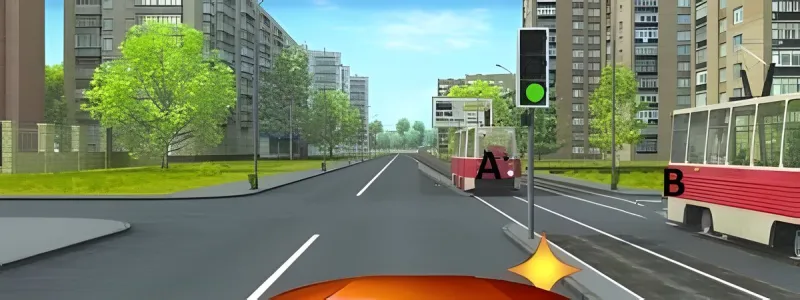
11. In this situation, to which tram operator must you yield?
Neither of them.
Both tram operators.
Only A.
Correct answer: Both tram operators.ABC · D/T
Why: Բոլորի համար կանաչ է, նշաններ չկան։ Կետ 92-ով, երբ ազդանշանները թույլատրում են տրամվայի և ոչ ռելսագնաց միջոցի միաժամանակյա երթևեկություն, առավելությունը տրամվայինն է՝ անկախ ուղղությունից, ուստի զիջում ենք և՛ A, և՛ B տրամվայներին։
12. Is it permitted to begin overtaking a vehicle whose driver has signalled a left turn and begun the manoeuvre?
Yes, it is permitted.
No, it is prohibited.
Only if overtaking is carried out on the right.
Correct answer: Only if overtaking is carried out on the right.D/T
Why: Կետ 74-ով, եթե առջևի վարորդը տվել է ձախ շրջադարձի ազդանշան և սկսել մանևրը, նրան վազանցում են միայն աջ կողմից։
13. Within what distance of a railroad crossing is parking prohibited?
300 m.
150 m.
100 m.
50 m.
25 m.
Correct answer: 25 m.ABC · D/T
Why: Կետ 86.4-ով կայանումն արգելվում է երկաթուղային գծանցներին 50 մ-ից մոտ։ Թվարկվածներից միայն 25 մ-ն է 50 մ-ից մոտ, ուստի այդ հեռավորության վրա կայանումն արգելվում է։ 50 մ-ի և ավելի հեռավորության վրա կայանումը թույլատրվում է։
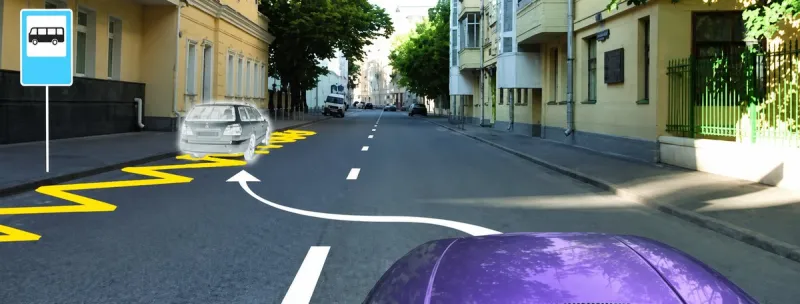
14. Is stopping permitted at the indicated location?
Yes.
Prohibited.
Only for the purpose of picking up a passenger.
Correct answer: Prohibited.ABC · D/T
Why: Նշված տեղն ընդհանուր օգտագործման տրանսպորտային միջոցների կանգառի կետի տարածքում է (նշան 5.16, դեղին 1.17 գծանշում)։ Կետ 84-ի համաձայն՝ այդ տարածքում կանգառն արգելվում է։
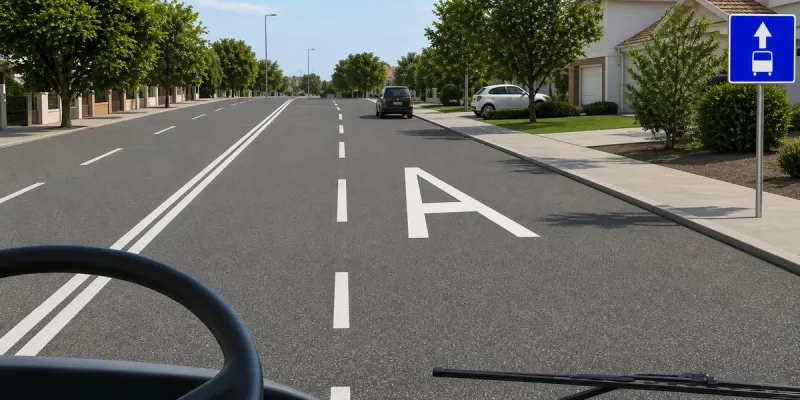
15. Is a tourist bus permitted to use the lane marked with the letter “A”?
No, it is prohibited.
Yes, it is permitted.
Correct answer: No, it is prohibited.D/T
Why: «A» գծանշմամբ գոտին (նշան 5.14, 1.23.1 գծանշում) նախատեսված է ընդհանուր օգտագործման տրանսպորտային միջոցների համար։ Զբոսաշրջային ավտոբուսը դրանց թվին չի պատկանում, ուստի կետ 124-ի համաձայն այդ գոտիով երթևեկելն արգելվում է։
16. On which sections of the road are buses prohibited from stopping and parking?
Where a stationary bus would obstruct other drivers' view of traffic signals or road signs.
On any uphill or downhill gradient.
Where vehicle traffic and pedestrian movement are heavy.
Correct answer: Where a stationary bus would obstruct other drivers' view of traffic signals or road signs.D/T
Why: Կետ 84.8-ով կանգառն արգելվում է այն վայրում, որտեղ կանգնած տրանսպորտային միջոցը այլ վարորդներին թույլ չի տա տեսնելու լուսացույցի ազդանշանները կամ ճանապարհային նշանները։
17. In developed areas where the entrance and exit are marked by the “Residential Zone” and “End of Residential Zone” traffic signs, the following is not prohibited:
Pedestrians proceeding on the roadway.
Through traffic of vehicles.
Driving instruction.
Correct answer: Pedestrians proceeding on the roadway.ABC · D/T
Why: Կետ 119-ով բնակելի գոտում հետիոտների տեղաշարժը թույլատրվում է նաև երթևեկելի մասով։ Միջանցիկ երթևեկությունը և ուսումնական վարումը կետ 121-ի արգելքների ցանկում են։
18. Where is it permitted to cross railway tracks?
At locations where visibility in both directions is at least 1,000 m.
At any suitable location chosen at the driver’s discretion.
Only at designated railway level crossings.
At least 1,000 m from railway stations.
Correct answer: Only at designated railway level crossings.D/T
Why: Կետ 109-ով երկաթուղային գծերը կարելի է հատել միայն երկաթուղային գծանցներով՝ զիջելով գնացքին։
19. Which lights must be switched on when a bus is driven at night on roads with adequate artificial lighting within built-up areas?
Main-beam or dipped-beam headlights, at the driver's discretion.
Position lights only.
Dipped-beam headlights only.
Correct answer: Dipped-beam headlights only.D/T
Why: Օրվա մութ ժամանակ միացված է լինում հեռահար կամ մոտակա լույսը (կետ 127.1), բայց կետ 128.1-ով բնակավայրում լուսավորված ճանապարհին հեռահարը պետք է փոխարկվի մոտակայի, ուստի միացված է լինում միայն մոտակա լույսը։
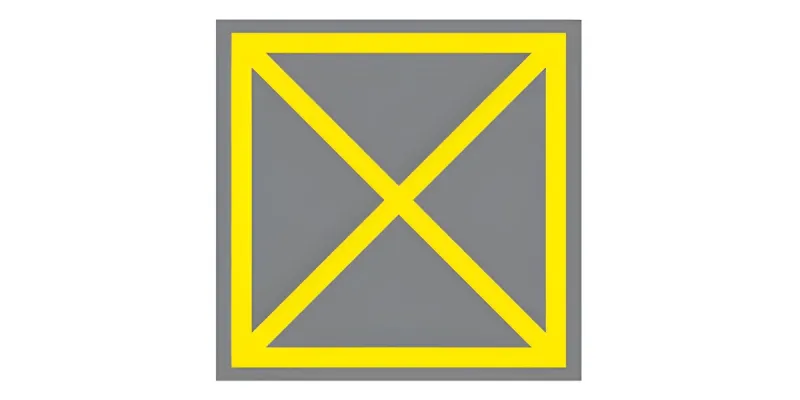
20. At what maximum distance may the “Intersection Area” traffic sign be installed at a complex intersection if it cannot be installed at the boundary of the intersection?
10 m.
20 m.
30 m.
Correct answer: 30 m.ABC · D/T
Why: Դեղին 1.26 «Խաչմերուկի հատված» գծանշումը բարդ խաչմերուկներում, երբ հնարավոր չէ գծել խաչմերուկի սահմանին, տեղադրվում է դրանից առավելագույնը 30 մետր հեռավորության վրա։
In Varordakan Tester the same tests are taken without hints, wrong answers are collected automatically, and there is an exam simulation (20 questions, 30 minutes, pass at 18), a 3D intersection simulator, video lessons and an AI assistant that cites the Traffic Rules point. Free.
Sources: questions from the official bank of the Road Police of Armenia (roadpolice.am, edition of 6 November 2026); rule points from the Traffic Rules of the Republic of Armenia (arlis.am). Varordakan Tester is an independent educational app, not affiliated with the Police of Armenia.