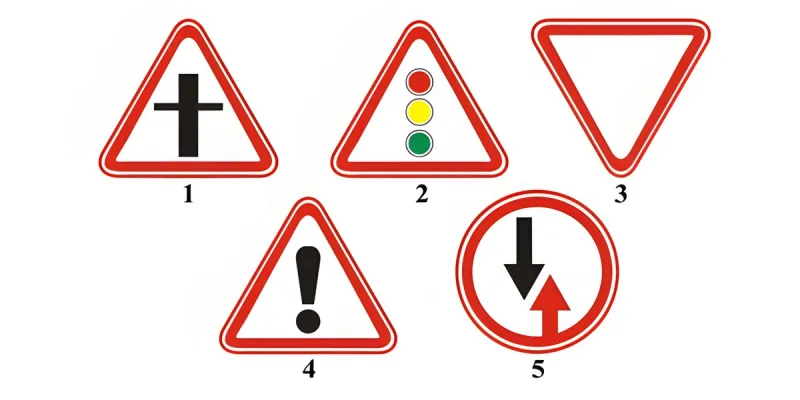
Test 10 — Categories ABC (cars, motorcycles, trucks)
Updated 2026-10-13 · official question bank of 2 October 2026
Test 10, Categories ABC (cars, motorcycles, trucks): 20 questions from the official bank of 2 October 2026 across all 10 topics. Under every question: the correct answer, the explanation (in Armenian) and the signs it mentions. In the app the same test is taken without hints, and the exam simulation runs on a 30-minute timer.
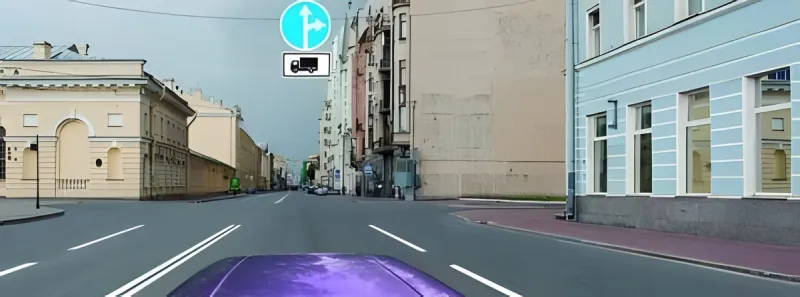
1. In which direction or directions may the passenger-car driver continue from this lane?
Straight ahead only.
Straight ahead and to the right.
In any direction.
Straight ahead, to the left, and by making a U-turn.
Correct answer: Straight ahead, to the left, and by making a U-turn.ABC
Why:4.1.4 «Երթևեկությունն ուղիղ կամ դեպի աջ» նշանը 8.4.1 ցուցանակով վերաբերում է միայն 3,5 տ-ից ավելի զանգվածով բեռնատարներին, ուստի թեթև մարդատարի վրա չի տարածվում։ Թեթև մարդատարը ձախ գոտում է, իսկ կետ 40-ով աջ շրջադարձը կատարվում է միայն աջ եզրային գոտուց, ուստի այս գոտուց թույլատրվում է ուղիղ, դեպի ձախ և հետադարձ։
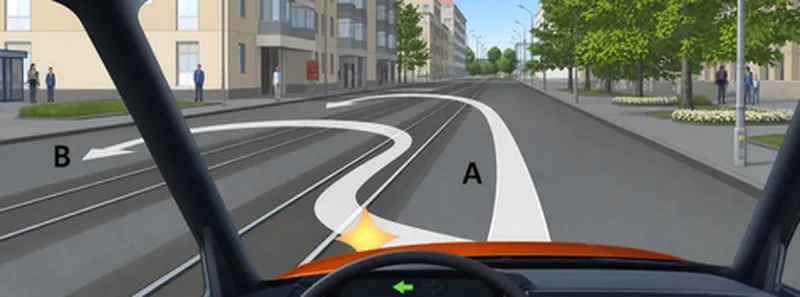
2. Along which path is the driver permitted to make a U-turn?
Only A.
Only B.
Any of the paths.
Correct answer: Only B.ABC · D/T
Why: Ձախ կողմում, նույն մակարդակի վրա, համընթաց ուղղության տրամվայի գծեր են, իսկ 5.15.1, 5.15.2 նշաններ կամ 1.18 գծանշում չկա։ Կետ 40-ի համաձայն՝ նման դեպքում հետադարձը պետք է կատարվի տրամվայի գծերի վրայից՝ B հետագծով, առանց տրամվային խոչընդոտելու։
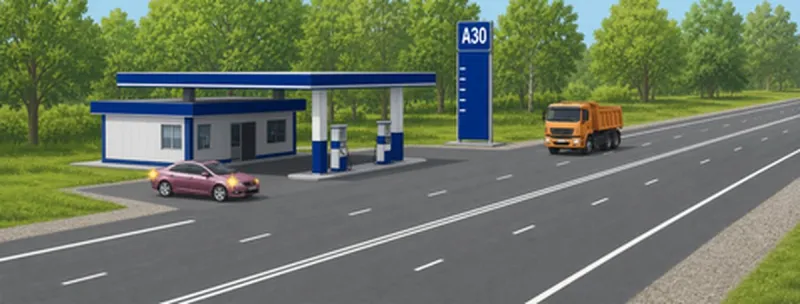
3. The right-of-way belongs to:
The passenger-car driver.
The truck driver.
Correct answer: The truck driver.ABC
Why: Թեթև մարդատարը լցակայանի տարածքից (մերձակա տարածքից) դուրս է գալիս ճանապարհ։ Կետ 38-ի համաձայն՝ մերձակա տարածքից ճանապարհ դուրս գալիս վարորդը զիջում է ճանապարհով երթևեկողներին, ուստի առաջնահերթությունը բեռնատարի վարորդինն է։
4. A U-turn means:
Driving a vehicle in the opposite direction.
A maneuver performed for the purpose of changing the vehicle’s direction of movement to the opposite direction.
Correct answer: A maneuver performed for the purpose of changing the vehicle’s direction of movement to the opposite direction.ABC · D/T
Why: Կետ 3-ի սահմանման համաձայն՝ հետադարձ է տրանսպորտային միջոցի շարժման ուղղությունը հանդիպակաց ուղղությամբ փոխելու նպատակով իրականացվող մանևրը։
5. A vehicle may not be operated if:
An “Oversized Cargo” identification sign with white and red reflective stripes is installed at the rear.
The remaining tire tread depth of a moped is 0.7 mm.
In both cases.
Correct answer: The remaining tire tread depth of a moped is 0.7 mm.ABC
Why: Մոպեդի դողի պահպանաշերտի 0,7 մմ մնացորդային բարձրությունը մոտոցիկլների և մոպեդների համար սահմանված 0,8 մմ նվազագույնից (4.1) ցածր է, ուստի դա անսարքություն է։ Հետևում «Մեծ եզրաչափերով բեռ» ճանաչման նշանը անսարքություն չէ. 3.6 բ) ենթակետը հետևում արգելում է կարմիրից բացի այլ գույնի լուսանդրադարձիչները, բայց դրա պահանջները չեն տարածվում ճանաչման նշանների վրա։
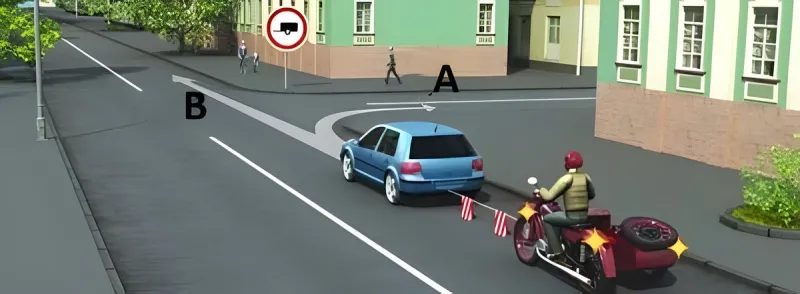
6. In which of the directions indicated by the arrows may towing continue?
Only A.
Only B.
In both directions.
Correct answer: Only A.ABC
Why: Ձախ (B) ճանապարհի սկզբում 3.7 «Կցորդով երթևեկությունն արգելվում է» նշանն է, որն արգելում է նաև մեխանիկական տրանսպորտային միջոցների քարշակումը, ուստի քարշակումը կարելի է շարունակել միայն A ուղղությամբ։
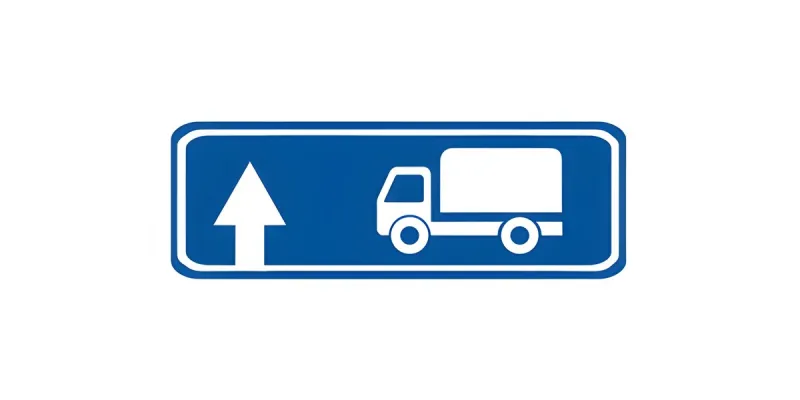
A one-way road on which only trucks are permitted.
A lane designated only for trucks.
The recommended direction of traffic for trucks.
Correct answer: The recommended direction of traffic for trucks.ABC
Why: Սա 6.15.1 «Երթևեկության ուղղություն բեռնատար ավտոմոբիլների համար» նշանն է. այն ցույց է տալիս բեռնատարների համար առաջարկվող երթևեկության ուղղությունը։
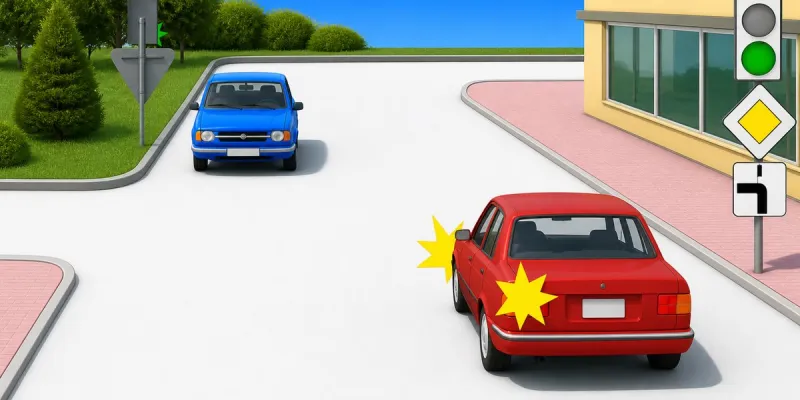
9. The blue automobile will proceed through the intersection:
First.
Second.
Correct answer: First.ABC · D/T
Why: Նկարում և՛ աշխատող լուսացույց է (կանաչ), և՛ 2.1 «Գլխավոր ճանապարհ» նշան 8.13 ցուցանակով։ Աշխատող լուսացույցի դեպքում խաչմերուկը կարգավորվող է (կետ 89), և լուսացույցի ազդանշանները գերակայում են առավելության նշանին (կետ 173)։ Կանաչով ձախ թեքվող կարմիրը կետ 90-ով զիջում է հանդիպակաց ուղիղ գնացող կապույտին. կապույտն անցնում է առաջինը։
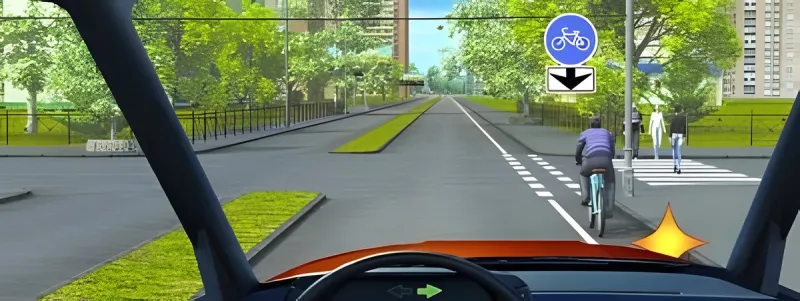
Correct answer: Pedestrians and bicyclists.ABC · D/T
Why:4.4 «Հեծանվային արահետ» նշանը 8.2.3 «Ազդման գոտի» ցուցանակով նշում է կողմնային փողոցի հեծանվային արահետը, կողքին՝ 1.14.1 «Զեբր» հետիոտնային անցումն է։ Աջ շրջադարձի ժամանակ հատում ենք երկուսն էլ. կետ 87-ով վարորդը խոչընդոտ չպետք է ստեղծի հետիոտներին և պետք է ճանապարհը զիջի հեծանվային արահետով ընթացող հեծանվորդներին։
11. When making a left turn, to whom must the driver yield?
The bus driver.
The passenger-car driver.
No one.
Correct answer: The bus driver.ABC · D/T
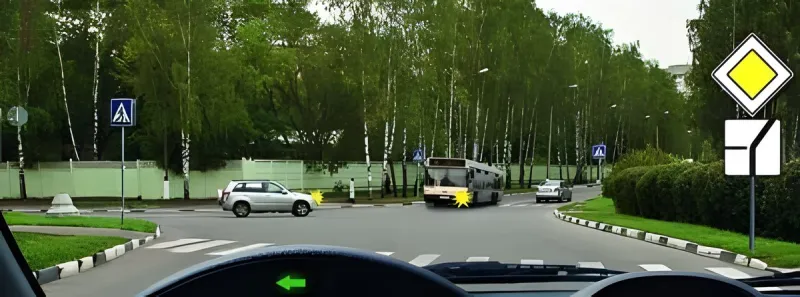
Why: Մեր դիմաց 2.1 «Գլխավոր ճանապարհ» նշանն է 8.13 «Գլխավոր ճանապարհի ուղղությունը» ցուցանակով. գլխավոր ճանապարհն անցնում է մեր թևով և թեքվում աջ՝ ավտոբուսի թևը, ձախի թեթև մարդատարը երկրորդական ճանապարհի վրա է։ 5.19.1 «Հետիոտնային անցում» նշանները միայն անցումներն են նշում։ Ձախ շրջադարձի ժամանակ զիջում ենք աջից մոտեցող ավտոբուսին (կետ 97, 98), իսկ թեթև մարդատարը կետ 96-ով զիջում է մեզ. միայն ավտոբուսի վարորդին։
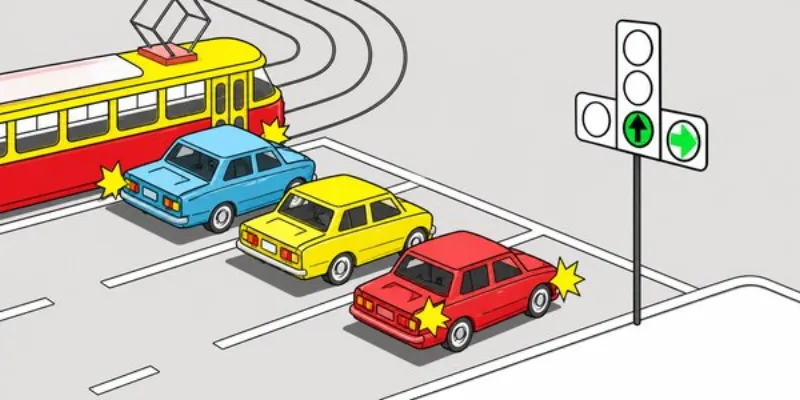
12. Which vehicles are permitted to proceed under this traffic signal?
The tram, the yellow automobile, and the red automobile.
The yellow and red automobiles.
All vehicles.
Correct answer: The yellow and red automobiles.ABC · D/T
Why: Հիմնական կանաչ ազդանշանի վրա ուղիղ ուղղված սև ուրվագծային սլաք է, միացված է աջ սլաքով լրացուցիչ սեկցիան. թույլատրվում է ուղիղ (դեղին) և աջ (կարմիր) (կետ 10, 8)։ Ձախ սեկցիան անջատված է, ուստի ձախ թեքվող կապույտին և տրամվային երթևեկությունն արգելված է (կետ 8)։
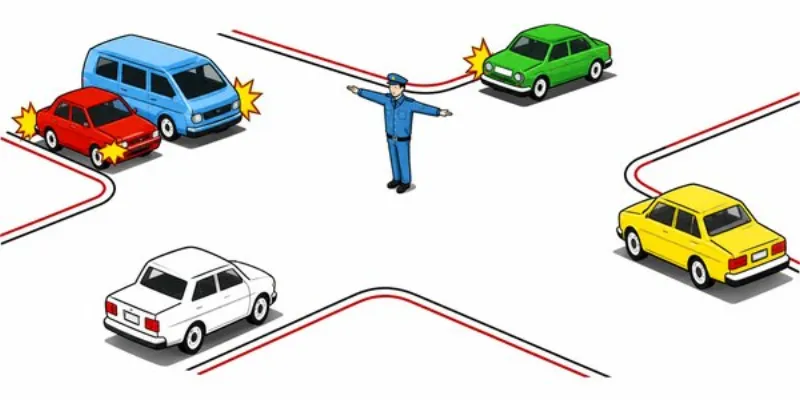
13. Which vehicles are permitted to proceed?
The yellow and red automobiles.
The green, red, and white automobiles.
The white and green automobiles.
Correct answer: The yellow and red automobiles.ABC · D/T
Why: Կարգավորողի ձեռքերը պարզված են կողմ, լուսացույց և նշաններ չկան։ Կետ 16-ի 2-րդ ենթակետի «ա»-ով կողմերից եկողներին թույլատրվում է ուղիղ և աջ. դեղինն ու կարմիրը, իսկ կողքից ձախ թեքվող կապույտին՝ ոչ։ Թիկունքի կանաչին և կրծքի կողմի սպիտակին երթևեկությունն արգելված է («բ»)։ Դեղին և կարմիր ավտոմոբիլներին։
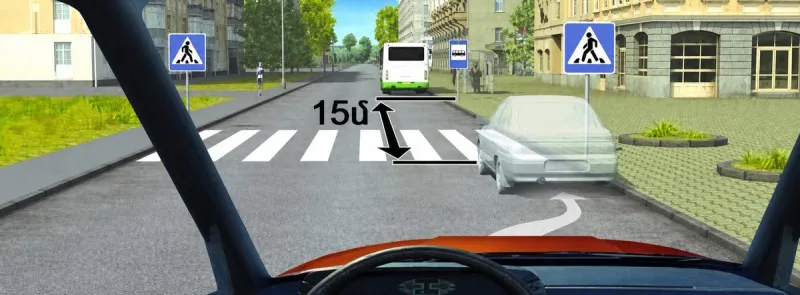
14. Is stopping permitted at the indicated location?
Only for the purpose of dropping off a passenger.
Prohibited.
Correct answer: Prohibited.ABC · D/T
Why: Ավտոմոբիլը կանգ է առնում անմիջապես հետիոտնային անցումից առաջ։ Կետ 84.4-ով կանգառն արգելվում է հետիոտնային անցումների վրա և շարժման ուղղությամբ անցումից առաջ՝ 5 մ-ից մոտ վայրում, ուստի այստեղ կանգ առնել չի թույլատրվում նաև ուղևոր իջեցնելու համար։
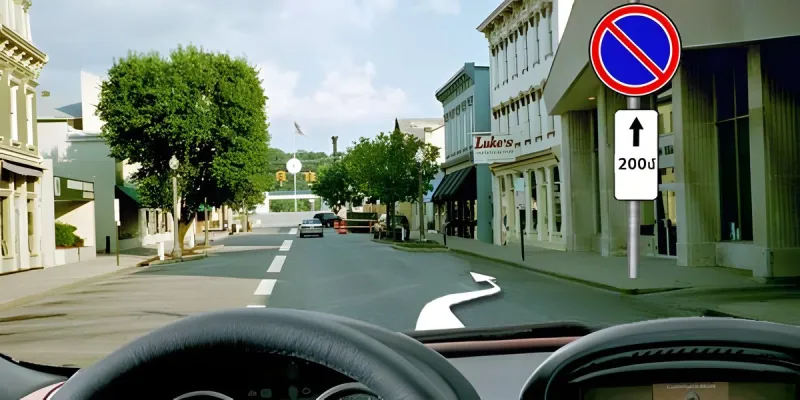
15. Within the area where these traffic signs are in effect, is stopping to pick up passengers permitted?
Permitted.
Prohibited.
Correct answer: Permitted.ABC · D/T
Why: Նշան 3.28 «Կայանելն արգելվում է»-ը 8.2.2 «Ազդման գոտի» ցուցանակով արգելում է միայն կայանումը։ Ուղևորներ նստեցնելու նպատակով կանգառը (կարճատև կանգ) այս գոտում թույլատրվում է։
16. When towing with a rigid or flexible coupling, is it permitted to carry people in the cargo bed of a truck?
Permitted in the cargo beds of both the towing and towed trucks.
Permitted only in the cargo bed of the towed truck.
Permitted only in the cargo bed of the towing truck.
Prohibited in the cargo beds of both trucks.
Correct answer: Permitted only in the cargo bed of the towing truck.ABC
Why: Կետ 139-ով կոշտ կամ ճկուն կցիչով քարշակելիս արգելվում է մարդկանց փոխադրումը քարշակվող բեռնատարի թափքում։ Քարշակող բեռնատարի թափքի համար այդ եղանակների դեպքում արգելք չկա։
17. What is the maximum permitted speed when towing with a motor vehicle?
30 km/h.
40 km/h.
50 km/h.
60 km/h.
70 km/h.
Correct answer: 50 km/h.ABC · D/T
Why: Կետ 71.2-ով միմյանց կցված մեխանիկական տրանսպորտային միջոցներով քարշակում կատարելիս թույլատրվում է 50 կմ/ժ ոչ ավելի արագություն։
18. Passing is prohibited:
At controlled intersections.
At uncontrolled intersections.
In both cases.
Correct answer: In both cases.ABC · D/T
Why: Կետ 77.1-ը արգելում է վազանցը խաչմերուկներում՝ առանց տեսակի տարբերության։ Կետ 89-ը սահմանում է կարգավորվող, կետ 95-ը՝ չկարգավորվող խաչմերուկը, և արգելքը գործում է երկուսում էլ։
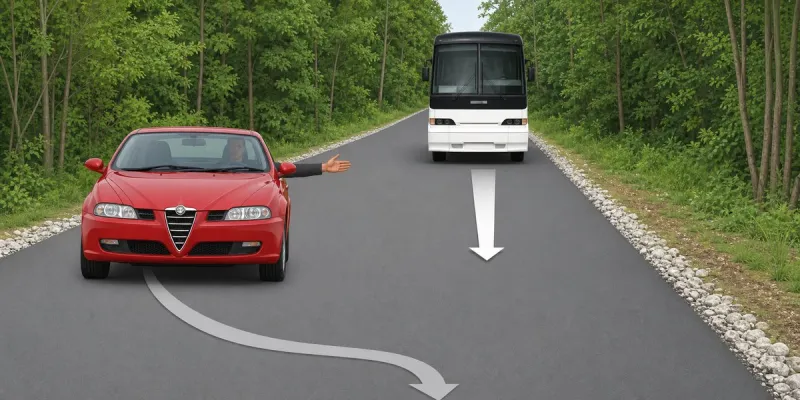
19. May a warning signal be given by hand in order to proceed along the indicated path?
Yes, if the turn signal is malfunctioning.
Yes, if the turn signal is malfunctioning during daylight hours.
Yes, in all cases.
Correct answer: Yes, if the turn signal is malfunctioning.ABC · D/T
Why: Կետ 36-ի համաձայն՝ մանևրի ազդանշանը տրվում է շրջադարձի լուսային ցուցիչով, իսկ ձեռքով՝ միայն այն դեպքում, երբ ցուցիչը բացակայում է կամ անսարք է։
20. How should first aid be provided in case of frostbite and hypothermia?
Rub the affected areas of the body with snow or a woolen cloth, then warm them, give the injured person an alcoholic drink, and move them to a warm place.
Warm and immobilize the affected areas of the body, cover the injured person with warm clothing or a blanket, give a warm drink, and move the person to a warm place.
Apply ointment to the affected areas of the body, apply a warming compress and a heating pad, move the injured person to a warm place, and give a warm drink.
Correct answer: Warm and immobilize the affected areas of the body, cover the injured person with warm clothing or a blanket, give a warm drink, and move the person to a warm place.ABC · D/T
Why: Առաջին օգնություն. ցրտահարության դեպքում ախտահարված մասերը տաքացնում և անշարժացնում են, տուժածին ծածկում են, տալիս տաք ըմպելիք և տեղափոխում տաք տարածք։ Ձյունով շփելը, ալկոհոլն ու քսուքները վնասակար են։
In Varordakan Tester the same tests are taken without hints, wrong answers are collected automatically, and there is an exam simulation (20 questions, 30 minutes, pass at 18), a 3D intersection simulator, video lessons and an AI assistant that cites the Traffic Rules point. Free.
Sources: questions from the official bank of the Road Police of Armenia (roadpolice.am, edition of 2 October 2026); rule points from the Traffic Rules of the Republic of Armenia (arlis.am). Varordakan Tester is an independent educational app, not affiliated with the Police of Armenia.