Test 18 — Categories ABC (cars, motorcycles, trucks)
Updated 2026-10-13 · official question bank of 2 October 2026
Test 18, Categories ABC (cars, motorcycles, trucks): 20 questions from the official bank of 2 October 2026 across all 10 topics. Under every question: the correct answer, the explanation (in Armenian) and the signs it mentions. In the app the same test is taken without hints, and the exam simulation runs on a 30-minute timer.
1. When vehicles moving in the same direction change lanes simultaneously, which driver must yield?
The driver of the vehicle on the left.
The driver of the vehicle on the right.
Correct answer: The driver of the vehicle on the left.ABC · D/T
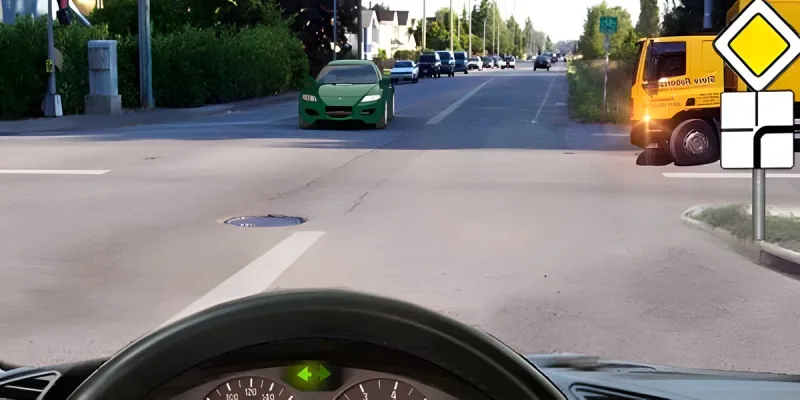
2. If you intend to make a U-turn at the intersection, to which vehicle or vehicles must you yield?
The truck.
The passenger car.
All vehicles.
No one.
Correct answer: The truck.ABC · D/T
Why: Մենք գլխավոր ճանապարհով ենք (նշան 2.1), որը 8.13 ցուցանակի համաձայն թեքվում է դեպի աջ։ Կետ 97-ի համաձայն՝ գլխավոր ճանապարհով ընթացողները միմյանց նկատմամբ ղեկավարվում են հավասարազոր խաչմերուկի կանոններով, ուստի հետադարձ կատարելիս զիջում ենք աջից մոտեցող բեռնատարին (կետ 98)։ Հանդիպակաց թեթև մարդատարը երկրորդական ճանապարհով է և զիջում է մեզ (կետ 96)։
3. In populated areas, where there are three or more lanes for traffic in the same direction, are passenger cars permitted to use the far-left lane?
Permitted when overtaking.
Permitted when turning left or making a U-turn.
Permitted in both of the above cases.
Correct answer: Permitted in both of the above cases.ABC
Why: Կետ 57-ով միևնույն ուղղությամբ երեք և ավելի գոտիների առկայության դեպքում ձախ եզրային գոտին թույլատրվում է զբաղեցնել ինտենսիվ երթևեկության ժամանակ, ինչպես նաև վազանց, ձախ շրջադարձ կամ հետադարձ կատարելիս։ Սահմանափակումը (միայն ձախ շրջադարձ կամ հետադարձ) վերաբերում է 3,5 տ-ից ծանր բեռնատարներին և կանոնավոր ուղևորափոխադրում իրականացնողներին, ոչ թե թեթև մարդատարներին։
4. According to the Law of the Republic of Armenia on Ensuring Road Traffic Safety, stopping is:
Bringing a vehicle to a stationary position in response to a passenger’s request.
Intentionally bringing a vehicle to a stationary position for more than 5 minutes when this is not related to picking up or dropping off passengers or loading or unloading the vehicle.
Intentionally bringing a vehicle to a stationary position for up to 5 minutes, or for the time necessary to pick up or drop off passengers and/or to load or unload the vehicle.
Correct answer: Intentionally bringing a vehicle to a stationary position for up to 5 minutes, or for the time necessary to pick up or drop off passengers and/or to load or unload the vehicle.ABC · D/T
Why: Օրենքի սահմանմամբ կանգառ է մինչև 5 րոպե կամ ուղևորի նստելու, իջնելու և (կամ) բեռնելու, բեռնաթափելու համար անհրաժեշտ ժամանակով տրանսպորտային միջոցը կանխամտածված անշարժ վիճակի բերելը։ 5 րոպեից ավելին կայանում է։
5. A vehicle may not be operated if:
The exterior lighting devices and reflectors are dirty.
Exterior lighting devices from a different make of vehicle are installed on a discontinued vehicle.
In both cases.
Correct answer: The exterior lighting devices and reflectors are dirty.ABC · D/T
Why: Արտաքին լուսային սարքերի կեղտոտված լինելը 3.3 ենթակետով անսարքություն է։ 3.1 ենթակետը արտադրությունից հանված մեքենաների վրա հստակ թույլատրում է այլ մակնիշի լուսային սարքեր, ուստի երկրորդ տարբերակն անսարքություն չէ։
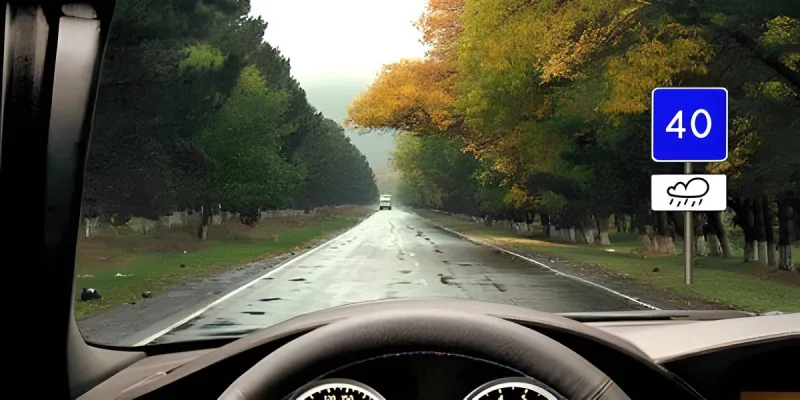
6. What do the following traffic signs indicate?
When the roadway surface is wet, a speed of 40 km/h is recommended.
When the roadway surface is wet, the maximum permitted speed is 40 km/h.
Correct answer: When the roadway surface is wet, a speed of 40 km/h is recommended.ABC · D/T
Why: Նշան 6.2 «Առաջարկվող արագություն» 40-ը 8.16 «Խոնավ ծածկույթ» ցուցանակով նշանակում է, որ թաց ճանապարհածածկույթի դեպքում առաջարկվում է երթևեկել 40 կմ/ժ արագությամբ։
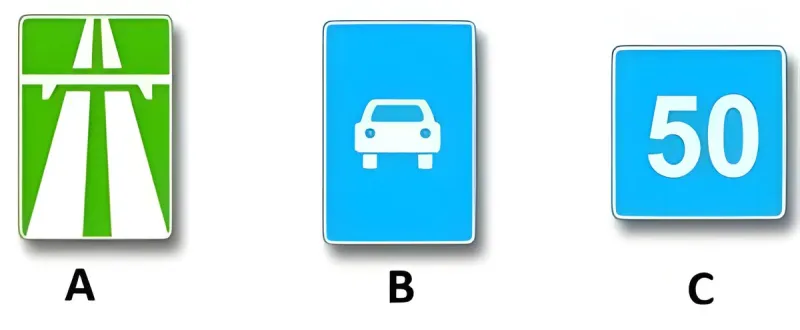
7. Which of the signs prohibits proceeding at a speed below 40 km/h?
Only A.
Only C.
A and B.
Correct answer: A and B.ABC · D/T
Why: A-ն 5.1 «Ավտոմայրուղի», B-ն 5.3 «Ճանապարհ ավտոմոբիլների համար», C-ն 6.2 «Առաջարկվող արագություն» նշաններն են։ Կետ 116.2-ով ավտոմայրուղիներում արգելվում է այն տրանսպորտային միջոցների երթևեկությունը, որոնց արագությունը չի գերազանցում 40 կմ/ժ, իսկ կետ 117-ով այդ պահանջը տարածվում է նաև 5.3 նշանով ճանապարհների վրա. A և B։
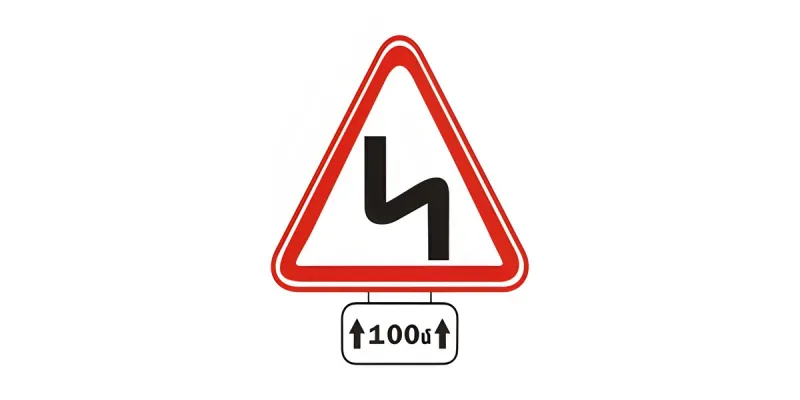
8. What does the supplemental plaque below the sign indicate?
The distance from the sign to the beginning of the first turn.
The distance from the first turn to the beginning of the second turn.
The length of the road section with hazardous turns.
Correct answer: The length of the road section with hazardous turns.ABC · D/T
Why:1.12.2 «Վտանգավոր շրջադարձեր» նշանի տակ տեղադրված 8.2.1 «Ազդման գոտի» ցուցանակը ցույց է տալիս վտանգավոր շրջադարձերով ճանապարհի հատվածի երկարությունը։
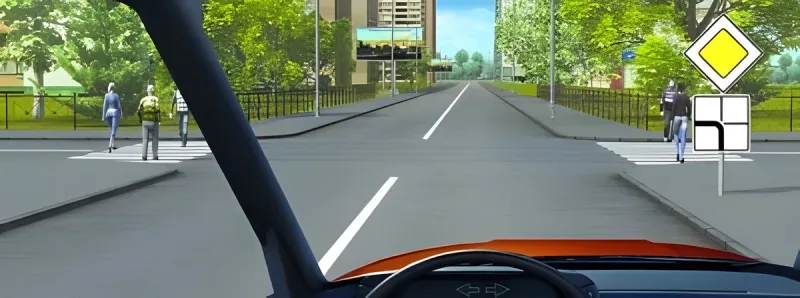
9. The driver must not interfere with pedestrians:
Only when making a left turn.
Only when making a right turn.
In both cases.
Correct answer: In both cases.ABC · D/T
Why:2.1 «Գլխավոր ճանապարհ» նշանը 8.13 ցուցանակով մեզ գլխավոր ճանապարհի վրա է դնում, բայց երկու կողմնային փողոցներում էլ հետիոտներ են անցնում 1.14.1 «Զեբր» գծանշմամբ։ Կետ 87-ով թե՛ աջ, թե՛ ձախ շրջադարձի ժամանակ խաչմերուկից դուրս գալիս վարորդը խոչընդոտ չպետք է ստեղծի երթևեկելի մասը հատող հետիոտների համար. գլխավոր ճանապարհը դա չի փոխում։ Երկու դեպքում նմանապես։
10. May the vehicles make left turns simultaneously?
Yes.
No. The passenger-car driver must yield.
No. The truck driver must yield.
Correct answer: Yes.ABC
Why: Ձախ շրջադարձ կատարող երկու տրանսպորտային միջոցները հանդիպակաց ուղղություններից են, և նրանց ուղիները չեն հատվում՝ նրանք շրջանցում են միմյանց ձախ կողմով։ Կետ 99-ով ձախ թեքվողը զիջում է միայն հանդիպակաց ուղղությունից ուղիղ կամ դեպի աջ ընթացողներին, ուստի երկուսն էլ կարող են շրջադարձը կատարել միաժամանակ։
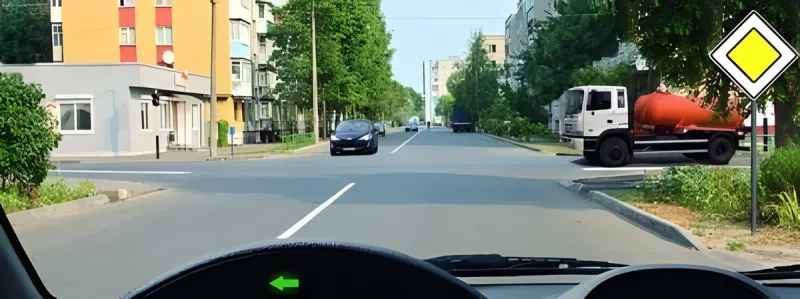
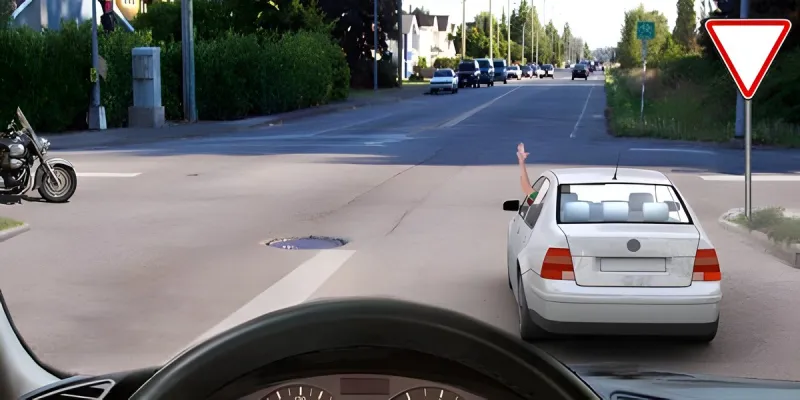
11. In this situation, when making a U-turn, you must yield to:
The passenger car.
Both drivers.
Correct answer: The passenger car.ABC · D/T
Why:2.1 «Գլխավոր ճանապարհ» նշան. գլխավոր ճանապարհով ենք։ Հետադարձ կատարելիս կետ 99-ով զիջում ենք նույն ճանապարհով հանդիպակաց ուղիղ գնացող թեթև մարդատարին, իսկ աջի երկրորդական ճանապարհի ավտոցիստեռնը կետ 96-ով զիջում է մեզ. միայն թեթև մարդատարին։
12. What is the meaning of the circular flashing green traffic signal?
It indicates that entering the intersection is prohibited.
It permits traffic and indicates that its display period is ending and a prohibitory signal will be activated shortly.
Correct answer: It permits traffic and indicates that its display period is ending and a prohibitory signal will be activated shortly.ABC · D/T
Why: Կետ 7.2-ով կանաչ թարթող ազդանշանը թույլատրում է երթևեկությունը և տեղեկացնում, որ դրա ժամկետը լրանում է, և շուտով կմիանա արգելող ազդանշանը։
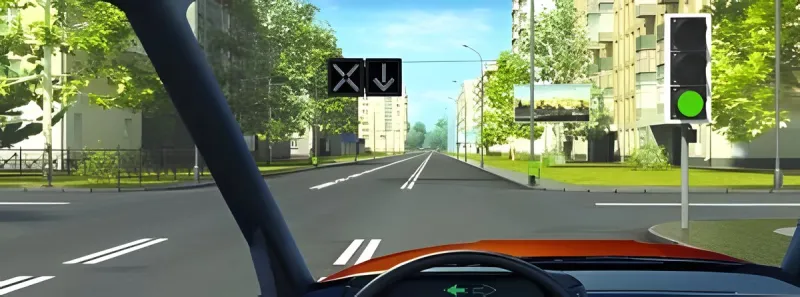
13. A left turn is permitted:
From the reversible traffic lane.
From the lane indicated in the image.
Correct answer: From the lane indicated in the image.ABC · D/T
Why: Կանաչ լուսացույց, 1.9 գծանշմամբ սահմանված գոտու վերևում դարձափոխային լուսացույց է։ Դարձափոխային գոտին կարգավորվում է իր լուսացույցով (կետ 13) և շրջադարձի համար չէ. ձախ շրջադարձը կատարվում է նկարում նշված սովորական գոտուց։
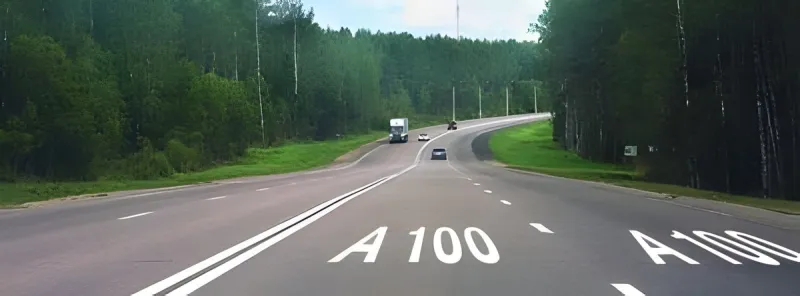
14. The marking applied to the roadway indicates:
The distance from the nearest intersection.
The distance from the nearest populated area.
The road or route number.
Correct answer: The road or route number.ABC · D/T
Why: Երթևեկելի մասի «A100» գրառումը 1.22 գծանշումն է, որը ցույց է տալիս ճանապարհի (երթուղու) համարը։
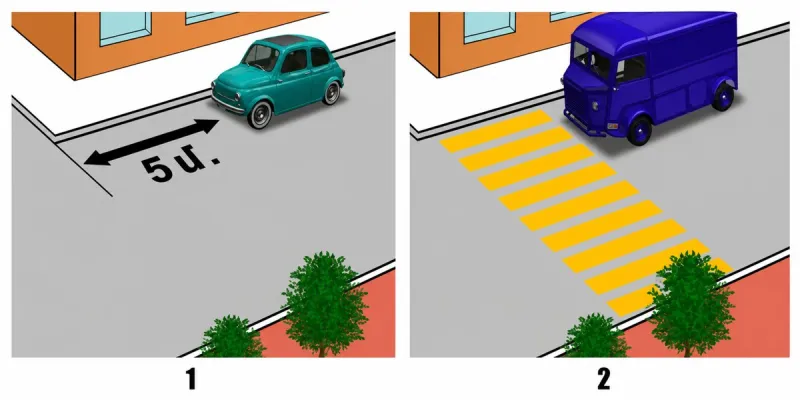
15. In which image has the driver stopped correctly to drop off passengers?
In the left image.
In both images.
In the right image.
Correct answer: In the left image.ABC · D/T
Why: Կետ 84-ի համաձայն՝ կանգառն արգելվում է հետիոտնային անցումների վրա և դրանցից առաջ 5 մ-ից մոտ։ Ձախ նկարում կանգառը կատարված է անցումից 5 մ առաջ, իսկ աջ նկարում՝ անմիջապես անցումի վրա, ուստի ճիշտ է ձախ նկարը։
16. What is the maximum permitted speed on freeways for passenger cars towing a trailer?
110 km/h.
100 km/h.
90 km/h.
80 km/h.
70 km/h.
Correct answer: 90 km/h.ABC
Why: Կետ 69.3-ով կցորդ քարշակող թեթև մարդատարներին թույլատրվում է 70 կմ/ժ, իսկ ավտոմայրուղիներով՝ 90 կմ/ժ ոչ ավելի արագություն։
17. What is the maximum permitted speed for vehicles within areas where the “Residential Zone” and “End of Residential Zone” traffic signs apply?
Not exceeding 5 km/h.
Not exceeding 10 km/h.
Not exceeding 20 km/h.
Correct answer: Not exceeding 20 km/h.ABC · D/T
Why: Կետ 68-ով 5.21 «Բնակելի գոտի» և 5.22 «Բնակելի գոտու վերջ» նշանների ազդեցության տարածքում թույլատրվում է 20 կմ/ժ ոչ ավելի արագություն։
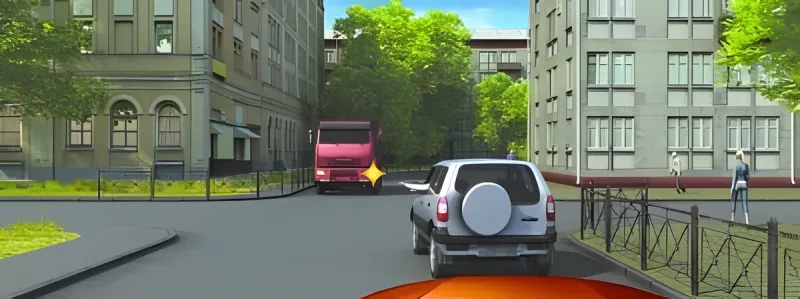
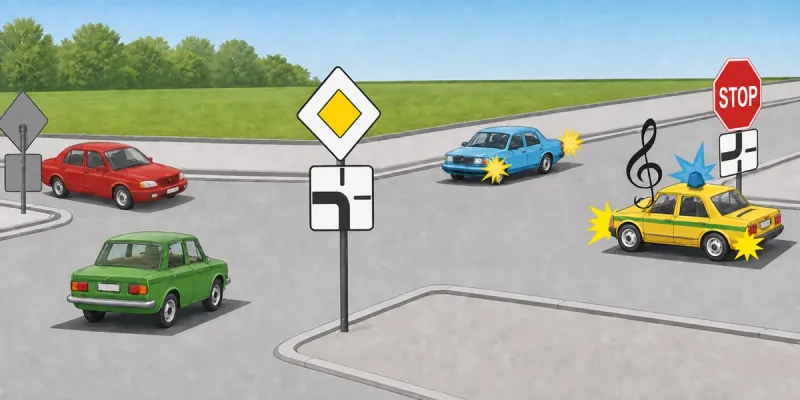
18. The blue automobile will proceed through the intersection:
First.
Second.
Third.
Last.
Correct answer: Last.ABC
Why: Կապույտ փարոսիկով և ձայնային ազդանշանով դեղին ավտոմոբիլն անցնում է առաջինը (կետ 28), թեև նրա ճանապարհին 2.5 «STOP» նշանն է։ 2.1 նշանը 8.13 ցուցանակով ցույց է տալիս, որ գլխավոր ճանապարհը թեքվում է ձախ. կարմիր և կանաչ ավտոմոբիլները գլխավոր ճանապարհին են և միմյանց նկատմամբ գործում են աջի կանոնով (կետ 97, 98)։ Կապույտ ավտոմոբիլը երկրորդական ճանապարհով է, ուստի կետ 96-ով անցնում է վերջինը։
20. At a traffic crash, which of the following injured persons should receive assistance first?
A frightened pregnant woman.
A child with abrasions.
A man with a fractured arm.
An unconscious man.
Correct answer: An unconscious man.ABC · D/T
Why: Առաջին օգնություն. առաջին հերթին օգնում են անգիտակից տուժածին, քանի որ վտանգված են նրա շնչուղիներն ու շնչառությունը։ Մյուսները գիտակից են և կայուն վիճակում։
In Varordakan Tester the same tests are taken without hints, wrong answers are collected automatically, and there is an exam simulation (20 questions, 30 minutes, pass at 18), a 3D intersection simulator, video lessons and an AI assistant that cites the Traffic Rules point. Free.
Sources: questions from the official bank of the Road Police of Armenia (roadpolice.am, edition of 2 October 2026); rule points from the Traffic Rules of the Republic of Armenia (arlis.am). Varordakan Tester is an independent educational app, not affiliated with the Police of Armenia.