Test 2 — Categories ABC (cars, motorcycles, trucks)
Updated 2026-10-13 · official question bank of 2 October 2026
Test 2, Categories ABC (cars, motorcycles, trucks): 20 questions from the official bank of 2 October 2026 across all 10 topics. Under every question: the correct answer, the explanation (in Armenian) and the signs it mentions. In the app the same test is taken without hints, and the exam simulation runs on a 30-minute timer.
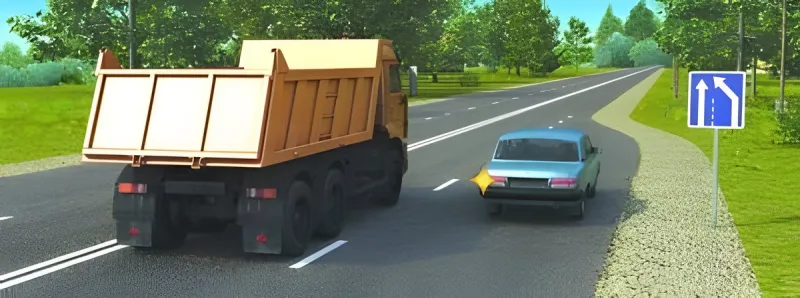
1. Which vehicle driver must yield?
The truck driver.
The passenger-car driver.
Correct answer: The passenger-car driver.ABC
Why: Նշան 5.15.5 «Գոտու վերջ»-ը ցույց է տալիս, որ թեթև մարդատարի աջ գոտին ավարտվում է, և նա պետք է վերադասավորվի ձախ։ Կետ 39-ի համաձայն՝ վերադասավորվող վարորդը զիջում է հարևան գոտիով ուղիղ ընթացող բեռնատարին։
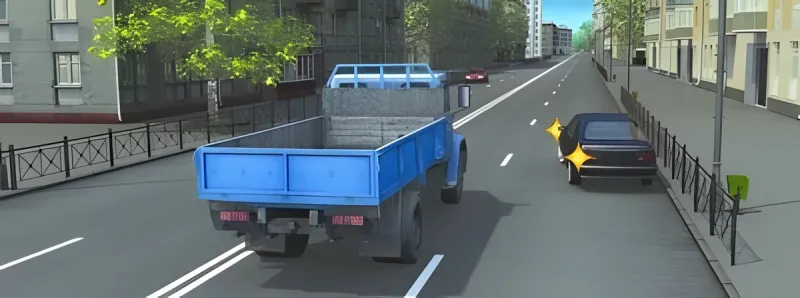
2. Is the passenger-car driver permitted to start moving?
Yes.
Yes, if it does not interfere with the truck driver.
No.
Correct answer: Yes, if it does not interfere with the truck driver.ABC
Why: Ճամփեզրից շարժումն սկսելիս թեթև մարդատարը վերադասավորվում է այն գոտի, որով ընթանում է բեռնատարը։ Կետ 39-ի համաձայն՝ նա պետք է զիջի բեռնատարին, իսկ կետ 36-ի համաձայն՝ մանևրը խոչընդոտ չպետք է ստեղծի, ուստի շարժումը թույլատրվում է միայն այդ պայմանով։
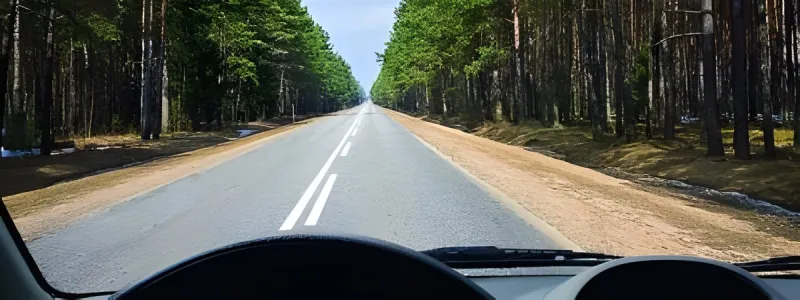
3. Is a U-turn permitted in this situation?
Permitted only if road visibility is more than 100 m.
Prohibited.
Correct answer: Permitted only if road visibility is more than 100 m.ABC · D/T
Why: Կետ 50.5-ով հետադարձն արգելվում է ճանապարհի թեկուզ և մեկ ուղղությամբ 100 մ-ից պակաս տեսանելիության տեղերում, ուստի այստեղ այն թույլատրվում է միայն 100 մ-ից ավելի տեսանելիության դեպքում։ Կենտրոնում կրկնակի գիծը մեր կողմից ընդհատվող է։
4. According to the Law of the Republic of Armenia on Ensuring Road Traffic Safety, insufficient visibility is:
The visibility distance of the road during nighttime.
The visibility distance of the road in populated areas when the roadway has no artificial lighting.
Road visibility and/or a visibility distance of up to 300 meters in fog, rain, snowfall, and/or other adverse weather conditions affecting road traffic safety.
Correct answer: Road visibility and/or a visibility distance of up to 300 meters in fog, rain, snowfall, and/or other adverse weather conditions affecting road traffic safety.ABC · D/T
Why: Սահմանումը «Ճանապարհային երթևեկության անվտանգության ապահովման մասին» օրենքից է, ոչ Կանոններից. անբավարար տեսանելիություն է մառախուղի, անձրևի, ձյունաթափի կամ այլ անբարենպաստ եղանակի պայմաններում ճանապարհի տեսանելիությունը և (կամ) մինչև 300 մ տեսանելիության հեռավորությունը։
5. A vehicle may not be operated if:
The engine crankcase ventilation system is not leak-tight.
Winter and non-winter tires are installed on the same axle.
In both cases.
Correct answer: In both cases.ABC · D/T
Why: Հենատուփի օդափոխության հերմետիկության խախտումը 5.4 ենթակետով անսարքություն է, նույն սռնու վրա ցրտադիմացկուն և ոչ ցրտադիմացկուն դողերը՝ 4.5 ենթակետով։ Երկու դեպքում էլ շահագործումն արգելվում է։
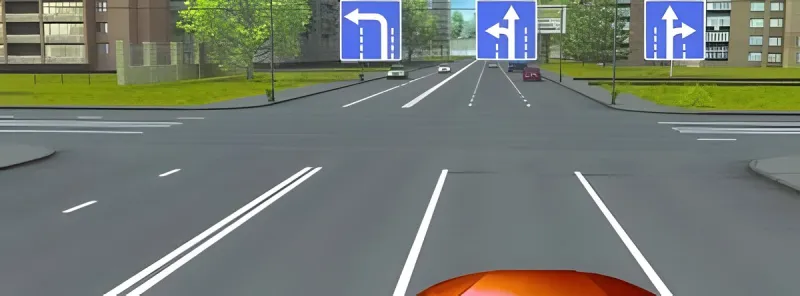
6. In which direction or directions may you continue from the indicated lane?
Straight ahead only.
To the left and straight ahead.
To the left, straight ahead, and by making a U-turn.
Correct answer: To the left and straight ahead.ABC · D/T
Why:5.15.2 «Երթևեկության ուղղությունները գոտիով» նշանների համաձայն՝ նշված գոտուց թույլատրված են ձախ և ուղիղ ուղղությունները։ Հետադարձը թույլատրվում է միայն ձախ եզրային գոտուց, որը սա չէ։
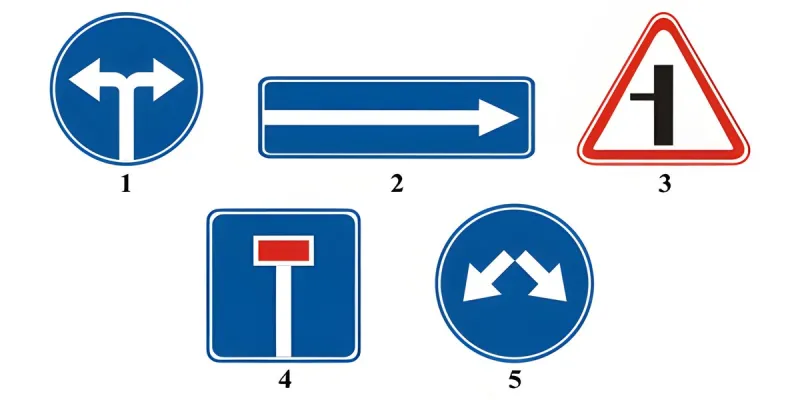
7. Which sign indicates that an obstruction may be passed on either the right or the left?
1
2
3
4
5
Correct answer: Option 5ABC · D/T
Why: Արգելքի շրջանցումն աջից կամ ձախից ցույց է տալիս 5-րդ նշանը՝ 4.2.3-ը։ 1-ը 4.1.6 «Երթևեկությունը դեպի աջ կամ դեպի ձախ», 2-ը 5.7.1 «Ելք դեպի միակողմ երթևեկությամբ ճանապարհ», 3-ը 2.3.3 «Երկրորդական ճանապարհի հարում», 4-ը 6.8.1 «Փակուղի» նշաններն են։
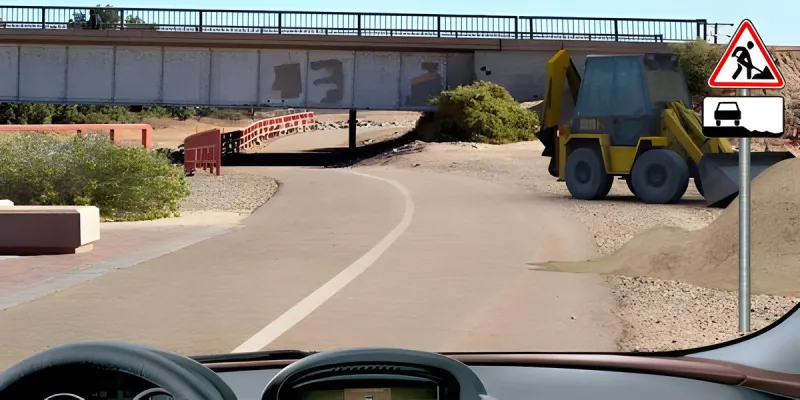
Entering the shoulder is dangerous because of roadwork.
Roadwork is being carried out on the road.
Correct answer: Entering the shoulder is dangerous because of roadwork.ABC · D/T
Why:1.25 «Ճանապարհային աշխատանքներ» նշանը 8.12 «Վտանգավոր կողնակ» ցուցանակով նախազգուշացնում է, որ նորոգման աշխատանքների պատճառով կողնակ մուտք գործելը վտանգավոր է։
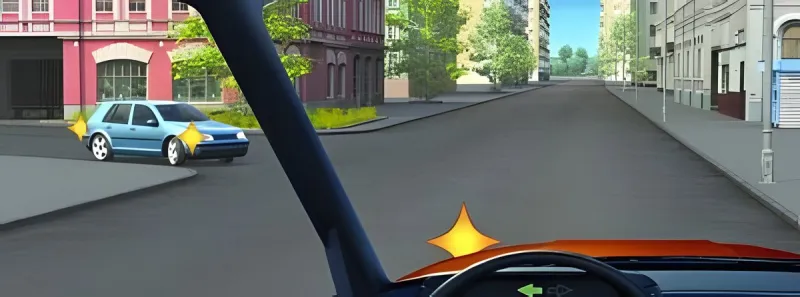
Correct answer: I must yield to the other driver.ABC · D/T
Why: Նշաններ և լուսացույց չկան՝ հավասարազոր ճանապարհների խաչմերուկ։ Կապույտ ավտոմոբիլը ձախ փողոցից աջ է թեքվում և մտնում է այն նույն գոտին, որտեղ ավարտվում է մեր հետադարձը, ուստի մեր հետագծերը հատվում են։ Հետադարձի ընթացքում մենք շրջվում ենք հակառակ ուղղությամբ, և հատման կետում կապույտը մոտենում է մեր աջ կողմից։ Կետ 45-ով, երբ հետագծերը հատվում են, զիջում է այն վարորդը, որին տրանսպորտային միջոցը մոտենում է աջից, ուստի նախ բաց ենք թողնում կապույտին, ապա ավարտում հետադարձը։
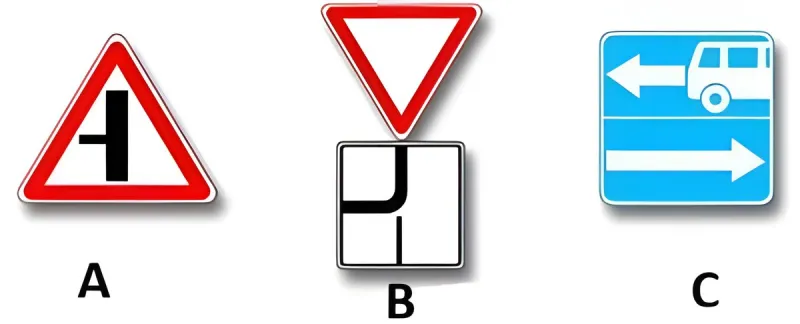
10. Under which sign must you give way at an intersection to drivers approaching from the left?
Only A.
Only B.
A and B.
All.
Correct answer: Only B.ABC · D/T
Why: A-ն 2.3.3 «Երկրորդական ճանապարհի հարում» նշանն է. մենք գլխավոր ճանապարհով ենք, ձախից մոտեցողը զիջում է մեզ։ B-ն 2.4 «Զիջեք ճանապարհը» նշանն է 8.13 ցուցանակով, որով գլխավոր ճանապարհը գալիս է ձախից. մենք երկրորդական ճանապարհով ենք և կետ 96-ով զիջում ենք ձախից մոտեցողներին։ C-ն 5.13.1 «Ելք դեպի ընդհանուր օգտագործման տրանսպորտային միջոցների համար գոտիով ճանապարհ» է, առավելություն չի սահմանում։ Միայն B։
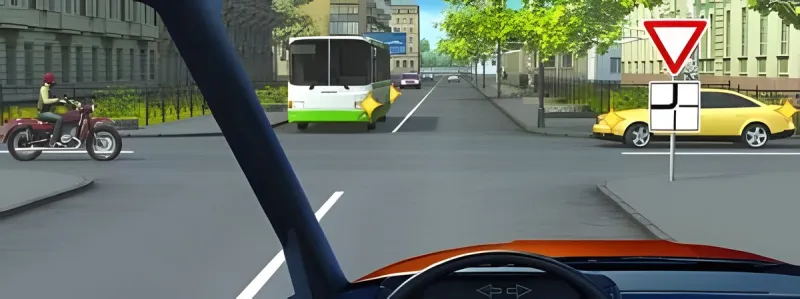
11. When proceeding through the intersection, we must yield to:
The driver of the motorcycle.
The driver of the motorcycle and the bus driver.
The bus driver and the passenger-car driver.
All drivers.
Correct answer: All drivers.ABC · D/T
Why: Մեր դիմաց 2.4 «Զիջեք ճանապարհը» նշանն է 8.13 «Գլխավոր ճանապարհի ուղղությունը» ցուցանակով. գլխավոր ճանապարհն անցնում է դիմացի թևով (ավտոբուս) և թեքվում ձախ (մոտոցիկլ)։ Կետ 96-ով զիջում ենք երկուսին, իսկ աջի թեթև մարդատարը մյուս երկրորդական թևից է և մոտենում է մեր աջից, ուստի կետ 97, 98-ով զիջում ենք նաև նրան. բոլոր վարորդներին։
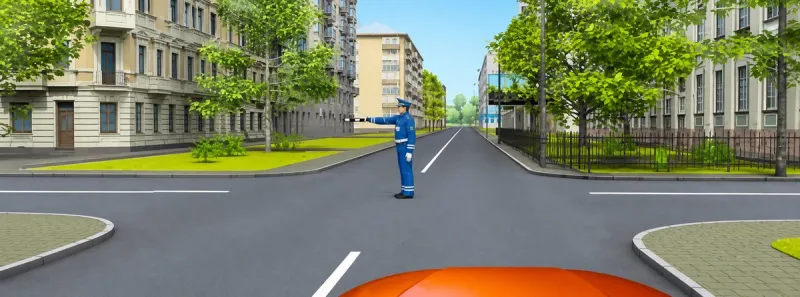
Why: Կարգավորողի աջ ձեռքը պարզված է առաջ, մենք մոտենում ենք նրա ձախ կողմից, լուսացույց և նշաններ չկան։ Ձախ կողմից ոչ ռելսագնաց միջոցներին թույլատրվում է բոլոր ուղղություններով (կետ 16, 3-րդ ենթակետ «ա»)։
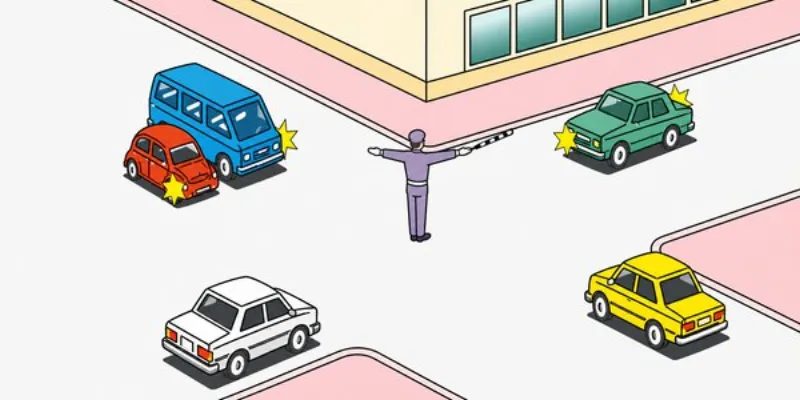
13. This signal given by the traffic controller means that traffic is permitted for:
The blue and green automobiles; traffic is prohibited for the red, yellow, and white automobiles.
The blue, red, and green automobiles; traffic is prohibited for the yellow and white automobiles.
Correct answer: The blue, red, and green automobiles; traffic is prohibited for the yellow and white automobiles.ABC · D/T
Why: Կարգավորողի ձեռքերը պարզված են կողմ, լուսացույց և նշաններ չկան։ Կետ 16-ի 2-րդ ենթակետի «ա»-ով ձախ և աջ կողմերից եկող կապույտին, կարմիրին և կանաչին թույլատրվում է ուղիղ և աջ, իսկ կրծքի և թիկունքի կողմի սպիտակին ու դեղինին երթևեկությունն արգելված է («բ»)։
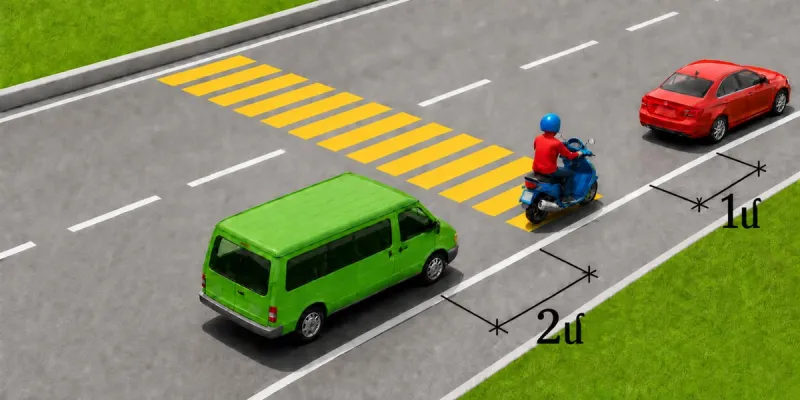
14. Which vehicle drivers have stopped incorrectly to drop off passengers?
The passenger-car driver.
The motorcycle operator.
The bus driver.
The motorcycle operator and the bus driver.
All drivers.
Correct answer: The motorcycle operator and the bus driver.ABC · D/T
Why: Կետ 84-ի համաձայն՝ կանգառն արգելվում է հետիոտնային անցումից առաջ 5 մ-ից մոտ։ Մոտոցիկլը կանգնել է անցումից 1 մ առաջ, իսկ ավտոբուսը իր ուղղությամբ անցումից 2 մ առաջ, ուստի սխալ են նրանք. կարմիր ավտոմոբիլն անցումից հետո է կանգնել, ինչը թույլատրվում է։
15. Which driver has violated the parking rules?
Both drivers.
Only the passenger-car driver.
Only the driver of the motorcycle.
No one.
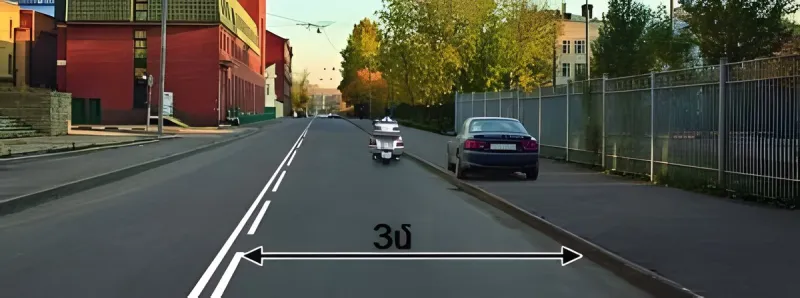
Correct answer: Only the passenger-car driver.ABC
Why: Կրկնակի հոծ 1.3 գծից մինչև երթևեկելի մասի եզրն ընդամենը 3 մ է, ուստի կայանված թեթև մարդատարի և հոծ գծի միջև 3 մ-ից պակաս է մնում, ինչը կետ 84-ով արգելված է։ Մոտոցիկլը բավարար տարածություն է թողնում։
16. If cargo protrudes 0.6 m beyond the rear end of the vehicle, must it be marked during daylight hours with the “Oversized Cargo” identification sign and, at night or under conditions of insufficient visibility, additionally with a white light or reflector at the front and a red light or reflector at the rear?
Yes.
No.
Correct answer: No.ABC
Why: Կետ 162-ով նշում պահանջվում է միայն, երբ բեռը հետևից 1 մ-ից ավելի է դուրս ցցված։ 0,6 մ-ը շեմից ցածր է, ուստի նշում չի պահանջվում՝ ոչ։
17. Under icy road conditions, towing is prohibited:
With a flexible coupling.
With a rigid coupling.
By the partial-loading method.
Correct answer: With a flexible coupling.ABC · D/T
Why: Կետ 143.3-ով մերկասառույցի պայմաններում արգելվում է ճկուն կցիչով քարշակումը. կոշտ կցիչն ու մասնակի բեռնումը թույլատրված են։
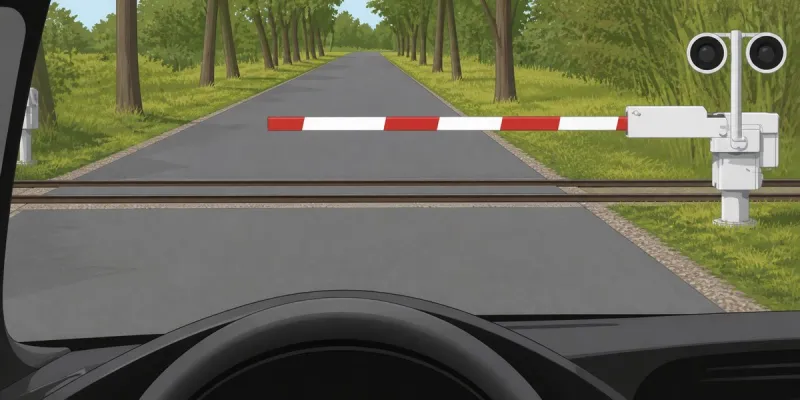
18. What should the driver do in this situation?
If no train is approaching, go around the barrier gate and continue.
Stop and wait for the barrier gate to open.
Correct answer: Stop and wait for the barrier gate to open.ABC · D/T
Why: Ուղեփակոցը փակ է։ Կետ 113-ի համաձայն՝ փակ ուղեփակոցի դեպքում գծանց մուտք գործելն արգելվում է, իսկ կետ 114-ն արգելում է ինքնակամ բացել ուղեփակոցը, ուստի պետք է կանգ առնել և սպասել դրա բացմանը։
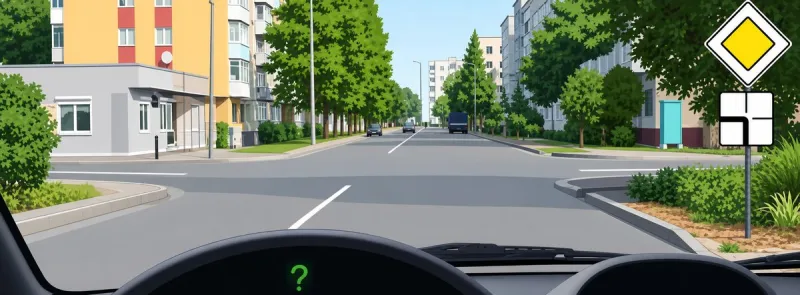
19. In this situation, when making a left turn, giving a turn signal is:
Required.
Not required.
Correct answer: Required.ABC · D/T
Why: Թեև գլխավոր ճանապարհն ինքը (նշան 2.1՝ 8.13 ցուցանակով) թեքվում է դեպի ձախ, ձախ շրջադարձը երթևեկության ուղղության փոփոխություն է, և կետ 36-ի համաձայն ազդանշան տալը պարտադիր է։
20. If a low-front vehicle strikes a child 3–5 years old, injuries are most likely to occur in the:
Lower limbs and head.
Pelvis and chest.
Correct answer: Pelvis and chest.ABC · D/T
Why: Առաջին օգնություն. 3-5 տարեկան երեխայի համար ցածր թափքով մեքենայի բամպերը կոնքի և կրծքավանդակի բարձրության վրա է, ուստի առավել հավանական են կոնքի և կրծքավանդակի վնասվածքները։
In Varordakan Tester the same tests are taken without hints, wrong answers are collected automatically, and there is an exam simulation (20 questions, 30 minutes, pass at 18), a 3D intersection simulator, video lessons and an AI assistant that cites the Traffic Rules point. Free.
Sources: questions from the official bank of the Road Police of Armenia (roadpolice.am, edition of 2 October 2026); rule points from the Traffic Rules of the Republic of Armenia (arlis.am). Varordakan Tester is an independent educational app, not affiliated with the Police of Armenia.