Test 25 — Categories ABC (cars, motorcycles, trucks)
Updated 2026-10-13 · official question bank of 2 October 2026
Test 25, Categories ABC (cars, motorcycles, trucks): 20 questions from the official bank of 2 October 2026 across all 10 topics. Under every question: the correct answer, the explanation (in Armenian) and the signs it mentions. In the app the same test is taken without hints, and the exam simulation runs on a 30-minute timer.
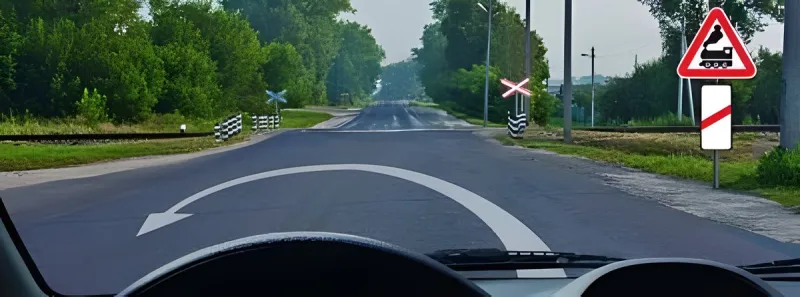
1. A U-turn at the indicated location is:
Permitted if no train is approaching.
Permitted.
Prohibited.
Correct answer: Permitted.ABC · D/T
Why: Կետ 50-ի համաձայն՝ հետադարձն արգելվում է երկաթուղային գծանցներում։ Նշված հետադարձը կատարվում է գծանցից առաջ (նշաններ 1.2 «Երկաթուղային գծանց առանց ուղեփակոցի», 1.4.3 «Մոտեցում երկաթուղային գծանցին», 1.3.1), ոչ թե գծանցի վրա, ուստի թույլատրվում է։
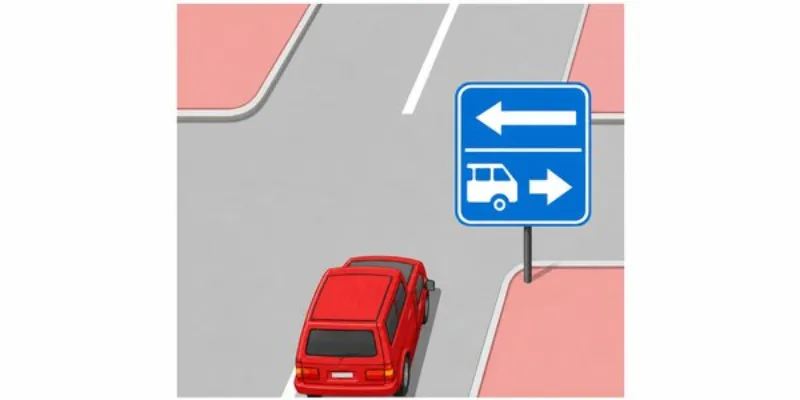
Straight ahead, to the left, and by making a U-turn.
Straight ahead only.
Correct answer: Straight ahead, to the left, and by making a U-turn.ABC · D/T
Why:5.13.2 «Ելք դեպի ընդհանուր օգտագործման տրանսպորտային միջոցների համար գոտիով ճանապարհ» նշանը ցույց է տալիս, որ հատվող ճանապարհով ընդհանուր երթևեկությունը դեպի ձախ է, իսկ դեպի աջ ուղղությամբ կա միայն ընդհանուր օգտագործման տրանսպորտային միջոցների գոտի։ Կետ 124-ով այլ տրանսպորտային միջոցների երթևեկությունն այդ գոտում արգելվում է, ուստի թույլատրվում է ուղիղ, դեպի ձախ և հետադարձ։
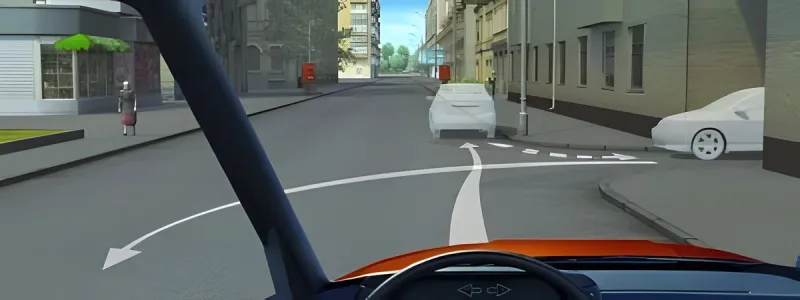
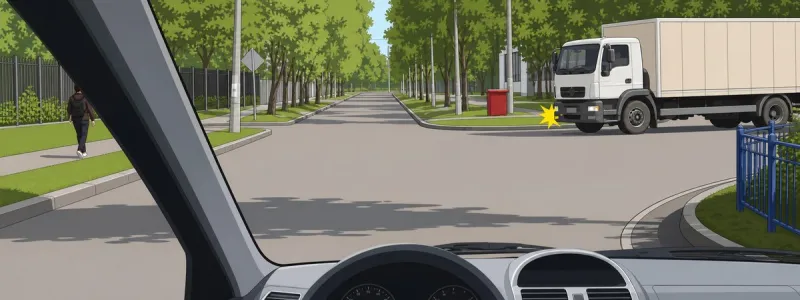
3. In this situation, making a U-turn by backing and using the yard entrance is:
Permitted if it does not interfere with other road users.
Prohibited.
Correct answer: Permitted if it does not interfere with other road users.ABC
Why: Նշաններ չկան, և վայրը կետ 49-ով հետընթացն արգելող տեղերի թվում չէ (խաչմերուկ, մերձակա տարածքից ելք, կետ 50-ի տեղեր)։ Կետ 48-ով հետընթացը թույլատրվում է, եթե անվտանգ է և խոչընդոտ չի ստեղծում, ուստի բակի մուտքն օգտագործելով հետադարձը թույլատրվում է այդ պայմանով։
4. According to the Law of the Republic of Armenia on Ensuring Road Traffic Safety, responsibility for maintaining a vehicle participating in road traffic in technically sound condition is borne by:
The owner or user of the vehicle.
The organization that sold the vehicle.
The organization that performed the vehicle’s most recent annual technical inspection.
All of the listed persons and organizations.
Correct answer: The owner or user of the vehicle.ABC · D/T
Why: ՀՀ օրենքի համաձայն՝ ճանապարհային երթևեկությանը մասնակցող տրանսպորտային միջոցը տեխնիկապես սարքին վիճակում պահելու պարտականությունը կրում է տրանսպորտային միջոցի սեփականատերը կամ օգտագործողը։
5. A vehicle may not be operated if:
Tires of different constructions are installed on the same axle.
The engine fuel system is not leak-tight.
In both cases.
Correct answer: In both cases.ABC · D/T
Why: Նույն սռնու վրա տարբեր կառուցվածքների դողերը 4.5 ենթակետով անսարքություն են, սնման համակարգի հերմետիկության խախտումը՝ 5.2 ենթակետով։ Երկու դեպքում էլ շահագործումն արգելվում է։
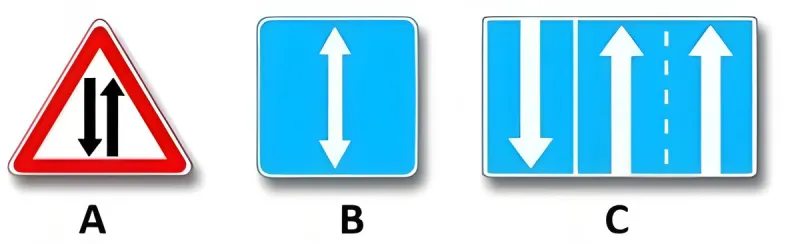
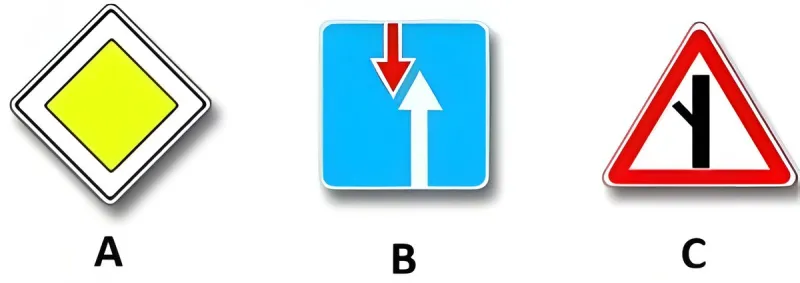
6. Which sign warns that you are approaching the beginning of a road with two-way traffic?
Only A.
Only A and B.
All of them.
Correct answer: Only A.ABC · D/T
Why: Հանդիպակաց երթևեկությամբ ճանապարհի սկզբի մասին նախազգուշացնում է միայն A նշանը՝ 1.21 «Երկկողմ երթևեկություն»։ B-ն 5.8 «Դարձափոխային երթևեկություն» է, C-ն՝ 5.15.7 «Երթևեկության ուղղությունը գոտիներով»։
7. At an uncontrolled intersection, which signs give the driver the right-of-way over vehicles proceeding on the intersecting road?
Only A.
A and C.
All of them.
Correct answer: A and C.ABC · D/T
Why: Չկարգավորվող խաչմերուկում հատվող ճանապարհով երթևեկողների նկատմամբ առավելություն են տալիս A (2.1 «Գլխավոր ճանապարհ») և C (2.3.5 «Երկրորդական ճանապարհի հարում») նշանները (կետ 96)։ B-ն 2.7-ն է, որը վերաբերում է նեղ հատվածում հանդիպակաց երթևեկությանը։
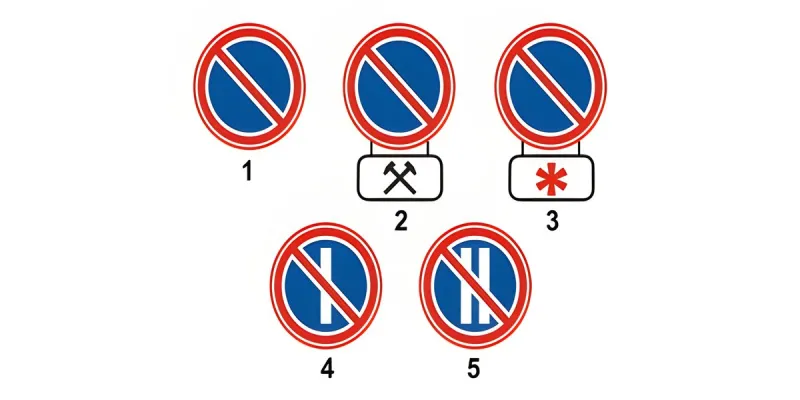
8. Which sign prohibits parking on even-numbered days of the month?
1
2
3
4
5
Correct answer: Option 5ABC · D/T
Why: Ամսվա զույգ օրերին կայանումն արգելում է 5-րդ նշանը՝ 3.30 «Կայանելն արգելվում է ամսվա զույգ օրերին»։ 4-րդը 3.29-ն է (կենտ օրեր), իսկ 1–3-ը 3.28 «Կայանելն արգելվում է» նշանն է՝ առանց ցուցանակի, 8.5.2 «Աշխատանքային օրեր» և 8.5.1 «Շաբաթ, կիրակի և տոն օրեր» ցուցանակներով։
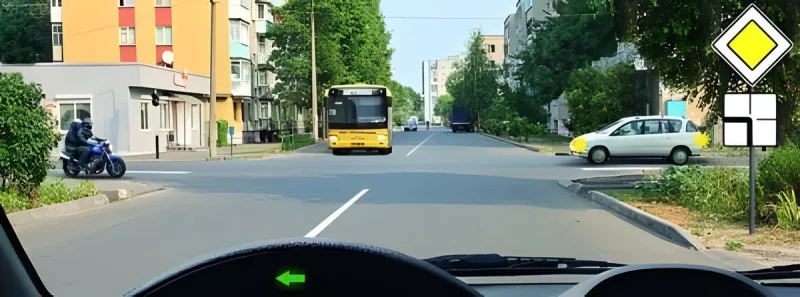
Why: Մեր դիմաց 2.1 «Գլխավոր ճանապարհ» նշանն է 8.13 «Գլխավոր ճանապարհի ուղղությունը» ցուցանակով. գլխավոր ճանապարհն անցնում է մեր թևով և թեքվում ձախ՝ մոտոցիկլի թևը։ Ձախ շրջվելիս մոտոցիկլը, թեև գլխավոր ճանապարհով է, մոտենում է ձախից և կետ 97, 98-ով զիջում է մեզ, իսկ դիմացի ավտոբուսն ու աջի թեթև մարդատարը երկրորդական ճանապարհից են (կետ 96). ոչ ոքի չենք զիջում։
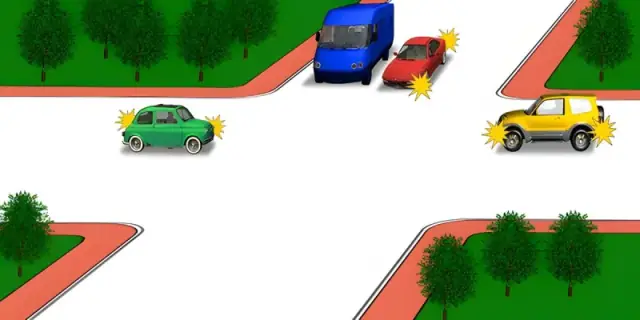
10. Which vehicle will proceed through the intersection first?
The red automobile.
The blue automobile.
The yellow automobile.
The green automobile.
Correct answer: The green automobile.ABC · D/T
Why: Նշաններ չկան՝ հավասարազոր ճանապարհների խաչմերուկ, կետ 98-ով զիջում են աջից մոտեցողին։ Կանաչի աջից ոչ ոք չկա, կապույտ ֆուրգոնը զիջում է կանաչին, դեղինը՝ ֆուրգոնին. կանաչն անցնում է առաջինը։
11. When proceeding straight ahead:
We may proceed through the intersection first.
We must yield.
Correct answer: We must yield.ABC · D/T
Why: Առավելության նշաններ և լուսացույց չկան՝ հավասարազոր ճանապարհների չկարգավորվող խաչմերուկ (կետ 95)։ Բեռնատարը մոտենում է մեր աջից, ուստի ուղիղ երթևեկելիս պետք է զիջենք ճանապարհը (կետ 98)։
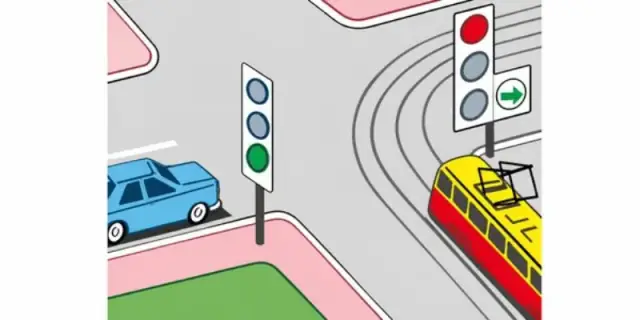
12. Which vehicle driver must yield?
The automobile driver.
The tram operator.
Correct answer: The tram operator.ABC · D/T
Why: Երկու լուսացույց, նշաններ չկան։ Տրամվայի լուսացույցը կարմիր է՝ աջ ուղղված կանաչ լրացուցիչ սեկցիայով, թեթև մարդատարինը՝ կանաչ։ Կետ 91-ով կարմիրի հետ միացված լրացուցիչ սեկցիայի սլաքի ուղղությամբ երթևեկողը զիջում է այլ ուղղություններից ընթացողներին, և կետ 92-ով դա վերաբերում է նաև տրամվային. զիջում է տրամվայի վարորդը։
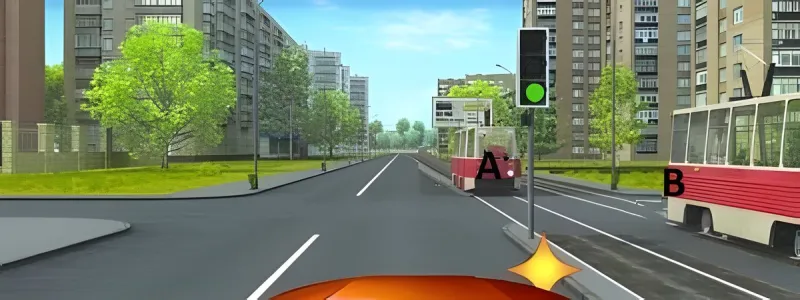
13. In this situation, to which tram operator must you yield?
Neither of them.
Both tram operators.
Only A.
Correct answer: Both tram operators.ABC · D/T
Why: Բոլորի համար կանաչ է, նշաններ չկան։ Կետ 92-ով, երբ ազդանշանները թույլատրում են տրամվայի և ոչ ռելսագնաց միջոցի միաժամանակյա երթևեկություն, առավելությունը տրամվայինն է՝ անկախ ուղղությունից, ուստի զիջում ենք և՛ A, և՛ B տրամվայներին։
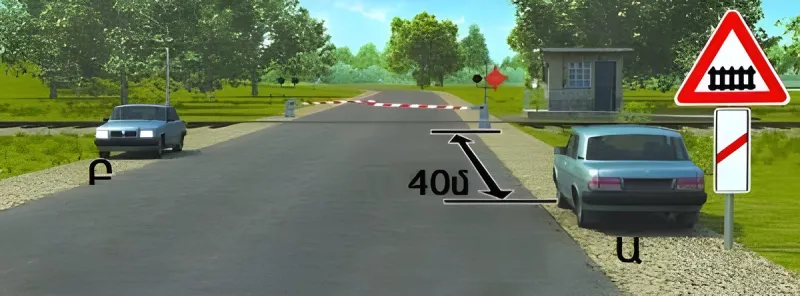
14. In which case has the driver violated the stopping rules?
Only A.
Only B.
Neither driver.
Both drivers have violated the rules.
Correct answer: Neither driver.ABC
Why: Երկու ավտոմոբիլն էլ կանգ են առել գծանցից (նշաններ 1.1, 1.4.3) 40 մ առաջ։ Կետ 84-ը կանգառն արգելում է միայն գծանցի վրա, իսկ կետ 86-ի 50 մ սահմանափակումը վերաբերում է կայանմանը, ոչ թե կանգառին։ Ոչ ոք չի խախտել։
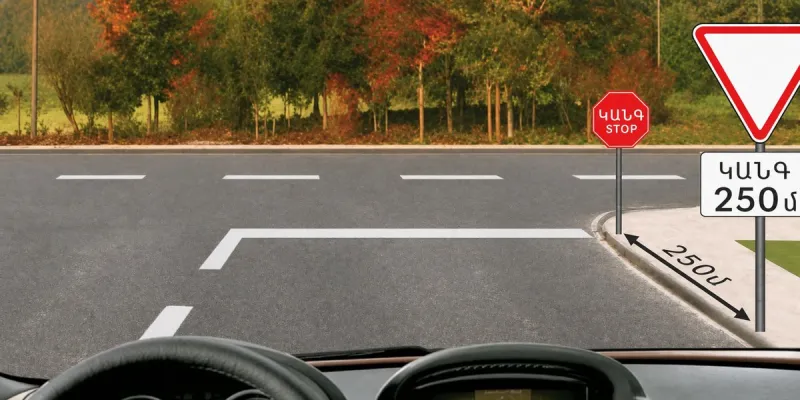
Correct answer: Before the “Stop Line” pavement marking.ABC · D/T
Why: Առաջին նշանը՝ 2.4 «Զիջեք ճանապարհը»-ն 8.1.2 ցուցանակով, միայն նախազգուշացնում է 250 մ հետո տեղադրված 2.5 «Երթևեկությունն առանց կանգառի արգելվում է» նշանի մասին։ 2.5 նշանի մոտ պարտադիր կանգառը կատարվում է «Կանգ-գիծ» 1.12 գծանշման առջև։
16. If the condition or placement of the cargo does not allow it to be transported in compliance with the rules, the driver must:
Deliver the cargo safely to the nearest unloading location.
Correct the violations or stop proceeding.
Correct answer: Correct the violations or stop proceeding.ABC
Why: Կետ 165-ով, եթե բեռի վիճակն ու դասավորությունը թույլ չեն տալիս փոխադրել կանոններին համապատասխան, վարորդը պետք է վերացնի խախտումները կամ դադարեցնի հետագա երթևեկությունը։
17. If cargo protrudes 0.3 m beyond the side of the vehicle, measured from the outer edge of the marker light, must it be marked during daylight hours with the “Oversized Cargo” identification sign and, at night or under conditions of insufficient visibility, additionally with a white light or reflector at the front and a red light or reflector at the rear?
Yes.
No.
Correct answer: No.ABC
Why: Կետ 162-ով կողքից դուրս ցցված բեռը նշվում է միայն 0,4 մ-ից ավելի դեպքում։ 0,3 մ-ը շեմից ցածր է, ուստի նշում չի պահանջվում՝ ոչ։
18. Passing vehicles means:
Proceeding ahead of one or more moving vehicles by leaving the occupied lane and entering the oncoming traffic lane.
Proceeding ahead of one or more moving vehicles by leaving the occupied lane.
Correct answer: Proceeding ahead of one or more moving vehicles by leaving the occupied lane.ABC · D/T
Why: Կետ 3.11-ի սահմանմամբ վազանցը շարժման մեջ գտնվող մեկ կամ մի քանի տրանսպորտային միջոցից առաջ անցնելն է՝ կապված զբաղեցրած գոտուց դուրս գալու հետ։ Հանդիպակաց գոտի դուրս գալը սահմանման մաս չէ։
19. The following combination of horn signals constitutes the general alarm signal given at a railroad crossing:
Two long and two short.
One long and three short.
Three long and three short.
Three long and one short.
Correct answer: One long and three short.ABC · D/T
Why: Կետ 112.4-ով երկաթուղային գծանցի վրա ընդհանուր տագնապի ազդանշանն է մեկ երկար և երեք կարճ ձայնային ազդանշանների համակցությունը։
20. After a crash, an injured person should be removed from the vehicle if:
The injured person has serious injuries.
The scene is dangerous, for example, there is a risk of explosion.
An electrical wire has fallen onto the vehicle.
Correct answer: The scene is dangerous, for example, there is a risk of explosion.ABC · D/T
Why: Առաջին օգնություն. տուժածին մեքենայից տեղափոխում են միայն, երբ դեպքի վայրը վտանգավոր է, օրինակ՝ պայթյունի վտանգ կա։ Լուրջ վնասվածքի դեպքում տեղափոխելը վնասակար է, իսկ հաղորդալարի դեպքում մնում են մեքենայում։
In Varordakan Tester the same tests are taken without hints, wrong answers are collected automatically, and there is an exam simulation (20 questions, 30 minutes, pass at 18), a 3D intersection simulator, video lessons and an AI assistant that cites the Traffic Rules point. Free.
Sources: questions from the official bank of the Road Police of Armenia (roadpolice.am, edition of 2 October 2026); rule points from the Traffic Rules of the Republic of Armenia (arlis.am). Varordakan Tester is an independent educational app, not affiliated with the Police of Armenia.