Test 26 — Categories ABC (cars, motorcycles, trucks)
Updated 2026-10-13 · official question bank of 2 October 2026
Test 26, Categories ABC (cars, motorcycles, trucks): 20 questions from the official bank of 2 October 2026 across all 10 topics. Under every question: the correct answer, the explanation (in Armenian) and the signs it mentions. In the app the same test is taken without hints, and the exam simulation runs on a 30-minute timer.
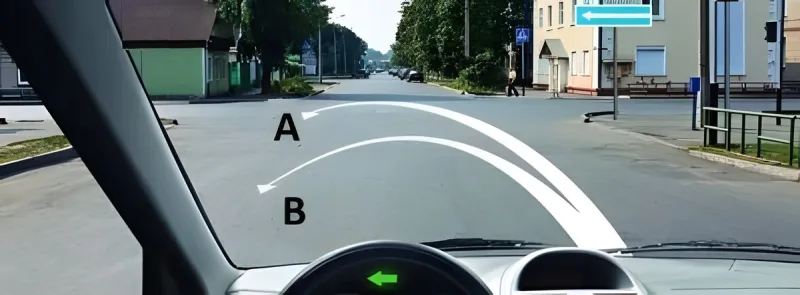
1. Along which path is the U-turn permitted?
Any of the paths.
Only B.
Only A.
Correct answer: Any of the paths.ABC · D/T
Why: Հատվող ճանապարհը միակողմ երթևեկությամբ է (նշան 5.7.2) և հանդիպակաց կողմ չունի, իսկ հետիոտնային անցում այստեղ չկա։ Կետ 41-ի պահանջը երկու հետագծով էլ պահպանվում է, ուստի հետադարձը թույլատրված է ցանկացած հետագծով։
2. When entering an adjacent area, the driver must yield to:
Pedestrians only.
Bicyclists only.
Bicyclists and must not interfere with pedestrians.
Correct answer: Bicyclists and must not interfere with pedestrians.ABC · D/T
Why: Կետ 38-ով ճանապարհից մերձակա տարածք մուտք գործելիս վարորդը զիջում է հեծանվորդներին, և երկու դեպքում էլ չպետք է խոչընդոտ ստեղծի հետիոտների համար։
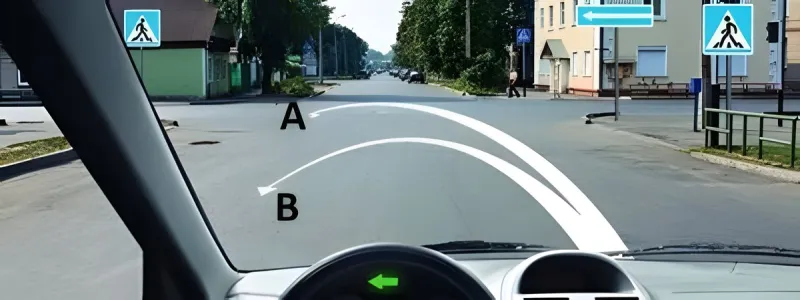
3. Along which path is the U-turn permitted?
Only A.
Only B.
Any of the paths.
Correct answer: Only A.ABC · D/T
Why: Հատվող ճանապարհը միակողմ երթևեկությամբ է (նշան 5.7.2), և անկյունում հետիոտնային անցում է (նշաններ 5.19.1, 5.19.2)։ Կետ 50-ի համաձայն՝ հետիոտնային անցումների վրա հետադարձն արգելվում է, իսկ B հետագիծն անցնում է անցումի վրայով, ուստի թույլատրված է միայն A հետագիծը։
4. Which of the following stationary objects is not considered an obstruction?
Damage to the roadway surface.
A foreign object.
A disabled or stationary automobile.
An automobile stopped because of traffic congestion.
Correct answer: An automobile stopped because of traffic congestion.ABC · D/T
Why: Կետ 3-ի սահմանման համաձայն՝ արգելք է երթևեկելի մասի գոտու վրա գտնվող անշարժ օբյեկտը՝ վնասված կամ անսարք տրանսպորտային միջոց, կողմնակի առարկա, ծածկույթի վնասվածք։ Խցանման պատճառով կանգ առած ավտոմեքենան արգելք չի համարվում։
5. A vehicle may not be operated if:
There is movement in steering parts or assemblies that is not provided for by the design.
White-light turn signals are installed at the front.
In both cases.
Correct answer: There is movement in steering parts or assemblies that is not provided for by the design.ABC · D/T
Why: Ղեկային կառավարման դետալների չնախատեսված տեղաշարժերը 2.2 ենթակետով անսարքություն են։ Առջևում սպիտակ շրջադարձի ցուցիչները թույլատրված են (3.6), ուստի միայն առաջին տարբերակը։
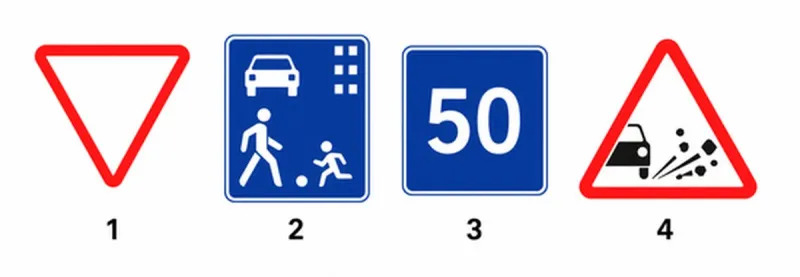
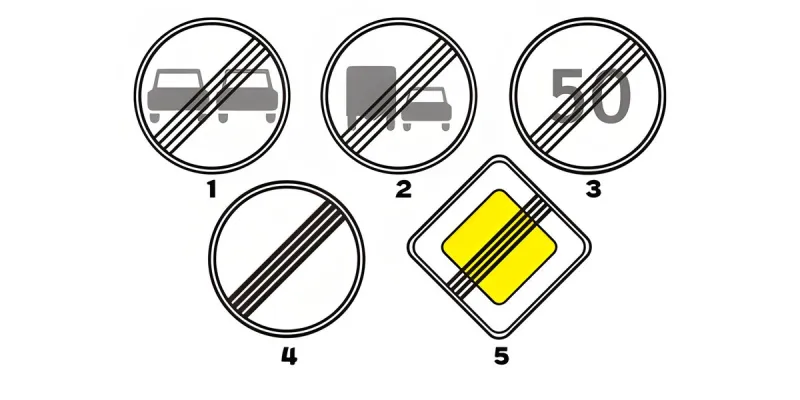
6. Which sign limits speed?
1 and 3.
1 and 4.
Only 2.
2 and 3.
Correct answer: Only 2.ABC · D/T
Why: Արագության սահմանափակում մտցնում է միայն 2-րդ նշանը՝ 5.21 «Բնակելի գոտի», որտեղ կետ 68-ի համաձայն թույլատրվում է ոչ ավելի, քան 20 կմ/ժ։ 1-ը 2.4 «Զիջեք ճանապարհը»-ն է, 3-ը՝ 6.2 «Առաջարկվող արագություն»-ը, 4-ը՝ 1.18 «Խճի արտանետում»-ը։
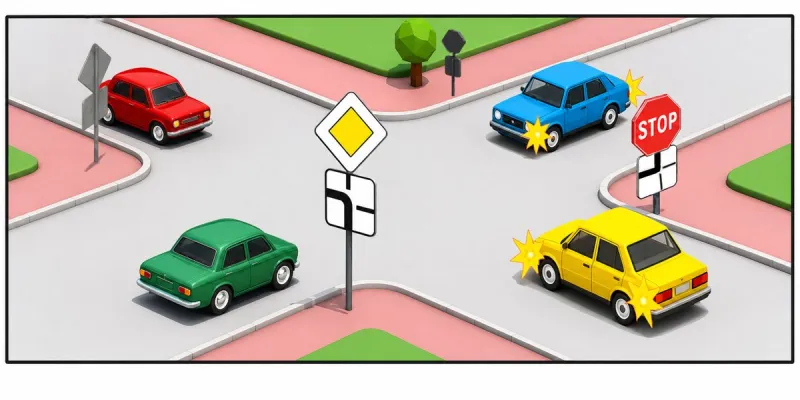
9. The yellow automobile will proceed through the intersection:
First.
Second.
Third.
Last.
Correct answer: Last.ABC · D/T
Why: Կանաչի դիմաց 2.1 «Գլխավոր ճանապարհ» նշանն է 8.13 «Գլխավոր ճանապարհի ուղղությունը» ցուցանակով, դեղինի դիմաց՝ 2.5 «Երթևեկությունն առանց կանգառի արգելվում է» նույն ցուցանակով, կարմիրի և կապույտի մոտ նշանների թիկունքն է։ Գլխավոր ճանապարհը դեղինի թևով չի անցնում. դեղինը կետ 96-ով զիջում է գլխավոր ճանապարհով ընթացողներին, իսկ երկրորդական ճանապարհի մյուս մեքենային՝ աջի խոչընդոտի կանոնով (կետ 97, 98). այն անցնում է վերջինը։
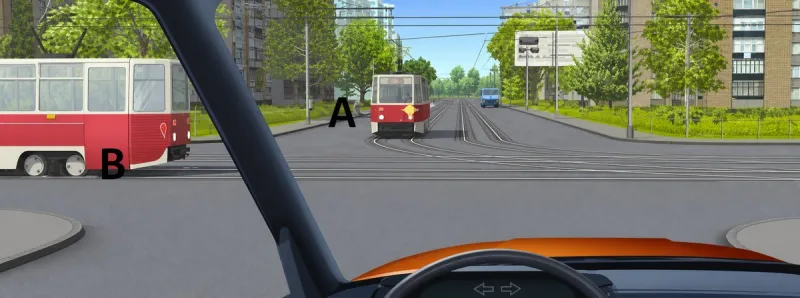
10. When proceeding straight through the intersection, you must yield to:
Only the operator of tram A.
Only the operator of tram B.
Both drivers.
No one.
Correct answer: Both drivers.ABC · D/T
Why: Նշաններ չկան՝ հավասարազոր ճանապարհների չկարգավորվող խաչմերուկ։ Կետ 100-ով տրամվայներն առավելություն ունեն ոչ ռելսագնաց միջոցների նկատմամբ՝ անկախ ուղղությունից, ուստի ուղիղ անցնելիս զիջում ենք և՛ A, և՛ B տրամվայներին։
11. When a driver cannot determine whether the road has a paved surface (at night, because of mud, snow, etc.) and there are no priority signs:
The driver must consider that he/she is on a secondary road.
The driver must follow the rules for proceeding through an intersection of roads of equal priority.
Correct answer: The driver must consider that he/she is on a secondary road.ABC · D/T
Why: Կետ 101-ով, երբ վարորդը չի կարող որոշել ծածկույթի առկայությունը (մութ, ցեխ, ձյուն) և առավելության նշաններ չկան, նա պետք է համարի, որ գտնվում է երկրորդական ճանապարհի վրա։
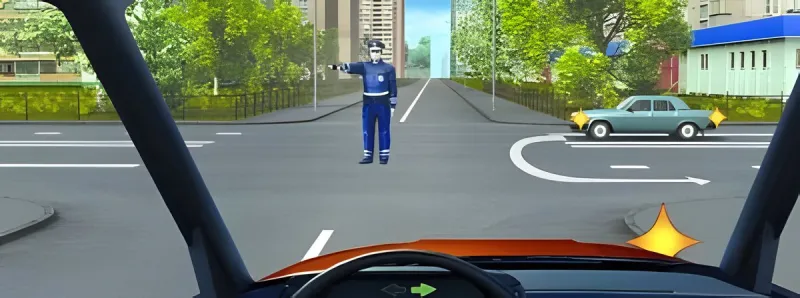
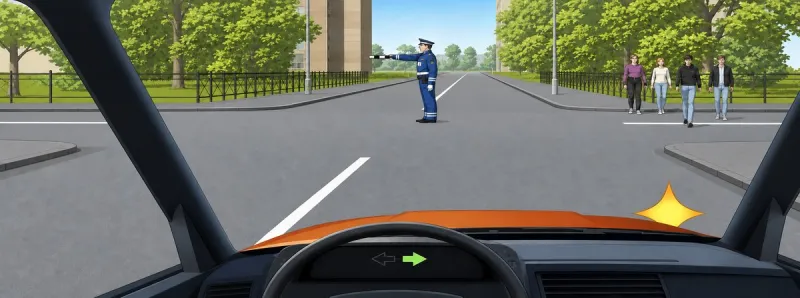
12. When making a right turn:
You must yield to the passenger-car driver.
You will proceed through the intersection first.
Correct answer: You will proceed through the intersection first.ABC · D/T
Why: Կարգավորողը կրծքով դեպի մեզ է, աջ ձեռքն առաջ. կրծքի կողմից թույլատրվում է միայն աջ շրջադարձ (կետ 16.3), որը և կատարում ենք։ Հատող ճանապարհի մեքենան կարգավորողի ձախ կողմից է և կարող է գնալ բոլոր ուղղություններով, սակայն մեր աջ շրջադարձը մոտակա գոտի նրա ուղին չի հատում. զիջելու պարտավորություն չկա, անցնում ենք առաջինը։
13. In this situation, is a right turn permitted?
No.
Yes, provided you do not interfere with the pedestrian.
Correct answer: Yes, provided you do not interfere with the pedestrian.ABC · D/T
Why: Կարգավորողը կրծքով դեպի մեզ է, աջ ձեռքը պարզված է առաջ, լուսացույց և նշաններ չկան, առջևում 1.12 «Կանգ-գիծ»։ Կրծքի կողմից աջ շրջադարձը թույլատրված է (կետ 16, 3-րդ ենթակետ «բ»), հետիոտներին թույլատրվում է անցնել կարգավորողի թիկունքի կողմով («դ»), ուստի շրջադարձը կատարում ենք՝ չխոչընդոտելով հետիոտներին (կետ 87)։ Այո։
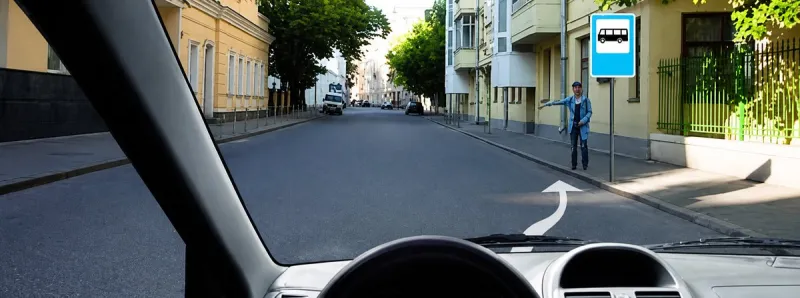
14. In the indicated situation, is stopping permitted for the purpose of picking up a passenger?
Yes.
Permitted only for the driver of a public transit vehicle.
No.
Correct answer: Permitted only for the driver of a public transit vehicle.ABC · D/T
Why:5.16 «Ավտոբուսի և (կամ) տրոլեյբուսի կանգառի տեղ» նշան։ Կետ 84.7-ով կանգառն արգելվում է կանգառի ցուցիչից 15 մ-ից մոտ (կամ 1.17 գծանշման տարածքում). այնտեղ կանգ առնել կարող են միայն կանգառը սպասարկող ընդհանուր օգտագործման տրանսպորտային միջոցները։
15. This pavement marking has the following meaning:
It indicates curbside parking spaces where the positioning of motor vehicles is specified.
It indicates locations where stopping of motor vehicles is prohibited.
It indicates public transit vehicle stops and taxi parking areas.
Correct answer: It indicates public transit vehicle stops and taxi parking areas.ABC · D/T
Why: Դեղին բեկյալ 1.17 գծանշումը ցույց է տալիս ընդհանուր օգտագործման տրանսպորտային միջոցների կանգառի կետերը և տաքսիների կայանման տեղերը։
16. A driver is prohibited from:
Exceeding the maximum speed specified by the technical characteristics of the vehicle.
Exceeding the speed specified by the “Speed Limit” identification sign displayed on the vehicle.
Driving at an unnecessarily low speed and thereby impeding the movement of other vehicles.
Braking suddenly unless necessary to prevent a traffic accident.
All of the above actions.
Correct answer: All of the above actions.ABC · D/T
Why: Կետ 72-ը արգելում է բոլոր չորսը՝ գերազանցել տեխնիկական բնութագրի արագությունը (72.1), «Արագության սահմանափակում» նշանի արագությունը (72.2), անհարկի շատ ցածր արագությամբ ընթանալ (72.4) և առանց անհրաժեշտության կտրուկ արգելակել (72.5)։
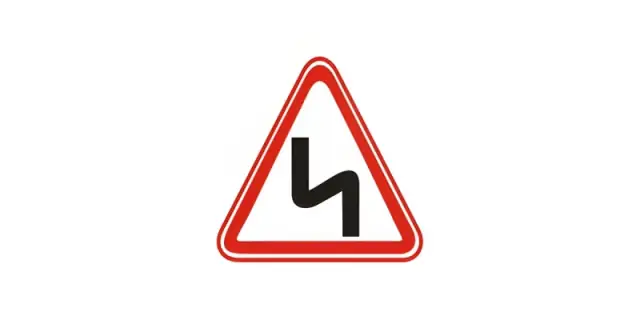
17. Outside populated areas, at what distance before the beginning of a hazardous section is this warning sign installed?
50–100 m.
150–300 m.
300–500 m.
Correct answer: 150–300 m.ABC · D/T
Why: Նախազգուշացնող նշանները, այդ թվում՝ 1.12.2 «Վտանգավոր շրջադարձեր»-ը, բնակավայրերից դուրս տեղադրվում են վտանգավոր հատվածի սկզբից 150–300 մ առաջ։
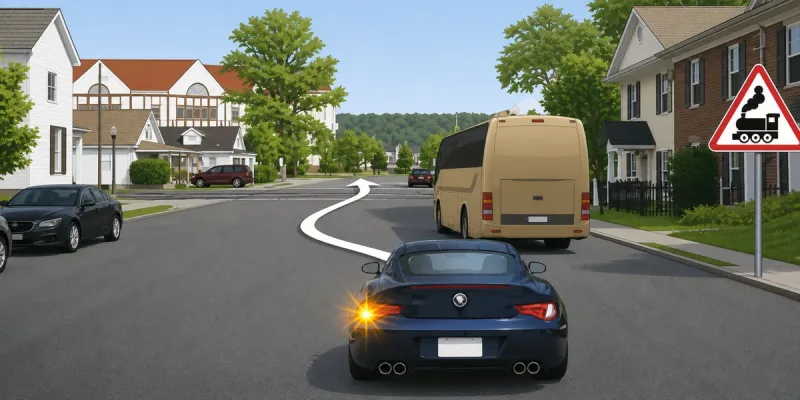
Permitted if the bus is proceeding at a speed below 30 km/h.
Correct answer: Prohibited.ABC
Why: Նշան 1.2 «Երկաթուղային գծանց առանց ուղեփակոցի»-ն նախազգուշացնում է գծանցի մասին։ Կետ 77.3-ով վազանցն արգելվում է գծանցի վրա և դրանից 100 մ առաջ՝ անկախ ավտոբուսի արագությունից։
19. On an unpaved dirt road, does the presence of a paved section immediately before an intersection make that road equal in priority to the intersecting road?
No.
Yes.
Correct answer: No.ABC · D/T
Why: «Գլխավոր ճանապարհ» սահմանման (կետ 3.1) վերջին նախադասությամբ հողային ճանապարհի վրա անմիջապես խաչմերուկից առաջ ծածկույթով հատվածի առկայությունն այն հատվող ծածկույթով ճանապարհին հավասարազոր չի դարձնում։
20. When providing first aid to a person with a head injury, you should:
Lay the person down with the legs raised.
Lay the person down with the head and torso raised, in a semi-reclined position.
Lay the person flat in a horizontal position.
Correct answer: Lay the person down with the head and torso raised, in a semi-reclined position.ABC · D/T
Why: Առաջին օգնություն, Կանոններում չկա. գլխի վնասվածքի դեպքում տուժածին տալիս են կիսապառկած դիրք՝ գլուխն ու իրանը բարձրացրած, որպեսզի նվազի ներգանգային ճնշումը և հեշտանա շնչառությունը։
In Varordakan Tester the same tests are taken without hints, wrong answers are collected automatically, and there is an exam simulation (20 questions, 30 minutes, pass at 18), a 3D intersection simulator, video lessons and an AI assistant that cites the Traffic Rules point. Free.
Sources: questions from the official bank of the Road Police of Armenia (roadpolice.am, edition of 2 October 2026); rule points from the Traffic Rules of the Republic of Armenia (arlis.am). Varordakan Tester is an independent educational app, not affiliated with the Police of Armenia.