Test 43 — Categories ABC (cars, motorcycles, trucks)
Updated 2026-10-13 · official question bank of 2 October 2026
Test 43, Categories ABC (cars, motorcycles, trucks): 20 questions from the official bank of 2 October 2026 across all 10 topics. Under every question: the correct answer, the explanation (in Armenian) and the signs it mentions. In the app the same test is taken without hints, and the exam simulation runs on a 30-minute timer.
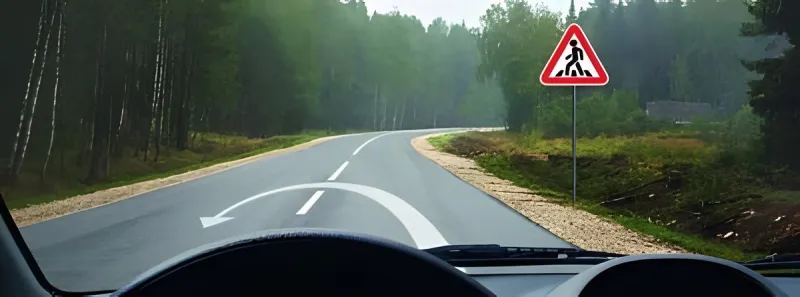
1. A U-turn at this location is:
Permitted if visibility is 100 m in both directions.
Prohibited.
Correct answer: Permitted if visibility is 100 m in both directions.ABC · D/T
Why:1.22 «Հետիոտնային անցում» նշանը միայն նախազգուշացնում է առջևում գտնվող անցումի մասին, իսկ հետադարձը կատարվում է դրանից առաջ։ Կետ 50-ի համաձայն՝ հետադարձն արգելվում է միայն 100 մ-ից պակաս տեսանելիության դեպքում, ուստի երկու կողմից 100 մ տեսանելիության պայմաններում այն թույլատրվում է։
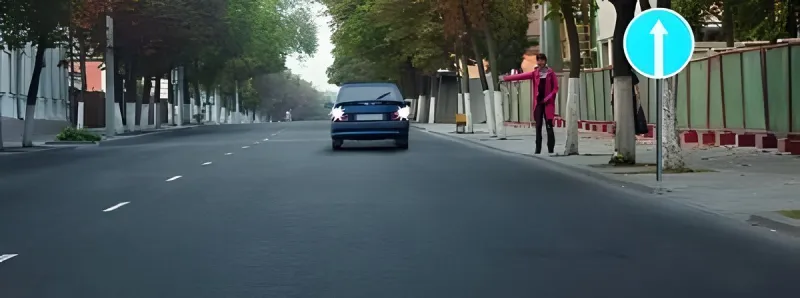
2. In this situation, is it permitted to approach the passenger by backing?
Yes.
No.
Correct answer: Yes.ABC
Why:4.1.1 «Երթևեկությունն ուղիղ» նշանը հետընթացը չի արգելում։ Կետ 48-ով հետընթացը թույլատրվում է, եթե այն անվտանգ է և խոչընդոտ չի ստեղծում, իսկ կետ 49-ով արգելված տեղերից (խաչմերուկ, մերձակա տարածքից ելք, կետ 50-ի տեղեր) ոչ մեկն այստեղ չկա, ուստի ուղևորին հետընթացով մոտենալը թույլատրվում է։
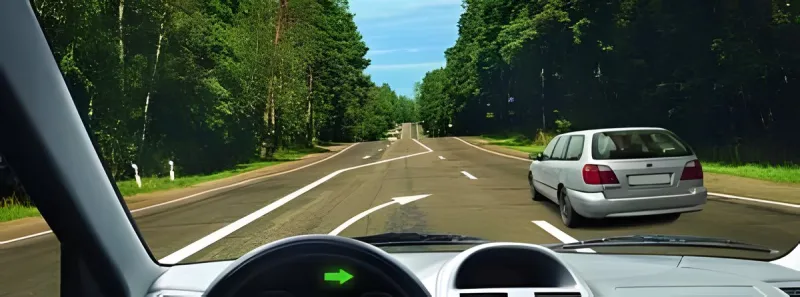
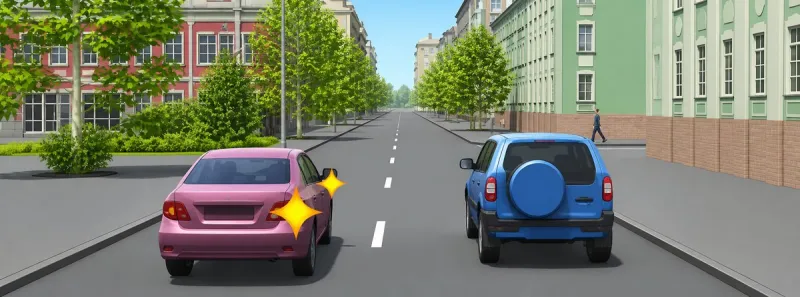
3. In this situation, when changing to the adjacent lane:
You must yield to drivers proceeding in that lane.
You have the right-of-way.
Correct answer: You must yield to drivers proceeding in that lane.ABC · D/T
Why: Կետ 39-ի համաձայն՝ վերադասավորման ժամանակ վարորդը պետք է ճանապարհը զիջի հարևան գոտիով առանց ուղղությունը փոխելու երթևեկող տրանսպորտային միջոցներին, ուստի հարևան գոտի վերադասավորվելիս պարտավոր ենք զիջել այդ գոտիով ընթացողներին։
4. According to the Law of the Republic of Armenia on Ensuring Road Traffic Safety, an international driving permit authorizing the operation of category C vehicles may be issued to:
Persons who have reached 18 years of age.
Persons who have reached 20 years of age.
Persons who have reached 21 years of age.
Correct answer: Persons who have reached 21 years of age.ABC
Why: ՀՀ օրենքի համաձայն՝ «C» կարգի տրանսպորտային միջոցներ վարելու միջազգային վարորդական վկայական տրվում է 21 տարին լրացած անձանց։
5. A vehicle may not be operated if:
A first-aid kit is missing from a passenger car.
Red-light backup lamps are installed at the rear.
In both cases.
Correct answer: In both cases.ABC
Why: Թեթև մարդատարում դեղատուփի բացակայությունը 6.9 ենթակետով անսարքություն է, իսկ հետևում կարմիր հետընթացի լապտերիկները խախտում են 3.6-ը (հետընթացի լույսերը պետք է սպիտակ լինեն)։ Երկու դեպքում էլ շահագործումն արգելվում է։
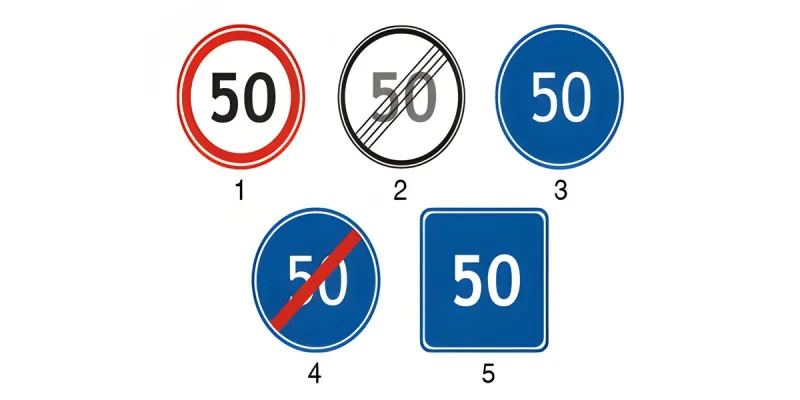
6. Which of the following signs permits driving only at the indicated speed or higher (km/h)?
1
2
3
4
5
Correct answer: Option 3ABC · D/T
Why: 3-րդ նշանը՝ կապույտ շրջանաձև 4.6 «Նվազագույն արագության սահմանափակում», թույլատրում է երթևեկել միայն նշված կամ ավելի բարձր արագությամբ։ 3.24-ը առավելագույն սահմանափակում է, 3.25-ը և 4.7-ը՝ գոտիների վերջ, 6.2-ը՝ առաջարկվող արագություն։
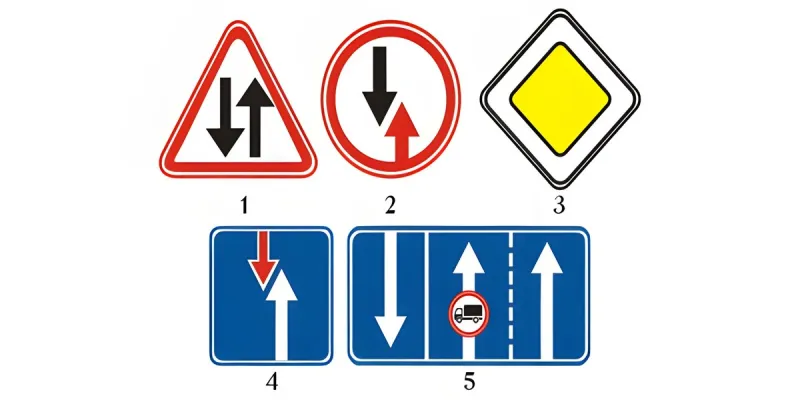
7. Which sign gives a driver the right-of-way over oncoming vehicles?
1
2
3
4
5
Correct answer: Option 4ABC · D/T
Why: 4-րդ նշանը 2.7 «Առավելություն հանդիպակաց երթևեկության նկատմամբ»-ն է. այն վարորդին առավելություն է տալիս նեղ հատվածում հանդիպակաց տրանսպորտային միջոցների նկատմամբ։ 1-ը 1.21 «Երկկողմ երթևեկություն», 2-ը 2.6 «Հանդիպակաց երթևեկության առավելություն» (զիջում ենք հանդիպակացին), 3-ը 2.1 «Գլխավոր ճանապարհ», 5-ը 5.15.7 նշաններն են։
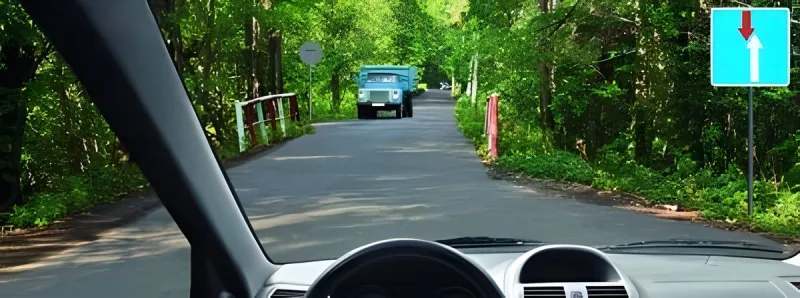
Correct answer: We may proceed through the narrow section first.ABC · D/T
Why: Նշան 2.7 «Առավելություն հանդիպակաց երթևեկության նկատմամբ»-ը մեզ առավելություն է տալիս նեղ հատվածում, ուստի կարող ենք այն անցնել առաջինը՝ բեռնատարին զիջելու պարտավոր չենք։
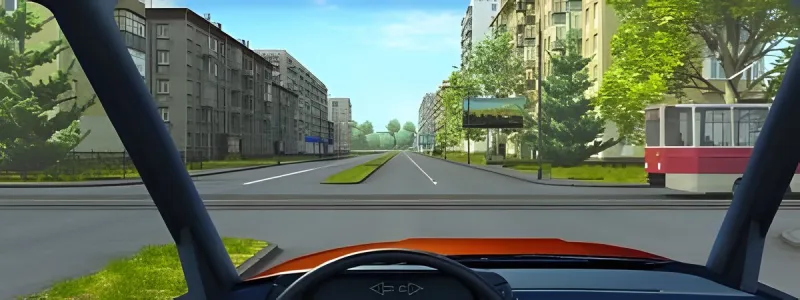
Why: Նշաններ և լուսացույց չկան՝ հավասարազոր ճանապարհների չկարգավորվող խաչմերուկ։ Կետ 100-ով տրամվայն առավելություն ունի ոչ ռելսագնաց միջոցների նկատմամբ՝ անկախ ուղղությունից, բացի այդ մոտենում է մեր աջից (կետ 98). պարտավոր ենք զիջել։
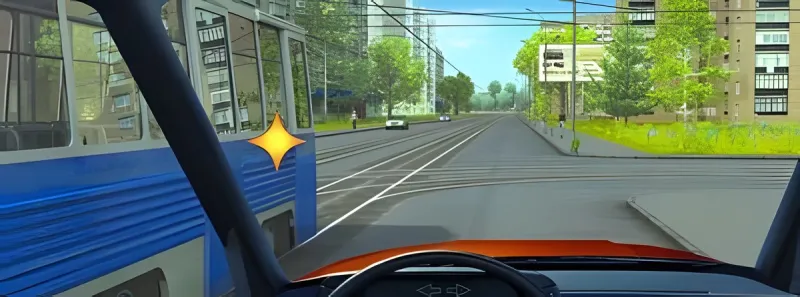
10. Must we yield to the tram operator?
Yes.
No.
Correct answer: Yes.ABC · D/T
Why: Նշաններ և լուսացույց չկան՝ հավասարազոր ճանապարհների չկարգավորվող խաչմերուկ։ Ձախի տրամվայը կետ 100-ով առավելություն ունի ոչ ռելսագնաց միջոցների նկատմամբ՝ անկախ ուղղությունից. պարտավոր ենք զիջել։
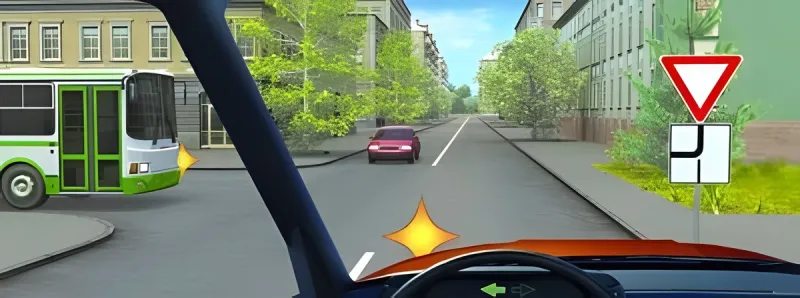
11. We must yield to:
Both drivers.
The passenger-car driver.
The bus driver.
Correct answer: Both drivers.ABC · D/T
Why: Մեր դիմաց 2.4 «Զիջեք ճանապարհը» նշանն է 8.13 «Գլխավոր ճանապարհի ուղղությունը» ցուցանակով. գլխավոր ճանապարհն անցնում է ձախ թևից (ավտոբուս) և թեքվում դեպի դիմաց (թեթև մարդատար)։ Ձախ շրջադարձի ժամանակ կետ 96-ով զիջում ենք երկուսին։
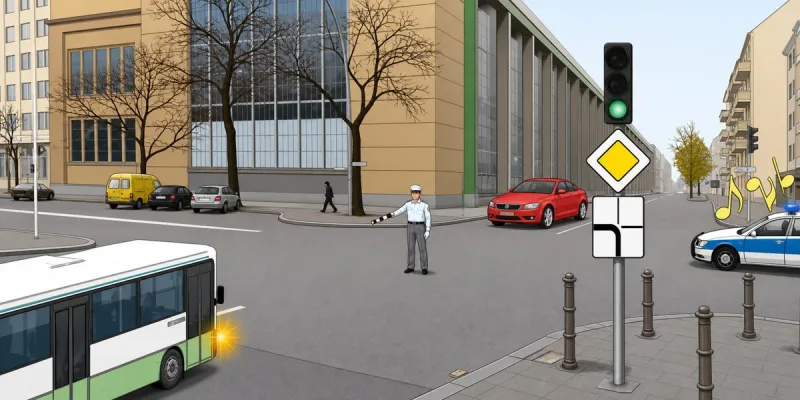
12. In this situation, which vehicles are permitted to continue?
The passenger car straight ahead, the patrol vehicle in all directions, and the bus to the right only.
Only the patrol vehicle, in all directions.
The patrol vehicle in all directions and the bus to the right only.
Correct answer: The patrol vehicle in all directions and the bus to the right only.ABC · D/T
Why: Նկարում և՛ կարգավորող է, և՛ կանաչ լուսացույց, և՛ 2.1 նշան 8.13 ցուցանակով։ Կետ 20-ով կարգավորողի ազդանշանները գերակայում են թե՛ լուսացույցին, թե՛ նշանին։ Կարգավորողի աջ ձեռքը պարզված է առաջ. նրա կրծքի կողմից մոտեցող ավտոբուսին թույլատրվում է միայն աջ (կետ 16.3 «բ»), ձախ կողմից մոտեցող պարեկային ավտոմոբիլին՝ բոլոր ուղղություններով («ա»), իսկ թիկունքի կողմի կարմիր ավտոմոբիլին երթևեկությունն արգելված է («գ»)։ Հատուկ ազդանշանները կարգավորողի ազդանշաններից ազատում չեն տալիս (կետ 26)։
13. If the traffic controller’s right arm is extended forward, traffic of non-rail vehicles from the controller’s left side is permitted:
Straight ahead and to the left.
In all directions.
Correct answer: In all directions.ABC · D/T
Why: Կետ 16.3-ով, երբ կարգավորողի աջ ձեռքն առաջ է պարզված, նրա ձախ կողմից ոչ ռելսագնաց տրանսպորտային միջոցների երթևեկությունը թույլատրվում է բոլոր ուղղություններով։
14. If traffic across a railroad crossing is prohibited and there are no traffic signals, traffic signs, or pavement markings, the driver must stop:
At least 5 m before the barrier gate.
At least 3 m before the barrier gate.
Immediately before the barrier gate.
Correct answer: At least 5 m before the barrier gate.ABC · D/T
Why: Կետ 111-ով, երբ բացակայում են «Կանգ» գիծը, 2.5 նշանը և լուսացույցը, վարորդը կանգնում է ուղեփակոցից ոչ պակաս, քան 5 մ հեռավորության վրա։
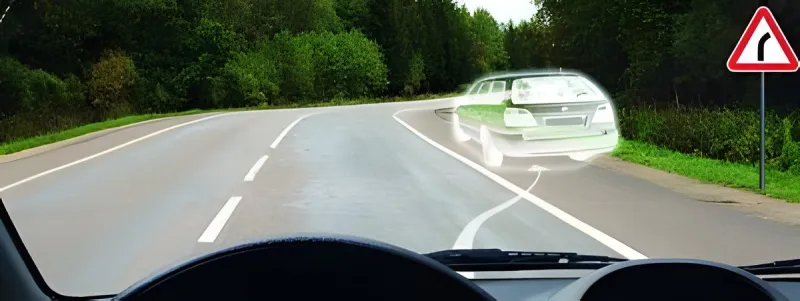
15. Is stopping permitted at the indicated location?
Yes.
No.
Correct answer: Yes.ABC · D/T
Why: Վտանգավոր շրջադարձի մոտ (նշան 1.11.1) կետ 84-ն արգելում է կանգառը երթևեկելի մասի վրա, եթե տեսանելիությունը 100 մ-ից պակաս է։ Նշված կանգառը կատարվում է կողնակին՝ երթևեկելի մասից դուրս, ինչը կետ 78-ով թույլատրվում է։
16. Cargo must be positioned and, when necessary, secured on the vehicle so that it:
Does not extend above the sides of the cargo bed.
Does not create significant noise, raise dust, or pollute the road or the environment.
Does not extend more than 0.8 m beyond the rear edge of the vehicle.
Correct answer: Does not create significant noise, raise dust, or pollute the road or the environment.ABC
Why: Կետ 164.4-ով բեռի փոխադրումն արգելվում է, եթե այն զգալի աղմուկ է հանում, փոշի բարձրացնում կամ աղտոտում ճանապարհն ու շրջակա միջավայրը, ուստի բեռը պետք է տեղաբաշխվի և ամրացվի այնպես, որ դա չլինի։ Մյուս տարբերակների չափերը կանոններում չկան։
17. What is the maximum speed permitted for a motorcycle in areas designated by the “Residential Zone” and “End of Residential Zone” signs?
20 km/h.
30 km/h.
40 km/h.
Correct answer: 20 km/h.ABC
Why: Կետ 68-ով 5.21 «Բնակելի գոտի» և 5.22 «Բնակելի գոտու վերջ» նշաններով նշված տարածքներում բոլոր տրանսպորտային միջոցների, այդ թվում՝ մոտոցիկլների, արագությունը 20 կմ/ժ ոչ ավելի է։
18. When changing back into the lane proceeding in the same direction after completing a passing maneuver, does the driver have the right-of-way over a driver already proceeding in that lane?
No.
Yes.
Correct answer: No.ABC
Why: Վազանցն ավարտելիս գոտի վերադառնալը վերադասավորում է։ Կետ 39-ի համաձայն՝ վերադասավորվող վարորդը զիջում է այդ գոտիով երթևեկողին, ուստի առավելություն չունի։
19. If a turn signal is absent or malfunctioning, a warning signal given by hand must be discontinued:
Immediately before beginning the maneuver.
Immediately after completing the maneuver.
While performing the maneuver.
Correct answer: Immediately before beginning the maneuver.ABC · D/T
Why: Կետ 36-ով ցուցիչի բացակայության կամ անսարքության դեպքում ձեռքով տրվող ազդանշանը դադարեցվում է մանևրն սկսելուց անմիջապես առաջ։
20. In which cases should an injured person be removed from the vehicle?
If the vehicle has overturned, caught fire, there is a high risk of explosion, or the injured person has lost consciousness.
If the vehicle has overturned, caught fire, there is a high risk of explosion, or the injured person has hypothermia, has lost consciousness or breathing, or it is impossible to provide first aid directly inside the vehicle.
If the vehicle has overturned, caught fire, there is a high risk of explosion, or the injured person has severe bleeding or a head injury.
Correct answer: If the vehicle has overturned, caught fire, there is a high risk of explosion, or the injured person has hypothermia, has lost consciousness or breathing, or it is impossible to provide first aid directly inside the vehicle.ABC · D/T
Why: Առաջին օգնություն. տուժածին խցիկից հանում են, երբ մեքենան կարող է շրջվել, բռնկվել կամ պայթել, երբ տուժածը գերսառել է կամ կորցրել գիտակցությունն ու շնչառությունը, ինչպես նաև երբ խցիկում առաջին օգնություն ցուցաբերել հնարավոր չէ։
In Varordakan Tester the same tests are taken without hints, wrong answers are collected automatically, and there is an exam simulation (20 questions, 30 minutes, pass at 18), a 3D intersection simulator, video lessons and an AI assistant that cites the Traffic Rules point. Free.
Sources: questions from the official bank of the Road Police of Armenia (roadpolice.am, edition of 2 October 2026); rule points from the Traffic Rules of the Republic of Armenia (arlis.am). Varordakan Tester is an independent educational app, not affiliated with the Police of Armenia.