Updated 2026-10-13 · official question bank of 2 October 2026
Test 1, Categories D/T (bus, trolleybus): 20 questions from the official bank of 2 October 2026 across all 10 topics. Under every question: the correct answer, the explanation (in Armenian) and the signs it mentions. In the app the same test is taken without hints, and the exam simulation runs on a 30-minute timer.
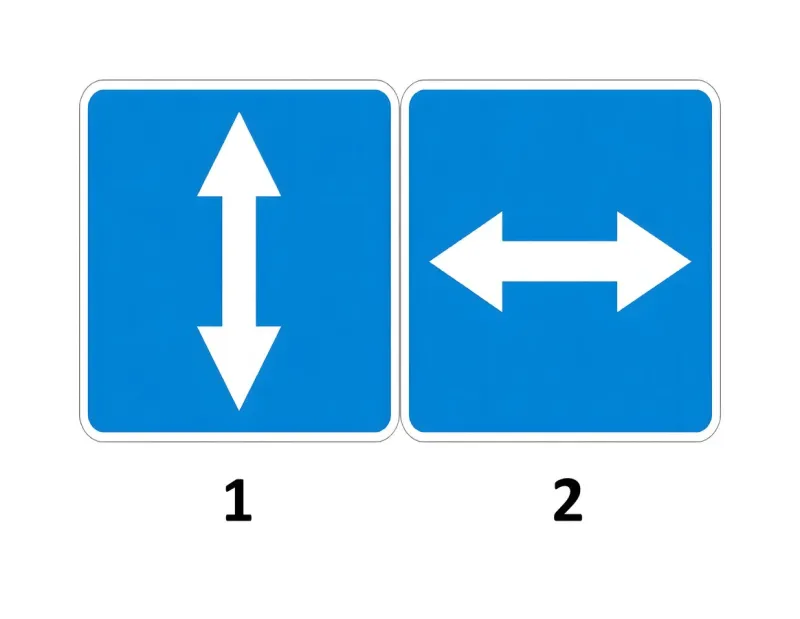
1. Which of the signs is called “Reversible Traffic”?
1.
2.
1 and 2.
Correct answer: Option 1.D/T
Why: «Դարձափոխային երթևեկություն» կոչվում է 1-ին նշանը՝ 5.8-ը։ 2-ը 5.10 «Ելք դեպի դարձափոխային երթևեկությամբ ճանապարհ» նշանն է։
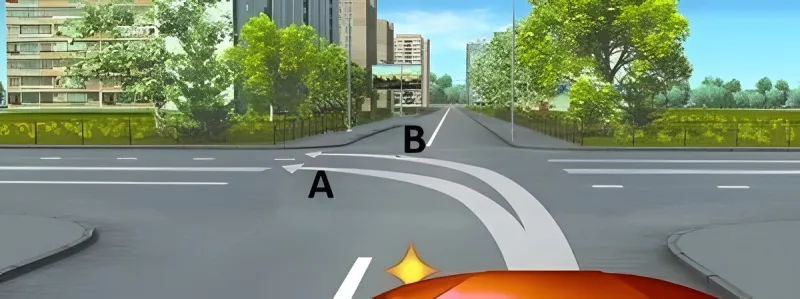
Why: Կետ 41-ը պահանջում է միայն, որ շրջադարձից հետո տրանսպորտային միջոցը չհայտնվի հանդիպակաց կողմում։ A և B հետագծերն էլ ավարտվում են հատվող ճանապարհի աջ կողմում, ուստի ձախ շրջադարձը թույլատրվում է ցանկացած հետագծով։
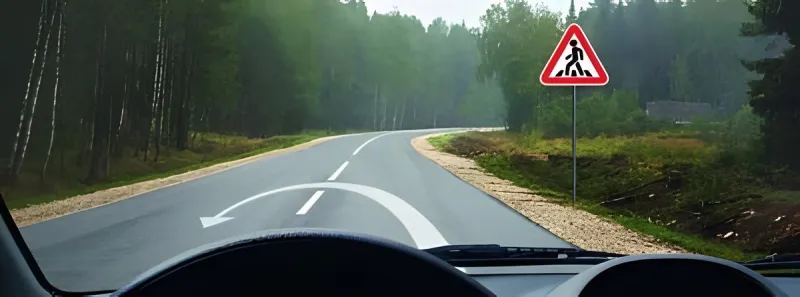
3. A U-turn at this location is:
Permitted if visibility is 100 m in both directions.
Prohibited.
Correct answer: Permitted if visibility is 100 m in both directions.ABC · D/T
Why:1.22 «Հետիոտնային անցում» նշանը միայն նախազգուշացնում է առջևում գտնվող անցումի մասին, իսկ հետադարձը կատարվում է դրանից առաջ։ Կետ 50-ի համաձայն՝ հետադարձն արգելվում է միայն 100 մ-ից պակաս տեսանելիության դեպքում, ուստի երկու կողմից 100 մ տեսանելիության պայմաններում այն թույլատրվում է։
4. According to the Law of the Republic of Armenia on Ensuring Road Traffic Safety, a forced stop is:
An interruption of movement caused by the unexpected activation of a prohibitory traffic signal.
An interruption of movement caused by a traffic jam on the road.
Bringing a vehicle to a stationary position because of a vehicle malfunction, the physical and/or mental condition of the driver or passenger, a hazard related to the cargo being transported, or another obstruction that has appeared on the road.
All of the listed cases.
Correct answer: All of the listed cases.ABC · D/T
Why: Օրենքի սահմանմամբ հարկադրված կանգառ է տրանսպորտային միջոցն անշարժ վիճակի բերելը անսարքության, վարորդի (ուղևորի) վիճակի, բեռի կամ ճանապարհին ի հայտ եկած վտանգի կամ այլ խոչընդոտի պատճառով։ Լուսացույցի արգելող ազդանշանի անսպասելի միացումն ու խցանումը նույնպես երթևեկությունն ընդհատող խոչընդոտներ են, ուստի ճիշտ են թվարկած բոլոր դեպքերը։
5. A vehicle may not be operated if:
For a bus built on a passenger-car chassis, the total play in the steering system exceeds 10 degrees.
The mudguards and splash guards provided by the vehicle’s design are missing.
In both cases.
Correct answer: In both cases.D/T
Why: Թեթև մարդատարի բազայի վրա պատրաստված ավտոբուսի ղեկի գումարային խաղացքի սահմանը 10 աստիճան է (2.1), ուստի գերազանցումն անսարքություն է, իսկ ցեխապաշտպան գոգնոցների և ցայտապաշտպանիչների բացակայությունը՝ 6.7 ենթակետով։ Երկու դեպքում էլ շահագործումն արգելվում է։
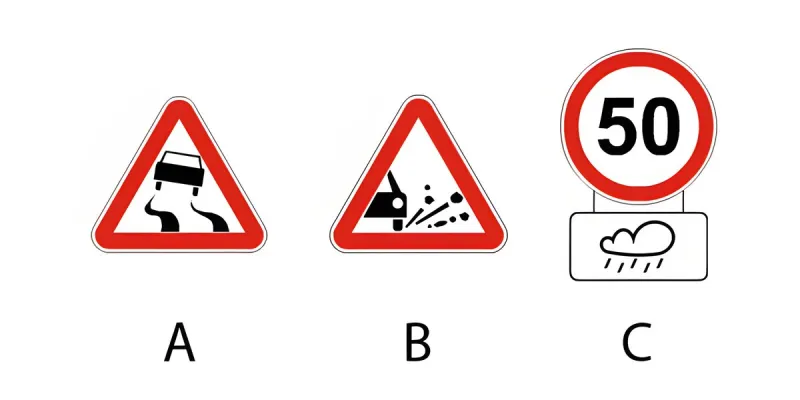
6. Which signs apply only during the period when the roadway surface is wet?
Only A and C.
Only B.
Only C.
All of them.
Correct answer: Only C.ABC · D/T
Why: Միայն C նշանի (3.24՝ 8.16 «Խոնավ ծածկույթ» ցուցանակով) ազդեցությունն է գործում միայն այն ժամանակ, երբ ծածկույթը խոնավ է։ A-ն 1.15 «Սայթաքուն ճանապարհ» է, B-ն՝ 1.18 «Խճի արտանետում»։
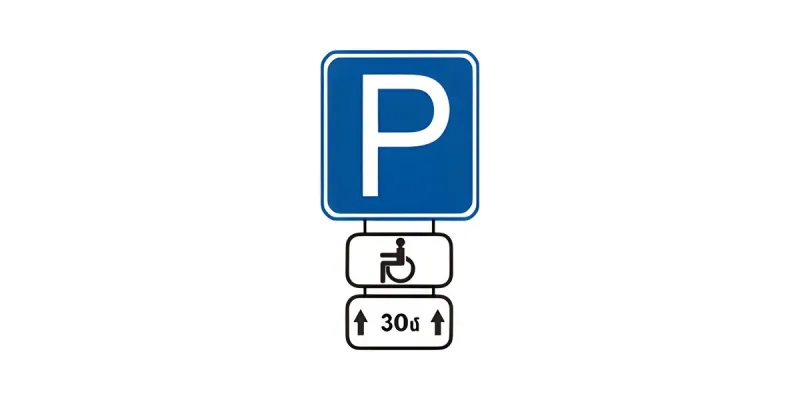
A parking place 30 meters away for automobiles displaying the “Disabled” identification sign.
A parking place within a 30-meter-long area for vehicles, except motorized wheelchairs.
A parking place within a 30-meter-long area for motorized wheelchairs and automobiles displaying the “Disabled” identification sign.
Correct answer: A parking place within a 30-meter-long area for motorized wheelchairs and automobiles displaying the “Disabled” identification sign.ABC · D/T
Why: Նշան 6.4 «Կայանման տեղ»-ը 8.17 «Հաշմանդամներ» և 8.2.1 «Ազդման գոտի» (30 մ) ցուցանակներով ցույց է տալիս 30 մ երկարությամբ կայանման գոտի՝ միայն մոտոսայլակների և «Հաշմանդամ» ճանաչման նշանով ավտոմոբիլների համար։
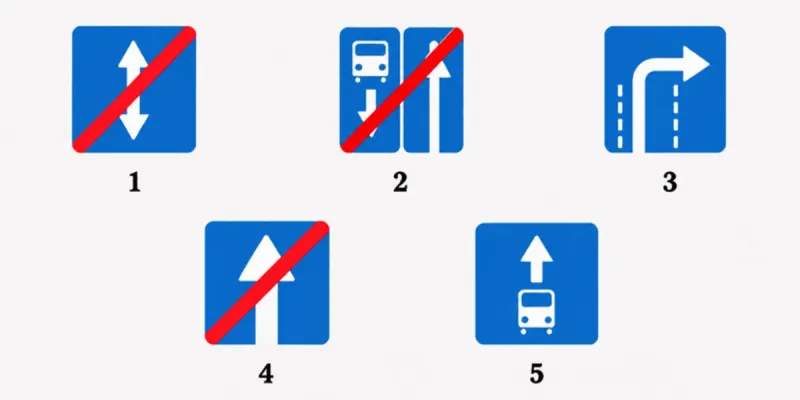
Why: «Միակողմ երթևեկությամբ ճանապարհի վերջ» կոչվում է 4-րդ նշանը՝ 5.6-ը։ 1-ը 5.9 «Դարձափոխային երթևեկության վերջ», 2-ը 5.12 «Ընդհանուր օգտագործման տրանսպորտային միջոցների համար գոտիով ճանապարհի վերջ», 3-ը 5.15.2 «Երթևեկության ուղղությունները գոտիով», 5-ը 5.14 «Ընդհանուր օգտագործման տրանսպորտային միջոցների համար գոտի» նշաններն են։
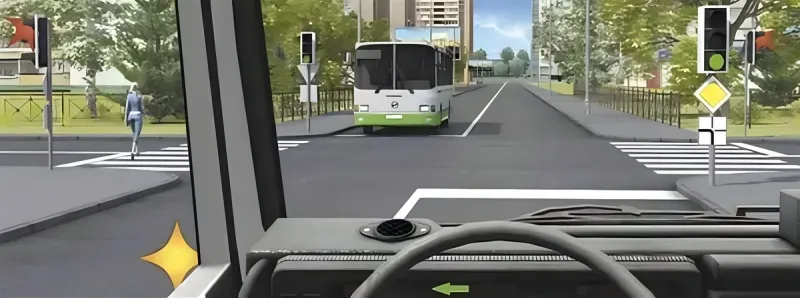
9. You intend to make a left turn. To whom must you yield?
Pedestrians only.
The bus only.
The bus and pedestrians.
Correct answer: The bus and pedestrians.D/T
Why: Լուսացույցը կանաչ է, ուստի 2.1 նշանն 8.13 ցուցանակով հերթականությունը չի որոշում (կետ 173)։ Կանաչով ձախ թեքվելիս կետ 90-ով զիջում ենք հանդիպակաց ուղիղ ընթացող ավտոբուսին, իսկ կետ 87-ով խոչընդոտ չենք ստեղծում մուտք գործվող ճանապարհը հատող հետիոտներին։
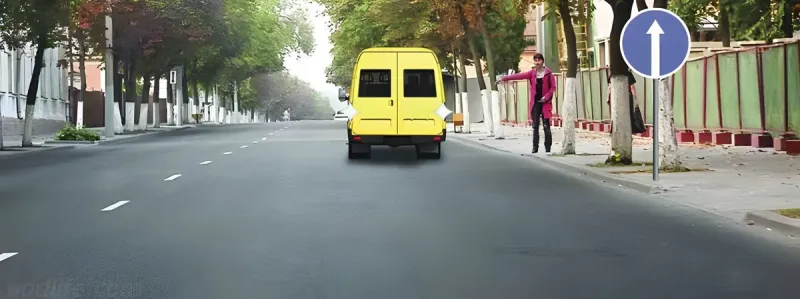
Why:4.1.1 «Երթևեկությունն ուղիղ» նշանը հետընթացը չի արգելում։ Կետ 48-ով հետընթացը թույլատրվում է, եթե այն անվտանգ է և խոչընդոտ չի ստեղծում, իսկ կետ 49-ի արգելված տեղերից (խաչմերուկ, մերձակա տարածքից ելք, կետ 50-ի տեղեր) ոչ մեկն այստեղ չկա։
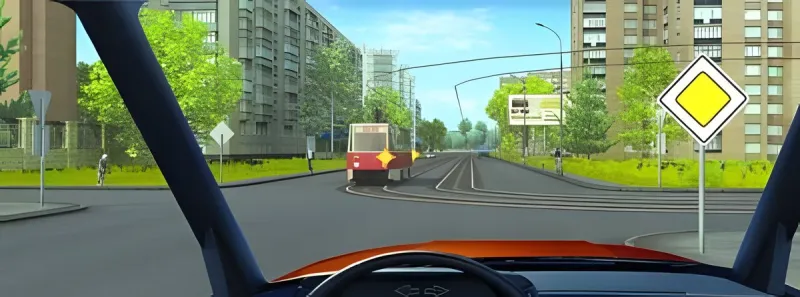
11. When continuing straight ahead, must we yield to the tram?
Yes.
No.
Correct answer: Yes.D/T
Why: Մենք 2.1 «Գլխավոր ճանապարհ» նշանով ճանապարհին ենք, իսկ հանդիպակաց տրամվայը նույն գլխավոր ճանապարհով է և ձախ է թեքվում։ Կետ 96-ով անհավասարազոր ճանապարհների խաչմերուկում տրամվայն առավելություն ունի նույն ճանապարհով համընթաց կամ հանդիպակաց ուղղությամբ երթևեկող ոչ ռելսագնաց տրանսպորտային միջոցների նկատմամբ, ուստի ուղիղ երթևեկելիս պարտավոր ենք զիջել նրան։
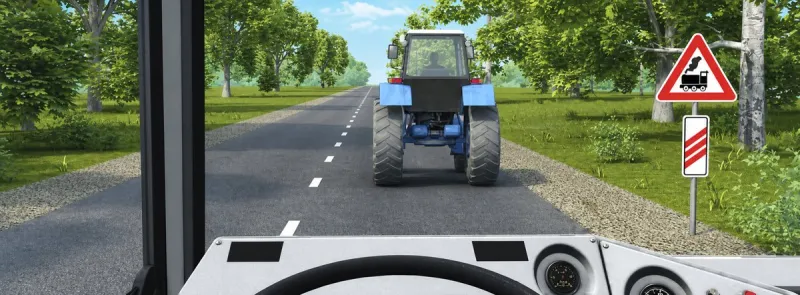
12. Is the driver of a bus weighing more than 5 metric tons permitted to begin passing in this situation?
Yes.
No.
Yes, if the driver is sure the maneuver will be completed before reaching a point 100 meters from the railroad crossing.
Correct answer: Yes, if the driver is sure the maneuver will be completed before reaching a point 100 meters from the railroad crossing.D/T
Why: Նշան 1.2 «Երկաթուղային գծանց առանց ուղեփակոցի» և 1.4 ցուցանակը նախազգուշացնում են գծանցի մոտենալու մասին։ Կետ 77.3-ով վազանցն արգելվում է գծանցի վրա և դրանից 100 մ առաջ, ուստի այն կարելի է սկսել, եթե վարորդը համոզված է, որ մանևրը կավարտի մինչև գծանցից 100 մ հեռավորությունը։
13. Are non-rail vehicles permitted to pass on the right?
Permitted when the driver of the vehicle ahead has given a left-turn signal and begun the maneuver.
Prohibited in all cases because passing must be performed only on the left for safety reasons.
Correct answer: Permitted when the driver of the vehicle ahead has given a left-turn signal and begun the maneuver.D/T
Why: Կետ 74-ով ոչ ռելսագնաց տրանսպորտային միջոցին վազանցել թույլատրվում է միայն ձախ կողմից, բայց եթե առջևի վարորդը տվել է ձախ շրջադարձի ազդանշան և սկսել է մանևրը, նրան վազանցում են աջից։
14. Is the driver permitted to cross the solid pavement marking that indicates the boundaries of vehicle parking spaces?
Prohibited.
Permitted.
Correct answer: Permitted.ABC · D/T
Why: Կայանման տեղերի սահմանները նշող 1.1 հոծ գիծը թույլատրվում է հատել. հատելն արգելված է միայն այն դեպքում, երբ 1.1 գիծը բաժանում է տրանսպորտային հոսքերը։
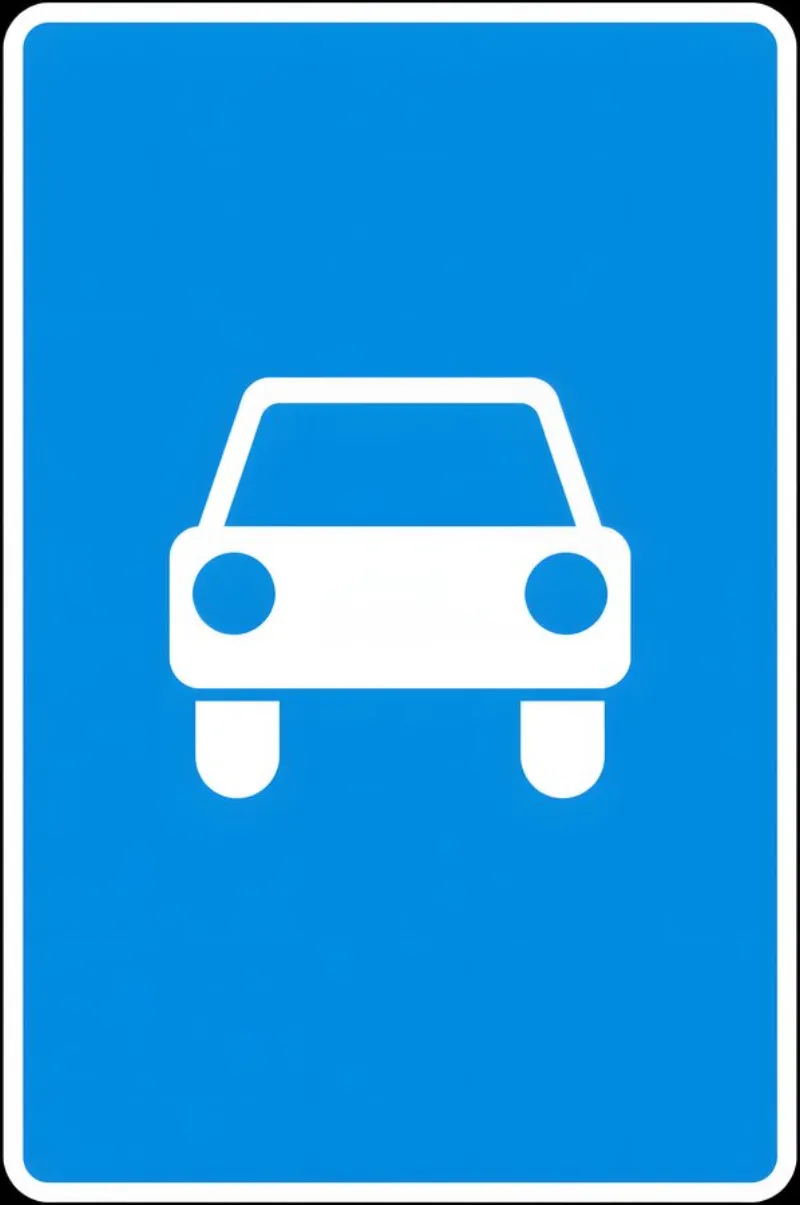
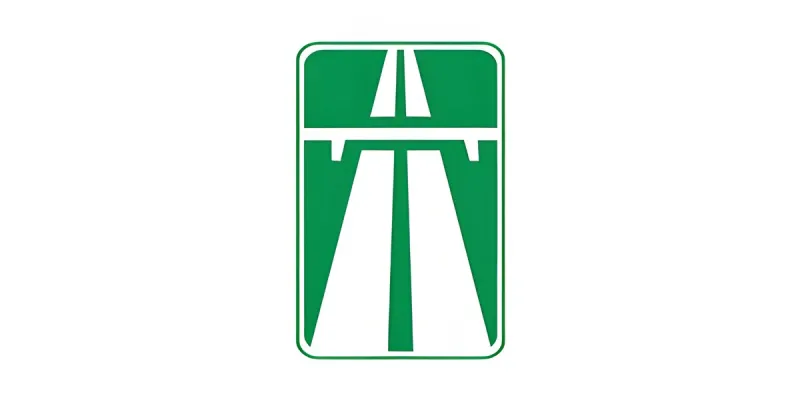
15. Are buses permitted to stop or park on the shoulder of a road marked with the “Road for Motor Vehicles” sign?
Permitted on any section if the bus leaves the roadway completely and stops on the shoulder.
Prohibited, except in the case of a forced stop.
Correct answer: Prohibited, except in the case of a forced stop.D/T
Why:5.3 «Ճանապարհ ավտոմոբիլների համար» նշանով ճանապարհներին գործում են ավտոմայրուղիների կանոնները (կետ 117)։ Կետ 116.4-ով կանգառն արգելվում է 6.4 «Կայանման տեղ» կամ 7.11 «Հանգստի վայր» նշաններով կահավորված հարթակներից դուրս, այդ թվում՝ կողնակներին. բացառություն է միայն հարկադրված կանգառը։
17. Organized transportation of groups of children is carried out:
By a bus displaying the “Transportation of Children” identification sign.
By a bus displaying the “Speed Limit” identification sign.
In both cases.
Correct answer: By a bus displaying the “Transportation of Children” identification sign.D/T
Why: Կետ 155-ով երեխաների խմբերի կազմակերպված փոխադրումն իրականացվում է «Երեխաների փոխադրում» ճանաչման նշաններով կահավորված ավտոբուսով։
18. The hazard warning lights on a vehicle must be activated:
If the driver is dazzled by headlights.
During towing, on the towed motor vehicle.
In both cases.
Correct answer: In both cases.ABC · D/T
Why: Կետ 22-ով վթարային լուսային ազդանշանը միացվում է լապտերների լույսից շլանալու դեպքում (22.3) և քարշակման ժամանակ քարշակվող մեքենայի վրա (22.4)։ Երկու դեպքն էլ ցանկում են։
19. For what purpose are orange or yellow flashing beacons installed on vehicles?
To obtain right-of-way over other road users.
To warn other road users of danger.
Correct answer: To warn other road users of danger.ABC · D/T
Why: Կետ 32-ով դեղին կամ նարնջագույն առկայծող փարոսիկները երթևեկության առավելություն չեն տալիս և ծառայում են միայն մյուս մասնակիցներին վտանգի մասին նախազգուշացնելու համար։
20. In case of severe bleeding, you should:
Only cover the wound with a bandage.
Apply a pressure bandage to the injured area and apply pressure at the arterial pressure point.
Put ash into the wound.
Correct answer: Apply a pressure bandage to the injured area and apply pressure at the arterial pressure point.ABC · D/T
Why: Առաջին օգնություն. ուժեղ արյունահոսության դեպքում դնում են ճնշող վիրակապ և ճնշում գործադրում զարկերակի սեղման կետի վրա։ Սովորական ծածկելը բավարար չէ, մոխիրը վարակ է։
In Varordakan Tester the same tests are taken without hints, wrong answers are collected automatically, and there is an exam simulation (20 questions, 30 minutes, pass at 18), a 3D intersection simulator, video lessons and an AI assistant that cites the Traffic Rules point. Free.
Sources: questions from the official bank of the Road Police of Armenia (roadpolice.am, edition of 2 October 2026); rule points from the Traffic Rules of the Republic of Armenia (arlis.am). Varordakan Tester is an independent educational app, not affiliated with the Police of Armenia.