Updated 2026-10-13 · official question bank of 2 October 2026
Test 2, Categories D/T (bus, trolleybus): 20 questions from the official bank of 2 October 2026 across all 10 topics. Under every question: the correct answer, the explanation (in Armenian) and the signs it mentions. In the app the same test is taken without hints, and the exam simulation runs on a 30-minute timer.
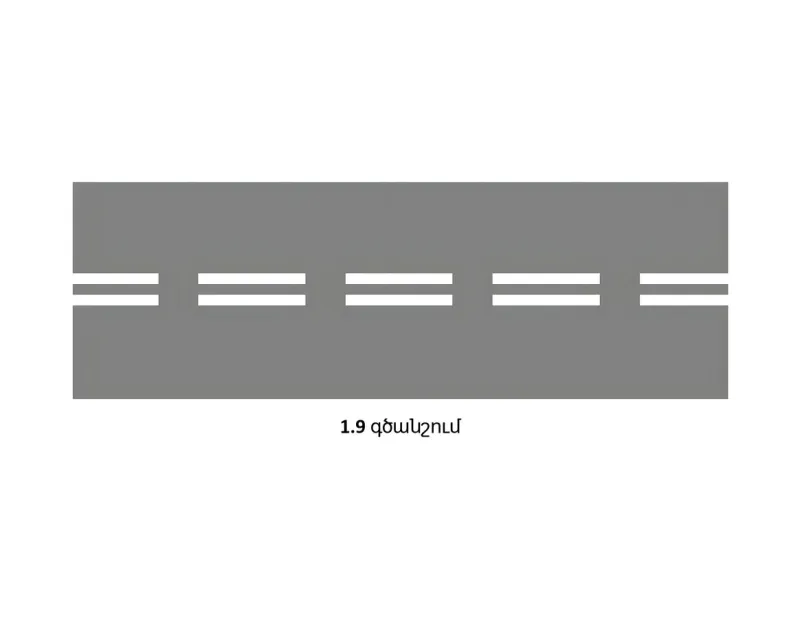
1. Is it permitted to cross the broken reversible pavement marking when the reversible traffic signal is absent or switched off?
Not permitted.
Permitted if the line is to the driver’s right.
Correct answer: Permitted if the line is to the driver’s right.D/T
Why:1.9 դարձափոխային գծանշումը, երբ դարձափոխային լուսացույցներն անջատված են կամ բացակայում են, բաժանում է հանդիպակաց ուղղությունների հոսքերը։ Այդ դեպքում այն թույլատրվում է հատել, եթե գտնվում է վարորդից աջ։
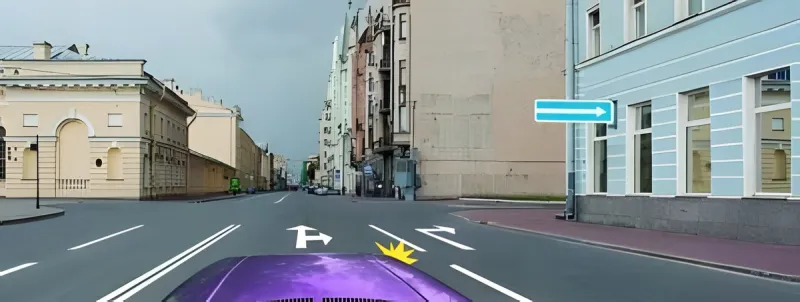
2. In this situation, must the driver first change to the right lane and only then make the right turn?
Yes.
No.
Correct answer: No.ABC · D/T
Why: Երթևեկելի մասի 1.18 գծանշման սլաքները թույլատրում են աջ շրջադարձը նաև մեր գոտուց։ Կետ 40-ի համաձայն՝ եթե նշանով կամ գծանշմամբ շրջադարձը թույլատրվում է նաև այլ գոտիներից, եզրային գոտի վերադասավորվել պարտադիր չէ։
On and under bridges, overpasses, and elevated roadways.
At railroad crossings.
At locations where visibility in at least one direction of the road is less than 100 m.
In all of the listed cases.
Correct answer: In all of the listed cases.ABC · D/T
Why: Կետ 50-ով հետադարձն արգելվում է հետիոտնային անցումների վրա, թունելներում, կամուրջների, ուղեկամուրջների, էստակադների վրա և դրանց տակ, երկաթուղային գծանցներում և 100 մ-ից պակաս տեսանելիության տեղերում։ Բոլոր տարբերակները ցանկում են։
4. According to the Law of the Republic of Armenia on Ensuring Road Traffic Safety, a person providing driving instruction:
Is considered equivalent to a driver.
Is not considered equivalent to a driver.
Correct answer: Is considered equivalent to a driver.ABC · D/T
Why: ՀՀ օրենքի համաձայն՝ տրանսպորտային միջոց վարել սովորեցնողը հավասարեցվում է վարորդին, իսկ կետ 146-ի համաձայն ճանապարհներին ուսումնական վարումը թույլատրվում է միայն սովորեցնողի հետ։
5. A vehicle may not be operated if:
The exterior lighting devices and reflectors are dirty.
The front and rear protective devices are dirty.
In both cases.
Correct answer: The exterior lighting devices and reflectors are dirty.ABC · D/T
Why: Արտաքին լուսային սարքերի և լուսանդրադարձիչների կեղտոտված լինելը 3.3 ենթակետով անսարքություն է։ Պաշտպանիչ հարմարանքների կեղտոտվածությունը չի կարգավորվում, ուստի միայն առաջին տարբերակը։
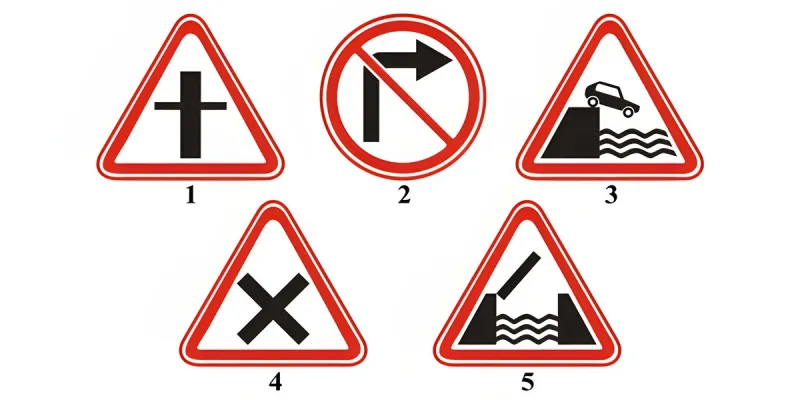
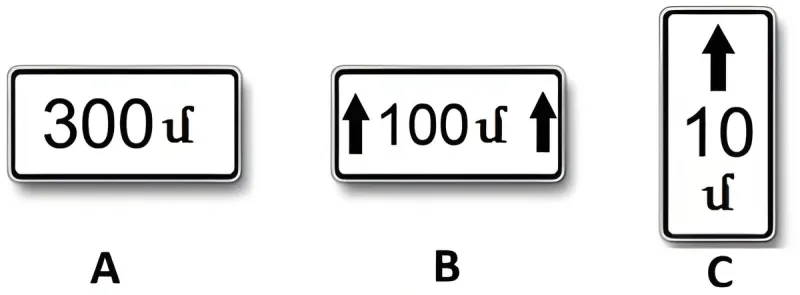
6. Which sign is installed immediately before the intersection of roadways?
1
2
3
4
5
Correct answer: Option 2ABC · D/T
Why: Երթևեկելի մասերի հատումից անմիջապես առաջ տեղադրվում է 2-րդ նշանը՝ 3.18.1 «Աջ շրջադարձն արգելվում է»։ Մյուսները նախազգուշացնող նշաններ են (2.3.1, 1.10 «Ելք դեպի առափ», 1.6, 1.9 «Բացվող կամուրջ»), որոնք տեղադրվում են նախապես։
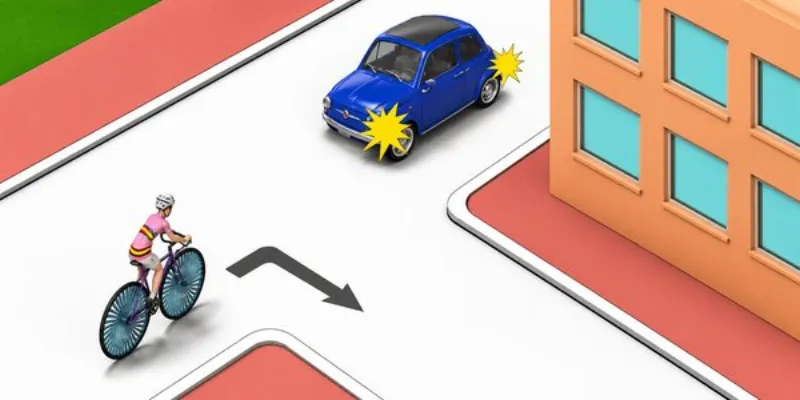
Why: Առավելության նշաններ չկան՝ հավասարազոր ճանապարհների խաչմերուկ։ Ավտոմոբիլը ձախ շրջադարձ է կատարում, իսկ հեծանվորդը հանդիպակաց ուղղությունից թեքվում է աջ՝ նույն ճանապարհը։ Կետ 99-ով ձախ շրջադարձ կատարողը զիջում է հանդիպակաց ուղղությունից ուղիղ կամ դեպի աջ ընթացողներին, ուստի ճանապարհը զիջում է ավտոմոբիլի վարորդը։
10. In which direction may a tram proceed if the traffic controller’s arms are extended to the sides or lowered and the tram approaches from the controller’s right or left side?
Straight ahead and to the right.
Straight ahead only.
In all directions.
Correct answer: Straight ahead only.D/T
Why: Կետ 16.2-ով, երբ կարգավորողի ձեռքերը պարզված են կողմ կամ իջեցված են, ձախ և աջ կողմերից ոչ ռելսագնաց տրանսպորտային միջոցներին թույլատրվում է ուղիղ և դեպի աջ, իսկ տրամվային՝ միայն ուղիղ։
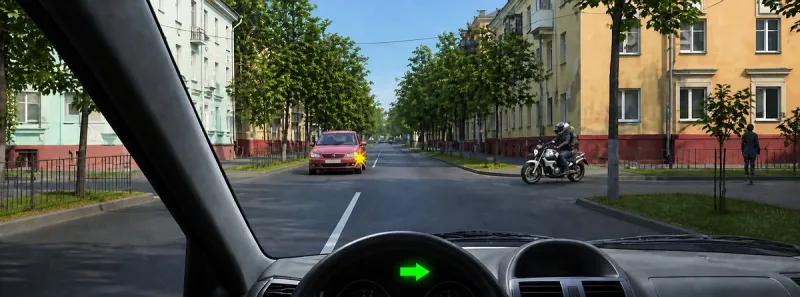
11. In this situation, when making a right turn:
You will proceed through the intersection first.
You must yield to the passenger-car driver.
Correct answer: You will proceed through the intersection first.ABC · D/T
Why: Առավելության նշաններ չկան՝ հավասարազոր ճանապարհների խաչմերուկ։ Հանդիպակաց կարմիր թեթև մարդատարը ձախ է թեքվում այն նույն փողոցը, ուր մենք աջ ենք թեքվում, և կետ 99-ով պետք է զիջի մեզ։ Աջ շրջադարձի մեր հետագիծը չի հատում աջ փողոցով երթևեկող մոտոցիկլի ուղին, ուստի խաչմերուկն անցնում ենք առաջինը։
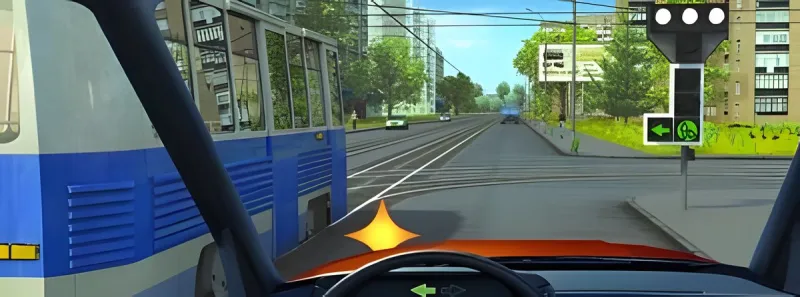
12. In this situation, when making a left turn:
I will yield to the tram.
I will proceed through the intersection first.
Correct answer: I will proceed through the intersection first.ABC · D/T
Why: Տրամվայի «T»-աձև լուսացույցի միայն վերևի ազդանշաններն են միացված՝ առանց ներքևի, ուստի կետ 14-ով տրամվայի երթևեկությունն արգելված է. մեր լուսացույցը կանաչ է՝ միացված ձախ սեկցիայով (կետ 8)։ Խաչմերուկն անցնում ենք առաջինը։
13. What is the meaning of the circular flashing green traffic signal?
It indicates that entering the intersection is prohibited.
It permits traffic and indicates that its display period is ending and a prohibitory signal will be activated shortly.
Correct answer: It permits traffic and indicates that its display period is ending and a prohibitory signal will be activated shortly.ABC · D/T
Why: Կետ 7.2-ով կանաչ թարթող ազդանշանը թույլատրում է երթևեկությունը և տեղեկացնում, որ դրա ժամկետը լրանում է, և շուտով կմիանա արգելող ազդանշանը։
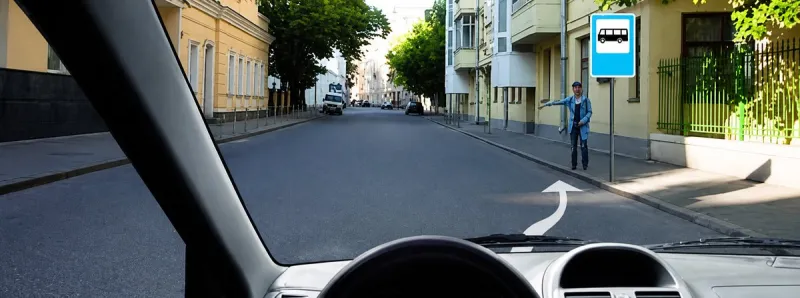
14. In the indicated situation, is stopping permitted for the purpose of picking up a passenger?
Yes.
Permitted only for the driver of a public transit vehicle.
No.
Correct answer: Permitted only for the driver of a public transit vehicle.ABC · D/T
Why:5.16 «Ավտոբուսի և (կամ) տրոլեյբուսի կանգառի տեղ» նշան։ Կետ 84.7-ով կանգառն արգելվում է կանգառի ցուցիչից 15 մ-ից մոտ (կամ 1.17 գծանշման տարածքում). այնտեղ կանգ առնել կարող են միայն կանգառը սպասարկող ընդհանուր օգտագործման տրանսպորտային միջոցները։
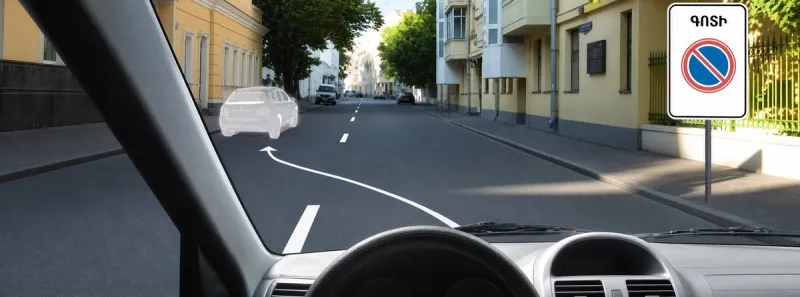
15. Is parking permitted at the indicated location?
Prohibited.
Permitted.
Correct answer: Prohibited.ABC · D/T
Why: Նշանը 5.27 «Կայանման սահմանափակումով գոտի»-ն է՝ ներսում 3.28 նշանով. այդ գոտում կայանումն արգելված է։ Բացի դրանից, բնակավայրում ձախ կողմում կայանելը թույլատրվում է միայն յուրաքանչյուր ուղղությամբ մեկ գոտի ունեցող ճանապարհներին (կետ 79), ուստի նշված վայրում կայանումն արգելվում է։
16. What is the maximum permitted speed when towing with a flexible coupling?
70 km/h.
60 km/h.
50 km/h.
40 km/h.
30 km/h.
Correct answer: 50 km/h.ABC · D/T
Why: Կետ 71.2-ով միմյանց կցված մեխանիկական տրանսպորտային միջոցներով քարշակելիս, այդ թվում՝ ճկուն կցիչով, թույլատրվում է 50 կմ/ժ ոչ ավելի արագություն։
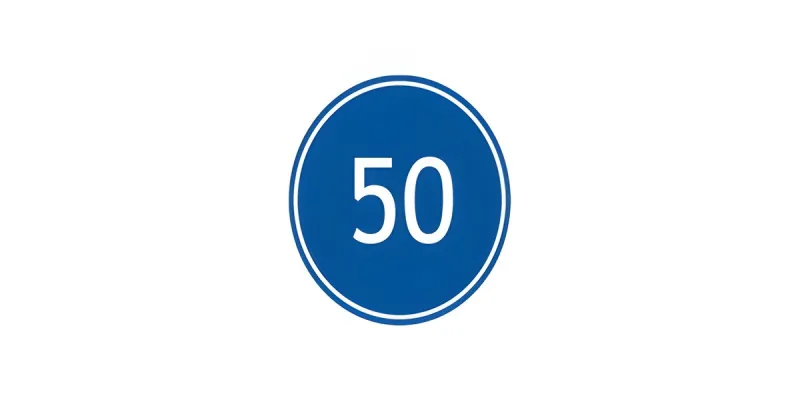
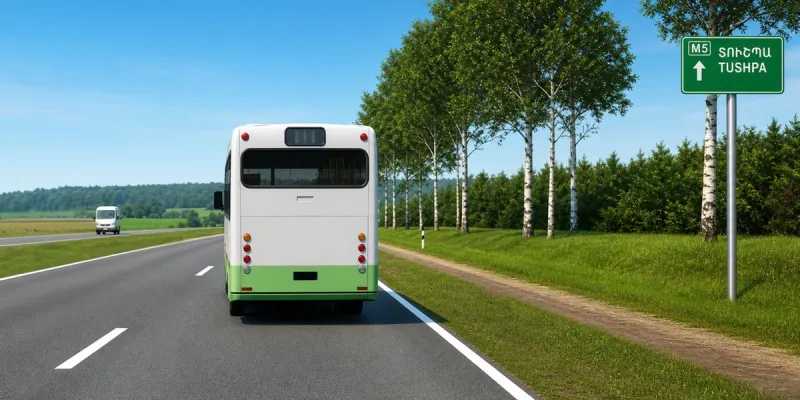
17. What is the maximum speed at which the driver of an intercity bus may proceed in this situation?
60 km/h.
70 km/h.
80 km/h.
90 km/h.
Correct answer: 90 km/h.D/T
Why: Կետ 69-ի համաձայն՝ բնակավայրերից դուրս միջքաղաքային փոխադրումներ իրականացնող ավտոբուսներին բոլոր ճանապարհներին թույլատրվում է ոչ ավելի, քան 90 կմ/ժ արագություն։
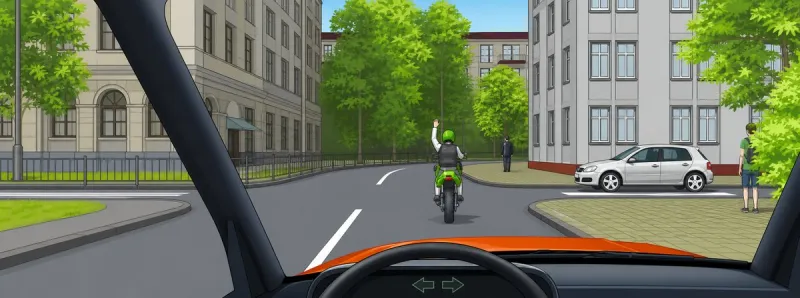
18. What is the driver of the motorcycle indicating?
An intention to continue straight ahead.
An intention to make a left turn.
An intention to slow down in order to yield to the passenger car.
Correct answer: An intention to slow down in order to yield to the passenger car.ABC · D/T
Why: Մոտոցիկլի վարորդի դեպի վեր պարզված ձեռքը կետ 37-ի համաձայն արգելակման ազդանշանն է. նա իջեցնում է արագությունը՝ թեթև մարդատարին զիջելու համար։
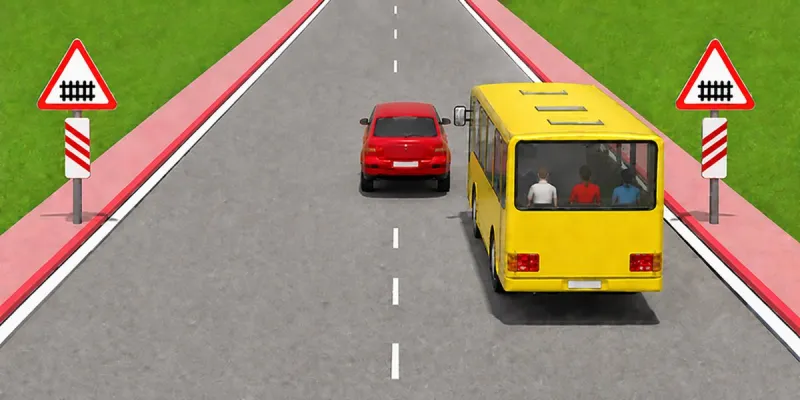
19. Is it permitted to pass the bus at the indicated location?
Permitted.
Prohibited.
Correct answer: Permitted.ABC · D/T
Why: Ճանապարհի երկու կողմում 1.1 «Երկաթուղային գծանց ուղեփակոցով» նշաններն են 1.4.1 և 1.4.4 երեք շերտով ցուցանակներով, որոնք տեղադրվում են գծանցից 150–300 մ առաջ։ Կետ 77.3-ով վազանցն արգելվում է միայն գծանցի վրա և դրանից 100 մ առաջ, ուստի այստեղ ավտոբուսին վազանցելը թույլատրվում է։
20. What is the optimal position for a conscious injured person when a spinal injury is suspected?
Lay the injured person on their side.
Lay the injured person on their back on a firm, flat surface; do not move them or change their position unless necessary.
Lay the injured person on their back, place a roll made from clothing under the neck, and raise the legs.
Correct answer: Lay the injured person on their back on a firm, flat surface; do not move them or change their position unless necessary.ABC · D/T
Why: Առաջին օգնություն. ողնաշարի վնասվածքի կասկածի դեպքում գիտակից տուժածին պառկեցնում են մեջքի վրա՝ կոշտ, հարթ մակերեսին, և առանց անհրաժեշտության չեն տեղաշարժում ու դիրքը չեն փոխում։
In Varordakan Tester the same tests are taken without hints, wrong answers are collected automatically, and there is an exam simulation (20 questions, 30 minutes, pass at 18), a 3D intersection simulator, video lessons and an AI assistant that cites the Traffic Rules point. Free.
Sources: questions from the official bank of the Road Police of Armenia (roadpolice.am, edition of 2 October 2026); rule points from the Traffic Rules of the Republic of Armenia (arlis.am). Varordakan Tester is an independent educational app, not affiliated with the Police of Armenia.