Updated 2026-10-13 · official question bank of 2 October 2026
Test 3, Categories D/T (bus, trolleybus): 20 questions from the official bank of 2 October 2026 across all 10 topics. Under every question: the correct answer, the explanation (in Armenian) and the signs it mentions. In the app the same test is taken without hints, and the exam simulation runs on a 30-minute timer.
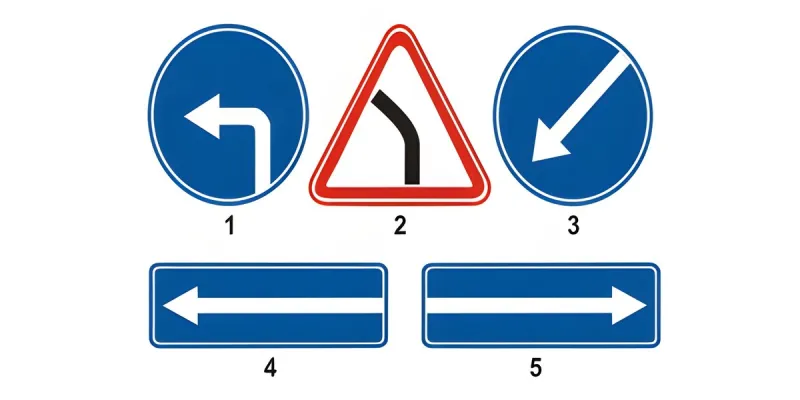
1. Which sign is called “Pass the Obstacle on the Left”?
1
2
3
4
5
Correct answer: Option 3ABC · D/T
Why: Նշան 3-ը 4.2.2 «Արգելքի շրջանցումը ձախից» նշանն է. սլաքն ուղղված է դեպի ներքև-ձախ։ 1-ը 4.1.3 «Երթևեկությունը դեպի ձախ», 2-ը 1.11.2 «Վտանգավոր շրջադարձ», 4-ը և 5-ը՝ 5.7.2 և 5.7.1 «Ելք դեպի միակողմ երթևեկությամբ ճանապարհ» նշաններն են։
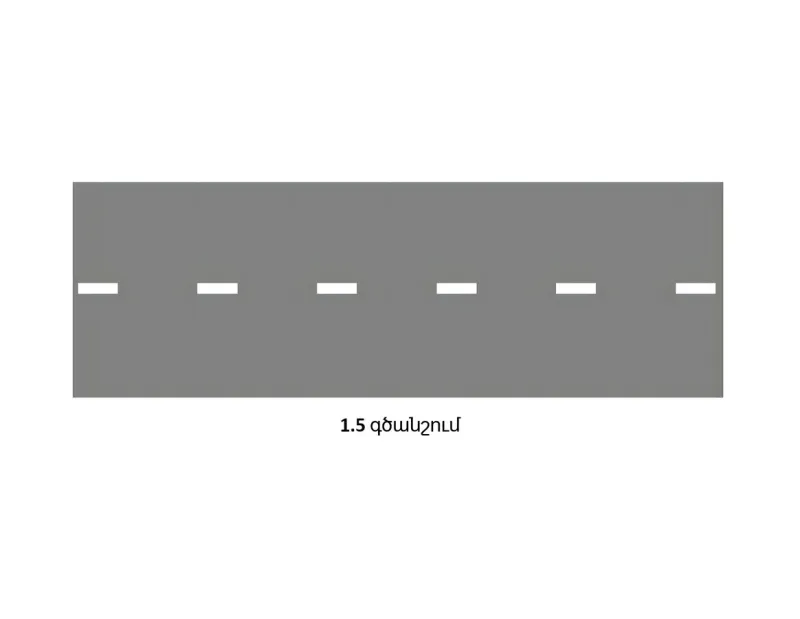
On roads with two or three traffic lanes, it separates traffic flows moving in opposite directions (center line); on roads with two or more lanes in one direction, it indicates the boundaries of traffic lanes.
It separates the roadway of a one-way road from the shoulder.
Correct answer: On roads with two or three traffic lanes, it separates traffic flows moving in opposite directions (center line); on roads with two or more lanes in one direction, it indicates the boundaries of traffic lanes.D/T
Why:1.5 ընդհատվող գիծը բաժանում է երկու կամ երեք գոտի ունեցող ճանապարհների հանդիպակաց հոսքերը, իսկ մեկ ուղղությամբ երկու և ավելի գոտի ունեցող ճանապարհներին ցույց է տալիս գոտիների սահմանները։
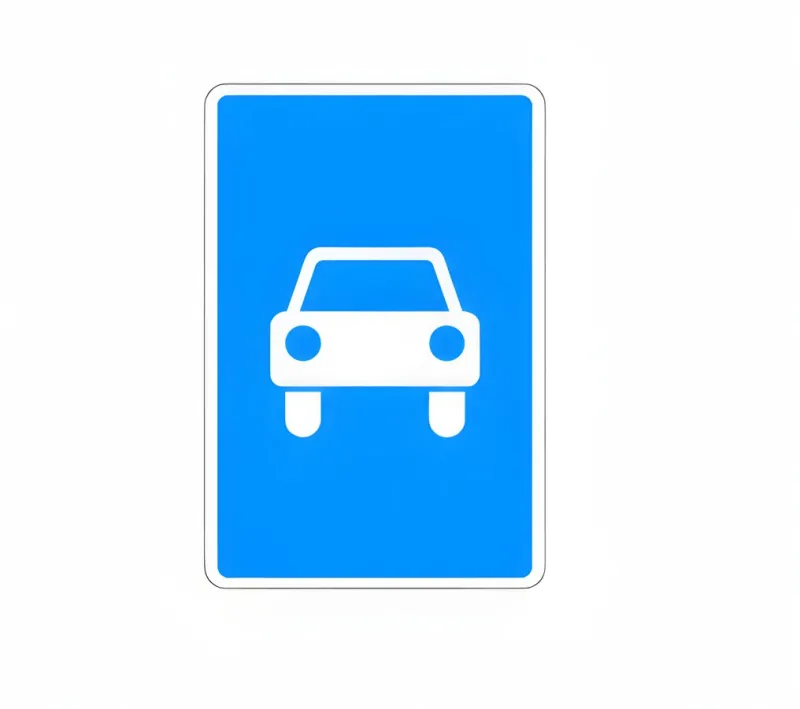
3. Is a bus permitted to reverse for the purpose of picking up a passenger on a road marked with the “Road for Motor Vehicles” sign?
Yes, provided this does not interfere with other road users.
Permitted only with the hazard warning lights activated.
Prohibited.
Correct answer: Prohibited.D/T
Why: Կետ 117-ով ավտոմայրուղիների պահանջները տարածվում են նաև 5.3 նշանով ճանապարհների վրա, իսկ կետ 116.6-ով այնտեղ հետընթացն արգելվում է՝ անկախ նպատակից։
4. According to the Law of the Republic of Armenia on Ensuring Road Traffic Safety, the following are considered equivalent to pedestrians:
Persons with disabilities moving at pedestrian speed in motorized wheelchairs.
Persons leading a bicycle, moped, or motorcycle.
All of the listed persons.
Correct answer: All of the listed persons.ABC · D/T
Why: ՀՀ օրենքի համաձայն՝ հետիոտներին են հավասարեցվում շարժիչով հաշմանդամային սայլակով հետիոտնի արագությամբ տեղաշարժվող անձինք և հեծանիվ, մոպեդ կամ մոտոցիկլ տանող անձինք՝ բոլոր թվարկածները։
5. A bus may not be operated if:
The remaining tread depth of the tires is 2.2 mm.
The tires have tread or sidewall separation.
In both cases.
Correct answer: The tires have tread or sidewall separation.D/T
Why: Պահպանաշերտի և կողերի շերտատումը 4.2 ենթակետով անսարքություն է։ 2,2 մմ պահպանաշերտը ավտոբուսների 2,0 մմ նվազագույնից (4.1) բարձր է, ուստի միայն երկրորդ տարբերակը։
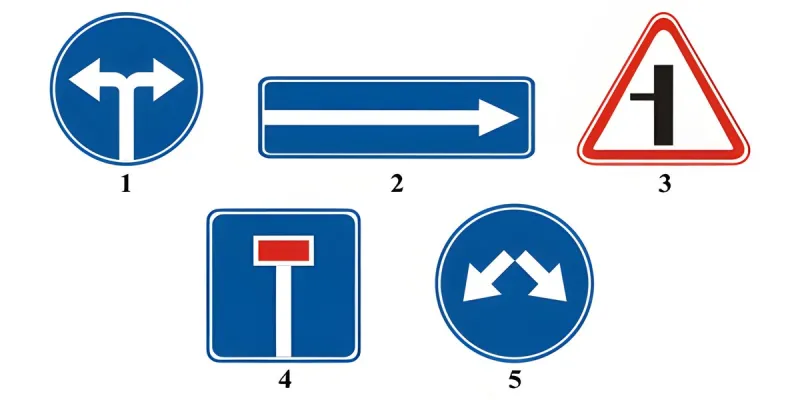
6. Which sign indicates that an obstruction may be passed on either the right or the left?
1
2
3
4
5
Correct answer: Option 5ABC · D/T
Why: Արգելքի շրջանցումն աջից կամ ձախից ցույց է տալիս 5-րդ նշանը՝ 4.2.3-ը։ 1-ը 4.1.6 «Երթևեկությունը դեպի աջ կամ դեպի ձախ», 2-ը 5.7.1 «Ելք դեպի միակողմ երթևեկությամբ ճանապարհ», 3-ը 2.3.3 «Երկրորդական ճանապարհի հարում», 4-ը 6.8.1 «Փակուղի» նշաններն են։
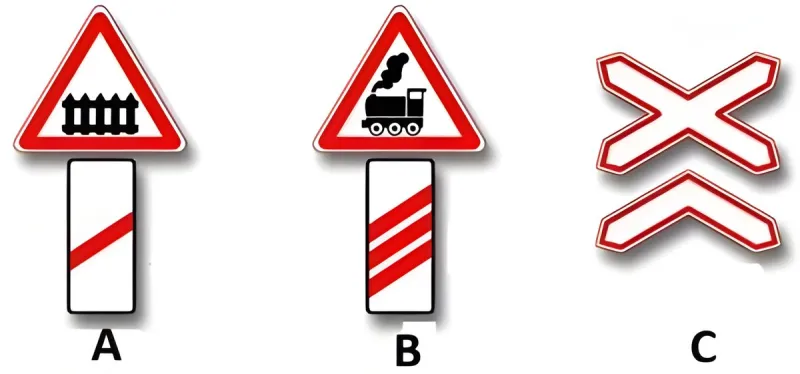
7. Which case indicates a railroad crossing with two or more tracks?
A and C.
A and B.
Only C.
B and C.
Correct answer: Only C.ABC · D/T
Why: Երկու և ավելի ուղիներով երկաթուղային գծանցի մասին տեղեկացնում է միայն C նշանը՝ 1.3.2 «Բազմագիծ երկաթուղի»։ A-ն 1.1 «Երկաթուղային գծանց՝ ուղեփակոցով» նշանն է 1.4.3 ցուցիչով, B-ն՝ 1.2 «Երկաթուղային գծանց՝ առանց ուղեփակոցի» նշանը 1.4.1 ցուցիչով («Մոտեցում երկաթուղային գծանցին»)։
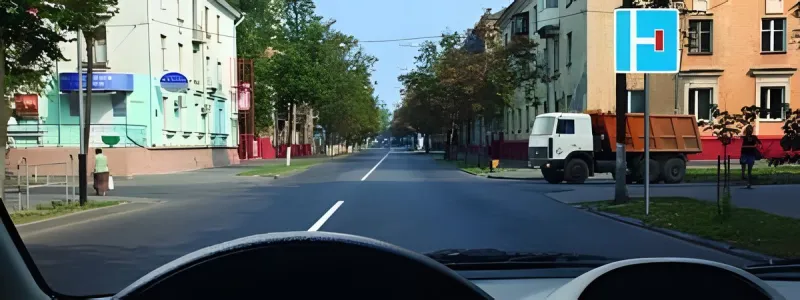
Why:6.8.2 «Փակուղի» նշանը տեղեկացնում է, որ աջ կողմի ճանապարհը միջանցիկ անցում չունի։ Այն ոչ մի ուղղություն չի արգելում, ուստի ձախ շրջադարձը թույլատրվում է։
9. At an intersection of equivalent roads, a tram operator must yield to:
Drivers of all vehicles approaching from the right.
Only tram operators approaching from the right.
Correct answer: Only tram operators approaching from the right.D/T
Why: Կետ 98-ով հավասարազոր ճանապարհների խաչմերուկում տրամվայն առավելություն ունի ոչ ռելսագնաց տրանսպորտային միջոցների նկատմամբ, իսկ տրամվայների վարորդները միմյանց նկատմամբ զիջում են աջից մոտեցողին. ուստի տրամվայը զիջում է միայն աջից մոտեցող տրամվայներին։
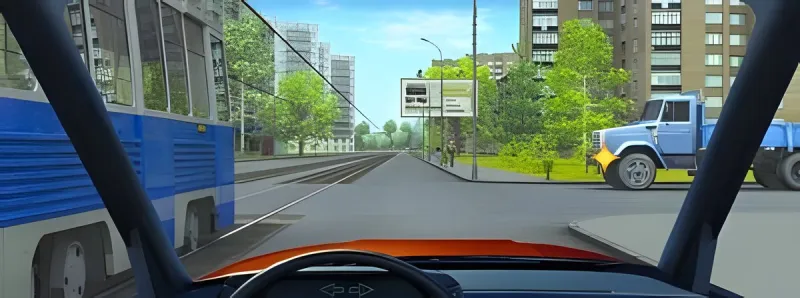
10. In this situation:
We must yield to the truck driver.
We may proceed through the intersection simultaneously with the tram.
Correct answer: We must yield to the truck driver.ABC · D/T
Why: Առավելության նշաններ չկան՝ հավասարազոր ճանապարհների խաչմերուկ։ Բեռնատարը մոտենում է մեր աջից, կետ 98-ով պարտավոր ենք զիջել նրան, իսկ ձախի տրամվայն էլ առավելություն ունի (կետ 100), ուստի նրա հետ միաժամանակ անցնել չենք կարող։
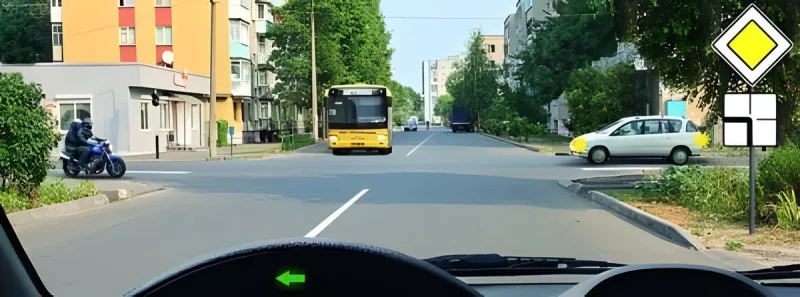
11. When making a left turn, we must yield to:
The passenger-car driver.
The bus driver.
The driver of the motorcycle.
No one.
Correct answer: No one.ABC · D/T
Why: Մեր դիմաց 2.1 «Գլխավոր ճանապարհ» նշանն է 8.13 «Գլխավոր ճանապարհի ուղղությունը» ցուցանակով. գլխավոր ճանապարհն անցնում է մեր թևով և թեքվում ձախ՝ մոտոցիկլի թևը։ Ձախ շրջվելիս մոտոցիկլը, թեև գլխավոր ճանապարհով է, մոտենում է ձախից և կետ 97, 98-ով զիջում է մեզ, իսկ դիմացի ավտոբուսն ու աջի թեթև մարդատարը երկրորդական ճանապարհից են (կետ 96). ոչ ոքի չենք զիջում։
12. Is it permitted to proceed on tram tracks in the same direction located on the left side of the roadway at the same level as the roadway if all lanes in that direction are occupied?
Permitted if no other traffic arrangement is established by appropriate signs and if this does not interfere with tram traffic.
Permitted only when the vehicle is passing.
Prohibited in all cases because tram tracks are intended exclusively for rail vehicles.
Correct answer: Permitted if no other traffic arrangement is established by appropriate signs and if this does not interfere with tram traffic.D/T
Why: Կետ 59-ով երթևեկելի մասի ձախ կողմում նույն մակարդակի վրա գտնվող համընթաց տրամվայի գծերով երթևեկել թույլատրվում է, եթե այդ ուղղությամբ բոլոր գոտիները զբաղված են, պայմանով, որ դա խոչընդոտ չստեղծի տրամվային և նշաններով այլ կարգ սահմանված չլինի։
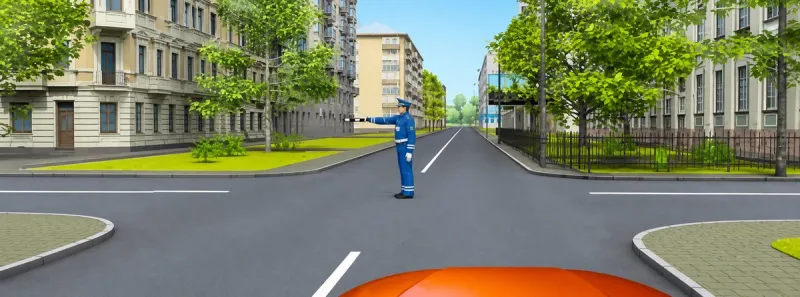
13. Traffic is permitted:
Straight ahead and to the right.
To the right only.
In all directions.
Correct answer: In all directions.ABC · D/T
Why: Կարգավորողի աջ ձեռքը պարզված է առաջ, մենք մոտենում ենք նրա ձախ կողմից, լուսացույց և նշաններ չկան։ Ձախ կողմից ոչ ռելսագնաց միջոցներին թույլատրվում է բոլոր ուղղություններով (կետ 16, 3-րդ ենթակետ «ա»)։
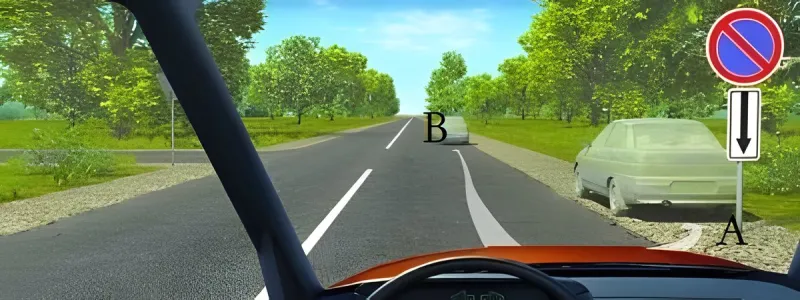
14. At which of the indicated locations is stopping permitted?
Only A.
Only B.
At any of the locations.
Correct answer: Only A.ABC · D/T
Why: Նշանը 3.28 «Կայանելն արգելվում է»-ն է 8.2.3 ցուցանակով. այն արգելում է միայն կայանումը, ուստի A տեղում կանգառը թույլատրվում է։ B տեղը բնակավայրից դուրս երկկողմ ճանապարհի ձախ կողմում է, իսկ կետ 79-ով ձախ կողմում կանգառը թույլատրվում է միայն բնակավայրերում։
15. When orange and white pavement markings conflict, drivers:
May follow whichever pavement marking is more convenient.
Must follow the white pavement marking.
Must follow the orange pavement marking.
Correct answer: Must follow the orange pavement marking.ABC · D/T
Why: Կետ 174-ով, եթե ժամանակավոր (նարնջագույն) և մշտական (սպիտակ) գծանշումների պահանջները հակասում են, վարորդները ղեկավարվում են ժամանակավոր գծանշմամբ։
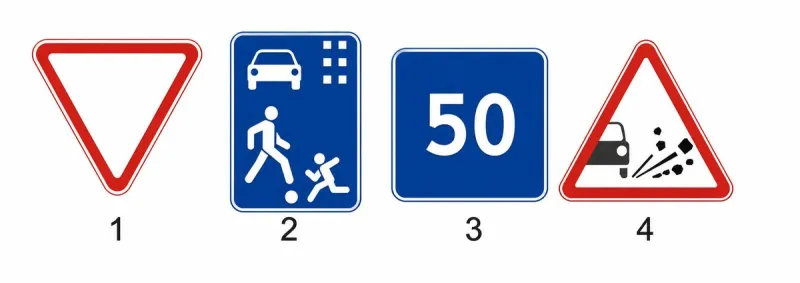
16. Which sign limits speed?
1 and 3.
1 and 4.
2
2 and 3.
Correct answer: Option 2ABC · D/T
Why: 1-ը 2.4 «Զիջեք ճանապարհը», 2-ը 5.21 «Բնակելի գոտի», 3-ը 6.2 «Առաջարկվող արագություն», 4-ը 1.18 «Խճի արտանետում» նշանն է։ Արագությունը սահմանափակում է միայն 5.21-ը. կետ 68-ով բնակելի գոտում թույլատրվում է 20 կմ/ժ ոչ ավելի, իսկ 6.2-ը միայն առաջարկություն է։
17. When towing with a rigid or flexible coupling, in which of the following cases is carrying people in the towed vehicle permitted?
In a bus.
In a passenger car.
In the cargo bed of a truck when towing with a rigid coupling.
Correct answer: In a passenger car.ABC · D/T
Why: Կետ 139-ը արգելում է մարդկանց փոխադրումը միայն քարշակվող ավտոբուսում, տրոլեյբուսում և բեռնատարի թափքում։ Քարշակվող թեթև մարդատարը ցանկում չկա, ուստի այնտեղ մարդկանց փոխադրումը թույլատրվում է։
18. When approaching a stationary vehicle with a red flashing beacon activated, drivers proceeding in the same direction must:
Stop and continue only after receiving permission.
Reduce speed so that they can stop immediately if necessary.
Correct answer: Stop and continue only after receiving permission.ABC · D/T
Why: Կետ 31-ով կարմիր առկայծող փարոսիկ միացրած կանգնած մեքենային մոտենալիս տվյալ ուղղությամբ երթևեկող վարորդները կանգ են առնում և շարունակում միայն թույլտվություն ստանալուց հետո։
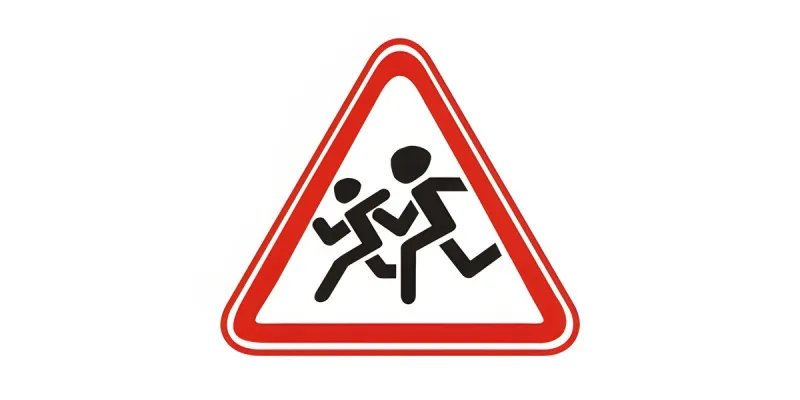
19. In populated areas, at what distance before the beginning of a hazardous section is this warning sign installed?
25–50 m.
50–100 m.
100–150 m.
Correct answer: 50–100 m.ABC · D/T
Why: Նախազգուշացնող նշանները, այդ թվում՝ 1.23 «Երեխաներ»-ը, բնակավայրերում տեղադրվում են վտանգավոր հատվածի սկզբից 50–100 մ առաջ։
20. A driver had been crouching for a long time while changing a vehicle’s wheel. After suddenly standing up, the driver grabs the head, loses consciousness, and falls. What should be done?
Try to seat the driver.
Raise the driver’s legs.
Pour cold water on the driver’s face.
Slap the driver’s face.
Correct answer: Raise the driver’s legs.ABC · D/T
Why: Առաջին օգնություն. կտրուկ վեր կենալուց ուշագնացություն է։ Տուժածին պառկեցնում են և բարձրացնում ոտքերը, որպեսզի արյունը վերադառնա գլխուղեղ։ Նստեցնելը, ջուրն ու ապտակը չեն օգնում։
In Varordakan Tester the same tests are taken without hints, wrong answers are collected automatically, and there is an exam simulation (20 questions, 30 minutes, pass at 18), a 3D intersection simulator, video lessons and an AI assistant that cites the Traffic Rules point. Free.
Sources: questions from the official bank of the Road Police of Armenia (roadpolice.am, edition of 2 October 2026); rule points from the Traffic Rules of the Republic of Armenia (arlis.am). Varordakan Tester is an independent educational app, not affiliated with the Police of Armenia.