Updated 2026-10-13 · official question bank of 2 October 2026
Test 4, Categories D/T (bus, trolleybus): 20 questions from the official bank of 2 October 2026 across all 10 topics. Under every question: the correct answer, the explanation (in Armenian) and the signs it mentions. In the app the same test is taken without hints, and the exam simulation runs on a 30-minute timer.
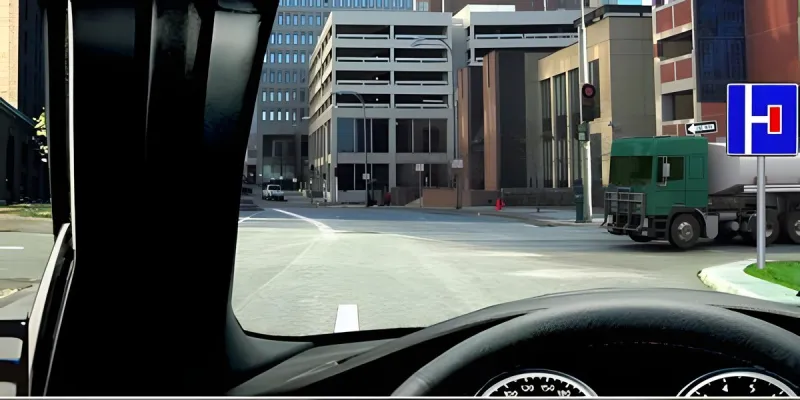
1. Must the bus driver proceeding straight ahead yield to the truck?
Must yield.
Not required.
Correct answer: Must yield.D/T
Why: Լուսացույցը չի աշխատում, ուստի կետ 95-ով խաչմերուկը չկարգավորվող է, իսկ առավելության նշաններ չկան. 6.8.2 «Փակուղի» նշանը միայն տեղեկացնում է, որ աջ ճանապարհը միջանցիկ անցում չունի։ Հավասարազոր ճանապարհների խաչմերուկում կետ 98-ով զիջում են աջից մոտեցողին. բեռնատարը մոտենում է աջից, ուստի ավտոբուսի վարորդը պարտավոր է զիջել։
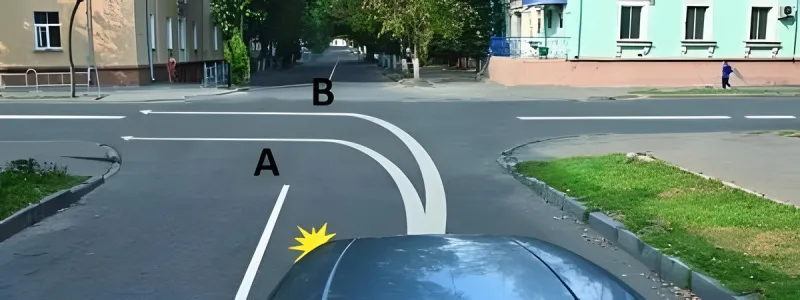
Why: A հետագիծը կտրում է խաչմերուկը և դուրս է գալիս հատվող ճանապարհի հանդիպակաց կողմ։ Կետ 41-ի համաձայն՝ շրջադարձը պետք է կատարվի այնպես, որ երթևեկելի մասերի փոխհատումից դուրս գալիս տրանսպորտային միջոցը չհայտնվի հանդիպակաց կողմում, ուստի թույլատրված է միայն B հետագիծը։
3. A U-turn is prohibited when visibility in at least one direction of the road is less than:
100 m.
150 m.
300 m.
Correct answer: 100 m.ABC · D/T
Why: Ենթակետ 50.5-ով հետադարձն արգելվում է այն տեղերում, որտեղ ճանապարհի տեսանելիությունը թեկուզ մեկ ուղղությամբ 100 մ-ից պակաս է։
4. According to the Law of the Republic of Armenia on Ensuring Road Traffic Safety, initial practical driving instruction is conducted:
On roads outside populated areas, taking into account the intensity of vehicle traffic.
On a closed training area or driving range.
On any road, except freeways, taking into account the intensity of vehicle traffic.
Correct answer: On a closed training area or driving range.ABC · D/T
Why: Կետ 145-ի համաձայն՝ տրանսպորտային միջոցների վարման սկզբնական ուսուցումը պետք է կատարվի փակ հրապարակներում կամ ավտոդրոմներում։
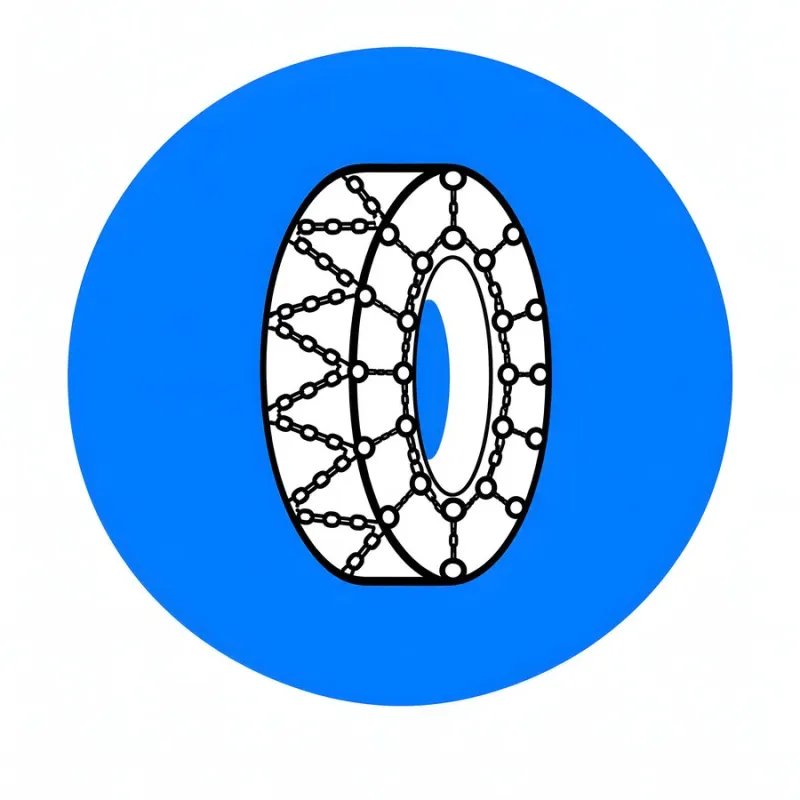
5. This sign applies:
From November 15 of the current year through March 31 of the following year.
Throughout the year.
When snow or ice is present.
Correct answer: When snow or ice is present.D/T
Why: Նկարում 4.9.1 «Երթևեկությունը հակասահքային շղթաներով» նշանն է։ Ըստ 4.7 ենթակետի՝ դրա ազդման գոտում շղթաների պահանջը գործում է, երբ երթևեկելի մասի ծածկույթին կա ձյուն կամ մերկասառույց։
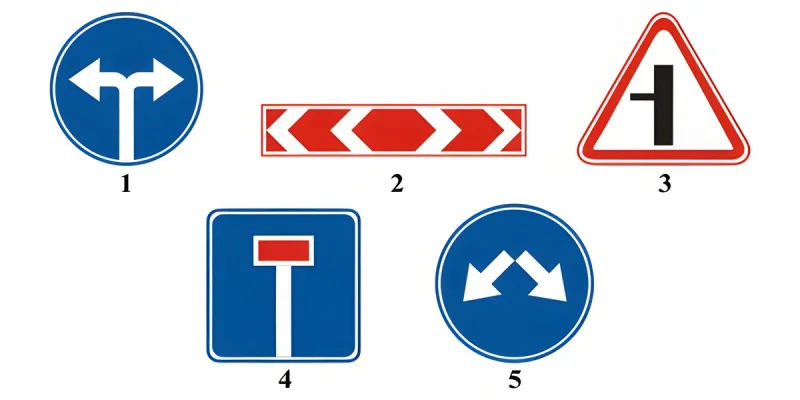
6. Which sign indicates the permitted directions of traffic at a T-intersection?
1
2
3
4
5
Correct answer: Option 2ABC · D/T
Why: T-աձև խաչմերուկում երթևեկության ուղղությունները ցույց է տալիս 2-րդ նշանը՝ 1.34.3 «Շրջադարձի ուղղություն»։ 1-ը 4.1.6, 3-ը 2.3.3, 4-ը 6.8.1 «Փակուղի», 5-ը 4.2.3 նշաններն են։
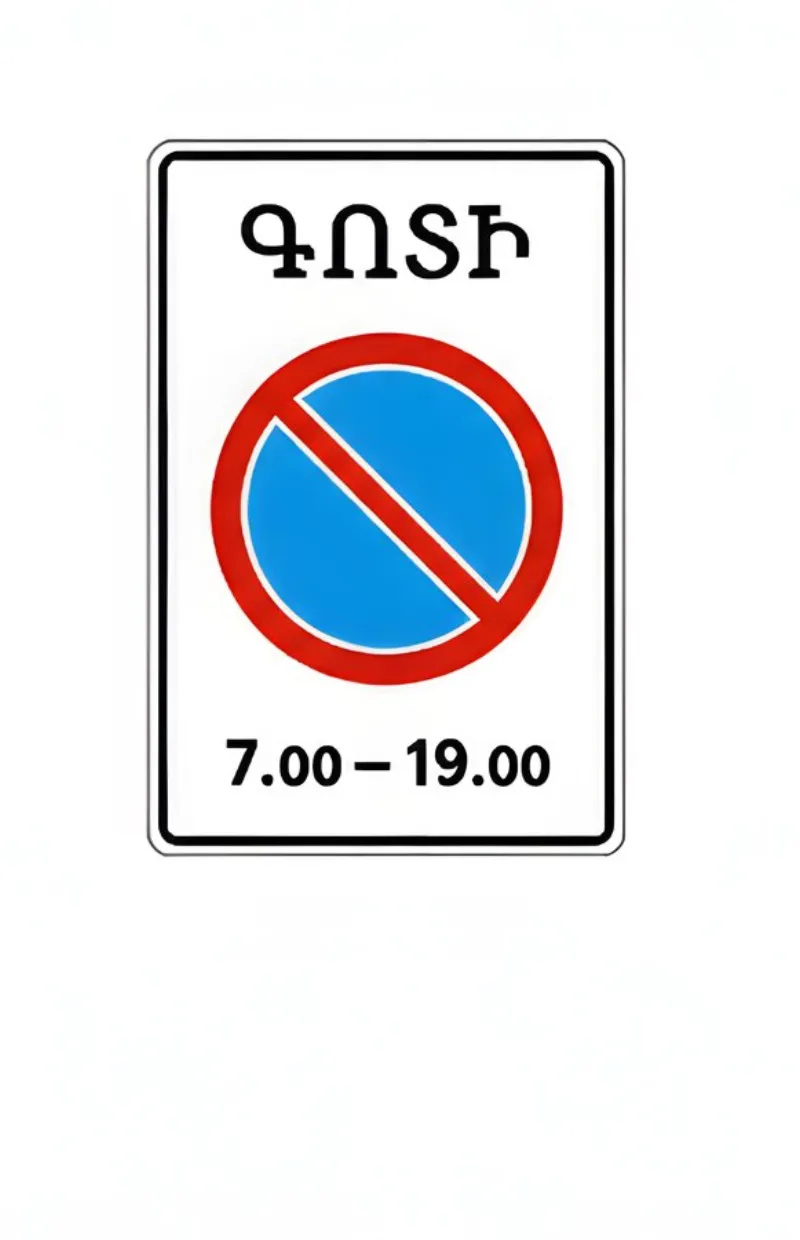
7. Which statement about the “Parking Restriction Zone” sign is incorrect?
It applies across the entire width of the road.
Its effect ends after passing through an intersection.
It applies to the side of the road on which it is installed.
Correct answer: Its effect ends after passing through an intersection.D/T
Why: Սխալ է 2-րդ պնդումը։ 5.27 «Կայանման սահմանափակումով գոտի» նշանը ցույց է տալիս կայանումն արգելված տարածքի (ճանապարհի հատվածի) սկիզբը, և նրա ազդեցությունը խաչմերուկով չի ընդհատվում. այն գործում է մինչև տարածքի ելքերում տեղադրված 5.28 «Կայանման սահմանափակումով գոտու վերջ» նշանը։ Ուշադրություն. ճիշտ չէ նաև 3-րդ պնդումը։ «Ճանապարհի միայն այն կողմի վրա, որտեղ տեղադրված է» կանոնը վերաբերում է 3.10 և 3.27–3.30 նշաններին, իսկ գոտու նշանը տեղադրվում է տարածքի բոլոր մուտքերում և գործում է ամբողջ տարածքում՝ ճանապարհի երկու կողմերում էլ։
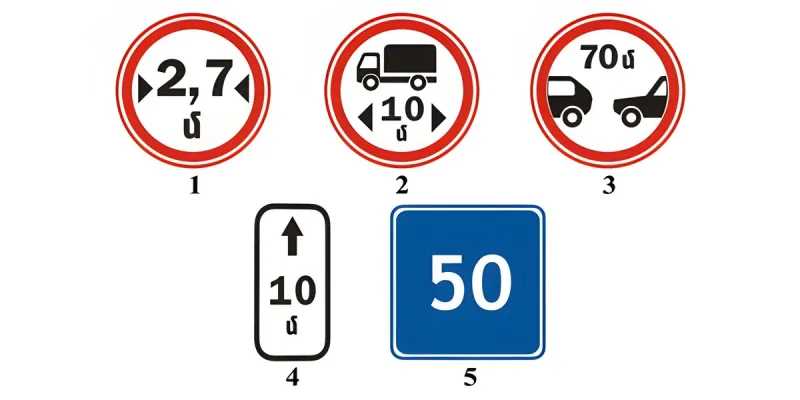
8. Which of the following indicates the area of effect of traffic signs prohibiting stopping and parking?
1
2
3
4
5
Correct answer: Option 4ABC · D/T
Why: 4-րդը ուղղահայաց 8.2.2 «Ազդման գոտի» ցուցանակն է (վերև սլաք և հեռավորություն), որը 3.27-3.30 նշանների հետ ցույց է տալիս կանգառն ու կայանումն արգելող նշանների ազդման գոտին։ Մյուսները՝ 3.14, 3.15, 3.16 սահմանափակումներ և 6.2 առաջարկվող արագություն։
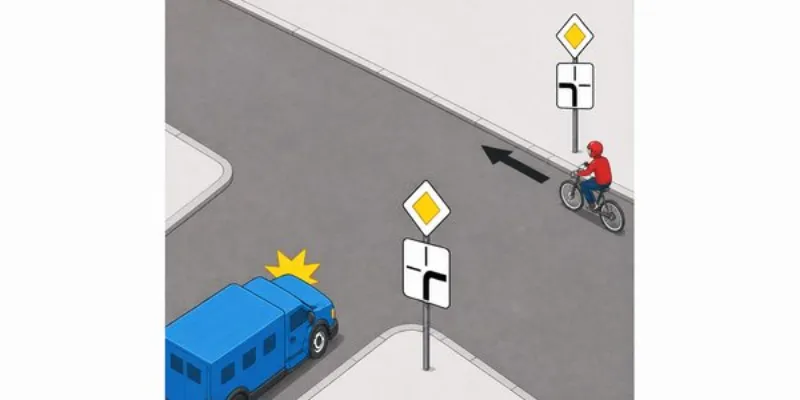
Why: Երկու 2.1 «Գլխավոր ճանապարհ» նշան՝ 8.13 «Գլխավոր ճանապարհի ուղղությունը» ցուցանակով. գլխավոր ճանապարհն անցնում է և՛ ավտոմոբիլի, և՛ հեծանվորդի թևերով։ Կետ 97-ով թեքվող գլխավոր ճանապարհի վրա գործում են հավասարազոր խաչմերուկի կանոնները, իսկ հեծանվորդը մոտենում է ավտոմոբիլի աջից (կետ 98). առաջնահերթությունը հեծանվորդինն է։
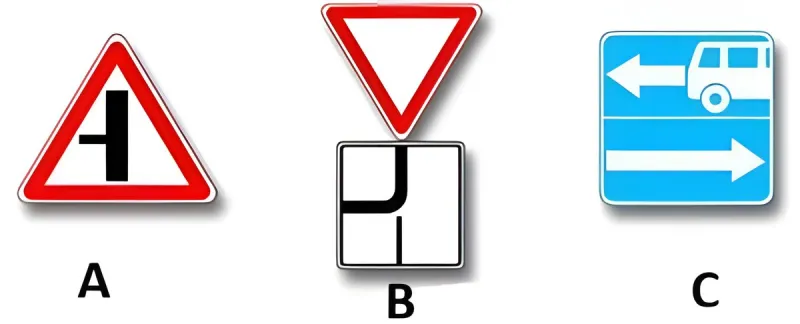
10. Under which sign must you give way at an intersection to drivers approaching from the left?
Only A.
Only B.
A and B.
All.
Correct answer: Only B.ABC · D/T
Why: A-ն 2.3.3 «Երկրորդական ճանապարհի հարում» նշանն է. մենք գլխավոր ճանապարհով ենք, ձախից մոտեցողը զիջում է մեզ։ B-ն 2.4 «Զիջեք ճանապարհը» նշանն է 8.13 ցուցանակով, որով գլխավոր ճանապարհը գալիս է ձախից. մենք երկրորդական ճանապարհով ենք և կետ 96-ով զիջում ենք ձախից մոտեցողներին։ C-ն 5.13.1 «Ելք դեպի ընդհանուր օգտագործման տրանսպորտային միջոցների համար գոտիով ճանապարհ» է, առավելություն չի սահմանում։ Միայն B։
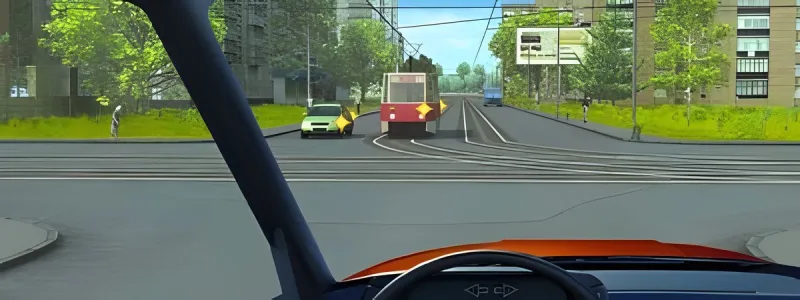
11. When proceeding straight through the intersection, the driver:
May proceed first.
Must yield to the tram.
Must yield to both drivers.
Correct answer: Must yield to the tram.ABC · D/T
Why: Նշաններ չկան՝ հավասարազոր ճանապարհների խաչմերուկ։ Կետ 100-ով տրամվայն առավելություն ունի ոչ ռելսագնաց միջոցների նկատմամբ՝ անկախ ուղղությունից, ուստի ուղիղ անցնելիս զիջում ենք տրամվային, իսկ ձախ թեքվող հանդիպակաց թեթև մարդատարը կետ 99-ով զիջում է մեզ։
12. Is a bus driver permitted to pass on sections of road with limited visibility?
Permitted if the passing maneuver is performed without entering the oncoming traffic lane.
Prohibited regardless of visibility and whether the maneuver requires entering the oncoming lane.
Permitted at any time.
Correct answer: Permitted if the passing maneuver is performed without entering the oncoming traffic lane.D/T
Why: Կետ 77.8-ով սահմանափակ տեսանելիությամբ հատվածներում վազանցն արգելվում է միայն հանդիպակաց գոտի դուրս գալու դեպքում, ուստի առանց դրա թույլատրվում է։
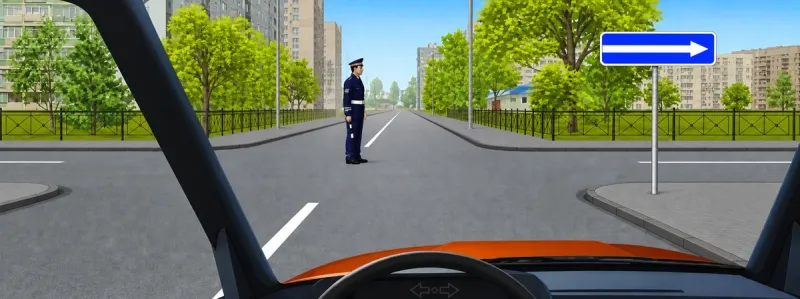
13. Traffic is permitted:
Straight ahead only.
To the right only.
Straight ahead and to the right.
Correct answer: Straight ahead and to the right.ABC · D/T
Why: Կարգավորողը մեզ կողքով է, ձեռքերն իջեցված, ուստի կողքից թույլատրվում է ուղիղ և աջ (կետ 16, 2-րդ ենթակետ «ա»)։ Աջի 5.7.1 «Ելք դեպի միակողմ երթևեկությամբ ճանապարհ» նշանը ցույց է տալիս, որ կողմնային ճանապարհը միակողմ է դեպի աջ, ուստի աջ շրջադարձը հոսքի ուղղությամբ է։ Ուղիղ և աջ։
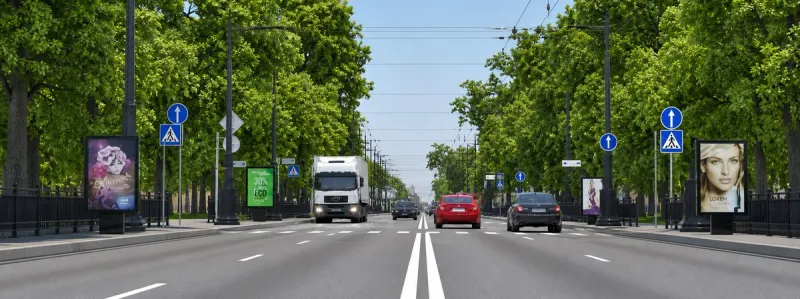
Why: Կրկնակի հոծ առանցքային 1.3 գծանշումը կիրառվում է միայն չորս և ավելի գոտի ունեցող ճանապարհներին, ուստի այս ճանապարհը չորս գոտի ունի։
15. This pavement marking has the following meaning:
It indicates curbside parking spaces where the positioning of motor vehicles is specified.
It indicates locations where stopping of motor vehicles is prohibited.
It indicates public transit vehicle stops and taxi parking areas.
Correct answer: It indicates public transit vehicle stops and taxi parking areas.ABC · D/T
Why: Դեղին բեկյալ 1.17 գծանշումը ցույց է տալիս ընդհանուր օգտագործման տրանսպորտային միջոցների կանգառի կետերը և տաքսիների կայանման տեղերը։
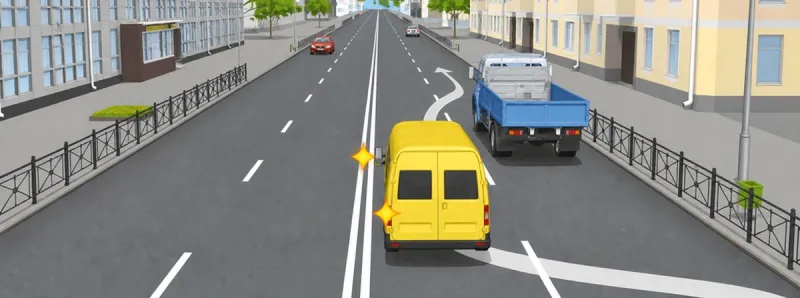
16. A bus driver must cancel the left turn signal:
After changing into the left lane.
After passing the truck.
After returning to the right lane.
Correct answer: After changing into the left lane.D/T
Why: Կետ 36-ով շրջադարձի ցուցիչով ազդանշանը պետք է դադարեցվի մանևրն ավարտելուց անմիջապես հետո, այսինքն՝ ձախ գոտի վերադասավորվելուց հետո։
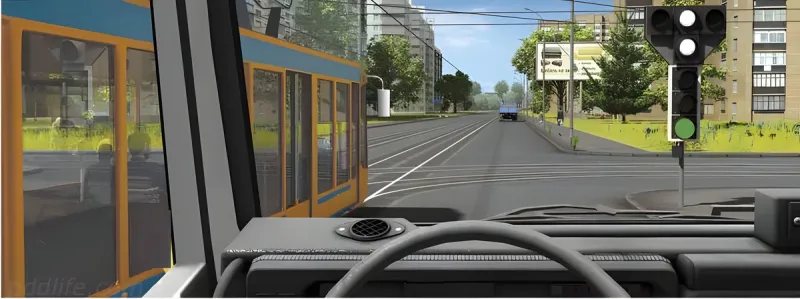
17. In which direction may the driver of a tourist bus proceed in this situation?
Straight ahead only.
In all directions.
Correct answer: In all directions.D/T
Why: Աջ կողմի «T»-աձև լուսնասպիտակ ազդանշաններով լուսացույցը (կետ 14) կարգավորում է միայն տրամվայների և առանձնացված գոտով երթևեկող ընդհանուր օգտագործման տրանսպորտային միջոցների երթևեկությունը։ Զբոսաշրջային ավտոբուսը ղեկավարվում է սովորական լուսացույցի կանաչ ազդանշանով և կարող է երթևեկել բոլոր ուղղություններով։
18. When a vehicle with a flashing blue beacon and a special audible signal activated is approaching, drivers of public transit vehicles must:
Continue because they are operating on an established route.
Yield to ensure the unobstructed passage of that vehicle.
Reduce speed and yield to ensure the unobstructed passage of that vehicle.
Correct answer: Yield to ensure the unobstructed passage of that vehicle.D/T
Why: Կետ 28-ով կապույտ փարոսիկ և հատուկ ձայնային ազդանշան միացրած մեքենա մոտենալիս վարորդները պետք է զիջեն ճանապարհը՝ անխոչընդոտ անցումն ապահովելու համար։ Արագությունն իջեցնելը պահանջվում է միայն կապույտ և կարմիր փարոսիկների դեպքում (կետ 29)։
19. Giving a signal:
Gives the driver the right-of-way over other road users.
Does not give the driver the right-of-way over other road users.
Gives the driver the right-of-way only when starting to move.
Correct answer: Does not give the driver the right-of-way over other road users.ABC · D/T
Why: Կետ 36-ի վերջին նախադասությամբ ազդանշան տալը երթևեկության մյուս մասնակիցների նկատմամբ առավելություն չի տալիս, այդ թվում՝ շարժում սկսելիս։
20. Your friend with diabetes feels unwell and cannot remember when insulin was last taken. What should you do first?
Give the person sugar or a sweet drink.
Suggest resting for several hours.
Advise taking insulin.
Correct answer: Give the person sugar or a sweet drink.ABC · D/T
Why: Առաջին օգնություն. վատառողջ շաքարախտով հիվանդին առաջին հերթին տալիս են շաքար կամ քաղցր հեղուկ, քանի որ ամենավտանգավորը շաքարի անկումն է։ Ինսուլին ներարկելը կարող է մահացու լինել։
In Varordakan Tester the same tests are taken without hints, wrong answers are collected automatically, and there is an exam simulation (20 questions, 30 minutes, pass at 18), a 3D intersection simulator, video lessons and an AI assistant that cites the Traffic Rules point. Free.
Sources: questions from the official bank of the Road Police of Armenia (roadpolice.am, edition of 2 October 2026); rule points from the Traffic Rules of the Republic of Armenia (arlis.am). Varordakan Tester is an independent educational app, not affiliated with the Police of Armenia.