Updated 2026-10-13 · official question bank of 2 October 2026
Test 5, Categories D/T (bus, trolleybus): 20 questions from the official bank of 2 October 2026 across all 10 topics. Under every question: the correct answer, the explanation (in Armenian) and the signs it mentions. In the app the same test is taken without hints, and the exam simulation runs on a 30-minute timer.
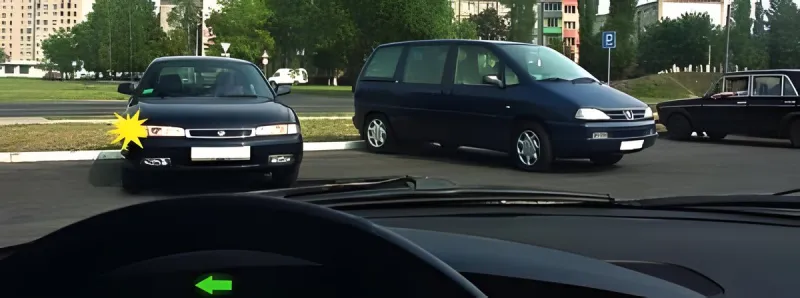
1. When starting to move simultaneously from a parking area, must you yield to the driver ahead?
Yes.
No.
Correct answer: Yes.ABC · D/T
Why: Երկու ավտոմոբիլն էլ միաժամանակ սկսում են շարժումը կայանատեղիից։ Առջևում գտնվող ավտոմոբիլն արդեն այն ուղու վրա է, որտեղ մենք վերադասավորվում ենք, ուստի կետ 39-ի համաձայն զիջում ենք նրան։
2. In residential zones and yard areas, the following is prohibited:
Through traffic by buses.
Parking buses with the engine running.
Driving instruction.
In all of the listed cases.
Correct answer: In all of the listed cases.D/T
Why: Կետ 121-ով բնակելի գոտիներում արգելվում են ուսումնական վարումը, միջանցիկ երթևեկությունը և աշխատող շարժիչով կայանելը, իսկ կետ 122-ով այդ պահանջները տարածվում են նաև բակային տարածքների վրա, ուստի արգելված են բոլոր թվարկվածները։
3. In populated areas, must drivers yield to public transit vehicles that are starting to move from designated and marked stops?
Yes.
No.
Correct answer: Yes.ABC · D/T
Why: Կետ 125-ով բնակավայրերում կահավորված և նշված կանգառի կետից երթևեկությունն սկսող ընդհանուր օգտագործման տրանսպորտային միջոցներն ունեն առավելություն, ուստի մյուս վարորդները պարտավոր են զիջել ճանապարհը։
4. According to the Law of the Republic of Armenia on Ensuring Road Traffic Safety, stopping is:
Intentionally bringing a vehicle to a stationary position for up to 5 minutes, or for the time necessary to pick up or drop off passengers and/or to load or unload the vehicle.
Bringing a vehicle to a stationary position for more than 5 minutes when this is not related to picking up or dropping off passengers or loading or unloading the vehicle.
Correct answer: Intentionally bringing a vehicle to a stationary position for up to 5 minutes, or for the time necessary to pick up or drop off passengers and/or to load or unload the vehicle.D/T
Why: ՀՀ օրենքի համաձայն՝ կանգառ է մինչև 5 րոպե կամ ուղևորի նստելու, իջնելու և (կամ) բեռնելու, բեռնաթափելու համար անհրաժեշտ ժամանակով տրանսպորտային միջոցը կանխամտածված անշարժ վիճակի բերելը։
5. A vehicle may not be operated if:
The rear side windows are curtained and two side rear-view mirrors are missing.
The window heating and defogging devices provided by the vehicle’s design do not operate.
In both cases.
Correct answer: In both cases.ABC · D/T
Why: Հետևի կողային ապակիների վարագուրապատումը երկու կողային հայելիների բացակայությամբ 6.5 ենթակետով անսարքություն է, ապակիների տաքացման ու փչահարման սարքերի չաշխատելը՝ 6.6 ենթակետով։ Երկու դեպքում էլ շահագործումն արգելվում է։
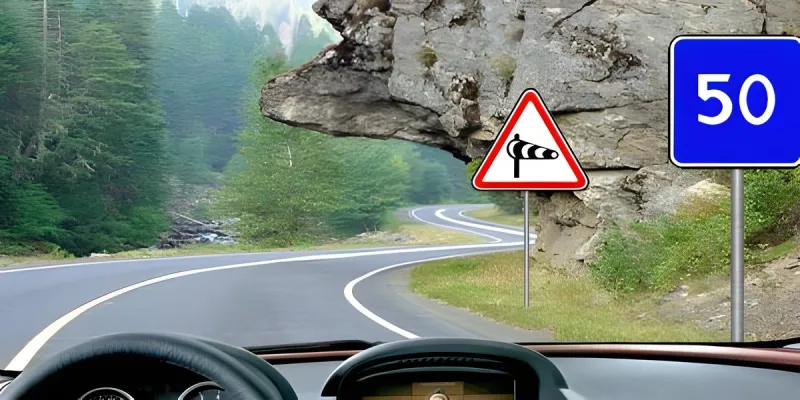
6. What do the following traffic signs indicate?
On this section of road, the maximum permitted speed is 50 km/h.
A speed of 50 km/h is recommended on this section of road.
Driving is permitted only at the speed indicated on the sign or higher.
Correct answer: A speed of 50 km/h is recommended on this section of road.ABC · D/T
Why: Կապույտ քառակուսի 6.2 «Առաջարկվող արագություն» նշանը ցույց է տալիս, որ ճանապարհի տվյալ հատվածում առաջարկվում է երթևեկել 50 կմ/ժ արագությամբ։ Կողքի 1.29 «Կողային քամի» նշանը նախազգուշացնող է։
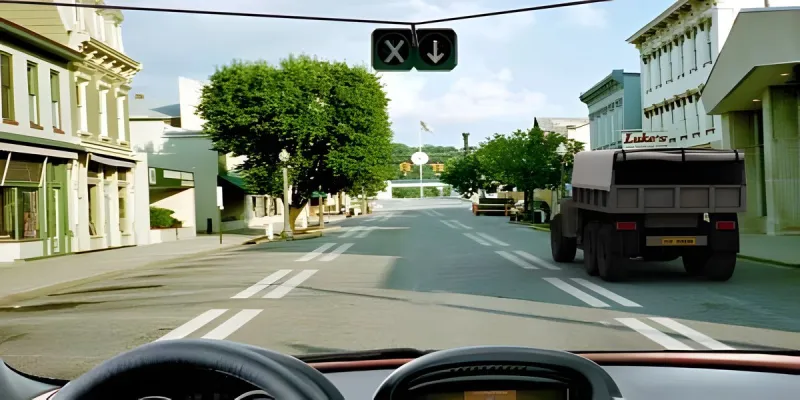
7. What does the pavement marking on the roadway indicate?
The boundaries of lanes designated for vehicles proceeding in the same direction.
The boundaries of a reversible traffic lane.
Correct answer: The boundaries of a reversible traffic lane.ABC · D/T
Why: Դարձափոխային լուսացույցների տակ գծված կրկնակի ընդհատվող 1.9 գծանշումը ցույց է տալիս դարձափոխային երթևեկության գոտու սահմանները։
8. What do supplemental information signs clarify or limit?
Specific traffic regimes and the distance to service facilities.
The effect of the signs with which they are used.
Correct answer: The effect of the signs with which they are used.D/T
Why: Լրացուցիչ տեղեկատվության նշանները (ցուցանակները, կետ 167, 8-րդ խումբ) ճշտում կամ սահմանափակում են այն նշանների ազդեցությունը, որոնց հետ կիրառվում են։
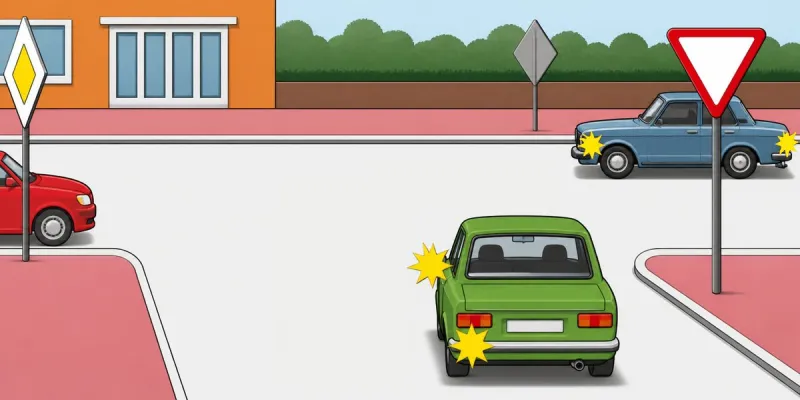
9. The automobiles will proceed through the intersection in the following order:
The blue automobile, the green automobile, the red automobile.
The red automobile, the blue automobile, the green automobile.
The green automobile, the red automobile, the blue automobile.
Correct answer: The red automobile, the blue automobile, the green automobile.ABC · D/T
Why: Կարմիրի առջև 2.1 «Գլխավոր ճանապարհ» նշանն է, կապույտի համար՝ նույն նշանը (երևում է թիկունքը), իսկ կանաչի առջև՝ 2.4 «Զիջեք ճանապարհը»։ Կարմիրն ու կապույտը գլխավոր ճանապարհով են և միմյանց նկատմամբ գործում են հավասարազոր խաչմերուկի կանոններով (կետ 97). ձախ թեքվող կապույտը կետ 99-ով զիջում է հանդիպակաց ուղիղ ընթացող կարմիրին։ Կանաչը կետ 96-ով զիջում է երկուսին. կարմիր, կապույտ, կանաչ։
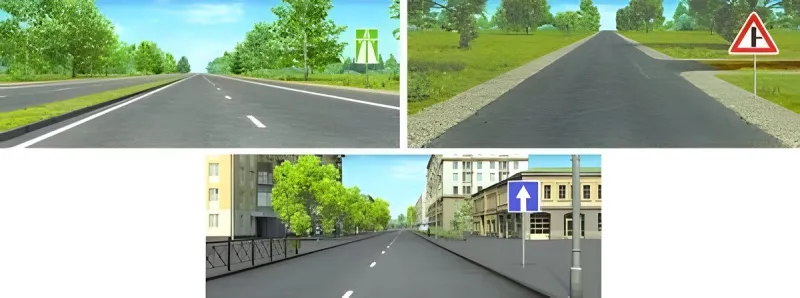
Why: Կետ 3-ի 1-ին ենթակետով գլխավոր է 5.1 «Ավտոմայրուղի» կամ 2.3.1-2.3.7 նշաններով նշված ճանապարհը. վերին ձախ նկարում 5.1-ն է, վերին աջում՝ 2.3.2 «Երկրորդական ճանապարհի հարում»։ Ներքևի նկարի 5.5 «Միակողմ երթևեկությամբ ճանապարհ» նշանն առավելություն չի սահմանում. վերևի նկարներում։
11. Is a bus driver permitted to go around vehicles stopped before a railroad crossing if the driver does not enter the oncoming traffic lane?
Permitted.
Prohibited.
Correct answer: Permitted.D/T
Why: Կետ 114.1-ով արգելվում է գծանցից առաջ կանգնած տրանսպորտային միջոցները շրջանցել հանդիպակաց երթևեկության գոտի դուրս գալով։ Առանց դրա շրջանցելը արգելված չէ։
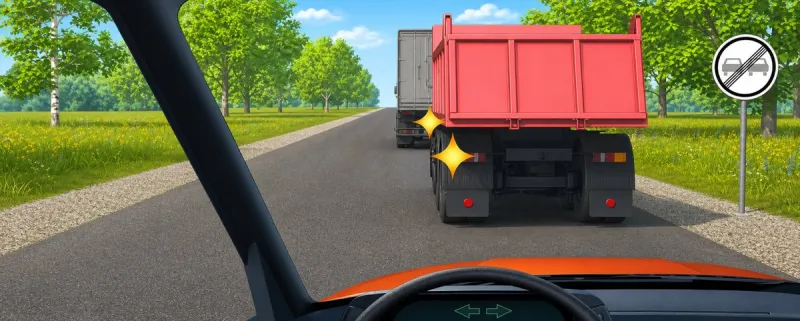
12. If you are driving a bus, may you begin passing?
Yes.
No.
Only after passing the sign.
Correct answer: No.D/T
Why: Նշանը 3.21 «Վազանցի արգելման գոտու վերջ»-ն է, բայց առջևի բեռնատարը տվել է ձախ շրջադարձի ազդանշան։ Կետ 73.2-ով վազանց սկսելուց առաջ վարորդը պետք է համոզվի, որ առջևից ընթացողը վազանցի կամ ձախ շրջադարձի ազդանշան չի տվել, ուստի վազանց սկսել չի կարելի։
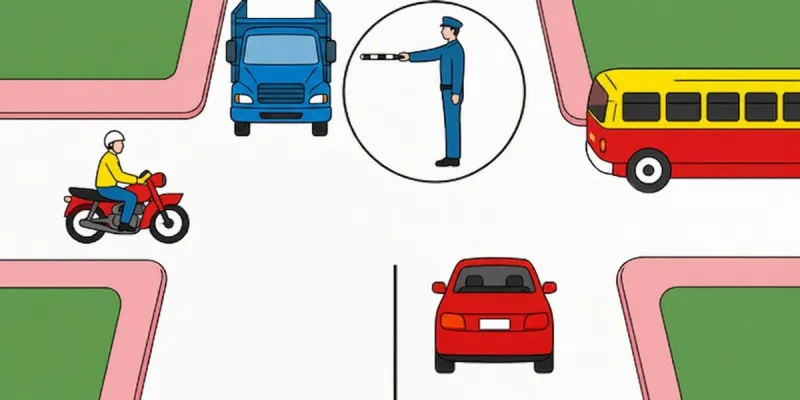
13. Which drivers are permitted to proceed straight ahead?
The bus driver and the motorcycle operator.
The passenger-car driver and the truck driver.
The passenger-car driver.
Correct answer: The passenger-car driver.ABC · D/T
Why: Կարգավորողի աջ ձեռքը պարզված է առաջ, լուսացույց և նշաններ չկան։ Կետ 16-ի 3-րդ ենթակետի «ա»-ով միայն նրա ձախ կողմից եկողին է թույլատրվում երթևեկել բոլոր ուղղություններով, այդ թվում՝ ուղիղ. դա կարմիր թեթև մարդատարն է։ Կրծքի կողմից մոտոցիկլին թույլատրվում է միայն աջ («բ»), թիկունքի ավտոբուսին և աջ կողմի բեռնատարին երթևեկությունն արգելված է («գ»)։
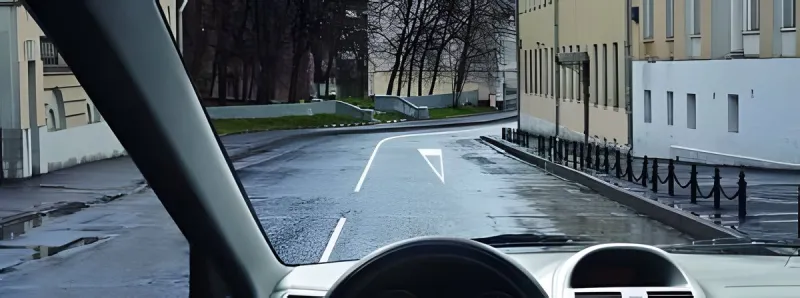
14. This triangular pavement marking indicates:
Approach to a dangerous turn.
Approach to a location where drivers must yield.
Approach to a location where vehicles must stop.
Correct answer: Approach to a location where drivers must yield.ABC · D/T
Why: Եռանկյունաձև 1.20 գծանշումը նախազգուշացնում է 1.13 գծանշմանը, այսինքն՝ ճանապարհը զիջելու տեղին մոտենալու մասին։
15. Where are bus stopping and parking prohibited?
On bridges and under them.
On all downhill sections of road.
Along the shores of reservoirs.
In all of the listed places.
Correct answer: On bridges and under them.D/T
Why: Կետ 84.2-ով կանգառն (և ուրեմն նաև կայանումը) արգելվում է կամուրջների, էստակադների, ուղեկամուրջների վրա և դրանց տակ։ Վայրէջքների և ջրամբարների ափերի համար ընդհանուր արգելք չկա։
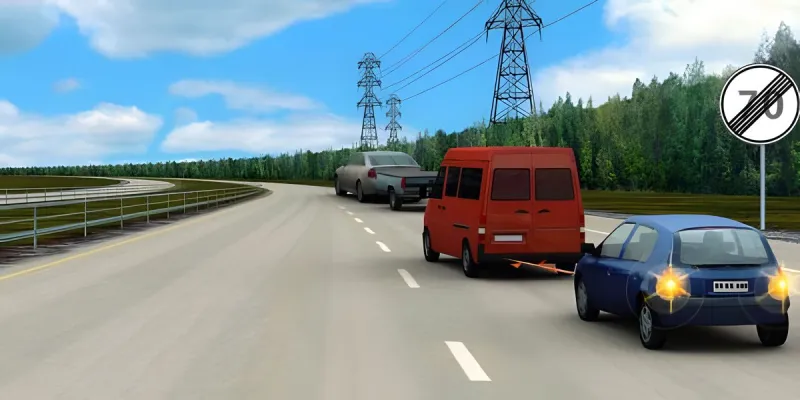
16. What is the maximum speed at which the driver of the towing bus may proceed in this situation?
50 km/h.
60 km/h.
90 km/h.
Correct answer: 50 km/h.D/T
Why: Կետ 71-ի համաձայն՝ միմյանց կցված մեխանիկական տրանսպորտային միջոցներով քարշակում կատարելիս թույլատրվում է ոչ ավելի, քան 50 կմ/ժ արագություն՝ անկախ 3.25 «Առավելագույն արագության սահմանափակման գոտու վերջ» նշանից։
17. Is a bus with an actual mass of 3 metric tons permitted to tow a passenger car with an inoperative braking system and an actual mass of 1.3 metric tons?
Prohibited.
Permitted only with a rigid coupling.
Correct answer: Permitted only with a rigid coupling.D/T
Why: Կետ 143.6-ով, եթե չգործող արգելակներով քարշակվողի զանգվածը քարշակողի զանգվածի կեսից քիչ է (1,3 տ < 1,5 տ), քարշակումը թույլատրվում է միայն կոշտ կցիչով կամ մասնակի բեռնման եղանակով։
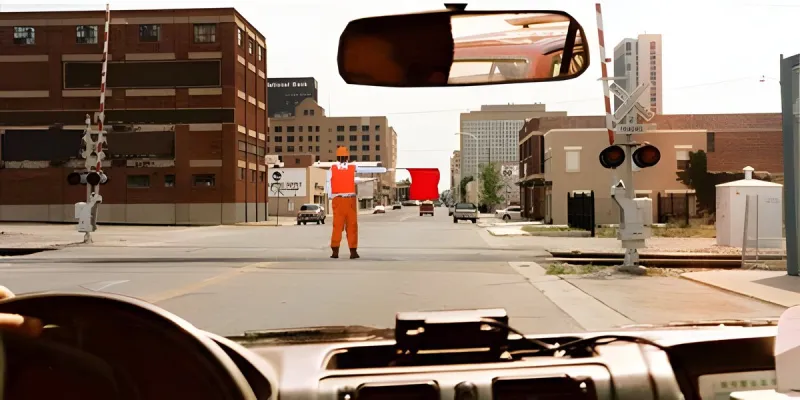
18. Is it permitted to enter the railroad crossing in this situation?
Permitted.
Prohibited.
Correct answer: Prohibited.ABC · D/T
Why: Գծանցի հերթապահը կրծքով դեպի վարորդն է կանգնած և ձեռքը կողմ է պարզել կարմիր դրոշակով։ Կետ 113.5-ով դա արգելող ազդանշան է, ուստի գծանց մուտք գործելն արգելվում է։
19. During daylight hours, to identify a bus, the low-beam headlights must be activated:
When proceeding in an organized convoy.
Only when proceeding on international routes.
In both cases.
Correct answer: When proceeding in an organized convoy.D/T
Why: Կետ 133.2-ով օրվա լուսավոր ժամերին կազմակերպված տրանսպորտային շարասյունում երթևեկելիս պետք է միացված լինի մոտակա լույսը։ Միջպետական երթուղիների համար նման պահանջ չկա։
20. If a low-front vehicle strikes a child 3–5 years old, injuries are most likely to occur in the:
Lower limbs and head.
Pelvis and chest.
Correct answer: Pelvis and chest.ABC · D/T
Why: Առաջին օգնություն. 3-5 տարեկան երեխայի համար ցածր թափքով մեքենայի բամպերը կոնքի և կրծքավանդակի բարձրության վրա է, ուստի առավել հավանական են կոնքի և կրծքավանդակի վնասվածքները։
In Varordakan Tester the same tests are taken without hints, wrong answers are collected automatically, and there is an exam simulation (20 questions, 30 minutes, pass at 18), a 3D intersection simulator, video lessons and an AI assistant that cites the Traffic Rules point. Free.
Sources: questions from the official bank of the Road Police of Armenia (roadpolice.am, edition of 2 October 2026); rule points from the Traffic Rules of the Republic of Armenia (arlis.am). Varordakan Tester is an independent educational app, not affiliated with the Police of Armenia.