Updated 2026-10-13 · official question bank of 2 October 2026
Test 31, Categories D/T (bus, trolleybus): 20 questions from the official bank of 2 October 2026 across all 10 topics. Under every question: the correct answer, the explanation (in Armenian) and the signs it mentions. In the app the same test is taken without hints, and the exam simulation runs on a 30-minute timer.
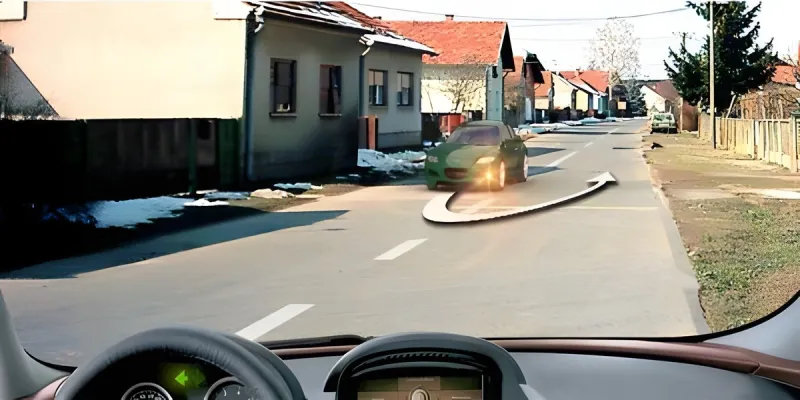
1. You are starting to move from the roadside. Must you yield to the passenger car making a U-turn?
Yes.
No.
Correct answer: Yes.ABC · D/T
Why: Ճամփեզրից երթևեկությունն սկսելը վերադասավորում է երթևեկության գոտի։ Կետ 39-ի համաձայն՝ վերադասավորվող վարորդը զիջում է այդ գոտիով երթևեկողներին, այդ թվում՝ հետադարձն ավարտող թեթև մարդատարին, իսկ կետ 36-ի համաձայն՝ ազդանշան տալն առավելություն չի տալիս։
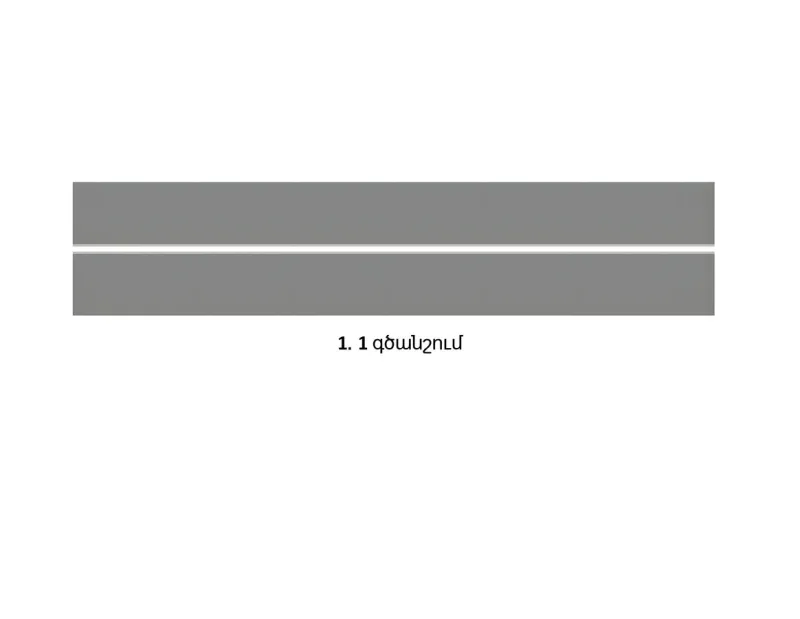
2. Is this pavement marking used to indicate the boundaries of vehicle parking spaces?
Yes.
No.
Correct answer: Yes.D/T
Why:1.1 հոծ գիծը, ըստ գծանշումների նկարագրության, ցույց է տալիս նաև տրանսպորտային միջոցների կայանման տեղերի սահմանները։
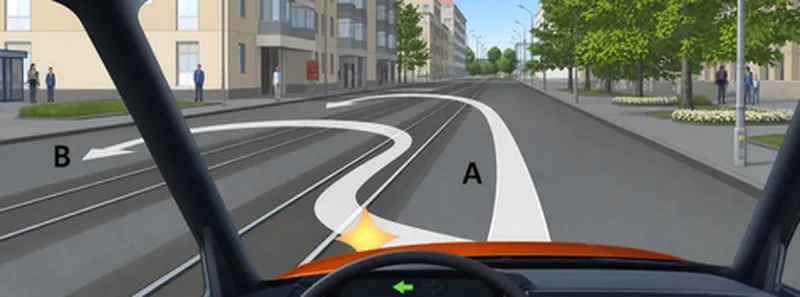
3. Along which path is the driver permitted to make a U-turn?
Only A.
Only B.
Any of the paths.
Correct answer: Only B.ABC · D/T
Why: Ձախ կողմում, նույն մակարդակի վրա, համընթաց ուղղության տրամվայի գծեր են, իսկ 5.15.1, 5.15.2 նշաններ կամ 1.18 գծանշում չկա։ Կետ 40-ի համաձայն՝ նման դեպքում հետադարձը պետք է կատարվի տրամվայի գծերի վրայից՝ B հետագծով, առանց տրամվային խոչընդոտելու։
4. According to the Law of the Republic of Armenia on Ensuring Road Traffic Safety, a roadway is:
An element of a road intended for the movement of vehicles.
An element of a road intended for the movement of non-rail vehicles.
Correct answer: An element of a road intended for the movement of non-rail vehicles.ABC · D/T
Why: ՀՀ օրենքի համաձայն՝ ճանապարհի երթևեկելի մասը ճանապարհի տարրն է, որը նախատեսված է ոչ ռելսագնաց տրանսպորտային միջոցների երթևեկության համար։
5. A bus with a maximum authorized mass exceeding 5 metric tons may not be operated if:
One wheel chock is available.
One fire extinguisher is available.
In both cases.
Correct answer: In both cases.D/T
Why: 5 տ-ից ավելի զանգվածով ավտոբուսներում պահանջվում է երկուսից ոչ պակաս հակագլորման հենակ և առնվազն երկու կրակմարիչ (6.9)։ Մեկական հենակն ու կրակմարիչը երկու դեպքում էլ անսարքություն են։
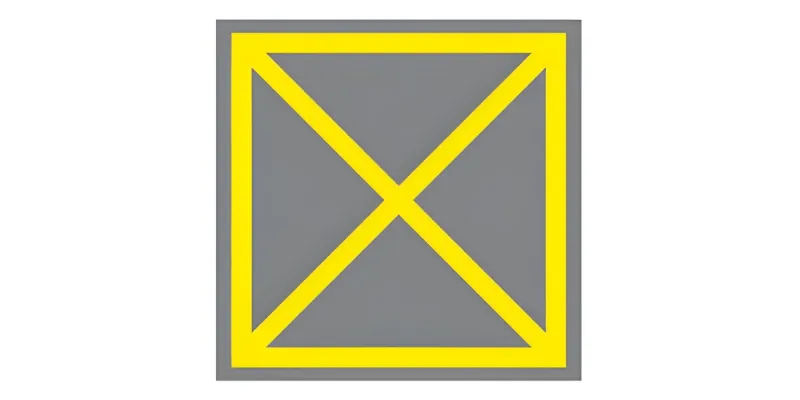
6. At what maximum distance may the “Intersection Area” traffic sign be installed at a complex intersection if it cannot be installed at the boundary of the intersection?
10 m.
20 m.
30 m.
Correct answer: 30 m.ABC · D/T
Why: Դեղին 1.26 «Խաչմերուկի հատված» գծանշումը բարդ խաչմերուկներում, երբ հնարավոր չէ գծել խաչմերուկի սահմանին, տեղադրվում է դրանից առավելագույնը 30 մետր հեռավորության վրա։
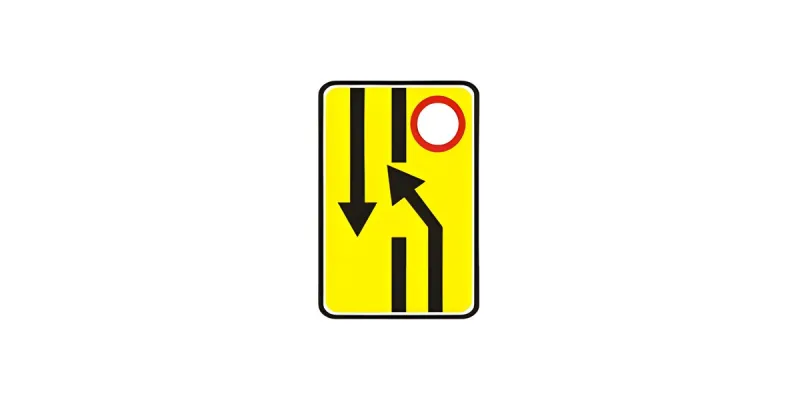
7. This sign is called:
Advance indication for going around an obstruction.
Advance indication for changing to another roadway.
Advance indication for entering the oncoming traffic lane.
Correct answer: Advance indication for changing to another roadway.ABC · D/T
Why: Սա 6.19.1 նշանն է, որը կոչվում է «Այլ երթևեկելի մաս վերադասավորվելու նախնական ցուցիչ»։
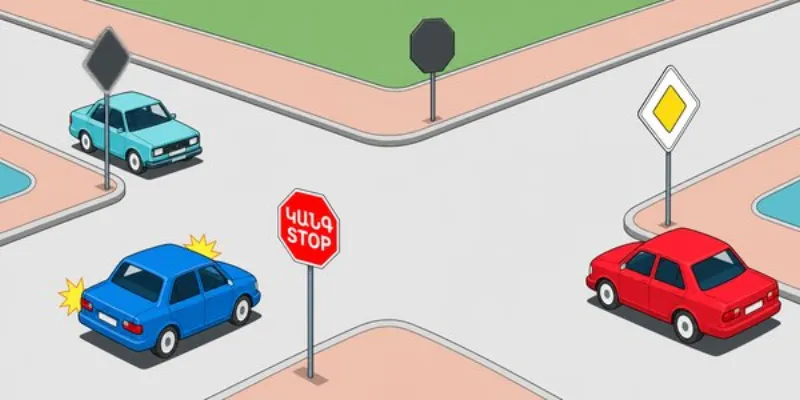
9. Indicate the order in which the vehicles will proceed through the intersection:
The blue automobile, then the red and green automobiles simultaneously.
The red automobile, the blue automobile, the green automobile.
The red and green automobiles simultaneously, then the blue automobile.
Correct answer: The red and green automobiles simultaneously, then the blue automobile.ABC · D/T
Why: Կապույտի դիմաց 2.5 «Երթևեկությունն առանց կանգառի արգելվում է» նշանն է, կարմիրի դիմաց՝ 2.1 «Գլխավոր ճանապարհ». բաց գույնի մեքենայի մոտ 2.1-ի, իսկ վերևի թևում՝ STOP-ի թիկունքն է, այսինքն՝ գլխավոր ճանապարհն անցնում է կարմիրի և բաց գույնի մեքենայի թևերով։ Նրանց ուղիները չեն հատվում՝ անցնում են միաժամանակ, կապույտը կետ 96-ով զիջում է նրանց։
10. Before making a turn or U-turn, a bus driver must occupy the corresponding outermost lane in advance, except:
When making a U-turn at an intersection.
When making a right turn if this does not interfere with other vehicles.
When the driver is unable to do so because of the vehicle’s dimensions or for other reasons.
Correct answer: When the driver is unable to do so because of the vehicle’s dimensions or for other reasons.D/T
Why: Կետ 40-ով շրջադարձից կամ հետադարձից առաջ պետք է զբաղեցնել համապատասխան եզրային գոտին, բացառությամբ, ի թիվս այլնի, այն դեպքի, երբ դա հնարավոր չէ տրանսպորտային միջոցի եզրաչափերի կամ այլ պատճառներով (40.3)։
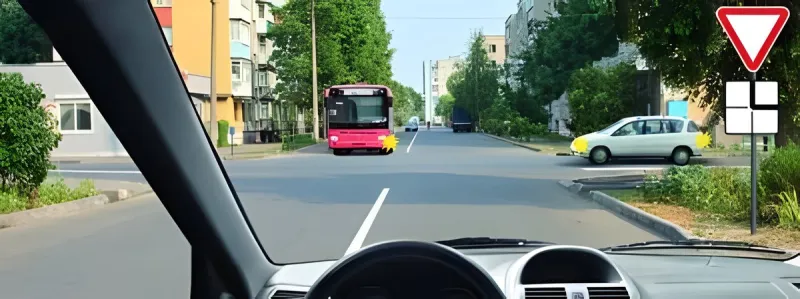
11. When proceeding straight ahead, you must yield to:
Both drivers.
Only the passenger car.
No one.
Correct answer: Both drivers.ABC · D/T
Why: Մեր դիմաց 2.4 «Զիջեք ճանապարհը» նշանն է 8.13 «Գլխավոր ճանապարհի ուղղությունը» ցուցանակով. գլխավոր ճանապարհն անցնում է դիմացի թևով (ավտոբուս) և թեքվում աջ (թեթև մարդատար)։ Ուղիղ երթևեկելիս կետ 96-ով զիջում ենք երկուսին՝ անկախ նրանց ուղղությունից։
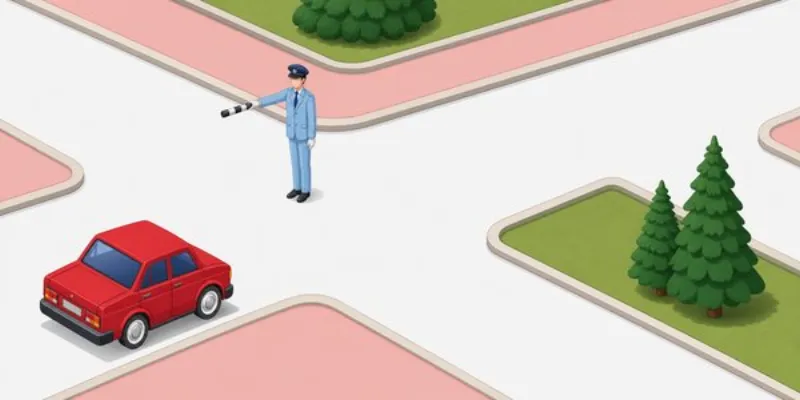
To the right through the first and second passages.
Correct answer: To the right through the first passage.ABC · D/T
Why: Կարգավորողը կրծքով դեպի կարմիր ավտոմոբիլն է, աջ ձեռքը պարզված է առաջ, լուսացույց և նշաններ չկան։ Կետ 16-ի 3-րդ ենթակետի «բ»-ով կրծքի կողմից թույլատրվում է միայն աջ շրջադարձ, այսինքն՝ դեպի աջ առաջին (մոտակա) անցումով. ուղիղ գնալը կամ երկրորդ անցումով թեքվելն արգելված է։
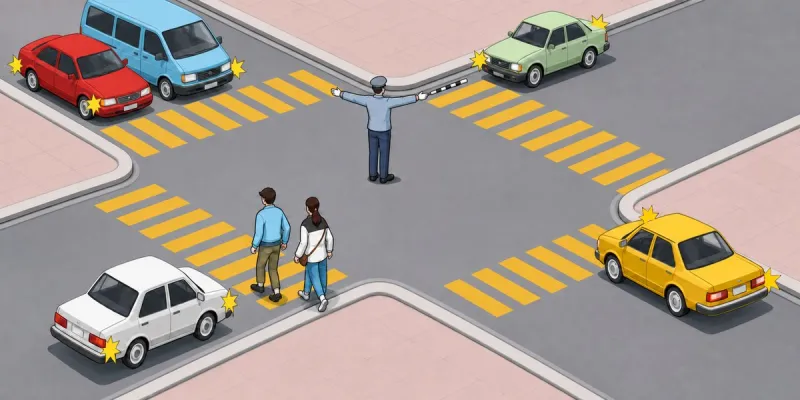
13. Which vehicles may make a right turn?
Only the red automobile.
All vehicles.
The red and green automobiles.
Correct answer: The red and green automobiles.ABC · D/T
Why: Կարգավորողի ձեռքերը պարզված են կողմ, լուսացույց և նշաններ չկան։ Կետ 16.2 «ա»-ով նրա ձախ և աջ կողմերից եկողներին թույլատրվում է ուղիղ և աջ՝ դա կարմիր և կանաչ ավտոմոբիլներն են, իսկ կրծքի և թիկունքի կողմի սպիտակին ու դեղինին երթևեկությունն արգելված է («բ»)։ Կարմիրի կողքի կապույտ միկրոավտոբուսը ձախ գոտում է, իսկ կետ 40-ով աջ շրջադարձ կատարվում է աջ եզրային գոտուց, ուստի աջ կարող են թեքվել կարմիրն ու կանաչը։
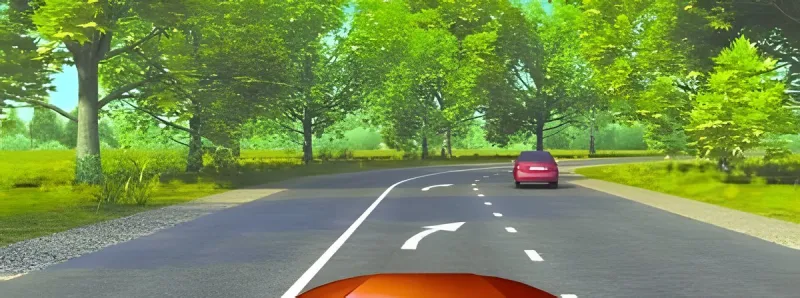
14. This pavement marking indicates:
Right-of-way when changing lanes.
Approach to a curved section of road.
Approach to the end of the lane.
Correct answer: Approach to the end of the lane.ABC · D/T
Why:1.19 գծանշումը (գոտու գծին թեքվող սլաքներ) նախազգուշացնում է երթևեկության գոտու վերջին մոտենալու մասին՝ այն հատվածին, որտեղ տվյալ ուղղությամբ գոտիների թիվը նվազում է։
15. How many lanes does a road have when traffic flows in opposite directions are separated by double solid lines?
Two lanes.
Two or three lanes.
Three lanes.
Four or more lanes.
Correct answer: Four or more lanes.ABC · D/T
Why: Կրկնակի հոծ 1.3 գծանշումը հանդիպակաց հոսքերը բաժանում է չորս և ավելի երթևեկության գոտի ունեցող ճանապարհներին։
16. When towing a passenger car with a bus, the maximum permitted speed is:
90 km/h.
60 km/h.
50 km/h.
Correct answer: 50 km/h.D/T
Why: Կետ 71.2-ով միմյանց կցված մեխանիկական տրանսպորտային միջոցներով քարշակում կատարելիս թույլատրվում է ոչ ավելի, քան 50 կմ/ժ արագություն։
17. What is the maximum permitted speed for intercity buses on freeways?
70 km/h.
80 km/h.
110 km/h.
100 km/h.
90 km/h.
Correct answer: 90 km/h.D/T
Why: Կետ 69.2-ով միջքաղաքային ավտոբուսներին բոլոր ճանապարհներին, այդ թվում՝ ավտոմայրուղիներով, թույլատրվում է 90 կմ/ժ ոչ ավելի արագություն։
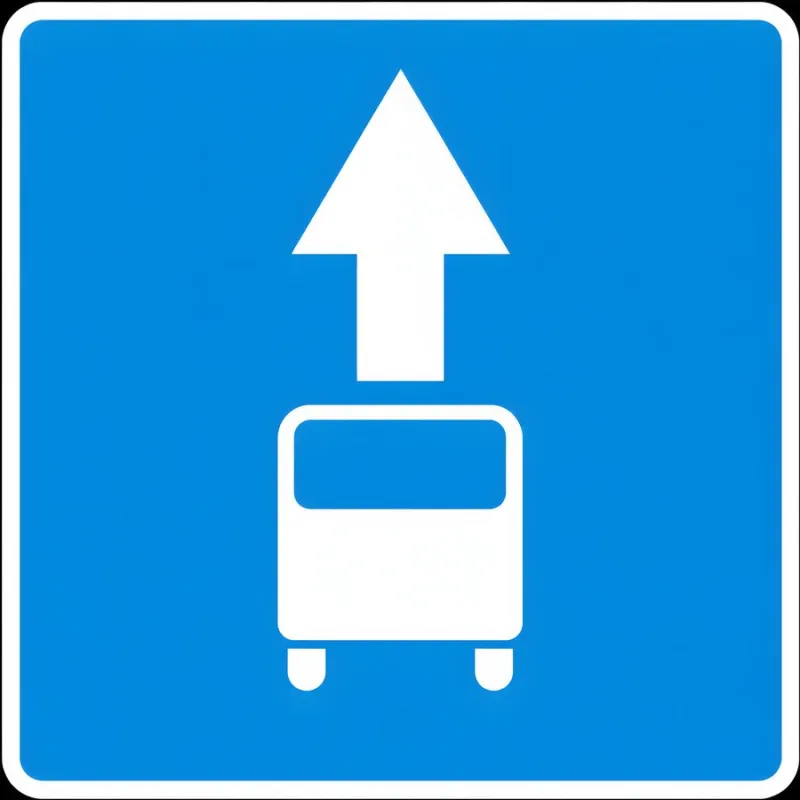
18. When this sign is present, public transit vehicles must have the following activated during daylight hours:
High-beam or low-beam headlights.
Low-beam headlights.
Marker lights and fog lights.
Hazard warning lights.
None of the above.
Correct answer: None of the above.D/T
Why: Նշանը 5.14 «Ընդհանուր օգտագործման տրանսպորտային միջոցների համար գոտի»-ն է, որը նշում է հոսքին համընթաց գոտի։ Կետ 133.3-ով մոտակա լույսը պարտադիր է միայն հանդիպակաց առանձնացված գոտով երթևեկելիս, ուստի այստեղ նշվածներից ոչ մեկը պարտադիր չէ։
19. When a vehicle with blue and red flashing beacons and a special audible signal activated is approaching, drivers must:
Yield to ensure the unobstructed passage of that vehicle.
Reduce speed and yield to ensure the unobstructed passage of that vehicle and the vehicles it is escorting.
Correct answer: Reduce speed and yield to ensure the unobstructed passage of that vehicle and the vehicles it is escorting.ABC · D/T
Why: Կետ 29-ով կապույտ և կարմիր փարոսիկներ ու հատուկ ձայնային ազդանշան միացրած մեքենա մոտենալիս վարորդները պետք է իջեցնեն արագությունը և զիջեն ճանապարհը նրան և նրանով ուղեկցվող տրանսպորտային միջոցներին։
20. What should be done when providing first aid for a burn?
Leave the burn uncovered.
Open the fluid-filled blisters and then apply a tight bandage.
Apply oil to the burn.
Cool the burn with water, then cover it with sterile dressing material or clean cloth.
Correct answer: Cool the burn with water, then cover it with sterile dressing material or clean cloth.ABC · D/T
Why: Առաջին օգնություն. այրվածքը սառեցնում են ջրով, ապա ծածկում ստերիլ վիրակապով կամ մաքուր գործվածքով։ Բշտերը չեն բացում, ձեթ չեն քսում, բաց չեն թողնում։
In Varordakan Tester the same tests are taken without hints, wrong answers are collected automatically, and there is an exam simulation (20 questions, 30 minutes, pass at 18), a 3D intersection simulator, video lessons and an AI assistant that cites the Traffic Rules point. Free.
Sources: questions from the official bank of the Road Police of Armenia (roadpolice.am, edition of 2 October 2026); rule points from the Traffic Rules of the Republic of Armenia (arlis.am). Varordakan Tester is an independent educational app, not affiliated with the Police of Armenia.