Updated 2026-10-13 · official question bank of 2 October 2026
Test 40, Categories D/T (bus, trolleybus): 20 questions from the official bank of 2 October 2026 across all 10 topics. Under every question: the correct answer, the explanation (in Armenian) and the signs it mentions. In the app the same test is taken without hints, and the exam simulation runs on a 30-minute timer.
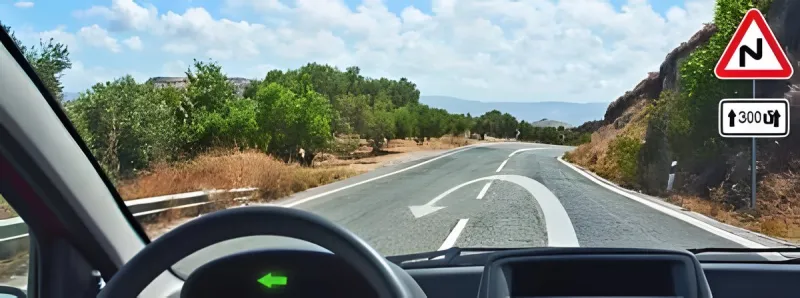
1. A U-turn at this location is:
Permitted.
Prohibited.
Correct answer: Permitted.ABC · D/T
Why:1.12.1 «Վտանգավոր շրջադարձեր» նշանը 8.2.1 «Ազդման գոտի» ցուցանակով (300 մ) նախազգուշացնում է 300 մ երկարությամբ ոլորապտույտ հատվածի մասին։ Հետադարձի վայրում տեսանելիությունը բավարար է, և կետ 50-ով հետադարձն արգելող տեղերից որևէ մեկը չկա, ուստի հետադարձը թույլատրվում է։
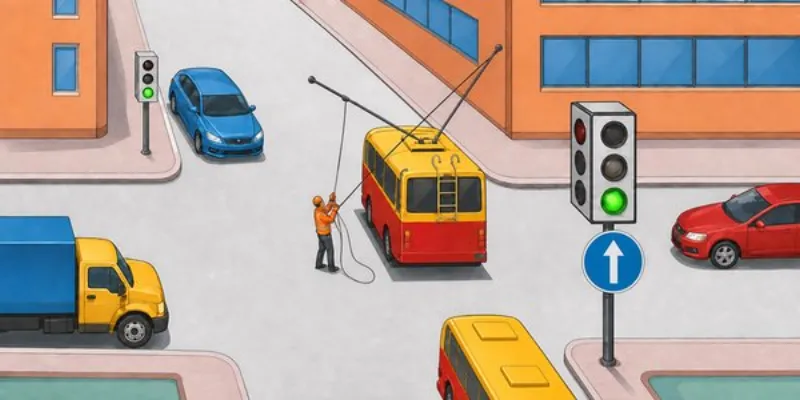
2. May the bus driver enter the intersection in the given situation?
Permitted.
Prohibited.
Permitted if the bus is operating on an established route.
Correct answer: Prohibited.D/T
Why: Կետ 88-ի համաձայն՝ արգելվում է մուտք գործել խաչմերուկ, եթե առջևում խցանում է, որը կհարկադրի կանգնել՝ խոչընդոտելով լայնական երթևեկությանը։ Խաչմերուկում կանգնած տրոլեյբուսի պատճառով ավտոբուսը ստիպված կլինի կանգնել խաչմերուկում, ուստի լուսացույցի կանաչ ազդանշանի դեպքում էլ մուտքն արգելվում է։
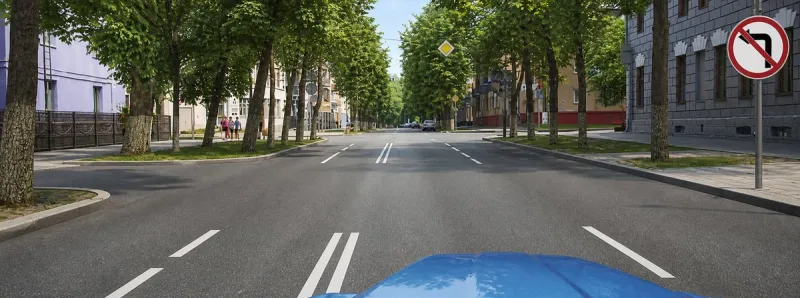
3. In the absence of traffic signs, pavement markings, and a median, drivers on a two-way road must pass elements of road structures located on the roadway:
On the right.
On the left.
Correct answer: On the right.ABC · D/T
Why: Կետ 64-ով երկկողմ ճանապարհին, բաժանարար գոտու բացակայության դեպքում, երթևեկելի մասում գտնվող կղզյակները, կարճասյուները և կառույցների տարրերը շրջանցվում են աջ կողմից, եթե նշաններն ու գծանշումն այլ բան չեն թելադրում։
4. According to the Law of the Republic of Armenia on Ensuring Road Traffic Safety, the driver of a motor vehicle must carry:
A driver’s license authorizing the operation of that category of vehicle and the vehicle registration documents, or, within the Republic of Armenia, their digital versions.
A power of attorney when operating a vehicle belonging to another person.
All of the listed documents.
Correct answer: A driver’s license authorizing the operation of that category of vehicle and the vehicle registration documents, or, within the Republic of Armenia, their digital versions.ABC · D/T
Why: ՀՀ օրենքի համաձայն՝ մեխանիկական տրանսպորտային միջոցի վարորդը պարտավոր է իր մոտ ունենալ տվյալ կարգի վարորդական վկայականը և տրանսպորտային միջոցի հաշվառման փաստաթղթերը (ՀՀ տարածքում՝ նաև դրանց թվային տարբերակները)։ Լիազորագիր ունենալը պարտադիր չէ։
5. A vehicle may not be operated if:
The remaining tread depth of the bus tires is 1.8 mm.
The hydraulic brake system is not leak-tight.
In both cases.
Correct answer: In both cases.D/T
Why: Ավտոբուսի 1.8 մմ պահպանաշերտը ավտոբուսների 2.0 մմ նվազագույնից (4.1) ցածր է, իսկ հիդրավլիկ արգելակային հաղորդակի հերմետիկության խախտումը 1.2 ենթակետով անսարքություն է։ Երկու դեպքում էլ շահագործումն արգելվում է։
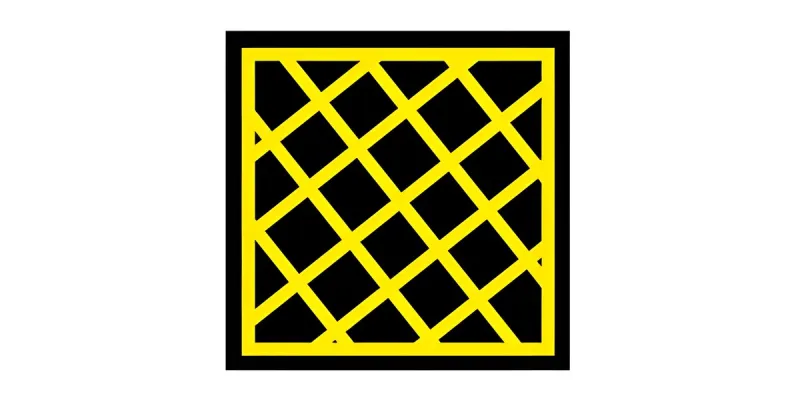
6. What does the following pavement marking indicate?
A vehicle parking area.
A pedestrian crossing.
A safety island.
A section of an intersection that may not be entered if congestion has formed ahead in the direction of traffic and would force the driver to stop.
Correct answer: A section of an intersection that may not be entered if congestion has formed ahead in the direction of traffic and would force the driver to stop.ABC · D/T
Why: Դեղին ցանցաձև գծանշումը 1.26-ն է. այն ցույց է տալիս խաչմերուկի հատվածը, որտեղ արգելվում է մուտք գործել, եթե առջևում առաջացած խցանումը վարորդին կհարկադրի կանգ առնել (կետ 88)։
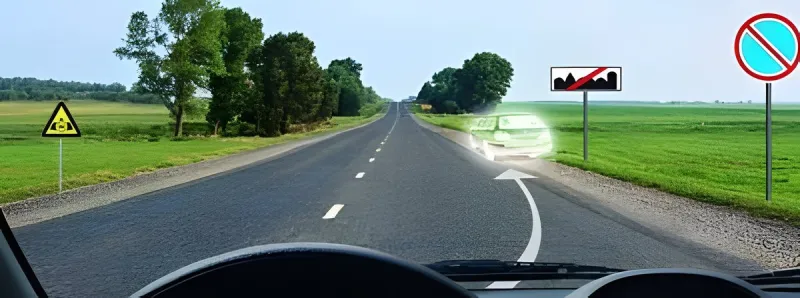
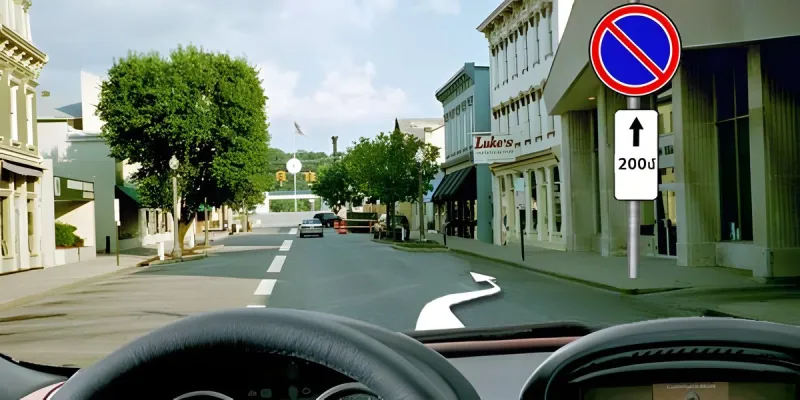
7. Parking at the indicated location is:
Permitted.
Permitted only during daylight hours.
Prohibited.
Correct answer: Permitted.ABC · D/T
Why: Աջ կողմում 3.28 «Կայանելն արգելվում է» նշանն է, իսկ դրանից հետո՝ 5.24.1 «Բնակավայրի վերջ» նշանը։ Նշված տեղը կողնակին է՝ բնակավայրի վերջի նշանից հետո, որտեղ 3.28-ի ազդեցությունն այլևս չի տարածվում, իսկ կետ 78-ով կողնակին կայանումը թույլատրվում է։ Ձախ կողմի դեղին նշանը վերաբերում է հանդիպակաց ուղղությանը։
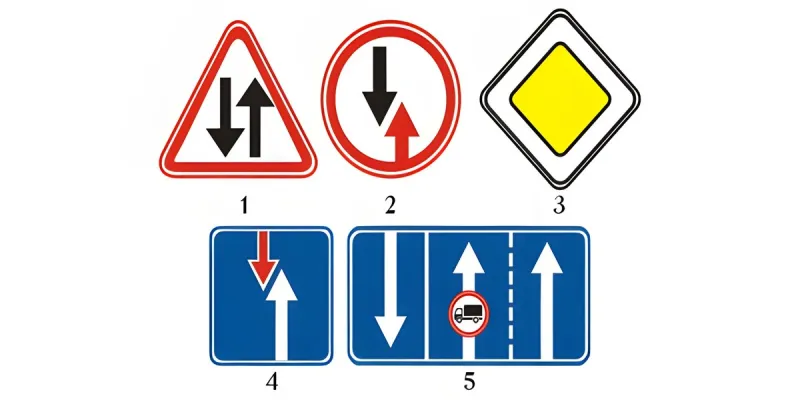
8. Which sign gives a driver the right-of-way over oncoming vehicles?
1
2
3
4
5
Correct answer: Option 4ABC · D/T
Why: 4-րդ նշանը 2.7 «Առավելություն հանդիպակաց երթևեկության նկատմամբ»-ն է. այն վարորդին առավելություն է տալիս նեղ հատվածում հանդիպակաց տրանսպորտային միջոցների նկատմամբ։ 1-ը 1.21 «Երկկողմ երթևեկություն», 2-ը 2.6 «Հանդիպակաց երթևեկության առավելություն» (զիջում ենք հանդիպակացին), 3-ը 2.1 «Գլխավոր ճանապարհ», 5-ը 5.15.7 նշաններն են։
Why: Կետ 49-ով հետընթացն արգելվում է կետ 50-ում թվարկված տեղերում, այդ թվում՝ թունելներում (50.2)։ Կտրուկ վերելքի վրա ընդհանուր արգելք չկա։
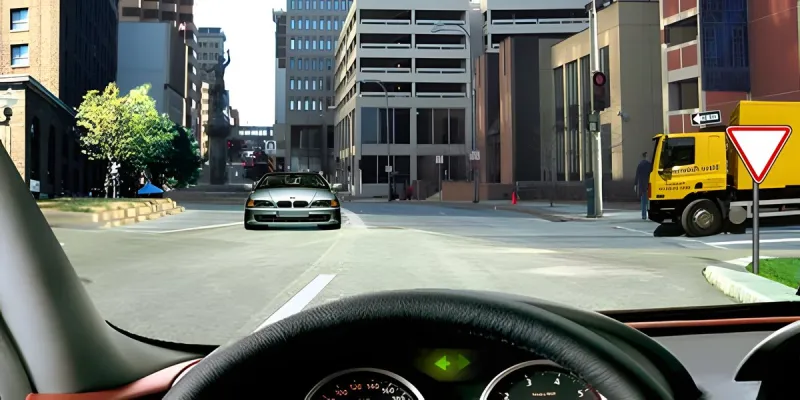
10. You are driving a fixed-route bus and intend to make a left turn in this situation. You will pass through the intersection:
First.
Second.
Third.
Correct answer: Third.D/T
Why: Մեր առջև 2.4 «Զիջեք ճանապարհը» նշանն է, ուստի հատվող ճանապարհով աջից մոտեցող բեռնատարն առավելություն ունի և անցնում է առաջինը (կետ 96)։ Հանդիպակաց թեթև մարդատարը նույնպես երկրորդական ճանապարհից է. նրա նկատմամբ գործում են հավասարազոր խաչմերուկի կանոնները (կետ 97), և ձախ շրջադարձի ժամանակ կետ 99-ով զիջում ենք նրան։ Երթուղային լինելը խաչմերուկում առավելություն չի տալիս. անցնում ենք երրորդը։
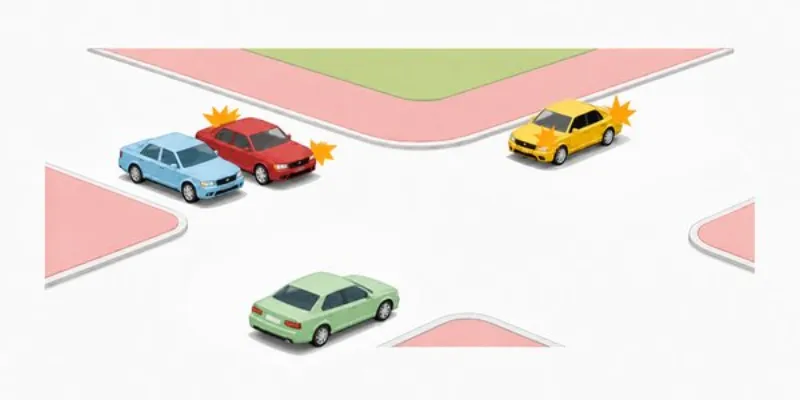
11. Which vehicle will proceed through the intersection second?
The green automobile.
The red automobile simultaneously with the blue automobile.
The yellow automobile.
Correct answer: The red automobile simultaneously with the blue automobile.ABC · D/T
Why: Նշաններ չկան՝ հավասարազոր ճանապարհների խաչմերուկ։ Կետ 98-ով զիջում են աջից մոտեցողին, կետ 99-ով ձախ շրջադարձ կատարողը զիջում է հանդիպակաց ուղիղ կամ աջ գնացողին. կարմիրի և կապույտի ուղիները չեն հատվում, նրանք անցնում են երկրորդը՝ միաժամանակ։
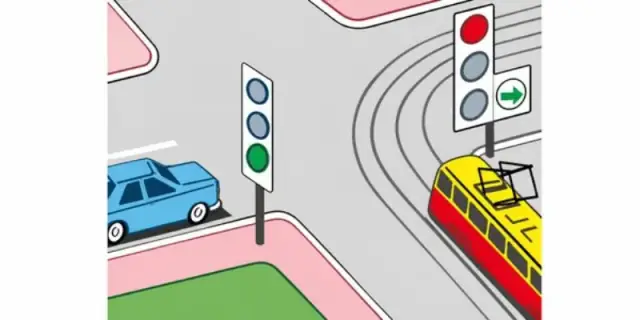
12. Which vehicle driver must yield?
The automobile driver.
The tram operator.
Correct answer: The tram operator.ABC · D/T
Why: Երկու լուսացույց, նշաններ չկան։ Տրամվայի լուսացույցը կարմիր է՝ աջ ուղղված կանաչ լրացուցիչ սեկցիայով, թեթև մարդատարինը՝ կանաչ։ Կետ 91-ով կարմիրի հետ միացված լրացուցիչ սեկցիայի սլաքի ուղղությամբ երթևեկողը զիջում է այլ ուղղություններից ընթացողներին, և կետ 92-ով դա վերաբերում է նաև տրամվային. զիջում է տրամվայի վարորդը։
13. Traffic is permitted:
Only in the opposite direction.
Straight ahead only.
Straight ahead and in the opposite direction only.
Correct answer: Straight ahead and in the opposite direction only.D/T
Why: Նշանը 3.18.2 «Ձախ շրջադարձն արգելվում է»-ն է. այն արգելում է միայն ձախ շրջադարձը, իսկ հետադարձն արգելում է այլ նշան՝ 3.19-ը։ Աջ թեքվելու ճանապարհ այստեղ չկա, ուստի թույլատրվում է ուղիղ և հակառակ ուղղությամբ։
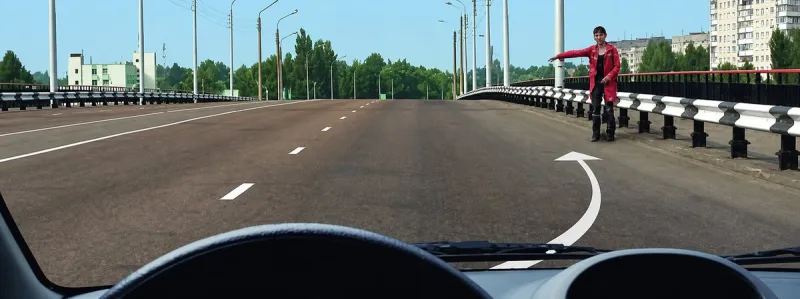
14. Is stopping on the bridge permitted for the purpose of picking up a passenger?
Yes.
No.
Correct answer: No.ABC · D/T
Why: Կետ 84-ի համաձայն՝ կանգառն արգելվում է կամուրջների վրա, ուստի կամրջի վրա ուղևոր նստեցնելու նպատակով կանգ առնել չի թույլատրվում։
15. Within the area where these traffic signs are in effect, is stopping to pick up passengers permitted?
Permitted.
Prohibited.
Correct answer: Permitted.ABC · D/T
Why: Նշան 3.28 «Կայանելն արգելվում է»-ը 8.2.2 «Ազդման գոտի» ցուցանակով արգելում է միայն կայանումը։ Ուղևորներ նստեցնելու նպատակով կանգառը (կարճատև կանգ) այս գոտում թույլատրվում է։
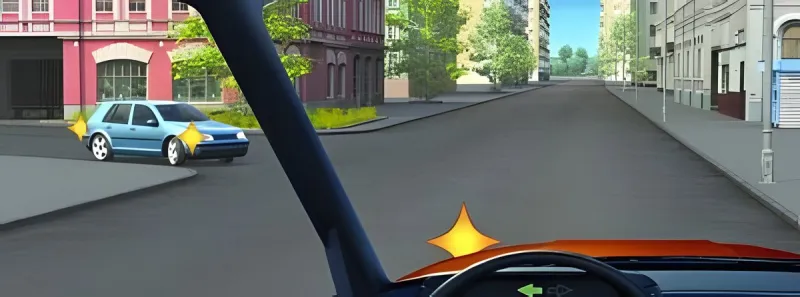
16. You are driving a fixed-route bus and intend to make a U-turn. What must you do in this situation?
Perform the maneuver first because fixed-route buses have priority when making U-turns at intersections.
Must yield to the passenger car.
Correct answer: Must yield to the passenger car.D/T
Why: Երթուղային ավտոբուսը խաչմերուկում հետադարձ կատարելիս առավելություն չունի։ Հավասարազոր խաչմերուկում հետադարձ կատարելիս մարդատարը կհայտնվի ավտոբուսի աջ կողմում, ուստի կետ 98-ով ավտոբուսի վարորդը պետք է զիջի նրան։
17. On roads marked with this sign, drivers of intercity buses are permitted to proceed at a speed not exceeding:
60 km/h.
80 km/h.
90 km/h.
Correct answer: 90 km/h.D/T
Why: Կապույտ 5.25 «Բնակավայրի սկիզբ» նշանով նշված բնակավայրում բնակավայրով երթևեկության կանոնները չեն գործում, ուստի կիրառվում է կետ 69-ը՝ միջքաղաքային ավտոբուսներին ոչ ավելի, քան 90 կմ/ժ։
18. In which case is a bus driver permitted to use the audible warning signal within a populated area?
To warn other drivers of the intention to pass.
When necessary to prevent a road traffic crash.
In both cases.
Correct answer: When necessary to prevent a road traffic crash.D/T
Why: Կետ 136-ով ձայնային ազդանշանը թույլատրվում է միայն բնակավայրերից դուրս վազանցի մասին նախազգուշացնելու (136.1) կամ պատահարը կանխելու համար (136.2)։ Բնակավայրում մնում է միայն պատահարը կանխելու դեպքը։
19. When stopping or parking on an unlit section of road at night, which lighting devices must be activated on a bus?
Low-beam headlights.
Marker lights.
Only the interior compartment lighting.
Correct answer: Marker lights.D/T
Why: Կետ 130-ով օրվա մութ ժամանակ ճանապարհի չլուսավորված հատվածներում կանգառի և կայանման դեպքում պետք է միացված լինեն եզրաչափային լույսերը։
20. When providing first aid during the first hours after a closed soft-tissue injury to a limb, you should:
Apply a warm compress to the injury.
Apply a cold compress to the injured area and elevate it.
Apply a cold compress to the injured area and keep it below heart level.
Apply an alcohol compress to the injury.
Correct answer: Apply a cold compress to the injured area and elevate it.ABC · D/T
Why: Առաջին օգնություն. փափուկ հյուսվածքների փակ վնասվածքի դեպքում առաջին ժամերին դնում են սառը թրջոց և բարձրացնում վերջույթը, որպեսզի նվազեն այտուցն ու ներքին արյունահոսությունը։ Տաքացումն ու սպիրտը հակացուցված են։
In Varordakan Tester the same tests are taken without hints, wrong answers are collected automatically, and there is an exam simulation (20 questions, 30 minutes, pass at 18), a 3D intersection simulator, video lessons and an AI assistant that cites the Traffic Rules point. Free.
Sources: questions from the official bank of the Road Police of Armenia (roadpolice.am, edition of 2 October 2026); rule points from the Traffic Rules of the Republic of Armenia (arlis.am). Varordakan Tester is an independent educational app, not affiliated with the Police of Armenia.