Updated 2026-10-13 · official question bank of 2 October 2026
Test 41, Categories D/T (bus, trolleybus): 20 questions from the official bank of 2 October 2026 across all 10 topics. Under every question: the correct answer, the explanation (in Armenian) and the signs it mentions. In the app the same test is taken without hints, and the exam simulation runs on a 30-minute timer.
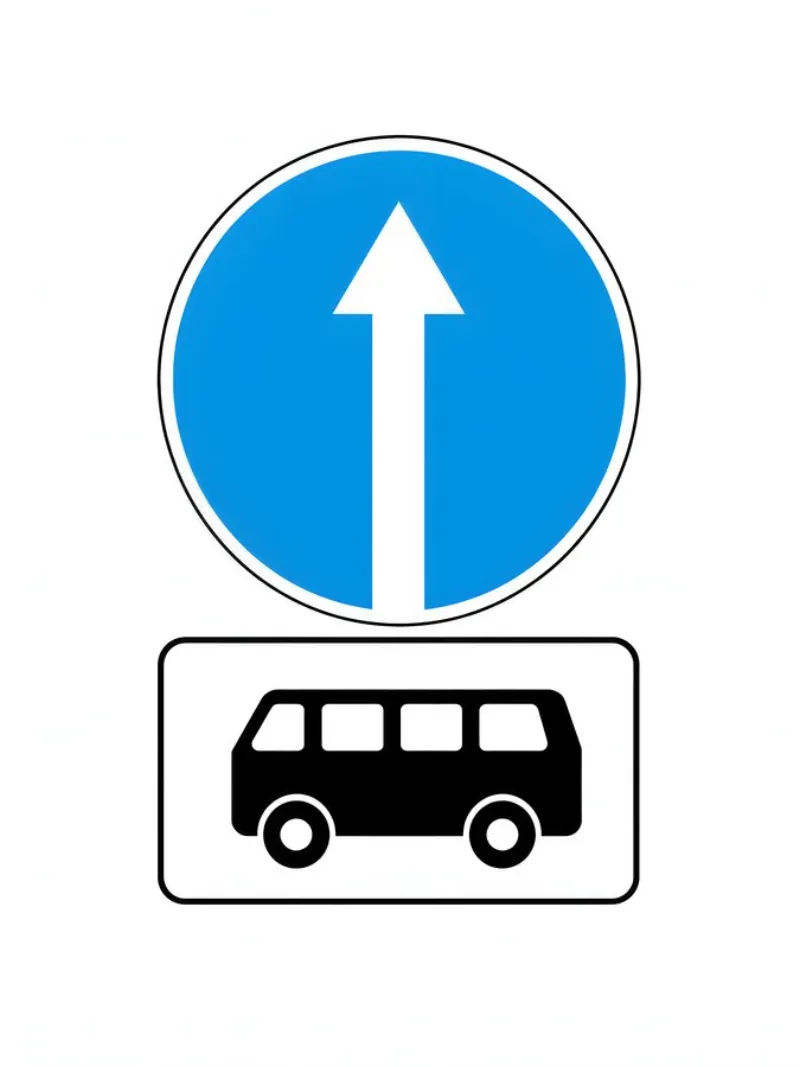
1. When these signs are present, proceeding straight ahead only is permitted for:
All vehicles.
Trolleybuses.
Buses.
Correct answer: Buses.D/T
Why:4.1.1 «Երթևեկությունն ուղիղ» նշանը 8.4.4 «Տրանսպորտային միջոցի տեսակ» (ավտոբուս) ցուցանակով տարածվում է միայն ավտոբուսների վրա, ուստի միայն ավտոբուսներին է թույլատրվում երթևեկել միայն ուղիղ։
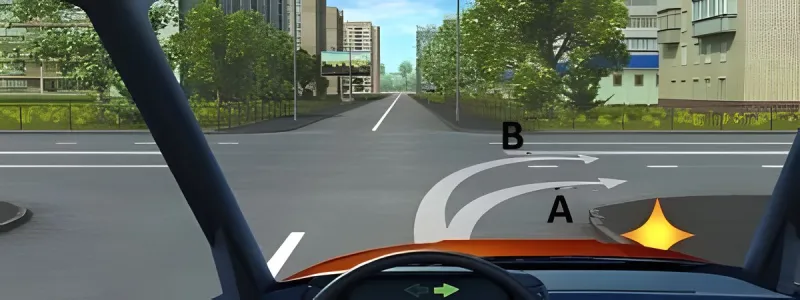
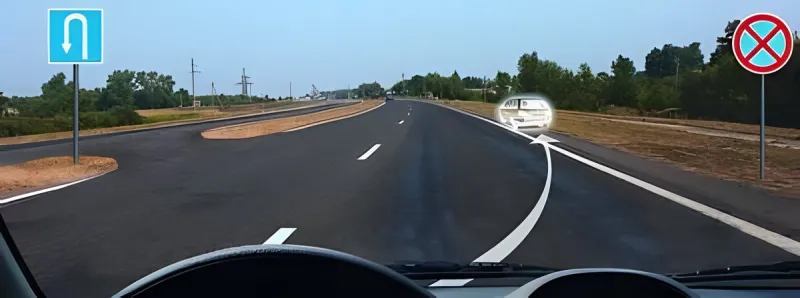
Why: Կետ 41-ով աջ շրջադարձը կատարվում է երթևեկելի մասի աջ եզրին հնարավորին չափ մոտ՝ նախապես զբաղեցնելով աջ եզրային գոտին (կետ 40)։ «A» հետագիծը հենց այդպիսին է, «B»-ն լայն է և դուրս է գալիս հեռու գոտի։
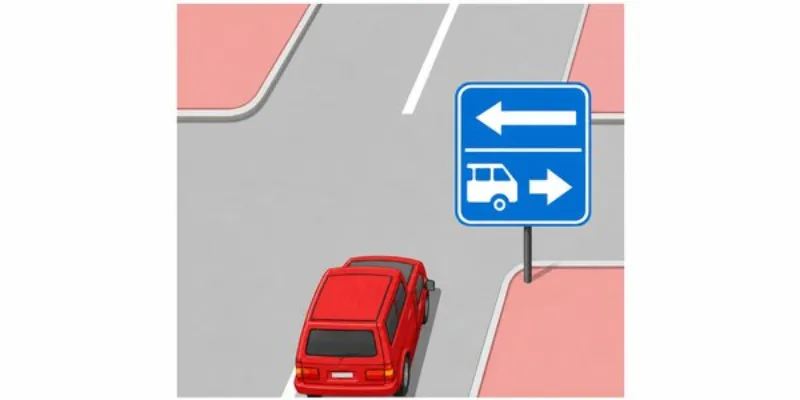
3. In which directions is traffic permitted?
To the left only.
Straight ahead, to the left, and by making a U-turn.
Straight ahead only.
Correct answer: Straight ahead, to the left, and by making a U-turn.ABC · D/T
Why:5.13.2 «Ելք դեպի ընդհանուր օգտագործման տրանսպորտային միջոցների համար գոտիով ճանապարհ» նշանը ցույց է տալիս, որ հատվող ճանապարհով ընդհանուր երթևեկությունը դեպի ձախ է, իսկ դեպի աջ ուղղությամբ կա միայն ընդհանուր օգտագործման տրանսպորտային միջոցների գոտի։ Կետ 124-ով այլ տրանսպորտային միջոցների երթևեկությունն այդ գոտում արգելվում է, ուստի թույլատրվում է ուղիղ, դեպի ձախ և հետադարձ։
4. Are the sidewalk and shoulders considered part of the road?
Yes.
Only the shoulder.
No.
Correct answer: Yes.ABC · D/T
Why: ՀՀ օրենքի համաձայն՝ ճանապարհն ընդգրկում է երթևեկելի մասը, տրամվայի գծերը, մայթերը, կողնակները և բաժանարար գոտիները, ուստի մայթն ու կողնակները ճանապարհի մաս են։
5. According to the traffic rules, a bus braking system is considered inoperative if:
The brake pedal is difficult to depress.
The bus deviates even minimally to the side during braking.
The driver is unable to stop the vehicle even when proceeding at minimum speed.
Correct answer: The driver is unable to stop the vehicle even when proceeding at minimum speed.D/T
Why: Կետ 144-ով չգործող է համարվում այն արգելակային համակարգը, որը վարորդին թույլ չի տալիս կանգնեցնել տրանսպորտային միջոցը անգամ նվազագույն արագությամբ երթևեկելիս։
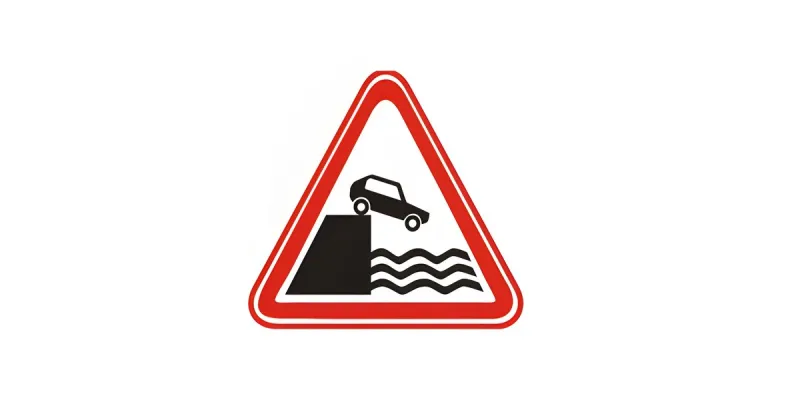
6. This traffic sign warns that ahead there is:
A road section with a water crossing that has no bridge or ferry.
A road section crossing water by means of a drawbridge.
A location where the road reaches a riverbank or shoreline.
Correct answer: A location where the road reaches a riverbank or shoreline.ABC · D/T
Why: Սա 1.10 «Ելք դեպի առափ» նշանն է. այն նախազգուշացնում է տեղամասի մասին, որտեղ ճանապարհը դուրս է գալիս առափ կամ ափ։
Why: Նշված տեղը 3.27 «Կանգառն արգելվում է» նշանի ազդման գոտում է։ Կետ 86-ի համաձայն՝ կայանումն արգելվում է կանգառն արգելված վայրերում, ուստի կայանումն արգելված է։
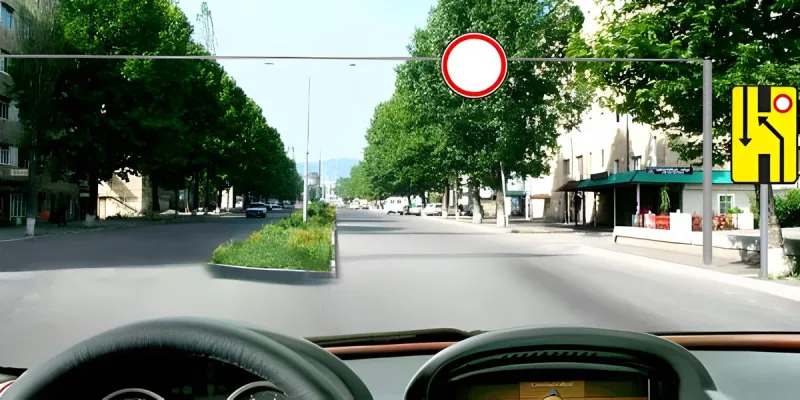
Correct answer: Change lanes into the oncoming traffic lane.D/T
Why: Ճանապարհի վրա կախված է 3.2 «Երթևեկությունն արգելվում է» նշանը, իսկ աջում՝ դեղին 6.19.1 «Այլ երթևեկելի մաս վերադասավորվելու նախնական ցուցիչ»-ը, որը ցույց է տալիս, որ փակ հատվածը պետք է շրջանցել՝ վերադասավորվելով բաժանարար գոտով առանձնացված հանդիպակաց երթևեկելի մաս։
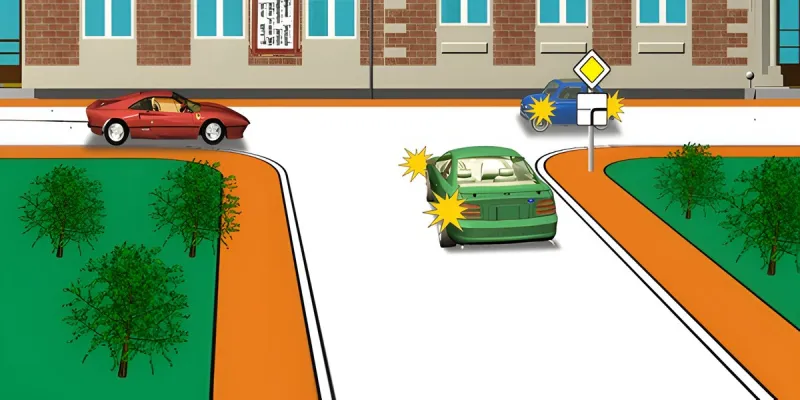
9. Which vehicle will proceed through the intersection first?
The red automobile.
The green automobile.
The blue automobile.
Correct answer: The blue automobile.ABC · D/T
Why: Կապույտի մոտ 2.1 «Գլխավոր ճանապարհ» նշանն է 8.13 «Գլխավոր ճանապարհի ուղղությունը» ցուցանակով. գլխավոր ճանապարհը թեքվում է կապույտի և կանաչի միջև։ Կարմիրը երկրորդական ճանապարհից է և կետ 96-ով զիջում է, իսկ գլխավոր ճանապարհի վրա կետ 97-ով գործում է աջի խոչընդոտի կանոնը. կապույտն անցնում է առաջինը։
After 200 m, you must yield to traffic proceeding on the intersecting road.
Over the next 200 m, you must yield to all vehicles.
Correct answer: After 200 m, you must yield to traffic proceeding on the intersecting road.ABC · D/T
Why:2.4 «Զիջեք ճանապարհը» նշանը 8.1.1 «Հեռավորություն մինչև օբյեկտ» ցուցանակով նախազգուշացնում է, որ 200 մ հետո՝ խաչմերուկում, պետք է զիջել հատվող ճանապարհով երթևեկողներին։ Նշանը 200 մ-անոց հատվածում զիջելու պահանջ չի սահմանում։
11. Is a bus driver permitted to enter a pedestrian crossing if congestion beyond it would force the bus to stop on the crossing?
Permitted if the bus is a fixed-route bus approaching a stop.
Prohibited; the driver must stop before the pedestrian crossing.
Permitted if there are no pedestrians.
Correct answer: Prohibited; the driver must stop before the pedestrian crossing.D/T
Why: Կետ 106-ով հետիոտնային անցումից հետո խցանման դեպքում արգելվում է մուտք գործել անցում, եթե դա կհարկադրի կանգնել անցման վրա՝ անկախ ավտոբուսի տեսակից և հետիոտների առկայությունից։
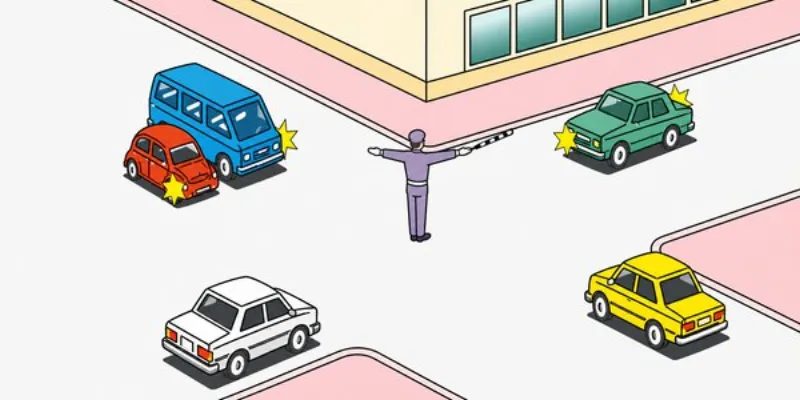
12. This signal given by the traffic controller means that traffic is permitted for:
The blue and green automobiles; traffic is prohibited for the red, yellow, and white automobiles.
The blue, red, and green automobiles; traffic is prohibited for the yellow and white automobiles.
Correct answer: The blue, red, and green automobiles; traffic is prohibited for the yellow and white automobiles.ABC · D/T
Why: Կարգավորողի ձեռքերը պարզված են կողմ, լուսացույց և նշաններ չկան։ Կետ 16-ի 2-րդ ենթակետի «ա»-ով ձախ և աջ կողմերից եկող կապույտին, կարմիրին և կանաչին թույլատրվում է ուղիղ և աջ, իսկ կրծքի և թիկունքի կողմի սպիտակին ու դեղինին երթևեկությունն արգելված է («բ»)։
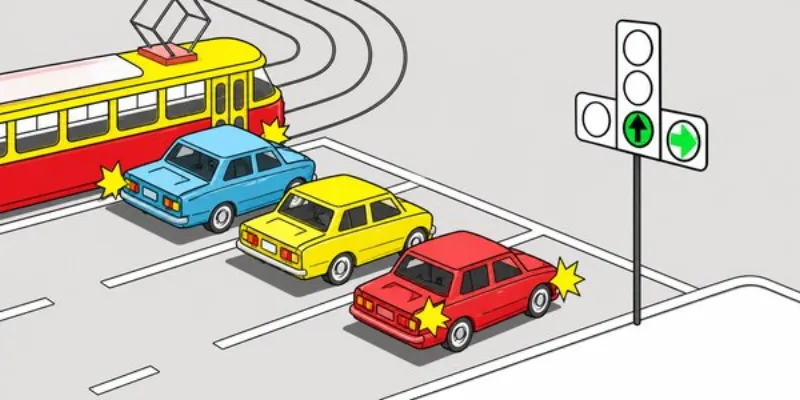
13. Which vehicles are permitted to proceed under this traffic signal?
The tram, the yellow automobile, and the red automobile.
The yellow and red automobiles.
All vehicles.
Correct answer: The yellow and red automobiles.ABC · D/T
Why: Հիմնական կանաչ ազդանշանի վրա ուղիղ ուղղված սև ուրվագծային սլաք է, միացված է աջ սլաքով լրացուցիչ սեկցիան. թույլատրվում է ուղիղ (դեղին) և աջ (կարմիր) (կետ 10, 8)։ Ձախ սեկցիան անջատված է, ուստի ձախ թեքվող կապույտին և տրամվային երթևեկությունն արգելված է (կետ 8)։
14. Outside populated areas, where is parking for extended rest, overnight stays, or other purposes permitted?
On the shoulders of the road.
In areas designated for parking or outside the boundaries of the road.
On the right side of the roadway, provided it does not interfere with other vehicle traffic.
On the left side of the road, provided road traffic safety is ensured.
Correct answer: In areas designated for parking or outside the boundaries of the road.ABC · D/T
Why: Կետ 82-ով բնակավայրերից դուրս երկարատև հանգստի, գիշերակացի և այլ նպատակներով կայանել թույլատրվում է միայն դրանց համար նախատեսված հրապարակներում կամ ճանապարհի սահմաններից դուրս։
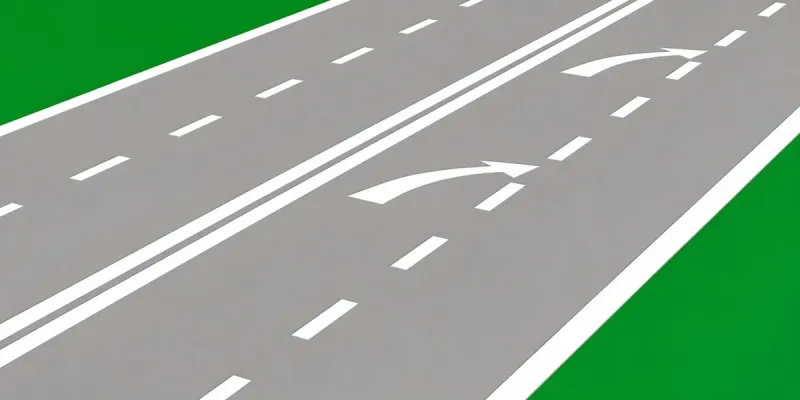
15. What do the arrows marked on the roadway warn about?
They warn the driver of an approaching hazardous section of road.
They warn of an approaching end of the traffic lane.
They indicate the direction of a hazardous turn in the road.
Correct answer: They warn of an approaching end of the traffic lane.ABC · D/T
Why: Երթևեկելի մասի վրա գծված 1.19 սլաքները նախազգուշացնում են երթևեկության գոտու վերջին մոտենալու մասին, որտեղ գոտիների թիվը նվազում է։
16. What is the maximum permitted speed for buses within areas marked by the “Residential Zone” and “End of Residential Zone” signs?
20 km/h.
30 km/h.
40 km/h.
Correct answer: 20 km/h.D/T
Why: Կետ 68-ով 5.21 «Բնակելի գոտի» և 5.22 «Բնակելի գոտու վերջ» նշաններով նշված տարածքներում բոլոր տրանսպորտային միջոցների, այդ թվում՝ ավտոբուսների, արագությունը 20 կմ/ժ ոչ ավելի է։
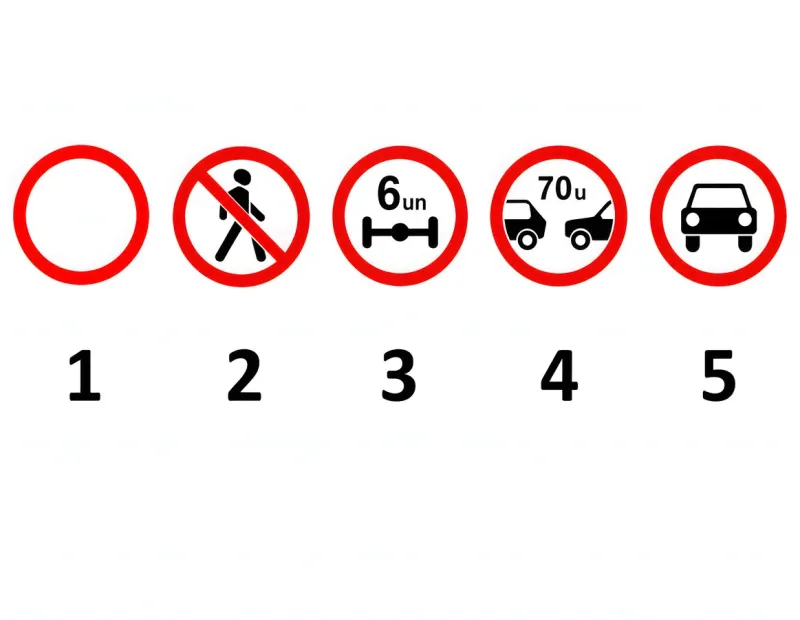
17. Which of these signs does not apply to vehicles driven by persons with Group I or II disabilities, or persons with profound or severe functional limitations, or vehicles transporting such a person or a child with disability status?
2 and 3.
4 and 1.
1 and 5.
5 and 2.
Correct answer: 1 and 5.D/T
Why: 1-ը 3.2 «Երթևեկությունն արգելվում է», 2-ը 3.10 «Հետիոտների տեղաշարժն արգելվում է», 3-ը 3.12 «Սռնու վրա բեռնվածության սահմանափակում», 4-ը 3.16 «Նվազագույն միջտարածության սահմանափակում», 5-ը 3.3 «Մեխանիկական տրանսպորտային միջոցների երթևեկությունն արգելվում է» նշանն է։ Նշանների հավելվածի համաձայն՝ 3.2 և 3.3 նշանների ազդեցությունը չի տարածվում I և II խմբի հաշմանդամություն ունեցող անձանց վարած կամ նրանց փոխադրող տրանսպորտային միջոցների վրա։
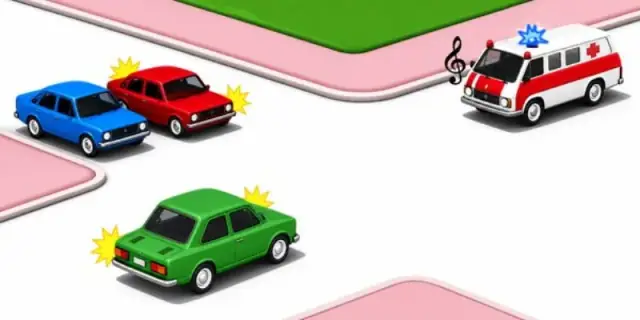
18. The blue automobile will proceed through the intersection:
First, simultaneously with the red automobile.
Second, simultaneously with the red automobile.
Third, simultaneously with the red automobile.
Correct answer: Third, simultaneously with the red automobile.ABC · D/T
Why: Կապույտ փարոսիկով և հատուկ ձայնային ազդանշանով շտապ օգնության ավտոմոբիլն անցնում է առաջինը (կետ 28)։ Այնուհետև գործում է հավասարազոր ճանապարհների կանոնը (կետ 98)՝ կանաչ ավտոմոբիլը երկրորդն է, իսկ կապույտն ու կարմիրը, որոնց ուղիները չեն հատվում, անցնում են երրորդը՝ միաժամանակ։
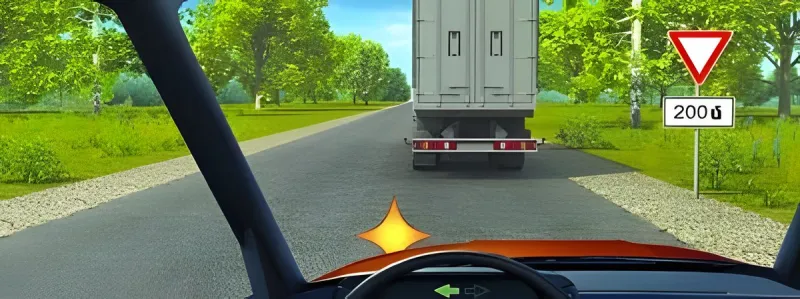
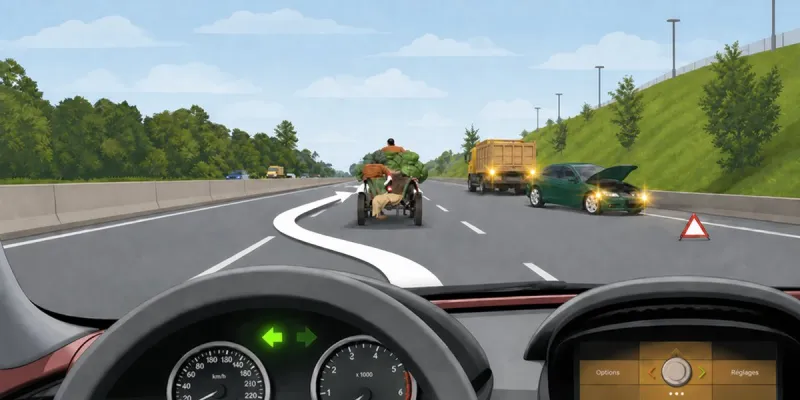
19. In this situation, is passing permitted?
Permitted because there is no oncoming vehicle.
Prohibited.
Permitted if the animal-drawn cart is moving at a speed below 30 km/h.
Correct answer: Prohibited.ABC · D/T
Why: Հանդիպակաց գոտին ազատ չէ. այնտեղ ավտոմոբիլը շրջանցում է խափանված տրանսպորտային միջոցը։ Կետ 73-ի համաձայն՝ վազանց սկսելուց առաջ վարորդը պետք է համոզվի, որ հանդիպակաց գոտին բավարար տարածությամբ ազատ է, ուստի լծասայլին վազանցելն արգելվում է։
20. An injured person with an abdominal injury should be:
Laid down with the head elevated.
Laid down with the legs elevated.
Laid down with the knees bent.
Correct answer: Laid down with the knees bent.ABC · D/T
Why: Առաջին օգնություն. որովայնի վնասվածքի դեպքում տուժածին պառկեցնում են ոտքերը ծնկային հոդերում ծալած, որպեսզի թուլանա որովայնի պատի լարվածությունը և նվազի ցավը։
In Varordakan Tester the same tests are taken without hints, wrong answers are collected automatically, and there is an exam simulation (20 questions, 30 minutes, pass at 18), a 3D intersection simulator, video lessons and an AI assistant that cites the Traffic Rules point. Free.
Sources: questions from the official bank of the Road Police of Armenia (roadpolice.am, edition of 2 October 2026); rule points from the Traffic Rules of the Republic of Armenia (arlis.am). Varordakan Tester is an independent educational app, not affiliated with the Police of Armenia.