Updated 2026-10-13 · official question bank of 2 October 2026
Test 43, Categories D/T (bus, trolleybus): 20 questions from the official bank of 2 October 2026 across all 10 topics. Under every question: the correct answer, the explanation (in Armenian) and the signs it mentions. In the app the same test is taken without hints, and the exam simulation runs on a 30-minute timer.
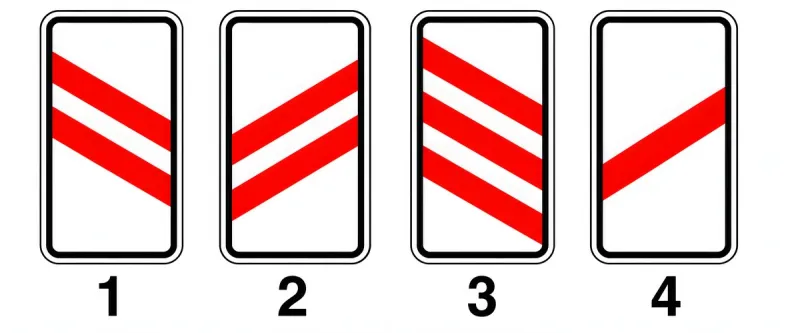
1. Which of the signs are installed only on the left side of the road?
1 and 2.
3 and 4.
1 and 3.
2 and 4.
Correct answer: 1 and 3.D/T
Why: «Մոտեցում երկաթուղային գծանցին» նշաններից 1.4.4–1.4.6-ը տեղադրվում են ճանապարհի ձախ կողմում, իսկ 1.4.1–1.4.3-ը՝ աջ կողմում։ 1-ը 1.4.5, 3-ը 1.4.4 նշաններն են (ձախ կողմի համար), 2-ը 1.4.2, 4-ը 1.4.3։
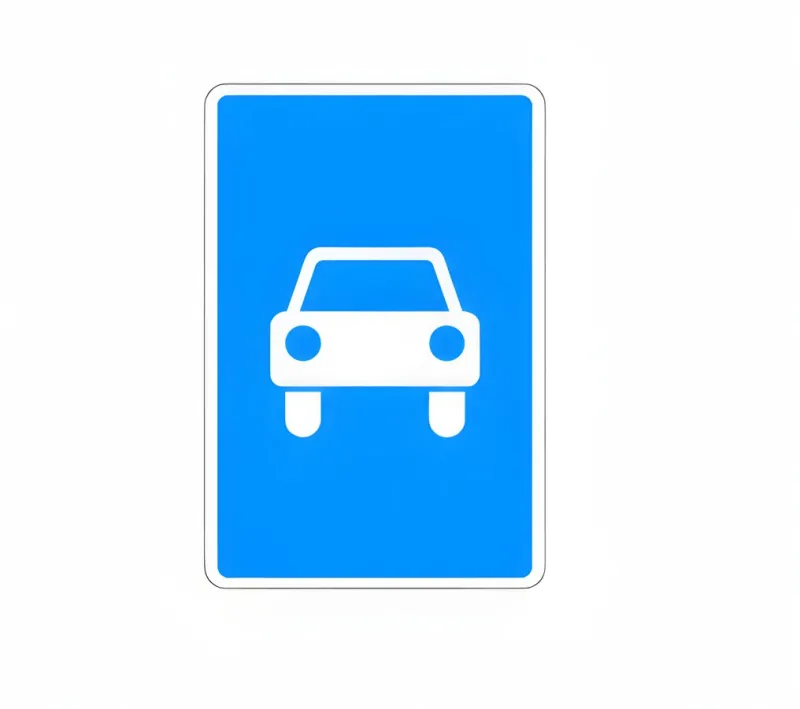
2. Is a bus permitted to make a U-turn or enter a technological opening in the median on a road marked with the “Road for Motor Vehicles” sign?
Permitted.
Prohibited.
Permitted if it is a public transit vehicle.
Correct answer: Prohibited.D/T
Why: Կետ 117-ով 5.3 նշանով ճանապարհներին գործում են ավտոմայրուղիների պահանջները, իսկ կետ 116.5-ով արգելվում է մուտք գործել բաժանարար գոտու տեխնոլոգիական խզվածքներ (բացի ճանապարհների պահպանման մեքենաներից), ուստի դրանցով հետադարձն արգելվում է բոլոր ավտոբուսներին։
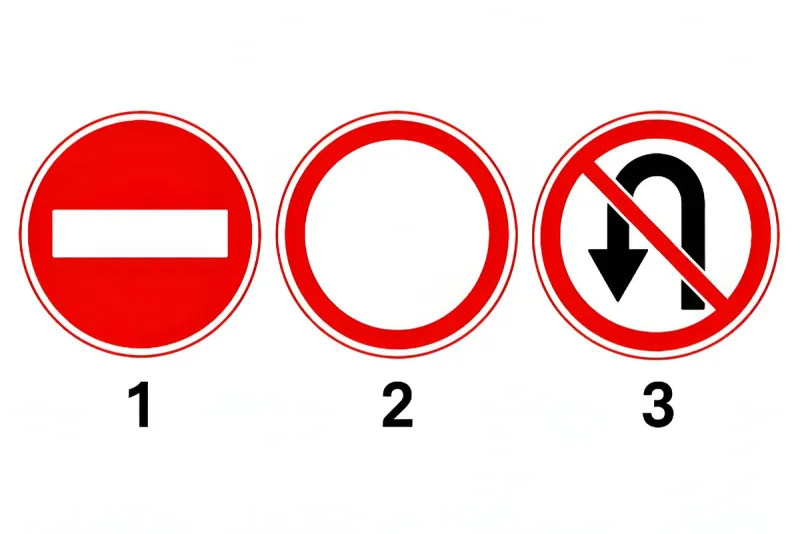
3. Which of these signs does not apply to public transit buses?
None of them.
2 and 3.
1 and 3.
Correct answer: None of them.D/T
Why: 1-ը 3.1 «Մուտքն արգելվում է», 2-ը 3.2 «Երթևեկությունն արգելվում է», 3-ը 3.19 «Հետադարձն արգելվում է» նշաններն են։ Այս երեք նշաններից ոչ մեկի ազդեցությունը չի տարածվում ընդհանուր օգտագործման ավտոբուսների վրա, ուստի «2 և 3» կամ «1 և 3» տարբերակները թերի են։
4. According to the Law of the Republic of Armenia on Ensuring Road Traffic Safety, maximum authorized mass is:
The mass of a fully equipped and fueled vehicle.
The mass of a fully equipped and fueled vehicle loaded with the driver, passengers, and cargo.
Correct answer: The mass of a fully equipped and fueled vehicle loaded with the driver, passengers, and cargo.D/T
Why: ՀՀ օրենքի համաձայն՝ թույլատրելի առավելագույն զանգված է վարորդով, ուղևորներով և բեռով բեռնված, լրակազմված ու լիցքավորված տրանսպորտային միջոցի՝ արտադրողի կողմից սահմանված առավելագույն զանգվածը։
5. A vehicle may not be operated if:
The engine is difficult to start.
A first-aid kit is missing from the bus.
In both cases.
Correct answer: A first-aid kit is missing from the bus.D/T
Why: Ավտոբուսում բժշկական դեղատուփի բացակայությունը 6.9 ենթակետով անսարքություն է։ Շարժիչի դժվար գործարկումը ցանկում չկա, ուստի միայն երկրորդ տարբերակը։
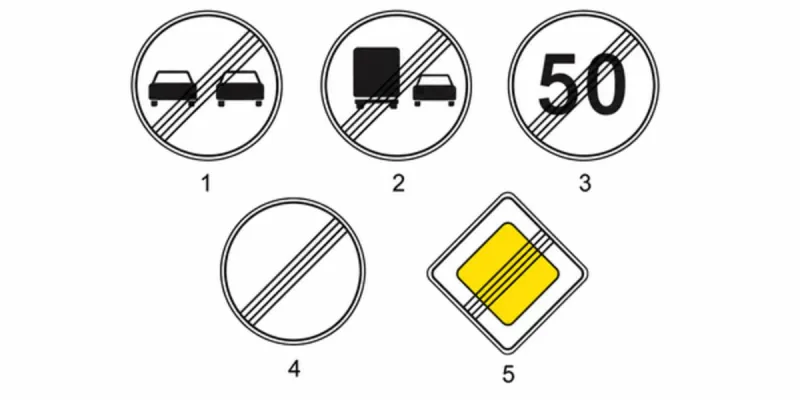
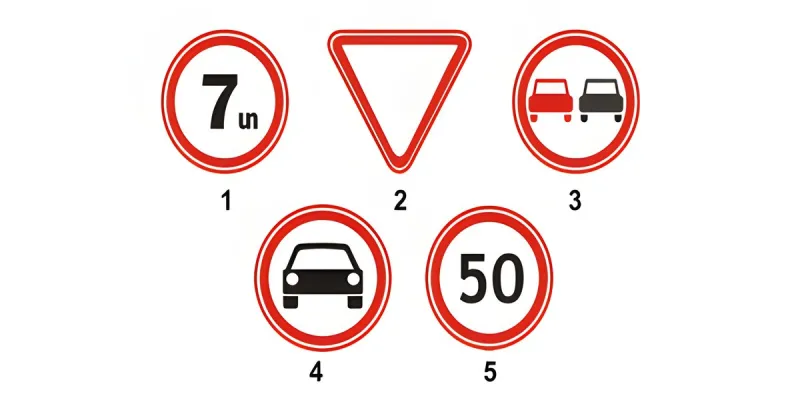
6. Which sign indicates the end of the no-passing zone?
1
2
3
4
5
Correct answer: Option 1ABC · D/T
Why: Վազանցի արգելման գոտու վերջը ցույց է տալիս 1-ին նշանը՝ 3.21-ը։ 2-ը 3.23 «Բեռնատար ավտոմոբիլներով վազանցի արգելման գոտու վերջ», 3-ը 3.25 «Առավելագույն արագության սահմանափակման գոտու վերջ», 4-ը 3.31 «Բոլոր սահմանափակումների գոտու վերջ», 5-ը 2.2 «Գլխավոր ճանապարհի վերջ» նշաններն են։
7. Which sign does not apply to public transit vehicles?
1
2
3
4
5
Correct answer: Option 4D/T
Why:3.3 «Մեխանիկական տրանսպորտային միջոցների երթևեկությունն արգելվում է» նշանի (4-րդ) ազդեցությունը, նշանների հավելվածի բացառություններով, չի տարածվում ընդհանուր օգտագործման երթուղային տրանսպորտի վրա։ 3.11 զանգվածի սահմանափակումը, 2.4-ը, 3.20-ը և 3.24-ը գործում են նաև նրանց համար։
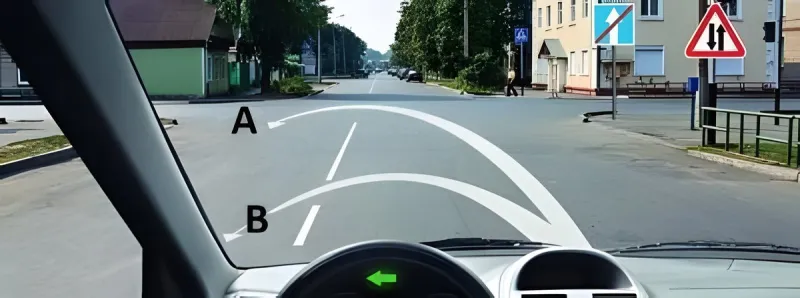
8. Along which path is it permitted to make a U-turn?
Only A.
Only B.
Neither path.
Correct answer: Neither path.ABC · D/T
Why: Առջևում 5.6 «Միակողմ երթևեկությամբ ճանապարհի վերջ» և 1.21 «Երկկողմ երթևեկություն» նշաններն են, ուստի մինչև դրանք մենք դեռ միակողմ երթևեկությամբ ճանապարհի վրա ենք։ Կետ 50.7-ով միակողմ երթևեկությամբ ճանապարհներին հետադարձն արգելվում է, ուստի արգելված է երկու հետագծերով էլ։
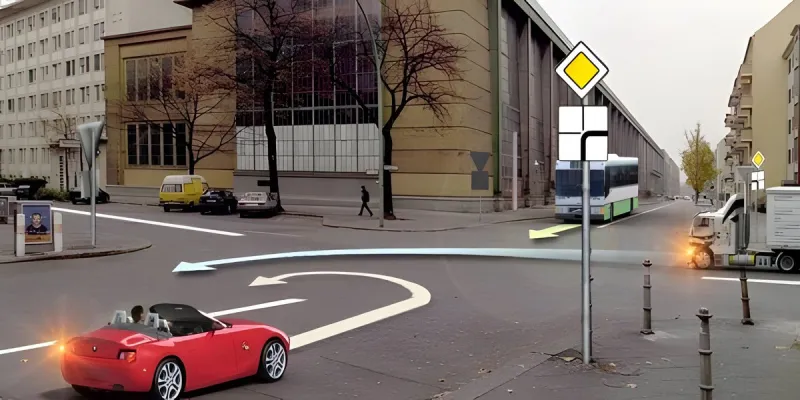
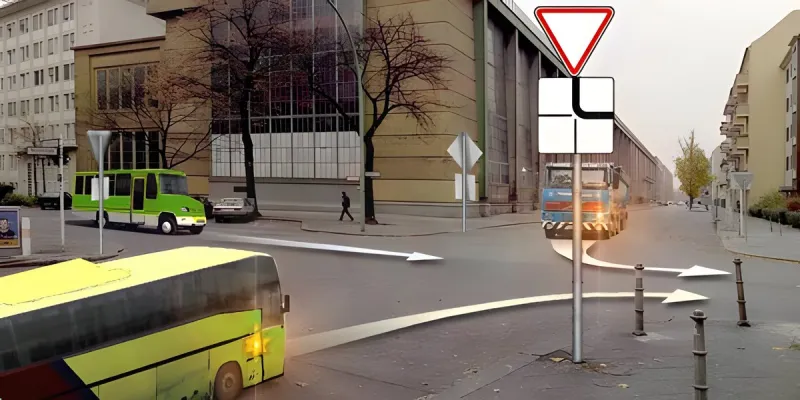
9. The vehicles will proceed through the intersection in the following order:
The truck, the passenger car, the bus.
The bus, the truck, the passenger car.
The bus, the passenger car, the truck.
Correct answer: The truck, the passenger car, the bus.ABC · D/T
Why: Մեր դիմաց 2.1 «Գլխավոր ճանապարհ» նշանն է 8.13 «Գլխավոր ճանապարհի ուղղությունը» ցուցանակով. գլխավոր ճանապարհն անցնում է մեր թևով և թեքվում աջ՝ բեռնատարի թևը։ Բեռնատարն ու մեր մեքենան գլխավոր ճանապարհով են, բեռնատարը մոտենում է աջից և անցնում է առաջինը (կետ 97, 98), ապա մենք, իսկ դիմացի ավտոբուսը երկրորդական ճանապարհից է (կետ 96). բեռնատար, թեթև մարդատար, ավտոբուս։
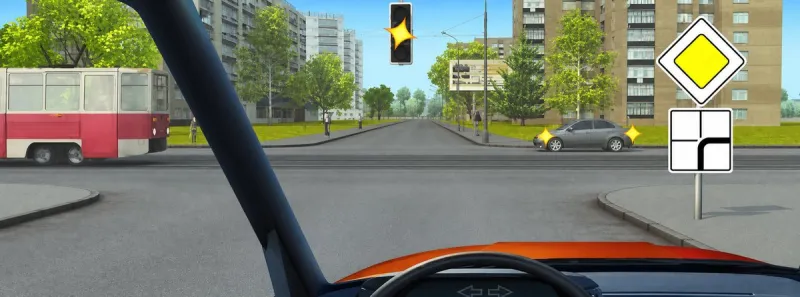
10. When the traffic signal is flashing yellow, while proceeding straight through the intersection we must:
Stop and wait for the permissive green signal.
Yield to the passenger-car driver.
Yield to the tram operator.
Correct answer: Yield to the passenger-car driver.ABC · D/T
Why: Նկարում և՛ լուսացույց է, և՛ 2.1 «Գլխավոր ճանապարհ» նշան 8.13 ցուցանակով։ Լուսացույցը դեղին թարթող է. այն թույլատրում է երթևեկությունը և խաչմերուկը դարձնում չկարգավորվող (կետ 7, 4-րդ ենթակետ, կետ 95), ուստի գործում են նշանները. գլխավոր ճանապարհն անցնում է մեր թևով և թեքվում աջ՝ թեթև մարդատարի թևը, զիջում ենք նրան (կետ 97, 98), իսկ ձախի տրամվայը երկրորդական ճանապարհից է և կետ 96-ով զիջում է մեզ։ Կանաչին սպասելու կարիք չկա։
11. The vehicles will proceed through the intersection in the following order:
The yellow bus, the truck, the green bus.
The truck, the yellow bus, the green bus.
The yellow bus, the green bus, the truck.
Correct answer: The truck, the yellow bus, the green bus.ABC · D/T
Why: Դեղին ավտոբուսի դիմաց 2.4 «Զիջեք ճանապարհը» նշանն է 8.13 «Գլխավոր ճանապարհի ուղղությունը» ցուցանակով. գլխավոր ճանապարհն անցնում է դիմացի թևով (բեռնատար) և թեքվում աջ։ Բեռնատարը գլխավոր ճանապարհով է և անցնում է առաջինը, երկու ավտոբուսները կետ 96-ով զիջում են նրան, իսկ միմյանց նկատմամբ գործում են աջի խոչընդոտի կանոնով (կետ 97, 98). բեռնատար, դեղին ավտոբուս, կանաչ ավտոբուս։
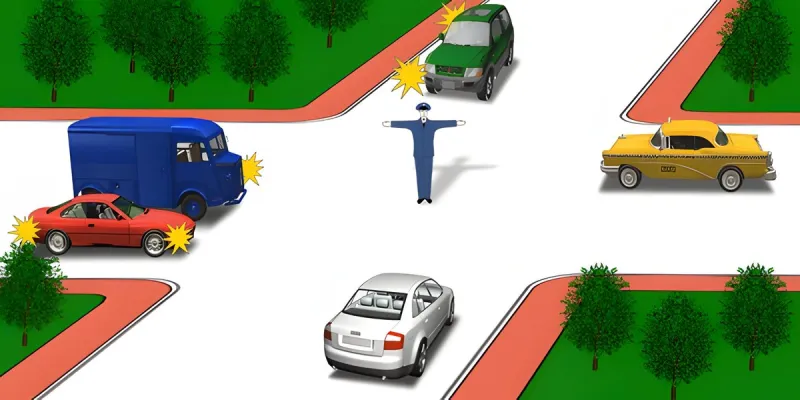
Correct answer: The blue, green, and white automobiles.ABC · D/T
Why: Լուսացույց և նշաններ չկան, կարգավորողի ձեռքերը պարզված են կողմ։ Կետ 16-ի 2-րդ ենթակետի «ա»-ով ձախ և աջ կողմերից ոչ ռելսագնաց միջոցներին թույլատրվում է միայն ուղիղ և աջ. կարմիրը (աջ) և դեղինը (ուղիղ) կարող են անցնել, ձախ թեքվող կապույտ բեռնատարը՝ ոչ։ Կրծքի և թիկունքի կողմից երթևեկությունն արգելված է («բ»)՝ սպիտակ և կանաչ։ Արգելվում է կապույտին, կանաչին և սպիտակին։
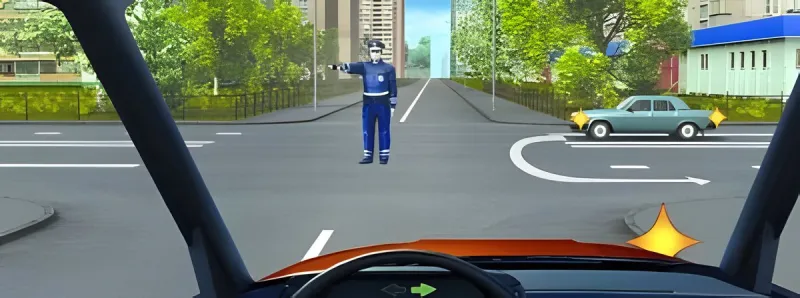
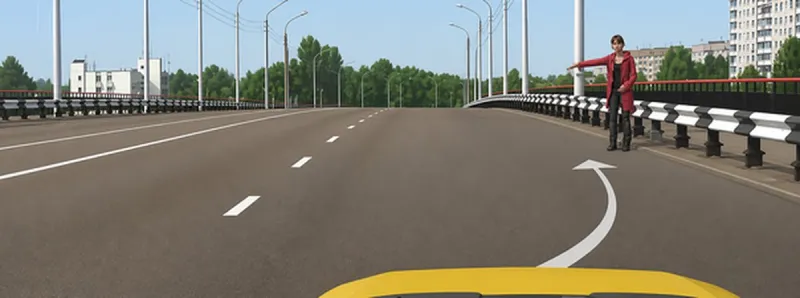
13. When making a right turn:
You must yield to the passenger-car driver.
You will proceed through the intersection first.
Correct answer: You will proceed through the intersection first.ABC · D/T
Why: Կարգավորողը կրծքով դեպի մեզ է, աջ ձեռքն առաջ. կրծքի կողմից թույլատրվում է միայն աջ շրջադարձ (կետ 16.3), որը և կատարում ենք։ Հատող ճանապարհի մեքենան կարգավորողի ձախ կողմից է և կարող է գնալ բոլոր ուղղություններով, սակայն մեր աջ շրջադարձը մոտակա գոտի նրա ուղին չի հատում. զիջելու պարտավորություն չկա, անցնում ենք առաջինը։
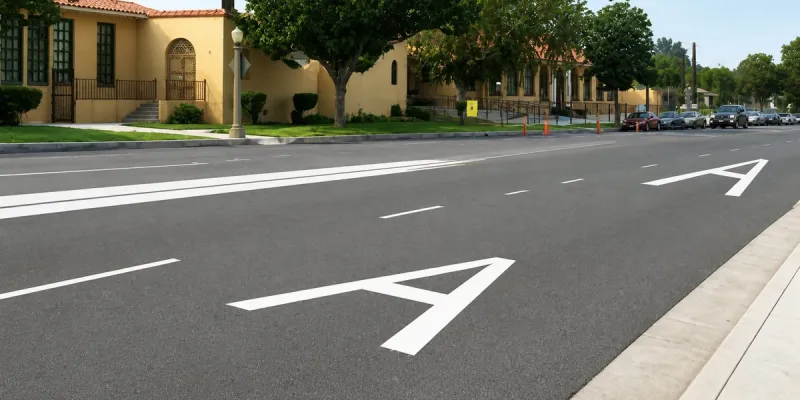
14. For which vehicles is the lane marked with the letter “A” designated?
Only buses operating on an established route.
Trolleybuses and taxis.
Public transit vehicles.
Correct answer: Public transit vehicles.ABC · D/T
Why: «A» տառով գծանշված գոտին (1.23.1) կետ 124-ի համաձայն առանձնացված է ընդհանուր օգտագործման տրանսպորտային միջոցների համար՝ ոչ միայն ավտոբուսների կամ տրոլեյբուսների։
15. Is a bus driver permitted to stop on a bridge to pick up a passenger?
Permitted.
Permitted only for Category “D1” buses.
Prohibited.
Correct answer: Prohibited.D/T
Why: Կետ 84.2-ով կամուրջների վրա կանգառն արգելվում է բոլոր տրանսպորտային միջոցներին, ուստի ուղևոր վերցնելու համար կանգ առնել չի թույլատրվում՝ անկախ ավտոբուսի ենթակարգից։
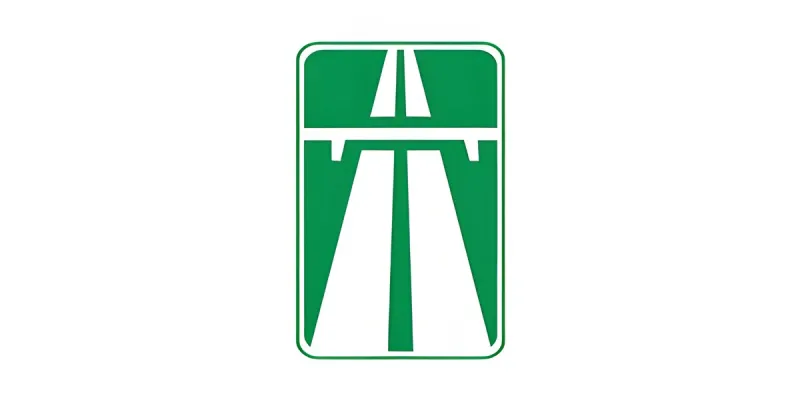
16. What is the maximum permitted speed for a bus on road sections where this traffic sign is in effect?
70 km/h.
80 km/h.
90 km/h.
100 km/h.
110 km/h.
Correct answer: 90 km/h.D/T
Why: Ավտոմայրուղիներում (նշան 5.1) ավտոբուսների երթևեկությունը կետ 69-ի համաձայն թույլատրվում է ոչ ավելի, քան 90 կմ/ժ արագությամբ։
Correct answer: Permitted at a speed not exceeding 50 km/h.D/T
Why: Կետ 143-ի արգելքներում մառախուղը չկա (մերկասառույցի դեպքում արգելված է միայն ճկուն կցիչով քարշակումը), ուստի մառախուղում քարշակումը թույլատրվում է՝ կետ 71.2-ով ոչ ավելի, քան 50 կմ/ժ արագությամբ։
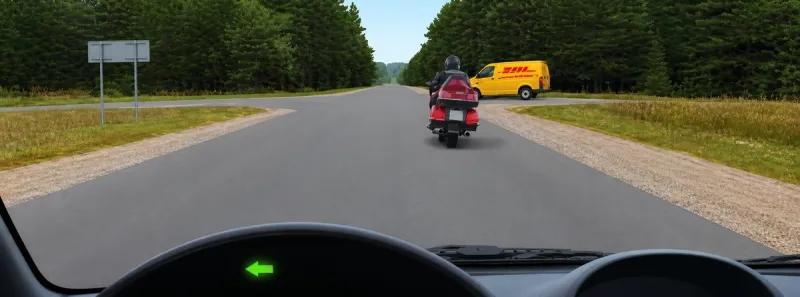
18. Is passing the motorcycle permitted?
Permitted.
Prohibited.
Correct answer: Prohibited.ABC · D/T
Why: Աջից ճանապարհ է հարում, ուստի մոտոցիկլին վազանցելը կկատարվի խաչմերուկում։ Կետ 77-ի համաձայն՝ խաչմերուկներում վազանցն արգելվում է։
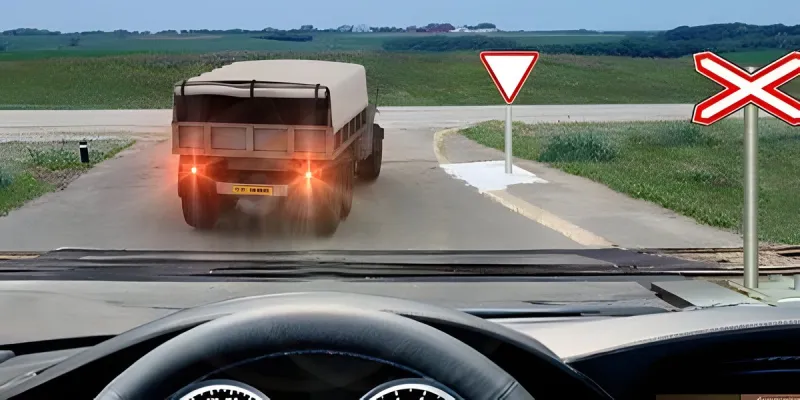
19. In this situation, is it permitted to cross the railroad crossing?
Permitted if no train is approaching.
Permitted.
Prohibited.
Correct answer: Prohibited.ABC · D/T
Why: Առջևի բեռնատարը կանգնել է անմիջապես գծանցից (նշաններ 1.3.1, 2.4) հետո։ Կետ 113-ի համաձայն՝ արգելվում է մուտք գործել գծանց, եթե դրանից հետո առաջացել է խցանում, որը կհարկադրի կանգնել գծանցի վրա։
In Varordakan Tester the same tests are taken without hints, wrong answers are collected automatically, and there is an exam simulation (20 questions, 30 minutes, pass at 18), a 3D intersection simulator, video lessons and an AI assistant that cites the Traffic Rules point. Free.
Sources: questions from the official bank of the Road Police of Armenia (roadpolice.am, edition of 2 October 2026); rule points from the Traffic Rules of the Republic of Armenia (arlis.am). Varordakan Tester is an independent educational app, not affiliated with the Police of Armenia.