Updated 2026-10-13 · official question bank of 2 October 2026
Test 44, Categories D/T (bus, trolleybus): 20 questions from the official bank of 2 October 2026 across all 10 topics. Under every question: the correct answer, the explanation (in Armenian) and the signs it mentions. In the app the same test is taken without hints, and the exam simulation runs on a 30-minute timer.
1. When making a left turn or U-turn outside an intersection, you must:
Yield to oncoming vehicles.
Yield to oncoming vehicles and to trams proceeding in the same direction.
Correct answer: Yield to oncoming vehicles and to trams proceeding in the same direction.ABC · D/T
Why: Կետ 44-ով խաչմերուկից դուրս ձախ շրջադարձի և հետադարձի ժամանակ ոչ ռելսագնաց տրանսպորտային միջոցի վարորդը զիջում է հանդիպակաց տրանսպորտային միջոցներին և համընթաց երթևեկող տրամվային։
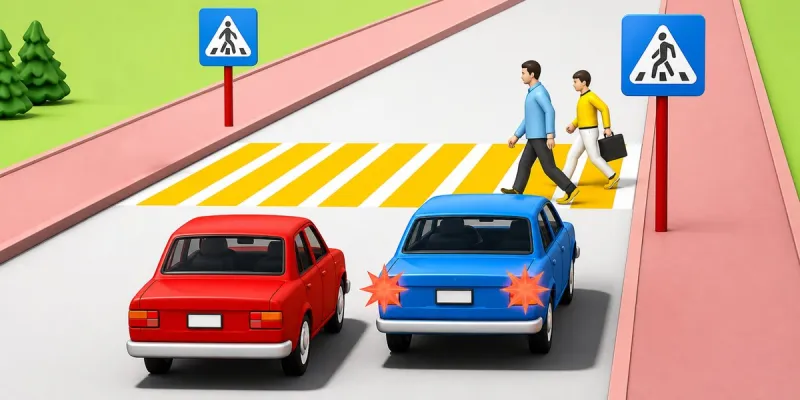
2. In the given situation, may the driver of the red vehicle continue driving?
Permitted.
Prohibited.
Correct answer: Prohibited.ABC · D/T
Why: Կապույտ ավտոմոբիլը կանգնել է չկարգավորվող հետիոտնային անցումից (նշաններ 5.19.1, 5.19.2, «զեբր» գծանշում) առաջ, և անցումով հետիոտներ են անցնում։ Կետ 104-ի համաձայն՝ հարևան գոտիով ընթացող վարորդը կարող է շարունակել երթևեկությունը միայն համոզվելով, որ անցումում հետիոտներ չկան, իսկ կետ 103-ն արգելում է խոչընդոտել նրանց։
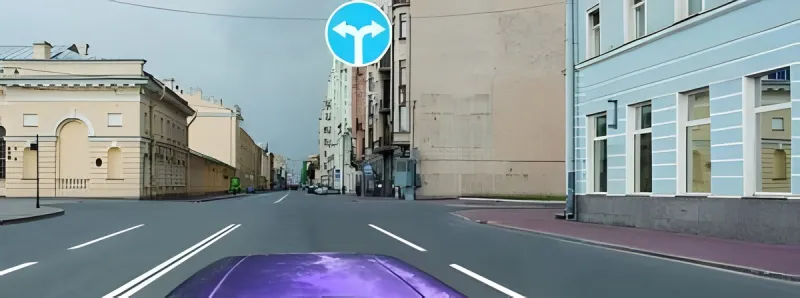
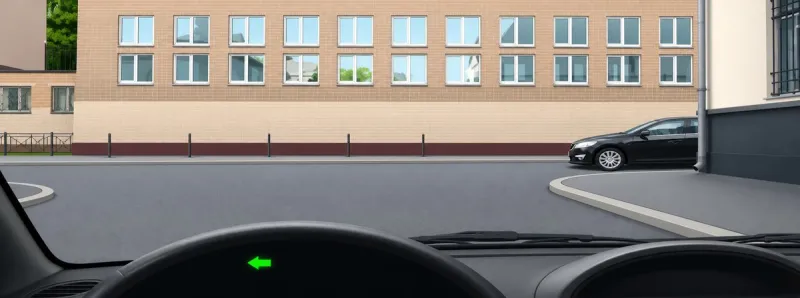
To the right, to the left, and by making a U-turn.
Correct answer: To the left and by making a U-turn.ABC · D/T
Why: Նշան 4.1.6 «Երթևեկությունը դեպի աջ կամ դեպի ձախ»-ը թույլատրում է աջ և ձախ շրջադարձերը։ Կետ 40-ի համաձայն՝ աջ շրջադարձը կատարվում է միայն աջ եզրային գոտուց, ուստի ձախ գոտուց թույլատրվում է միայն ձախ ուղղությունը, իսկ ձախ շրջադարձի թույլտվությունը ներառում է նաև հետադարձը։
4. According to the Law of the Republic of Armenia on Ensuring Road Traffic Safety, while traveling in a vehicle, who is permitted not to wear a seat belt?
A driver with a disability who is traveling outside a populated area.
The driver of an automobile with special color-and-graphic markings who is traveling within a populated area.
An emergency-service employee who is traveling outside a populated area.
Correct answer: The driver of an automobile with special color-and-graphic markings who is traveling within a populated area.D/T
Why: ՀՀ օրենքի համաձայն՝ բնակավայրում երթևեկելիս անվտանգության գոտիով կարող է չամրակապվել թափքի գունագրաֆիկ երանգավորում ունեցող (հատուկ ծառայությունների) ավտոմոբիլի վարորդը։ Բնակավայրից դուրս այդ բացառությունը չի գործում։
5. A vehicle may not be operated if:
The rear fog lights are connected to the vehicle’s brake lights.
The engine coolant temperature gauge does not operate.
In both cases.
Correct answer: The rear fog lights are connected to the vehicle’s brake lights.ABC · D/T
Why: Հետին հակամառախուղային լապտերիկների միացումը արգելակման ազդանշանի սարքերին 3.7 ենթակետով անսարքություն է։ Հովացնող հեղուկի ջերմաստիճանի ցուցիչը ցանկում չկա, ուստի միայն առաջին տարբերակը։
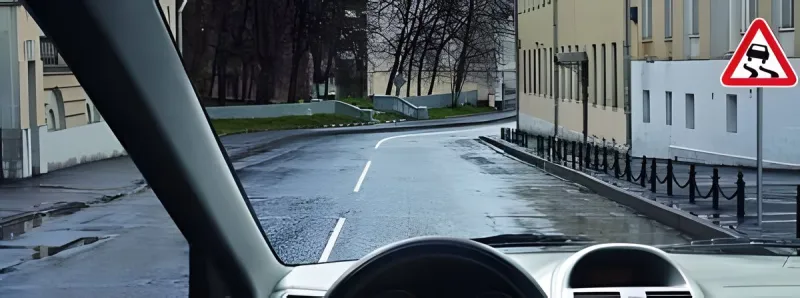
6. At what minimum distance from the sign will a slippery section of road begin in a populated area?
At least 100 m.
At least 50 m.
Immediately after the sign.
Correct answer: At least 50 m.ABC · D/T
Why:1.15 «Սայթաքուն ճանապարհ» նախազգուշացնող նշանը բնակավայրում տեղադրվում է վտանգավոր հատվածից 50–100 մ առաջ, ուստի սայթաքուն հատվածը սկսվում է նվազագույնը 50 մետրից։
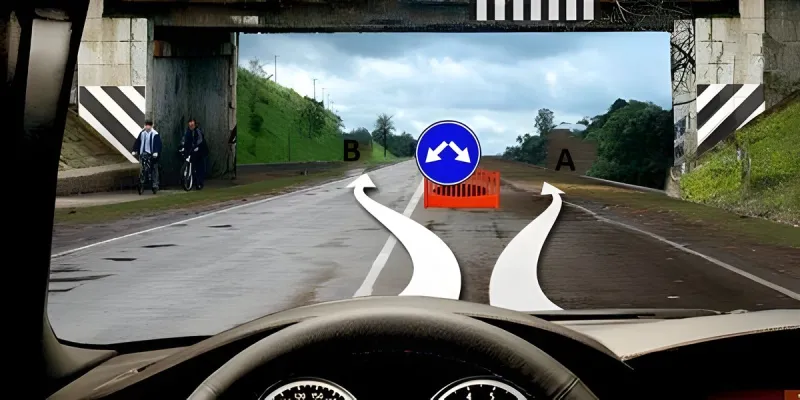
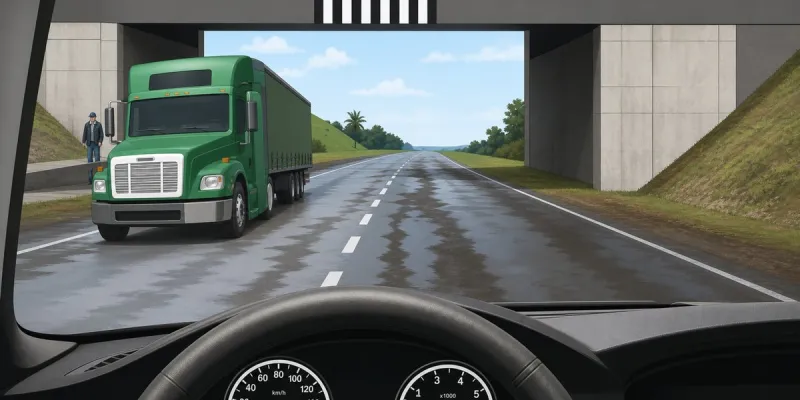
7. In this situation, along which path or paths is it permitted to go around the obstruction?
Only A.
Only B.
A and B.
Correct answer: A and B.ABC · D/T
Why: Կամրջի տակ արգելքի վրա 4.2.3 «Արգելքի շրջանցումն աջից կամ ձախից» նշանն է, ուստի թույլատրվում են և՛ «A», և՛ «B» հետագծերը։ «B»-ով անցնելիս ուշադրություն դարձրեք ձախ կողմի հեծանվորդներին։
9. At intersections of equivalent roads, which public transit vehicle has the right-of-way?
Public transit buses only.
Trams and trolleybuses.
Trams only.
Correct answer: Trams only.D/T
Why: Հավասարազոր ճանապարհների խաչմերուկում ընդհանուր օգտագործման տրանսպորտային միջոցներից առավելություն ունեն միայն տրամվայները (կետ 98, 100). ավտոբուսներն ու տրոլեյբուսները ենթարկվում են ընդհանուր կանոններին։
10. In this situation, when making a left turn, the driver:
Must yield.
Will proceed through the intersection first.
Correct answer: Must yield.ABC · D/T
Why: Առավելության նշաններ չկան՝ հավասարազոր ճանապարհների խաչմերուկ։ Թեթև մարդատարը մոտենում է մեր աջից, ուստի կետ 98-ով ձախ շրջադարձ կատարելիս պարտավոր ենք զիջել նրան։
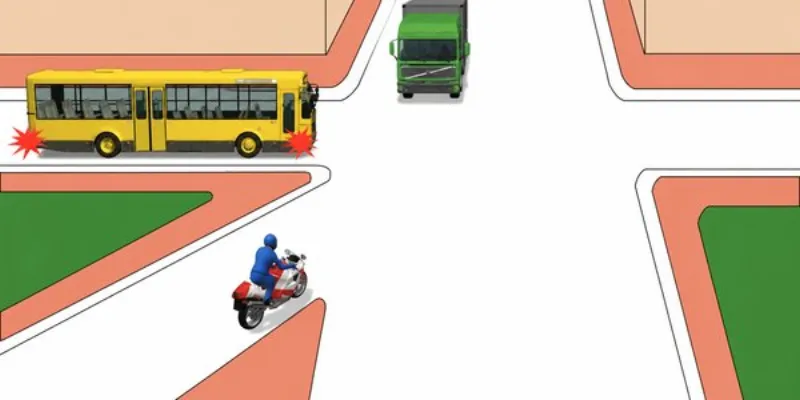
11. Which answer correctly states the order in which the vehicles will proceed?
The motorcycle, the bus, the truck.
The bus, the motorcycle, the truck.
The bus, the truck, the motorcycle.
Correct answer: The motorcycle, the bus, the truck.ABC · D/T
Why: Նշաններ չկան՝ հավասարազոր ճանապարհների խաչմերուկ, կետ 98-ով զիջում են աջից մոտեցողին։ Ավտոբուսը զիջում է աջից մոտեցող մոտոցիկլին, բեռնատարը՝ ավտոբուսին, մոտոցիկլի աջից ոչ ոք չկա. մոտոցիկլ, ավտոբուս, բեռնատար։
12. Is the driver of an intercity bus permitted to exceed 70 km/h outside populated areas?
Permitted up to 110 km/h on motorways.
Permitted provided the speed does not exceed 90 km/h.
Prohibited.
Correct answer: Permitted provided the speed does not exceed 90 km/h.D/T
Why: Կետ 69.2-ով միջքաղաքային ավտոբուսներին բնակավայրերից դուրս բոլոր ճանապարհներին, այդ թվում՝ ավտոմայրուղիներով, թույլատրվում է մինչև 90 կմ/ժ, ուստի 70 կմ/ժ-ը գերազանցելը թույլատրվում է, եթե 90 կմ/ժ-ը չի գերազանցվում։
13. What is the maximum permitted speed for buses in areas marked with the “Residential Zone” and “End of Residential Zone” signs?
60 km/h.
20 km/h.
40 km/h.
Correct answer: 20 km/h.D/T
Why: Կետ 68-ով 5.21 «Բնակելի գոտի» և 5.22 «Բնակելի գոտու վերջ» նշաններով նշված տարածքներում բոլոր տրանսպորտային միջոցների, այդ թվում՝ ավտոբուսների, արագությունը 20 կմ/ժ ոչ ավելի է։
14. At night, when stopping or parking on unlit sections of road, buses must have activated:
Marker lights.
Low-beam headlights.
Fog lights.
Correct answer: Marker lights.D/T
Why: Կետ 130-ով օրվա մութ ժամանակ ճանապարհի չլուսավորված հատվածներում կանգառի և կայանման դեպքում պետք է միացված լինեն եզրաչափային լույսերը։
15. This type of vertical pavement marking indicates:
The lower edges of a bridge or tunnel.
The entrance to an unlit tunnel.
Any element of a road structure that creates a hazard for traffic.
Correct answer: The lower edges of a bridge or tunnel.ABC · D/T
Why: Ուղղաձիգ 2.2 գծանշումը նշում է թունելների, կամուրջների և ուղեկամուրջների հենամեջային կառույցների ստորին եզրը։
16. Outside populated areas, intercity buses are permitted to proceed at a speed not exceeding:
70 km/h.
90 km/h.
110 km/h.
Correct answer: 90 km/h.D/T
Why: Կետ 69.2-ով մերձքաղաքային, միջմարզային և միջքաղաքային փոխադրումներ իրականացնող ավտոբուսներին բնակավայրերից դուրս թույլատրվում է 90 կմ/ժ ոչ ավելի արագություն՝ բոլոր ճանապարհներին։
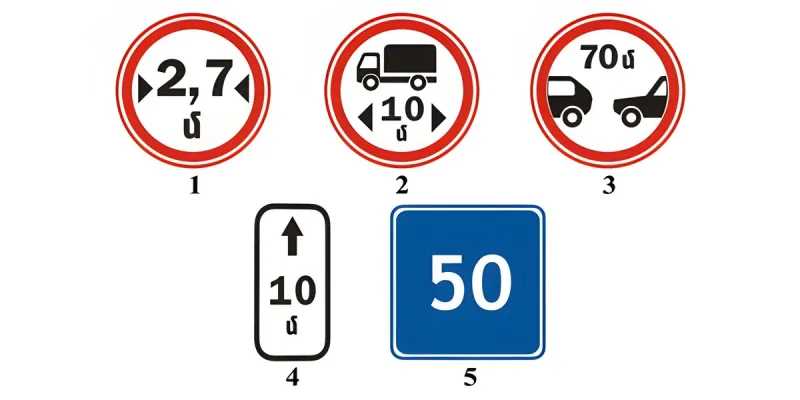
17. Under icy road conditions, towing is prohibited:
With a flexible coupling.
With a rigid coupling.
By the partial-loading method.
Correct answer: With a flexible coupling.ABC · D/T
Why: Կետ 143.3-ով մերկասառույցի պայմաններում արգելվում է ճկուն կցիչով քարշակումը. կոշտ կցիչն ու մասնակի բեռնումը թույլատրված են։
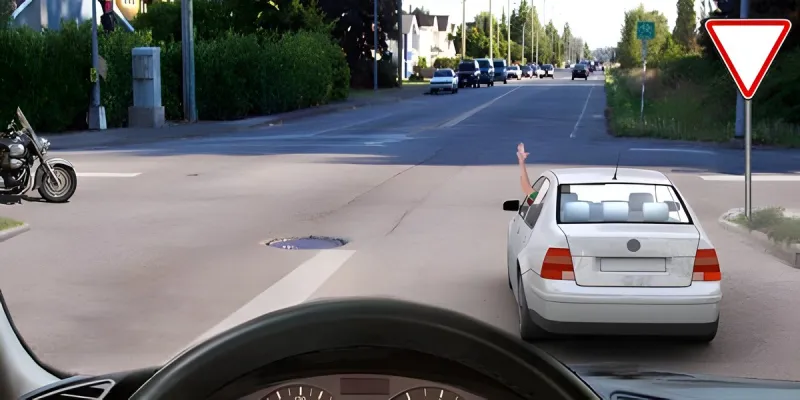
18. What does the hand signal given by the passenger-car driver indicate?
The driver is making a right turn.
The driver is continuing straight ahead.
The driver is braking.
Correct answer: The driver is braking.ABC · D/T
Why: Կետ 37-ի համաձայն՝ արգելակման ազդանշանին համապատասխանում է դեպի վեր պարզված ձեռքը, ուստի թեթև մարդատարի վարորդը տեղեկացնում է, որ արգելակում է։
19. In residential zones, a bus driver is prohibited from:
Through traffic.
Stopping with the engine running.
Both.
Correct answer: Through traffic.D/T
Why: Կետ 121.2-ով բնակելի գոտիներում արգելվում է միջանցիկ երթևեկությունը։ Կետ 121.3-ն արգելում է աշխատող շարժիչով կայանելը, ոչ թե կանգառը, ուստի երկրորդ տարբերակը սխալ է։
20. At rest, an adult’s respiratory rate is:
12–18 breaths per minute.
20–30 breaths per minute.
40–60 breaths per minute.
Correct answer: 12–18 breaths per minute.ABC · D/T
Why: Առաջին օգնություն. հանգիստ վիճակում չափահաս մարդու նորմալ շնչառությունը րոպեում 12-18 շնչառական շարժում է։
In Varordakan Tester the same tests are taken without hints, wrong answers are collected automatically, and there is an exam simulation (20 questions, 30 minutes, pass at 18), a 3D intersection simulator, video lessons and an AI assistant that cites the Traffic Rules point. Free.
Sources: questions from the official bank of the Road Police of Armenia (roadpolice.am, edition of 2 October 2026); rule points from the Traffic Rules of the Republic of Armenia (arlis.am). Varordakan Tester is an independent educational app, not affiliated with the Police of Armenia.