Updated 2026-10-13 · official question bank of 2 October 2026
Test 49, Categories D/T (bus, trolleybus): 20 questions from the official bank of 2 October 2026 across all 10 topics. Under every question: the correct answer, the explanation (in Armenian) and the signs it mentions. In the app the same test is taken without hints, and the exam simulation runs on a 30-minute timer.
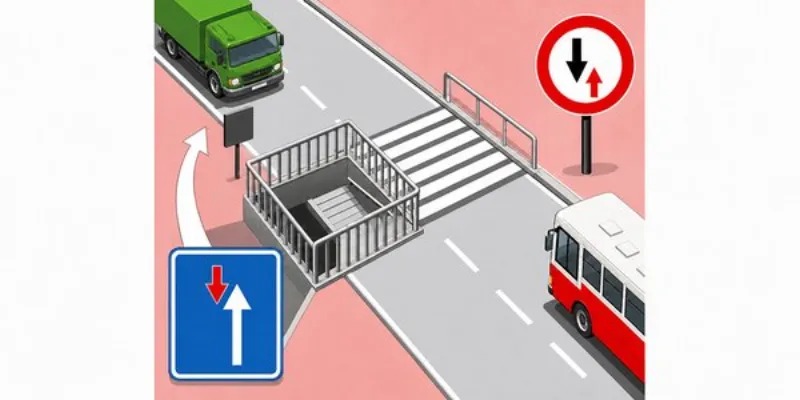
1. Which vehicle driver has the right-of-way?
The truck driver.
The bus driver.
Correct answer: The truck driver.ABC · D/T
Why: Նեղ կամրջի մոտ բեռնատարի կողմից տեղադրված է 2.7 «Առավելություն հանդիպակաց երթևեկության նկատմամբ» նշանը, իսկ ավտոբուսի կողմից՝ 2.6 «Հանդիպակաց երթևեկության առավելություն»։ Հետևաբար առաջնահերթությունը բեռնատարի վարորդինն է։
2. When backing with insufficient visibility, the driver must:
Give a horn signal.
Activate the hazard warning lights.
Seek assistance from other persons.
Correct answer: Seek assistance from other persons.ABC · D/T
Why: Կետ 48-ով հետընթացը թույլատրվում է միայն անվտանգության դեպքում, իսկ անհրաժեշտության դեպքում, օրինակ՝ տեսանելիության բացակայությամբ, վարորդը պետք է դիմի այլ անձանց օգնությանը։
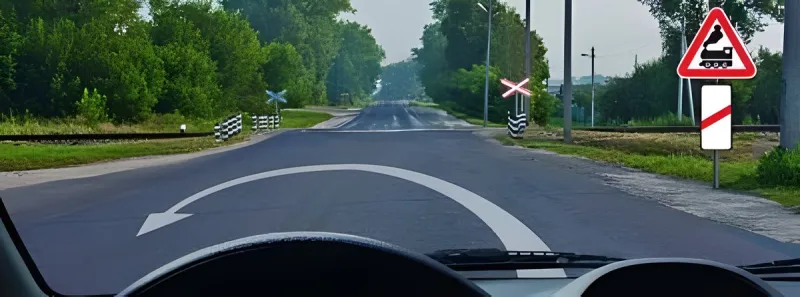
3. A U-turn at the indicated location is:
Permitted if no train is approaching.
Permitted.
Prohibited.
Correct answer: Permitted.ABC · D/T
Why: Կետ 50-ի համաձայն՝ հետադարձն արգելվում է երկաթուղային գծանցներում։ Նշված հետադարձը կատարվում է գծանցից առաջ (նշաններ 1.2 «Երկաթուղային գծանց առանց ուղեփակոցի», 1.4.3 «Մոտեցում երկաթուղային գծանցին», 1.3.1), ոչ թե գծանցի վրա, ուստի թույլատրվում է։
4. According to the Law of the Republic of Armenia on Ensuring Road Traffic Safety, passengers waiting for public transit vehicles are permitted to wait:
At locations where visibility in both directions exceeds 100 meters.
On raised waiting platforms or, if none are available, on sidewalks and shoulders.
At any location where necessary.
In all of the listed locations.
Correct answer: On raised waiting platforms or, if none are available, on sidewalks and shoulders.D/T
Why: ՀՀ օրենքի համաձայն՝ ընդհանուր օգտագործման տրանսպորտային միջոցներին սպասում են բարձրացված սպասահարթակների վրա, իսկ դրանց բացակայության դեպքում՝ մայթերին և կողնակներին։
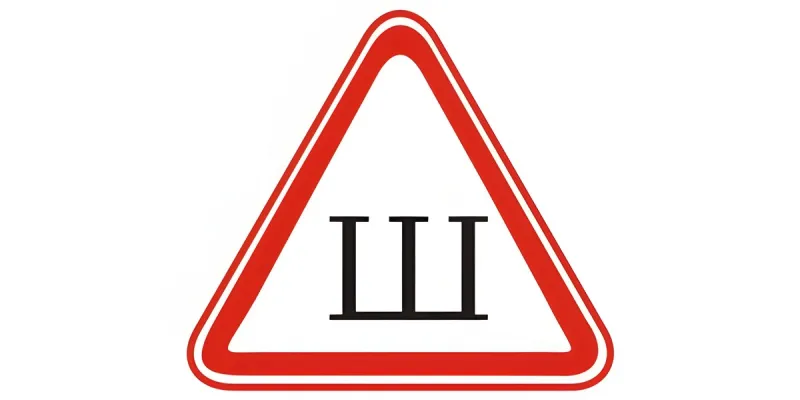
5. A vehicle may not be operated if:
Changes or modifications have been made to the vehicle’s design without permission from the vehicle registration authority.
Yellow-light turn signals are installed at the front.
In both cases.
Correct answer: Changes or modifications have been made to the vehicle’s design without permission from the vehicle registration authority.ABC · D/T
Why: Առանց հաշվառող մարմնի թույլտվության կառուցվածքի փոփոխությունը 6.17 ենթակետով անսարքություն է։ Առջևում դեղին շրջադարձի ցուցիչները թույլատրված են (3.6՝ առջևում թույլատրվում են սպիտակ, դեղին, նարնջագույն), ուստի երկրորդ տարբերակն անսարքություն չէ։
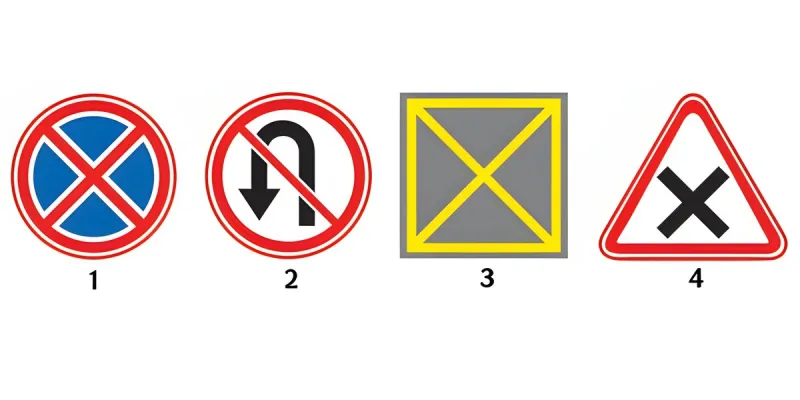
6. Which of the following traffic signs prohibits entering an intersection area if congestion has formed ahead in the direction of traffic, except when making a right or left turn?
1
2
3
4
Correct answer: Option 3ABC · D/T
Why: 3-րդը նշան չէ, այլ դեղին 1.26 գծանշումը (վանդակավոր). արգելվում է մուտք գործել խաչմերուկ, եթե առջևում խցանում է, որը կհարկադրի կանգ առնել խաչմերուկում, բացառությամբ աջ կամ ձախ շրջադարձի։ 1-ը 3.27 «Կանգառն արգելվում է», 2-ը 3.19 «Հետադարձն արգելվում է», 4-ը 1.6 «Հավասարազոր ճանապարհների հատում» նշաններն են։
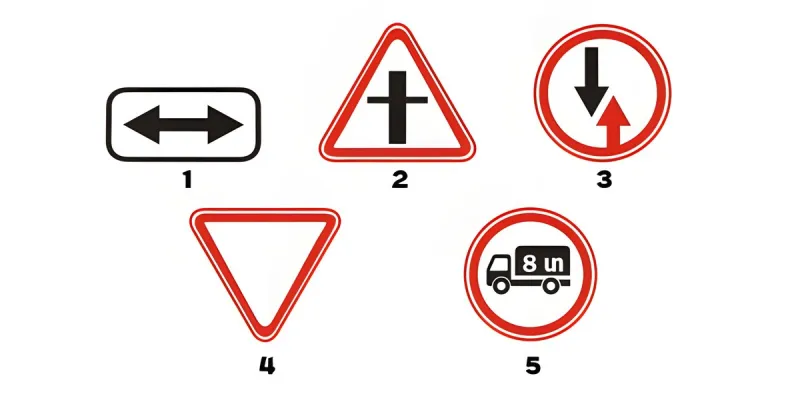
7. Which sign requires a driver to yield to vehicles proceeding on the intersecting road?
1
2
3
4
5
Correct answer: Option 4ABC · D/T
Why: 4-րդը՝ շրջված եռանկյունը, 2.4 «Զիջեք ճանապարհը»-ն է, որը պարտադրում է զիջել հատվող ճանապարհով երթևեկողներին։ 1-ը 8.3.3 «Ազդման ուղղություններ» ցուցանակն է, 2-ը 2.3.1 «Հատում երկրորդական ճանապարհի հետ» (մեզ առավելություն է տալիս), 3-ը 2.6 (վերաբերում է հանդիպակացներին նեղ հատվածում), 5-ը 3.4 «Բեռնատար ավտոմոբիլների երթևեկությունն արգելվում է»։
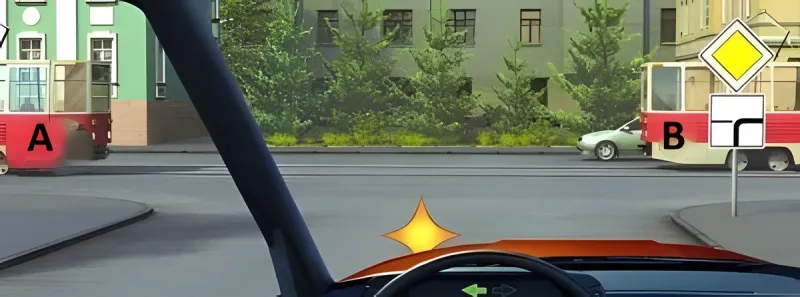
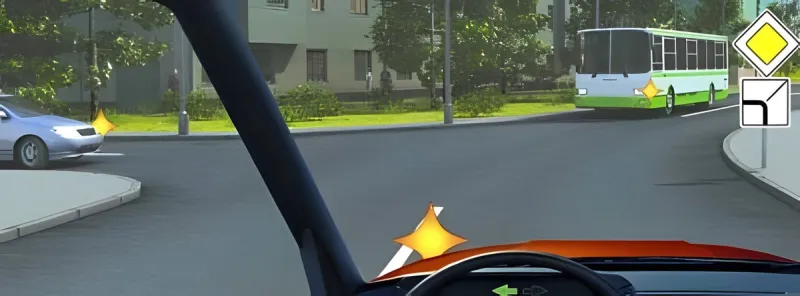
9. When proceeding through the intersection, the driver must yield to:
Only the tram operators.
The passenger-car driver and the operator of tram B.
No one.
Everyone.
Correct answer: The passenger-car driver and the operator of tram B.ABC · D/T
Why: Մեր դիմաց 2.1 «Գլխավոր ճանապարհ» նշանն է 8.13 «Գլխավոր ճանապարհի ուղղությունը» ցուցանակով. գլխավոր ճանապարհն անցնում է մեր թևով և թեքվում աջ, որտեղ թեթև մարդատարն ու Բ տրամվայն են, ձախի Ա տրամվայը երկրորդական ճանապարհի վրա է։ Թեքվող գլխավոր ճանապարհի վրա գործում են հավասարազոր խաչմերուկի կանոնները (կետ 97). թեթև մարդատարն ու Բ տրամվայը մոտենում են աջից՝ զիջում ենք երկուսին (կետ 98, տրամվայի առավելություն՝ կետ 100), իսկ Ա տրամվայը կետ 96-ով զիջում է գլխավոր ճանապարհով ընթացողներին։
Why: Մեր դիմաց 2.1 «Գլխավոր ճանապարհ» նշանն է 8.13 «Գլխավոր ճանապարհի ուղղությունը» ցուցանակով. գլխավոր ճանապարհն անցնում է մեր թևով և թեքվում ձախ՝ թեթև մարդատարի թևը, դիմացի ավտոբուսը երկրորդական ճանապարհի վրա է։ Մեքենան գլխավոր ճանապարհով է, բայց մոտենում է ձախից և կետ 97, 98-ով զիջում է մեզ, ավտոբուսը զիջում է կետ 96-ով. ոչ ոքի չենք զիջում։
11. From where must a bus driver make a left turn or U-turn if tram tracks in the same direction are located on the left side of the roadway at the same level and no other arrangement is established by signs or pavement markings?
From the leftmost lane of the roadway without entering the tram tracks.
From the tram tracks in the same direction, provided this does not interfere with tram traffic.
In both cases.
Correct answer: From the tram tracks in the same direction, provided this does not interfere with tram traffic.D/T
Why: Կետ 40-ով, եթե երթևեկելի մասի ձախ կողմում նույն մակարդակի վրա կան համընթաց ուղղության տրամվայի գծեր, և 5.15.1, 5.15.2 նշաններով կամ 1.18 գծանշմամբ այլ կարգ սահմանված չէ, ձախ շրջադարձը և հետադարձը կատարվում են այդ գծերի վրայից՝ խոչընդոտ չստեղծելով տրամվային։
12. When selecting a speed, a bus driver is prohibited from:
Exceeding the speed specified by the “Speed Limit” identification sign displayed on the vehicle.
Proceeding at less than 60 km/h on all roads where no minimum-speed sign is installed.
In both cases.
Correct answer: Exceeding the speed specified by the “Speed Limit” identification sign displayed on the vehicle.D/T
Why: Կետ 72.2-ով վարորդին արգելվում է գերազանցել տրանսպորտային միջոցի վրա տեղադրված «Արագության սահմանափակում» ճանաչման նշանով նախատեսված արագությունը։ 60 կմ/ժ-ից ցածր երթևեկելու ընդհանուր արգելք չկա։
13. What is the maximum permitted speed outside populated areas on all roads for buses performing interregional and intercity passenger transportation?
90 km/h.
110 km/h.
60 km/h.
Correct answer: 90 km/h.D/T
Why: Կետ 69.2-ով միջմարզային և միջքաղաքային փոխադրումներ իրականացնող ավտոբուսներին բնակավայրերից դուրս բոլոր ճանապարհներին թույլատրվում է ոչ ավելի, քան 90 կմ/ժ։
14. If traffic across a railroad crossing is prohibited and there are no traffic signals, traffic signs, pavement markings, or barrier gate, the driver must stop:
At least 5 m from the nearest rail.
At least 7 m from the nearest rail.
At least 10 m from the nearest rail.
Correct answer: At least 10 m from the nearest rail.ABC · D/T
Why: Կետ 111-ով, երբ բացակայում են լուսացույցը, նշանները, գծանշումն ու ուղեփակոցը, վարորդը կանգնում է մոտակա ռելսից ոչ պակաս, քան 10 մ հեռավորության վրա։
15. Is it permitted to drop off a passenger at a location where a solid yellow line is marked on the upper surface of the curb and a “No Stopping” sign is posted?
Permitted.
Prohibited.
Permitted if no public transit vehicles are present.
Permitted only for public transit vehicles.
Correct answer: Prohibited.ABC · D/T
Why: Եզրաքարի վրա գծված դեղին հոծ 1.4 գծանշումը և 3.27 «Կանգառն արգելվում է» նշանը ցույց են տալիս այն տեղը, որտեղ կանգառն արգելված է բոլորին, ուստի այնտեղ ուղևոր իջեցնելու համար կանգ առնել չի թույլատրվում։
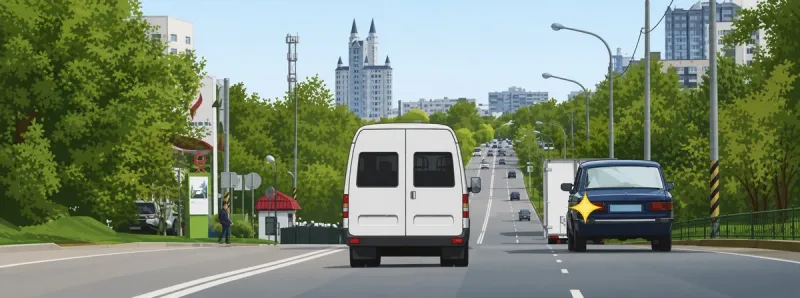
16. Must the bus driver yield to the passenger car?
Must yield.
Not required.
Correct answer: Not required.D/T
Why: Ձախ ցուցիչը միացրած մարդատարը վերադասավորվում է ավտոբուսի գոտի։ Կետ 39-ով վերադասավորվողը պետք է զիջի այդ գոտով առանց ուղղությունը փոխելու ընթացողին, ուստի ավտոբուսի վարորդը պարտավոր չէ զիջել։
17. Under icy road conditions, towing:
Is prohibited.
Is permitted.
Is permitted when towing with a rigid coupling or by the partial-loading method.
Correct answer: Is permitted when towing with a rigid coupling or by the partial-loading method.ABC · D/T
Why: Մերկասառույցի պայմաններում արգելվում է միայն ճկուն կցիչով քարշակումը (կետ 143.3)։ Կոշտ կցիչով կամ մասնակի բեռնման եղանակով քարշակելը թույլատրվում է։
18. The hazard warning lights must be activated:
Before entering a tunnel.
In the event of a traffic accident.
When proceeding as part of an organized convoy.
Correct answer: In the event of a traffic accident.ABC · D/T
Why: Կետ 22-ը թվարկում է, թե երբ է միացվում վթարային լուսային ազդանշանը. ճանապարհատրանսպորտային պատահարի դեպքը (22.1) այդ ցանկում է։ Թունելը և ավտոշարասյունը ցանկում չկան։
19. When approaching a stopped vehicle with a flashing red beacon activated, drivers of public transit vehicles proceeding in that direction must:
Stop and continue only after receiving permission.
Reduce speed so that they can stop immediately if necessary.
Continue because they are operating on an established route.
Correct answer: Stop and continue only after receiving permission.D/T
Why: Կետ 31-ով կարմիր առկայծող փարոսիկ միացրած կանգնած մեքենային մոտենալիս տվյալ ուղղությամբ երթևեկող վարորդները պետք է կանգ առնեն և շարունակեն միայն թույլտվություն ստանալուց հետո։ Ընդհանուր օգտագործման տրանսպորտի համար բացառություն չկա։
20. While driving, the driver suddenly begins complaining of severe pressure-like chest pain and difficulty breathing. What should be done?
Advise the driver to go to the nearest hospital.
Give the driver a glass of water and two valerian tablets.
Stop the vehicle immediately and activate the hazard warning lights.
Advise the driver to walk a little and breathe fresh air.
Correct answer: Stop the vehicle immediately and activate the hazard warning lights.ABC · D/T
Why: Առաջին օգնություն. կրծքավանդակի ճնշող ցավն ու շնչառության դժվարացումը սրտի նոպայի նշան են։ Պետք է անմիջապես կանգնեցնել մեքենան, միացնել վթարային ազդանշանը և կանչել շտապ օգնություն. քայլելը կամ վարել շարունակելը վտանգավոր են։
In Varordakan Tester the same tests are taken without hints, wrong answers are collected automatically, and there is an exam simulation (20 questions, 30 minutes, pass at 18), a 3D intersection simulator, video lessons and an AI assistant that cites the Traffic Rules point. Free.
Sources: questions from the official bank of the Road Police of Armenia (roadpolice.am, edition of 2 October 2026); rule points from the Traffic Rules of the Republic of Armenia (arlis.am). Varordakan Tester is an independent educational app, not affiliated with the Police of Armenia.