Updated 2026-11-14 · official question bank of 6 November 2026
Test 56, Categories D/T (bus, trolleybus): 20 questions from the official bank of 6 November 2026. Under every question: the correct answer, the explanation (in Armenian) and the signs it mentions. In the app the same test is taken without hints, and the exam simulation runs on a 30-minute timer.
1. According to the Law of the Republic of Armenia on Ensuring Road Traffic Safety, a passenger is:
A person located in the passenger compartment (cab) of a vehicle or on a vehicle, except the driver and the driving instructor.
A person located in the passenger compartment (cab) of a vehicle or on a vehicle, as well as a person entering or exiting the vehicle, except the driver and the driving instructor.
Correct answer: A person located in the passenger compartment (cab) of a vehicle or on a vehicle, as well as a person entering or exiting the vehicle, except the driver and the driving instructor.ABC · D/T
Why: ՀՀ օրենքի համաձայն՝ ուղևոր է վարորդից բացի տրանսպորտային միջոցի սրահում (խցիկում) կամ վրան գտնվող, ինչպես նաև նստող կամ իջնող անձը։
2. Passing without leaving the lane means:
Proceeding ahead of one or more moving vehicles without leaving the occupied lane.
Proceeding ahead of one or more moving vehicles by leaving the occupied lane.
Correct answer: Proceeding ahead of one or more moving vehicles without leaving the occupied lane.ABC · D/T
Why: Կետ 3-ի սահմանման համաձայն՝ կողանցում է շարժման մեջ գտնվող մեկ կամ մի քանի տրանսպորտային միջոցներից առաջ անցնելն առանց զբաղեցրած գոտուց դուրս գալու։
3. A vehicle may not be operated if:
Even one wheel-fastening bolt is missing.
Tires with different tread patterns are installed on the same axle.
In both cases.
Correct answer: In both cases.ABC · D/T
Why: Անվահեցի ամրացման հեղույսներից թեկուզ մեկի բացակայությունը 4.3 ենթակետով անսարքություն է, նույն սռնու վրա տարբեր նախշանկարներով դողերը՝ 4.5 ենթակետով։ Երկու դեպքում էլ շահագործումն արգելվում է։
4. A vehicle may not be operated if:
The fuel-tank cap provided by the vehicle’s design does not operate.
The front side windows are curtained.
In both cases.
Correct answer: In both cases.ABC · D/T
Why: Վառելիքի բաքի խցանի չաշխատելը 6.6 ենթակետով անսարքություն է, առջևի կողային ապակիների վարագուրապատումը՝ 6.5 ենթակետով։ Երկու դեպքում էլ շահագործումն արգելվում է։
5. The operation of a bus is prohibited if:
The warning triangle is missing from the bus.
The rear-wheel fastening bolts are securely tightened.
In both cases.
Correct answer: The warning triangle is missing from the bus.D/T
Why: Ավտոբուսում «Վթարային կանգառ» նշանի բացակայությունը 6.9 ենթակետով անսարքություն է։ Ամուր ձգված անիվների հեղույսները նորմալ վիճակ են (4.3-ն արգելում է դրանց բացակայությունը), ուստի միայն առաջին տարբերակը։
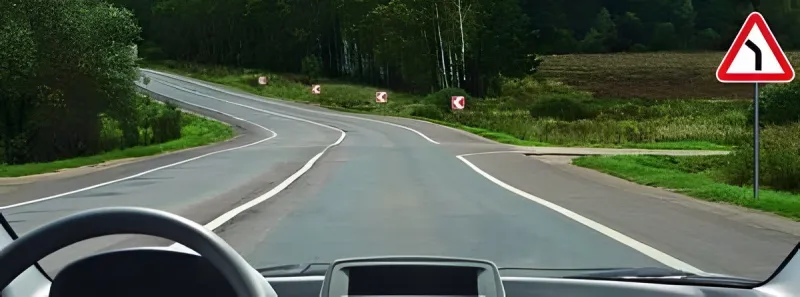
6. Is a right turn onto the unpaved road permitted?
Yes.
No.
Correct answer: Yes.ABC · D/T
Why:1.11.2 «Վտանգավոր շրջադարձ» նշանը և 1.34.2 «Շրջադարձի ուղղություն» ցուցիչները միայն նախազգուշացնում են. հողային ճանապարհ աջ շրջադարձը ոչինչ չի արգելում, ուստի թույլատրվում է։
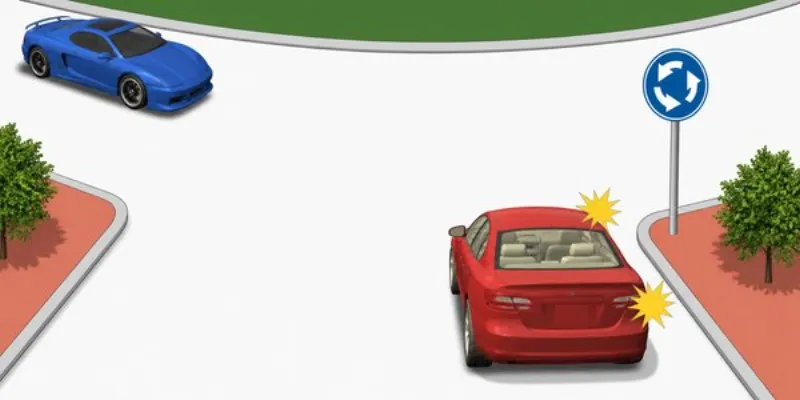
Has the right-of-way because it approached the roundabout from the right of the blue automobile.
Must yield to the blue automobile proceeding on the roundabout.
Correct answer: Must yield to the blue automobile proceeding on the roundabout.ABC · D/T
Why: Խաչմերուկը կահավորված է 4.3 «Շրջանաձև երթևեկություն» նշանով։ Կետ 98.1-ով մուտք գործող վարորդը պարտավոր է զիջել շրջանաձև խաչմերուկում արդեն երթևեկողներին. կարմիրը զիջում է կապույտին՝ անկախ աջի խոչընդոտի կանոնից։
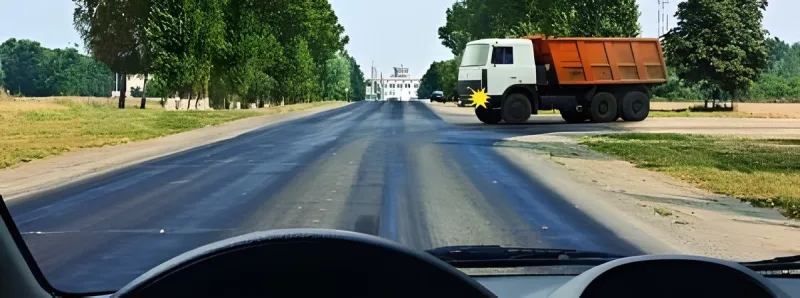
9. At this intersection, we do not have to yield to the truck approaching from the unpaved road because:
We must yield because it is approaching from our right.
A paved road is considered the priority road relative to an unpaved road.
Correct answer: A paved road is considered the priority road relative to an unpaved road.ABC · D/T
Why: Նշաններ չկան։ Կոշտ ծածկույթով ճանապարհը գրունտայինի նկատմամբ գլխավոր է (կետ 3, 1-ին ենթակետ), ուստի գրունտային ճանապարհից մոտեցող բեռնատարը կետ 96-ով զիջում է մեզ, թեև մոտենում է աջից. պարտավոր չենք։
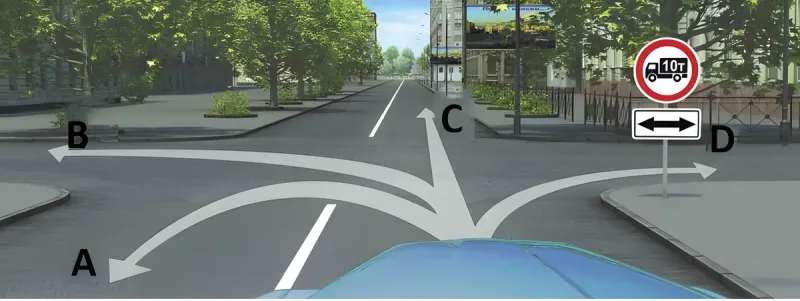
10. In which directions may a bus with a maximum permissible mass of 12 tonnes travel?
C only.
A and C.
In all directions.
Correct answer: In all directions.D/T
Why:3.4 «Բեռնատար ավտոմոբիլների երթևեկությունն արգելվում է» նշանը 10 տ զանգվածով և 8.3.3 «Ազդման ուղղություններ» ցուցանակով արգելում է 10 տ-ից ծանր բեռնատարների շրջադարձը աջ և ձախ։ Նշանը չի տարածվում ավտոբուսների վրա, ուստի 12 տ ավտոբուսը կարող է երթևեկել բոլոր ուղղություններով։
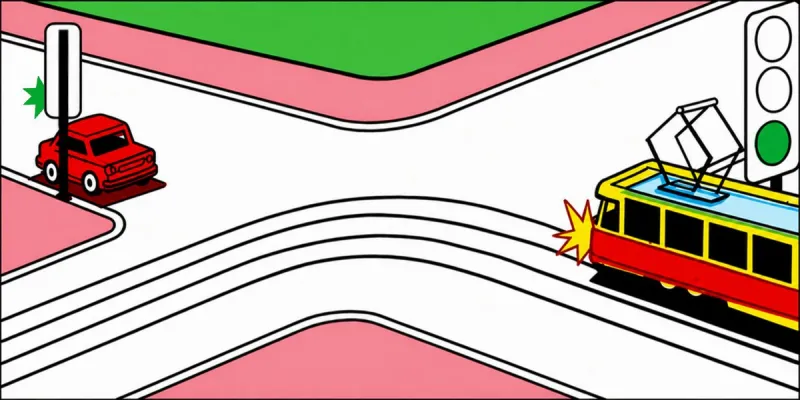
Why: Երկու լուսացույցներն էլ կանաչ են, նշաններ չկան։ Կետ 92-ով, երբ ազդանշանները թույլատրում են տրամվայի և ոչ ռելսագնաց միջոցի միաժամանակյա երթևեկություն, առավելությունը տրամվայինն է՝ անկախ ուղղությունից։
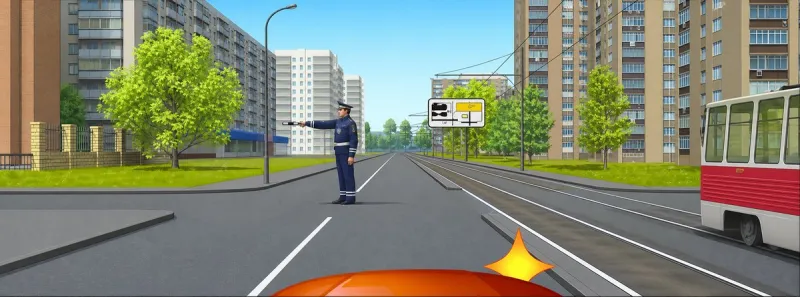
12. When making a right turn:
We must yield to the tram operator.
We will proceed through the intersection first.
Correct answer: We will proceed through the intersection first.ABC · D/T
Why: Կարգավորողը կրծքով դեպի մեզ է, աջ ձեռքը պարզված է առաջ, լուսացույց և նշաններ չկան։ Կրծքի կողմից մեզ թույլատրվում է աջ շրջադարձ (կետ 16, 3-րդ ենթակետ «բ»), իսկ նրա ձախ կողմի տրամվային՝ միայն ձախ («ա»), ուստի ուղիները չեն հատվում, անցնում ենք առաջինը։
13. A bus driver must select a speed:
That enables the driver to maintain full control of the vehicle.
That enables the driver to stop only if another vehicle or an obstruction is visible ahead.
That satisfies both of the above conditions.
Correct answer: That enables the driver to maintain full control of the vehicle.D/T
Why: Կետ 66-ով վարորդը պետք է ընտրի այնպիսի արագություն, որը հնարավորություն է տալիս ապահովելու տրանսպորտային միջոցի լիարժեք կառավարումը։
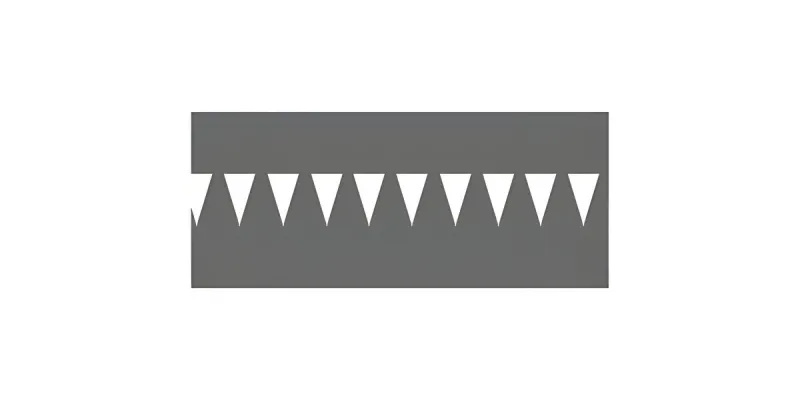
14. This horizontal pavement marking indicates:
A narrowing of the roadway where the number of traffic lanes in the given direction decreases.
A location where the driver must stop, if necessary, to yield to vehicles proceeding on the intersecting road.
An approach to a location where stopping is prohibited.
Correct answer: A location where the driver must stop, if necessary, to yield to vehicles proceeding on the intersecting road.ABC · D/T
Why: Եռանկյունների շարք 1.13 գծանշումը ցույց է տալիս այն տեղը, որտեղ վարորդն անհրաժեշտության դեպքում պետք է կանգ առնի՝ հատվող ճանապարհով երթևեկողներին ճանապարհը զիջելու համար։
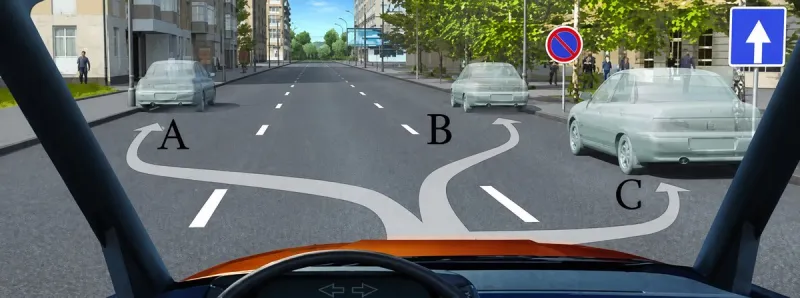
15. At which of the indicated locations is parking permitted?
Only A.
Only C.
A or C.
Correct answer: A or C.ABC · D/T
Why: Ճանապարհը միակողմ երթևեկությամբ է (նշան 5.5). կետ 79-ի համաձայն կայանել կարելի է ձախ կողմում (A) և աջ կողմում՝ 3.28 «Կայանելն արգելվում է» նշանից առաջ (C)։ B տեղում ավտոմոբիլը կկանգնի երկրորդ շարքով, ինչը կետ 80-ով արգելված է։
16. When must a passenger leave the carriageway after alighting from a public transport vehicle?
When the vehicle starts moving.
When the vehicle driver closes the doors.
Immediately.
Correct answer: Immediately.D/T
Why: Ընդհանուր օգտագործման տրանսպորտային միջոցից երթևեկելի մաս իջնելուց հետո ուղևորը պետք է անհապաղ ազատի երթևեկելի մասը, առանց սպասելու դռների փակվելուն կամ տրանսպորտային միջոցի շարժվելուն։
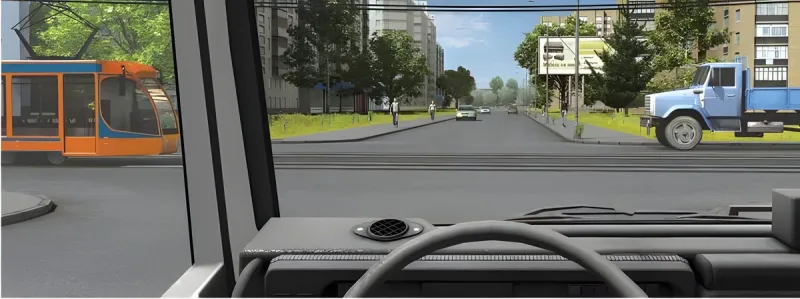
17. Must the driver of the route-service bus yield the right of way in this situation?
No.
Only to the tram driver.
Only to the truck driver.
Yes, to both drivers.
Correct answer: Yes, to both drivers.D/T
Why: Նշաններ և լուսացույց չկան, ուստի խաչմերուկը հավասարազոր է։ Կետ 98-ով տրամվայը, անկախ ուղղությունից, առավելություն ունի ոչ ռելսագնաց տրանսպորտային միջոցների նկատմամբ, իսկ բեռնատարը մոտենում է աջից, ուստի ավտոբուսը զիջում է երկուսին էլ։ Կետ 125-ի առավելությունը գործում է միայն կանգառի կետից երթևեկությունն սկսելիս, ոչ թե խաչմերուկում։
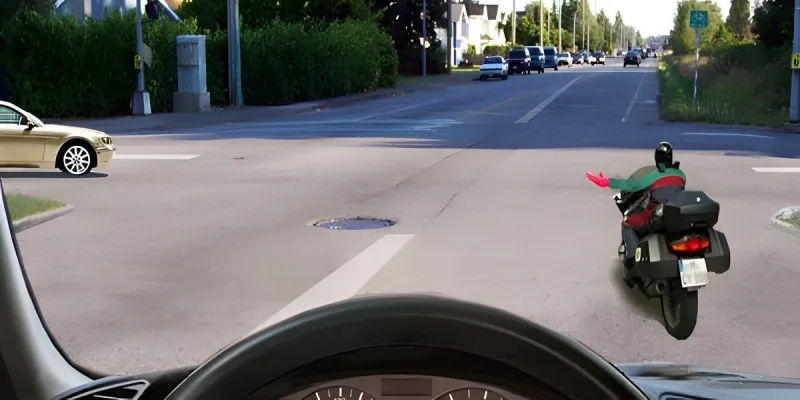
18. What does the hand signal given by the motorcycle operator indicate?
The motorcycle will proceed to the left or make a U-turn.
The motorcycle will proceed straight ahead or to the right.
Correct answer: The motorcycle will proceed to the left or make a U-turn.ABC · D/T
Why: Կետ 37-ի համաձայն՝ դեպի կողմ պարզված ձախ ձեռքը ձախ շրջադարձի (հետադարձի) ազդանշանն է, ուստի մոտոցիկլի վարորդը շարունակելու է երթևեկությունը դեպի ձախ կամ հակառակ ուղղությամբ։
19. In which case must a bus driver switch on the hazard warning lights?
When travelling against the general flow of traffic in a lane specially reserved for public transport vehicles.
When making a compulsory stop in a place where stopping is prohibited.
In both cases.
Correct answer: When making a compulsory stop in a place where stopping is prohibited.D/T
Why: Կետ 22.2-ով վթարային լուսային ազդանշանը միացվում է կանգառն արգելված տեղերում հարկադրված կանգառի դեպքում։ Հանդիպակաց առանձնացված գոտով երթևեկելիս պահանջվում է մոտակա լույսը (կետ 133.3), ոչ թե վթարային ազդանշանը։
20. For what purpose does a traffic officer use a baton, including one fitted with a red signal or a retroreflective disc?
To make the signals more visible.
To indicate the exact location where vehicles must stop.
Correct answer: To make the signals more visible.D/T
Why: Կետ 17-ով կարգավորողը ցուցաձողը, այդ թվում կարմիր ազդանշանով կամ լուսանդրադարձիչ սկավառակով, օգտագործում է ազդանշանների լավ տեսանելիության համար։
In Varordakan Tester the same tests are taken without hints, wrong answers are collected automatically, and there is an exam simulation (20 questions, 30 minutes, pass at 18), a 3D intersection simulator, video lessons and an AI assistant that cites the Traffic Rules point. Free.
Sources: questions from the official bank of the Road Police of Armenia (roadpolice.am, edition of 6 November 2026); rule points from the Traffic Rules of the Republic of Armenia (arlis.am). Varordakan Tester is an independent educational app, not affiliated with the Police of Armenia.