Updated 2026-11-14 · official question bank of 6 November 2026
Test 59, Categories D/T (bus, trolleybus): 20 questions from the official bank of 6 November 2026. Under every question: the correct answer, the explanation (in Armenian) and the signs it mentions. In the app the same test is taken without hints, and the exam simulation runs on a 30-minute timer.
1. According to the Law of the Republic of Armenia on Ensuring Road Traffic Safety, within what period from the date a vehicle is acquired must it be presented for state registration to the registration and examination division of the Ministry of Internal Affairs?
Within 15 days.
Within 10 days.
Within 20 days.
Correct answer: Within 15 days.ABC · D/T
Why: ՀՀ օրենքի համաձայն՝ տրանսպորտային միջոցը ձեռք բերման օրվանից 15 օրվա ընթացքում պետք է ներկայացվի պետական հաշվառման։
2. According to the Law of the Republic of Armenia 'On Ensuring Road Traffic Safety', what is considered a stopping place for public transport vehicles?
A place along a designated public transport route intended for passengers to board and alight and identified by the appropriate road signs.
A place along a designated public transport route intended for passengers to board and alight.
Correct answer: A place along a designated public transport route intended for passengers to board and alight and identified by the appropriate road signs.D/T
Why: ՀՀ օրենքի համաձայն՝ կանգառի կետ է ընդհանուր օգտագործման տրանսպորտային միջոցի երթուղու որոշակի հատվածում ուղևորների նստեցման-իջեցման համար նախատեսված և համապատասխան ճանապարհային նշաններով կահավորված վայրը։ Առանց նշանների վայրը կանգառի կետ չի համարվում։
3. A vehicle may not be operated if:
The engine operates intermittently.
The rear fog lights are not connected to the brake lights.
The windshield washers provided by the vehicle’s design do not operate.
In all of the listed cases.
Correct answer: The windshield washers provided by the vehicle’s design do not operate.ABC · D/T
Why: Ապակեողողիչների չաշխատելը 6.1 ենթակետով անսարքություն է։ Շարժիչի ընդհատումները ցանկում չկան, իսկ հակամառախուղային լապտերիկների արգելակման սարքերին միացված ՉԼԻՆԵԼԸ նորմալ վիճակ է (3.7-ն արգելում է հակառակը)։
4. The operation of a vehicle is prohibited if:
The exterior lighting devices do not operate in the prescribed modes.
The remaining tyre tread depth on the bus is 0.8 mm.
In both cases.
Correct answer: In both cases.D/T
Why: Արտաքին լուսային սարքերի սահմանված ռեժիմով չաշխատելը 3.3 ենթակետով անսարքություն է, իսկ ավտոբուսի 0.8 մմ պահպանաշերտը 2.0 մմ նվազագույնից (4.1) ցածր է։ Երկու դեպքում էլ շահագործումն արգելվում է։
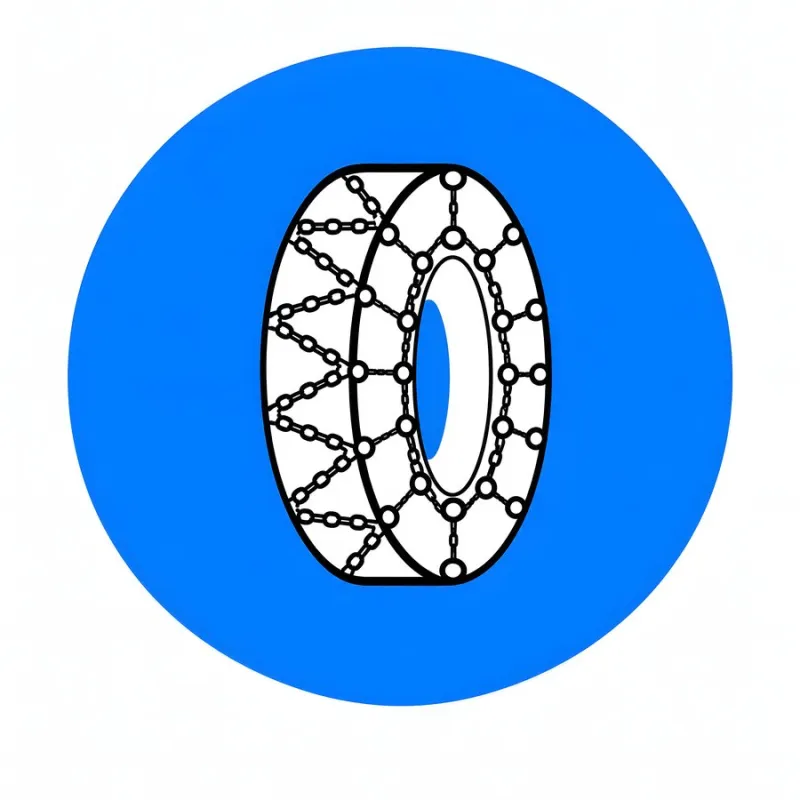
5. The area of effect of this sign extends:
To the end of the built-up area.
To the end of the section affected by snow or black ice.
To the 'End of snow chains requirement' sign.
Correct answer: To the 'End of snow chains requirement' sign.D/T
Why: 4.9.1 «Երթևեկությունը հակասահքային շղթաներով» նշանի ազդման գոտին տարածվում է մինչև «Հակասահքային շղթաներով երթևեկության վերջը» նշանը։ Այդ գոտում ձյան կամ մերկասառույցի դեպքում 3,5 տ-ից ծանր բեռնատարներն ու ավտոբուսները պետք է երթևեկեն շղթաներով (4.7)։
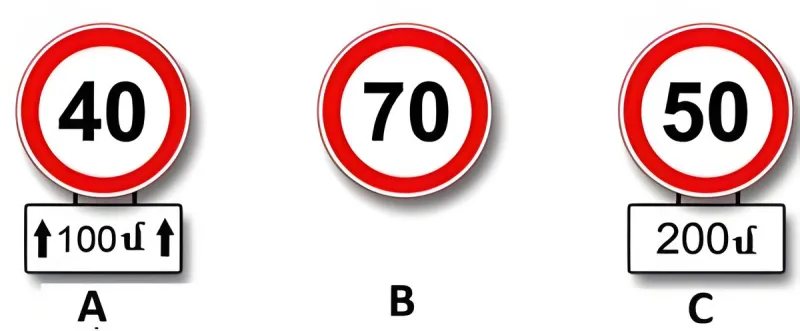
6. Which sign takes effect immediately from the location where it is installed?
Only A and B.
Only B.
All of them.
Correct answer: Only A and B.ABC · D/T
Why: Նշանի ազդեցությունն անմիջապես տեղակայման վայրից սկսվում է A (3.24՝ 8.2.1 «Ազդման գոտի» ցուցանակով) և B (3.24) դեպքերում։ C դեպքում 8.1.1 «Հեռավորություն մինչև օբյեկտ» ցուցանակը ցույց է տալիս, որ սահմանափակումն սկսվում է 200 մ հետո։
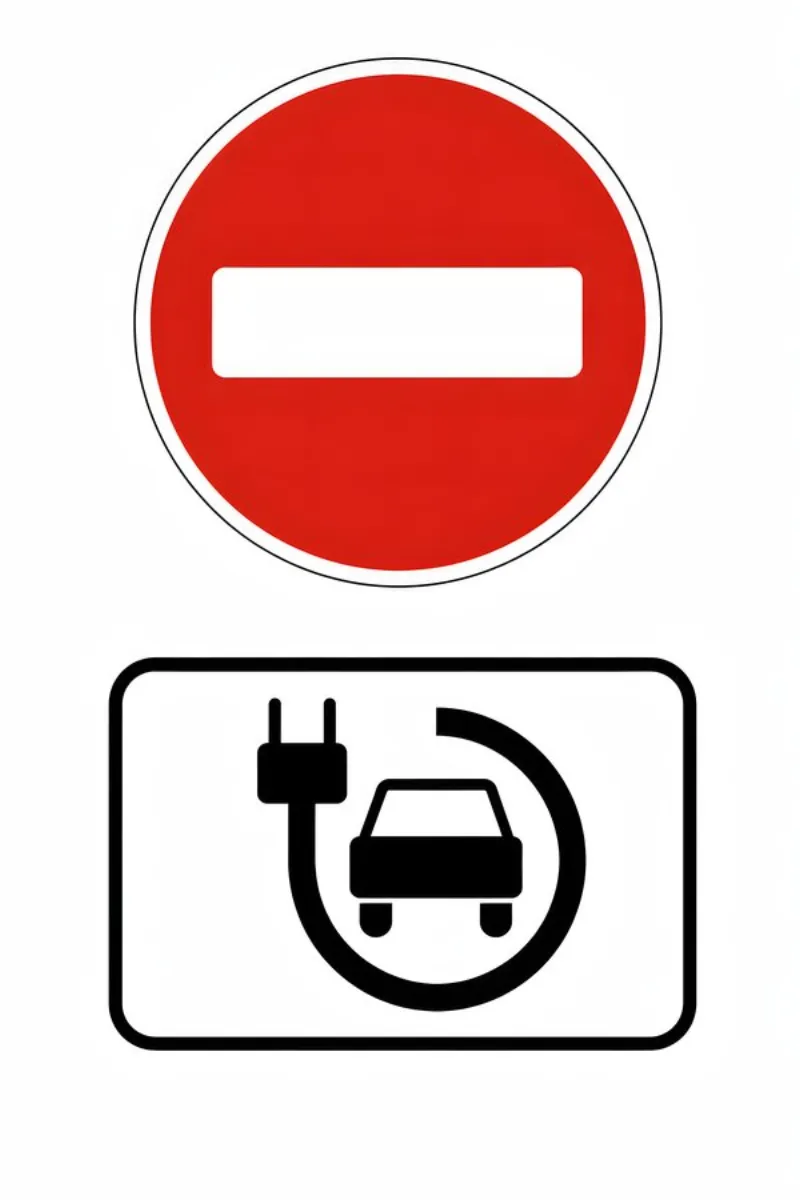
7. Is a bus powered by an internal combustion engine permitted to enter the section of road where these signs are installed?
No, because the “No Entry” sign prohibits entry by all types of vehicles.
Yes, because in this case the prohibition applies only to electric and hybrid vehicles.
Correct answer: Yes, because in this case the prohibition applies only to electric and hybrid vehicles.D/T
Why:3.1 «Մուտքն արգելվում է» նշանը էլեկտրամոբիլների ցուցանակով տարածվում է միայն արտաքին սնուցման աղբյուրից լիցքավորվող էլեկտրամոբիլների և հիբրիդային ավտոմոբիլների վրա, ուստի ներքին այրման շարժիչով ավտոբուսի մուտքը թույլատրվում է։
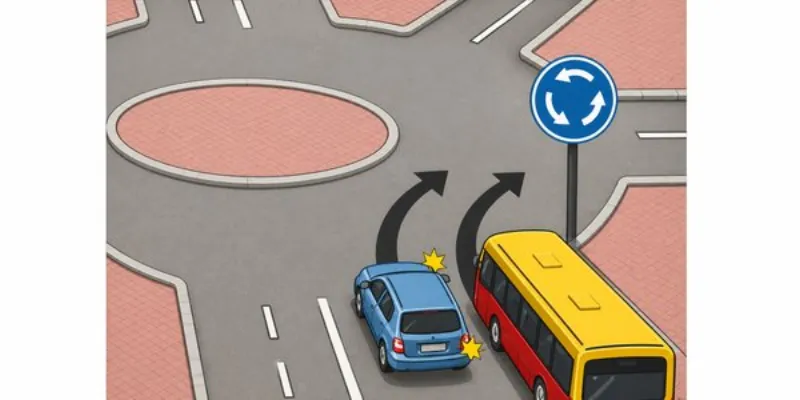
8. Which vehicle driver is entering the roundabout correctly?
Both drivers.
Only the bus driver.
Only the passenger-car driver.
Correct answer: Both drivers.ABC · D/T
Why:4.3 «Շրջանաձև երթևեկություն» նշան։ Կետ 40-ի 1-ին ենթակետով շրջանաձև խաչմերուկ մուտք գործելիս եզրային գոտի զբաղեցնելը պարտադիր չէ, ուստի և՛ ձախ գոտուց մուտք գործող ավտոմոբիլը, և՛ աջ գոտուց մուտք գործող ավտոբուսը ճիշտ են։
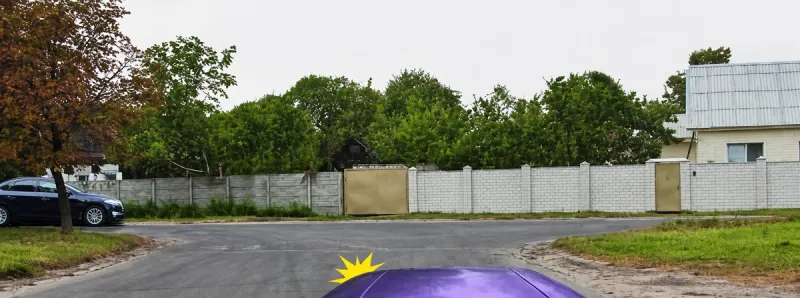
Why: Առավելության նշաններ չկան՝ հավասարազոր ճանապարհների խաչմերուկ։ Միակ մեքենան մոտենում է մեր ձախից և կետ 98-ով զիջում է մեզ. անցնում ենք առաջինը։
10. For a public bus travelling in a dedicated lane, movement is prohibited:
When making a U-turn.
When turning right, turning left or making a U-turn.
In all directions.
Correct answer: In all directions.D/T
Why: Կետ 14-ով «T»-աձև լուսնասպիտակ լուսացույցի վերևի բոլոր ազդանշանները միացված են առանց ներքևի ազդանշանի, ուստի առանձնացված գոտիով երթևեկող ավտոբուսի երթևեկությունն արգելված է բոլոր ուղղություններով։
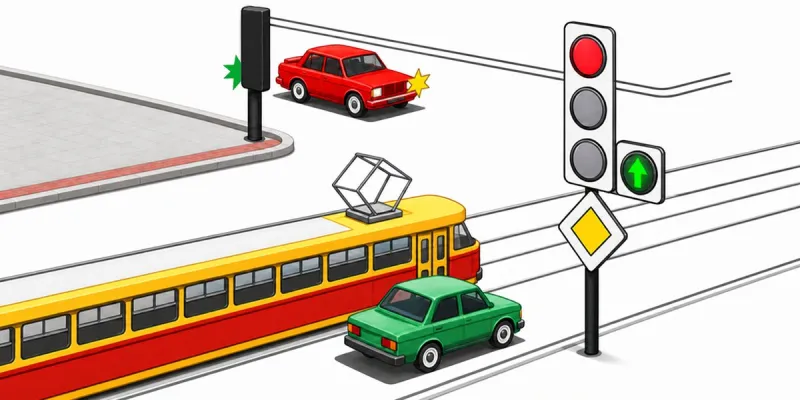
11. The vehicles will proceed through the intersection in the following order:
The tram, the red automobile, the green automobile.
The red automobile, then the tram simultaneously with the green automobile.
The tram simultaneously with the green automobile, then the red automobile.
Correct answer: The red automobile, then the tram simultaneously with the green automobile.ABC · D/T
Why: Նկարում և՛ աշխատող լուսացույցներ են, և՛ 2.1 «Գլխավոր ճանապարհ» նշան. լուսացույցները գերակայում են առավելության նշանին (կետ 173)։ Կարմիր ավտոմոբիլն ընթանում է իր լուսացույցի հիմնական կանաչով։ Տրամվայի և կանաչ ավտոմոբիլի լուսացույցը կարմիր է՝ միացված կանաչ լրացուցիչ սեկցիայով, ուստի երկուսն էլ զիջում են այլ ուղղությունից ընթացողին (կետ 91, տրամվայի համար՝ կետ 92) և անցնում միաժամանակ. նախ կարմիրը, ապա տրամվայը կանաչի հետ։
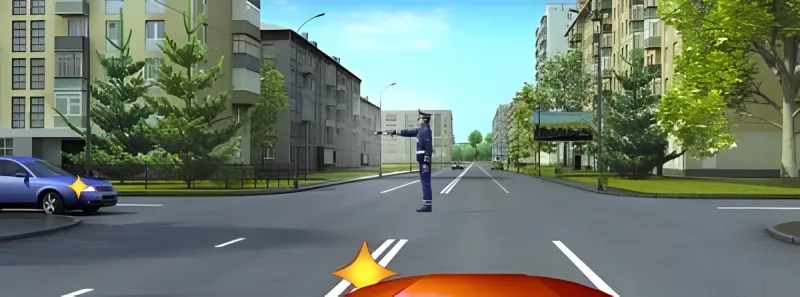
12. In this situation, when making a U-turn, must you yield to the other driver?
No.
Yes.
Correct answer: Yes.ABC · D/T
Why: Կարգավորողի աջ ձեռքը պարզված է առաջ. մենք մոտենում ենք նրա ձախ կողմից, որտեղից թույլատրվում է բոլոր ուղղություններով, այդ թվում՝ հետադարձ (կետ 16.3 «ա»), իսկ կրծքի կողմից մոտեցող կապույտ ավտոմոբիլին թույլատրվում է աջ շրջադարձ («բ»)։ Հետադարձի ժամանակ մեր ուղին հատվում է նրա ուղու հետ, և նա մոտենում է աջից, ուստի կետ 45-ով մենք պետք է զիջենք։
13. When must a bus driver switch off the turn indicator used to signal a lane change for overtaking?
After completing the manoeuvre.
Immediately after passing the vehicle being overtaken.
After returning to the lane previously occupied.
Correct answer: After completing the manoeuvre.D/T
Why: Կետ 36-ով շրջադարձի ցուցիչով ազդանշանը դադարեցվում է մանևրն ավարտելուց անմիջապես հետո, այսինքն՝ ձախ գոտի վերադասավորվելն ավարտելուց հետո։
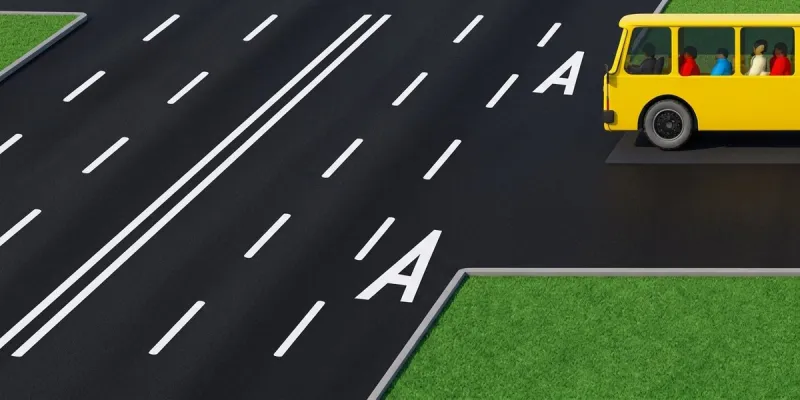
14. When this pavement marking is present, is the driver of a bus operating on a tourist route permitted to enter the lane marked “A”?
Permitted.
Prohibited.
Correct answer: Permitted.ABC · D/T
Why: «A» գոտին մնացած երթևեկելի մասից բաժանված է ընդհատվող գծով։ Կետ 124-ի համաձայն՝ նման գոտիով ճանապարհ մուտք գործելիս թույլատրվում է մտնել այդ գոտի՝ հարևան գոտի անհապաղ վերադասավորվելու պայմանով, ուստի զբոսաշրջային ավտոբուսին մուտքը թույլատրվում է։
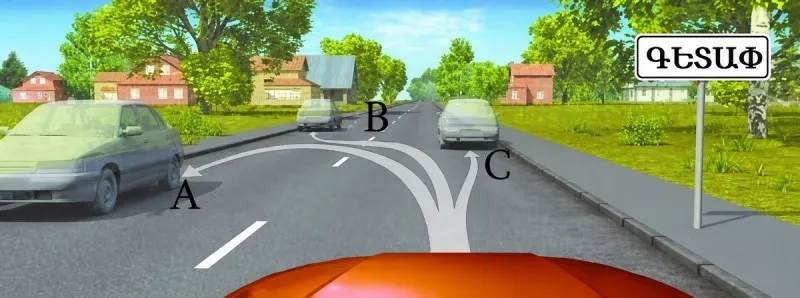
15. In which of the indicated cases is stopping permitted?
Only C.
Only B and C.
In all cases.
Correct answer: In all cases.ABC · D/T
Why: Բնակավայրում (նշան 5.23.1), յուրաքանչյուր ուղղությամբ մեկ գոտի ունեցող ճանապարհին, կետ 79-ի համաձայն կանգառ թույլատրվում է նաև ձախ կողմում։ Ուստի A, B և C տեղերում կանգառը թույլատրվում է բոլոր դեպքերում։
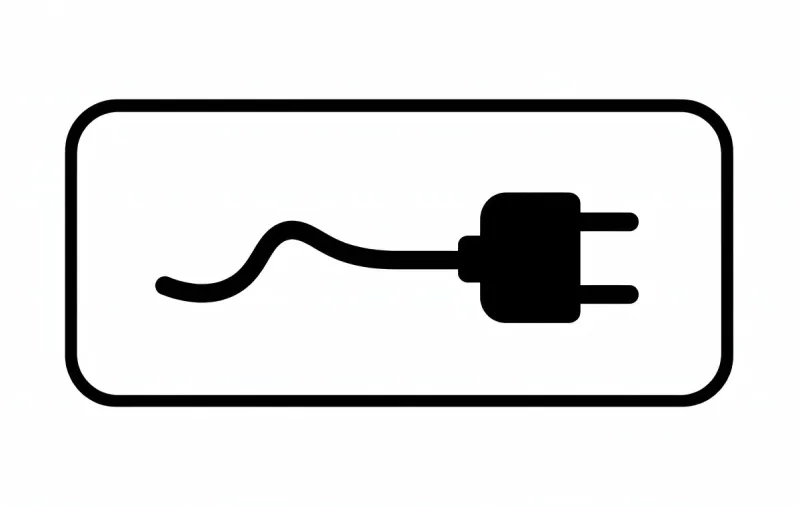
16. Is the driver of a bus powered by an internal combustion engine permitted to park in the parking area marked with this sign?
No, it is not permitted.
Yes, if parking does not exceed 5 minutes.
Yes, if the charging station is unoccupied and no electric vehicles are present.
Correct answer: No, it is not permitted.D/T
Why: Ցուցանակը ցույց է տալիս, որ կայանատեղին նախատեսված է էլեկտրամոբիլների լիցքավորման համար։ Ներքին այրման շարժիչով ավտոբուսին այնտեղ կայանելը չի թույլատրվում՝ նույնիսկ կարճ ժամանակով կամ եթե լիցքավորման կայանն ազատ է։
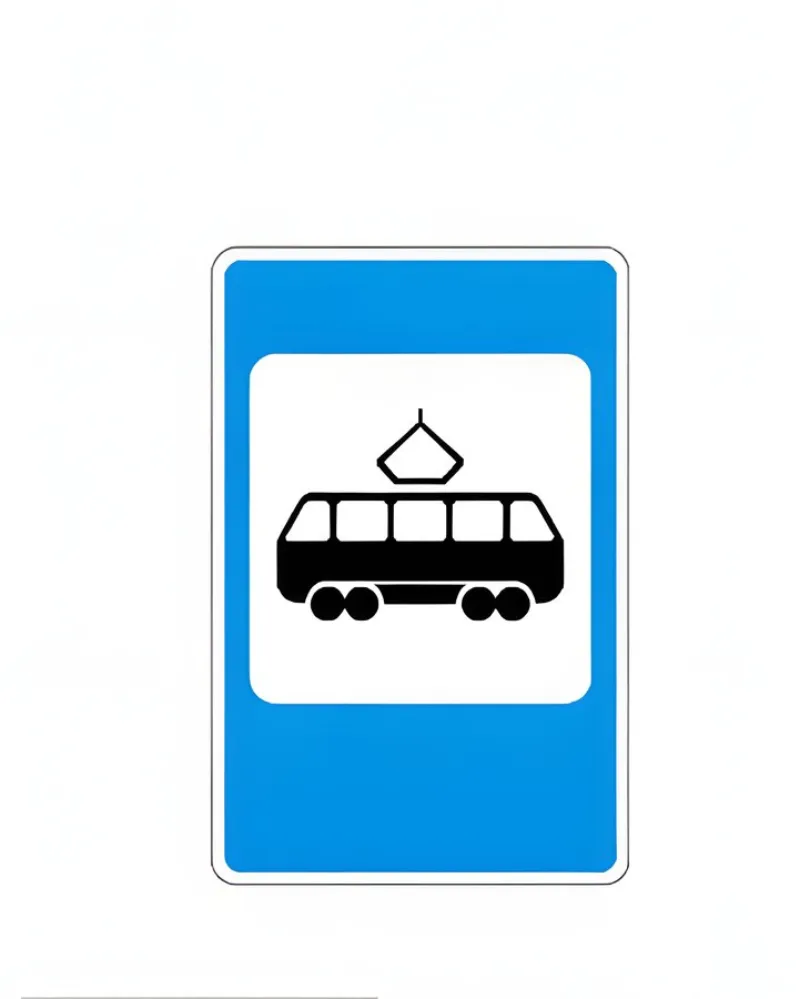
17. When this sign is displayed, stopping is permitted for:
Buses and/or trolleybuses.
Trams only.
Trams and trolleybuses.
Correct answer: Trams only.D/T
Why: Նշանը 5.17 «Տրամվայի կանգառի տեղ»-ն է, ուստի այն միայն տրամվայների կանգառի կետ է (կետ 85)։
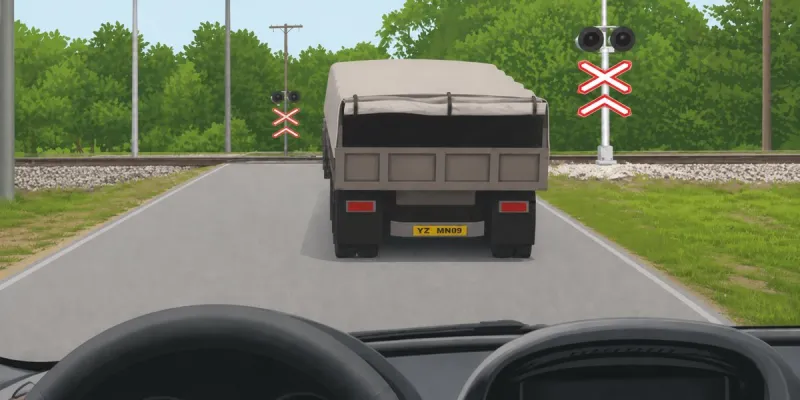
18. In this situation, where may passing be started?
At the railroad crossing.
After crossing the railroad crossing.
After proceeding 100 m beyond the railroad crossing.
Correct answer: After crossing the railroad crossing.ABC · D/T
Why: Կետ 77-ի համաձայն՝ վազանցն արգելվում է երկաթուղային գծանցի վրա և մինչև 100 մ դրանից առաջ, իսկ գծանցից հետո սահմանափակում չկա, ուստի վազանցը կարելի է սկսել գծանցն անցնելուց անմիջապես հետո։
19. Drivers of vehicles equipped with white flashing beacons may switch them on:
To obtain priority when passing through intersections.
Together with a special audible warning signal, only in the event of an attack on those vehicles.
At their discretion, whenever they consider it appropriate.
Correct answer: Together with a special audible warning signal, only in the event of an attack on those vehicles.D/T
Why: Կետ 35-ով լուսնասպիտակ փարոսիկները կարելի է միացնել, հատուկ ձայնային ազդանշանի հետ միասին, միայն տրանսպորտային միջոցի վրա հարձակման դեպքում։ Դրանք առավելություն չեն տալիս։
20. When a vehicle with a blue flashing beacon and a special audible signal approaches, drivers of public transport vehicles must:
Continue driving because they are operating on scheduled routes.
Stop and proceed only after receiving permission.
Yield the right of way to allow the approaching vehicle to pass without obstruction.
Correct answer: Yield the right of way to allow the approaching vehicle to pass without obstruction.D/T
Why: Կետ 28-ով կապույտ փարոսիկ և հատուկ ձայնային ազդանշան միացրած տրանսպորտային միջոց մոտենալիս բոլոր վարորդները, այդ թվում՝ երթուղայինները, պետք է զիջեն ճանապարհը։
In Varordakan Tester the same tests are taken without hints, wrong answers are collected automatically, and there is an exam simulation (20 questions, 30 minutes, pass at 18), a 3D intersection simulator, video lessons and an AI assistant that cites the Traffic Rules point. Free.
Sources: questions from the official bank of the Road Police of Armenia (roadpolice.am, edition of 6 November 2026); rule points from the Traffic Rules of the Republic of Armenia (arlis.am). Varordakan Tester is an independent educational app, not affiliated with the Police of Armenia.