Updated 2026-11-14 · official question bank of 6 November 2026
Test 58, Categories D/T (bus, trolleybus): 20 questions from the official bank of 6 November 2026. Under every question: the correct answer, the explanation (in Armenian) and the signs it mentions. In the app the same test is taken without hints, and the exam simulation runs on a 30-minute timer.
1. According to the Law of the Republic of Armenia on Ensuring Road Traffic Safety, a public transit vehicle is:
A vehicle that operates along a route, has designated stops, and carries passengers and/or baggage, including a tram, trolleybus, or bus.
A vehicle that operates along a route, has designated stops, and carries passengers and/or baggage, including a tram, trolleybus, or bus, as well as a passenger taxi.
Correct answer: A vehicle that operates along a route, has designated stops, and carries passengers and/or baggage, including a tram, trolleybus, or bus.ABC · D/T
Why: ՀՀ օրենքի համաձայն՝ ընդհանուր օգտագործման տրանսպորտային միջոց է կանգառի կետեր ունեցող, երթուղիներով շարժվող, ուղևորներ և (կամ) ուղեբեռներ տեղափոխող տրամվայը, տրոլեյբուսը կամ ավտոբուսը։ Թեթև մարդատար տաքսին այդ սահմանման մեջ չի մտնում։
2. According to the Law of the Republic of Armenia 'On Ensuring Road Traffic Safety', what is considered a bus?
A motor vehicle with more than eight passenger seats, designed and equipped for the safe and comfortable carriage of passengers and luggage.
A motor vehicle with eight or more passenger seats, designed and equipped for the safe and comfortable carriage of passengers and luggage.
Correct answer: A motor vehicle with more than eight passenger seats, designed and equipped for the safe and comfortable carriage of passengers and luggage.D/T
Why: ՀՀ օրենքի համաձայն՝ ավտոբուս է ուղևորների համար նախատեսված 8-ից ավելի նստատեղ ունեցող տրանսպորտային միջոցը։
3. A vehicle may not be operated if:
The windshield washers provided by the vehicle’s design do not operate.
The engine’s external noise level exceeds the limits established by the standard.
In both cases.
Correct answer: In both cases.ABC · D/T
Why: Կառուցվածքով նախատեսված ապակեողողիչների չաշխատելը 6.1 ենթակետով անսարքություն է, արտաքին աղմուկի նորմի գերազանցումը՝ 5.5 ենթակետով։ Երկու դեպքում էլ շահագործումն արգելվում է։
4. The operation of a vehicle is prohibited if:
The pressure gauge of the pneumatic braking system does not work.
The remaining tyre tread depth on the bus is 1.6 mm.
In both cases.
Correct answer: In both cases.D/T
Why: Պնևմատիկ արգելակային հաղորդակի ճնշաչափի չաշխատելը 1.3 ենթակետով անսարքություն է, իսկ ավտոբուսի 1.6 մմ պահպանաշերտը 2.0 մմ նվազագույնից (4.1) ցածր է։ Երկու դեպքում էլ շահագործումն արգելվում է։
5. The operation of a bus is prohibited if:
The tyres show separation of the carcass plies.
The remaining tyre tread depth is 2.2 mm.
In both cases.
Correct answer: The tyres show separation of the carcass plies.D/T
Why: Դողերի հիմնակմախքի շերտաբաժանումը 4.2 ենթակետով անսարքություն է։ 2,2 մմ պահպանաշերտը ավտոբուսների 2,0 մմ նվազագույնից (4.1) բարձր է, ուստի միայն առաջին տարբերակը։
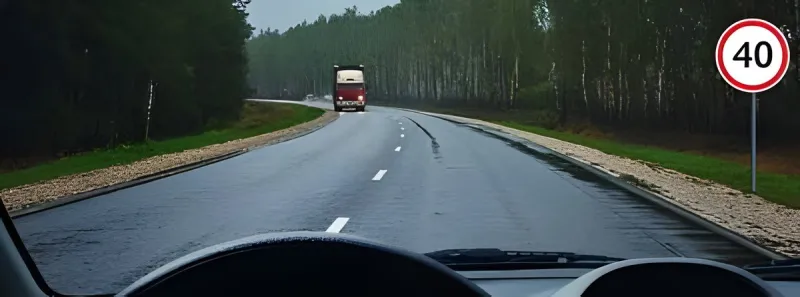
6. This traffic sign:
Recommends proceeding at a speed of 40 km/h.
Permits proceeding only at a speed of 40 km/h or higher.
Prohibits proceeding at a speed higher than 40 km/h.
Correct answer: Prohibits proceeding at a speed higher than 40 km/h.ABC · D/T
Why: Սա 3.24 «Առավելագույն արագության սահմանափակում» նշանն է. այն արգելում է երթևեկել 40 կմ/ժ-ից բարձր արագությամբ։
The distance and direction to built-up areas and other inhabited places.
The location of the relevant facilities.
Correct answer: The location of the relevant facilities.D/T
Why: Սպասարկման նշանները (կետ 167, 7-րդ խումբ) տեղեկացնում են համապատասխան օբյեկտների՝ հիվանդանոցի, լցակայանի, հյուրանոցի և այլնի գտնվելու վայրի մասին։
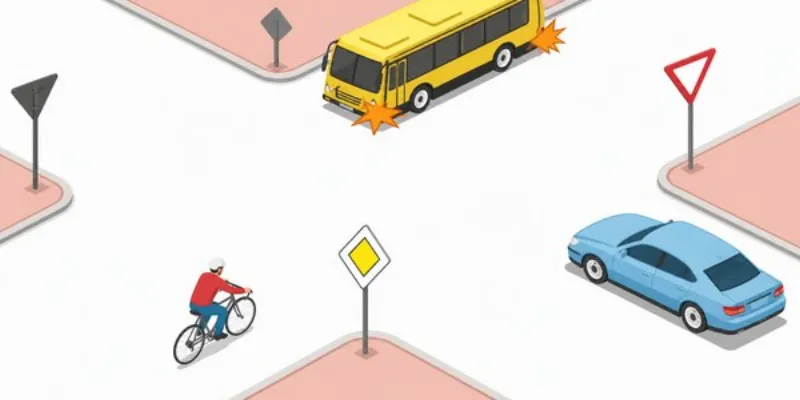
8. The vehicles will proceed through the intersection in the following order:
The passenger car, the bus, the bicycle.
The bus, the bicycle, the passenger car.
The bus, the passenger car, the bicycle.
The bicycle, the bus, the passenger car.
Correct answer: The bicycle, the bus, the passenger car.ABC · D/T
Why: Հեծանվորդի դիմաց 2.1 «Գլխավոր ճանապարհ» նշանն է, կապույտի դիմաց՝ 2.4 «Զիջեք ճանապարհը», ավտոբուսի մոտ և ձախում նշանների թիկունքն է երևում։ Կապույտը երկրորդական ճանապարհից է և կետ 96-ով զիջում է գլխավոր ճանապարհով ընթացողներին։ Հեծանվորդն անցնում է առաջինը, ավտոբուսը, որի ուղին հատում է հեծանվորդինը, սպասում է նրան (կետ 99, 98) և անցնում կապույտից առաջ. հեծանիվ, ավտոբուս, թեթև մարդատար։
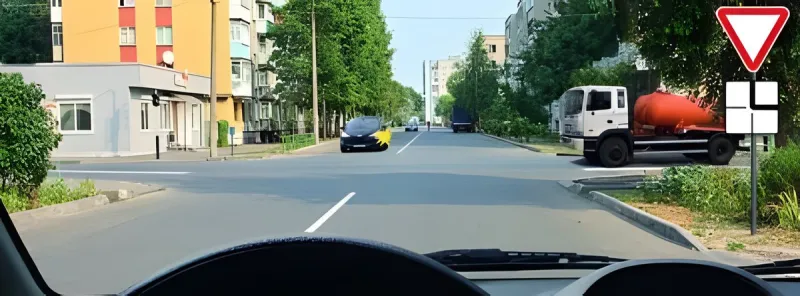
9. When proceeding straight through the intersection, you must yield to:
The truck driver.
The passenger-car driver.
Both drivers.
Correct answer: Both drivers.ABC · D/T
Why: Մեր դիմաց 2.4 «Զիջեք ճանապարհը» նշանն է 8.13 «Գլխավոր ճանապարհի ուղղությունը» ցուցանակով. գլխավոր ճանապարհն անցնում է դիմացի թևով (թեթև մարդատար) և թեքվում աջ (ավտոցիստեռն)։ Ուղիղ անցնելիս կետ 96-ով զիջում ենք երկուսին՝ անկախ նրանց ուղղությունից։
10. If a bus driver enters an intersection while the traffic light displays a permissive signal, the driver:
Must stop regardless of the traffic light signals.
Must comply with any traffic light signal where a stop line is marked.
Correct answer: Must comply with any traffic light signal where a stop line is marked.D/T
Why: Կետ 93-ով թույլատրող ազդանշանով խաչմերուկ մուտք գործած վարորդը կարող է այն ազատել նախընտրած ուղղությամբ, սակայն եթե ընթացքի ուղղությամբ լուսացույցներից առաջ կա 1.12 «Կանգ-գիծ» գծանշումը, նա պետք է կատարի յուրաքանչյուր լուսացույցի ազդանշանի պահանջը։
11. When this traffic signal is red, traffic is prohibited:
Across the entire width of the roadway.
At a speed not exceeding 50 km/h.
In the lane over which the signal is located.
Correct answer: In the lane over which the signal is located.ABC · D/T
Why: Դարձափոխային լուսացույցի «X»-աձև կարմիր ազդանշանն արգելում է երթևեկությունն այն գոտիով, որի վերևում այն տեղակայված է (կետ 13)։
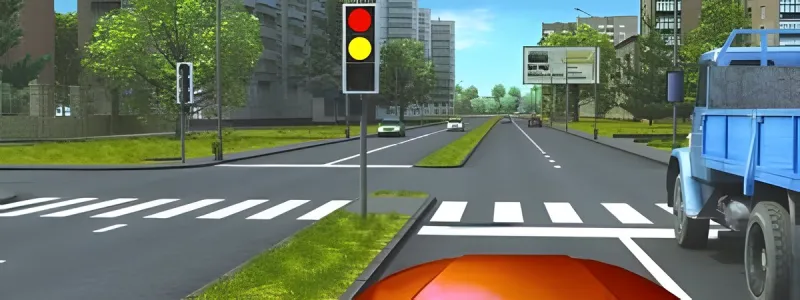
12. When the green traffic signal turns on, we must:
Make sure that there are no pedestrians who have not finished crossing in the part of the pedestrian crossing that is not visible.
Immediately start moving in accordance with the traffic signal.
Correct answer: Make sure that there are no pedestrians who have not finished crossing in the part of the pedestrian crossing that is not visible.ABC · D/T
Why: Մեր լուսացույցը կարմիր և դեղին է (կանաչը շուտով կմիանա, կետ 7, 6-րդ ենթակետ), 1.14.1 «Զեբր» անցման մի մասը ծածկված է աջի բեռնատարով։ Կանաչի միանալուց հետո կետ 94-ով չպետք է խոչընդոտենք անցումն ավարտող հետիոտներին, ուստի նախ համոզվում ենք, որ չերևացող մասում հետիոտներ չկան։
13. Is the driver of a scheduled-service bus permitted to travel at a very low speed?
Yes, provided this does not obstruct other vehicles.
No, because doing so would disrupt the route schedule.
No, in all circumstances.
Correct answer: Yes, provided this does not obstruct other vehicles.D/T
Why: Կետ 72.4-ը արգելում է շատ ցածր արագությամբ ընթանալ միայն այն դեպքում, երբ դա առանց անհրաժեշտության խոչընդոտում է մյուս տրանսպորտային միջոցներին, ուստի առանց խոչընդոտելու դա թույլատրվում է։
14. What does this pavement marking mean?
A traffic lane designated for public transit vehicles.
A traffic lane designated for special-purpose vehicles.
It indicates the boundaries of traffic lanes where reversible traffic control is in effect.
Correct answer: It indicates the boundaries of traffic lanes where reversible traffic control is in effect.ABC · D/T
Why: Կրկնակի ընդհատվող 1.9 գծանշումը ցույց է տալիս երթևեկության այն գոտիների սահմանները, որտեղ իրականացվում է դարձափոխային կարգավորում։
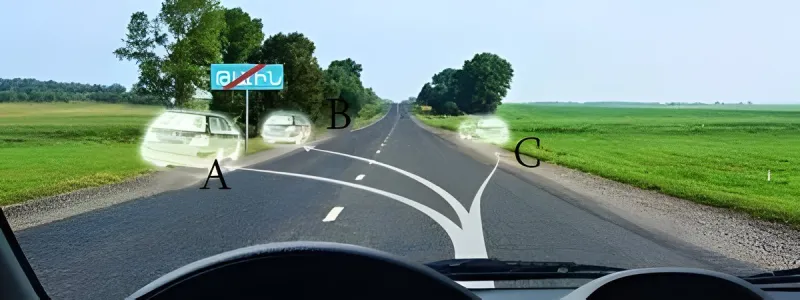
15. Which driver has stopped correctly?
Only C.
B or C.
All drivers.
Correct answer: Only C.ABC · D/T
Why: Բնակավայրի վերջից (նշան 5.26) հետո կանգառը կատարվում է կողնակին (C, կետ 78)։ Կողնակի առկայության դեպքում երթևեկելի մասի վրա (B) կանգնել չի թույլատրվում, իսկ ձախ կողմում (A) կանգառը կետ 79-ով թույլատրվում է միայն բնակավայրերում։
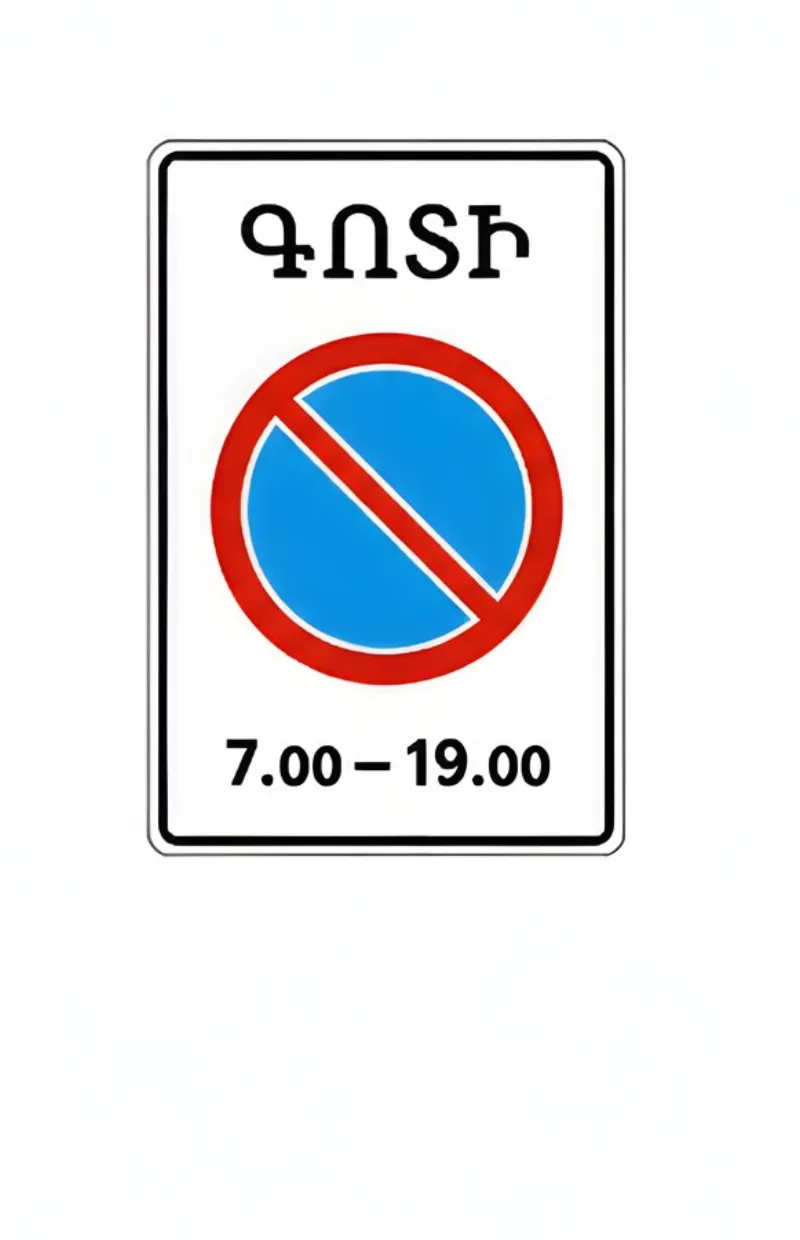
16. Is a bus driver permitted to park within the area of effect of this sign immediately after passing through an intersection?
Yes, because all restrictive signs cease to apply after an intersection.
Yes, if the bus is a public transport vehicle.
No, because the restriction imposed by the sign is not interrupted by an intersection.
Correct answer: No, because the restriction imposed by the sign is not interrupted by an intersection.D/T
Why:5.27 «Կայանման սահմանափակումով գոտի» նշանի ազդեցությունը չի ընդհատվում խաչմերուկով և գործում է մինչև 5.28 «Կայանման սահմանափակումով գոտու վերջ» նշանը, ուստի խաչմերուկն անցնելուց հետո ավտոբուսի վարորդին կայանել չի թույլատրվում՝ անկախ ավտոբուսի տեսակից։
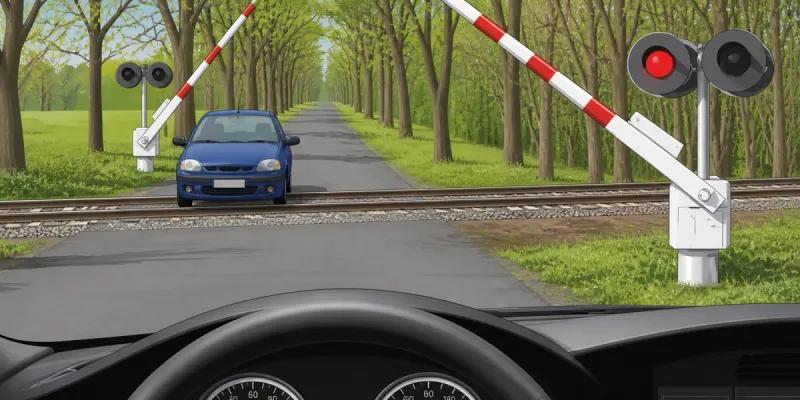
18. Is it permitted to enter the railroad crossing in this situation?
Permitted if no train is approaching.
Permitted if the barrier gate is open.
Prohibited.
Correct answer: Prohibited.ABC · D/T
Why: Գծանցի լուսացույցի կարմիր ազդանշանն է վառվում։ Կետ 113-ի համաձայն՝ լուսացույցի արգելող ազդանշանի դեպքում գծանց մուտք գործելն արգելվում է՝ անկախ ուղեփակոցի դիրքից և գնացքի բացակայությունից։
19. When may drivers of vehicles using a blue flashing beacon and a special audible warning signal exercise priority?
Immediately after switching on the special audible warning signal, regardless of the actions of other drivers.
Only after ensuring that other road users are yielding the right of way.
Only when no public transport vehicles are present.
Correct answer: Only after ensuring that other road users are yielding the right of way.D/T
Why: Կետ 26-ով կապույտ փարոսիկով և հատուկ ձայնային ազդանշանով վարորդներն առավելությունից կարող են օգտվել միայն՝ համոզվելով, որ ճանապարհն իրենց զիջում են։
20. At the scene of a road traffic accident, the driver of a route-service bus must:
Switch on the hazard warning lights only.
Place the warning triangle only.
Perform both actions.
Correct answer: Perform both actions.D/T
Why: Պատահարի դեպքում վարորդը պետք է միացնի վթարային լուսային ազդանշանը (կետ 22.1) և անհապաղ տեղադրի «Վթարային կանգառ» նշանը (կետ 23.1)՝ երկու գործողություններն էլ։
In Varordakan Tester the same tests are taken without hints, wrong answers are collected automatically, and there is an exam simulation (20 questions, 30 minutes, pass at 18), a 3D intersection simulator, video lessons and an AI assistant that cites the Traffic Rules point. Free.
Sources: questions from the official bank of the Road Police of Armenia (roadpolice.am, edition of 6 November 2026); rule points from the Traffic Rules of the Republic of Armenia (arlis.am). Varordakan Tester is an independent educational app, not affiliated with the Police of Armenia.