Test 31 — Categories ABC (cars, motorcycles, trucks)
Updated 2026-10-13 · official question bank of 2 October 2026
Test 31, Categories ABC (cars, motorcycles, trucks): 20 questions from the official bank of 2 October 2026 across all 10 topics. Under every question: the correct answer, the explanation (in Armenian) and the signs it mentions. In the app the same test is taken without hints, and the exam simulation runs on a 30-minute timer.
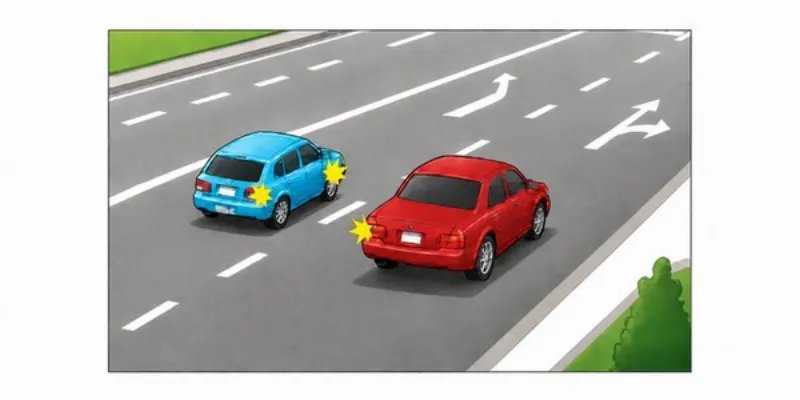
1. Which vehicle has the right-of-way?
The blue vehicle, because the red vehicle is changing its direction of movement to the left.
The red vehicle, because during simultaneous lane changes it is on the right.
The blue vehicle, because during simultaneous lane changes it is on the left.
Correct answer: The red vehicle, because during simultaneous lane changes it is on the right.ABC
Why: Կետ 39-ի համաձայն՝ համընթաց երթևեկող տրանսպորտային միջոցների միաժամանակյա վերադասավորման դեպքում ճանապարհը զիջում է ձախից ընթացողի վարորդը։ Կարմիր ավտոմոբիլն աջ կողմում է, ուստի առավելությունն իրենն է։
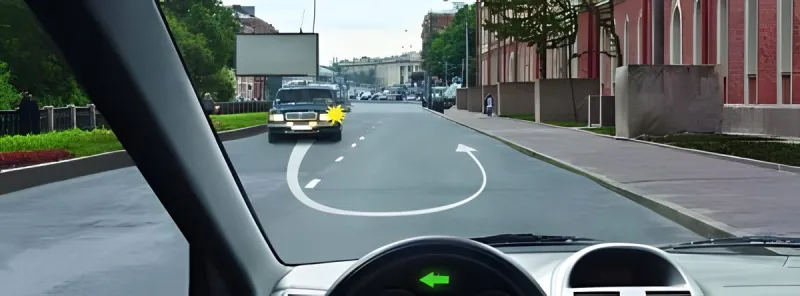
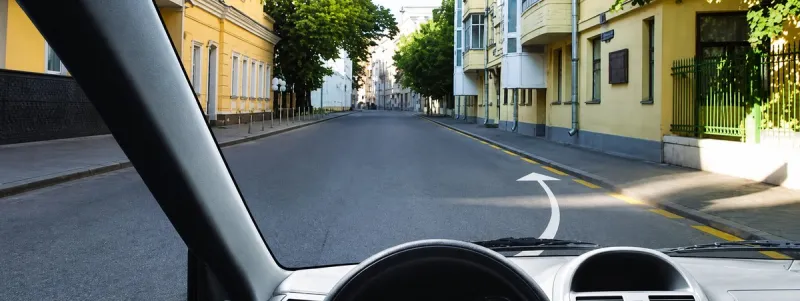
2. When starting to move, must you yield to the driver making a U-turn?
Yes.
No.
Correct answer: Yes.ABC · D/T
Why: Շարժումն սկսելիս մենք վերադասավորվում ենք երթևեկության գոտի, որտեղ արդեն երթևեկում է հետադարձ կատարող ավտոմոբիլը։ Կետ 39-ի համաձայն՝ վերադասավորվող վարորդը զիջում է այդ գոտիով երթևեկողներին, ուստի պարտավոր ենք զիջել։
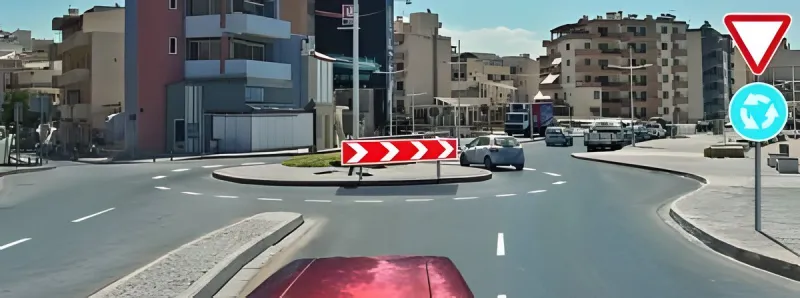
3. Must you activate the right turn signal at this intersection?
Yes.
No.
Yes, except when making a U-turn.
Correct answer: Yes.ABC · D/T
Why: Շրջանաձև երթևեկությամբ խաչմերուկ (նշան 4.3, 2.4 և 1.34.1) մուտք գործելն աջ ուղղությամբ մանևր է։ Կետ 36-ի համաձայն՝ մանևրից առաջ պարտադիր է ազդանշան տալ համապատասխան ուղղության ցուցիչով, ուստի աջ շրջադարձի ցուցիչը միացնում ենք բոլոր դեպքերում։
4. According to the Law of the Republic of Armenia on Ensuring Road Traffic Safety, a median is:
A structurally separated road element that divides adjacent roadways and is not intended for vehicle or pedestrian traffic or stopping.
A road element that divides adjacent roadways, is separated structurally and/or by appropriate pavement markings, and is not intended for vehicle or pedestrian traffic or stopping.
Correct answer: A road element that divides adjacent roadways, is separated structurally and/or by appropriate pavement markings, and is not intended for vehicle or pedestrian traffic or stopping.ABC · D/T
Why: ՀՀ օրենքի համաձայն՝ բաժանարար գոտի է ճանապարհի հարակից երթևեկելի մասերը բաժանող, կառուցվածքորեն և (կամ) գծանշմամբ առանձնացված տարրը, որը նախատեսված չէ երթևեկության կամ կանգառի համար։
5. A vehicle may not be operated if:
The remaining tread depth of the tires on a passenger-car trailer is less than 1.6 mm.
Amber-light turn signals are installed at the rear.
In both cases.
Correct answer: The remaining tread depth of the tires on a passenger-car trailer is less than 1.6 mm.ABC
Why: Կցորդի դողերի նորմերը հավասար են քարշակող ավտոմոբիլի նորմերին (4.1), այսինքն՝ թեթև մարդատարի կցորդի համար 1.6 մմ, ուստի դրանից պակասն անսարքություն է։ Հետևում նարնջագույն շրջադարձի ցուցիչները թույլատրված են (3.6)։
6. Vehicles displaying this identification sign are:
Carrying hazardous cargo.
Driven by persons with disabilities.
Driven by deaf or deaf-mute drivers.
Driven by drivers with less than 3 years of driving experience.
Correct answer: Driven by deaf or deaf-mute drivers.ABC · D/T
Why: Սա «Խուլ վարորդ» ճանաչման նշանն է (դեղին շրջան երեք սև կետերով). այն տեղադրվում է խուլ կամ խուլ ու համր վարորդների կողմից ղեկավարվող ավտոմոբիլների վրա։
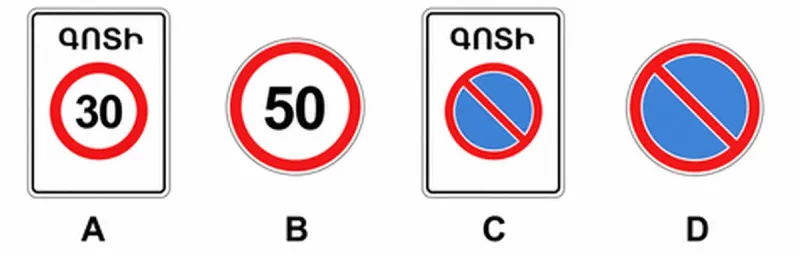
7. Which signs remain in effect in the direction of traffic up to the nearest intersection?
A and C.
B and D.
C and D.
Correct answer: B and D.ABC · D/T
Why: B (3.24 «Առավելագույն արագության սահմանափակում») և D (3.28 «Կայանելն արգելվում է») նշանները գործում են մինչև մոտակա խաչմերուկը։ A (5.31) և C (5.27) գոտու նշաններ են և գործում են մինչև գոտու վերջի նշանը։
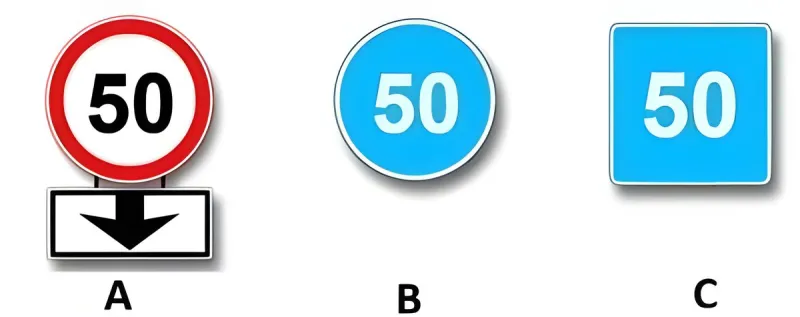
8. Which sign applies only to the lane above which it is installed?
Only A.
Only B.
A and B.
Correct answer: Only A.ABC · D/T
Why: Միայն A նշանի (3.24՝ 8.14 «Երթևեկության գոտի» ցուցանակով) ազդեցությունն է տարածվում միայն այն գոտու վրա, որի վերևում այն կախված է։ B-ն 4.6 «Նվազագույն արագության սահմանափակում» է, C-ն՝ 6.2 «Առաջարկվող արագություն», որոնք գործում են ամբողջ ճանապարհին։
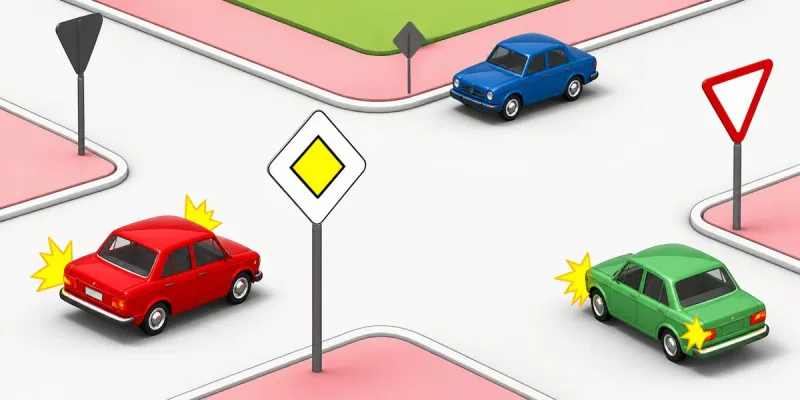
9. Which vehicle will proceed through the intersection second?
The green automobile.
The red automobile.
The blue automobile.
Correct answer: The red automobile.ABC · D/T
Why:2.1 «Գլխավոր ճանապարհ» նշանը կապույտի ճանապարհինն է, կանաչի դիմաց՝ 2.4 «Զիջեք ճանապարհը». կարմիրն ու կանաչը երկրորդական ճանապարհի վրա են։ Կապույտն անցնում է առաջինը (կետ 96), իսկ երկրորդական ճանապարհի մեքենաների միջև (կետ 97) ձախ թեքվող կանաչը կետ 99-ով զիջում է հանդիպակաց աջ թեքվող կարմիրին. կարմիրն անցնում է երկրորդը։
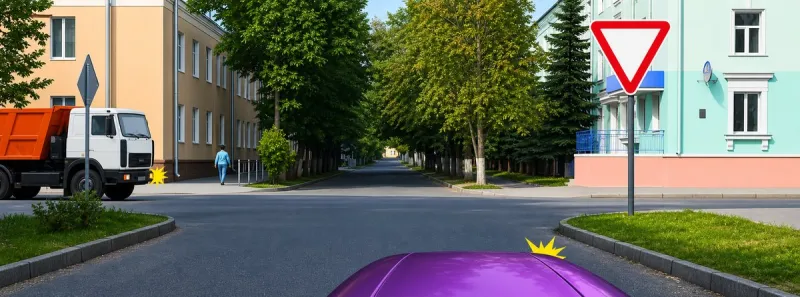
At the same time as the truck, provided this does not interfere with the truck driver.
Correct answer: At the same time as the truck, provided this does not interfere with the truck driver.ABC · D/T
Why: Մեր դիմաց 2.4 «Զիջեք ճանապարհը» նշանն է, ձախի բեռնատարը գլխավոր ճանապարհով է։ Աջ շրջադարձը թույլատրվում է բեռնատարի հետ միաժամանակ միայն այն դեպքում, եթե կետ 96-ով նրան խոչընդոտ չենք ստեղծի։
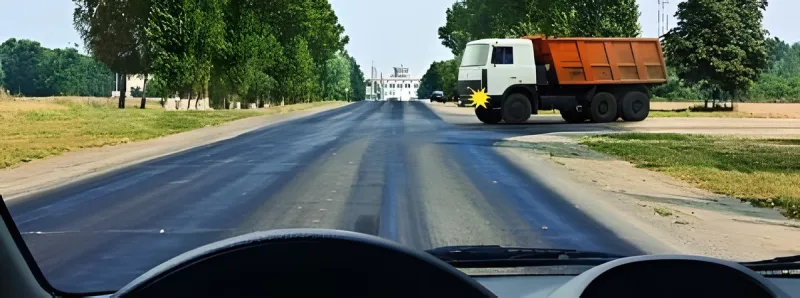
11. At this intersection, we do not have to yield to the truck approaching from the unpaved road because:
We must yield because it is approaching from our right.
A paved road is considered the priority road relative to an unpaved road.
Correct answer: A paved road is considered the priority road relative to an unpaved road.ABC · D/T
Why: Նշաններ չկան։ Կոշտ ծածկույթով ճանապարհը գրունտայինի նկատմամբ գլխավոր է (կետ 3, 1-ին ենթակետ), ուստի գրունտային ճանապարհից մոտեցող բեռնատարը կետ 96-ով զիջում է մեզ, թեև մոտենում է աջից. պարտավոր չենք։
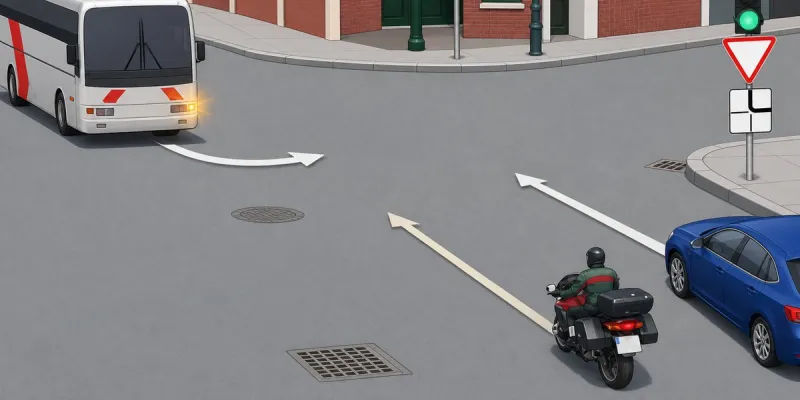
12. Which vehicle must yield?
The bus.
The motorcycle and the passenger car.
Correct answer: The bus.ABC · D/T
Why: Նկարում և՛ աշխատող կանաչ լուսացույց է, և՛ 2.4 «Զիջեք ճանապարհը» նշան 8.13 ցուցանակով։ Աշխատող լուսացույցի դեպքում խաչմերուկը կարգավորվող է (կետ 89), և լուսացույցը գերակայում է առավելության նշանին (կետ 173)։ Կանաչով ձախ թեքվող ավտոբուսը կետ 90-ով զիջում է հանդիպակաց ուղիղ գնացող մոտոցիկլին և թեթև մարդատարին. զիջում է ավտոբուսը։
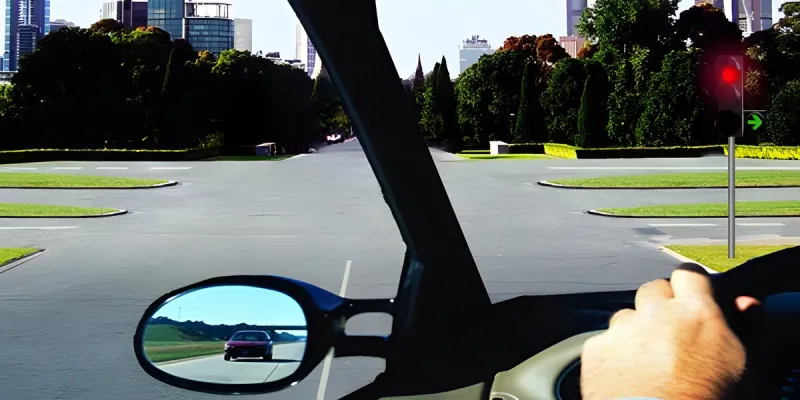
To the right through the first and second passages.
To the left through the first passage.
Correct answer: To the right through the first passage.ABC · D/T
Why: Հիմնական ազդանշանը կարմիր է, միացված է աջ սլաքով կանաչ լրացուցիչ սեկցիան, նշաններ չկան։ Կարմիրն արգելում է ուղիղ և ձախ երթևեկությունը (կետ 7, 5-րդ ենթակետ), սլաքը թույլատրում է միայն աջ շրջադարձ (կետ 8)՝ բաժանարար գոտով ճանապարհի առաջին (մոտակա) անցումով։
14. What does this pavement marking mean?
A traffic lane designated for public transit vehicles.
A traffic lane designated for special-purpose vehicles.
It indicates the boundaries of traffic lanes where reversible traffic control is in effect.
Correct answer: It indicates the boundaries of traffic lanes where reversible traffic control is in effect.ABC · D/T
Why: Կրկնակի ընդհատվող 1.9 գծանշումը ցույց է տալիս երթևեկության այն գոտիների սահմանները, որտեղ իրականացվում է դարձափոխային կարգավորում։
15. Is stopping permitted at the indicated location?
For motorcycles only.
No.
Yes.
Correct answer: Yes.ABC · D/T
Why: Դեղին ընդհատվող 1.10 գծանշումն արգելում է միայն կայանումը, ուստի նշված վայրում կանգառը թույլատրվում է։
16. What is the maximum permitted speed when towing with a motor vehicle?
30 km/h.
40 km/h.
50 km/h.
60 km/h.
70 km/h.
Correct answer: 50 km/h.ABC · D/T
Why: Կետ 71.2-ով միմյանց կցված մեխանիկական տրանսպորտային միջոցներով քարշակում կատարելիս թույլատրվում է 50 կմ/ժ ոչ ավելի արագություն։
17. Is towing motorcycles with sidecars permitted?
Permitted only with a rigid coupling.
Prohibited.
Permitted.
Correct answer: Permitted.ABC · D/T
Why: Կետ 143.2-ն արգելում է քարշակել միայն առանց կողային կցորդի մոտոցիկլները։ Կողային կցորդով մոտոցիկլների քարշակումը թույլատրվում է՝ առանց կցիչի տեսակի սահմանափակման։
18. At what distance from an oncoming vehicle must high-beam headlights be switched to low beam?
At least 100 m.
At least 150 m.
At least 300 m.
Correct answer: At least 150 m.ABC · D/T
Why: Կետ 128.2-ով հեռահար լույսը փոխարկվում է մոտակայի հանդիպակաց տրանսպորտային միջոցից ոչ պակաս, քան 150 մ հեռավորության վրա, իսկ լույսերը փոխարկելով ազդանշան տալու դեպքում՝ ավելի վաղ։
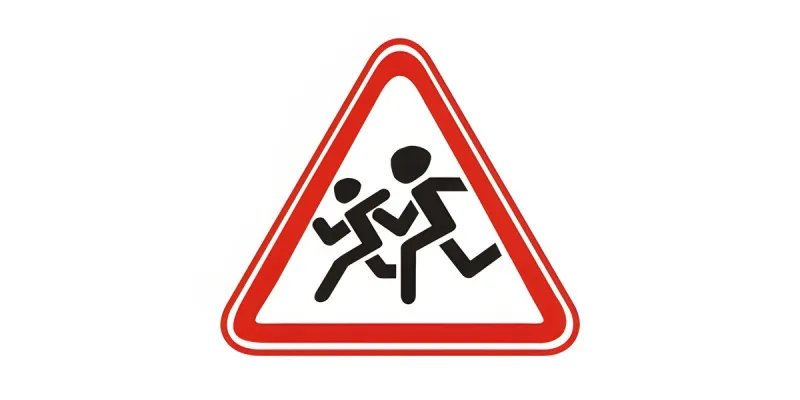
19. In populated areas, at what distance before the beginning of a hazardous section is this warning sign installed?
25–50 m.
50–100 m.
100–150 m.
Correct answer: 50–100 m.ABC · D/T
Why: Նախազգուշացնող նշանները, այդ թվում՝ 1.23 «Երեխաներ»-ը, բնակավայրերում տեղադրվում են վտանգավոր հատվածի սկզբից 50–100 մ առաջ։
20. What should be done if the scene cannot be made safe?
Provide assistance to everyone, but be careful.
Provide assistance to the injured person who is closest to you.
Do not approach; immediately call for emergency assistance and prevent bystanders from approaching the scene.
Do not approach; ask someone else to provide assistance.
Correct answer: Do not approach; immediately call for emergency assistance and prevent bystanders from approaching the scene.ABC · D/T
Why: Առաջին օգնություն. եթե դեպքի վայրի անվտանգությունն ապահովել հնարավոր չէ, չեն մոտենում, անմիջապես ահազանգում են և թույլ չեն տալիս կողմնակի մարդկանց մոտենալ. փրկողն ինքը չպետք է դառնա տուժած։
In Varordakan Tester the same tests are taken without hints, wrong answers are collected automatically, and there is an exam simulation (20 questions, 30 minutes, pass at 18), a 3D intersection simulator, video lessons and an AI assistant that cites the Traffic Rules point. Free.
Sources: questions from the official bank of the Road Police of Armenia (roadpolice.am, edition of 2 October 2026); rule points from the Traffic Rules of the Republic of Armenia (arlis.am). Varordakan Tester is an independent educational app, not affiliated with the Police of Armenia.