Test 32 — Categories ABC (cars, motorcycles, trucks)
Updated 2026-10-13 · official question bank of 2 October 2026
Test 32, Categories ABC (cars, motorcycles, trucks): 20 questions from the official bank of 2 October 2026 across all 10 topics. Under every question: the correct answer, the explanation (in Armenian) and the signs it mentions. In the app the same test is taken without hints, and the exam simulation runs on a 30-minute timer.
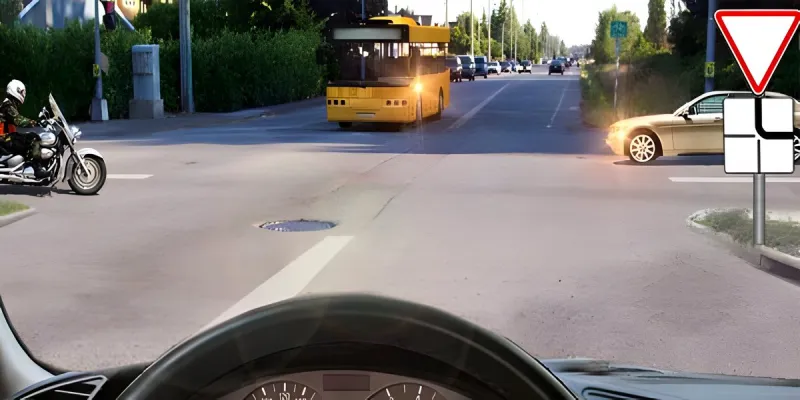
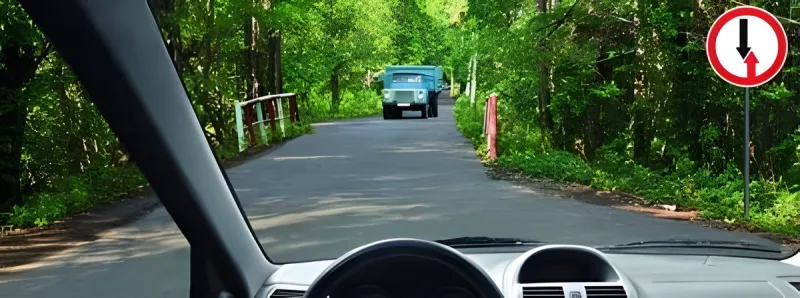
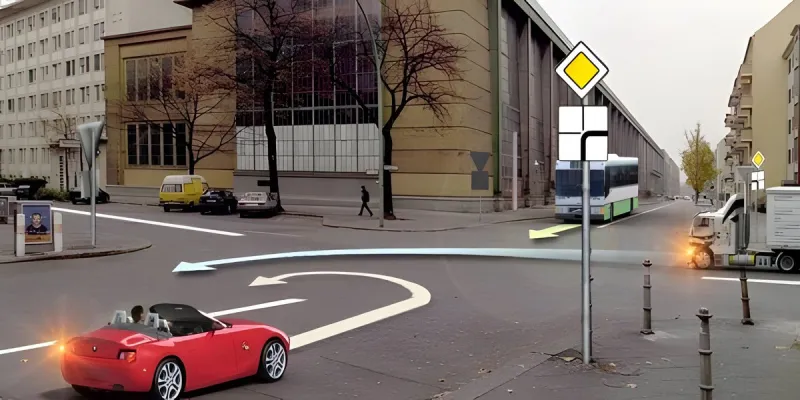
1. If you intend to proceed straight ahead, to whom must you yield?
Only the passenger car.
Only the bus and the passenger car.
All vehicles.
Only the motorcycle.
Correct answer: Only the bus and the passenger car.ABC
Why: Մեր առջև 2.4 «Զիջեք ճանապարհը» նշանն է 8.13 ցուցանակով. գլխավոր ճանապարհն անցնում է դիմացի թևով (ավտոբուս) և թեքվում աջ (թեթև մարդատար), ուստի կետ 96-ով զիջում ենք երկուսին։ Մոտոցիկլը ձախ կողմի երկրորդական ճանապարհից է. երկրորդական ճանապարհների վարորդները միմյանց նկատմամբ ղեկավարվում են հավասարազոր խաչմերուկի կանոններով (կետ 97), և քանի որ նա մեր ձախից է, կետ 98-ով նա է զիջում մեզ։
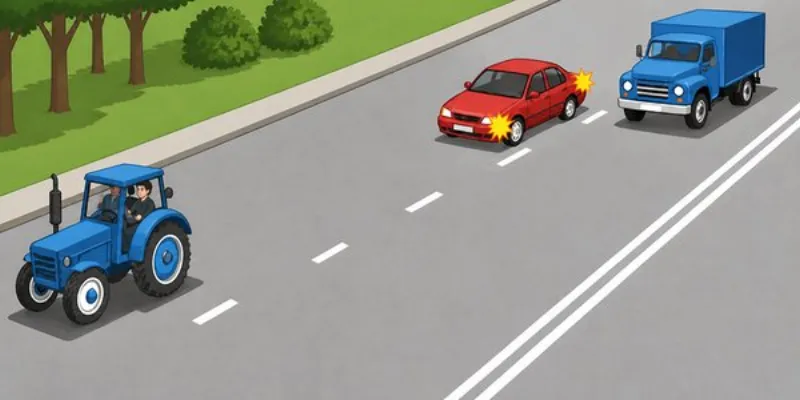
Why: Կարմիր թեթև մարդատարը վերադասավորվում է այն գոտի, որով առանց ուղղությունը փոխելու ընթանում է բեռնատարը։ Կետ 39-ով վերադասավորվող վարորդը պետք է ճանապարհը զիջի համընթաց, հարևան գոտիով ուղիղ երթևեկողներին, ուստի զիջում է թեթև մարդատարի վարորդը։
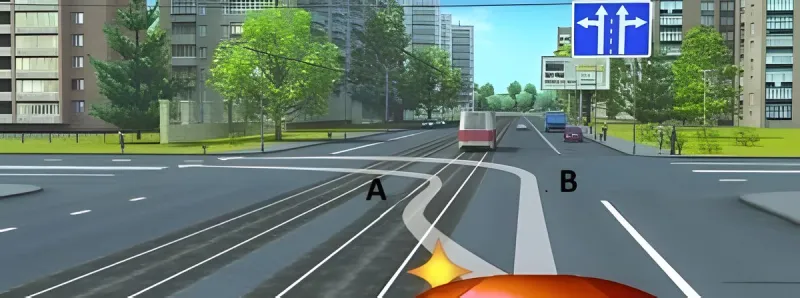
3. Along which path is the left turn permitted?
Only A.
Only B.
Any of the paths.
Correct answer: Only B.ABC · D/T
Why: Նշանները 5.6 «Միակողմ երթևեկությամբ ճանապարհի վերջ» և 1.21 «Երկկողմ երթևեկություն» ցույց են տալիս, որ խաչմերուկից հետո ճանապարհը երկկողմ երթևեկությամբ է։ Կետ 41-ի համաձայն՝ շրջադարձը պետք է կատարվի այնպես, որ տրանսպորտային միջոցը չհայտնվի հանդիպակաց կողմում, ուստի թույլատրված է միայն B հետագիծը։
4. According to the Law of the Republic of Armenia on Ensuring Road Traffic Safety, initial practical driving instruction is conducted:
On roads outside populated areas, taking into account the intensity of vehicle traffic.
On a closed training area or driving range.
On any road, except freeways, taking into account the intensity of vehicle traffic.
Correct answer: On a closed training area or driving range.ABC · D/T
Why: Կետ 145-ի համաձայն՝ տրանսպորտային միջոցների վարման սկզբնական ուսուցումը պետք է կատարվի փակ հրապարակներում կամ ավտոդրոմներում։
5. A vehicle may not be operated if:
Changes or modifications have been made to the vehicle’s design without permission from the vehicle registration authority.
Yellow-light turn signals are installed at the front.
In both cases.
Correct answer: Changes or modifications have been made to the vehicle’s design without permission from the vehicle registration authority.ABC · D/T
Why: Առանց հաշվառող մարմնի թույլտվության կառուցվածքի փոփոխությունը 6.17 ենթակետով անսարքություն է։ Առջևում դեղին շրջադարձի ցուցիչները թույլատրված են (3.6՝ առջևում թույլատրվում են սպիտակ, դեղին, նարնջագույն), ուստի երկրորդ տարբերակն անսարքություն չէ։
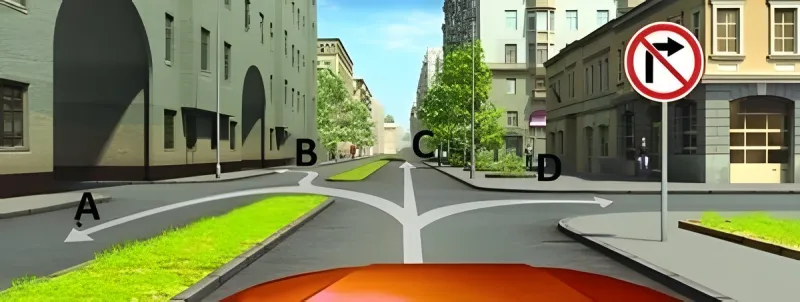
6. Which of the indicated directions is permitted?
Only C.
A or C.
All except D.
Correct answer: A or C.ABC · D/T
Why:3.18.1 «Աջ շրջադարձն արգելվում է» նշանն արգելում է D ուղղությունը։ Ձախ կողմի ճանապարհն ունի բաժանարար գոտի, իսկ B հետագծով տրանսպորտային միջոցը կհայտնվեր դրա մոտակա՝ հանդիպակաց երթևեկության կողմում, ինչը կետ 41-ով արգելվում է։ Թույլատրելի են A (ձախ) և C (ուղիղ) ուղղությունները։
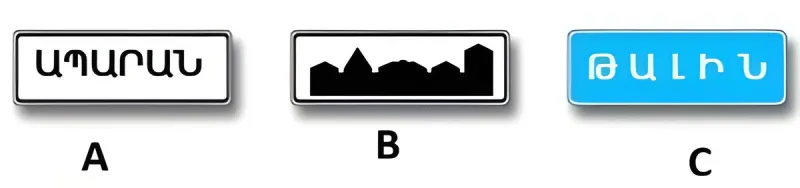
7. Within the area of effect of which sign do the traffic rules applicable in populated areas not apply?
Only A.
Only C.
B and C.
Correct answer: Only C.ABC · D/T
Why: Բնակավայրում երթևեկության կանոնները չեն գործում միայն C նշանի՝ կապույտ հիմնագույնով 5.25 «Բնակավայրի սկիզբ»-ի ազդման գոտում։ A-ն (բնակավայրի անվանումով) և B-ն (ուրվագծով) սպիտակ հիմնագույնով 5.23.1 և 5.23.2 «Բնակավայրի սկիզբ» նշաններն են, որոնցից հետո բնակավայրի կանոնները գործում են։
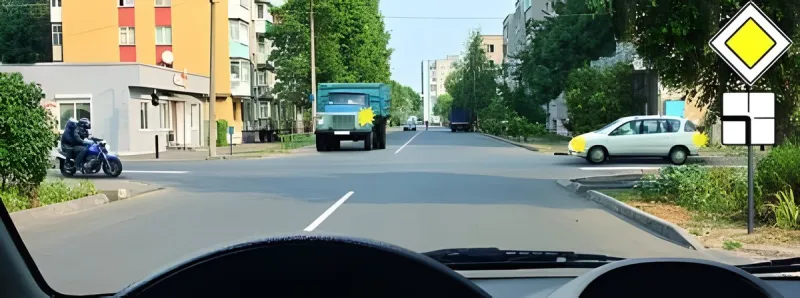
Why: Մեր դիմաց 2.1 «Գլխավոր ճանապարհ» նշանն է 8.13 «Գլխավոր ճանապարհի ուղղությունը» ցուցանակով. գլխավոր ճանապարհն անցնում է մեր թևով և թեքվում ձախ՝ մոտոցիկլի թևը։ Մոտոցիկլը գլխավոր ճանապարհով է, բայց մոտենում է ձախից և կետ 97, 98-ով զիջում է մեզ, իսկ դիմացի բեռնատարն ու աջի թեթև մարդատարը երկրորդական ճանապարհից են (կետ 96). ոչ ոքի չենք զիջում։
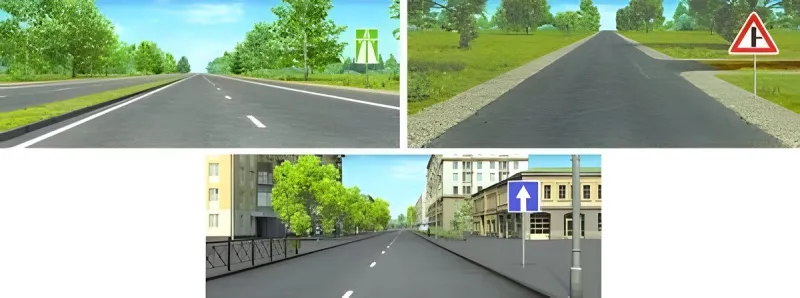
Why: Կետ 3-ի 1-ին ենթակետով գլխավոր է 5.1 «Ավտոմայրուղի» կամ 2.3.1-2.3.7 նշաններով նշված ճանապարհը. վերին ձախ նկարում 5.1-ն է, վերին աջում՝ 2.3.2 «Երկրորդական ճանապարհի հարում»։ Ներքևի նկարի 5.5 «Միակողմ երթևեկությամբ ճանապարհ» նշանն առավելություն չի սահմանում. վերևի նկարներում։
11. The vehicles will proceed through the intersection in the following order:
The truck, the passenger car, the bus.
The bus, the truck, the passenger car.
The bus, the passenger car, the truck.
Correct answer: The truck, the passenger car, the bus.ABC · D/T
Why: Մեր դիմաց 2.1 «Գլխավոր ճանապարհ» նշանն է 8.13 «Գլխավոր ճանապարհի ուղղությունը» ցուցանակով. գլխավոր ճանապարհն անցնում է մեր թևով և թեքվում աջ՝ բեռնատարի թևը։ Բեռնատարն ու մեր մեքենան գլխավոր ճանապարհով են, բեռնատարը մոտենում է աջից և անցնում է առաջինը (կետ 97, 98), ապա մենք, իսկ դիմացի ավտոբուսը երկրորդական ճանապարհից է (կետ 96). բեռնատար, թեթև մարդատար, ավտոբուս։
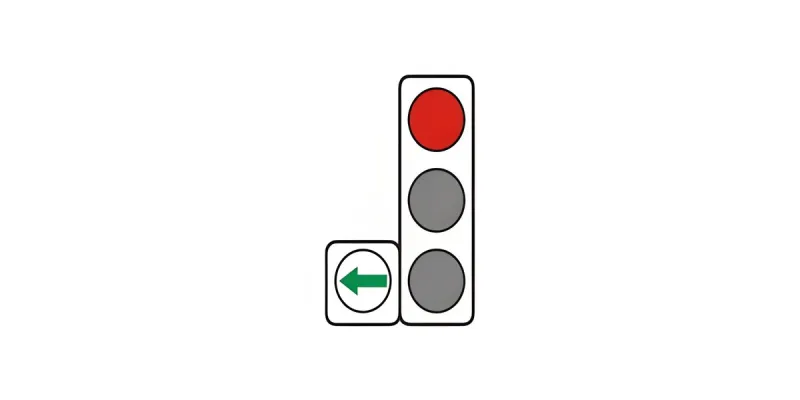
12. When the traffic signal is green, must the tram operator yield to vehicles approaching from other directions?
Yes.
No.
Correct answer: Yes.ABC · D/T
Why: Լուսացույցը կարմիր է՝ ձախ ուղղված կանաչ լրացուցիչ սեկցիայով։ Կետ 92-ով կարմիրի հետ միացված լրացուցիչ սեկցիայի սլաքի ուղղությամբ երթևեկող տրամվայի վարորդը զիջում է այլ ուղղություններից մոտեցողներին (այլ վարորդների համար՝ կետ 91)։ Պարտավոր է։
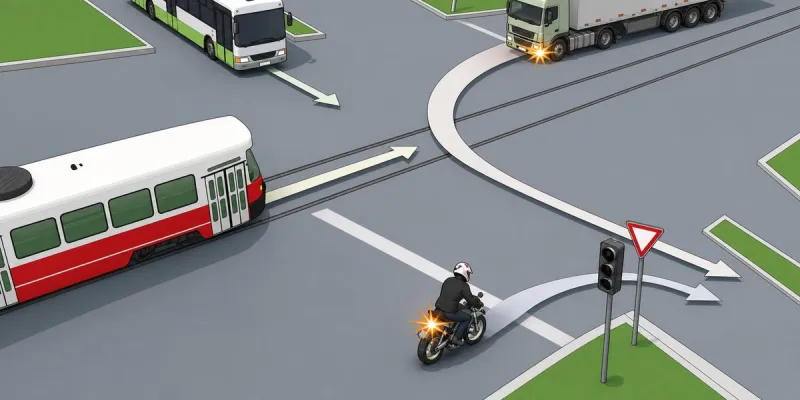
13. The vehicles will proceed through the intersection in the following order:
The tram, the bus, the truck, the motorcycle.
The bus, the truck, the tram, the motorcycle.
The bus, then the tram and the motorcycle, then the truck.
Correct answer: The bus, then the tram and the motorcycle, then the truck.ABC · D/T
Why: Լուսացույցն անջատված է, ուստի խաչմերուկը չկարգավորվող է (կետ 95) և գործում է մոտոցիկլի թևի 2.4 «Զիջեք ճանապարհը» նշանը։ Հատվող գլխավոր ճանապարհի ավտոբուսն անցնում է առաջինը (կետ 96), ապա տրամվայն ու մոտոցիկլը միաժամանակ, քանի որ նրանց ուղիները չեն հատվում, իսկ ձախ թեքվող բեռնատարը զիջում է (կետ 99) և անցնում վերջինը։
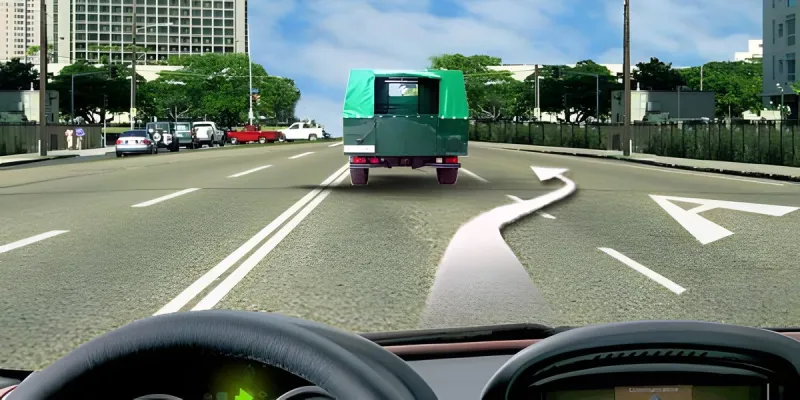
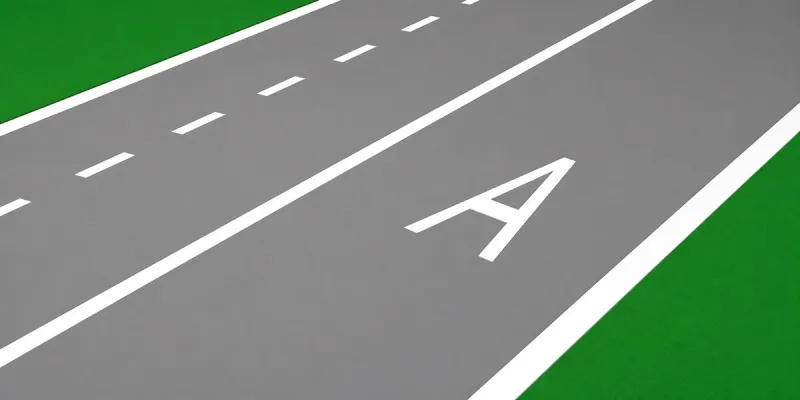
14. Is it permitted to continue in the direction indicated by the arrow?
Prohibited.
Permitted in all cases.
Permitted for the purpose of stopping to drop off passengers.
Permitted for the purpose of passing the truck.
Correct answer: Permitted for the purpose of stopping to drop off passengers.ABC · D/T
Why: Սլաքն ուղղված է դեպի «A» գոտին (1.23.1 գծանշում), որը բաժանված է ընդհատվող գծով։ Կետ 124-ի համաձայն՝ նման գոտի թույլատրվում է մուտք գործել միայն ուղևորներ իջեցնելու-նստեցնելու կամ շրջադարձի համար, ոչ թե վազանցի։
15. Which vehicles are permitted to proceed in the right lane of the roadway?
All motor vehicles.
Public transit vehicles and taxis.
Bicycles only.
Public transit vehicles only.
Correct answer: Public transit vehicles only.ABC · D/T
Why: Աջ գոտին նշված է «A» տառով (1.23.1 գծանշում)։ Կետ 124-ի համաձայն՝ ընդհանուր օգտագործման տրանսպորտային միջոցների գոտում այլ տրանսպորտային միջոցների երթևեկությունն արգելվում է։
16. If cargo protrudes 0.5 m beyond the side of the vehicle, measured from the outer edge of the marker light, must it be marked during daylight hours with the “Oversized Cargo” identification sign and, at night or under conditions of insufficient visibility, additionally with a white light or reflector at the front and a red light or reflector at the rear?
Yes.
No.
Correct answer: Yes.ABC
Why: Կետ 162-ով կողքից եզրաչափային լույսի արտաքին եզրից 0,4 մ-ից ավելի դուրս ցցված բեռը պետք է նշվի «Մեծ եզրաչափերով բեռ» նշանով, մթին՝ նաև լապտերիկներով։ 0,5 մ-ը գերազանցում է այդ շեմը, ուստի՝ այո։
17. When towing with a flexible or rigid coupling, is carrying people in the towed motor vehicle permitted?
Permitted in a bus and trolleybus.
Permitted only in a passenger car.
Permitted in the cargo bed of a truck and in a passenger car.
Permitted in the cab of a truck and in a passenger car.
Prohibited.
Correct answer: Permitted in the cab of a truck and in a passenger car.ABC · D/T
Why: Կետ 139-ը արգելում է մարդկանց փոխադրումը քարշակվող ավտոբուսում, տրոլեյբուսում և բեռնատարի թափքում։ Բեռնատարի խցիկը և թեթև մարդատարն արգելված չեն, ուստի այնտեղ թույլատրվում է։
18. Rear fog lights may be used:
At night when proceeding as part of a convoy.
When proceeding through tunnels.
Only under conditions of insufficient visibility.
At night when unloading a vehicle.
In all of the listed cases.
Correct answer: Only under conditions of insufficient visibility.ABC · D/T
Why: Կետ 131-ով հետին հակամառախուղային լապտերիկները կարող են օգտագործվել միայն անբավարար տեսանելիության պայմաններում. շարասյուն, թունել կամ բեռնաթափում հիմք չեն։
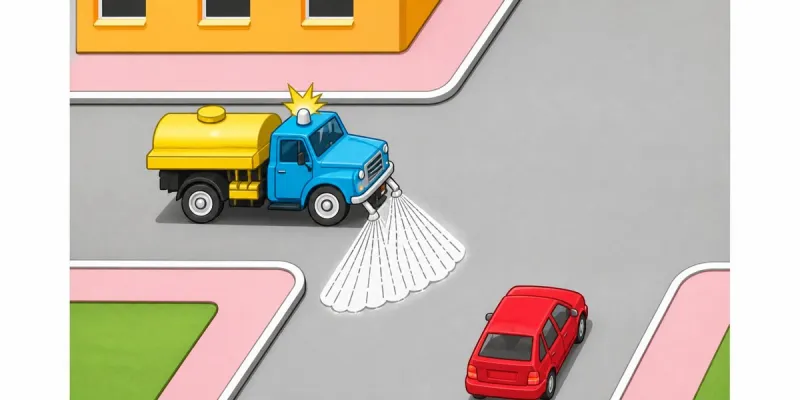
19. Which vehicle driver has the right-of-way?
The driver of the road-cleaning vehicle.
The passenger-car driver.
Correct answer: The passenger-car driver.ABC
Why: Ճանապարհային մեքենայի դեղին առկայծող փարոսիկը երթևեկության առավելություն չի տալիս (կետ 32)։ Հավասարազոր ճանապարհների խաչմերուկում առավելությունն աջից մոտեցող թեթև մարդատարի վարորդինն է (կետ 98)։
20. How should you determine whether an unconscious injured person is breathing?
Hold the injured person by the chin, tilt the head back, and observe chest movement for 10 seconds.
Place one hand on the injured person’s forehead and, with two fingers of the other hand, lift the chin and tilt the head back. For 10 seconds, check for breathing by trying to feel exhaled air on your cheek and observing movement of the chest.
Without tilting the injured person’s head, lean toward the person’s face and, for 10 seconds, check for breathing by trying to feel exhaled air on your cheek and observing movement of the chest.
Correct answer: Place one hand on the injured person’s forehead and, with two fingers of the other hand, lift the chin and tilt the head back. For 10 seconds, check for breathing by trying to feel exhaled air on your cheek and observing movement of the chest.ABC
Why: Առաջին օգնություն. շնչառությունը ստուգում են՝ մի ձեռքը ճակատին դնելով, երկու մատով կզակը բարձրացնելով և գլուխը հետ թեքելով, ապա 10 վայրկյան հետևում են կրծքավանդակի շարժմանը և զգում արտաշնչած օդն այտին։
In Varordakan Tester the same tests are taken without hints, wrong answers are collected automatically, and there is an exam simulation (20 questions, 30 minutes, pass at 18), a 3D intersection simulator, video lessons and an AI assistant that cites the Traffic Rules point. Free.
Sources: questions from the official bank of the Road Police of Armenia (roadpolice.am, edition of 2 October 2026); rule points from the Traffic Rules of the Republic of Armenia (arlis.am). Varordakan Tester is an independent educational app, not affiliated with the Police of Armenia.