Tests › Topics
Topic 1. Maneuvering, positioning on the carriageway, right of way
Updated 2026-10-13 · official question bank of 2 October 2026
Topic 1: "Maneuvering, positioning on the carriageway, right of way". 205 questions from the official bank of 2 October 2026 (categories ABC and D/T), each with the correct answer and an explanation.
1. Which sign is called “Pass the Obstacle on the Left”?
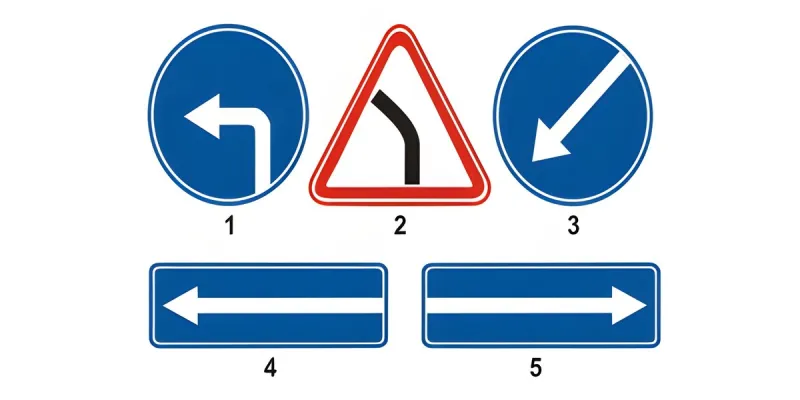
- 1
- 2
- 3
- 4
- 5
Correct answer: Option 3 ABC · D/T
Why: Նշան 3-ը
4.2.2 «Արգելքի շրջանցումը ձախից» նշանն է. սլաքն ուղղված է դեպի ներքև-ձախ։ 1-ը
4.1.3 «Երթևեկությունը դեպի ձախ», 2-ը
1.11.2 «Վտանգավոր շրջադարձ», 4-ը և 5-ը՝
5.7.2 և
5.7.1 «Ելք դեպի միակողմ երթևեկությամբ ճանապարհ» նշաններն են։
Signs in this question: 4.2.2, 4.1.3, 1.11.2, 5.7.2, 5.7.1
In tests: ABC 47, D/T 3
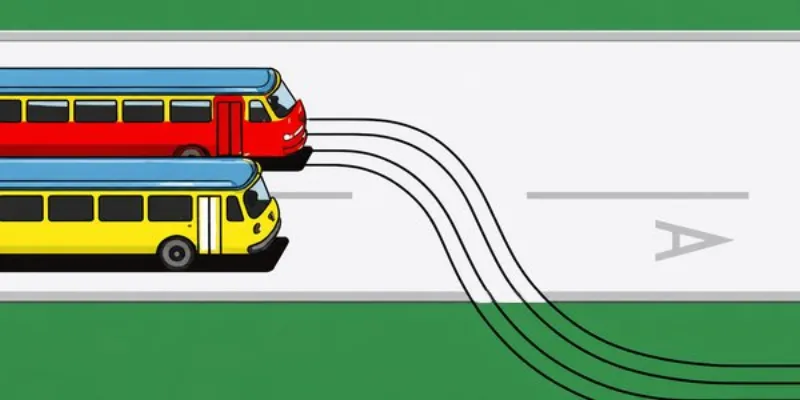
2. In the indicated situation, from which lane must the right turn be made?
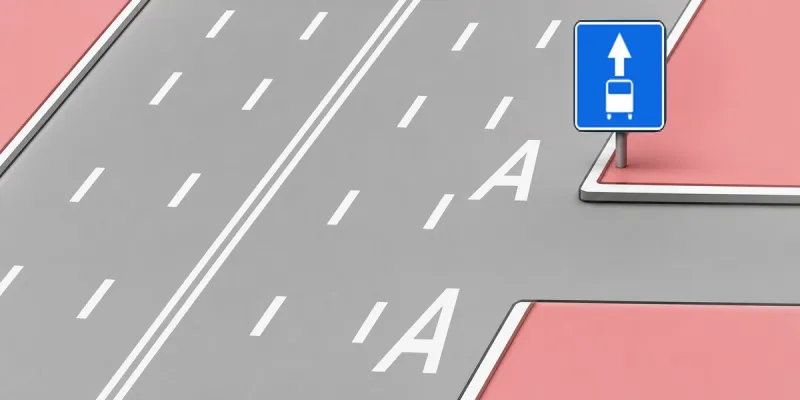
- Only from the second lane.
- Only from the rightmost lane marked with pavement marking “A”.
Correct answer: Only from the rightmost lane marked with pavement marking “A”. ABC · D/T
Why: Աջ եզրային գոտին «A» գծանշմամբ ընդհանուր օգտագործման տրանսպորտային միջոցների գոտի է (նշան
5.14)։ Կետ 124-ի համաձայն՝ եթե այն մնացած երթևեկելի մասից բաժանված է ընդհատվող գծով, թույլատրվում է մուտք գործել այդ գոտի շրջադարձ կատարելու համար, իսկ կետ 40-ը և 41-ը պահանջում են աջ շրջադարձը կատարել միայն աջ եզրային գոտուց։
Signs in this question: 5.14
In tests: ABC 46, D/T 48
3. A roundabout is established at the intersection. The roadway on which you are approaching the intersection has two traffic lanes. When entering the intersection to make a turn, which lane are you required to occupy?
- The right lane.
- The left lane.
- Either the right or the left lane.
Correct answer: Either the right or the left lane. ABC · D/T
Why: Կետ 40-ով շրջադարձից առաջ պետք է նախապես զբաղեցնել եզրային գոտին, բացառությամբ թվարկված դեպքերի։ Շրջանաձև երթևեկությամբ խաչմերուկ մուտք գործելը (40.1) այդ բացառություններից է, ուստի կարելի է մուտք գործել և՛ աջ, և՛ ձախ գոտուց։
In tests: ABC 40, D/T 32
4. Is it permitted to enter the yard at the indicated location?
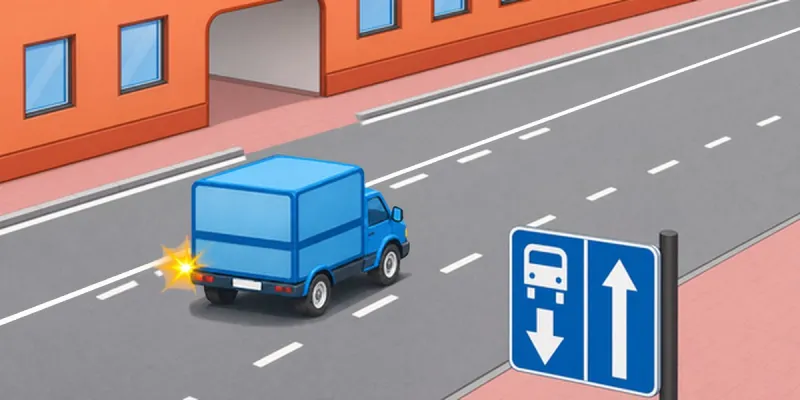
- Permitted.
- Prohibited.
Correct answer: Permitted. ABC
Why: 5.11 «Ընդհանուր օգտագործման տրանսպորտային միջոցների համար գոտիով ճանապարհ» նշանը ցույց է տալիս, որ ձախ կողմի գոտին հանդիպակաց երթևեկությամբ ընդհանուր օգտագործման տրանսպորտային միջոցների գոտի է։ Կետ 124-ով ընդհատվող գծանշմամբ առանձնացված այդպիսի գոտի թույլատրվում է մուտք գործել ճանապարհից շրջադարձ կատարելու համար՝ զիջելով ընդհանուր օգտագործման տրանսպորտային միջոցներին, ուստի բակ մուտք գործելը թույլատրվում է։
Signs in this question: 5.11
In tests: ABC 8
5. On a marked two-way road with three lanes, except a road with reversible traffic control, where the center lane is used for traffic in both directions, entering the leftmost lane is:
- Permitted.
- Prohibited.
- Permitted only for passing, going around an obstruction, making a left turn, or making a U-turn.
Correct answer: Prohibited. ABC · D/T
Why: Երեք գոտի ունեցող երկկողմ ճանապարհին ձախ եզրային գոտին նախատեսված է միայն հանդիպակաց երթևեկության համար. կետ 54-ն արգելում է մուտք գործել այնտեղ։ Միջին գոտի դուրս գալ կարելի է միայն վազանցի, շրջանցման, ձախ շրջադարձի կամ հետադարձի համար։
In tests: ABC 12, D/T 11
6. Which answer correctly states the permitted direction of traffic?
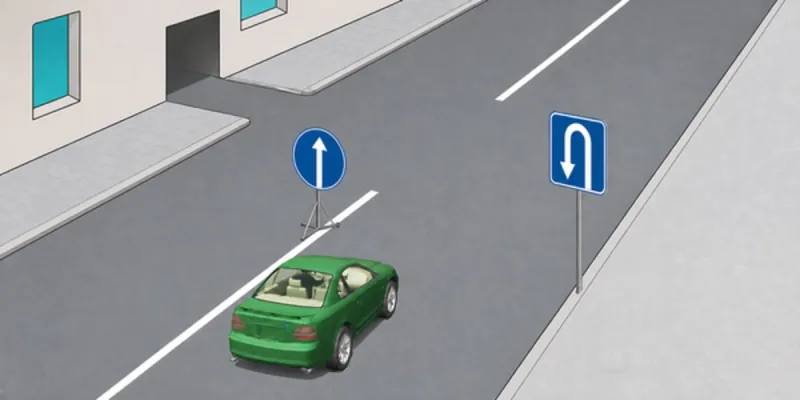
- U-turn only.
- Straight ahead and by making a U-turn.
- Straight ahead only.
Correct answer: Straight ahead only. ABC
Why: Շարժական կանգնակի վրա տեղադրված է ժամանակավոր
4.1.1 «Երթևեկությունն ուղիղ» նշանը, իսկ առջևում՝ մշտական
6.3.1 «Հետադարձի տեղ» նշանը։ Կետ 172-ով մշտական և ժամանակավոր նշանների հակասության դեպքում ղեկավարվում են ժամանակավոր նշաններով, ուստի թույլատրվում է միայն ուղիղ երթևեկությունը։
Signs in this question: 4.1.1, 6.3.1
In tests: ABC 42
7. In which direction is traffic prohibited?
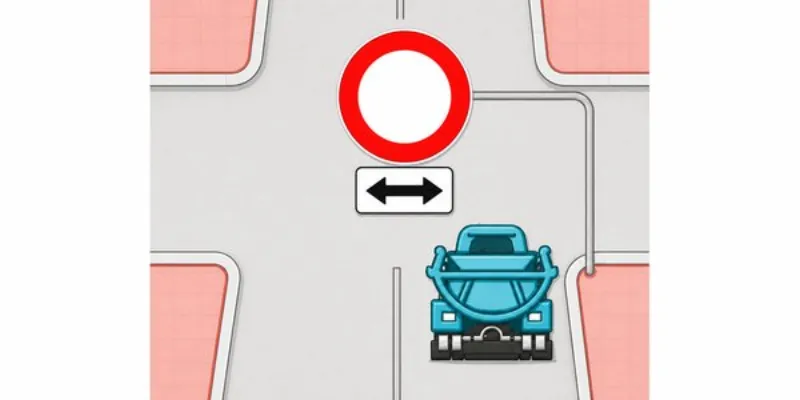
- To the left and to the right.
- Straight ahead and by making a U-turn.
- Straight ahead only.
- In all directions.
Correct answer: To the left and to the right. ABC
Why: Նշան
3.2 «Երթևեկությունն արգելվում է»-ը
8.3.3 «Ազդման ուղղություններ» ցուցանակի հետ (սլաքները դեպի ձախ և աջ) արգելում է երթևեկությունը դեպի ձախ և դեպի աջ։
Signs in this question: 3.2, 8.3.3
In tests: ABC 48
8. A U-turn is prohibited:
- On pedestrian crossings.
- In tunnels.
- On and under bridges, overpasses, and elevated roadways.
- At railroad crossings.
- In all of the listed cases.
Correct answer: In all of the listed cases. ABC · D/T
Why: Կետ 50-ը թվարկում է հետադարձի արգելման տեղերը՝ հետիոտնային անցումներ, թունելներ, կամուրջներ, ուղեկամուրջներ, էստակադներ և դրանց տակ, երկաթուղային գծանցներ։ Բոլոր չորս տարբերակներն այդ ցանկում են, ուստի ճիշտն է «թվարկած բոլոր դեպքերում»։
In tests: ABC 9, D/T 37
9. Which answer correctly states the permitted direction of traffic?
- Straight ahead and to the left, entering the yard.
- Straight ahead only.
- U-turn only.
- Straight ahead and by making a U-turn.
Correct answer: Straight ahead only. ABC
Why: Շարժական կանգնակի վրա տեղադրված ժամանակավոր
4.1.1 «Երթևեկությունն ուղիղ» նշանը կետ 172-ով գերակայում է մշտական
6.3.1 «Հետադարձի տեղ» նշանի նկատմամբ։
4.1.1-ը թույլատրում է միայն ուղիղ երթևեկություն (աջ շրջադարձը դեպի բակ այն չի արգելում, բայց բակը ձախ կողմում է), ուստի ձախ շրջադարձն ու հետադարձն արգելված են։
Signs in this question: 4.1.1, 6.3.1
In tests: ABC 21, ABC 50
10. A U-turn is prohibited when visibility in at least one direction of the road is less than:
- 100 m.
- 150 m.
- 300 m.
Correct answer: 100 m. ABC · D/T
Why: Ենթակետ 50.5-ով հետադարձն արգելվում է այն տեղերում, որտեղ ճանապարհի տեսանելիությունը թեկուզ մեկ ուղղությամբ 100 մ-ից պակաս է։
In tests: ABC 36, D/T 4
11. You are driving on a two-way road with three lanes. In which case is it permitted to enter the center lane?
- Only when passing.
- Only when going around an obstruction.
- Only when making a left turn or a U-turn.
- In all of the listed cases.
Correct answer: In all of the listed cases. ABC · D/T
Why: Կետ 54-ով երեք գոտի ունեցող երկկողմ ճանապարհի միջին գոտի դուրս գալ թույլատրվում է միայն վազանցի, շրջանցման, ձախ շրջադարձի կամ հետադարձի համար։ Բոլոր թվարկված դեպքերն այդ ցանկից են։
In tests: ABC 38, D/T 48
12. In which direction or directions may the truck proceed?
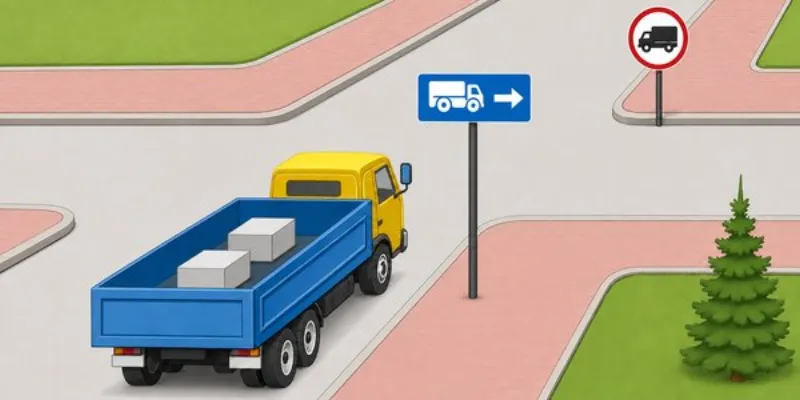
- To the right only.
- To the right, to the left, and by making a U-turn.
- To the left only.
Correct answer: To the right, to the left, and by making a U-turn. ABC
Why: Ուղիղ ուղղությամբ տեղադրված է
3.4 «Բեռնատար ավտոմոբիլների երթևեկությունն արգելվում է» նշանը, ուստի բեռնատարը չի կարող շարունակել ուղիղ, իսկ
6.15.2 «Երթևեկության ուղղություն բեռնատար ավտոմոբիլների համար» նշանը միայն առաջարկում է ուղղություն։ Թույլատրվում է դեպի աջ, դեպի ձախ և հետադարձը։
Signs in this question: 3.4, 6.15.2
In tests: ABC 48
13. In which image is the driver performing the maneuver correctly?
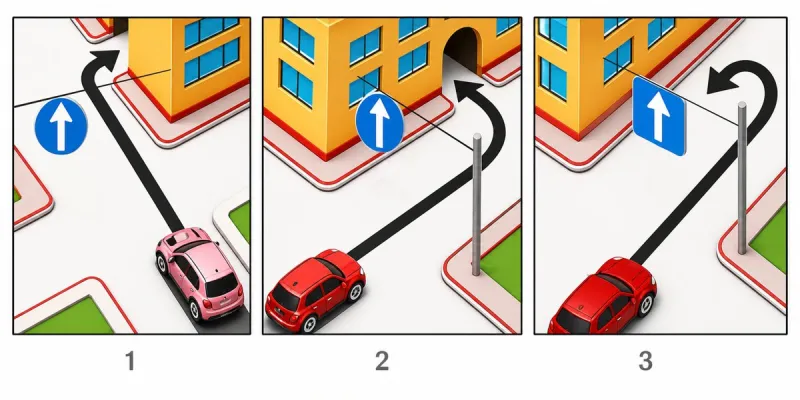
- 1
- 2
- 3
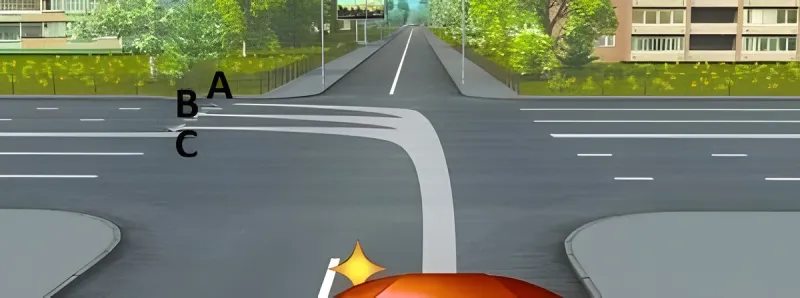
Correct answer: Option 1 ABC
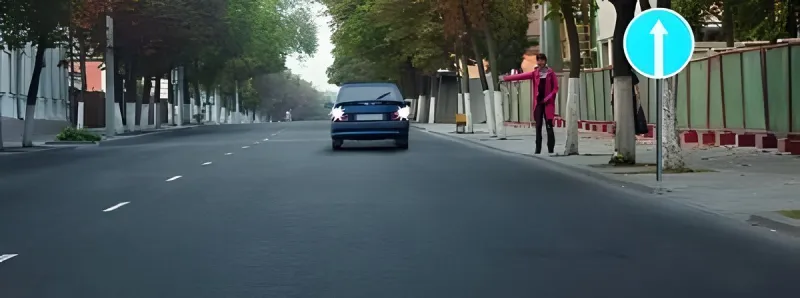
Why: Նշան
4.1.1 «Երթևեկությունն ուղիղ»-ը չի արգելում աջ շրջադարձը դեպի բակ և մերձակա տարածքներ, ուստի 1-ին նկարի վարորդը ճիշտ է վարվում։ Ձախ շրջադարձը դեպի բակ (2) և հետադարձը (3) այս նշանի ազդման գոտում արգելված են։
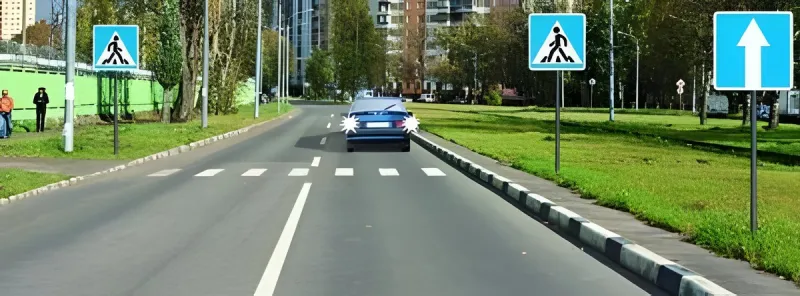
Signs in this question: 4.1.1
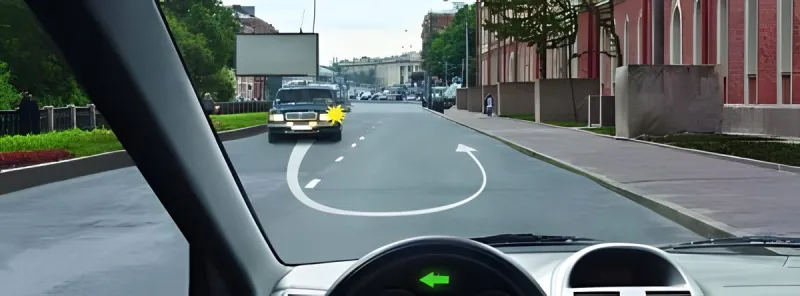
In tests: ABC 16
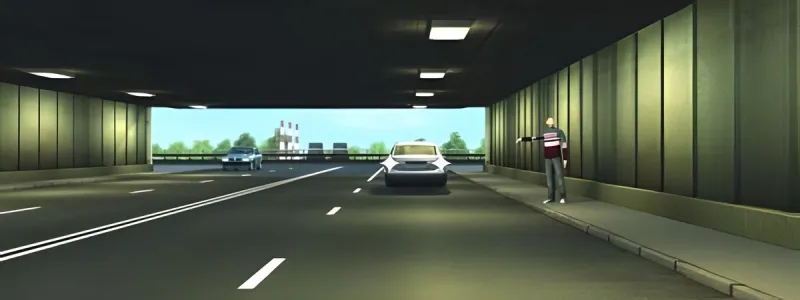
14. Which vehicle driver is making the U-turn correctly?
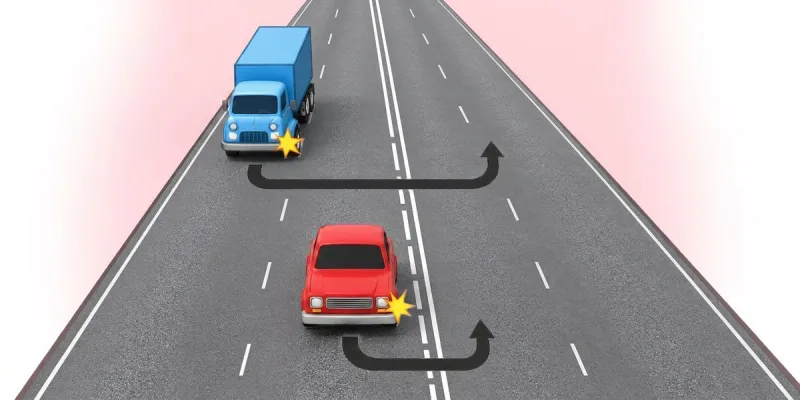
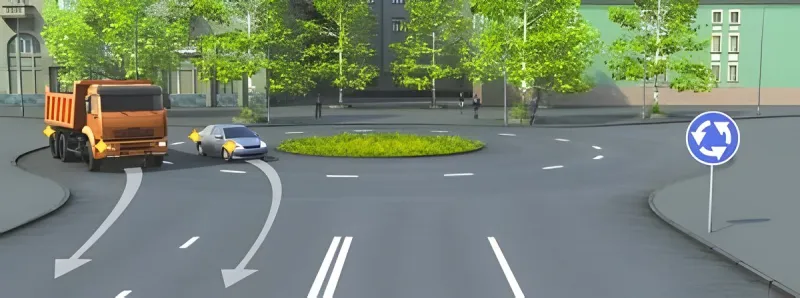
- The driver of the blue vehicle.
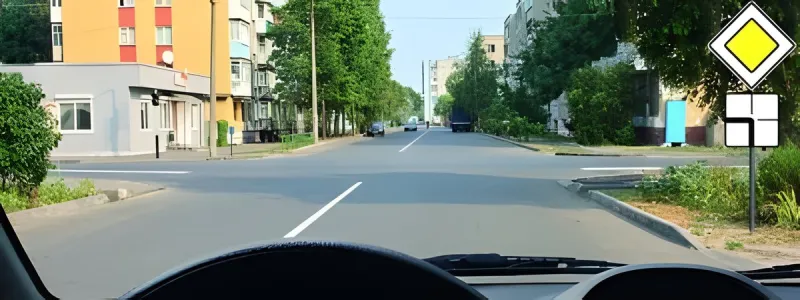
- The driver of the red vehicle.
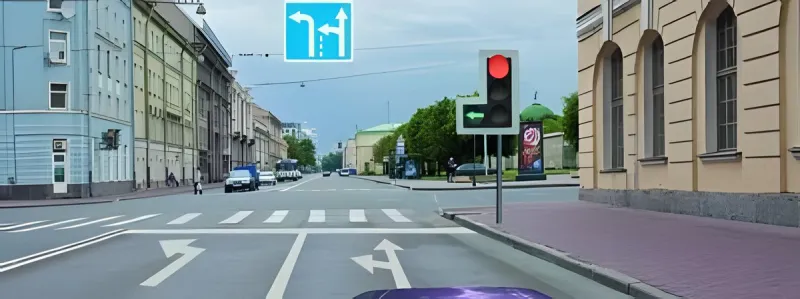
- Both drivers.
Correct answer: The driver of the red vehicle. ABC
Why: Կետ 40-ի համաձայն՝ հետադարձից առաջ վարորդը պետք է նախապես զբաղեցնի ձախ եզրային գոտին։ Կարմիր ավտոմոբիլն այդպես է վարվում, իսկ կապույտ բեռնատարը հետադարձը սկսում է աջ գոտուց, ինչն արգելված է։
In tests: ABC 13
15. In the absence of traffic signs, pavement markings, and a median, drivers on a two-way road must pass elements of road structures located on the roadway:
- On the right.
- On the left.
Correct answer: On the right. ABC · D/T
Why: Կետ 64-ով երկկողմ ճանապարհին, բաժանարար գոտու բացակայության դեպքում, երթևեկելի մասում գտնվող կղզյակները, կարճասյուները և կառույցների տարրերը շրջանցվում են աջ կողմից, եթե նշաններն ու գծանշումն այլ բան չեն թելադրում։
In tests: ABC 37, D/T 40
16. In which direction is traffic prohibited?
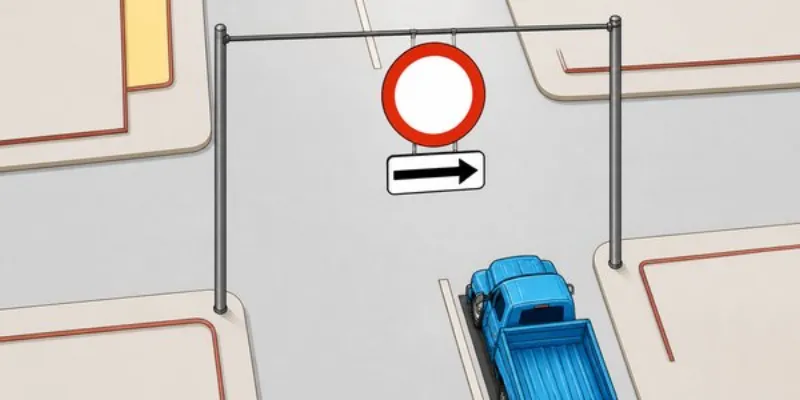
- To the left only.
- To the right only.
- Straight ahead and to the left.
- In all directions.
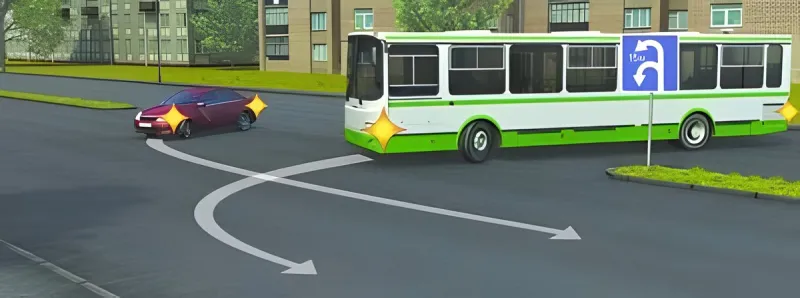
Correct answer: To the right only. ABC
Why: Նշան
3.2 «Երթևեկությունն արգելվում է»-ը
8.3.1 «Ազդման ուղղություններ» ցուցանակի հետ (սլաքը դեպի աջ) արգելում է երթևեկությունը միայն դեպի աջ։
Signs in this question: 3.2, 8.3.1
In tests: ABC 19
17. Which vehicle driver violates the rules when turning on a road with a deceleration lane?
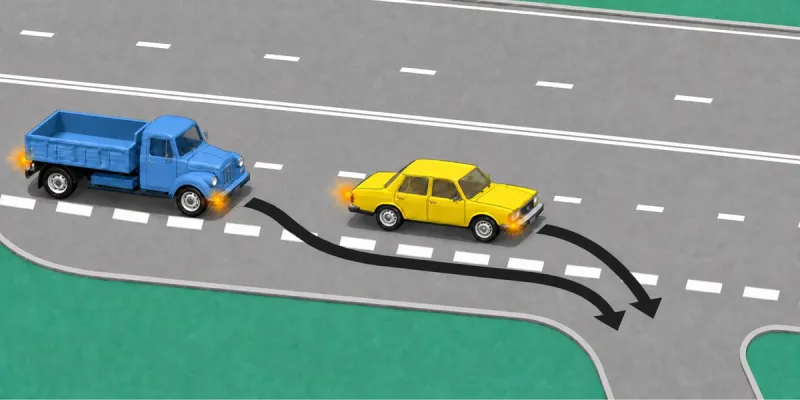
- Both drivers.
- The driver of the yellow vehicle.
- Both drivers make the turn correctly.
Correct answer: The driver of the yellow vehicle. ABC · D/T
Why: Կետ 47-ի համաձայն՝ արգելակման գոտու առկայության դեպքում շրջադարձ կատարելու մտադրություն ունեցող վարորդը պետք է նախապես վերադասավորվի այդ գոտի և միայն այնտեղ իջեցնի արագությունը։ Դեղին ավտոմոբիլի վարորդը շրջադարձը կատարում է անմիջապես երթևեկության գոտուց և խախտում է կանոնները։
In tests: ABC 41, D/T 13
18. In the given situation, may the driver of the red vehicle continue driving?
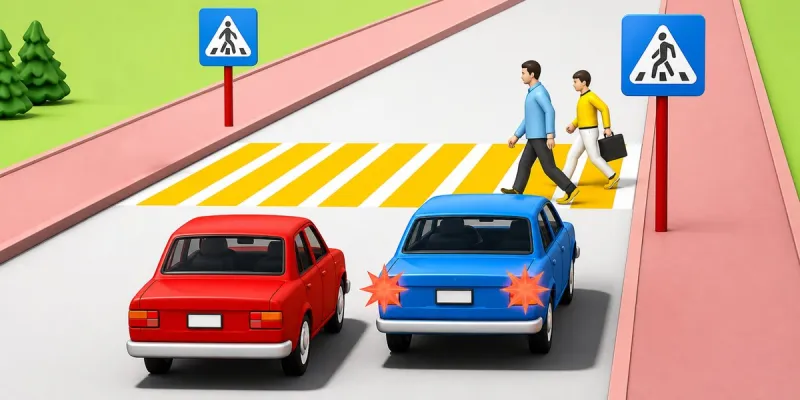
- Permitted.
- Prohibited.
Correct answer: Prohibited. ABC · D/T
Why: Կապույտ ավտոմոբիլը կանգնել է չկարգավորվող հետիոտնային անցումից (նշաններ
5.19.1,
5.19.2, «զեբր» գծանշում) առաջ, և անցումով հետիոտներ են անցնում։ Կետ 104-ի համաձայն՝ հարևան գոտիով ընթացող վարորդը կարող է շարունակել երթևեկությունը միայն համոզվելով, որ անցումում հետիոտներ չկան, իսկ կետ 103-ն արգելում է խոչընդոտել նրանց։
Signs in this question: 5.19.1, 5.19.2
In tests: ABC 13, ABC 50, D/T 44
19. You need to make a left turn on a two-way road with three lanes. From which lane must you make this maneuver?
- From the right lane.
- From the center lane.
- From either the right or the center lane.
- From the center lane if the right lane is occupied.
Correct answer: From the center lane. ABC · D/T
Why: Երեք գոտի ունեցող երկկողմ ճանապարհին միջին գոտին օգտագործվում է երկու ուղղություններով երթևեկության համար, և կետ 54-ով ձախ շրջադարձի համար դուրս են գալիս հենց այդ գոտի։ Ձախ եզրային գոտին միայն հանդիպակացների համար է։
In tests: ABC 39, D/T 53
20. May the driver of the red vehicle drive on the tram tracks?
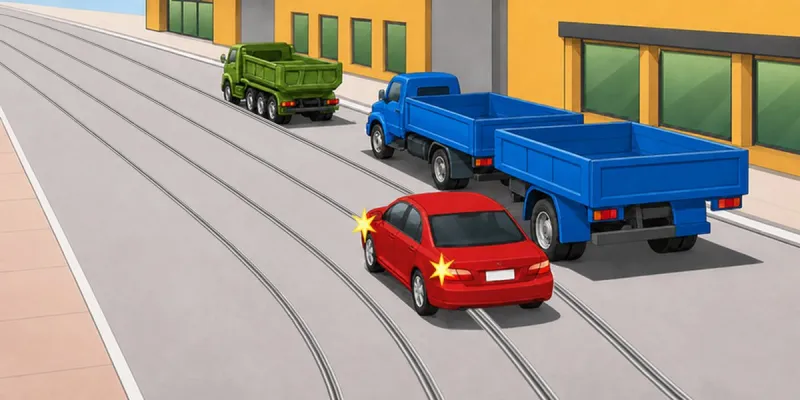
- Permitted.
- Prohibited.
Correct answer: Permitted. ABC · D/T
Why: Կետ 59-ի համաձայն՝ ձախ կողմում նույն մակարդակի վրա գտնվող համընթաց ուղղության տրամվայի գծերով երթևեկել թույլատրվում է, երբ այդ ուղղությամբ բոլոր գոտիները զբաղված են, ինչպես նաև վազանցի կամ արգելքը շրջանցելու համար։ Առջևի գոտիները զբաղեցրել են բեռնատարն ու տրակտորը, ուստի կարմիր ավտոմոբիլին թույլատրվում է։
In tests: ABC 20, ABC 54, D/T 26
21. A U-turn is prohibited:
- On pedestrian crossings and in tunnels.
- On and under bridges, overpasses, and elevated roadways.
- At railroad crossings.
- At locations where visibility in at least one direction of the road is less than 100 m.
- In all of the listed cases.
Correct answer: In all of the listed cases. ABC · D/T
Why: Կետ 50-ով հետադարձն արգելվում է հետիոտնային անցումների վրա, թունելներում, կամուրջների, ուղեկամուրջների, էստակադների վրա և դրանց տակ, երկաթուղային գծանցներում և 100 մ-ից պակաս տեսանելիության տեղերում։ Բոլոր տարբերակները ցանկում են։
In tests: ABC 27, D/T 2
22. In which directions is traffic permitted?
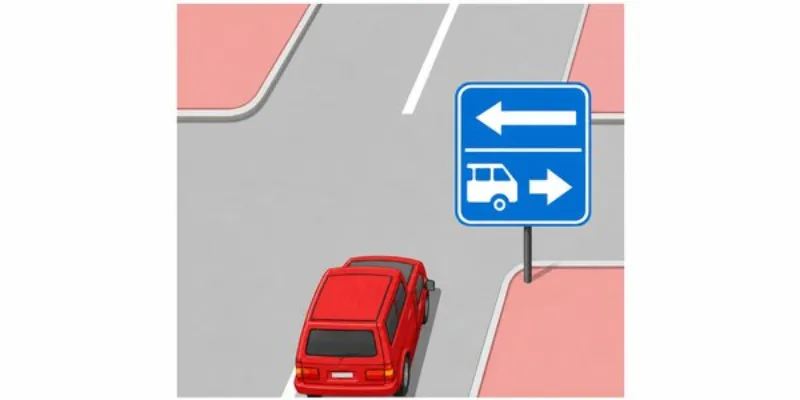
- To the left only.
- Straight ahead, to the left, and by making a U-turn.
- Straight ahead only.
Correct answer: Straight ahead, to the left, and by making a U-turn. ABC · D/T
Why: 5.13.2 «Ելք դեպի ընդհանուր օգտագործման տրանսպորտային միջոցների համար գոտիով ճանապարհ» նշանը ցույց է տալիս, որ հատվող ճանապարհով ընդհանուր երթևեկությունը դեպի ձախ է, իսկ դեպի աջ ուղղությամբ կա միայն ընդհանուր օգտագործման տրանսպորտային միջոցների գոտի։ Կետ 124-ով այլ տրանսպորտային միջոցների երթևեկությունն այդ գոտում արգելվում է, ուստի թույլատրվում է ուղիղ, դեպի ձախ և հետադարձ։
Signs in this question: 5.13.2
In tests: ABC 25, ABC 55, D/T 41
23. Which vehicle drivers have violated the requirements of the traffic sign?
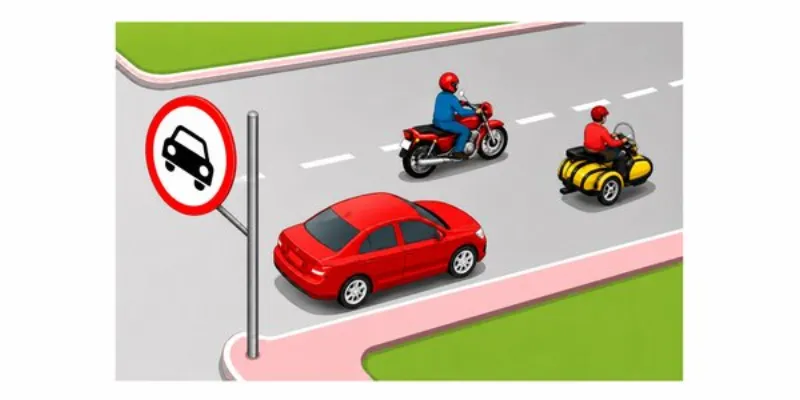
- The motorcycle operators.
- The automobile driver and the operator of the motorcycle with a sidecar.
- Only the automobile driver.
- The drivers of all the vehicles.
Correct answer: The drivers of all the vehicles. ABC
Why: Նշան
3.3 «Մեխանիկական տրանսպորտային միջոցների երթևեկությունն արգելվում է»-ն արգելում է բոլոր մեխանիկական տրանսպորտային միջոցների երթևեկությունը, ուստի խախտել են և՛ ավտոմոբիլի, և՛ երկու մոտոցիկլների վարորդները։
Signs in this question: 3.3
In tests: ABC 1
24. When vehicles moving in the same direction change lanes simultaneously, which driver must yield?
- The driver of the vehicle on the left.
- The driver of the vehicle on the right.
Correct answer: The driver of the vehicle on the left. ABC · D/T
Why: Կետ 39-ով համընթաց երթևեկող տրանսպորտային միջոցների միաժամանակյա վերադասավորման դեպքում ճանապարհը զիջում է ձախից ընթացող տրանսպորտային միջոցի վարորդը («աջի խոչընդոտ» սկզբունք)։
In tests: ABC 18, D/T 6
25. Which vehicle driver has the right-of-way?
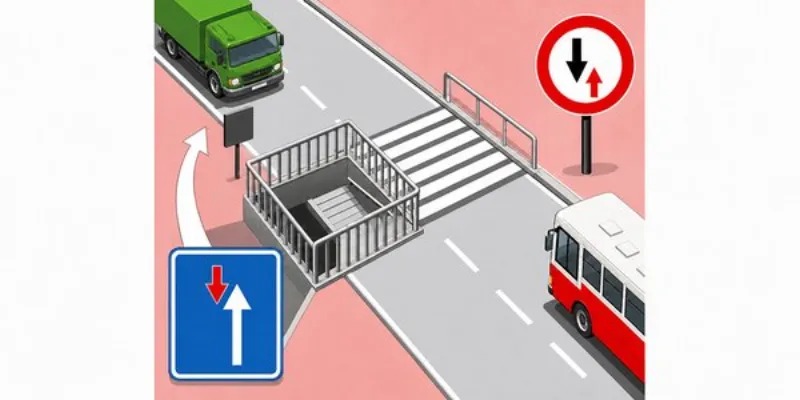
- The truck driver.
- The bus driver.
Correct answer: The truck driver. ABC · D/T
Why: Նեղ կամրջի մոտ բեռնատարի կողմից տեղադրված է
2.7 «Առավելություն հանդիպակաց երթևեկության նկատմամբ» նշանը, իսկ ավտոբուսի կողմից՝
2.6 «Հանդիպակաց երթևեկության առավելություն»։ Հետևաբար առաջնահերթությունը բեռնատարի վարորդինն է։
Signs in this question: 2.7, 2.6
In tests: ABC 16, D/T 49
26. On road sections with longitudinal grades indicated by the appropriate signs, if oncoming traffic is difficult, you must yield to:
- The vehicle proceeding downhill.
- The public transit vehicle.
- The vehicle proceeding uphill.
Correct answer: The vehicle proceeding uphill. ABC · D/T
Why: 1.13 «Կտրուկ վայրէջք» և
1.14 «Կտրուկ վերելք» նշաններով կահավորված թեքություններում, կետ 46-ով, անկախ խոչընդոտի դասավորությունից, ճանապարհը զիջում է վայրէջքով իջնողը. առավելությունը վերելքով բարձրացող տրանսպորտային միջոցինն է։
Signs in this question: 1.13, 1.14
In tests: ABC 38, D/T 46
27. Which vehicle has the right-of-way?
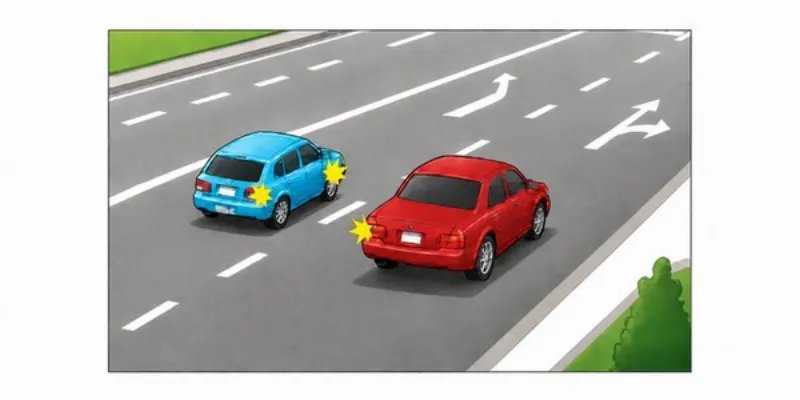
- The blue vehicle, because the red vehicle is changing its direction of movement to the left.
- The red vehicle, because during simultaneous lane changes it is on the right.
- The blue vehicle, because during simultaneous lane changes it is on the left.
Correct answer: The red vehicle, because during simultaneous lane changes it is on the right. ABC
Why: Կետ 39-ի համաձայն՝ համընթաց երթևեկող տրանսպորտային միջոցների միաժամանակյա վերադասավորման դեպքում ճանապարհը զիջում է ձախից ընթացողի վարորդը։ Կարմիր ավտոմոբիլն աջ կողմում է, ուստի առավելությունն իրենն է։
In tests: ABC 31
28. In populated areas, must drivers yield to public transit vehicles that are starting to move from designated and marked stops?
- Yes.
- No.
Correct answer: Yes. ABC · D/T
Why: Կետ 125-ով բնակավայրերում կահավորված և նշված կանգառի կետից երթևեկությունն սկսող ընդհանուր օգտագործման տրանսպորտային միջոցներն ունեն առավելություն, ուստի մյուս վարորդները պարտավոր են զիջել ճանապարհը։
In tests: ABC 17, D/T 5
29. Which vehicle driver must yield?
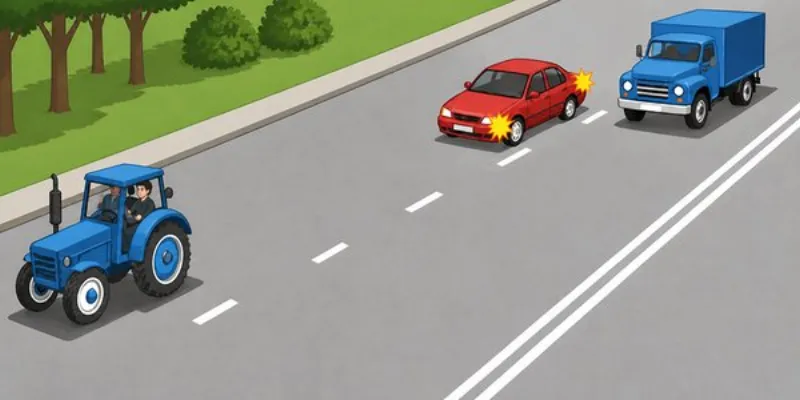
- The passenger-car driver.
- The truck driver.
Correct answer: The passenger-car driver. ABC
Why: Կարմիր թեթև մարդատարը վերադասավորվում է այն գոտի, որով առանց ուղղությունը փոխելու ընթանում է բեռնատարը։ Կետ 39-ով վերադասավորվող վարորդը պետք է ճանապարհը զիջի համընթաց, հարևան գոտիով ուղիղ երթևեկողներին, ուստի զիջում է թեթև մարդատարի վարորդը։
In tests: ABC 32
30. Which vehicle driver must yield?
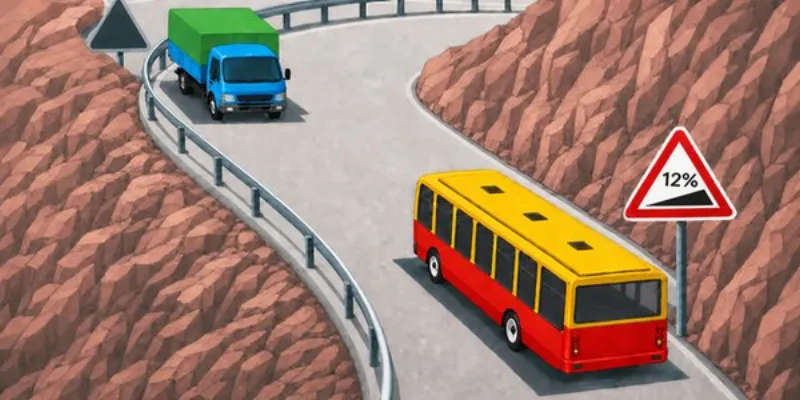
- The bus driver.
- The automobile driver.
Correct answer: The automobile driver. ABC · D/T
Why: Ճանապարհահատվածը կահավորված է
1.14 «Կտրուկ վերելք» նշանով. ավտոբուսը բարձրանում է, իսկ բեռնատարն իջնում է։ Կետ 46-ի համաձայն՝ նման հատվածներում, անկախ խոչընդոտի դասավորությունից, ճանապարհը զիջում է վայրէջքի ուղղությամբ ընթացող տրանսպորտային միջոցի վարորդը, այսինքն՝ բեռնատարի վարորդը։
Signs in this question: 1.14
In tests: ABC 42, ABC 50, D/T 54
31. Which vehicle driver must yield?
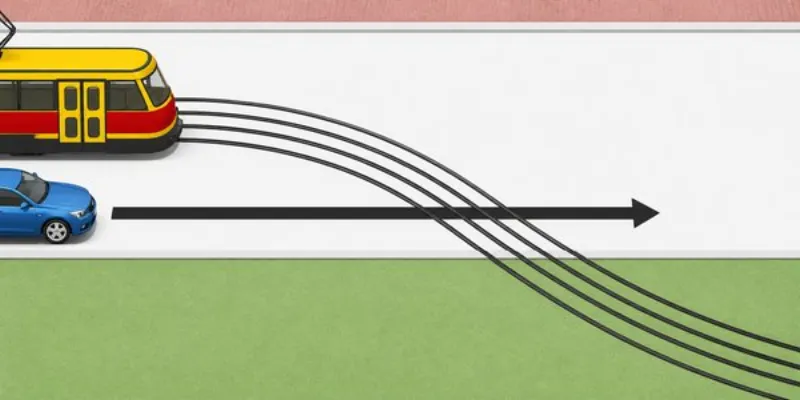
- The automobile driver.
- The tram operator.
Correct answer: The automobile driver. ABC · D/T
Why: Կետ 123-ի համաձայն՝ խաչմերուկներից դուրս, որտեղ տրամվայի գծերը հատում են երթևեկելի մասը, տրամվայն առավելություն ունի ոչ ռելսագնաց տրանսպորտային միջոցների նկատմամբ։ Ուստի ճանապարհը զիջում է ավտոմոբիլի վարորդը։
In tests: ABC 30, D/T 37
32. Indicate the order in which the vehicles should proceed through the intersection:
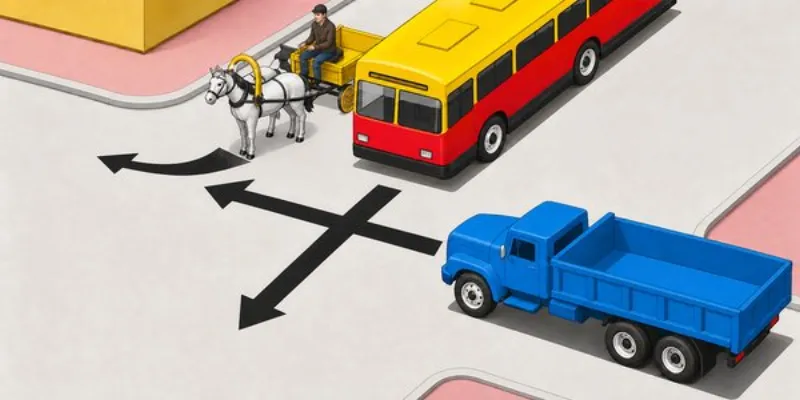
- The bus, the truck, then the animal-drawn cart.
- The bus and the animal-drawn cart, then the truck.
Correct answer: The bus and the animal-drawn cart, then the truck. ABC · D/T
Why: Հավասարազոր ճանապարհների խաչմերուկ է։ Ավտոբուսի և լծասայլի ուղիները չեն հատվում, ուստի նրանք անցնում են միաժամանակ, իսկ ձախ շրջադարձ կատարող բեռնատարը կետ 99-ի համաձայն զիջում է հանդիպակացից ուղիղ ընթացողին և կետ 98-ի համաձայն՝ աջից մոտեցողին, ուստի անցնում է վերջինը։
In tests: ABC 27, D/T 24
33. With oncoming traffic on a steep downgrade, you must yield to:
- The public transit vehicle.
- The vehicle proceeding uphill.
- The vehicle proceeding downhill.
Correct answer: The vehicle proceeding uphill. ABC · D/T
Why: Կտրուկ վայրէջքի վրա հանդիպակաց երթևեկության դեպքում կետ 46-ով ճանապարհը զիջում է վայրէջքով իջնողը. ճանապարհը զիջվում է վերև բարձրացող տրանսպորտային միջոցին։
Signs in this question: 1.13, 1.14
In tests: ABC 34, D/T 30
34. In populated areas, where there are three or more lanes for traffic in the same direction, are passenger cars permitted to use the far-left lane?
- Permitted when overtaking.
- Permitted when turning left or making a U-turn.
- Permitted in both of the above cases.
Correct answer: Permitted in both of the above cases. ABC
Why: Կետ 57-ով միևնույն ուղղությամբ երեք և ավելի գոտիների առկայության դեպքում ձախ եզրային գոտին թույլատրվում է զբաղեցնել ինտենսիվ երթևեկության ժամանակ, ինչպես նաև վազանց, ձախ շրջադարձ կամ հետադարձ կատարելիս։ Սահմանափակումը (միայն ձախ շրջադարձ կամ հետադարձ) վերաբերում է 3,5 տ-ից ծանր բեռնատարներին և կանոնավոր ուղևորափոխադրում իրականացնողներին, ոչ թե թեթև մարդատարներին։
In tests: ABC 18
35. On all roads, where there are three or more lanes for traffic in the same direction, are motorcycles permitted to use the far-left lane?
- Permitted when overtaking.
- Permitted when turning left or making a U-turn.
- Permitted in both of the above cases.
Correct answer: Permitted in both of the above cases. ABC
Why: Կետ 57-ը գործում է բոլոր ճանապարհներին. երեք և ավելի գոտիների դեպքում ձախ եզրային գոտին թույլատրվում է զբաղեցնել վազանց, ձախ շրջադարձ կամ հետադարձ կատարելիս։ Մոտոցիկլների համար լրացուցիչ սահմանափակում չկա, ուստի երկու դեպքում էլ թույլատրվում է։
In tests: ABC 15
36. In this situation, the driver of the white passenger car:
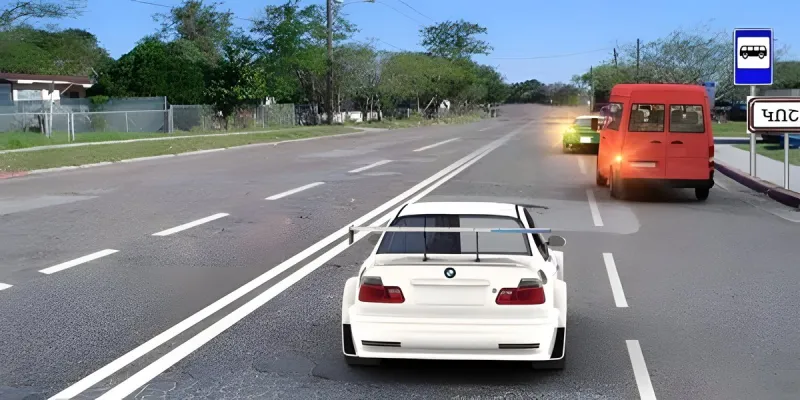
- Must yield to the fixed-route bus that is starting to move from the designated stop.
- Has the right-of-way because the fixed-route bus is changing lanes into the second lane.
Correct answer: Must yield to the fixed-route bus that is starting to move from the designated stop. ABC
Why: Երթուղային ավտոբուսը բնակավայրում սկսում է երթևեկությունը նշված կանգառի կետից (նշան
5.16)։ Կետ 125-ի համաձայն՝ նման դեպքում ավտոբուսն ունի երթևեկության առավելություն, ուստի սպիտակ թեթև մարդատարի վարորդը պետք է զիջի ճանապարհը։
Signs in this question: 5.16
In tests: ABC 19
37. Which vehicle driver has the right-of-way?
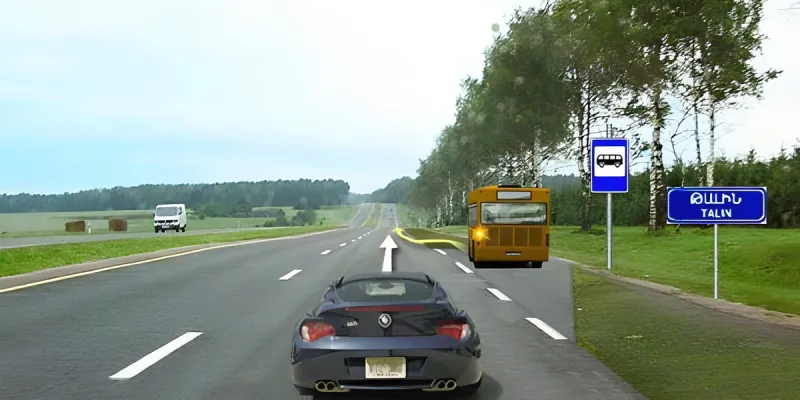
- The passenger-car driver.
- The fixed-route bus driver.
Correct answer: The passenger-car driver. ABC · D/T
Why: Կետ 125-ով սահմանված՝ կանգառից երթևեկությունն սկսող երթուղային ավտոբուսի առավելությունը գործում է միայն բնակավայրերում։ Այստեղ ճանապարհը բնակավայրից դուրս է (կապույտ
5.25 նշանը դեռ առջևում է), ուստի առաջնահերթությունը թեթև մարդատարի վարորդինն է։
Signs in this question: 5.16, 5.25
In tests: ABC 14, ABC 53, D/T 48
38. Which vehicle driver has the right-of-way in this situation?
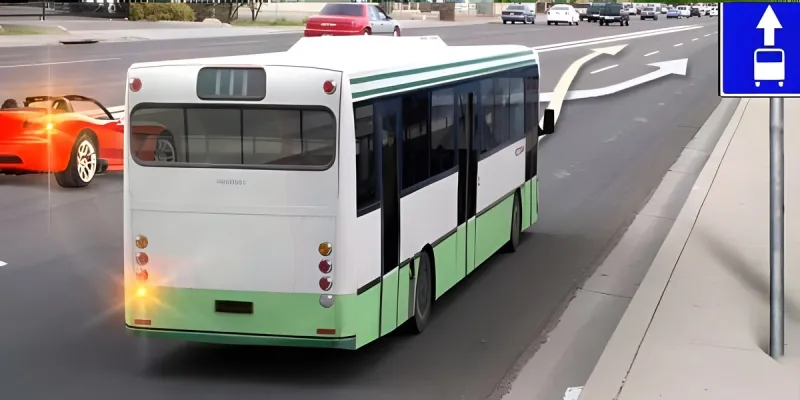
- The bus driver.
- The passenger-car driver.
- The passenger-car driver is not permitted to enter the right lane.
Correct answer: The bus driver. ABC · D/T
Why: Աջ գոտին ընդհանուր օգտագործման տրանսպորտային միջոցների գոտի է (նշան
5.14)։ Կետ 124-ի համաձայն՝ այլ տրանսպորտային միջոցներին այդ գոտով երթևեկելն արգելվում է, իսկ այնտեղ մուտք գործելիս նրանք պետք է ճանապարհը զիջեն ընդհանուր օգտագործման տրանսպորտային միջոցներին։ Առաջնահերթությունն ավտոբուսի վարորդինն է։
Signs in this question: 5.14
In tests: ABC 14, D/T 37
39. If you intend to proceed straight ahead, to which vehicle or vehicles must you yield?
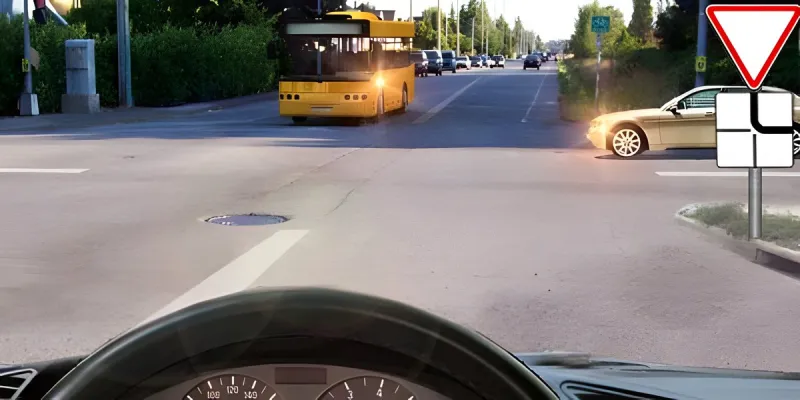
- Both vehicles.
- Only the bus.
- Only the passenger car.
- Neither vehicle.
Correct answer: Both vehicles. ABC
Why: Մեր ուղղությամբ տեղադրված է
2.4 «Զիջեք ճանապարհը» նշանը
8.13 «Գլխավոր ճանապարհի ուղղություն» ցուցանակով. գլխավոր ճանապարհն անցնում է ավտոբուսի և թեթև մարդատարի ուղղություններով։ Կետ 96-ի համաձայն՝ երկրորդական ճանապարհով մոտեցողը զիջում է գլխավոր ճանապարհով ընթացող բոլորին, ուստի զիջում ենք երկուսին։
Signs in this question: 2.4, 8.13
In tests: ABC 5
40. If you intend to proceed straight ahead, to whom must you yield?
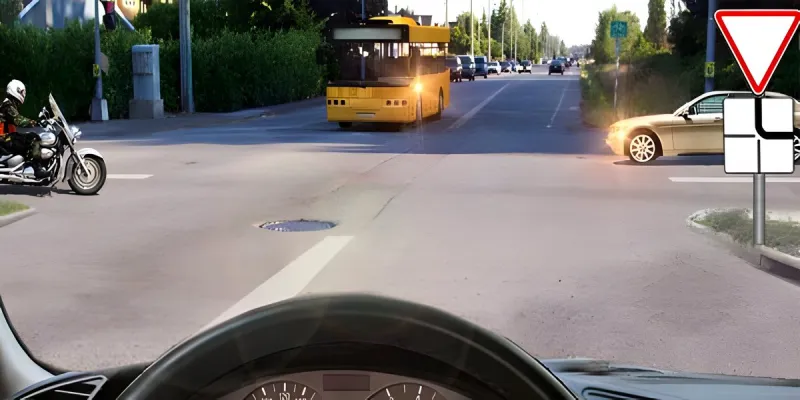
- Only the passenger car.
- Only the bus and the passenger car.
- All vehicles.
- Only the motorcycle.
Correct answer: Only the bus and the passenger car. ABC
Why: Մեր առջև
2.4 «Զիջեք ճանապարհը» նշանն է
8.13 ցուցանակով. գլխավոր ճանապարհն անցնում է դիմացի թևով (ավտոբուս) և թեքվում աջ (թեթև մարդատար), ուստի կետ 96-ով զիջում ենք երկուսին։ Մոտոցիկլը ձախ կողմի երկրորդական ճանապարհից է. երկրորդական ճանապարհների վարորդները միմյանց նկատմամբ ղեկավարվում են հավասարազոր խաչմերուկի կանոններով (կետ 97), և քանի որ նա մեր ձախից է, կետ 98-ով նա է զիջում մեզ։
Signs in this question: 2.4, 8.13
In tests: ABC 32
41. In this situation, must the motorcycle operator yield?
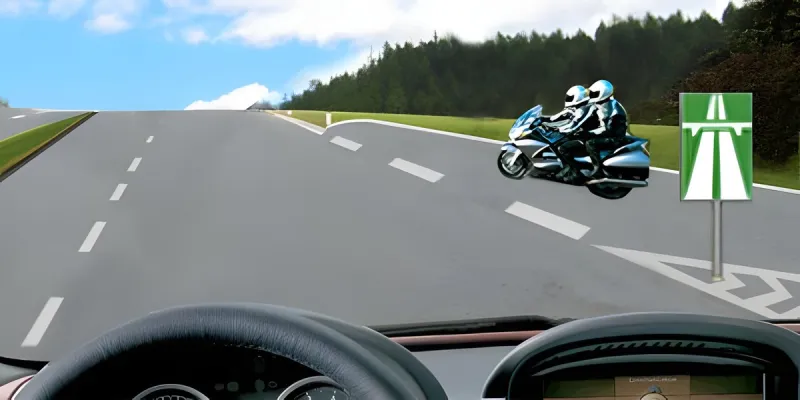
- No.
- Yes.
Correct answer: Yes. ABC
Why: Մոտոցիկլը ավտոմայրուղի (նշան
5.1) է մուտք գործում թափառքի գոտիով։ Կետ 47-ի համաձայն՝ նման դեպքում վարորդը պետք է շարունակի երթևեկել այդ գոտիով և վերադասավորվի հարևան գոտի՝ զիջելով ճանապարհով ընթացող տրանսպորտային միջոցներին։
Signs in this question: 5.1
In tests: ABC 1
42. In this situation, are you permitted to perform the indicated maneuver?
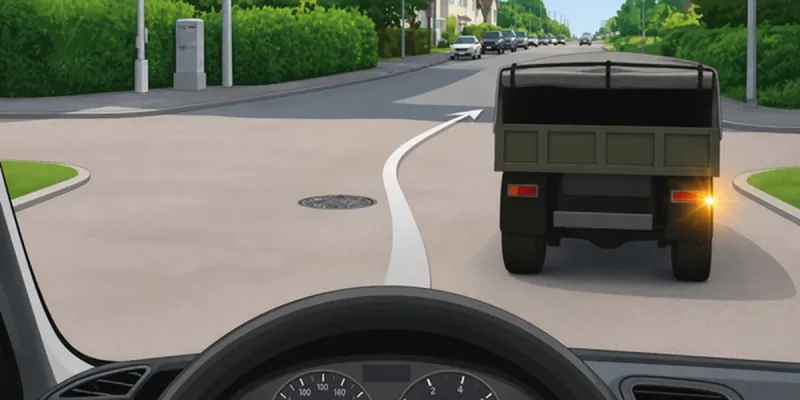
- Yes.
- No.
Correct answer: No. ABC · D/T
Why: Առջևից ընթացող բեռնատարը ձախ շրջադարձի ազդանշան է տալիս։ Կետ 73-ի համաձայն՝ վազանց սկսելուց առաջ վարորդը պետք է համոզվի, որ առջևից ընթացողը վազանցի, ձախ շրջադարձի կամ հետադարձի ազդանշան չի տվել, ուստի նշված մանևրի իրավունք չունեք։
In tests: ABC 20, ABC 55, D/T 26
43. You are proceeding straight ahead. To which vehicle or vehicles must you yield?
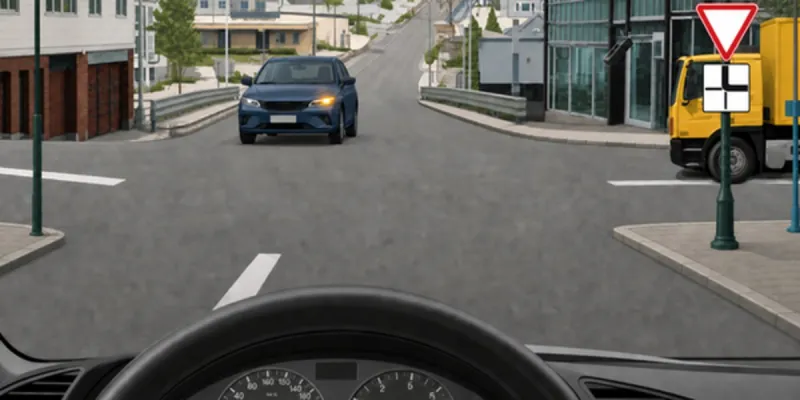
- Only the passenger car.
- The truck.
- Both vehicles.
- Neither vehicle.
Correct answer: Both vehicles. ABC · D/T
Why: Մեր ուղղությամբ տեղադրված է
2.4 «Զիջեք ճանապարհը» նշանը
8.13 «Գլխավոր ճանապարհի ուղղություն» ցուցանակով. թե՛ թեթև մարդատարը, թե՛ բեռնատարը գլխավոր ճանապարհով են ընթանում։ Կետ 96-ի համաձայն՝ զիջում ենք երկուսին։
Signs in this question: 2.4, 8.13
In tests: ABC 24, D/T 47
44. You are proceeding straight ahead. Must you yield to the passenger car?
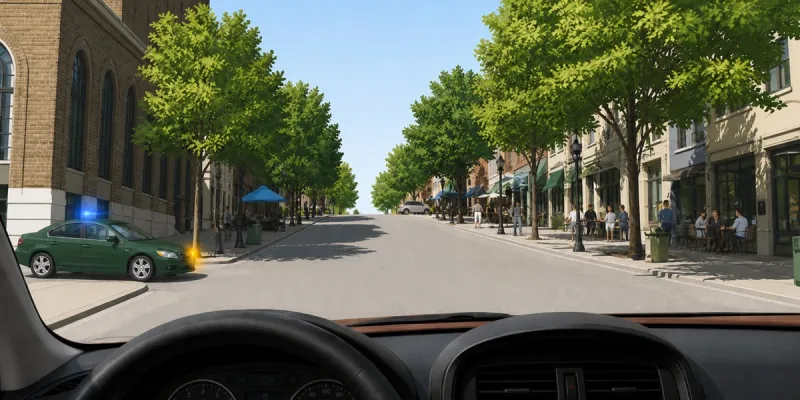
- Yes.
- No.
Correct answer: No. ABC · D/T
Why: Առավելության նշաններ չկան՝ հավասարազոր ճանապարհների խաչմերուկ, իսկ թեթև մարդատարը մոտենում է մեր ձախից, ուստի կետ 98-ով զիջում է նա։ Նրա վրա միացված է կապույտ փարոսիկ, բայց կետ 28-ով զիջել պարտավոր ենք միայն այն դեպքում, երբ միացված են և՛ կապույտ փարոսիկը, և՛ հատուկ ձայնային ազդանշանը, ուստի զիջելու պարտավորություն չունենք։
In tests: ABC 30, D/T 35, D/T 54
45. You are starting to move from the roadside. Must you yield to the passenger car making a U-turn?
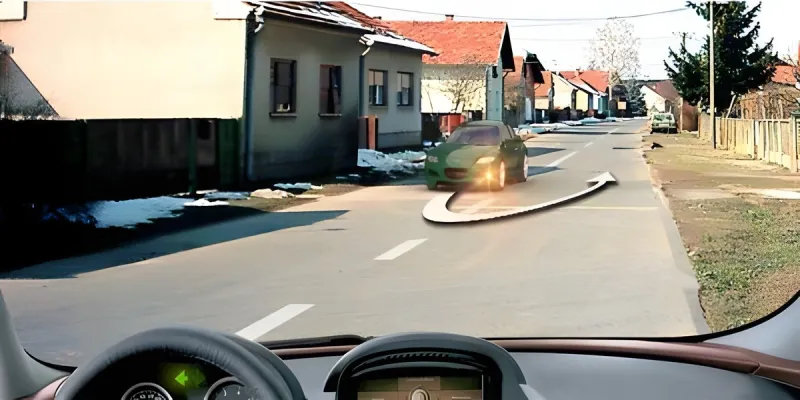
- Yes.
- No.
Correct answer: Yes. ABC · D/T
Why: Ճամփեզրից երթևեկությունն սկսելը վերադասավորում է երթևեկության գոտի։ Կետ 39-ի համաձայն՝ վերադասավորվող վարորդը զիջում է այդ գոտիով երթևեկողներին, այդ թվում՝ հետադարձն ավարտող թեթև մարդատարին, իսկ կետ 36-ի համաձայն՝ ազդանշան տալն առավելություն չի տալիս։
In tests: ABC 7, D/T 31
46. You are proceeding straight ahead. To which vehicle or vehicles must you yield?
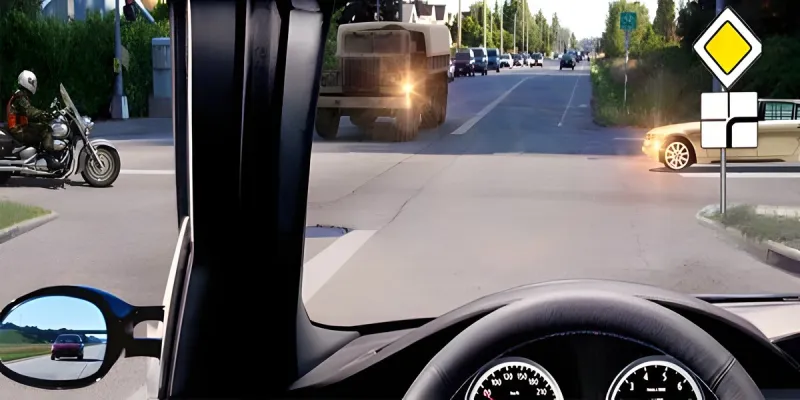
- Only the passenger car.
- No one.
- Only the passenger car and the motorcycle.
- All vehicles.
Correct answer: Only the passenger car. ABC · D/T
Why: Մենք գլխավոր ճանապարհով ենք (նշան
2.1), իսկ
8.13 ցուցանակը ցույց է տալիս, որ գլխավոր ճանապարհը թեքվում է դեպի աջ։ Կետ 97-ի համաձայն՝ գլխավոր ճանապարհով ընթացողները միմյանց նկատմամբ ղեկավարվում են հավասարազոր խաչմերուկի կանոններով, ուստի կետ 98-ով զիջում ենք աջից մոտեցող թեթև մարդատարին։ Բեռնատարն ու մոտոցիկլը երկրորդական ճանապարհով են և կետ 96-ով զիջում են մեզ։
Signs in this question: 2.1, 8.13
In tests: ABC 40, D/T 42
47. If you intend to make a left turn, to which vehicle or vehicles must you yield?
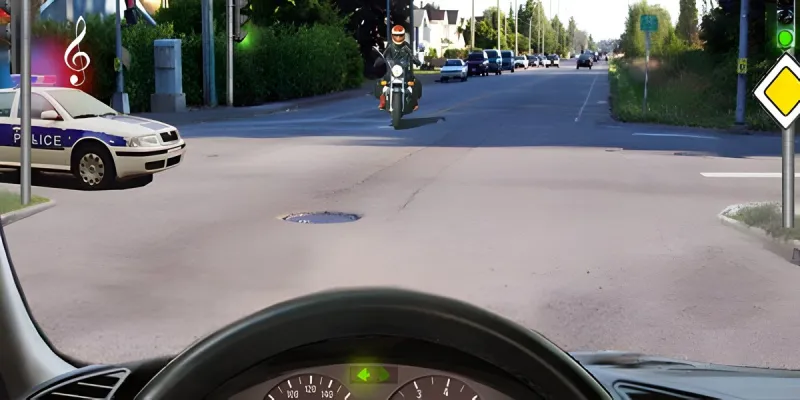
- The motorcycle.
- The patrol vehicle.
- All vehicles.
Correct answer: All vehicles. ABC · D/T
Why: Լուսացույցի կանաչ ազդանշան է վառվում, ուստի խաչմերուկը կարգավորվող է, և
2.1 «Գլխավոր ճանապարհ» նշանը չի գործում (կետ 173)։ Ձախ շրջադարձ կատարելիս կետ 90-ի համաձայն զիջում ենք հանդիպակացից ուղիղ ընթացող մոտոցիկլին, իսկ կետ 28-ի համաձայն՝ կապույտ առկայծող փարոսիկով պարեկային ավտոմոբիլին։ Այսինքն՝ բոլորին։
Signs in this question: 2.1
In tests: ABC 47, D/T 28
48. If you intend to make a U-turn at the intersection, to which vehicle or vehicles must you yield?
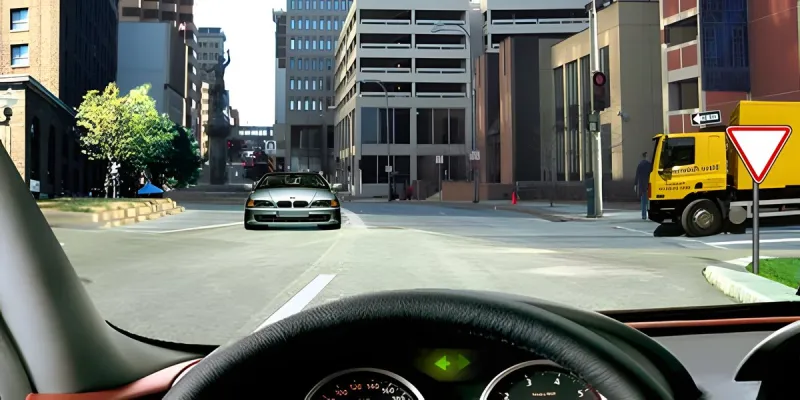
- The passenger car.
- All vehicles.
- The truck.
Correct answer: All vehicles. ABC · D/T
Why: Լուսացույցն անջատված է, ուստի կետ 95-ի համաձայն խաչմերուկը չկարգավորվող է և գործում է
2.4 «Զիջեք ճանապարհը» նշանը։ Հետադարձ կատարելիս զիջում ենք գլխավոր ճանապարհով ընթացող բեռնատարին (կետ 96) և հանդիպակացից ուղիղ ընթացող թեթև մարդատարին (կետ 99), այսինքն՝ բոլորին։
Signs in this question: 2.4
In tests: ABC 23, D/T 38
49. If you intend to make a left turn at the intersection, to which vehicle or vehicles must you yield?
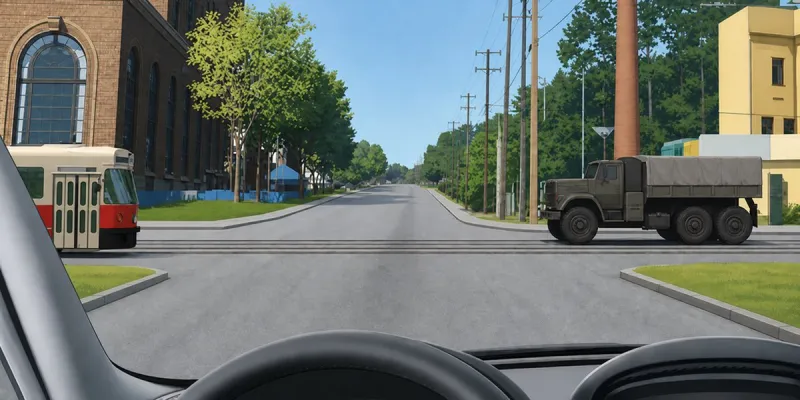
- The truck.
- All vehicles.
- No one.
Correct answer: All vehicles. ABC · D/T
Why: Առավելության նշաններ չկան՝ հավասարազոր ճանապարհների խաչմերուկ է։ Կետ 98-ի համաձայն՝ տրամվայն առավելություն ունի ոչ ռելսագնաց տրանսպորտային միջոցների նկատմամբ, իսկ աջից մոտեցող բեռնատարին նույնպես զիջում ենք։ Ձախ շրջադարձ կատարելիս զիջում ենք բոլորին։
In tests: ABC 12, D/T 11
50. If you intend to make a left turn at the intersection, to which vehicle or vehicles must you yield?
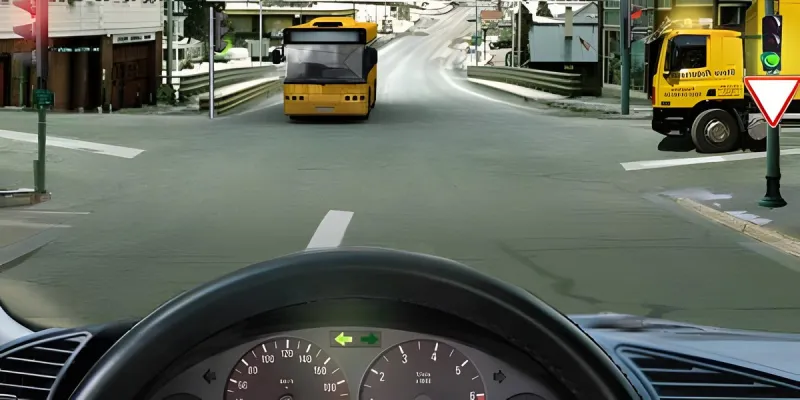
- No one.
- Only the bus.
- Only the truck with the flashing beacon activated.
- All vehicles.
Correct answer: Only the bus. ABC
Why: Լուսացույցի կանաչ ազդանշանն է վառվում, ուստի
2.4 «Զիջեք ճանապարհը» նշանը չի գործում (կետ 173)։ Ձախ շրջադարձ կատարելիս կետ 90-ի համաձայն զիջում ենք միայն հանդիպակացից ուղիղ ընթացող ավտոբուսին։ Կողային ճանապարհի բեռնատարի դեղին փարոսիկն առավելություն չի տալիս (կետ 32)։
Signs in this question: 2.4
In tests: ABC 5
51. If you intend to make a U-turn at the intersection, to which vehicle or vehicles must you yield?
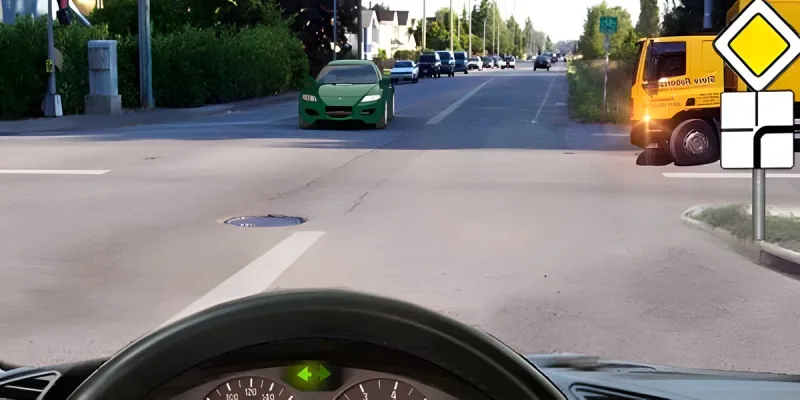
- The truck.
- The passenger car.
- All vehicles.
- No one.
Correct answer: The truck. ABC · D/T
Why: Մենք գլխավոր ճանապարհով ենք (նշան
2.1), որը
8.13 ցուցանակի համաձայն թեքվում է դեպի աջ։ Կետ 97-ի համաձայն՝ գլխավոր ճանապարհով ընթացողները միմյանց նկատմամբ ղեկավարվում են հավասարազոր խաչմերուկի կանոններով, ուստի հետադարձ կատարելիս զիջում ենք աջից մոտեցող բեռնատարին (կետ 98)։ Հանդիպակաց թեթև մարդատարը երկրորդական ճանապարհով է և զիջում է մեզ (կետ 96)։
Signs in this question: 2.1, 8.13
In tests: ABC 18, D/T 29
52. If you intend to make a left turn, to which vehicle or vehicles must you yield?
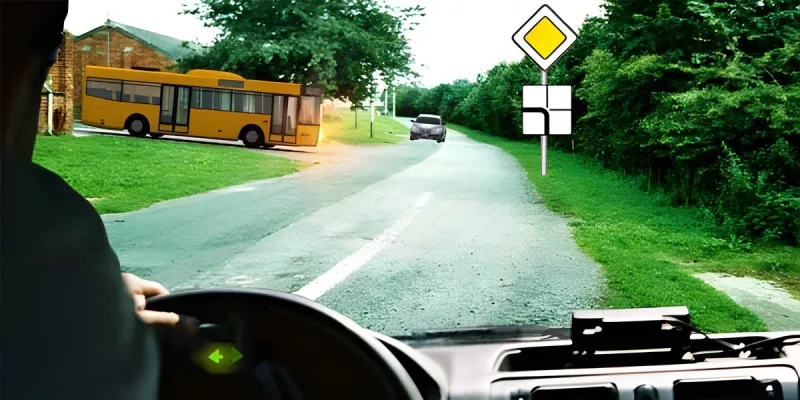
- The bus.
- The bus and the passenger car.
- The passenger car.
- No one.
Correct answer: No one. ABC · D/T
Why: 2.1 «Գլխավոր ճանապարհ» նշան
8.13 ցուցանակով. գլխավոր ճանապարհը թեքվում է ձախ՝ մեր շրջադարձի ուղղությամբ։ Հանդիպակաց մեքենան երկրորդական ճանապարհի վրա է և զիջում է մեզ (կետ 96)։ Ավտոբուսը նույնպես գլխավոր ճանապարհին է, բայց մոտենում է մեր ձախից, ուստի թեքվող գլխավոր ճանապարհի կանոնով (կետ 97, 98) զիջում է մեզ։ Ոչ մեկին չենք զիջում։
Signs in this question: 2.1, 8.13
In tests: ABC 45, D/T 10
53. If you intend to make a right turn, must you yield to the passenger car?
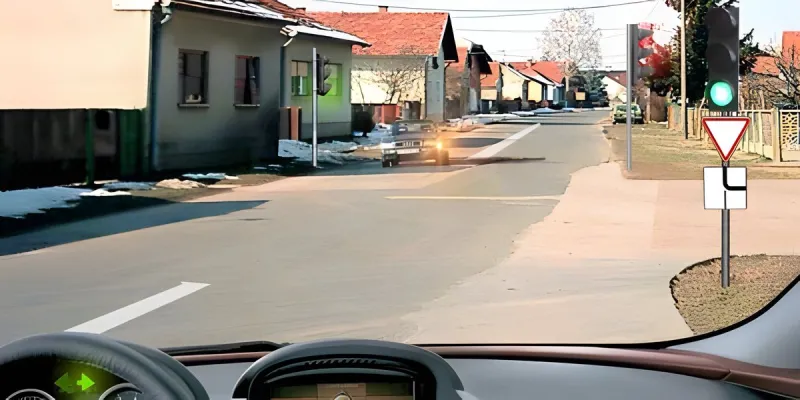
- Yes.
- No.
Correct answer: No. ABC · D/T
Why: Լուսացույցի կանաչ ազդանշանն է վառվում, ուստի խաչմերուկը կարգավորվող է, և
2.4 «Զիջեք ճանապարհը» նշանը
8.13 ցուցանակով չի գործում (կետ 173)։ Կետ 90-ի համաձայն՝ ձախ շրջադարձ կատարող հանդիպակաց թեթև մարդատարն է զիջում մեզ, ուստի աջ շրջադարձ կատարելիս զիջելու պարտավորություն չունենք։
Signs in this question: 2.4, 8.13
In tests: ABC 45, ABC 52, D/T 33
54. If you intend to make a right turn, to which vehicle or vehicles must you yield?
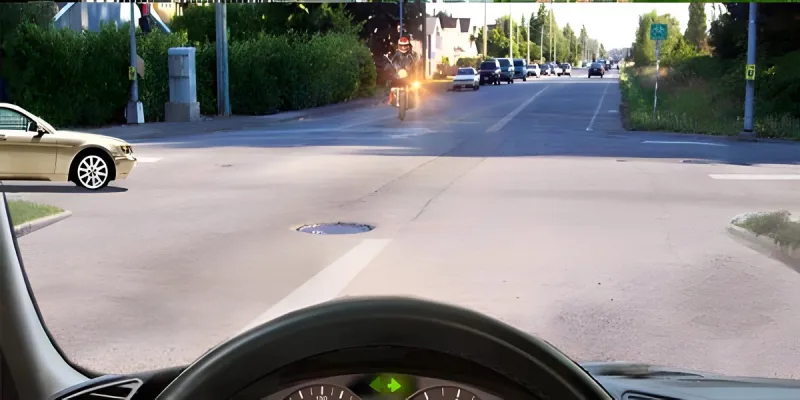
- No one.
- The passenger car.
- The motorcycle and the passenger car.
Correct answer: No one. ABC · D/T
Why: Հավասարազոր ճանապարհների խաչմերուկ է։ Ձախից մոտեցող թեթև մարդատարը կետ 98-ի համաձայն զիջում է մեզ, իսկ ձախ շրջադարձ կատարող հանդիպակաց մոտոցիկլը կետ 99-ի համաձայն զիջում է դեպի աջ ընթացողին։ Աջ շրջադարձ կատարելիս ոչ մեկին զիջելու պարտավորություն չունենք։
In tests: ABC 33, D/T 51
55. In this situation, must we yield to the driver of the automobile approaching in the oncoming lane?
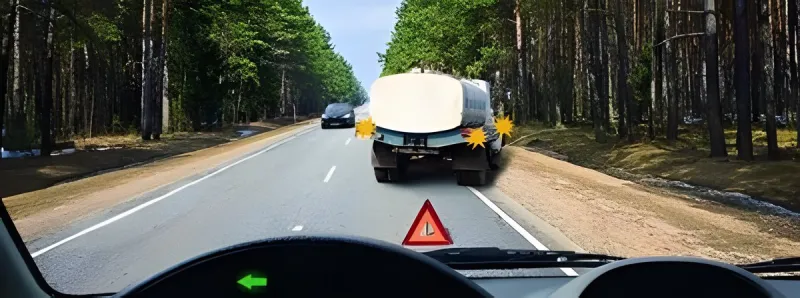
- Yes.
- No.
Correct answer: Yes. ABC · D/T
Why: Խափանված բեռնատարը (վթարային ազդանշան, «Վթարային կանգառ» նշան) մեր կողմում է, և այն շրջանցելու համար պետք է դուրս գալ հանդիպակաց գոտի։ Կետ 46-ի համաձայն՝ եթե հանդիպակաց երթևեկությունը դժվարացած է, ճանապարհը զիջում է իր առջևում խոչընդոտ ունեցող վարորդը, այսինքն՝ մենք։
In tests: ABC 27, D/T 16
56. In this situation, you must:
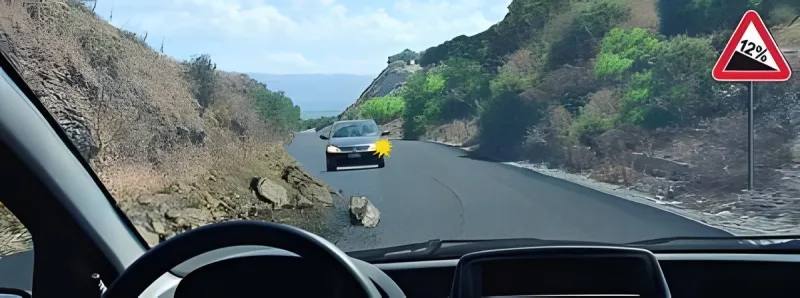
- Yield.
- Proceed first.
Correct answer: Yield. ABC · D/T
Why: Մեր ուղղությամբ տեղադրված է
1.13 «Կտրուկ վայրէջք» նշանը. մենք իջնում ենք, հանդիպակաց ավտոմոբիլը բարձրանում է։ Կետ 46-ի համաձայն՝
1.13 և
1.14 նշաններով կահավորված հատվածներում, անկախ խոչընդոտի դասավորությունից, ճանապարհը զիջում է վայրէջքի ուղղությամբ ընթացողը, ուստի պարտավոր ենք զիջել։
Signs in this question: 1.13
In tests: ABC 35, D/T 6
57. In this situation:
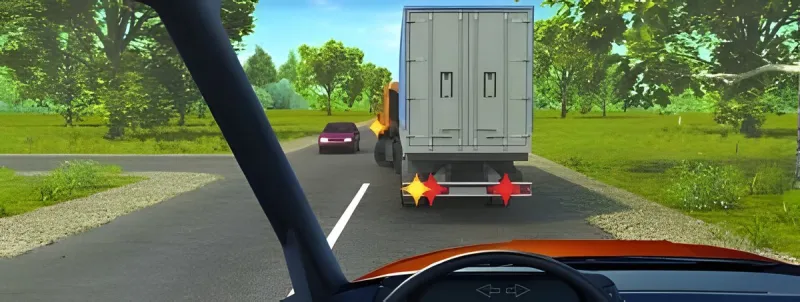
- We may go around the truck on the right using the shoulder.
- We may continue only after the truck has passed.
- Both actions are permitted.
Correct answer: We may continue only after the truck has passed. ABC · D/T
Why: Բեռնատարն աջ կողմից շրջանցելու համար պետք է դուրս գալ կողնակ, իսկ կետ 61-ն արգելում է տրանսպորտային միջոցների երթևեկությունը կողնակներով։ Կետ 74-ը ձախ շրջադարձի ազդանշան տված տրանսպորտային միջոցին աջից վազանցել թույլատրում է միայն երթևեկելի մասով, ուստի պետք է շարունակել երթևեկությունը միայն բեռնատարի անցումից հետո։
In tests: ABC 21, D/T 7
58. In this situation:
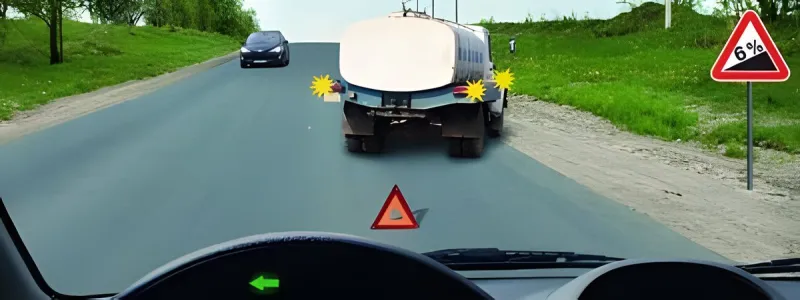
- You must yield.
- You may proceed first.
Correct answer: You may proceed first. ABC · D/T
Why: Մեր ուղղությամբ տեղադրված է
1.14 «Կտրուկ վերելք» նշանը. մենք բարձրանում ենք, հանդիպակաց ավտոմոբիլն իջնում է։ Կետ 46-ի համաձայն՝
1.13 և
1.14 նշաններով կահավորված հատվածներում, անկախ խոչընդոտի դասավորությունից, զիջում է վայրէջքի ուղղությամբ ընթացողը, ուստի, չնայած խափանված բեռնատարը մեր կողմում է, կարող ենք առաջինն անցնել։
Signs in this question: 1.14
In tests: ABC 28, D/T 36
59. In this situation, when proceeding straight ahead, it is permitted to:
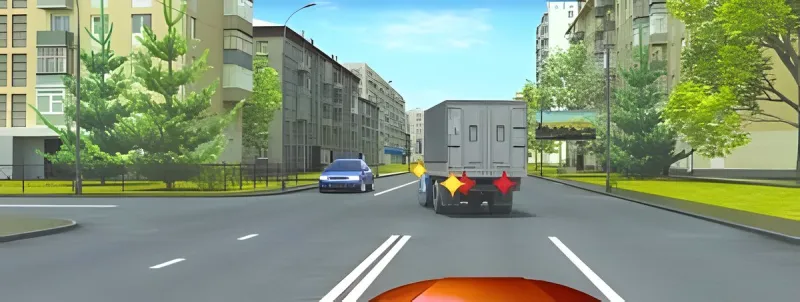
- Go around the truck on the right.
- Continue only after the truck has passed.
- Both of the above are permitted.
Correct answer: Both of the above are permitted. ABC · D/T
Why: Ձախ գոտու բեռնատարը ձախ շրջադարձի ազդանշան է տվել և սկսել մանևրը։ Կետ 74-ի համաձայն՝ նման տրանսպորտային միջոցին թույլատրվում է անցնել աջից, իսկ սեփական գոտիով անցնելը կողանցում է (կետ 3), ուստի թույլատրելի է թե՛ աջից շրջանցելը, թե՛ բեռնատարի անցումը սպասելը։
In tests: ABC 23, D/T 21
60. In this situation:
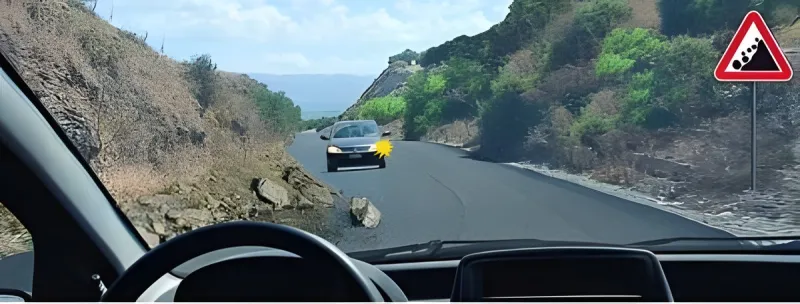
- We must yield.
- We have the right-of-way.
Correct answer: We have the right-of-way. ABC · D/T
Why: 1.28 «Քարերի անկում» նշանը նախազգուշացնում է, իսկ ընկած քարերը հանդիպակաց ավտոմոբիլի կողմում են։ Կետ 46-ով, եթե հանդիպակաց երթևեկությունը դժվարացած է, ճանապարհը զիջում է իր առջևում խոչընդոտ ունեցող վարորդը, ուստի առաջնահերթության իրավունքը մերն է։
Signs in this question: 1.28
In tests: ABC 22, D/T 15
61. Along which path is it permitted to approach the pedestrian waiting at the curb?
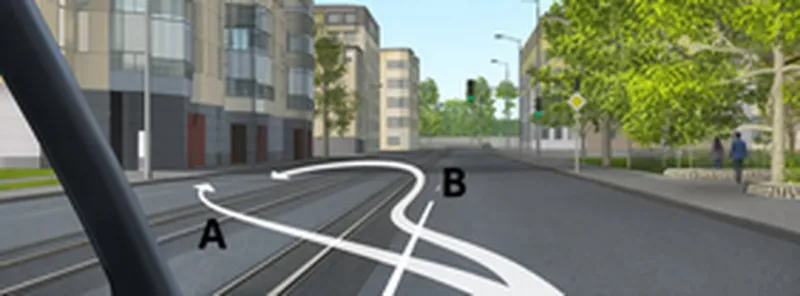
- Only A.
- Only B.
- Both paths are permitted.
Correct answer: Only B. ABC · D/T
Why: Երթևեկելի մասի ձախ կողմում նույն մակարդակի վրա համընթաց ուղղության տրամվայի գծեր են, իսկ
5.15.1,
5.15.2 նշաններ կամ
1.18 գծանշում չկան։ Կետ 40-ով նման դեպքում հետադարձը պետք է կատարվի տրամվայի գծերի վրայից, ուստի մայթեզրին սպասող հետիոտնին կարելի է մոտենալ միայն B հետագծով։ A հետագիծը հետադարձը սկսում է գծերից դուրս։
In tests: ABC 8, D/T 22
62. When entering the road in this situation, we must yield to:
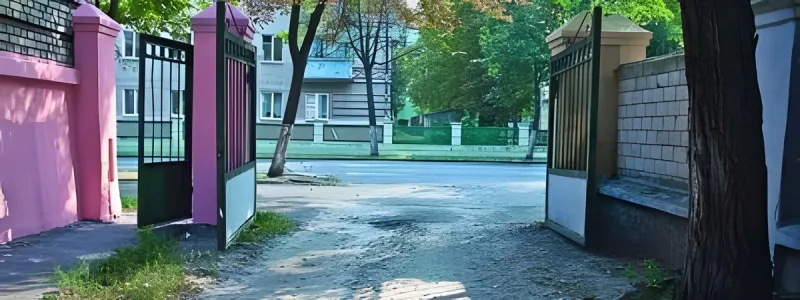
- Drivers approaching from the right.
- All drivers.
- Drivers and pedestrians.
Correct answer: Drivers and pedestrians. ABC
Why: Կետ 38-ի համաձայն՝ մերձակա տարածքից (բակից) ճանապարհ դուրս գալիս վարորդը պետք է ճանապարհը զիջի դրանով երթևեկող բոլոր տրանսպորտային միջոցներին և խոչընդոտ չստեղծի հետիոտների համար։
In tests: ABC 11, ABC 53
63. In this situation, who must yield?
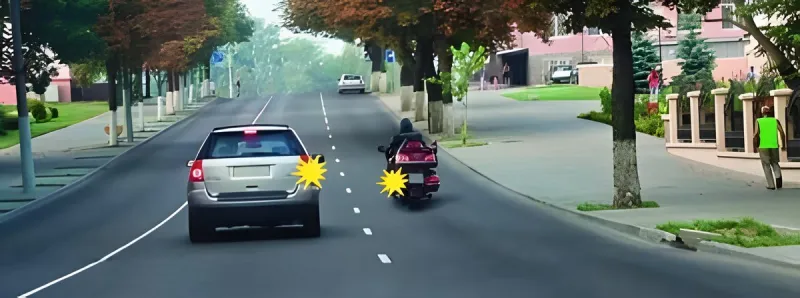
- The passenger-car driver.
- The motorcycle operator.
Correct answer: The passenger-car driver. ABC
Why: Թեթև մարդատարը վերադասավորվում է աջ գոտի, որով ուղիղ ընթանում է մոտոցիկլը։ Կետ 39-ի համաձայն՝ վերադասավորման ժամանակ վարորդը պետք է ճանապարհը զիջի հարևան գոտիով առանց ուղղությունը փոխելու երթևեկողներին, ուստի զիջում է թեթև մարդատարի վարորդը։
In tests: ABC 40
64. Along which path is the U-turn permitted?
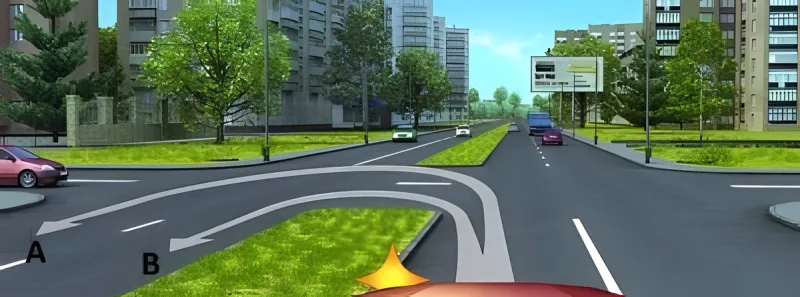
- Only A.
- Only B.
- Both paths are permitted.
Correct answer: Only A. ABC · D/T
Why: Բաժանարար գոտով ճանապարհին հետադարձը կատարվում է ձախ եզրային գոտուց՝ բաժանարար գոտու բացվածքով, այնպես, որ երթևեկելի մասերի փոխհատումից դուրս գալիս տրանսպորտային միջոցը չհայտնվի հանդիպակաց կողմում (կետեր 40 և 41)։ B հետագիծը հատում է բաժանարար գոտին, ուստի թույլատրված է միայն A հետագիծը։
In tests: ABC 37, D/T 23
65. In which image does the driver of the blue automobile have the right-of-way over the other driver?
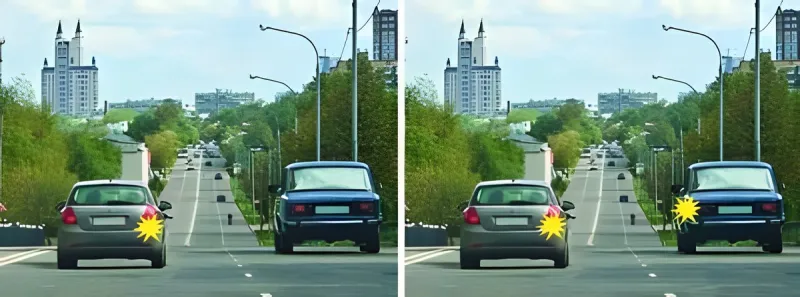
- The left image.
- The right image.
- Both images.
Correct answer: Both images. ABC
Why: Երկու նկարում էլ կապույտ և մյուս ավտոմոբիլները միաժամանակ վերադասավորվում են, և կապույտն աջ կողմում է։ Կետ 39-ի համաձայն՝ միաժամանակյա վերադասավորման դեպքում ճանապարհը զիջում է ձախից ընթացողի վարորդը, ուստի կապույտ ավտոմոբիլի վարորդն առավելություն ունի երկու իրավիճակում էլ։
In tests: ABC 39
66. A U-turn at the indicated location is:
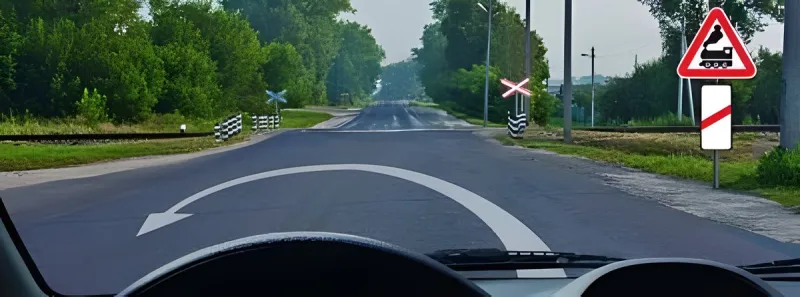
- Permitted if no train is approaching.
- Permitted.
- Prohibited.
Correct answer: Permitted. ABC · D/T
Why: Կետ 50-ի համաձայն՝ հետադարձն արգելվում է երկաթուղային գծանցներում։ Նշված հետադարձը կատարվում է գծանցից առաջ (նշաններ
1.2 «Երկաթուղային գծանց առանց ուղեփակոցի»,
1.4.3 «Մոտեցում երկաթուղային գծանցին»,
1.3.1), ոչ թե գծանցի վրա, ուստի թույլատրվում է։
Signs in this question: 1.2, 1.4.3, 1.3.1
In tests: ABC 25, D/T 49
67. Along which path is the right turn permitted?
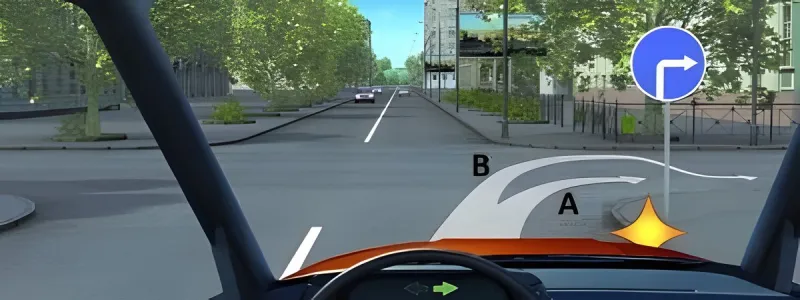
- Only A.
- Only B.
- Both paths are permitted.
Correct answer: Only A. ABC · D/T
Why: Կետ 41-ի համաձայն՝ աջ շրջադարձի ժամանակ տրանսպորտային միջոցը պետք է երթևեկի երթևեկելի մասի աջ եզրին հնարավորին չափ մոտ, ուստի թույլատրված է միայն A հետագիծը (
4.1.2 «Երթևեկությունը դեպի աջ» նշանի ուղղությամբ)։
Signs in this question: 4.1.2
In tests: ABC 47, D/T 20
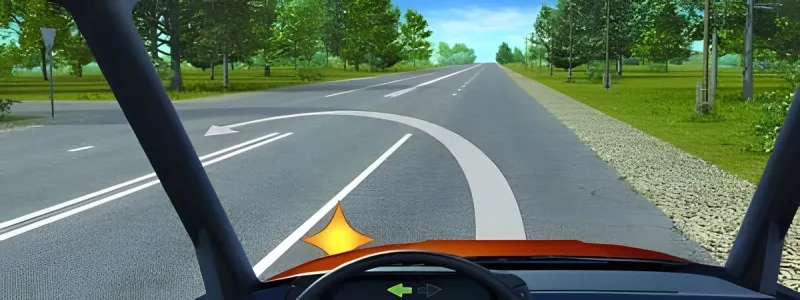
68. Making a U-turn in the indicated manner at this intersection is:
- Permitted.
- Prohibited.
Correct answer: Prohibited. ABC · D/T
Why: Հետադարձի հետագիծը հատում է հանդիպակաց հոսքերը բաժանող
1.3 կրկնակի հոծ գիծը։ Հոծ գծերը (
1.1,
1.3) հատել արգելվում է, ուստի նշված եղանակով հետադարձը չի թույլատրվում։ Կետ 60-ով միայն ընդհատվող գծերն են հատվում՝ վերադասավորվելիս։
In tests: ABC 41, D/T 26
69. Which vehicle driver must yield?
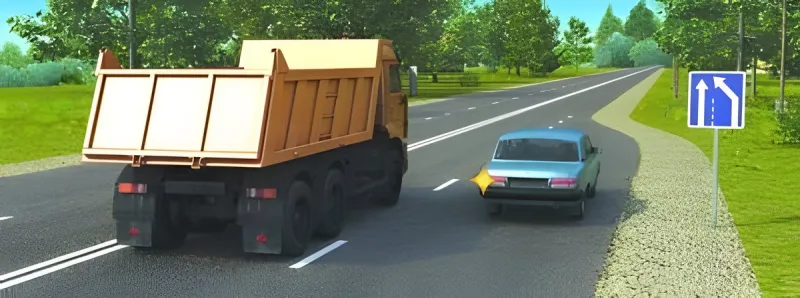
- The truck driver.
- The passenger-car driver.
Correct answer: The passenger-car driver. ABC
Why: Նշան
5.15.5 «Գոտու վերջ»-ը ցույց է տալիս, որ թեթև մարդատարի աջ գոտին ավարտվում է, և նա պետք է վերադասավորվի ձախ։ Կետ 39-ի համաձայն՝ վերադասավորվող վարորդը զիջում է հարևան գոտիով ուղիղ ընթացող բեռնատարին։
Signs in this question: 5.15.5
In tests: ABC 2, ABC 52
70. Along which path is the driver permitted to make a U-turn?
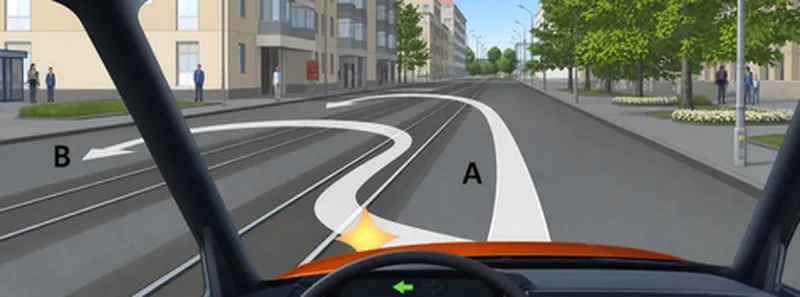
- Only A.
- Only B.
- Any of the paths.
Correct answer: Only B. ABC · D/T
Why: Ձախ կողմում, նույն մակարդակի վրա, համընթաց ուղղության տրամվայի գծեր են, իսկ
5.15.1,
5.15.2 նշաններ կամ
1.18 գծանշում չկա։ Կետ 40-ի համաձայն՝ նման դեպքում հետադարձը պետք է կատարվի տրամվայի գծերի վրայից՝ B հետագծով, առանց տրամվային խոչընդոտելու։
In tests: ABC 10, D/T 31
71. In which direction or directions may the passenger-car driver continue from this lane?
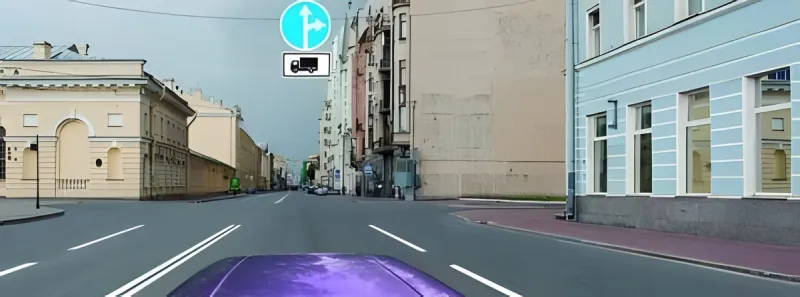
- Straight ahead only.
- Straight ahead and to the right.
- In any direction.
- Straight ahead, to the left, and by making a U-turn.
Correct answer: Straight ahead, to the left, and by making a U-turn. ABC
Why: 4.1.4 «Երթևեկությունն ուղիղ կամ դեպի աջ» նշանը
8.4.1 ցուցանակով վերաբերում է միայն 3,5 տ-ից ավելի զանգվածով բեռնատարներին, ուստի թեթև մարդատարի վրա չի տարածվում։ Թեթև մարդատարը ձախ գոտում է, իսկ կետ 40-ով աջ շրջադարձը կատարվում է միայն աջ եզրային գոտուց, ուստի այս գոտուց թույլատրվում է ուղիղ, դեպի ձախ և հետադարձ։
Signs in this question: 4.1.4, 8.4.1
In tests: ABC 10
72. When making a right turn onto the road adjoining from the right, the driver must:
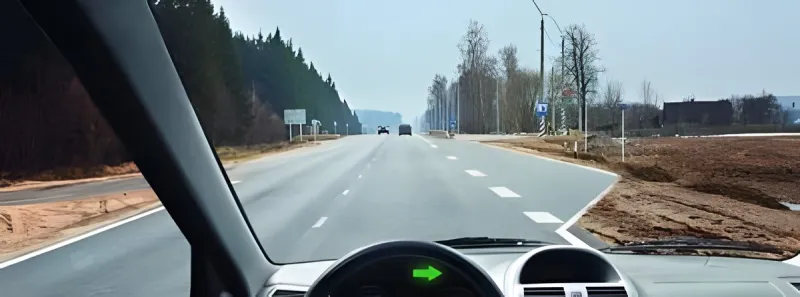
- Continue in this lane and make the turn only from this lane.
- Change to the deceleration lane and make the turn only from that lane.
- Both options are correct.
Correct answer: Change to the deceleration lane and make the turn only from that lane. ABC · D/T
Why: Կետ 47-ի համաձայն՝ արգելակման գոտու առկայության դեպքում շրջադարձ կատարելու մտադրություն ունեցող վարորդը պետք է նախապես վերադասավորվի այդ գոտի և միայն այնտեղ իջեցնի արագությունը, ուստի աջ շրջադարձը կատարվում է միայն արգելակման գոտուց։
In tests: ABC 48, D/T 25
73. When turning left into a yard, to whom must the driver yield?
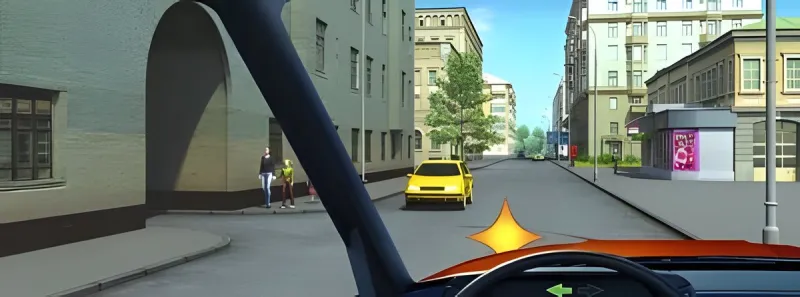
- Only to the driver of the automobile proceeding in the opposite direction.
- To the driver and the pedestrians.
- To no one.
Correct answer: To the driver and the pedestrians. ABC
Why: Խաչմերուկից դուրս ձախ շրջադարձի ժամանակ կետ 44-ով զիջում ենք հանդիպակաց տրանսպորտային միջոցներին, իսկ կետ 38-ով մերձակա տարածք (բակ) մուտք գործելիս խոչընդոտ չենք ստեղծում հետիոտների համար, ուստի զիջում ենք և՛ վարորդին, և՛ հետիոտներին։
In tests: ABC 3
74. A U-turn at this intersection is:
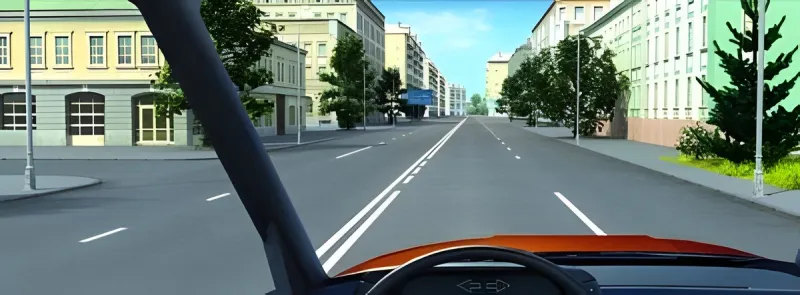
- Permitted.
- Prohibited.
Correct answer: Permitted. ABC · D/T
Why: Կետ 50-ը թվարկում է հետադարձն արգելող տեղերը, և խաչմերուկն այդ ցանկում չկա, իսկ
1.3 կրկնակի հոծ գիծը խաչմերուկից առաջ ընդհատվում է։ Ուստի այս խաչմերուկում հետադարձը թույլատրված է։
In tests: ABC 23, D/T 29
75. Must the passenger-car driver yield to the driver of the truck crane changing into the passenger car’s lane?
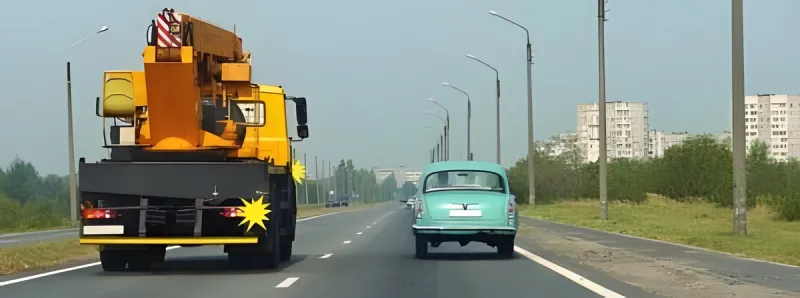
- Yes, if the truck crane is equipped with orange flashing beacons.
- Yes.
- No.
Correct answer: No. ABC
Why: Կետ 32-ի համաձայն՝ նարնջագույն առկայծող փարոսիկը երթևեկության առավելություն չի տալիս, իսկ կետ 39-ի համաձայն՝ վերադասավորվող ավտոկռունկի վարորդն ինքը պետք է զիջի գոտիով ընթացող թեթև մարդատարին։ Ուստի թեթև մարդատարի վարորդը զիջելու պարտավորություն չունի։
In tests: ABC 36, ABC 51
76. Is a U-turn permitted at this location?
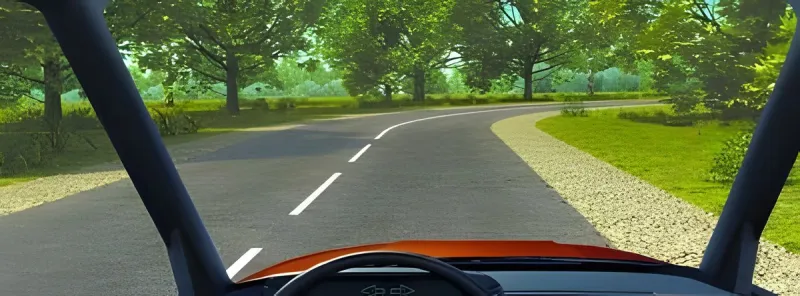
- Yes.
- Permitted if visibility is 100 m or more.
- No.
Correct answer: Permitted if visibility is 100 m or more. ABC · D/T
Why: Կետ 50-ի համաձայն՝ հետադարձն արգելվում է ճանապարհի թեկուզ մեկ ուղղությամբ 100 մ-ից պակաս տեսանելիության տեղերում, ուստի այս վայրում այն թույլատրվում է, եթե տեսանելիությունը 100 մ և ավելի է։
In tests: ABC 5, D/T 53
77. After completing the pass, must the passenger-car driver change back to the rightmost lane?
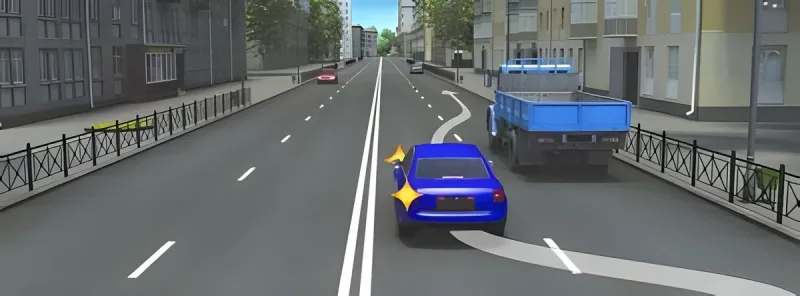
- No, if the passing maneuver is performed in a populated area.
- Yes.
- No.
Correct answer: No, if the passing maneuver is performed in a populated area. ABC
Why: Կետ 56-ի համաձայն՝ բնակավայրերում վարորդները կարող են երթևեկել իրենց համար հարմար գոտիով, ուստի վազանցն ավարտելուց հետո աջ եզրային գոտի վերադառնալը պարտադիր չէ, եթե գործում են բնակավայրով երթևեկության կանոնները։
In tests: ABC 24, ABC 55
78. Along which path is the left turn permitted?
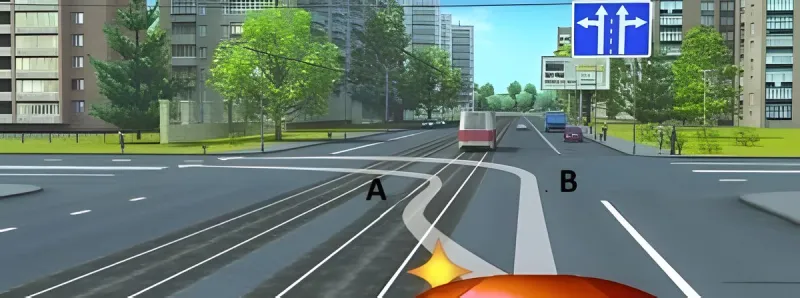
- Only A.
- Only B.
- Any of the paths.
Correct answer: Only B. ABC · D/T
Why: Նշանները
5.6 «Միակողմ երթևեկությամբ ճանապարհի վերջ» և
1.21 «Երկկողմ երթևեկություն» ցույց են տալիս, որ խաչմերուկից հետո ճանապարհը երկկողմ երթևեկությամբ է։ Կետ 41-ի համաձայն՝ շրջադարձը պետք է կատարվի այնպես, որ տրանսպորտային միջոցը չհայտնվի հանդիպակաց կողմում, ուստի թույլատրված է միայն B հետագիծը։
Signs in this question: 5.6, 1.21
In tests: ABC 32, ABC 51, D/T 33
79. When the paths of vehicles intersect and the order of passage is not established by the rules, the driver who must yield is the one:
- To whose right another vehicle is approaching.
- To whose left another vehicle is approaching.
Correct answer: To whose right another vehicle is approaching. ABC · D/T
Why: Կետ 45-ը ընդհանուր կանոնն է. երբ երթևեկության ուղիները հատվում են, իսկ հերթականությունը կանոններով սահմանված չէ, զիջում է այն վարորդը, որին տրանսպորտային միջոց է մոտենում աջից։
In tests: ABC 29, D/T 8
80. Which driver must yield?
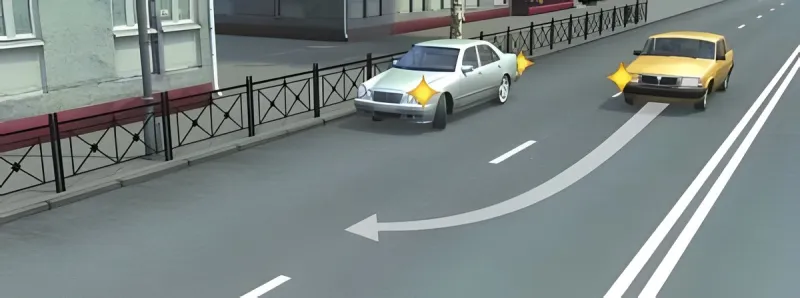
- The driver of the white automobile.
- The driver of the yellow automobile.
Correct answer: The driver of the white automobile. ABC · D/T
Why: Սպիտակ ավտոմոբիլը երթևեկությունն սկսում է ճանապարհի եզրից, ինչը նշանակում է վերադասավորվել այն գոտի, որով շարժվում է դեղին ավտոմոբիլը։ Կետ 39-ով վերադասավորվող վարորդը զիջում է այդ գոտիով երթևեկողներին, իսկ կետ 36-ով ազդանշան տալն առավելություն չի տալիս, ուստի զիջում է սպիտակ ավտոմոբիլի վարորդը։
In tests: ABC 37, D/T 8
81. A U-turn at the indicated location is:
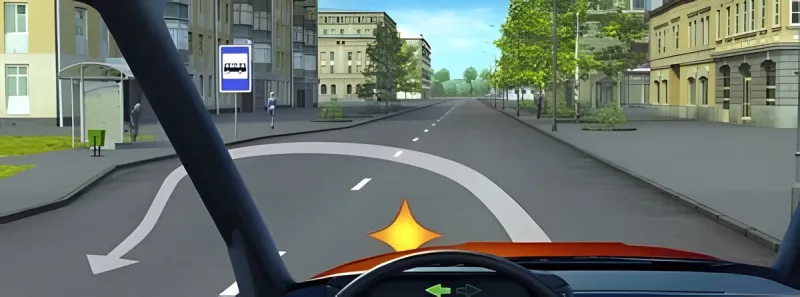
- Permitted.
- Permitted if it does not interfere with public transit vehicle drivers.
- Prohibited.
Correct answer: Prohibited. ABC · D/T
Why: Այս հատվածում ընդհանուր օգտագործման տրանսպորտային միջոցների կանգառի կետ է (նշան
5.16)։ Կետ 50-ի համաձայն՝ հետադարձն արգելվում է երթևեկելի մասի այն հատվածներում, որտեղ առկա են ընդհանուր օգտագործման տրանսպորտային միջոցների կանգառի կետեր։
Signs in this question: 5.16
In tests: ABC 44, D/T 46
82. Along which path is the left turn permitted?
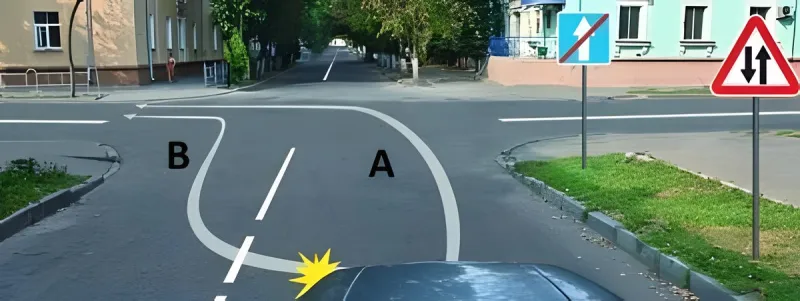
- Only A.
- Only B.
- Any of the paths.
Correct answer: Only B. ABC · D/T
Why: Խաչմերուկից առաջ տեղադրված է
5.15.1 «Երթևեկության ուղղությունները գոտիներով» նշանը։ Կետ 40-ի համաձայն՝ նման դեպքում ձախ շրջադարձը կատարվում է ոչ թե տրամվայի գծերի վրայից, այլ նշանով սահմանված գոտուց, ուստի թույլատրված է միայն B հետագիծը։
Signs in this question: 5.15.1
In tests: ABC 45, D/T 42
83. The passenger-car driver:
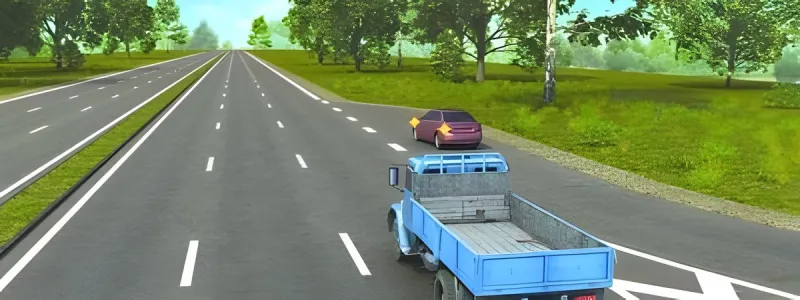
- Must yield.
- Has the right-of-way because the vehicle is approaching from the right.
Correct answer: Must yield. ABC
Why: Թեթև մարդատարը վերադասավորվում է այն գոտի, որով ուղիղ ընթանում է բեռնատարը։ Կետ 39-ի համաձայն՝ վերադասավորվող վարորդը զիջում է առանց ուղղությունը փոխելու երթևեկողին. «աջից մոտենալու» առավելությունը գործում է միայն միաժամանակյա վերադասավորման դեպքում։
In tests: ABC 6
84. Along which path is the right turn permitted?
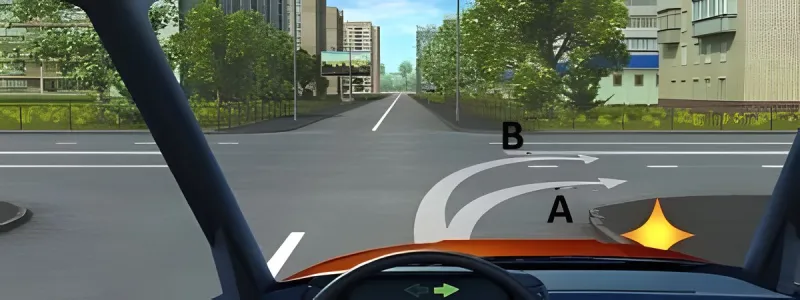
- Only A.
- Only B.
- Any of the paths.
Correct answer: Only A. ABC · D/T
Why: Կետ 41-ով աջ շրջադարձը կատարվում է երթևեկելի մասի աջ եզրին հնարավորին չափ մոտ՝ նախապես զբաղեցնելով աջ եզրային գոտին (կետ 40)։ «A» հետագիծը հենց այդպիսին է, «B»-ն լայն է և դուրս է գալիս հեռու գոտի։
In tests: ABC 28, D/T 41
85. Along which path is the U-turn permitted?
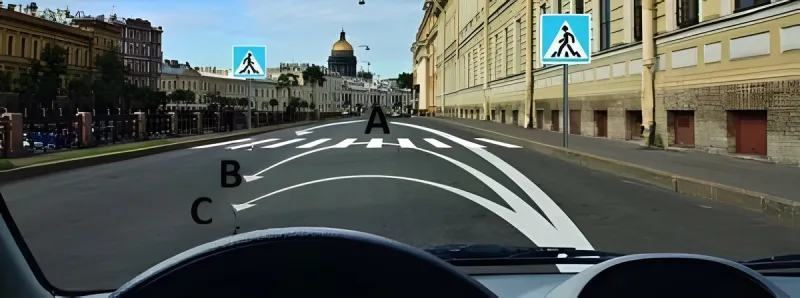
- Only A.
- A or C.
- All paths.
Correct answer: A or C. ABC · D/T
Why: Կետ 50-ի համաձայն՝ հետադարձն արգելվում է հետիոտնային անցումների վրա (նշաններ
5.19.1,
5.19.2)։ B հետագիծն անցնում է անցումի վրայով, իսկ A և C հետագծերը՝ անցումից առաջ և հետո, ուստի թույլատրված են միայն դրանք։
Signs in this question: 5.19.1, 5.19.2
In tests: ABC 6, D/T 28
86. In this situation, must the driver first change to the right lane and only then make the right turn?
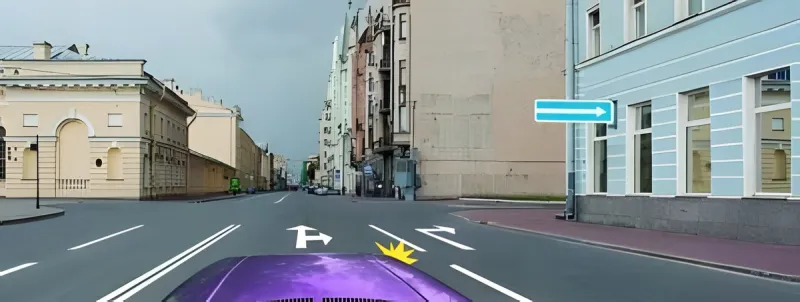
- Yes.
- No.
Correct answer: No. ABC · D/T
Why: Երթևեկելի մասի
1.18 գծանշման սլաքները թույլատրում են աջ շրջադարձը նաև մեր գոտուց։ Կետ 40-ի համաձայն՝ եթե նշանով կամ գծանշմամբ շրջադարձը թույլատրվում է նաև այլ գոտիներից, եզրային գոտի վերադասավորվել պարտադիր չէ։
Signs in this question: 5.7.1
In tests: ABC 39, D/T 2
87. While on a bridge, is a U-turn permitted?
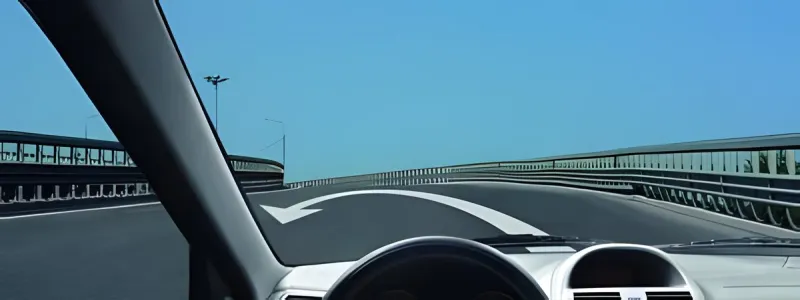
- Permitted if visibility is 100 m or more.
- Prohibited.
Correct answer: Prohibited. ABC · D/T
Why: Կետ 50-ի համաձայն՝ հետադարձն արգելվում է կամուրջների, ուղեկամուրջների և էստակադների վրա ու դրանց տակ՝ անկախ տեսանելիությունից։
In tests: ABC 22, ABC 53, D/T 21
88. Entering the intersection from the indicated lane is:
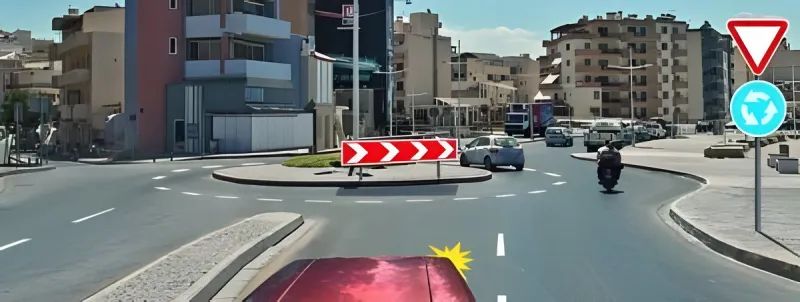
- Permitted only when making a U-turn.
- Permitted in all cases.
Correct answer: Permitted in all cases. ABC · D/T
Why: Կետ 40-ի համաձայն՝ շրջանաձև երթևեկությամբ խաչմերուկ (նշան
4.3) մուտք գործելիս եզրային գոտի զբաղեցնելու պահանջը չի գործում, ուստի նշված գոտուց մուտք գործել թույլատրվում է ցանկացած դեպքում։ Կետ 98.1-ի և
2.4 «Զիջեք ճանապարհը» նշանի համաձայն՝ մուտք գործելիս զիջում ենք շրջանաձև երթևեկության մեջ գտնվողներին։
Signs in this question: 4.3, 2.4, 1.34.1
In tests: ABC 3, ABC 52, D/T 24
89. Is a U-turn permitted at this location?
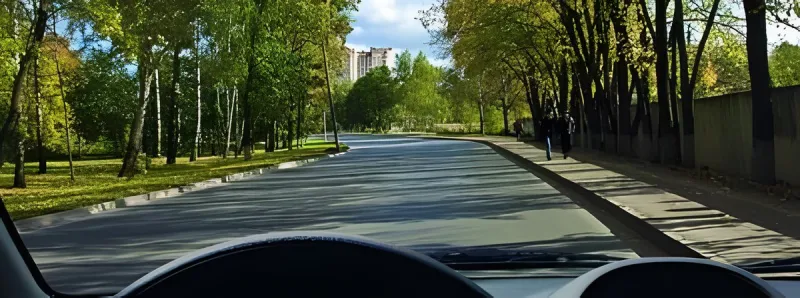
- Yes.
- Permitted if visibility is 100 m or more.
- No.
Correct answer: Permitted if visibility is 100 m or more. ABC · D/T
Why: Կետ 50-ի համաձայն՝ հետադարձն արգելվում է ճանապարհի թեկուզ մեկ ուղղությամբ 100 մ-ից պակաս տեսանելիության տեղերում, ուստի այս ոլորանում այն թույլատրվում է միայն 100 մ և ավելի տեսանելիության դեպքում։
In tests: ABC 33, D/T 15, D/T 55
90. Must the driver proceeding straight ahead in the second lane yield to the driver changing lanes from the right?
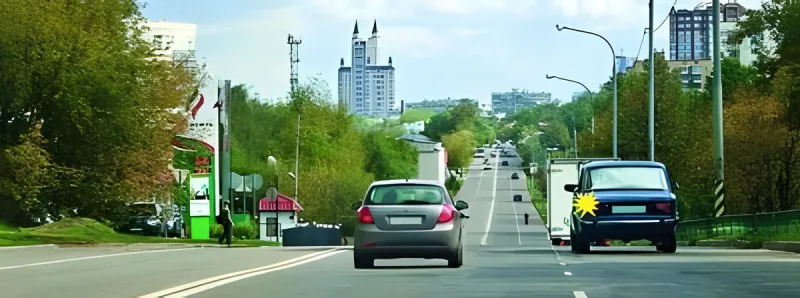
- No.
- Yes.
Correct answer: No. ABC
Why: Աջից վերադասավորվող վարորդը փոխում է գոտին, իսկ երկրորդ գոտիով ուղիղ ընթացողը ուղղությունը չի փոխում։ Կետ 39-ով զիջում է վերադասավորվողը, ուստի ուղիղ ընթացող վարորդը պարտավոր չէ զիջել։
In tests: ABC 4, ABC 54
91. A U-turn at this location is:
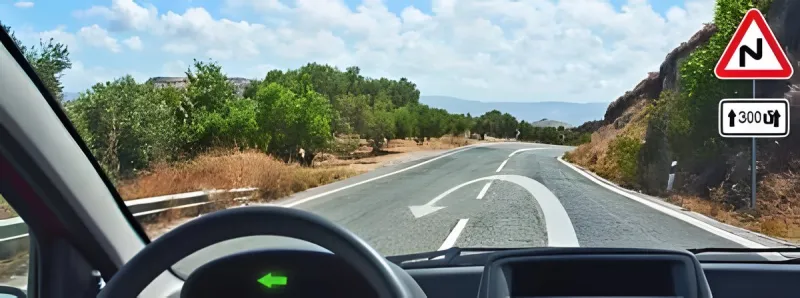
- Permitted.
- Prohibited.
Correct answer: Permitted. ABC · D/T
Why: 1.12.1 «Վտանգավոր շրջադարձեր» նշանը
8.2.1 «Ազդման գոտի» ցուցանակով (300 մ) նախազգուշացնում է 300 մ երկարությամբ ոլորապտույտ հատվածի մասին։ Հետադարձի վայրում տեսանելիությունը բավարար է, և կետ 50-ով հետադարձն արգելող տեղերից որևէ մեկը չկա, ուստի հետադարձը թույլատրվում է։
Signs in this question: 1.12.1, 8.2.1
In tests: ABC 15, D/T 40
92. A left turn is permitted:
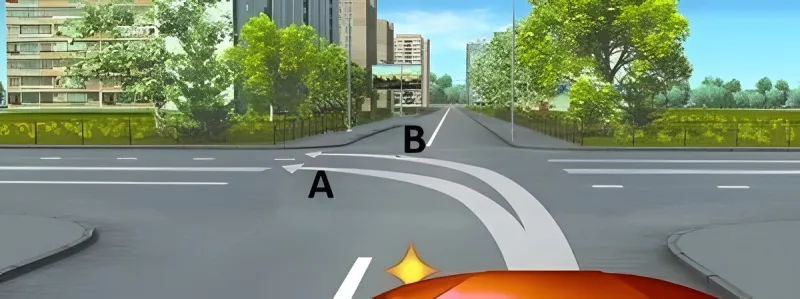
- Only along path A.
- Only along path B.
- Along any path.
Correct answer: Along any path. ABC · D/T
Why: Կետ 41-ը պահանջում է միայն, որ շրջադարձից հետո տրանսպորտային միջոցը չհայտնվի հանդիպակաց կողմում։ A և B հետագծերն էլ ավարտվում են հատվող ճանապարհի աջ կողմում, ուստի ձախ շրջադարձը թույլատրվում է ցանկացած հետագծով։
In tests: ABC 7, D/T 1
93. When starting to move simultaneously from a parking area, must you yield to the driver ahead?
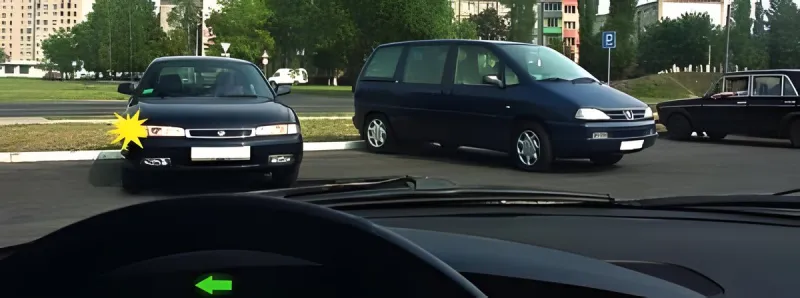
- Yes.
- No.
Correct answer: Yes. ABC · D/T
Why: Երկու ավտոմոբիլն էլ միաժամանակ սկսում են շարժումը կայանատեղիից։ Առջևում գտնվող ավտոմոբիլն արդեն այն ուղու վրա է, որտեղ մենք վերադասավորվում ենք, ուստի կետ 39-ի համաձայն զիջում ենք նրան։
In tests: ABC 49, D/T 5
94. In this situation, along which path is the driver permitted to make a left turn?
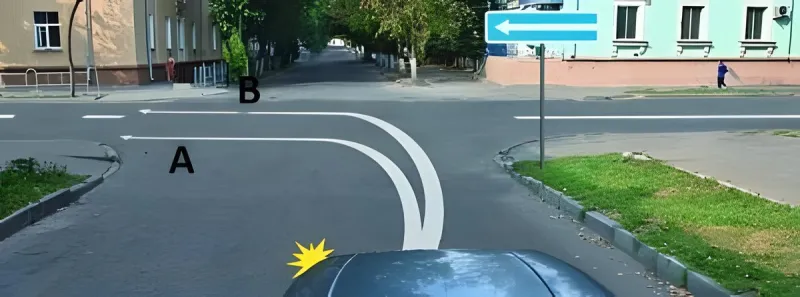
- Only A.
- Only B.
- Any of the paths.
Correct answer: Any of the paths. ABC · D/T
Why: 5.7.2 «Ելք դեպի միակողմ երթևեկությամբ ճանապարհ» նշանը ցույց է տալիս, որ հատվող ճանապարհով երթևեկությունը դեպի ձախ է, ուստի այն հանդիպակաց կողմ չունի։ Կետ 41-ի պահանջը (չհայտնվել հանդիպակաց կողմում) երկու հետագծով էլ պահպանվում է, ուստի ձախ շրջադարձը թույլատրվում է ցանկացած հետագծով։
Signs in this question: 5.7.2
In tests: ABC 36, D/T 20
95. Is it permitted to make a U-turn at an intersection by backing?
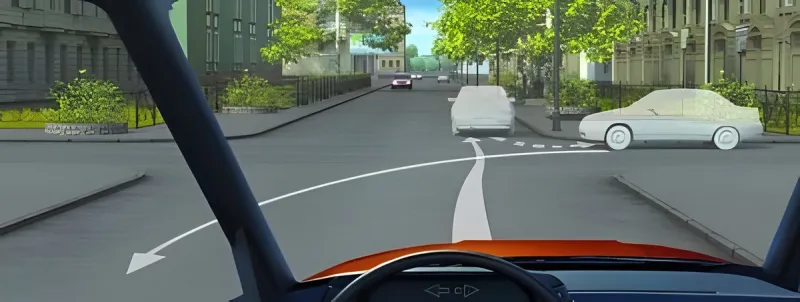
- Yes.
- Yes, if it does not interfere with traffic proceeding through the intersection.
- No.
Correct answer: No. ABC
Why: Կետ 49-ի համաձայն՝ հետընթացն արգելվում է խաչմերուկներում, ուստի խաչմերուկում հետընթաց կատարումով հետադարձն արգելված է։
In tests: ABC 24
96. In this situation, is the driver permitted to make a right turn?
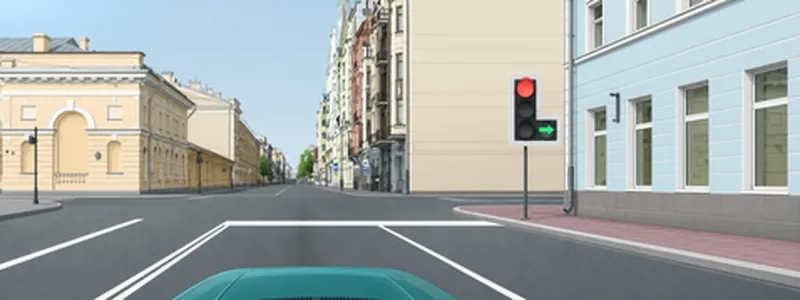
- Yes.
- No.
Correct answer: No. ABC · D/T
Why: Ավտոմոբիլը ձախ գոտում է, իսկ կետ 40-ի համաձայն աջ շրջադարձը կատարվում է միայն աջ եզրային գոտուց։ Բացի այդ, աջ շրջադարձը կարգավորվում է լուսացույցի լրացուցիչ սեկցիայի սլաքով (կետ 8)։ Ուստի այս իրավիճակում աջ շրջադարձ կատարել չի թույլատրվում։
In tests: ABC 29, D/T 15
97. When stopping in this situation, which turn signal must the driver activate?
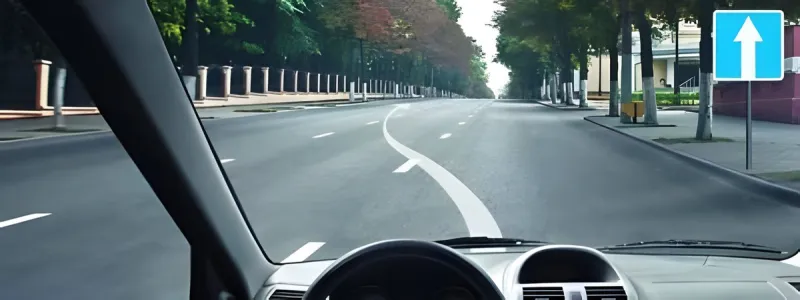
- The right turn signal.
- The right turn signal, and after changing lanes, the left turn signal.
- The left turn signal.
Correct answer: The left turn signal. ABC · D/T
Why: Ճանապարհը միակողմ երթևեկությամբ է (նշան
5.5), որտեղ կանգառի նպատակով թույլատրվում է դուրս գալ ձախ եզրային գոտի (կետ 57)։ Կետ 36-ի համաձայն՝ մանևրից առաջ պետք է ազդանշան տալ համապատասխան ուղղության ցուցիչով, այսինքն՝ ձախ։
Signs in this question: 5.5
In tests: ABC 7, D/T 34
98. Indicate the path or paths along which traffic is permitted.
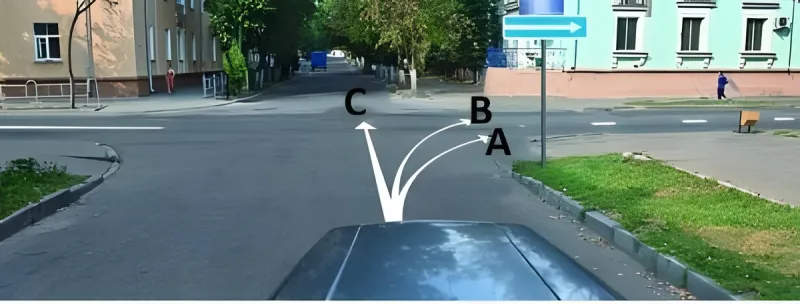
- All paths.
- Only A.
- Only A or C.
Correct answer: Only A or C. ABC · D/T
Why: Նշան
5.7.1 «Ելք դեպի միակողմ երթևեկությամբ ճանապարհ»-ը ցույց է տալիս, որ հատվող ճանապարհով երթևեկությունը դեպի աջ է։ B հետագծով ձախ շրջադարձը կլիներ հոսքին հակառակ, ուստի թույլատրված են միայն A (դեպի աջ) և C (ուղիղ) հետագծերը։
Signs in this question: 5.7.1
In tests: ABC 1, D/T 30
99. When backing with insufficient visibility, the driver must:
- Give a horn signal.
- Activate the hazard warning lights.
- Seek assistance from other persons.
Correct answer: Seek assistance from other persons. ABC · D/T
Why: Կետ 48-ով հետընթացը թույլատրվում է միայն անվտանգության դեպքում, իսկ անհրաժեշտության դեպքում, օրինակ՝ տեսանելիության բացակայությամբ, վարորդը պետք է դիմի այլ անձանց օգնությանը։
In tests: ABC 46, D/T 49
100. In this situation, backing in order to enter the yard is:
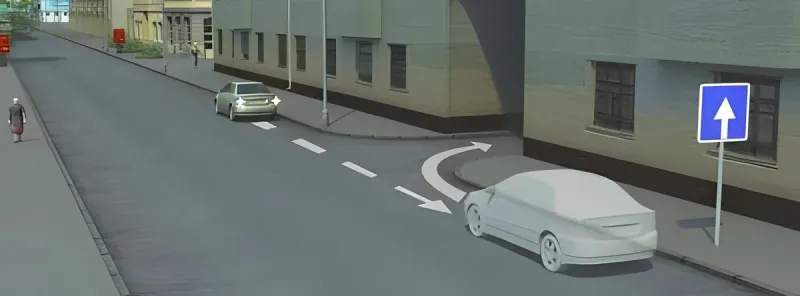
- Permitted.
- Prohibited.
Correct answer: Prohibited. ABC
Why: Նշանը քառակուսի
5.5 «Միակողմ երթևեկությամբ ճանապարհ»-ն է։ Կետ 49-ով հետընթացն արգելվում է կետ 50-ում թվարկված տեղերում, որոնց թվում են միակողմ երթևեկությամբ ճանապարհները (50.7), ուստի բակ մուտք գործելու համար հետընթացն արգելվում է։
Signs in this question: 5.5
In tests: ABC 21
101. In this situation, making a U-turn by backing and using the yard entrance is:
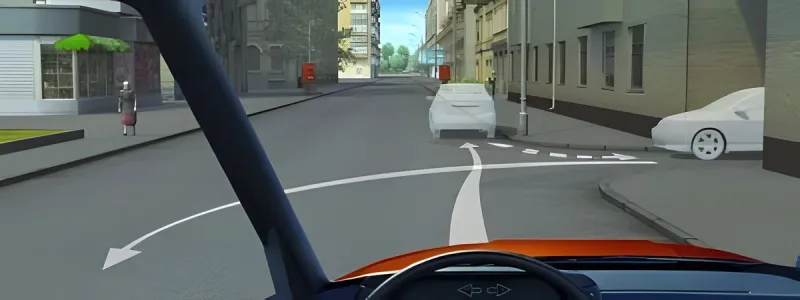
- Permitted if it does not interfere with other road users.
- Prohibited.
Correct answer: Permitted if it does not interfere with other road users. ABC
Why: Նշաններ չկան, և վայրը կետ 49-ով հետընթացն արգելող տեղերի թվում չէ (խաչմերուկ, մերձակա տարածքից ելք, կետ 50-ի տեղեր)։ Կետ 48-ով հետընթացը թույլատրվում է, եթե անվտանգ է և խոչընդոտ չի ստեղծում, ուստի բակի մուտքն օգտագործելով հետադարձը թույլատրվում է այդ պայմանով։
In tests: ABC 25
102. Is the passenger-car driver permitted to start moving?
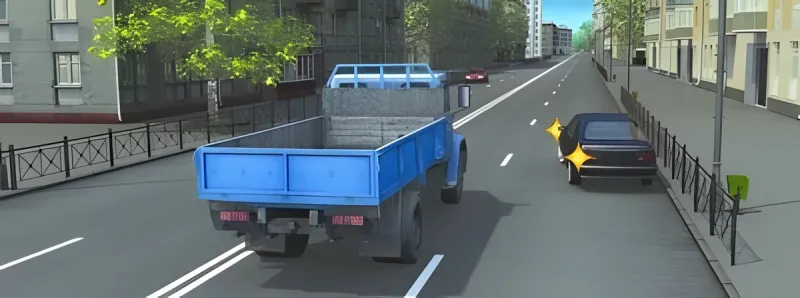
- Yes.
- Yes, if it does not interfere with the truck driver.
- No.
Correct answer: Yes, if it does not interfere with the truck driver. ABC
Why: Ճամփեզրից շարժումն սկսելիս թեթև մարդատարը վերադասավորվում է այն գոտի, որով ընթանում է բեռնատարը։ Կետ 39-ի համաձայն՝ նա պետք է զիջի բեռնատարին, իսկ կետ 36-ի համաձայն՝ մանևրը խոչընդոտ չպետք է ստեղծի, ուստի շարժումը թույլատրվում է միայն այդ պայմանով։
In tests: ABC 2
103. In which case is backing permitted?
- At intersections.
- In lanes other than the rightmost lane.
- At pedestrian crossings.
Correct answer: In lanes other than the rightmost lane. ABC · D/T
Why: Կետ 49-ով հետընթացն արգելվում է խաչմերուկներում, մերձակա տարածքից դուրս գալիս և կետ 50-ի տեղերում, այդ թվում՝ հետիոտնային անցումների վրա (50.1)։ Աջ եզրային չհանդիսացող գոտին արգելքների ցանկում չէ, ուստի միայն այդ տարբերակն է թույլատրված։
In tests: ABC 9, D/T 7
104. In this situation, is the driver permitted to proceed on the tram tracks?
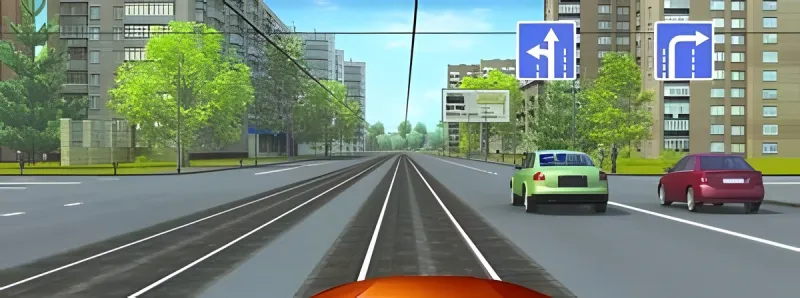
- Yes.
- Permitted only when making a U-turn or a left turn.
- No.
Correct answer: No. ABC · D/T
Why: Խաչմերուկից առաջ տեղադրված են
5.15.2 «Երթևեկության ուղղությունները գոտիով» նշանները։ Կետ 59-ով նման դեպքում խաչմերուկում տրամվայի գծերով երթևեկությունն արգելվում է, այդ թվում՝ ձախ շրջադարձի կամ հետադարձի համար։
Signs in this question: 5.15.2
In tests: ABC 30, D/T 45
105. In this situation, when making a left turn, must the driver give a signal with the turn indicator?
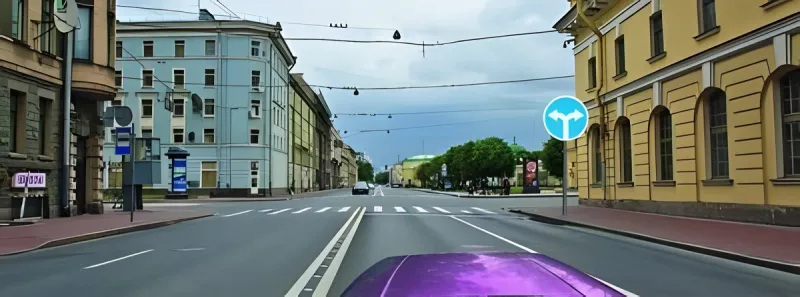
- Yes.
- Yes, when there is oncoming traffic.
- No.
Correct answer: Yes. ABC · D/T
Why: Նշան
4.1.6 «Երթևեկությունը դեպի աջ կամ դեպի ձախ»-ը թույլատրում է շրջադարձը, սակայն կետ 36-ի համաձայն՝ ցանկացած մանևրից առաջ վարորդը պարտավոր է ազդանշան տալ համապատասխան ուղղության շրջադարձի լուսային ցուցիչով՝ անկախ հանդիպակաց երթևեկողի առկայությունից։
Signs in this question: 4.1.6
In tests: ABC 42, D/T 25
106. A left turn is permitted:
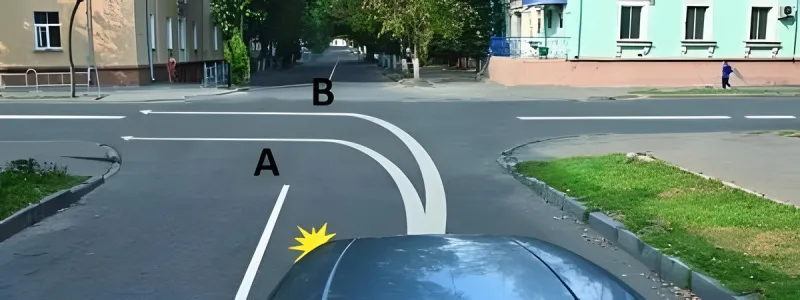
- Only along path A.
- Only along path B.
- Along both paths.
Correct answer: Only along path B. ABC · D/T
Why: A հետագիծը կտրում է խաչմերուկը և դուրս է գալիս հատվող ճանապարհի հանդիպակաց կողմ։ Կետ 41-ի համաձայն՝ շրջադարձը պետք է կատարվի այնպես, որ երթևեկելի մասերի փոխհատումից դուրս գալիս տրանսպորտային միջոցը չհայտնվի հանդիպակաց կողմում, ուստի թույլատրված է միայն B հետագիծը։
In tests: ABC 15, D/T 4
107. Is the passenger-car driver permitted to approach the passenger on the bridge by backing?
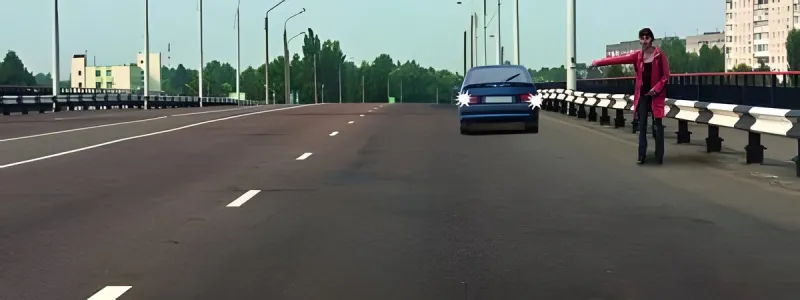
- Yes.
- Yes, if it does not interfere with other road users.
- No.
Correct answer: No. ABC
Why: Ուղևորը կամրջի վրա է։ Կետ 49-ով հետընթացն արգելվում է կետ 50-ում թվարկված տեղերում, որոնց թվում են կամուրջները (50.3), ուստի հետընթացով մոտենալը արգելվում է՝ անկախ խոչընդոտից։
In tests: ABC 12
108. Is a U-turn permitted in this situation?
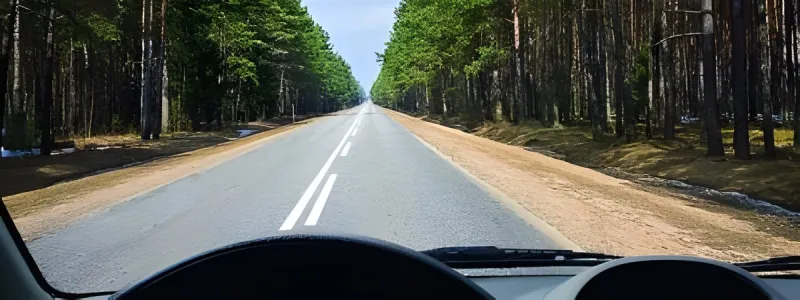
- Permitted only if road visibility is more than 100 m.
- Prohibited.
Correct answer: Permitted only if road visibility is more than 100 m. ABC · D/T
Why: Կետ 50.5-ով հետադարձն արգելվում է ճանապարհի թեկուզ և մեկ ուղղությամբ 100 մ-ից պակաս տեսանելիության տեղերում, ուստի այստեղ այն թույլատրվում է միայն 100 մ-ից ավելի տեսանելիության դեպքում։ Կենտրոնում կրկնակի գիծը մեր կողմից ընդհատվող է։
In tests: ABC 2, D/T 27
109. Which rule does the driver violate when entering the yard?
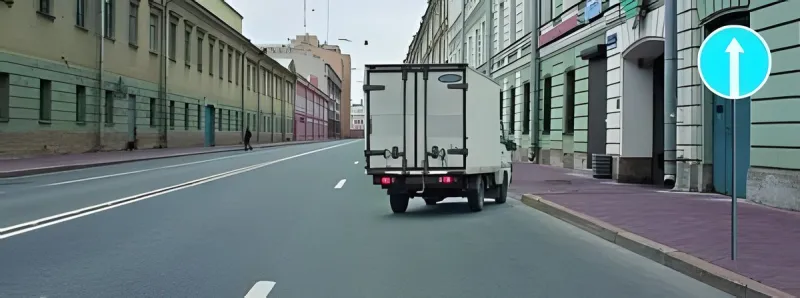
- The driver makes a right turn within the area of effect of a “Straight Ahead Only” sign.
- The driver does not activate the turn signal.
- Both violations at the same time.
Correct answer: The driver does not activate the turn signal. ABC
Why: Նշան
4.1.1 «Երթևեկությունն ուղիղ»-ի ազդման գոտում աջ շրջադարձը դեպի բակ թույլատրվում է, ուստի բեռնատարի վարորդի միակ խախտումն այն է, որ կետ 36-ի պահանջով շրջադարձից առաջ լուսային ցուցիչով ազդանշան չի տալիս։
Signs in this question: 4.1.1
In tests: ABC 20
110. Must we yield to the truck driver?
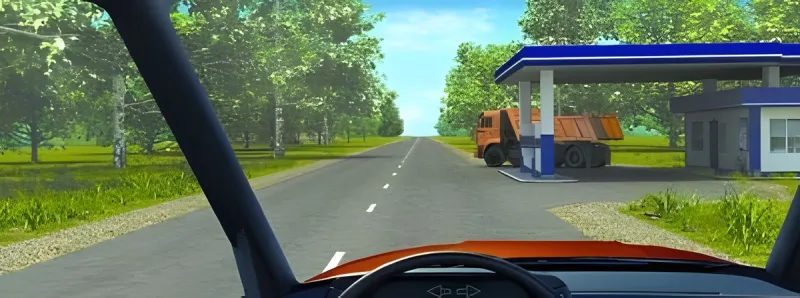
- Yes.
- Yes, if the driver has given a hand signal indicating this.
- No.
Correct answer: No. ABC · D/T
Why: Բեռնատարը լցակայանի տարածքից (մերձակա տարածքից) դուրս է գալիս ճանապարհ։ Կետ 38-ի համաձայն՝ մերձակա տարածքից ճանապարհ դուրս եկող վարորդն ինքն է զիջում ճանապարհով երթևեկողներին, ուստի մենք զիջելու պարտավորություն չունենք՝ անկախ նրա ազդանշանից։
In tests: ABC 16, D/T 29
111. Along which path is the U-turn permitted?
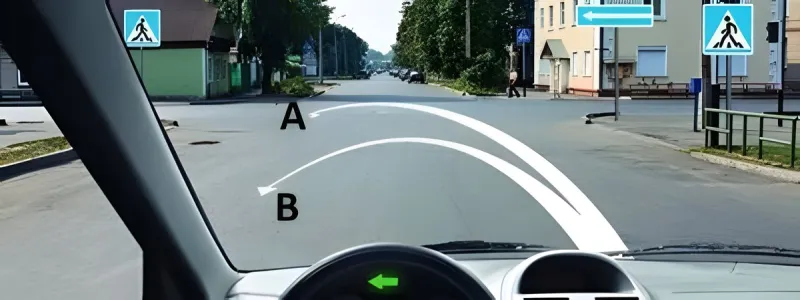
- Only A.
- Only B.
- Any of the paths.
Correct answer: Only A. ABC · D/T
Why: Հատվող ճանապարհը միակողմ երթևեկությամբ է (նշան
5.7.2), և անկյունում հետիոտնային անցում է (նշաններ
5.19.1,
5.19.2)։ Կետ 50-ի համաձայն՝ հետիոտնային անցումների վրա հետադարձն արգելվում է, իսկ B հետագիծն անցնում է անցումի վրայով, ուստի թույլատրված է միայն A հետագիծը։
Signs in this question: 5.7.2, 5.19.1, 5.19.2
In tests: ABC 26, ABC 51, D/T 34
112. Along which path is the U-turn permitted?
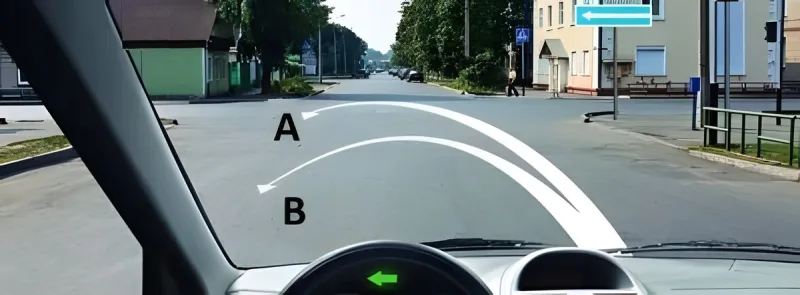
- Any of the paths.
- Only B.
- Only A.
Correct answer: Any of the paths. ABC · D/T
Why: Հատվող ճանապարհը միակողմ երթևեկությամբ է (նշան
5.7.2) և հանդիպակաց կողմ չունի, իսկ հետիոտնային անցում այստեղ չկա։ Կետ 41-ի պահանջը երկու հետագծով էլ պահպանվում է, ուստի հետադարձը թույլատրված է ցանկացած հետագծով։
Signs in this question: 5.7.2
In tests: ABC 26, D/T 53
113. Who must yield?
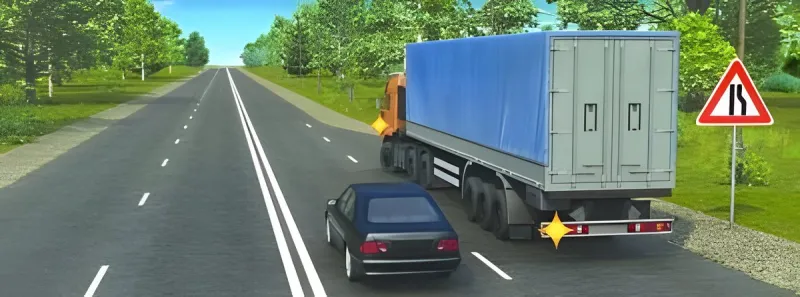
- The passenger-car driver.
- The truck driver.
Correct answer: The truck driver. ABC
Why: Նշան
1.20.2 «Ճանապարհի նեղացում»-ը ցույց է տալիս, որ ճանապարհը նեղանում է աջից. բեռնատարի գոտին ավարտվում է, և նա պետք է վերադասավորվի ձախ։ Կետ 39-ի համաձայն՝ վերադասավորվող վարորդը զիջում է հարևան գոտիով ուղիղ ընթացող թեթև մարդատարին։
Signs in this question: 1.20.2
In tests: ABC 22
114. After mistakenly entering an intersection, is it permitted to correct the maneuver by backing and then continue in the required direction?
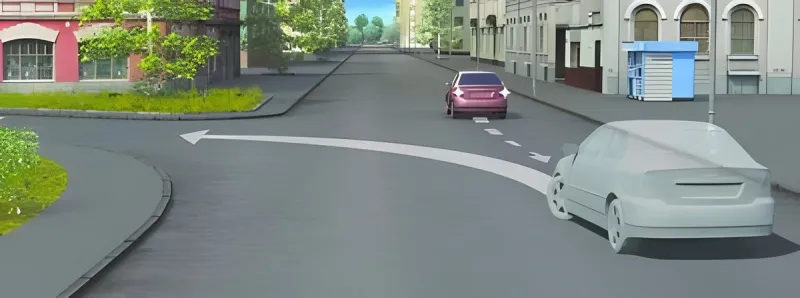
- Yes.
- No.
Correct answer: No. ABC
Why: Կետ 49-ով հետընթացն արգելվում է խաչմերուկներում, ուստի պատահմամբ անցած խաչմերուկում հետընթացով շտկելը թույլատրված չէ։
In tests: ABC 17
115. From this lane, traffic may continue:
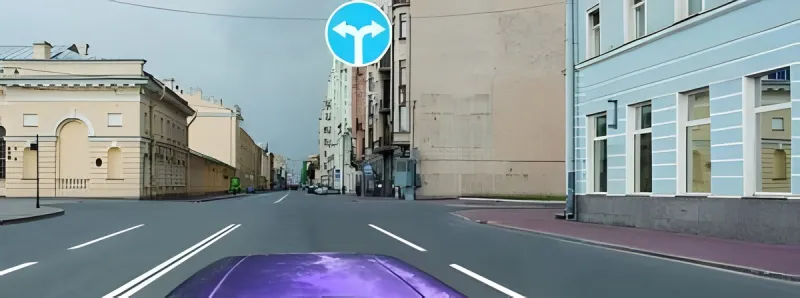
- To the left only.
- To the left and by making a U-turn.
- To the right, to the left, and by making a U-turn.
Correct answer: To the left and by making a U-turn. ABC · D/T
Why: Նշան
4.1.6 «Երթևեկությունը դեպի աջ կամ դեպի ձախ»-ը թույլատրում է աջ և ձախ շրջադարձերը։ Կետ 40-ի համաձայն՝ աջ շրջադարձը կատարվում է միայն աջ եզրային գոտուց, ուստի ձախ գոտուց թույլատրվում է միայն ձախ ուղղությունը, իսկ ձախ շրջադարձի թույլտվությունը ներառում է նաև հետադարձը։
Signs in this question: 4.1.6
In tests: ABC 41, D/T 44
116. In the indicated situation, is it permitted to back up in order to enter the yard by making a right turn?
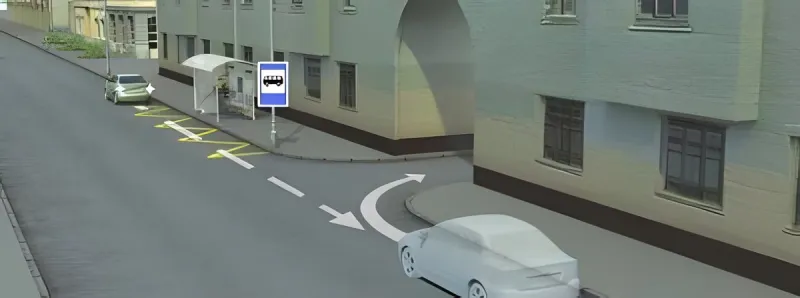
- Yes, if we do not interfere with public transit vehicle traffic.
- No.
Correct answer: No. ABC
Why: Մոտակայքում ընդհանուր օգտագործման տրանսպորտային միջոցների կանգառի կետ է (
5.16 նշան, դեղին
1.17 գծանշում)։ Կետ 49-ով հետընթացն արգելվում է կետ 50-ում թվարկված տեղերում, որոնց թվում են կանգառի կետերով հատվածները (50.6), ուստի բակ մտնելու համար հետընթացն արգելվում է։
Signs in this question: 5.16
In tests: ABC 35
117. In this situation, when changing to the adjacent lane:
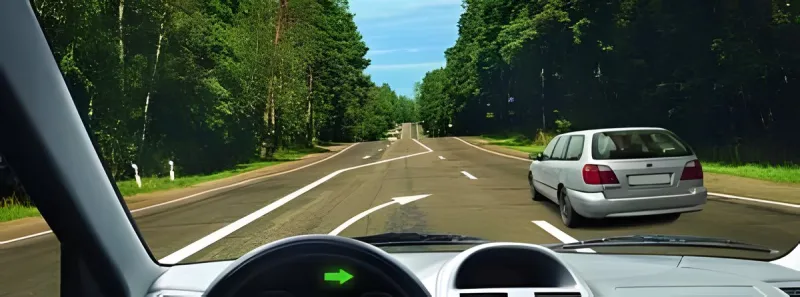
- You must yield to drivers proceeding in that lane.
- You have the right-of-way.
Correct answer: You must yield to drivers proceeding in that lane. ABC · D/T
Why: Կետ 39-ի համաձայն՝ վերադասավորման ժամանակ վարորդը պետք է ճանապարհը զիջի հարևան գոտիով առանց ուղղությունը փոխելու երթևեկող տրանսպորտային միջոցներին, ուստի հարևան գոտի վերադասավորվելիս պարտավոր ենք զիջել այդ գոտիով ընթացողներին։
In tests: ABC 43, D/T 21
118. Along which path is the U-turn permitted?
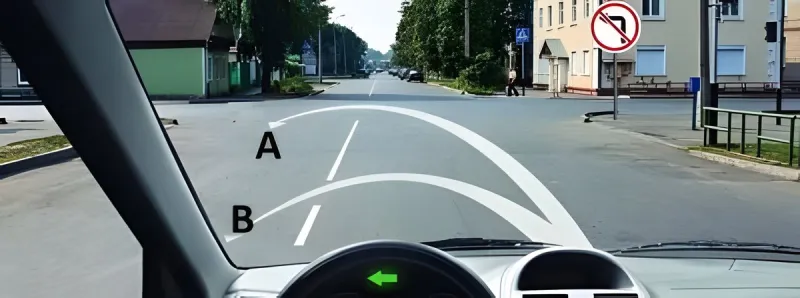
- Only A.
- Only B.
- Any of the paths.
Correct answer: Any of the paths. ABC · D/T
Why: Նշան
3.18.2 «Ձախ շրջադարձն արգելվում է»-ն արգելում է միայն ձախ շրջադարձը, հետադարձը՝ ոչ։ Երկու հետագիծն էլ ավարտվում է մեր ճանապարհի աջ կողմում (կետ 41), ուստի հետադարձը թույլատրված է ցանկացած հետագծով։
Signs in this question: 3.18.2
In tests: ABC 11, D/T 36
119. Along which path is the left turn permitted?
- Only A.
- Only C.
- Any of the paths.
Correct answer: Any of the paths. ABC · D/T
Why: A, B և C հետագծերը բոլորն էլ խաչմերուկից դուրս են գալիս հատվող ճանապարհի աջ կողմով, ինչը կետ 41-ի պահանջն է, ուստի ձախ շրջադարձը թույլատրված է ցանկացած հետագծով։
In tests: ABC 44, D/T 22
120. In this situation, is it permitted to approach the passenger by backing?
- Yes.
- No.
Correct answer: Yes. ABC
Why: 4.1.1 «Երթևեկությունն ուղիղ» նշանը հետընթացը չի արգելում։ Կետ 48-ով հետընթացը թույլատրվում է, եթե այն անվտանգ է և խոչընդոտ չի ստեղծում, իսկ կետ 49-ով արգելված տեղերից (խաչմերուկ, մերձակա տարածքից ելք, կետ 50-ի տեղեր) ոչ մեկն այստեղ չկա, ուստի ուղևորին հետընթացով մոտենալը թույլատրվում է։
Signs in this question: 4.1.1
In tests: ABC 43
121. When making a left turn or U-turn outside an intersection, you must:
- Yield to oncoming vehicles.
- Yield to oncoming vehicles and to trams proceeding in the same direction.
Correct answer: Yield to oncoming vehicles and to trams proceeding in the same direction. ABC · D/T
Why: Կետ 44-ով խաչմերուկից դուրս ձախ շրջադարձի և հետադարձի ժամանակ ոչ ռելսագնաց տրանսպորտային միջոցի վարորդը զիջում է հանդիպակաց տրանսպորտային միջոցներին և համընթաց երթևեկող տրամվային։
In tests: ABC 19, D/T 44
122. Is driving in reverse permitted in this situation?
- Prohibited.
- Permitted up to the pedestrian crossing.
Correct answer: Prohibited. ABC
Why: Աջ կողմում քառակուսի
5.5 «Միակողմ երթևեկությամբ ճանապարհ» նշանն է։ Կետ 49-ով հետընթացն արգելվում է կետ 50-ում թվարկված տեղերում, այդ թվում՝ միակողմ երթևեկությամբ ճանապարհներին (50.7) և հետիոտնային անցումների վրա (50.1), ուստի այստեղ հետընթացն արգելվում է նաև մինչև անցումը։
Signs in this question: 5.5, 5.19.1, 5.19.2
In tests: ABC 11
123. When starting to move, must you yield to the driver making a U-turn?
- Yes.
- No.
Correct answer: Yes. ABC · D/T
Why: Շարժումն սկսելիս մենք վերադասավորվում ենք երթևեկության գոտի, որտեղ արդեն երթևեկում է հետադարձ կատարող ավտոմոբիլը։ Կետ 39-ի համաձայն՝ վերադասավորվող վարորդը զիջում է այդ գոտիով երթևեկողներին, ուստի պարտավոր ենք զիջել։
In tests: ABC 31, ABC 54, D/T 23
124. In this situation, approaching the passenger by driving in reverse is:
- Permitted.
- Permitted if it does not interfere with other drivers.
- Prohibited.
Correct answer: Prohibited. ABC · D/T
Why: Կետ 49-ի համաձայն՝ հետընթացն արգելվում է կանոնների 50-րդ կետում թվարկված տեղերում, իսկ 50-րդ կետը ներառում է թունելները։ Ուստի թունելում հետընթացով ուղևորին մոտենալն արգելված է։
In tests: ABC 34, D/T 35
125. Which driver violates the traffic rules when exiting the roundabout?
- The passenger-car driver.
- Both drivers violate the rules.
- Neither driver violates the rules.
Correct answer: The passenger-car driver. ABC
Why: Շրջանաձև երթևեկությամբ խաչմերուկից (նշան
4.3) դուրս գալն աջ շրջադարձ է, որը կետ 41-ի համաձայն կատարվում է աջ եզրին հնարավորին չափ մոտ։ Թեթև մարդատարը դուրս է գալիս ներքին գոտուց՝ հատելով բեռնատարի գոտին առանց զիջելու (կետ 39), ուստի խախտում է կանոնները։
Signs in this question: 4.3
In tests: ABC 38
126. A U-turn at this intersection is:
- Permitted.
- Prohibited.
Correct answer: Permitted. ABC · D/T
Why: Մենք գլխավոր ճանապարհով ենք (նշան
2.1 և
8.13 ցուցանակ)։ Խաչմերուկը կետ 50-ով հետադարձն արգելող տեղերի ցանկում չկա, ուստի այս խաչմերուկում հետադարձը թույլատրվում է։
Signs in this question: 2.1, 8.13
In tests: ABC 6, D/T 18, D/T 55
127. In which direction is traffic permitted?
- To the left only.
- Straight ahead and to the left.
- To the left and by making a U-turn.
Correct answer: To the left only. ABC · D/T
Why: Լուսացույցի կարմիր ազդանշանի հետ վառվում է լրացուցիչ սեկցիայի կանաչ ձախ սլաքը. կետ 8-ի համաձայն՝ երթևեկությունը թույլատրվում է միայն սլաքի ուղղությամբ, իսկ կետ 91-ի համաձայն՝ զիջելով այլ ուղղություններից ընթացողներին։
5.15.1 նշանն ու
1.18 գծանշումն այս գոտին նախատեսում են միայն ձախ շրջադարձի համար։
Signs in this question: 5.15.1
In tests: ABC 44, D/T 38
128. Must you activate the right turn signal at this intersection?
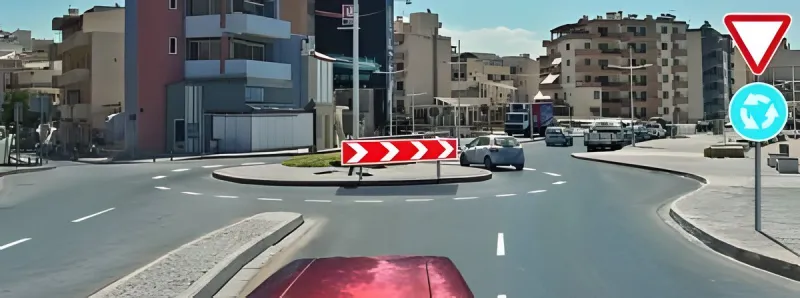
- Yes.
- No.
- Yes, except when making a U-turn.
Correct answer: Yes. ABC · D/T
Why: Շրջանաձև երթևեկությամբ խաչմերուկ (նշան
4.3,
2.4 և
1.34.1) մուտք գործելն աջ ուղղությամբ մանևր է։ Կետ 36-ի համաձայն՝ մանևրից առաջ պարտադիր է ազդանշան տալ համապատասխան ուղղության ցուցիչով, ուստի աջ շրջադարձի ցուցիչը միացնում ենք բոլոր դեպքերում։
Signs in this question: 4.3, 2.4, 1.34.1
In tests: ABC 31, D/T 9
129. When entering an adjacent area, the driver must yield to:
- Pedestrians only.
- Bicyclists only.
- Bicyclists and must not interfere with pedestrians.
Correct answer: Bicyclists and must not interfere with pedestrians. ABC · D/T
Why: Կետ 38-ով ճանապարհից մերձակա տարածք մուտք գործելիս վարորդը զիջում է հեծանվորդներին, և երկու դեպքում էլ չպետք է խոչընդոտ ստեղծի հետիոտների համար։
In tests: ABC 26, D/T 32
130. When exiting an adjacent area, the driver must yield to:
- Pedestrians only.
- Vehicles proceeding on the road.
- Vehicles proceeding on the road and must not interfere with pedestrians.
Correct answer: Vehicles proceeding on the road and must not interfere with pedestrians. ABC · D/T
Why: Կետ 38-ով մերձակա տարածքից ճանապարհ դուրս գալիս վարորդը զիջում է դրանով երթևեկող տրանսպորտային միջոցներին և չպետք է խոչընդոտ ստեղծի հետիոտների համար։
In tests: ABC 8, D/T 9
131. After this sign, making a U-turn is permitted:
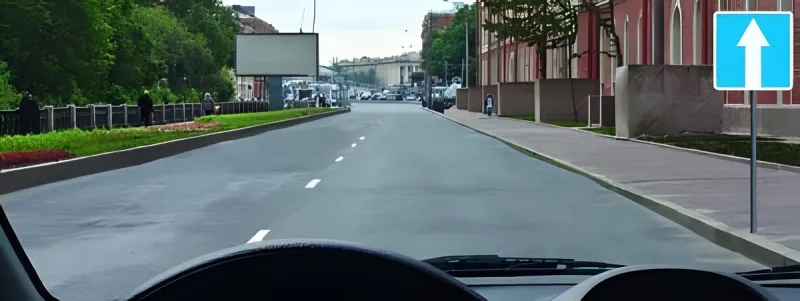
- Only if visibility is at least 100 m in both directions.
- If it does not create an obstruction.
- Under no circumstances.
Correct answer: Under no circumstances. ABC · D/T
Why: Նշան
5.5 «Միակողմ երթևեկությամբ ճանապարհ»-ից հետո ճանապարհը միակողմ է, իսկ կետ 50-ի համաձայն՝ միակողմ երթևեկությամբ ճանապարհներին հետադարձն արգելվում է ցանկացած դեպքում։
Signs in this question: 5.5
In tests: ABC 33, D/T 35
132. Giving a signal:
- Gives the driver right-of-way over other road users.
- Gives the driver right-of-way only when changing lanes.
- Does not give the driver right-of-way over other road users.
Correct answer: Does not give the driver right-of-way over other road users. ABC · D/T
Why: Կետ 36-ի վերջին նախադասությունը հստակ ասում է. ազդանշան տալը երթևեկության մյուս մասնակիցների նկատմամբ առավելություն չի տալիս։
In tests: ABC 35, D/T 10
133. The right turn along the indicated path is:
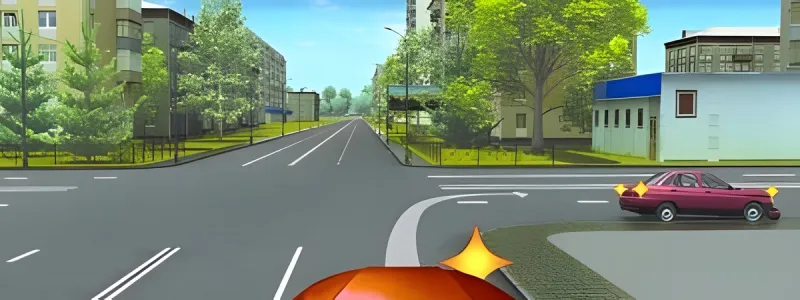
- Permitted.
- Prohibited.
Correct answer: Permitted. ABC · D/T
Why: Նշված աջ շրջադարձը կատարվում է երթևեկելի մասի աջ եզրին մոտ և ավարտվում է կողային ճանապարհի աջ գոտում, ինչպես պահանջում է կետ 41-ը, ուստի թույլատրված է։
In tests: ABC 4, ABC 49, D/T 25
134. After passing the truck, in which lane is it permitted to continue?
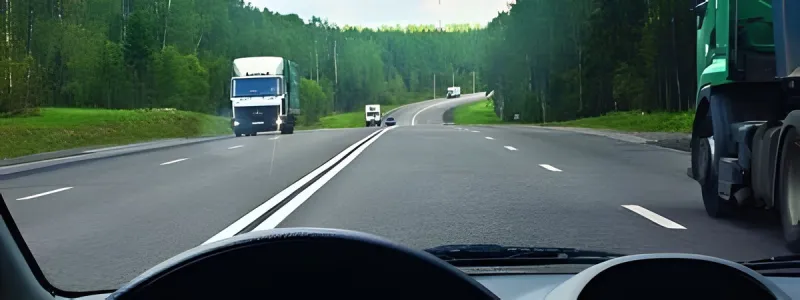
- Only in the right lane.
- In either lane proceeding in the same direction.
Correct answer: Only in the right lane. ABC · D/T
Why: Կետ 55-ի համաձայն՝ բնակավայրերից դուրս վարորդները պետք է տրանսպորտային միջոցը վարեն երթևեկելի մասի աջ եզրին հնարավորինս մոտ, և ազատ աջ գոտիների դեպքում արգելվում է զբաղեցնել ձախ գոտիները։ Ուստի բեռնատարից առաջ անցնելուց հետո երթևեկությունը շարունակում ենք միայն աջ գոտիով։
In tests: ABC 14, D/T 12
135. When turning into the yard, you must:
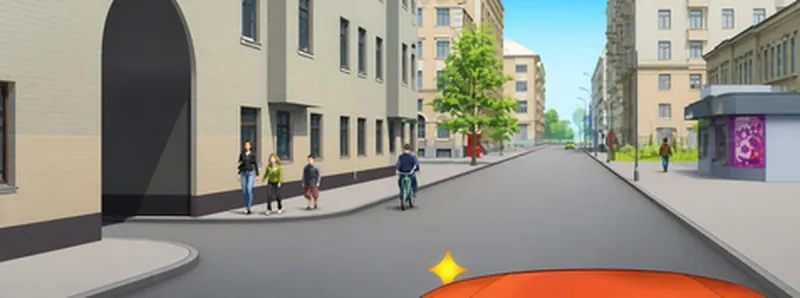
- Yield to the bicyclist.
- Not obstruct pedestrians.
- Both answers are correct.
Correct answer: Both answers are correct. ABC
Why: Կետ 38-ով ճանապարհից մերձակա տարածք (բակ) մուտք գործելիս վարորդը պետք է զիջի հեծանվորդներին և խոչընդոտ չստեղծի հետիոտների համար, ուստի երկու պատասխաններն էլ ճիշտ են։
In tests: ABC 28
136. A U-turn at the indicated location is:
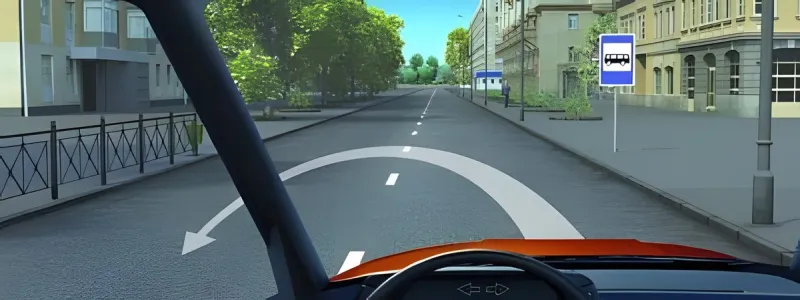
- Permitted.
- Permitted if no public transit vehicles are present.
- Prohibited.
Correct answer: Prohibited. ABC · D/T
Why: Այս հատվածում ընդհանուր օգտագործման տրանսպորտային միջոցների կանգառի կետ է (նշան
5.16)։ Կետ 50-ի համաձայն՝ նման հատվածներում հետադարձն արգելվում է՝ անկախ այն բանից, թե ավտոբուս կա, թե ոչ։
Signs in this question: 5.16
In tests: ABC 46, D/T 38
137. If visibility of 100 m is provided in both directions, is it permitted to make a U-turn along the indicated path?
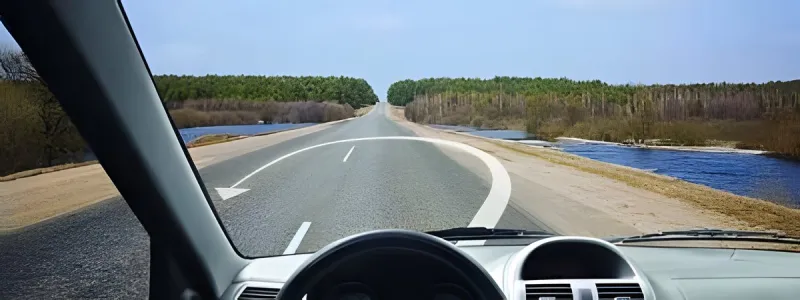
- No.
- Yes.
Correct answer: No. ABC · D/T
Why: Ճանապարհն այս հատվածում անցնում է ջրի վրայով։ Կետ 50.3-ով կամուրջների վրա հետադարձն արգելվում է՝ անկախ տեսանելիությունից, ուստի 100 մ տեսանելիության դեպքում էլ թույլատրված չէ։
In tests: ABC 4, ABC 49, D/T 22
138. The right-of-way belongs to:
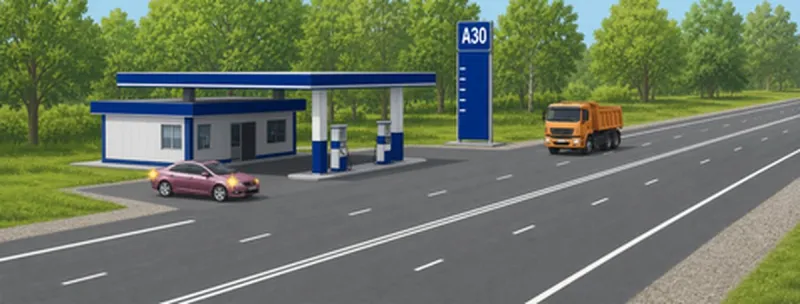
- The passenger-car driver.
- The truck driver.
Correct answer: The truck driver. ABC
Why: Թեթև մարդատարը լցակայանի տարածքից (մերձակա տարածքից) դուրս է գալիս ճանապարհ։ Կետ 38-ի համաձայն՝ մերձակա տարածքից ճանապարհ դուրս գալիս վարորդը զիջում է ճանապարհով երթևեկողներին, ուստի առաջնահերթությունը բեռնատարի վարորդինն է։
In tests: ABC 10
139. When changing lanes simultaneously, which vehicle driver has the right-of-way?
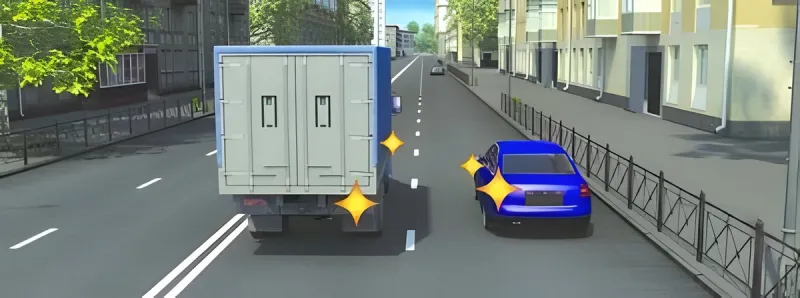
- The truck driver.
- The passenger-car driver.
Correct answer: The passenger-car driver. ABC
Why: Բեռնատարն ու թեթև մարդատարը միաժամանակ վերադասավորվում են նույն գոտի։ Կետ 39-ի համաձայն՝ միաժամանակյա վերադասավորման դեպքում ճանապարհը զիջում է ձախից ընթացողի վարորդը, ուստի առաջնահերթությունն աջ կողմում գտնվող թեթև մարդատարի վարորդինն է։
In tests: ABC 29
140. Is it permitted to approach the passenger by driving in reverse?
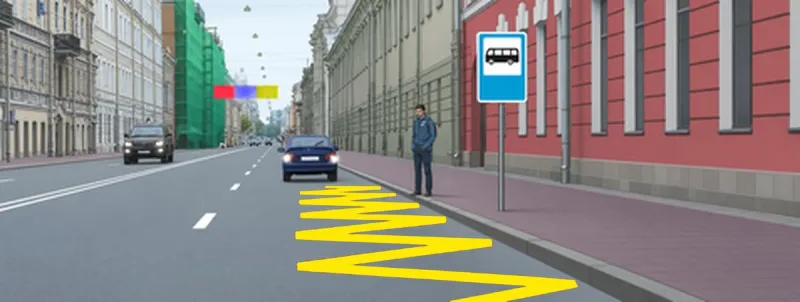
- Yes.
- No.
Correct answer: No. ABC
Why: Ուղևորը կանգնած է ընդհանուր օգտագործման տրանսպորտային միջոցների կանգառի կետում (նշան
5.16, դեղին
1.17 գծանշում)։ Կետ 49-ի համաձայն՝ հետընթացն արգելվում է 50-րդ կետում թվարկված տեղերում, որոնց թվում են կանգառի կետերի հատվածները։
Signs in this question: 5.16
In tests: ABC 17
141. When entering a yard by making a right turn, we must yield to:
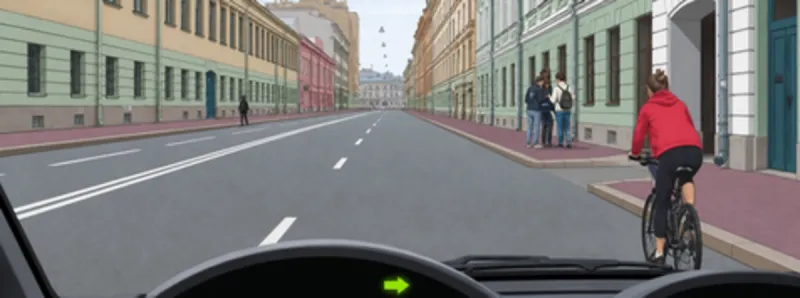
- Pedestrians only.
- The bicyclist only.
- No one.
- The bicyclist and the pedestrians.
Correct answer: The bicyclist and the pedestrians. ABC · D/T
Why: Կետ 38-ի համաձայն՝ ճանապարհից մերձակա տարածք (բակ) մուտք գործելիս վարորդը պետք է ճանապարհը զիջի հեծանվորդներին և խոչընդոտ չստեղծի հետիոտների համար, ուստի զիջում ենք և՛ հեծանվորդին, և՛ հետիոտներին։
In tests: ABC 9, D/T 32
142. When proceeding uphill in this direction, a U-turn is:
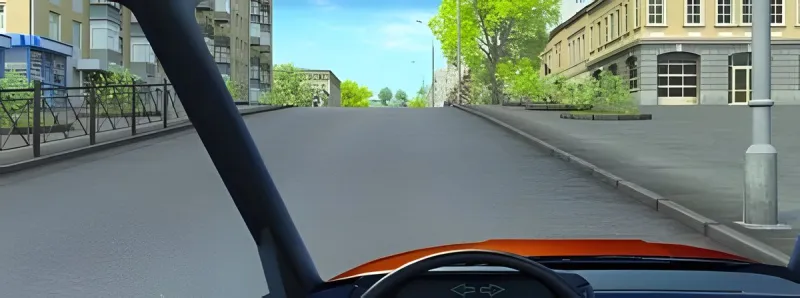
- Permitted if it can be completed in one maneuver.
- Permitted if visibility of 100 m is provided in both directions.
- Prohibited.
Correct answer: Permitted if visibility of 100 m is provided in both directions. ABC · D/T
Why: Վերելքի վրա ճանապարհի հեռանկարը սահմանափակ է։ Կետ 50-ի համաձայն՝ հետադարձն արգելվում է թեկուզ մեկ ուղղությամբ 100 մ-ից պակաս տեսանելիության տեղերում, ուստի այն թույլատրվում է միայն երկու կողմից 100 մ տեսանելիության դեպքում։
In tests: ABC 34, D/T 14, D/T 55
143. Which vehicle driver must yield?
- The bus driver.
- The passenger-car driver.
Correct answer: The bus driver. ABC · D/T
Why: Թեթև մարդատարը հետադարձ է կատարում
6.3.2 «Հետադարձի գոտի» նշանով նշված տեղում, իսկ ավտոբուսը ճամփեզրից վերադասավորվում է երթևեկության գոտի։ Կետ 39-ի համաձայն՝ վերադասավորվող վարորդը զիջում է գոտիով երթևեկողներին, ուստի զիջում է ավտոբուսի վարորդը։
Signs in this question: 6.3.2
In tests: ABC 13, D/T 39
144. A U-turn at this location is:
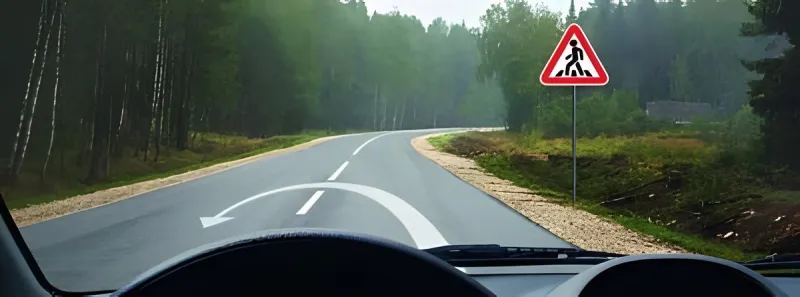
- Permitted if visibility is 100 m in both directions.
- Prohibited.
Correct answer: Permitted if visibility is 100 m in both directions. ABC · D/T
Why: 1.22 «Հետիոտնային անցում» նշանը միայն նախազգուշացնում է առջևում գտնվող անցումի մասին, իսկ հետադարձը կատարվում է դրանից առաջ։ Կետ 50-ի համաձայն՝ հետադարձն արգելվում է միայն 100 մ-ից պակաս տեսանելիության դեպքում, ուստի երկու կողմից 100 մ տեսանելիության պայմաններում այն թույլատրվում է։
Signs in this question: 1.22
In tests: ABC 43, D/T 1
145. Is it permitted to drive across the bridge if doing so does not interfere with the driver of the motorcycle?
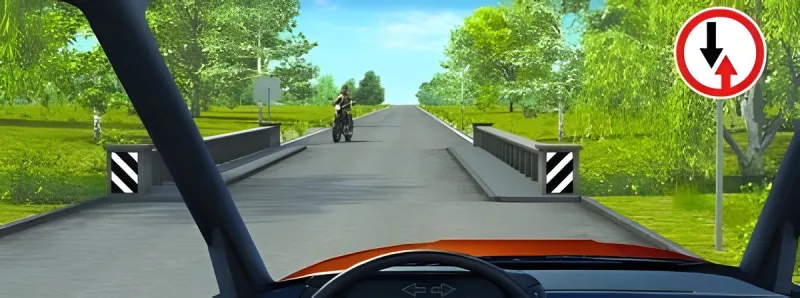
- Yes.
- No.
Correct answer: Yes. ABC · D/T
Why: Նշան
2.6 «Հանդիպակաց երթևեկության առավելություն»-ն արգելում է մուտք գործել ճանապարհի նեղ հատված, եթե դա կդժվարացնի հանդիպակաց երթևեկությունը։ Եթե մոտոցիկլի վարորդին խոչընդոտ չի ստեղծվում, կամուրջն անցնել թույլատրվում է։
Signs in this question: 2.6
In tests: ABC 3, D/T 19
146. May the bus driver enter the intersection in the given situation?
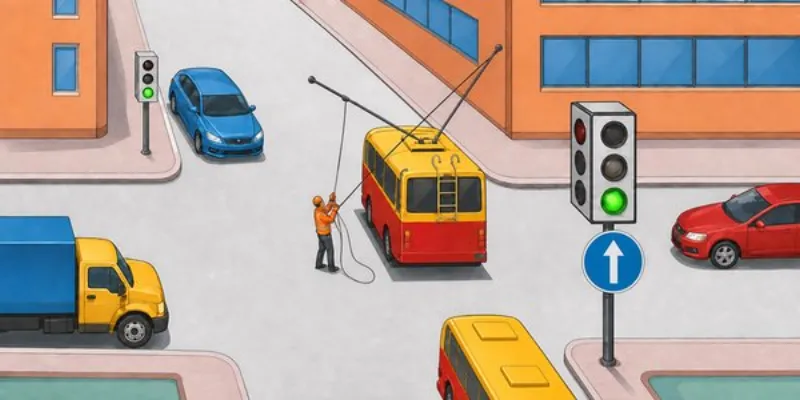
- Permitted.
- Prohibited.
- Permitted if the bus is operating on an established route.
Correct answer: Prohibited. D/T
Why: Կետ 88-ի համաձայն՝ արգելվում է մուտք գործել խաչմերուկ, եթե առջևում խցանում է, որը կհարկադրի կանգնել՝ խոչընդոտելով լայնական երթևեկությանը։ Խաչմերուկում կանգնած տրոլեյբուսի պատճառով ավտոբուսը ստիպված կլինի կանգնել խաչմերուկում, ուստի լուսացույցի կանաչ ազդանշանի դեպքում էլ մուտքն արգելվում է։
Signs in this question: 4.1.1
In tests: D/T 40
147. May the driver of the yellow bus enter the intersection?
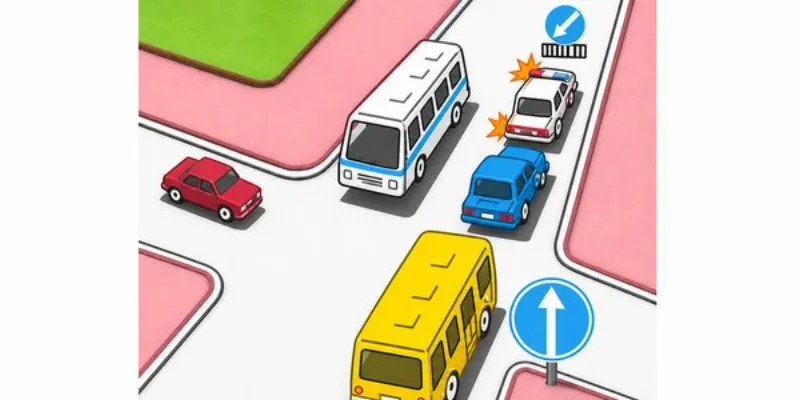
- Permitted.
- Prohibited.
- Permitted if the bus is operating on an established route.
Correct answer: Prohibited. D/T
Why: Կետ 88-ով արգելվում է մուտք գործել խաչմերուկ, եթե առջևում՝ երթևեկության ուղղությամբ, առաջացել է խցանում, որը վարորդին կհարկադրի կանգ առնել՝ խոչընդոտելով լայնական ուղղությամբ երթևեկությանը։ Խաչմերուկում կանգնած ավտոբուսն ու ավտոմոբիլները հենց այդպիսի խցանում են, ուստի դեղին ավտոբուսին մուտք գործելն արգելվում է՝ անկախ երթուղուց։
Signs in this question: 4.1.1
In tests: D/T 45
148. In the indicated situation, must the driver of a bus operating on an established route yield?
- Must yield.
- Not required.
- Not required because the bus is proceeding straight ahead.
Correct answer: Must yield. D/T
Why: Կետ 123-ի համաձայն՝ խաչմերուկներից դուրս, որտեղ տրամվայի գծերը հատում են երթևեկելի մասը, տրամվայն առավելություն ունի ոչ ռելսագնաց տրանսպորտային միջոցների նկատմամբ։ Աջ շրջադարձ կատարող տրամվայը հատում է ավտոբուսի գոտին, ուստի ավտոբուսի վարորդը պարտավոր է զիջել։
In tests: D/T 52
149. Which vehicle driver must yield?
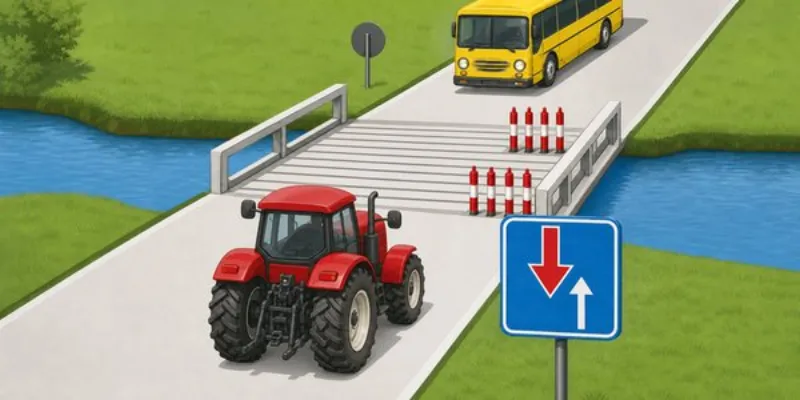
- The tractor operator.
- The bus driver.
Correct answer: The bus driver. D/T
Why: Նեղ կամուրջ։ Տրակտորի կողմում
2.7 «Առավելություն հանդիպակաց երթևեկության նկատմամբ» նշանն է, ուստի ավտոբուսի կողմում
2.6 «Հանդիպակաց երթևեկության առավելություն» նշանն է. ճանապարհը զիջում է ավտոբուսի վարորդը։ Առանց նշանների կգործեր կետ 46-ը։
Signs in this question: 2.7, 2.6
In tests: D/T 20
150. In populated areas, when there are three or more lanes for traffic in the same direction, may public transit vehicles occupy the leftmost lane?
- Yes, when passing.
- Yes, when making a left turn or a U-turn.
- Yes, in all cases.
Correct answer: Yes, when making a left turn or a U-turn. D/T
Why: Կետ 57-ով միևնույն ուղղությամբ երեք և ավելի գոտիների դեպքում ուղևորների կանոնավոր փոխադրումներ իրականացնող տրանսպորտային միջոցներին ձախ եզրային գոտի զբաղեցնել թույլատրվում է միայն ձախ շրջադարձ կամ հետադարձ կատարելու համար։
In tests: D/T 50
151. On any road, when there are three or more lanes for traffic in the same direction, may public transit vehicles occupy the leftmost lane?
- Yes, when passing.
- Yes, when making a left turn or a U-turn.
- Yes, in all cases.
Correct answer: Yes, when making a left turn or a U-turn. D/T
Why: Կետ 57-ը գործում է բոլոր ճանապարհներին. երեք և ավելի գոտիների դեպքում ընդհանուր օգտագործման տրանսպորտային միջոցներին ձախ եզրային գոտի թույլատրվում է միայն ձախ շրջադարձի կամ հետադարձի համար, ոչ վազանցի։
In tests: D/T 46
152. How should the fixed-route bus driver act in this situation?
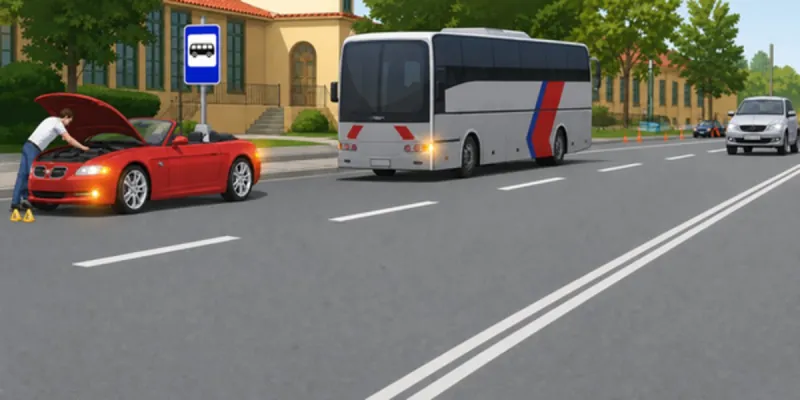
- Yield to the passenger car.
- Activate the turn signal, sound the horn, and start moving.
- Start moving after making sure that the passenger-car driver is yielding.
Correct answer: Start moving after making sure that the passenger-car driver is yielding. D/T
Why: Կետ 125-ի համաձայն՝ բնակավայրում նշված կանգառի կետից (նշան
5.16) երթևեկությունն սկսող երթուղային ավտոբուսն առավելություն ունի, սակայն կարող է սկսել միայն համոզվելով, որ հարևան գոտիով մոտեցող թեթև մարդատարի վարորդը զիջում է ճանապարհը։
Signs in this question: 5.16
In tests: D/T 39
153. At a roundabout, must the bus driver yield to the truck?
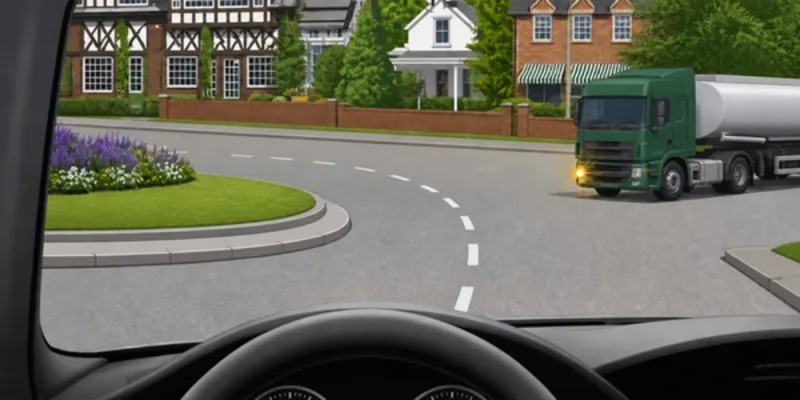
- Must yield.
- Not required.
Correct answer: Not required. D/T
Why: Մենք արդեն շրջանաձև երթևեկությամբ խաչմերուկում ենք, իսկ բեռնատարը մուտք է գործում դրա մեջ։ Կետ 98.1-ով շրջանաձև խաչմերուկ մուտք գործողը զիջում է արդեն այնտեղ երթևեկողներին, ուստի ավտոբուսի վարորդը զիջել պարտավոր չէ։
In tests: D/T 30
154. Must the bus driver proceeding straight ahead yield to the truck?
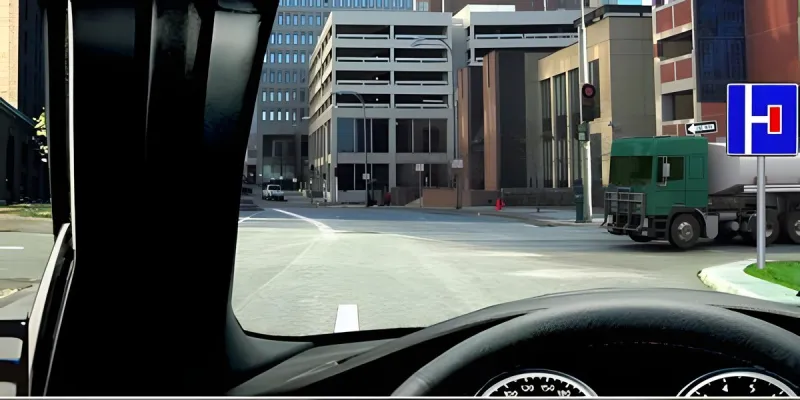
- Must yield.
- Not required.
Correct answer: Must yield. D/T
Why: Լուսացույցը չի աշխատում, ուստի կետ 95-ով խաչմերուկը չկարգավորվող է, իսկ առավելության նշաններ չկան.
6.8.2 «Փակուղի» նշանը միայն տեղեկացնում է, որ աջ ճանապարհը միջանցիկ անցում չունի։ Հավասարազոր ճանապարհների խաչմերուկում կետ 98-ով զիջում են աջից մոտեցողին. բեռնատարը մոտենում է աջից, ուստի ավտոբուսի վարորդը պարտավոր է զիջել։
Signs in this question: 6.8.2
In tests: D/T 4
155. Which signs are repeated outside populated areas?
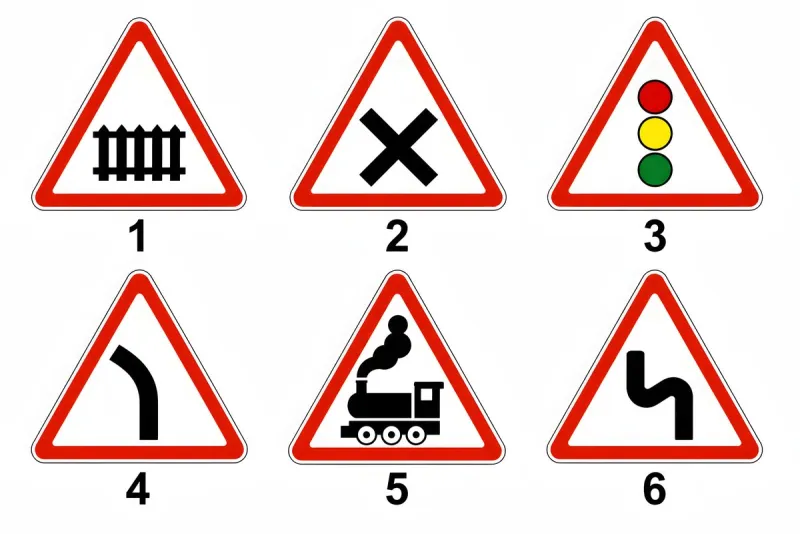
- 1 and 2.
- 2 and 3.
- 1 and 5.
- 3 and 6.
- 5 and 6.
Correct answer: 1 and 5. D/T
Why: Բնակավայրից դուրս կրկնվում են 1-ին՝
1.1 «Երկաթուղային գծանց՝ ուղեփակոցով» և 5-րդ՝
1.2 «Երկաթուղային գծանց՝ առանց ուղեփակոցի» նշանները։ 2-ը
1.6, 3-ը
1.8, 4-ը
1.11.2, 6-ը
1.12.2 նշաններն են։
Signs in this question: 1.1, 1.2
In tests: D/T 27
156. Which signs are repeated outside populated areas?
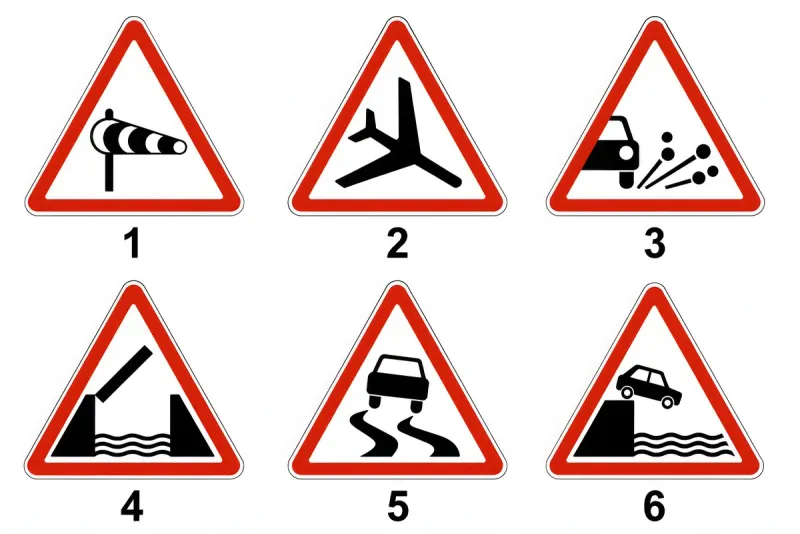
- 1 and 3.
- 2 and 4.
- 4 and 6.
- 3 and 4.
- 1 and 6.
Correct answer: 4 and 6. D/T
Why: Բնակավայրից դուրս կրկնվում են 4-րդ՝
1.9 «Բացվող կամուրջ» և 6-րդ՝
1.10 «Ելք դեպի առափ» նշանները։ 1-ը
1.29 «Կողային քամի», 2-ը
1.30 «Ցածրաթռիչք ինքնաթիռներ», 3-ը
1.18 «Խճի արտանետում», 5-ը
1.15 «Սայթաքուն ճանապարհ» նշաններն են։
Signs in this question: 1.9, 1.10
In tests: D/T 51
157. Which signs are repeated outside populated areas?
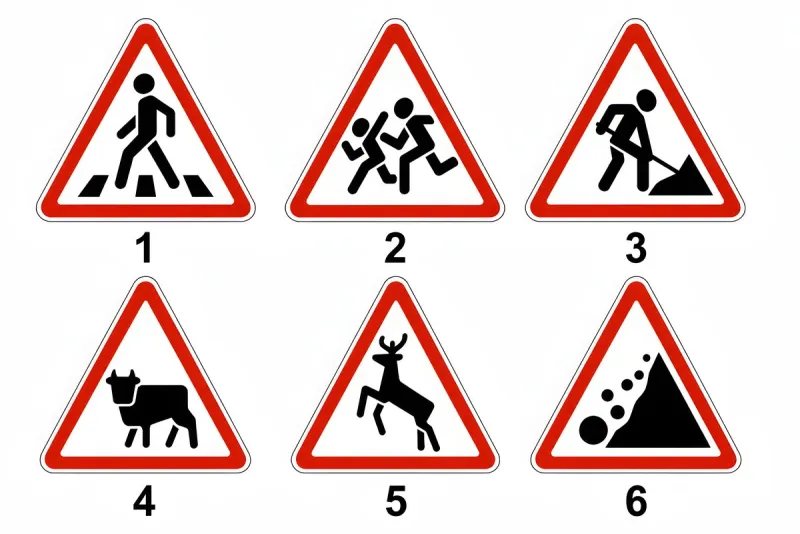
- 2 and 3.
- 1 and 4.
- 4 and 5.
- 3 and 6.
- 3 and 5.
Correct answer: 2 and 3. D/T
Why: Բնակավայրից դուրս կրկնվում են 2-րդ՝
1.23 «Երեխաներ» և 3-րդ՝
1.25 «Ճանապարհային աշխատանքներ» նշանները։ 1-ը
1.22 «Հետիոտնային անցում», 4-ը
1.26 «Անասունների քշում», 5-ը
1.27 «Վայրի կենդանիներ», 6-ը
1.28 «Քարերի անկում» նշաններն են։
Signs in this question: 1.23, 1.25
In tests: D/T 17
158. Which of the signs are installed only on the left side of the road?
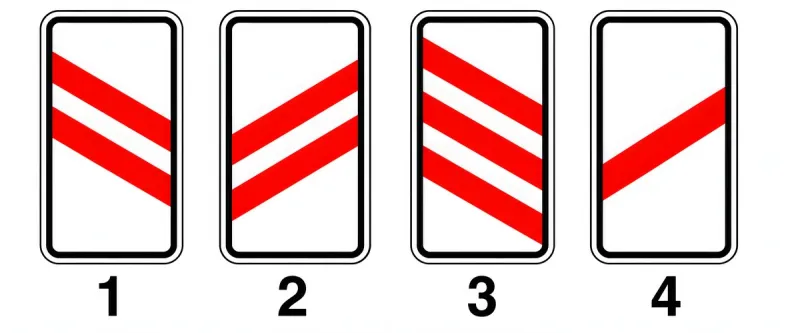
- 1 and 2.
- 3 and 4.
- 1 and 3.
- 2 and 4.
Correct answer: 1 and 3. D/T
Why: «Մոտեցում երկաթուղային գծանցին» նշաններից
1.4.4–
1.4.6-ը տեղադրվում են ճանապարհի ձախ կողմում, իսկ
1.4.1–
1.4.3-ը՝ աջ կողմում։ 1-ը
1.4.5, 3-ը
1.4.4 նշաններն են (ձախ կողմի համար), 2-ը
1.4.2, 4-ը
1.4.3։
Signs in this question: 1.4.5, 1.4.4
In tests: D/T 43
159. Which sign does not apply to public transit vehicles?
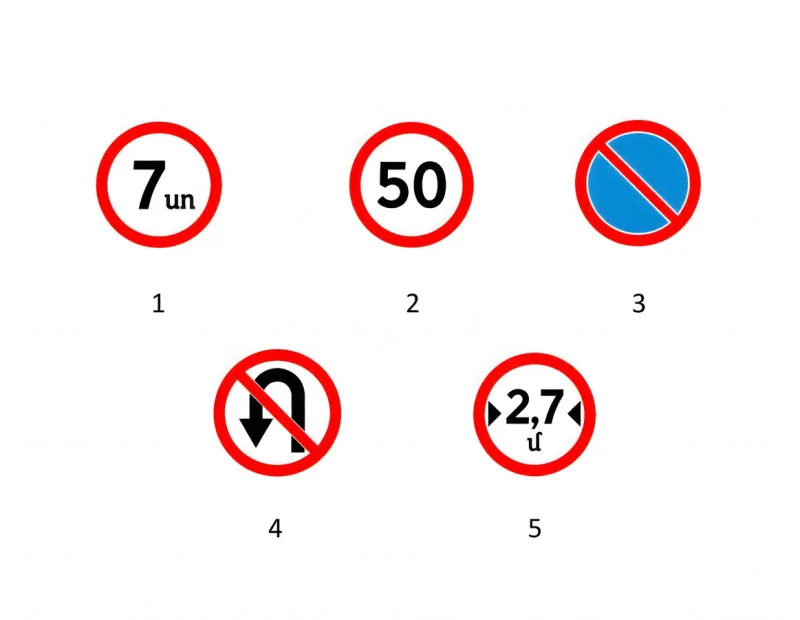
- 1.
- 2.
- 3.
- 4.
- 5.
Correct answer: Option 4. D/T
Why: Ընդհանուր օգտագործման տրանսպորտային միջոցների վրա չի տարածվում 4-րդ նշանի՝
3.19 «Հետադարձն արգելվում է»-ի ազդեցությունը։ 1-ը
3.11 «Զանգվածի սահմանափակում», 2-ը
3.24, 3-ը
3.28, 5-ը
3.14 «Լայնության սահմանափակում» նշաններն են, որոնք գործում են նաև նրանց համար։
Signs in this question: 3.19
In tests: D/T 19
160. Which sign does not apply to public transit vehicles?
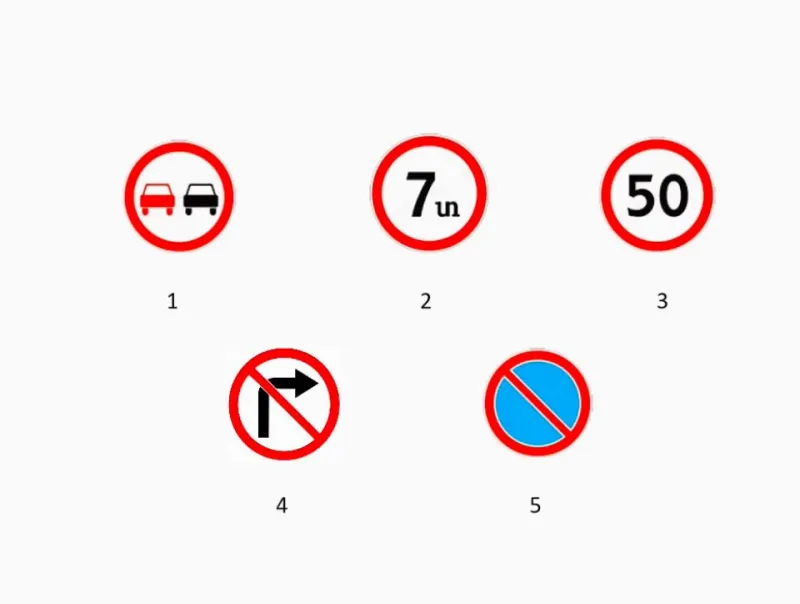
- 1.
- 2.
- 3.
- 4.
- 5.
Correct answer: Option 4. D/T
Why: Ընդհանուր օգտագործման տրանսպորտային միջոցների վրա չի տարածվում 4-րդ նշանի՝
3.18.1 «Աջ շրջադարձն արգելվում է»-ի ազդեցությունը։ 1-ը
3.20, 2-ը
3.11, 3-ը
3.24, 5-ը
3.28 նշաններն են։
Signs in this question: 3.18.1
In tests: D/T 12
161. Which sign does not apply to public transit vehicles?
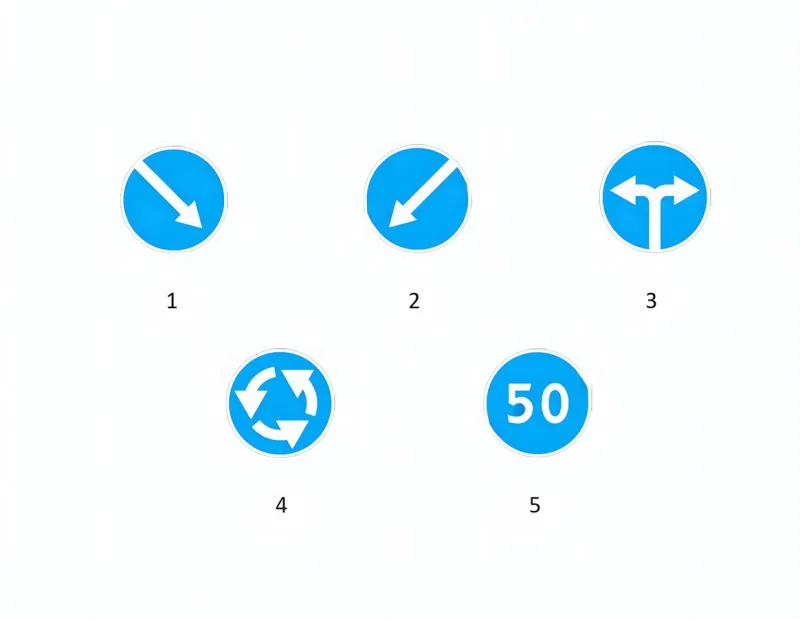
- 1.
- 2.
- 3.
- 4.
- 5.
Correct answer: Option 3. D/T
Why: Թելադրող
4.1.1–
4.1.6 նշանների ազդեցությունը չի տարածվում ընդհանուր օգտագործման տրանսպորտային միջոցների վրա, ուստի պատասխանը 3-րդ նշանն է՝
4.1.6 «Երթևեկությունը դեպի աջ կամ դեպի ձախ»։ 1-ը
4.2.1, 2-ը
4.2.2, 4-ը
4.3, 5-ը
4.6 նշաններն են, որոնք գործում են նաև նրանց համար։
Signs in this question: 4.1.6
In tests: D/T 54
162. Which sign does not apply to public transit vehicles?
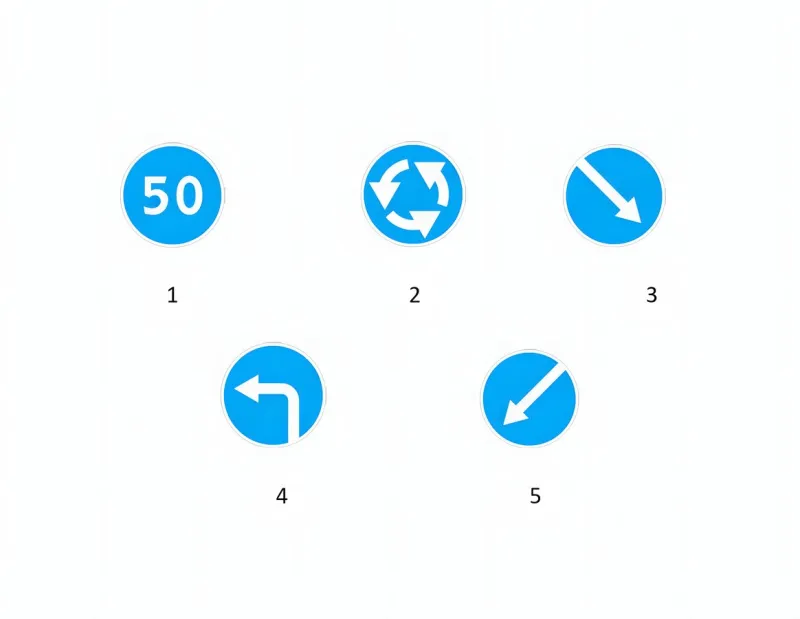
- 1.
- 2.
- 3.
- 4.
- 5.
Correct answer: Option 4. D/T
Why: 4.1.1–
4.1.6 նշանների ազդեցությունը չի տարածվում ընդհանուր օգտագործման տրանսպորտային միջոցների վրա. պատասխանը 4-րդ նշանն է՝
4.1.3 «Երթևեկությունը դեպի ձախ»։ 1-ը
4.6, 2-ը
4.3, 3-ը
4.2.1, 5-ը
4.2.2 նշաններն են։
Signs in this question: 4.1.3
In tests: D/T 47
163. Which sign does not apply to public transit vehicles?
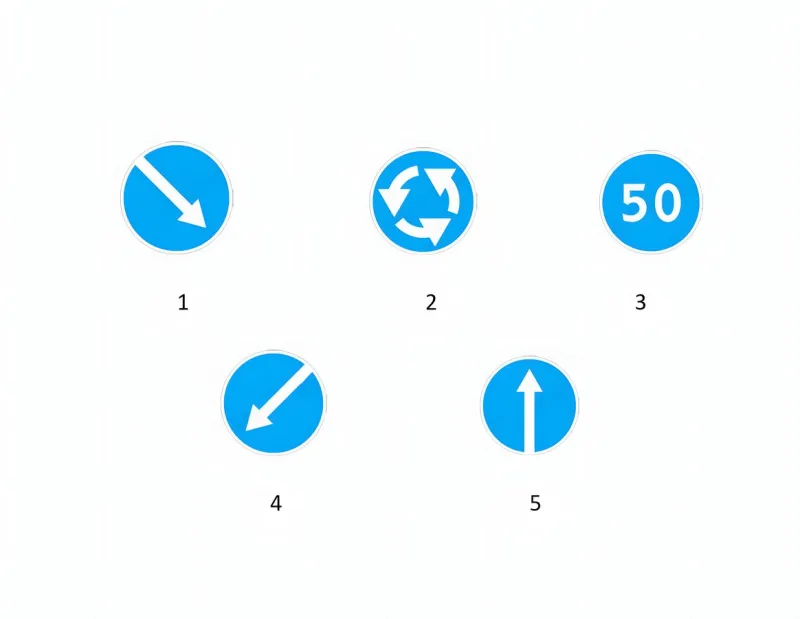
- 1.
- 2.
- 3.
- 4.
- 5.
Correct answer: Option 5. D/T
Why: 4.1.1–
4.1.6 նշանների ազդեցությունը չի տարածվում ընդհանուր օգտագործման տրանսպորտային միջոցների վրա. պատասխանը 5-րդ նշանն է՝
4.1.1 «Երթևեկությունն ուղիղ»։ 1-ը
4.2.1, 2-ը
4.3, 3-ը
4.6, 4-ը
4.2.2 նշաններն են։
Signs in this question: 4.1.1
In tests: D/T 34
164. What do warning signs indicate?
- They warn of an approaching hazardous section of road where measures appropriate to the situation must be taken while proceeding.
- They warn of an approaching hazardous section of road where the driver must reduce speed.
Correct answer: They warn of an approaching hazardous section of road where measures appropriate to the situation must be taken while proceeding. D/T
Why: Նախազգուշացնող նշանները (կետ 167, 1-ին խումբ) տեղեկացնում են ճանապարհի այն վտանգավոր տեղամասին մոտենալու մասին, որով երթևեկելիս անհրաժեշտ է ձեռնարկել իրադրությանը համապատասխան միջոցներ. դրանք արագությունն իջեցնելը չեն պարտադրում։
In tests: D/T 28
165. What do priority signs establish?
- Specific traffic regimes for proceeding through intersections, roadway crossings, or narrow sections of road.
- The order of proceeding through intersections, roadway crossings, or narrow sections of road.
Correct answer: The order of proceeding through intersections, roadway crossings, or narrow sections of road. D/T
Why: Առավելության նշանները (կետ 167, 2-րդ խումբ) սահմանում են խաչմերուկներով, երթևեկելի մասերի փոխհատումներով կամ ճանապարհների նեղ հատվածներով անցման հերթականությունը։
In tests: D/T 47
166. What do prohibitory signs introduce or cancel?
- Specific traffic regimes.
- Specific traffic restrictions.
Correct answer: Specific traffic restrictions. D/T
Why: Արգելող նշանները (կետ 167, 3-րդ խումբ) մտցնում կամ վերացնում են երթևեկության որոշակի սահմանափակումներ։ Երթևեկության ռեժիմները մտցնում են հատուկ թելադրանքի նշանները։
In tests: D/T 50
167. Can the area of effect of the “Maximum Speed Limit” sign be reduced by installing another sign of the same group?
- Yes, by installing the same sign with a different value.
- No, the area of effect of prohibitory signs may be terminated only by an intersection or by the end of a populated area.
Correct answer: Yes, by installing the same sign with a different value. D/T
Why: 3.24 «Առավելագույն արագության սահմանափակում» նշանի ազդման գոտին կարող է կրճատվել՝ տեղադրելով նույն նշանն այլ թվային արժեքով կամ
3.25 «Առավելագույն արագության սահմանափակման գոտու վերջ» նշանը։
Signs in this question: 3.24
In tests: D/T 13
168. Are buses permitted to proceed on roads marked with the “Road for Motor Vehicles” sign?
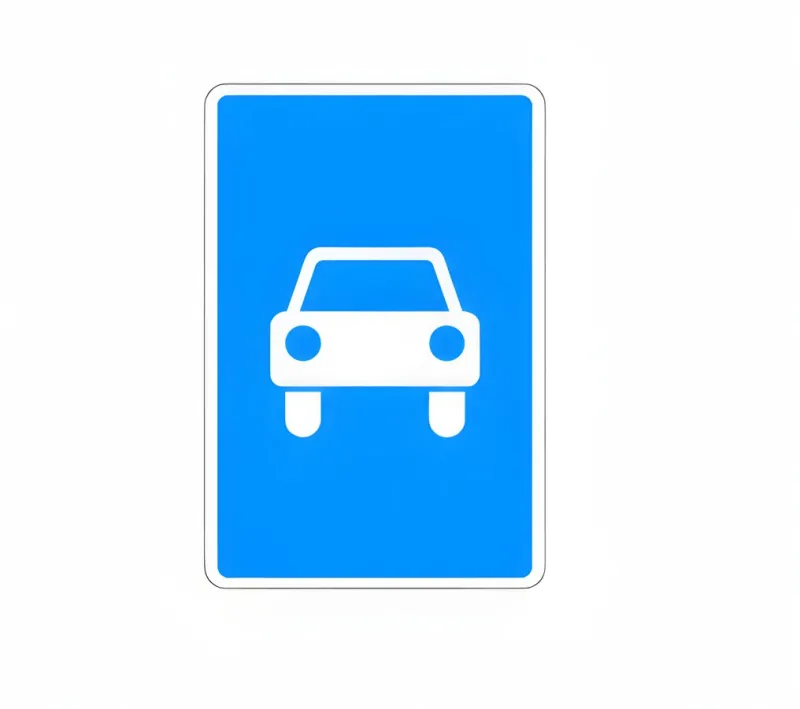
- Yes, without any restrictions.
- No, such roads are intended only for passenger cars.
- Yes, but they must not occupy any lane to the left of the second lane.
Correct answer: Yes, without any restrictions. D/T
Why: 5.3 «Ճանապարհ ավտոմոբիլների համար» նշանով ճանապարհները նախատեսված են ավտոմոբիլների, այդ թվում ավտոբուսների, և մոտոցիկլների համար։ Երկրորդ գոտուց ձախ գոտիների սահմանափակումը (կետ 116.3, կետ 117) վերաբերում է միայն 3,5 տ-ից ծանր բեռնատարներին, ուստի ավտոբուսներին երթևեկելը թույլատրվում է առանց սահմանափակման։
Signs in this question: 5.3
In tests: D/T 23
169. Are buses permitted to proceed on roads marked with the “Road for Motor Vehicles” sign?
- Yes, but they must not occupy the leftmost lane.
- Yes, without any restrictions.
Correct answer: Yes, without any restrictions. D/T
Why: 5.3 նշանով ճանապարհներին ավտոբուսների երթևեկությունը թույլատրվում է առանց սահմանափակումների. ձախ գոտիների արգելքը (կետ 116.3, կետ 117) վերաբերում է միայն 3,5 տ-ից ծանր բեռնատարներին։
Signs in this question: 5.3
In tests: D/T 6
170. Is a bus permitted to reverse for the purpose of picking up a passenger on a road marked with the “Road for Motor Vehicles” sign?
- Yes, provided this does not interfere with other road users.
- Permitted only with the hazard warning lights activated.
- Prohibited.
Correct answer: Prohibited. D/T
Why: Կետ 117-ով ավտոմայրուղիների պահանջները տարածվում են նաև
5.3 նշանով ճանապարհների վրա, իսկ կետ 116.6-ով այնտեղ հետընթացն արգելվում է՝ անկախ նպատակից։
Signs in this question: 5.3
In tests: D/T 3
171. Is a bus permitted to make a U-turn or enter a technological opening in the median on a road marked with the “Road for Motor Vehicles” sign?
- Permitted.
- Prohibited.
- Permitted if it is a public transit vehicle.
Correct answer: Prohibited. D/T
Why: Կետ 117-ով
5.3 նշանով ճանապարհներին գործում են ավտոմայրուղիների պահանջները, իսկ կետ 116.5-ով արգելվում է մուտք գործել բաժանարար գոտու տեխնոլոգիական խզվածքներ (բացի ճանապարհների պահպանման մեքենաներից), ուստի դրանցով հետադարձն արգելվում է բոլոր ավտոբուսներին։
Signs in this question: 5.3
In tests: D/T 43
172. Is a bus driver permitted to proceed in the lane indicated by this sign if the lane is separated from the rest of the roadway by a solid pavement marking?
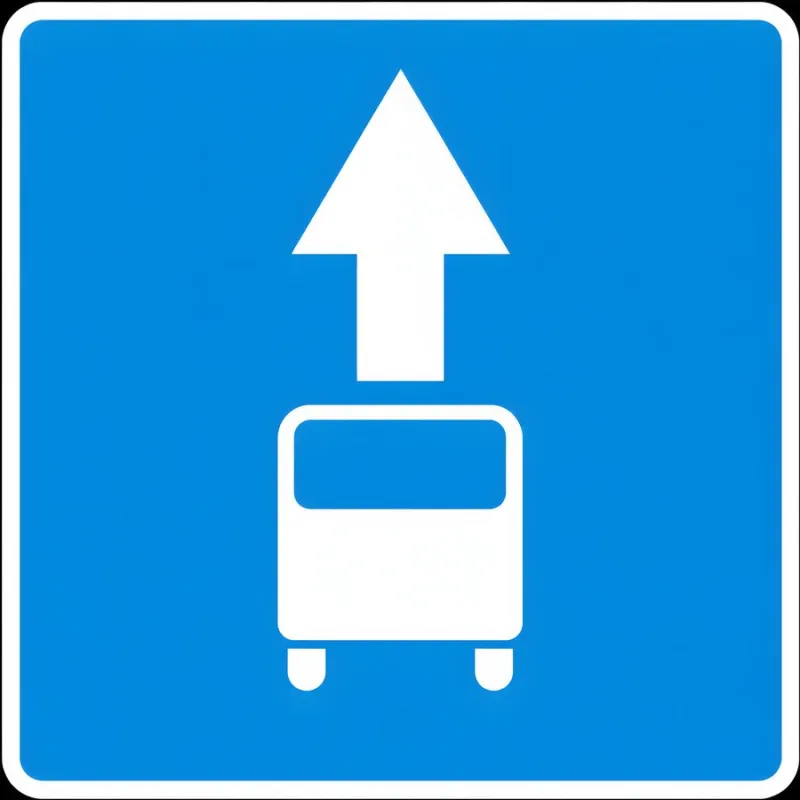
- Permitted for the driver of a bus carrying an organized group of children.
- Prohibited.
- Permitted if it is a public transit vehicle.
Correct answer: Permitted if it is a public transit vehicle. D/T
Why: 5.14 «Ընդհանուր օգտագործման տրանսպորտային միջոցների համար գոտի» նշանով գոտիով կարող են երթևեկել միայն ընդհանուր օգտագործման տրանսպորտային միջոցները. կետ 124-ով այլ տրանսպորտային միջոցների երթևեկությունն այնտեղ արգելվում է, իսկ հոծ գծով բաժանված գոտի այլ միջոցներ մուտք գործել չեն կարող։
Signs in this question: 5.14
In tests: D/T 18
173. Which sign is called “Road with a Lane for Public Transit Vehicles”?
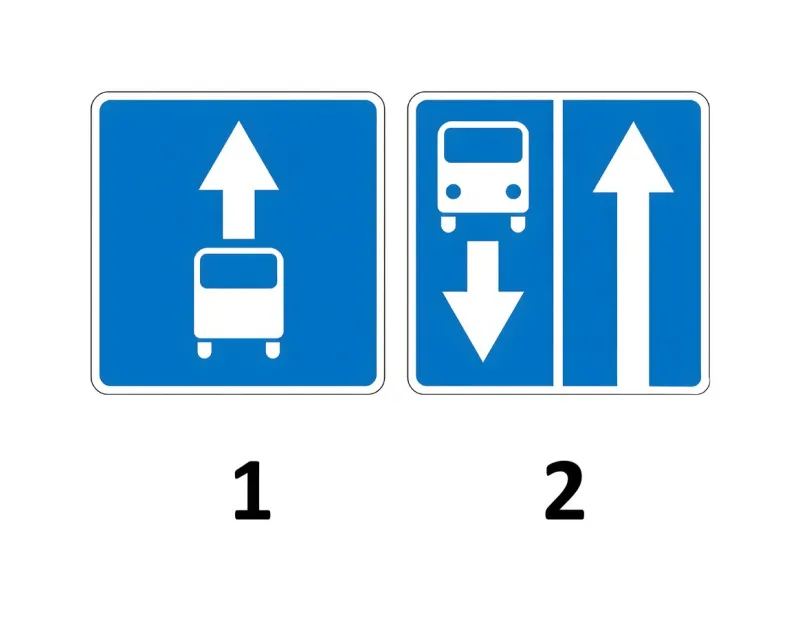
- 1.
- 2.
Correct answer: Option 2. D/T
Why: «Ընդհանուր օգտագործման տրանսպորտային միջոցների համար գոտիով ճանապարհ» կոչվում է 2-րդ նշանը՝
5.11-ը (ավտոբուսի գոտին հանդիպակաց ուղղությամբ է)։ 1-ը
5.14 «Ընդհանուր օգտագործման տրանսպորտային միջոցների համար գոտի» նշանն է։
Signs in this question: 5.11
In tests: D/T 42
174. Which sign is called “Exit onto a Road with a Lane for Public Transit Vehicles”?
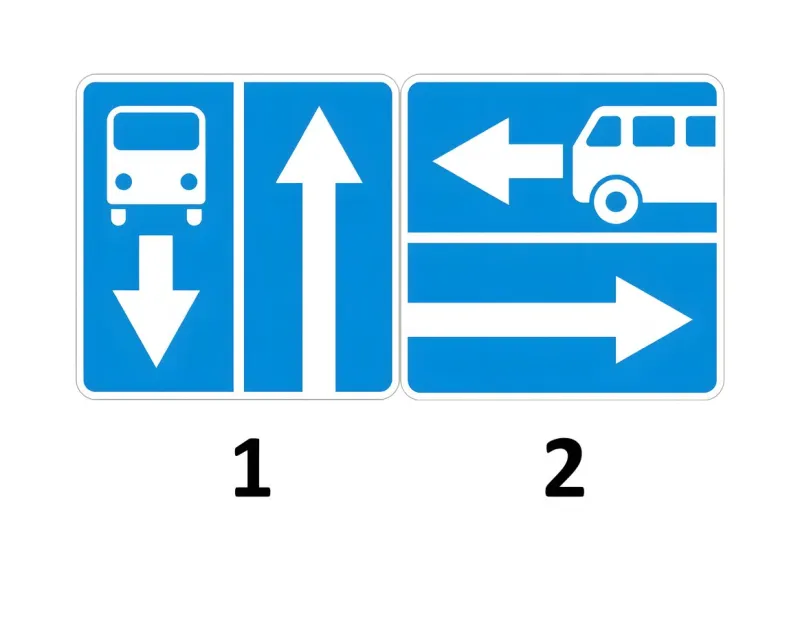
- 1.
- 2.
Correct answer: Option 2. D/T
Why: «Ելք դեպի ընդհանուր օգտագործման տրանսպորտային միջոցների համար գոտիով ճանապարհ» կոչվում է 2-րդ նշանը՝
5.13.1-ը։ 1-ը
5.11 «Ընդհանուր օգտագործման տրանսպորտային միջոցների համար գոտիով ճանապարհ» նշանն է։
Signs in this question: 5.13.1
In tests: D/T 12
175. Which of the signs is called “Reversible Traffic”?
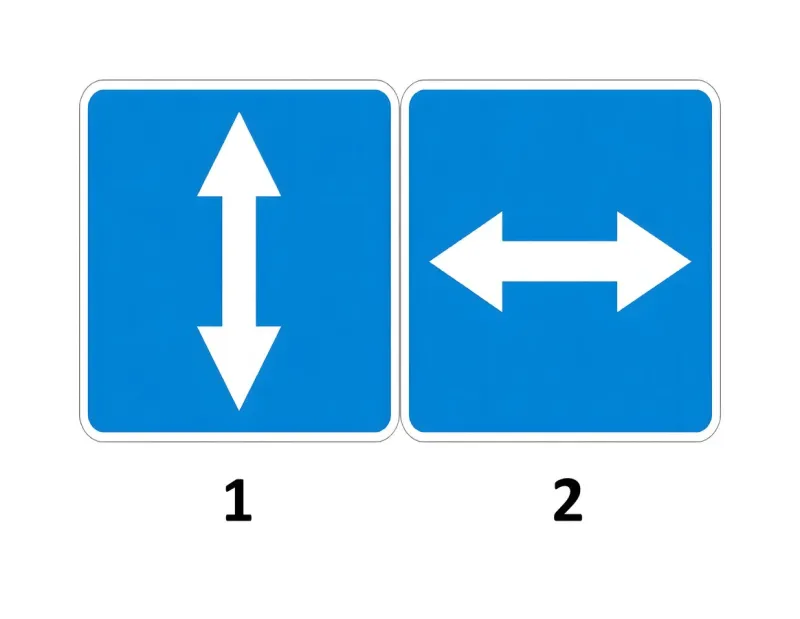
- 1.
- 2.
- 1 and 2.
Correct answer: Option 1. D/T
Why: «Դարձափոխային երթևեկություն» կոչվում է 1-ին նշանը՝
5.8-ը։ 2-ը
5.10 «Ելք դեպի դարձափոխային երթևեկությամբ ճանապարհ» նշանն է։
Signs in this question: 5.8
In tests: D/T 1
176. In which case is a bus driver permitted to use the communication facility indicated by this sign?
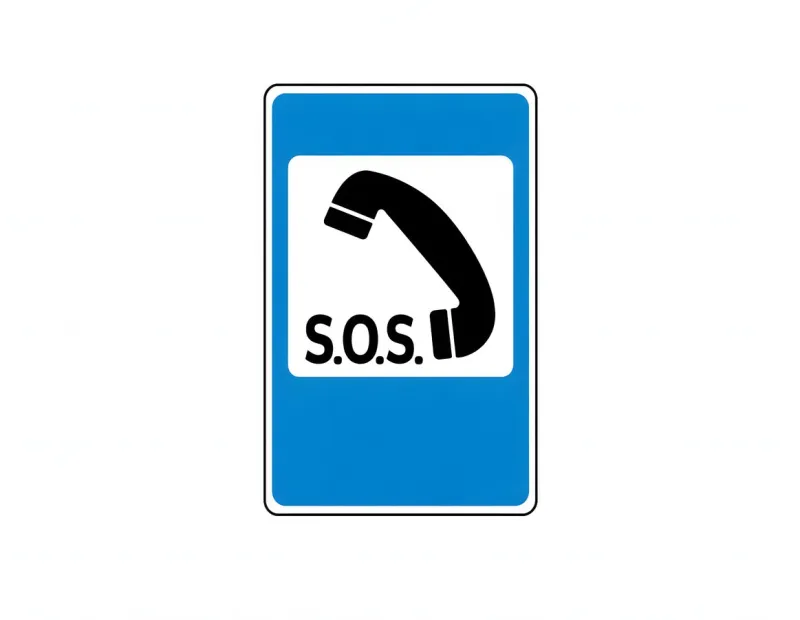
- To obtain information about weather conditions on that road section.
- To contact emergency services.
Correct answer: To contact emergency services. D/T
Why: Սա
7.19 «Արտակարգ կապի հեռախոս» նշանն է. այն ցույց է տալիս այն տեղը, որտեղ գտնվում է օպերատիվ ծառայությունների հետ կապ հաստատելու հեռախոսը։
Signs in this question: 7.19
In tests: D/T 17
177. In which case is bus traffic prohibited when this sign is present?
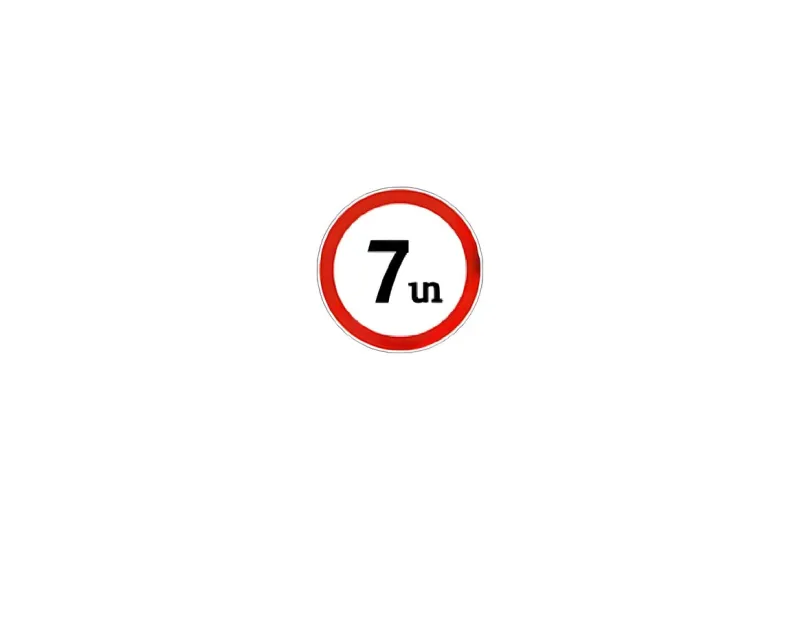
- If the bus’s actual mass exceeds the value indicated on the sign.
- If the bus’s maximum authorized mass exceeds the value indicated on the sign.
Correct answer: If the bus’s actual mass exceeds the value indicated on the sign. D/T
Why: 3.11 «Զանգվածի սահմանափակում» նշանն արգելում է այն տրանսպորտային միջոցների երթևեկությունը, որոնց ընդհանուր փաստացի զանգվածը մեծ է նշանի վրա նշվածից. հաշվի է առնվում փաստացի, ոչ թե թույլատրելի առավելագույն զանգվածը։
Signs in this question: 3.11
In tests: D/T 19
178. The bus has a maximum authorized mass of 8 metric tons, but because there are no passengers its actual mass is 6 metric tons. Is it permitted to proceed when this sign is present?
- No, because the maximum mass indicated in the registration certificate is taken into account.
- Yes, because the actual mass does not exceed the value indicated on the sign.
- Yes, if the driver has activated the hazard warning lights.
Correct answer: Yes, because the actual mass does not exceed the value indicated on the sign. D/T
Why: 3.11 «Զանգվածի սահմանափակում» նշանը հաշվի է առնում տրանսպորտային միջոցի փաստացի զանգվածը։ Ավտոբուսի փաստացի զանգվածը 6 տ է, որը չի գերազանցում նշանի 7 տ-ն, ուստի երթևեկել թույլատրվում է։
Signs in this question: 3.11
In tests: D/T 45
179. Is a public transit vehicle permitted to proceed when this sign is present if its total actual mass is 7 metric tons?
- Permitted.
- Not permitted.
Correct answer: Permitted. D/T
Why: 3.11 «Զանգվածի սահմանափակում» նշանը (7 տ) արգելում է միայն այն տրանսպորտային միջոցները, որոնց փաստացի զանգվածը մեծ է 7 տ-ից. 7 տ-ն նրանից մեծ չէ, ուստի թույլատրվում է։
Signs in this question: 3.11
In tests: D/T 36
180. Is a public transit vehicle permitted to proceed when this sign is present if its maximum authorized mass is 9 metric tons but, because there are no passengers, its actual mass is 7 metric tons?
- Permitted.
- Not permitted.
Correct answer: Permitted. D/T
Why: 3.11 «Զանգվածի սահմանափակում» նշանը հաշվի է առնում փաստացի զանգվածը, ոչ թե թույլատրելի առավելագույնը։ 7 տ փաստացի զանգվածը չի գերազանցում նշանի 7 տ-ն, ուստի թույլատրվում է։
Signs in this question: 3.11
In tests: D/T 7
181. A bus driver sees this sign before reaching a bridge. The bus’s actual mass is 12 metric tons. May the driver cross the bridge?
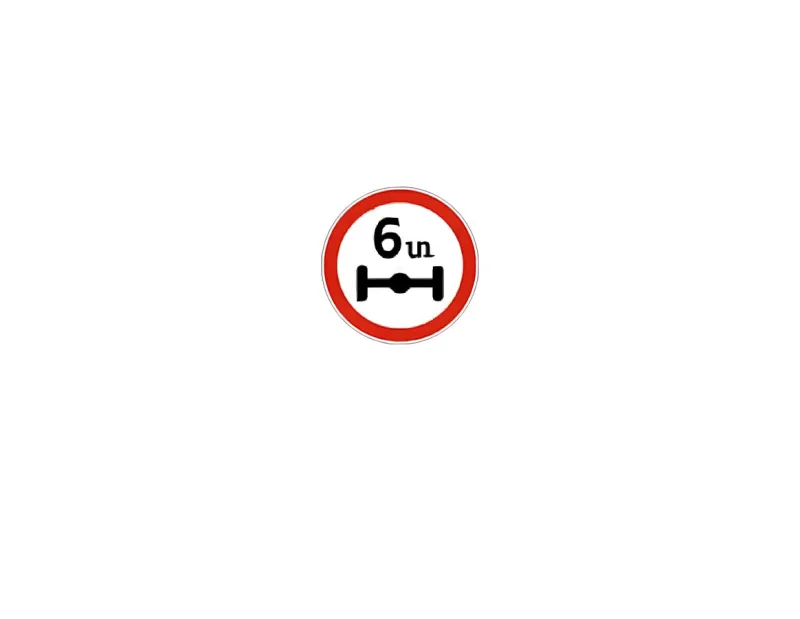
- Yes.
- No.
Correct answer: No. D/T
Why: Նշանը
3.12 «Սռնու վրա բեռնվածության սահմանափակում» (6 տ) է։ Պաշտոնական պատասխանով 12 տ փաստացի զանգվածով ավտոբուսը չի կարող անցնել, քանի որ զանգվածը սռնիների վրա բաշխվում է անհավասարաչափ, և երկսռնի ավտոբուսի առնվազն մեկ սռնու բեռնվածությունը կգերազանցի 6 տ-ն։
Signs in this question: 3.12
In tests: D/T 50
182. A bus driver has stopped upon encountering this sign. When is the driver permitted to continue?
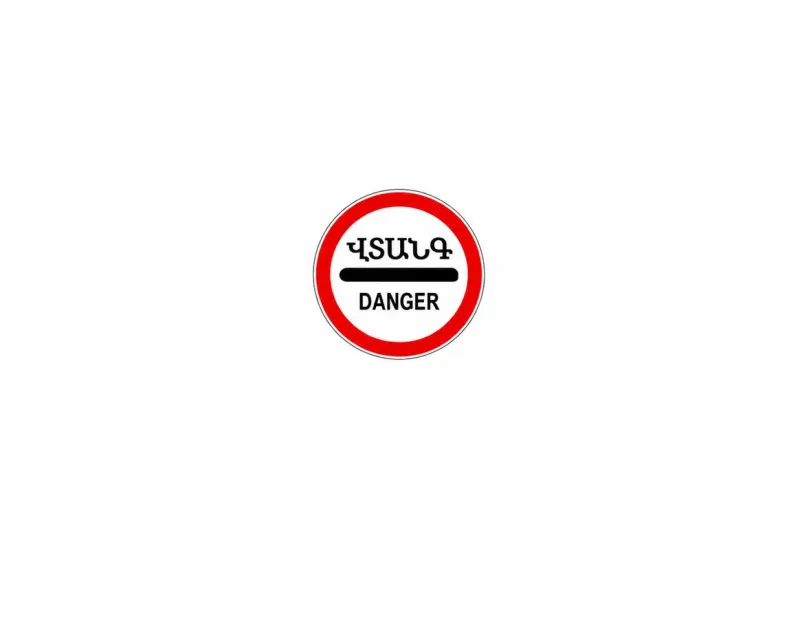
- After obtaining permission.
- After the cause of the danger has been eliminated.
Correct answer: After obtaining permission. D/T
Why: 3.17.2 «Վտանգ» նշանն արգելում է հետագա երթևեկությունը ճանապարհատրանսպորտային պատահարի, հրդեհի, վթարի կամ այլ վտանգի կապակցությամբ. երթևեկությունը կարելի է շարունակել միայն թույլտվություն ստանալուց հետո։
Signs in this question: 3.17.2
In tests: D/T 18
183. Is it permitted to cross this pavement marking?
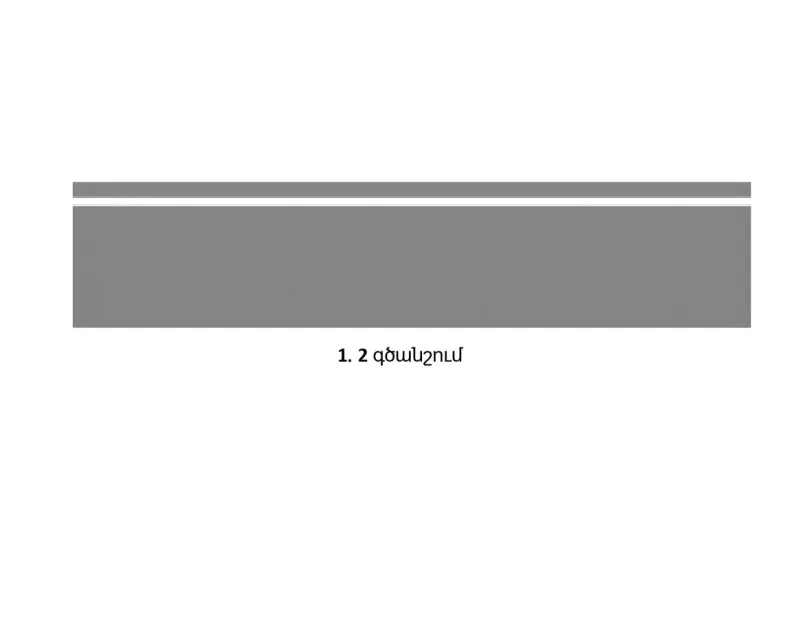
- Not permitted.
- Permitted when stopping on the shoulder or leaving a stopping place, at locations where vehicle stopping or parking is permitted.
Correct answer: Permitted when stopping on the shoulder or leaving a stopping place, at locations where vehicle stopping or parking is permitted. D/T
Why: 1.2 գծանշումը երթևեկելի մասի եզրը ցույց տվող հոծ գիծ է։ Այն թույլատրվում է հատել կողնակին կանգառ կատարելու և կանգառի վայրից դուրս գալու համար՝ այն տեղերում, որտեղ կանգառն ու կայանումը թույլատրված են (կետ 78)։
In tests: D/T 17
184. How must a bus driver act if there is a deceleration lane before making a turn?
- Reduce speed in advance in the main lane, then change into the deceleration lane.
- Change into the deceleration lane in advance and reduce speed only within that lane.
- At the driver’s discretion.
Correct answer: Change into the deceleration lane in advance and reduce speed only within that lane. D/T
Why: Կետ 47-ով արգելակման գոտու առկայության դեպքում շրջադարձ կատարելու մտադրություն ունեցող վարորդը պետք է նախապես վերադասավորվի այդ գոտի և արագությունն իջեցնի միայն դրա սահմաններում։
In tests: D/T 16
185. Is driving instruction permitted in residential zones?
- Permitted.
- Permitted only during daylight hours.
- Permitted only if the speed of the learner vehicle does not exceed 20 km/h.
- Prohibited.
Correct answer: Prohibited. D/T
Why: Կետ 121.1-ով բնակելի գոտիներում ուսումնական վարումն արգելվում է՝ առանց բացառությունների։
In tests: D/T 11
186. Is driving instruction permitted on roads marked with the “Road for Motor Vehicles” sign?
- Permitted only under light-traffic conditions.
- Permitted only during daylight hours.
- Prohibited.
Correct answer: Prohibited. D/T
Why: Կետ 117-ով
5.3 «Ճանապարհ ավտոմոբիլների համար» նշանով ճանապարհներին գործում են ավտոմայրուղիների պահանջները, իսկ կետ 116.7-ով այնտեղ ուսումնական վարումն արգելվում է։
Signs in this question: 5.3
In tests: D/T 52
187. Which road signs apply to public transit vehicles?
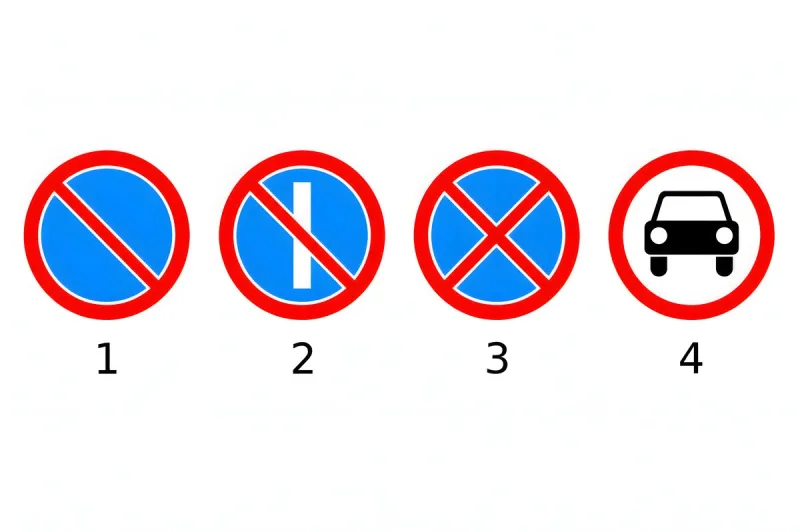
- 1, 3, and 4.
- 2, 3, and 4.
- 1, 2, and 3.
Correct answer: 1, 2, and 3. D/T
Why: Ընդհանուր օգտագործման տրանսպորտային միջոցների վրա տարածվում են 1-ին (
3.28 «Կայանելն արգելվում է»), 2-րդ (
3.29 «Կայանելն արգելվում է ամսվա կենտ օրերին») և 3-րդ (
3.27 «Կանգառն արգելվում է») նշանները, իսկ 4-րդի՝
3.3 «Մեխանիկական տրանսպորտային միջոցների երթևեկությունն արգելվում է»-ի ազդեցությունը նրանց վրա չի տարածվում։
Signs in this question: 3.28, 3.29, 3.27, 3.3
In tests: D/T 13
188. Is it permitted to cross a solid line separating traffic flows by entering the oncoming traffic lane?
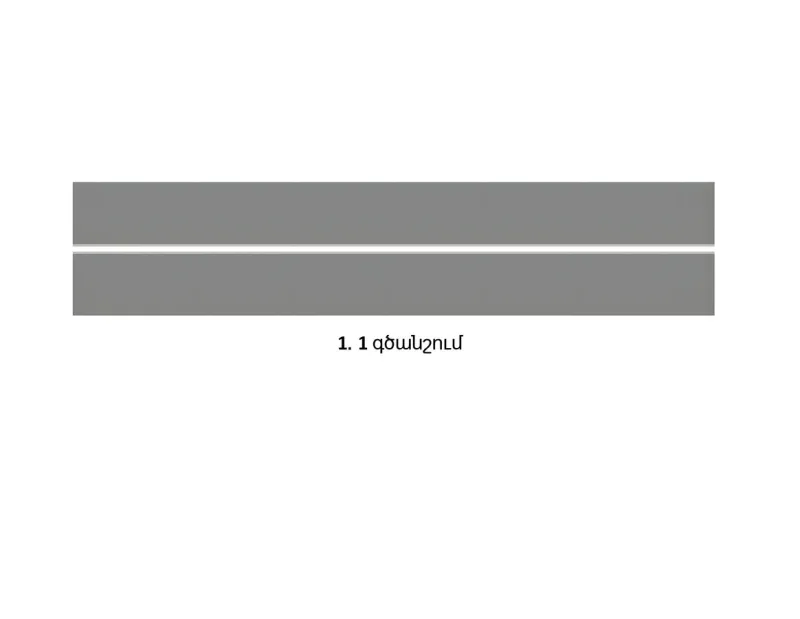
- Permitted on roads outside populated areas for the purpose of making a left turn or U-turn.
- Prohibited.
- Permitted only on illuminated road sections and during daylight hours.
Correct answer: Prohibited. D/T
Why: 1.1 հոծ գիծը բաժանում է հանդիպակաց ուղղությունների հոսքերը, և այն հատել արգելվում է՝ անկախ ճանապարհի տեսակից, լուսավորությունից կամ մանևրի նպատակից։
In tests: D/T 51
189. What does this sign warn of?
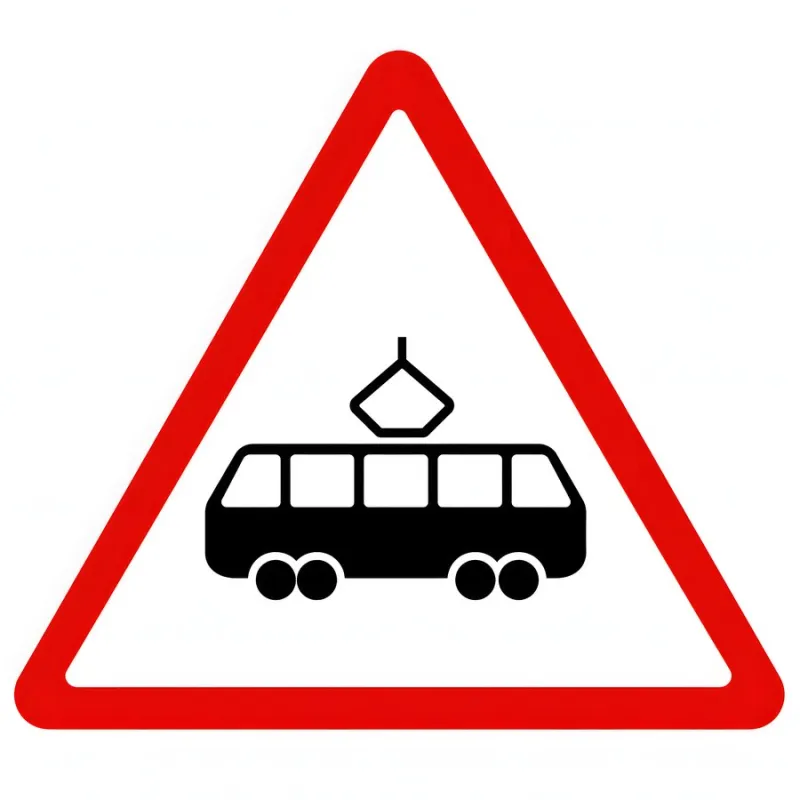
- Approaching a trolleybus and tram stop.
- Approaching a designated lane for public transit buses.
- Approaching an intersection with tram tracks.
Correct answer: Approaching an intersection with tram tracks. D/T
Why: Սա
1.5 «Հատում տրամվայի գծի հետ» նշանն է. այն նախազգուշացնում է տրամվայի գծերի հետ հատման մասին։
Signs in this question: 1.5
In tests: D/T 10
190. In residential zones and yard areas, the following is prohibited:
- Through traffic by buses.
- Parking buses with the engine running.
- Driving instruction.
- In all of the listed cases.
Correct answer: In all of the listed cases. D/T
Why: Կետ 121-ով բնակելի գոտիներում արգելվում են ուսումնական վարումը, միջանցիկ երթևեկությունը և աշխատող շարժիչով կայանելը, իսկ կետ 122-ով այդ պահանջները տարածվում են նաև բակային տարածքների վրա, ուստի արգելված են բոլոր թվարկվածները։
In tests: D/T 5
191. Is this pavement marking used to indicate the boundaries of vehicle parking spaces?
- Yes.
- No.
Correct answer: Yes. D/T
Why: 1.1 հոծ գիծը, ըստ գծանշումների նկարագրության, ցույց է տալիս նաև տրանսպորտային միջոցների կայանման տեղերի սահմանները։
In tests: D/T 31
192. What does this pavement marking indicate?
- The boundaries of traffic lanes at hazardous sections of road.
- The lines separating all lanes of traffic proceeding in the same direction.
Correct answer: The boundaries of traffic lanes at hazardous sections of road. D/T
Why: 1.1 հոծ գիծը բաժանում է հանդիպակաց ուղղությունների հոսքերը և նշում ճանապարհի վտանգավոր վայրերում երթևեկության գոտիների սահմանները։ Միևնույն ուղղության գոտիները սովորաբար բաժանում է ընդհատվող
1.5 գիծը։
In tests: D/T 24
193. Which of these signs does not apply to public transit vehicles?
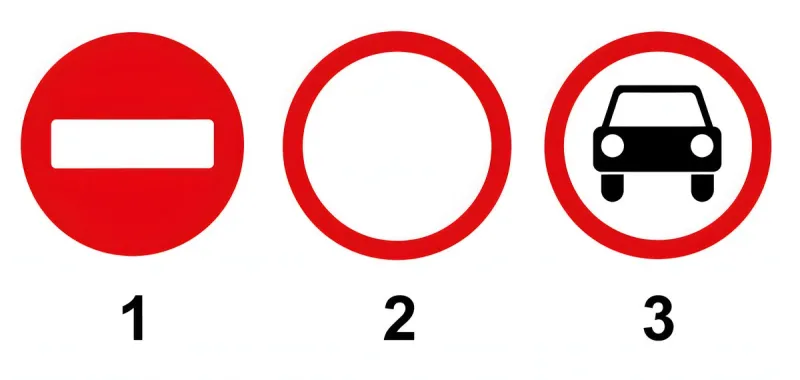
- 1 and 3.
- 2 and 3.
- None of them.
Correct answer: None of them. D/T
Why: 1-ը
3.1 «Մուտքն արգելվում է», 2-ը
3.2 «Երթևեկությունն արգելվում է», 3-ը
3.3 «Մեխանիկական տրանսպորտային միջոցների երթևեկությունն արգելվում է» նշաններն են։ Այս երեք նշաններից ոչ մեկի ազդեցությունը չի տարածվում ընդհանուր օգտագործման տրանսպորտային միջոցների վրա, ուստի «1 և 3» կամ «2 և 3» տարբերակները թերի են։
Signs in this question: 3.1, 3.2, 3.3
In tests: D/T 52
194. Which of these signs does not apply to public transit buses?
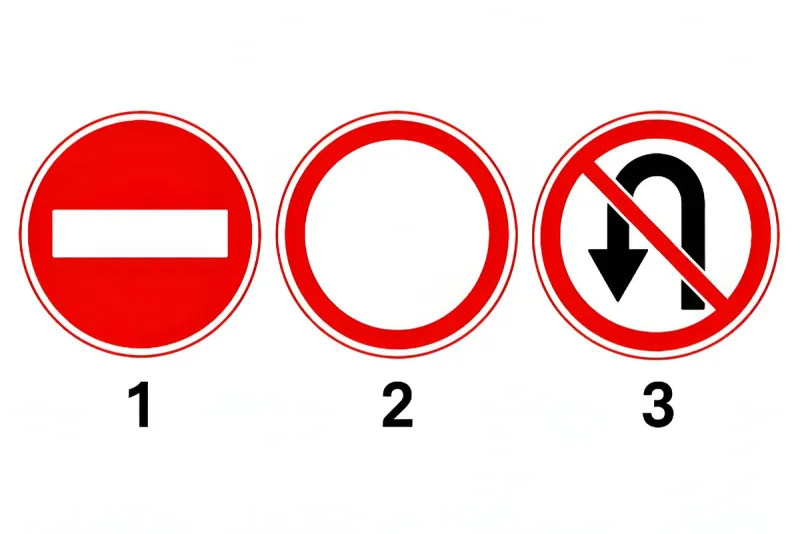
- None of them.
- 2 and 3.
- 1 and 3.
Correct answer: None of them. D/T
Why: 1-ը
3.1 «Մուտքն արգելվում է», 2-ը
3.2 «Երթևեկությունն արգելվում է», 3-ը
3.19 «Հետադարձն արգելվում է» նշաններն են։ Այս երեք նշաններից ոչ մեկի ազդեցությունը չի տարածվում ընդհանուր օգտագործման ավտոբուսների վրա, ուստի «2 և 3» կամ «1 և 3» տարբերակները թերի են։
Signs in this question: 3.1, 3.2, 3.19
In tests: D/T 43
195. Which of these signs applies to public transit vehicles?
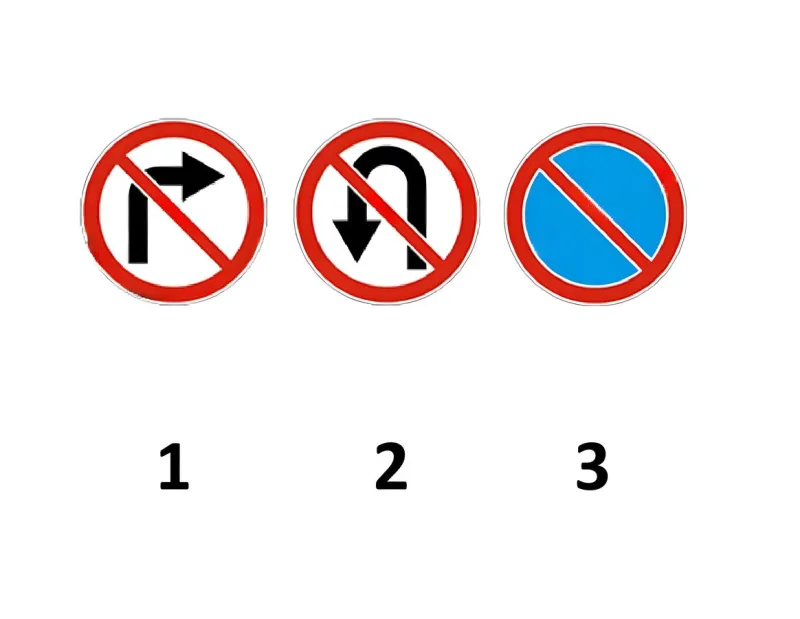
- 1.
- 2.
- 3.
- All of them.
Correct answer: Option 3. D/T
Why: Ընդհանուր օգտագործման տրանսպորտային միջոցների վրա տարածվում է 3-րդ նշանը՝
3.28 «Կայանելն արգելվում է»-ը, իսկ 1-ին (
3.18.1 «Աջ շրջադարձն արգելվում է») և 2-րդ (
3.19 «Հետադարձն արգելվում է») նշանների ազդեցությունը նրանց վրա չի տարածվում։
Signs in this question: 3.28, 3.18.1, 3.19
In tests: D/T 27
196. What does this horizontal pavement marking separate?
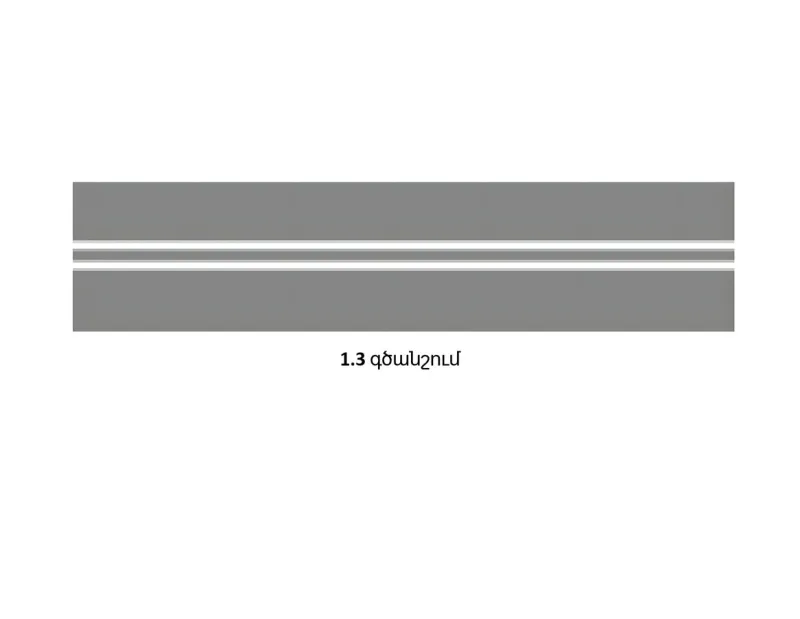
- The public transit vehicle lane from the remaining lanes of the roadway.
- On roads with four or more traffic lanes, it separates traffic flows moving in opposite directions.
Correct answer: On roads with four or more traffic lanes, it separates traffic flows moving in opposite directions. D/T
Why: 1.3 կրկնակի հոծ գծանշումը չորս և ավելի երթևեկության գոտի ունեցող ճանապարհներին բաժանում է հանդիպակաց ուղղությունների տրանսպորտային հոսքերը։
In tests: D/T 14
197. What does this solid yellow line indicate?
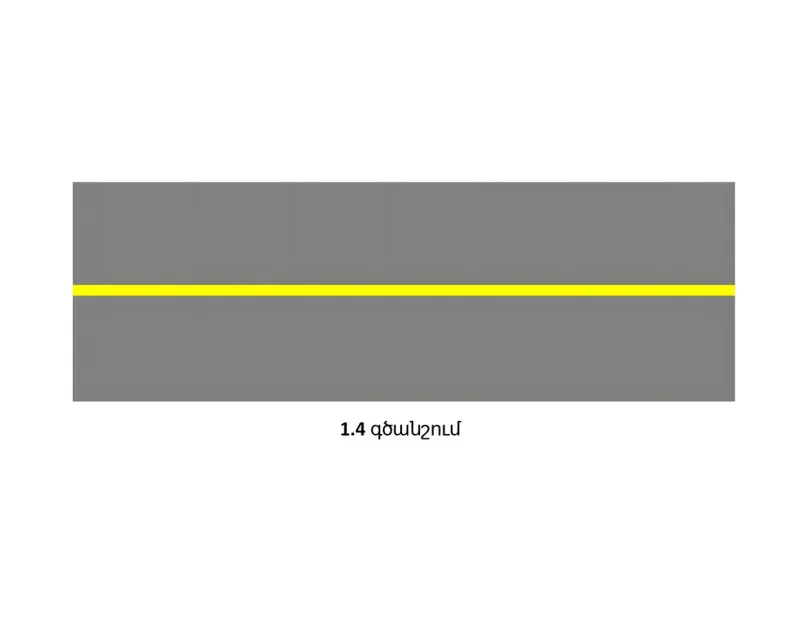
- The boundaries of a special free parking area intended for electric and hybrid vehicles.
- A location where vehicle stopping and parking are prohibited.
Correct answer: A location where vehicle stopping and parking are prohibited. D/T
Why: Դեղին հոծ
1.4 գծանշումը ցույց է տալիս այն տեղերը, որտեղ կանգառը և կայանումն արգելված են։
In tests: D/T 16
198. What does this line separate?
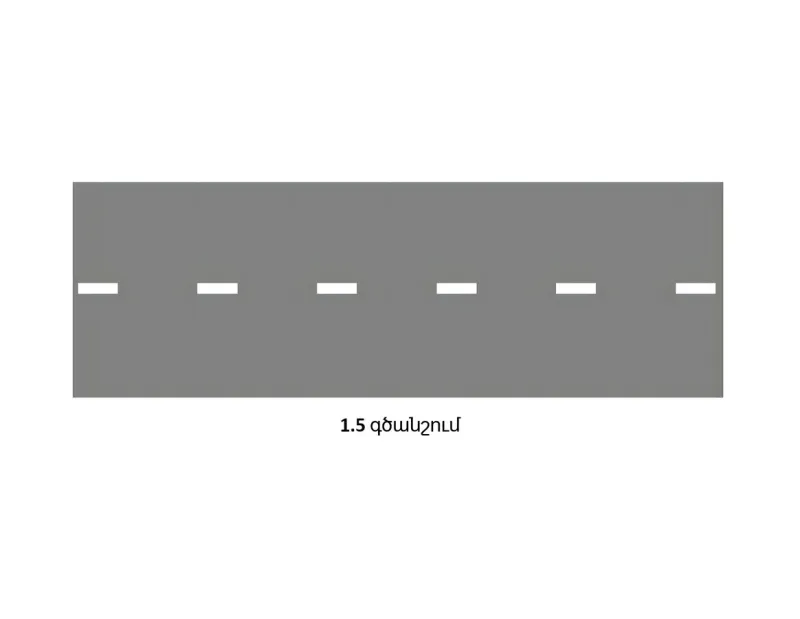
- On roads with two or three traffic lanes, it separates traffic flows moving in opposite directions (center line); on roads with two or more lanes in one direction, it indicates the boundaries of traffic lanes.
- It separates the roadway of a one-way road from the shoulder.
Correct answer: On roads with two or three traffic lanes, it separates traffic flows moving in opposite directions (center line); on roads with two or more lanes in one direction, it indicates the boundaries of traffic lanes. D/T
Why: 1.5 ընդհատվող գիծը բաժանում է երկու կամ երեք գոտի ունեցող ճանապարհների հանդիպակաց հոսքերը, իսկ մեկ ուղղությամբ երկու և ավելի գոտի ունեցող ճանապարհներին ցույց է տալիս գոտիների սահմանները։
In tests: D/T 3
199. What does this broken line indicate (the length of the dashes and the spaces between them are equal)?
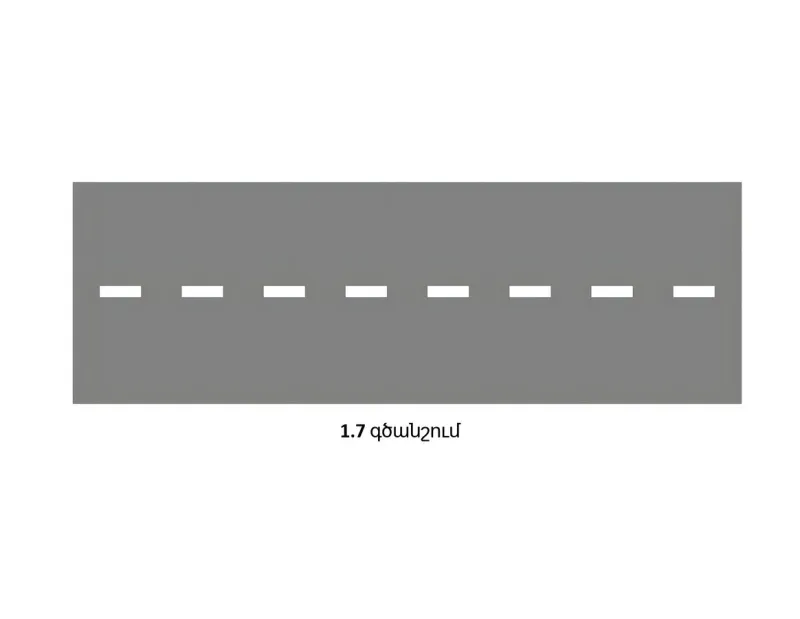
- The boundary between the main roadway and an acceleration or deceleration lane.
- It indicates traffic lanes within an intersection.
Correct answer: It indicates traffic lanes within an intersection. D/T
Why: 1.7 ընդհատվող գիծը (գծիկներն ու դրանց միջև եղած տարածությունը հավասար են) ցույց է տալիս երթևեկության գոտիները խաչմերուկի սահմաններում։
In tests: D/T 33
200. What does the combination of a solid and a broken line indicate?
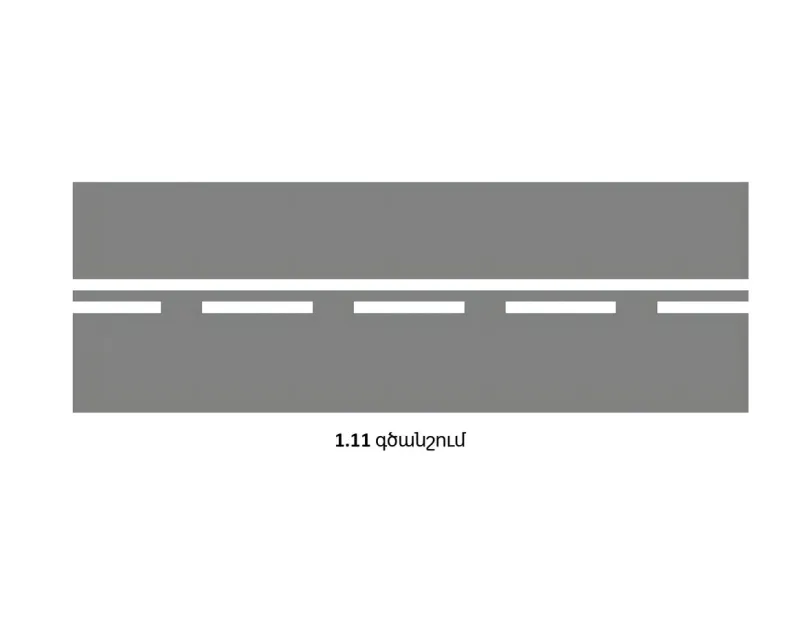
- Locations for making U-turns, entrances to and exits from adjacent areas, and similar places where traffic is permitted in only one direction.
- A location where traffic flows moving in different directions merge.
Correct answer: Locations for making U-turns, entrances to and exits from adjacent areas, and similar places where traffic is permitted in only one direction. D/T
Why: 1.11 գծանշումը (հոծ և ընդհատվող գծերի համակցություն) ցույց է տալիս հետադարձի, ինչպես նաև մերձակա տարածքների մուտքի, ելքի և նման տեղերը, որտեղ երթևեկությունը թույլատրվում է միայն մեկ ուղղությամբ, և բաժանում է հոսքերը այն հատվածներում, որտեղ վերադասավորումը թույլատրվում է միայն մեկ գոտուց։
In tests: D/T 9
201. Is it permitted to cross a combination of solid and broken lines from the solid-line side?
- Not permitted.
- Permitted when completing a passing maneuver or driving around an obstruction.
Correct answer: Permitted when completing a passing maneuver or driving around an obstruction. D/T
Why: 1.11 գծանշումը սովորաբար հատվում է ընդհատվող գծի կողմից, սակայն հոծ գծի կողմից այն թույլատրվում է հատել վազանցը կամ շրջանցումն ավարտելիս՝ սեփական գոտի վերադառնալու համար։
In tests: D/T 8
202. Within the area of effect of this sign, buses are prohibited from driving if:
- Their actual mass is 8 t.
- The axle load exceeds the value indicated on the sign.
- Their maximum authorized mass is 8 t.
Correct answer: The axle load exceeds the value indicated on the sign. D/T
Why: Նշանը
3.12 «Սռնու վրա բեռնվածության սահմանափակում» (6 տ) է. այն արգելում է այն տրանսպորտային միջոցների երթևեկությունը, որոնց որևէ սռնու վրա բեռնվածությունը մեծ է նշանի վրա նշվածից, անկախ ընդհանուր զանգվածից։
Signs in this question: 3.12
In tests: D/T 14
203. When these signs are present, proceeding straight ahead only is permitted for:
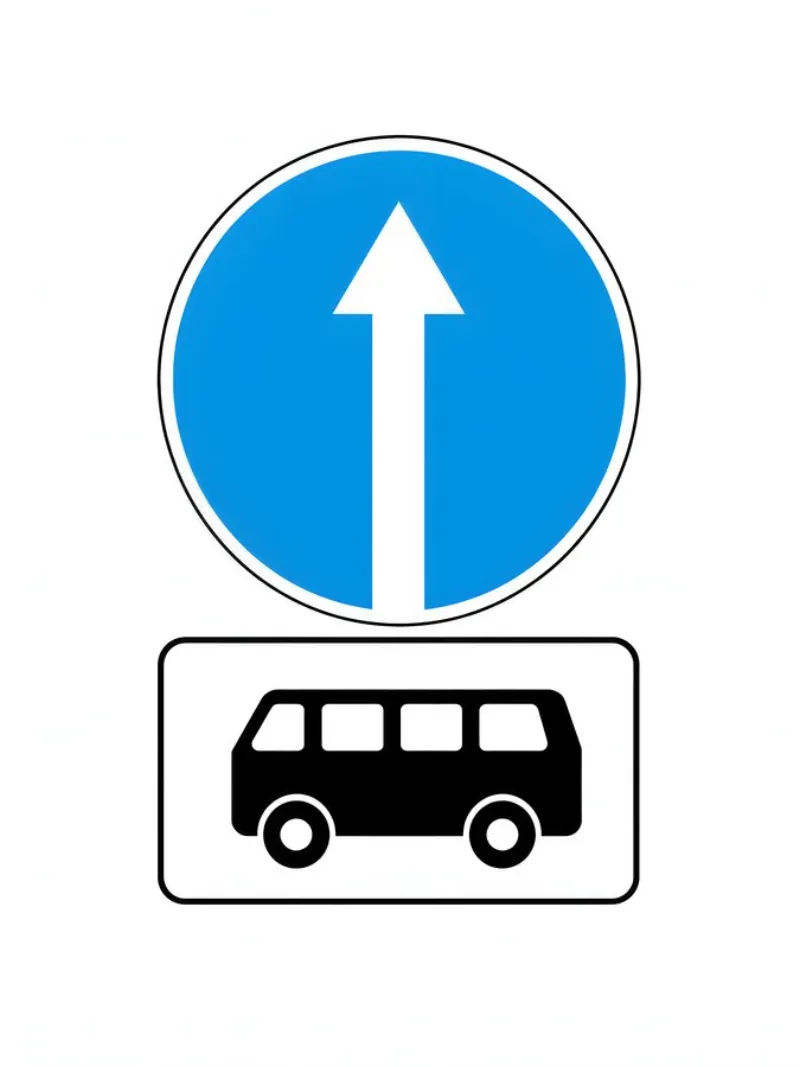
- All vehicles.
- Trolleybuses.
- Buses.
Correct answer: Buses. D/T
Why: 4.1.1 «Երթևեկությունն ուղիղ» նշանը
8.4.4 «Տրանսպորտային միջոցի տեսակ» (ավտոբուս) ցուցանակով տարածվում է միայն ավտոբուսների վրա, ուստի միայն ավտոբուսներին է թույլատրվում երթևեկել միայն ուղիղ։
Signs in this question: 4.1.1, 8.4.4
In tests: D/T 41
204. Is it permitted to cross the broken reversible pavement marking when the reversible traffic signal is absent or switched off?
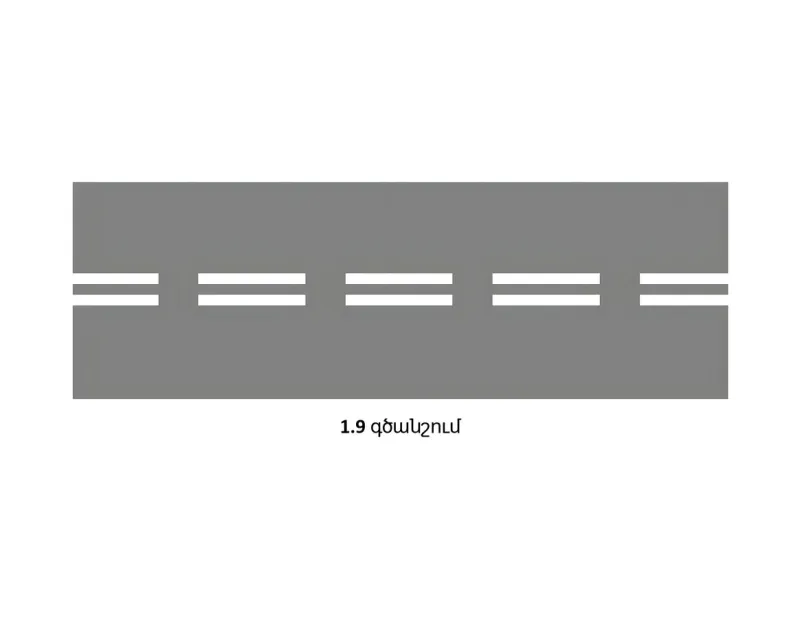
- Not permitted.
- Permitted if the line is to the driver’s right.
Correct answer: Permitted if the line is to the driver’s right. D/T
Why: 1.9 դարձափոխային գծանշումը, երբ դարձափոխային լուսացույցներն անջատված են կամ բացակայում են, բաժանում է հանդիպակաց ուղղությունների հոսքերը։ Այդ դեպքում այն թույլատրվում է հատել, եթե գտնվում է վարորդից աջ։
In tests: D/T 2
205. Is it permitted to cross a broken reversible pavement marking when the reversible traffic signal is switched on?
- Not permitted.
- Permitted from either side if the line separates lanes moving in the same direction.
Correct answer: Permitted from either side if the line separates lanes moving in the same direction. D/T
Why: Միացված դարձափոխային լուսացույցների դեպքում (կետ 13)
1.9 գծանշումը բաժանում է համընթաց ուղղության գոտիները, և այն թույլատրվում է հատել ցանկացած կողմից։
In tests: D/T 39
Take this test in the app
In Varordakan Tester the same tests are taken without hints, wrong answers are collected automatically, and there is an exam simulation (20 questions, 30 minutes, pass at 18), a 3D intersection simulator, video lessons and an AI assistant that cites the Traffic Rules point. Free.
Sources: questions from the official bank of the Road Police of Armenia (roadpolice.am, edition of 2 October 2026); rule points from the Traffic Rules of the Republic of Armenia (arlis.am). Varordakan Tester is an independent educational app, not affiliated with the Police of Armenia.
Explanations © 2026 Suren Galoyan, all rights reserved; reproduction without permission is prohibited. Questions and pictures are from the official bank of the Road Police of Armenia.
