Tests › Topics
Topic 7. Road markings, stopping, and parking
Updated 2026-10-13 · official question bank of 2 October 2026
Topic 7: "Road markings, stopping, and parking". 185 questions from the official bank of 2 October 2026 (categories ABC and D/T), each with the correct answer and an explanation.
1. Which vehicles are permitted to park?
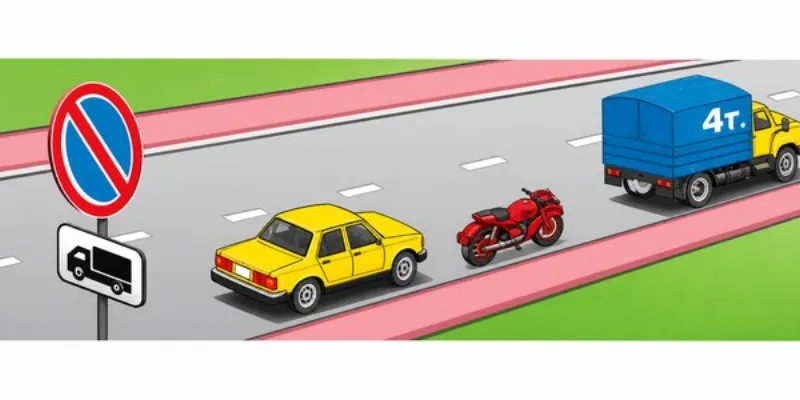
- Only the motorcycle.
- Only the truck.
- Only the passenger car.
- The passenger car and the motorcycle.
- All vehicles.
Correct answer: The passenger car and the motorcycle. ABC
Why: Նշան
3.28 «Կայանելն արգելվում է»-ը տեղադրված է
8.4.1 «Տրանսպորտային միջոցի տեսակ» ցուցանակով, ուստի արգելքը վերաբերում է միայն բեռնատարներին։ Թեթև մարդատարին և մոտոցիկլին կայանելը թույլատրվում է։
Signs in this question: 3.28, 8.4.1
2. Parking is prohibited:
- On bridges, elevated roadways, and overpasses.
- Under bridges, elevated roadways, and overpasses.
- In all of the listed cases.
Correct answer: In all of the listed cases. ABC · D/T
Why: Կայանումն արգելվում է կանգառն արգելված վայրերում (կետ 86.1), իսկ կետ 84.2-ով կանգառն արգելվում է կամուրջների, ուղեկամուրջների, էստակադների վրա և դրանց տակ։ Ուստի երկու տարբերակն էլ ճիշտ են։
In tests: ABC 41, D/T 16
3. Is it permitted to drop off a passenger at a location where a solid yellow line is marked on the upper surface of the curb and a “No Stopping” sign is posted?

- Permitted.
- Prohibited.
- Permitted if no public transit vehicles are present.
- Permitted only for public transit vehicles.
Correct answer: Prohibited. ABC · D/T
Why: Եզրաքարի վրա գծված դեղին հոծ
1.4 գծանշումը և
3.27 «Կանգառն արգելվում է» նշանը ցույց են տալիս այն տեղը, որտեղ կանգառն արգելված է բոլորին, ուստի այնտեղ ուղևոր իջեցնելու համար կանգ առնել չի թույլատրվում։
Signs in this question: 3.27
In tests: ABC 53, D/T 49
4. Does the prohibitory sign apply to the section of road where the driver has stopped?
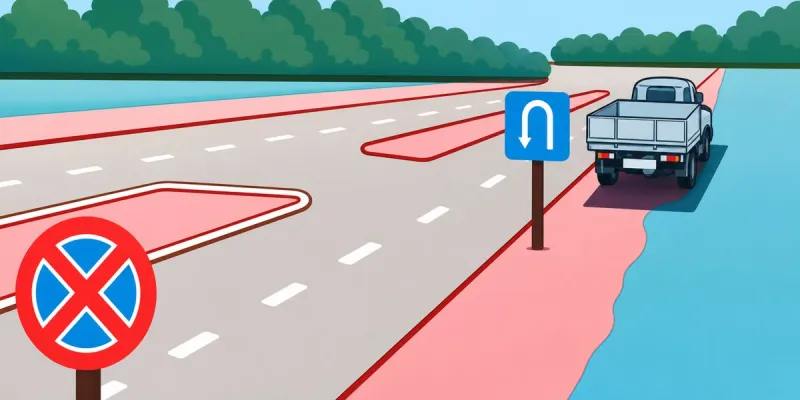
- Yes.
- No.
Correct answer: Yes. ABC · D/T
Why: Նշան
3.27 «Կանգառն արգելվում է»-ի ազդման գոտին տարածվում է մինչև մոտակա խաչմերուկը։
6.3.1 «Հետադարձի տեղ» նշանով նշված տեղը խաչմերուկ չէ, ուստի արգելող նշանն ազդում է նաև այն հատվածի վրա, որտեղ վարորդը կանգառ է կատարել։
Signs in this question: 3.27, 6.3.1
In tests: ABC 20, D/T 14
5. Is parking the automobile at the indicated location permitted?
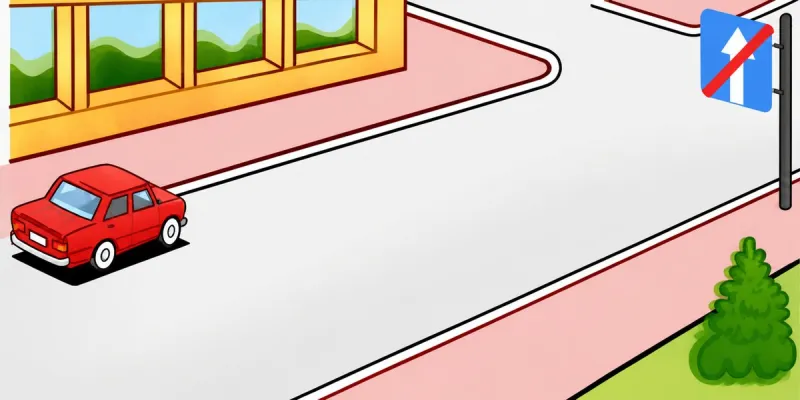
- Permitted.
- Prohibited.
Correct answer: Permitted. ABC
Why: Ավտոմոբիլը կայանված է միակողմ երթևեկությամբ ճանապարհի ձախ կողմում (
5.6 «Միակողմ երթևեկությամբ ճանապարհի վերջ» նշանը դեռ առջևում է)։ Կետ 79-ի համաձայն՝ բնակավայրերում միակողմ երթևեկության ճանապարհներին երթևեկելի մասի ձախ կողմում կայանումը թույլատրվում է։
Signs in this question: 5.6
6. Within what distance of a railroad crossing is parking prohibited?
- 300 m.
- 150 m.
- 100 m.
- 50 m.
- 25 m.
Correct answer: 25 m. ABC · D/T
Why: Կետ 86.4-ով կայանումն արգելվում է երկաթուղային գծանցներին 50 մ-ից մոտ։ Թվարկվածներից միայն 25 մ-ն է 50 մ-ից մոտ, ուստի այդ հեռավորության վրա կայանումն արգելվում է։ 50 մ-ի և ավելի հեռավորության վրա կայանումը թույլատրվում է։
7. In this situation, is stopping to drop off a passenger permitted?
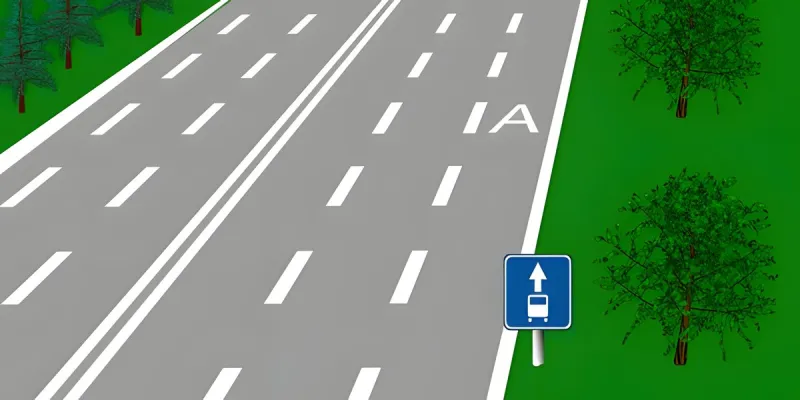
- Permitted if it does not interfere with the movement of public transit vehicles.
- Prohibited.
Correct answer: Permitted if it does not interfere with the movement of public transit vehicles. ABC · D/T
Why: Աջ գոտին ընդհանուր օգտագործման տրանսպորտային միջոցների գոտի է (նշան
5.14, «A» գծանշում)՝ ընդհատվող գծով բաժանված։ Կետ 124-ի համաձայն՝ նման գոտի թույլատրվում է մուտք գործել ուղևորներ իջեցնելու համար՝ առանց ընդհանուր օգտագործման տրանսպորտային միջոցներին խոչընդոտելու։
Signs in this question: 5.14
In tests: D/T 45
8. Which driver is required to stop?
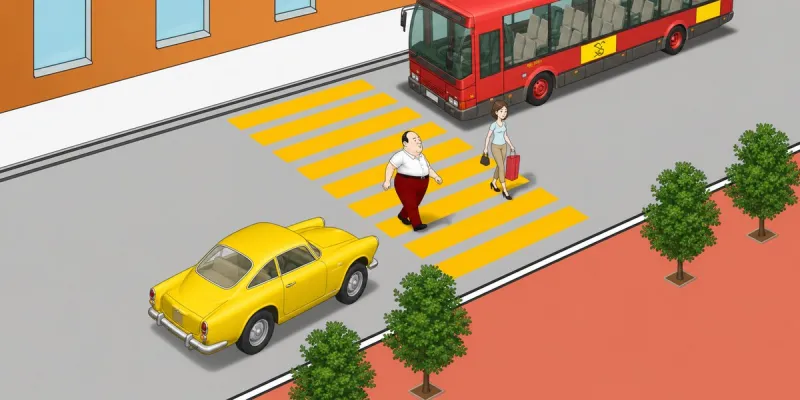
- The passenger-car driver.
- The bus driver.
- Both drivers.
Correct answer: The passenger-car driver. ABC · D/T
Why: Հետիոտներն անցնում են չկարգավորվող հետիոտնային անցումով («զեբր» գծանշում) թեթև մարդատարի կողմում։ Կետ 103-ի համաձայն՝ վարորդը չպետք է խոչընդոտ ստեղծի երթևեկելի մասը հատող հետիոտներին, ուստի կանգ առնելու պարտավոր է թեթև մարդատարի վարորդը։
In tests: ABC 7, D/T 42
9. This pavement marking permits traffic:
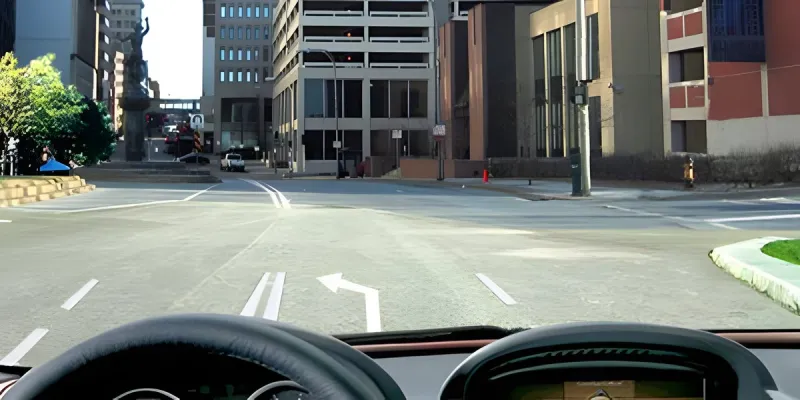
- To the left only.
- To the left and by making a U-turn.
- By making a U-turn only.
- Straight ahead, to the left, and by making a U-turn.
Correct answer: To the left and by making a U-turn. ABC · D/T
Why: Գոտու վրա գծված
1.18 գծանշման սլաքն ուղղված է դեպի ձախ։ Այն թույլատրում է երթևեկել դեպի ձախ, իսկ ձախ շրջադարձ թույլատրող սլաքը թույլատրում է նաև հետադարձը։
In tests: D/T 47
10. Which vehicles are permitted to park within the area where this traffic sign is in effect?
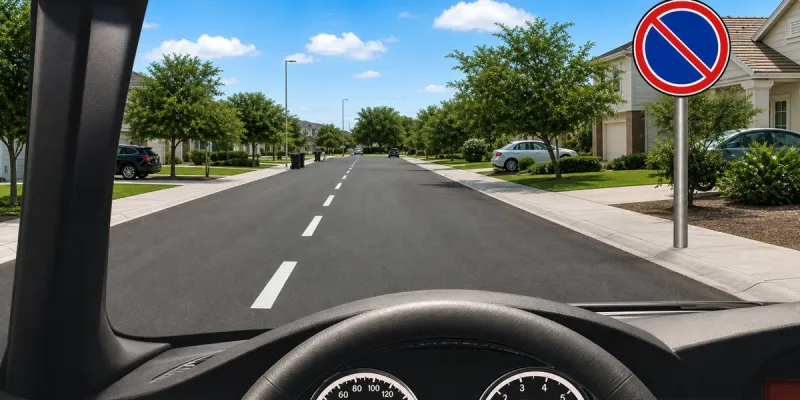
- Only public transit vehicles.
- Vehicles driven by persons with disabilities and taxis with the taximeter activated.
Correct answer: Vehicles driven by persons with disabilities and taxis with the taximeter activated. ABC · D/T
Why: Նշան
3.28 «Կայանելն արգելվում է»-ի ազդման գոտում կայանել թույլատրվում է միայն հաշմանդամների կողմից վարվող տրանսպորտային միջոցներին և միացված հաշվիչով տաքսիներին. նշանի ազդեցությունը նրանց վրա չի տարածվում։
Signs in this question: 3.28
In tests: ABC 5
11. What does this pavement marking indicate?
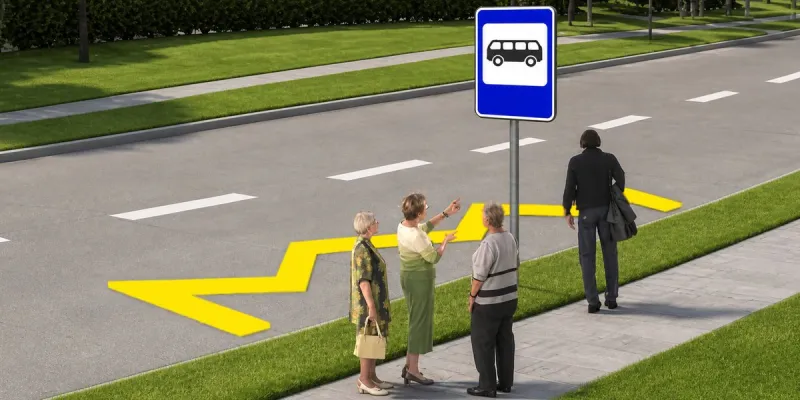
- A place for picking up and dropping off passengers.
- A public transit vehicle stop.
- A public transit vehicle stop and taxi parking area.
Correct answer: A public transit vehicle stop. ABC · D/T
Why: Դեղին բեկյալ
1.17 գծանշումը
5.16 «Ավտոբուսի և (կամ) տրոլեյբուսի կանգառի տեղ» նշանի հետ ցույց է տալիս ընդհանուր օգտագործման տրանսպորտային միջոցների կանգառի կետը։
Signs in this question: 5.16
In tests: ABC 24, D/T 18
12. What does the solid yellow horizontal pavement marking indicate?
- A location where stopping and parking of vehicles are prohibited.
- A location where stopping is permitted to drop off passengers or unload the vehicle.
- A location where parking of vehicles is prohibited.
Correct answer: A location where stopping and parking of vehicles are prohibited. ABC · D/T
Why: Դեղին հոծ
1.4 գծանշումը ցույց է տալիս այն տեղերը, որտեղ տրանսպորտային միջոցների կանգառը և կայանումն արգելված են։
In tests: ABC 4, D/T 37
13. Is the driver permitted to cross the solid pavement marking that indicates the boundaries of vehicle parking spaces?

- Prohibited.
- Permitted.
Correct answer: Permitted. ABC · D/T
Why: Կայանման տեղերի սահմանները նշող
1.1 հոծ գիծը թույլատրվում է հատել. հատելն արգելված է միայն այն դեպքում, երբ
1.1 գիծը բաժանում է տրանսպորտային հոսքերը։
In tests: ABC 52, D/T 1
14. In which direction or directions indicated by the arrows is traffic permitted?
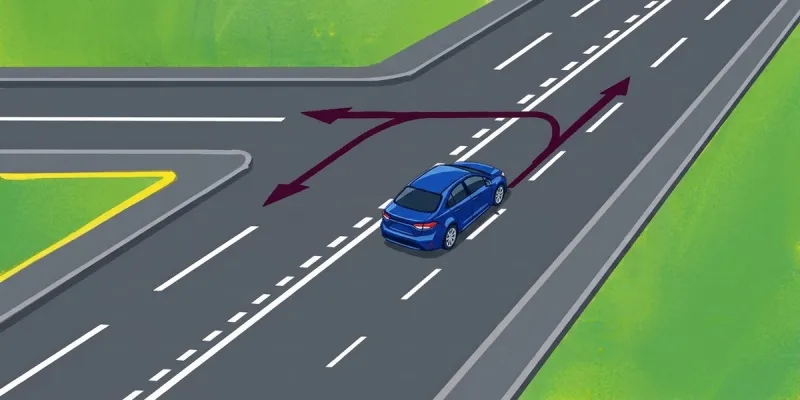
- Straight ahead only.
- To the left and by making a U-turn.
- Straight ahead, to the left, and by making a U-turn.
Correct answer: Straight ahead only. ABC · D/T
Why: Ավտոմոբիլն աջ գոտում է։ Կետ 40-ի համաձայն՝ ձախ շրջադարձից կամ հետադարձից առաջ պետք է նախապես զբաղեցնել ձախ եզրային գոտին, ուստի այս գոտուց թույլատրվում է միայն ուղիղ երթևեկությունը։
In tests: D/T 51
15. What does this pavement marking indicate?

- A pedestrian crossing where traffic is controlled by a traffic signal.
- A location where a bicycle path crosses the roadway.
- A location where a pedestrian path crosses the roadway.
Correct answer: A location where a bicycle path crosses the roadway. ABC · D/T
Why: 1.15 գծանշումը (ընդհատվող գծերի երկու շարք) ցույց է տալիս այն տեղը, որտեղ հեծանվային արահետը հատում է ճանապարհի երթևեկելի մասը։
In tests: ABC 36, D/T 36
16. How many lanes does a road have when traffic flows in opposite directions are separated by double solid lines?

- Two lanes.
- Two or three lanes.
- Three lanes.
- Four or more lanes.
Correct answer: Four or more lanes. ABC · D/T
Why: Կրկնակի հոծ
1.3 գծանշումը հանդիպակաց հոսքերը բաժանում է չորս և ավելի երթևեկության գոտի ունեցող ճանապարհներին։
In tests: ABC 16, D/T 31
17. What do the arrows marked on the roadway warn about?
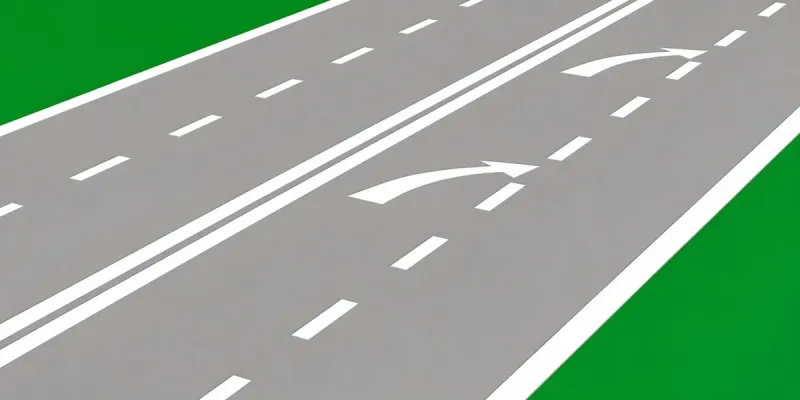
- They warn the driver of an approaching hazardous section of road.
- They warn of an approaching end of the traffic lane.
- They indicate the direction of a hazardous turn in the road.
Correct answer: They warn of an approaching end of the traffic lane. ABC · D/T
Why: Երթևեկելի մասի վրա գծված
1.19 սլաքները նախազգուշացնում են երթևեկության գոտու վերջին մոտենալու մասին, որտեղ գոտիների թիվը նվազում է։
In tests: ABC 12, D/T 41
18. Which of these pavement-marking lines is used to designate lanes with reversible traffic?
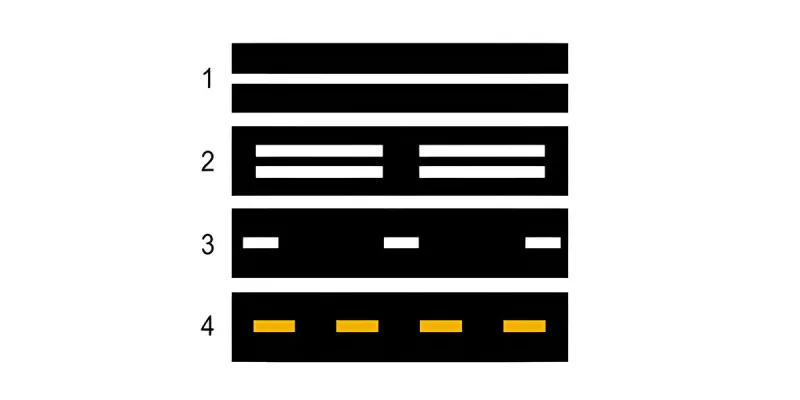
- Line 1.
- Line 2.
- Line 3.
- Lines 2 and 3.
- Lines 3 and 4.
Correct answer: Line 2. ABC · D/T
Why: Դարձափոխային գոտիները նշվում են 2-րդ գծով՝ կրկնակի ընդհատվող
1.9 գծանշմամբ։ 1-ինը
1.3 կրկնակի հոծ գիծն է, 3-րդը՝
1.5 ընդհատվող գիծը, 4-րդը՝ դեղին ընդհատվող
1.10 գիծը։
In tests: ABC 20, D/T 33
19. Where is the solid yellow line indicating locations where stopping and parking are prohibited marked?
- On the roadway.
- Near the edge of the roadway.
- Near the edge of the roadway or on the upper surface of the curb.
- Only on the upper surface of the curb.
Correct answer: Near the edge of the roadway or on the upper surface of the curb. ABC · D/T
Why: Կանգառն ու կայանումն արգելող դեղին հոծ
1.4 գիծը գծվում է երթևեկելի մասի եզրի մոտ կամ եզրաքարի վերին մակերեսին։
In tests: ABC 34, D/T 47
20. With which traffic sign may a broken yellow pavement marking be used?
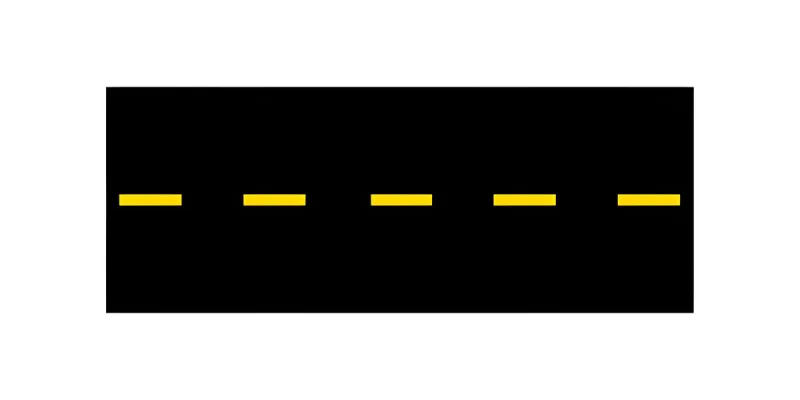
- “No Stopping.”
- “No Parking.”
- “No Parking on Odd-Numbered Days of the Month.”
Correct answer: “No Parking.” ABC · D/T
Why: Դեղին ընդհատվող
1.10 գծանշումը ցույց է տալիս կայանելն արգելված տեղերը և կիրառվում է
3.28 «Կայանելն արգելվում է» նշանի հետ։
Signs in this question: 3.28
In tests: ABC 36
21. Which vehicles are permitted to proceed in the right lane of the roadway?
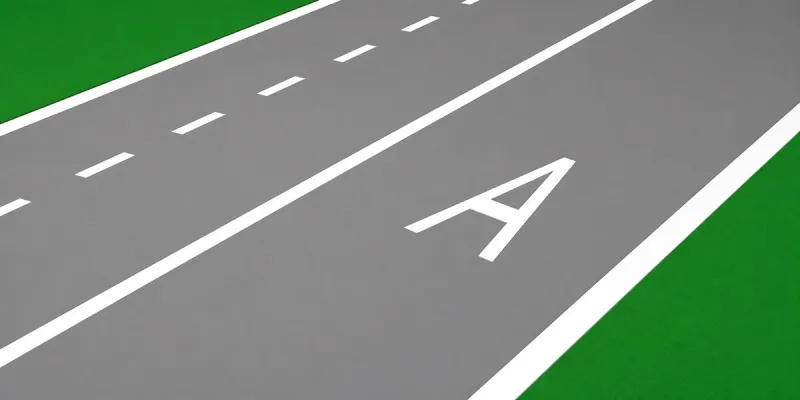
- All motor vehicles.
- Public transit vehicles and taxis.
- Bicycles only.
- Public transit vehicles only.
Correct answer: Public transit vehicles only. ABC · D/T
Why: Աջ գոտին նշված է «A» տառով (
1.23.1 գծանշում)։ Կետ 124-ի համաձայն՝ ընդհանուր օգտագործման տրանսպորտային միջոցների գոտում այլ տրանսպորտային միջոցների երթևեկությունն արգելվում է։
In tests: ABC 32
22. This pavement marking has the following meaning:

- It indicates curbside parking spaces where the positioning of motor vehicles is specified.
- It indicates locations where stopping of motor vehicles is prohibited.
- It indicates public transit vehicle stops and taxi parking areas.
Correct answer: It indicates public transit vehicle stops and taxi parking areas. ABC · D/T
Why: Դեղին բեկյալ
1.17 գծանշումը ցույց է տալիս ընդհանուր օգտագործման տրանսպորտային միջոցների կանգառի կետերը և տաքսիների կայանման տեղերը։
In tests: ABC 26, D/T 4
23. This horizontal pavement marking indicates:
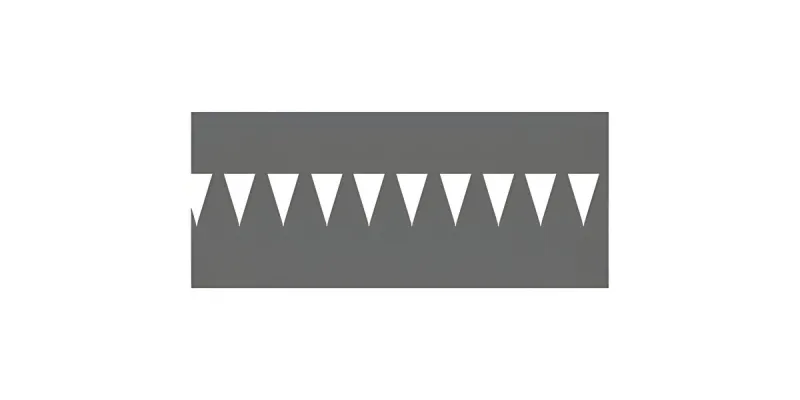
- A narrowing of the roadway where the number of traffic lanes in the given direction decreases.
- A location where the driver must stop, if necessary, to yield to vehicles proceeding on the intersecting road.
- An approach to a location where stopping is prohibited.
Correct answer: A location where the driver must stop, if necessary, to yield to vehicles proceeding on the intersecting road. ABC · D/T
Why: Եռանկյունների շարք
1.13 գծանշումը ցույց է տալիս այն տեղը, որտեղ վարորդն անհրաժեշտության դեպքում պետք է կանգ առնի՝ հատվող ճանապարհով երթևեկողներին ճանապարհը զիջելու համար։
In tests: ABC 15
24. Is it permitted to enter a channelizing island marked with wide white lines?
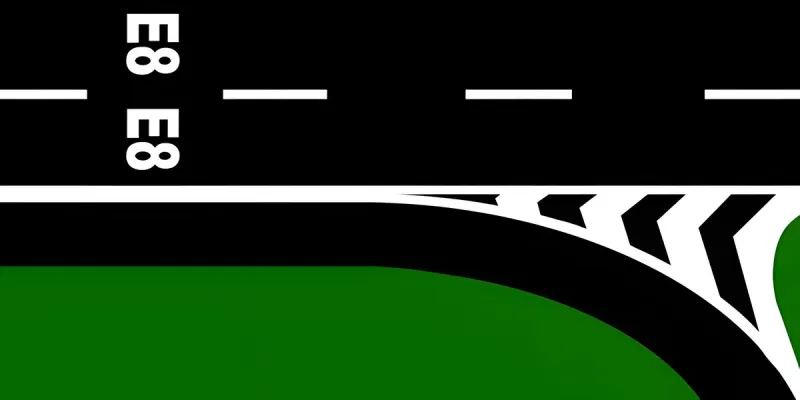
- Permitted only for stopping.
- Permitted when backing.
- Prohibited.
Correct answer: Prohibited. ABC · D/T
Why: Սպիտակ լայն գծերով գծանշված հատվածն ուղղորդ կղզյակ է (
1.16 գծանշում) հոսքերի միացման տեղում, և այն մուտք գործելն արգելվում է։ «E8» գրառումը ճանապարհի համարի
1.22 գծանշումն է։
In tests: ABC 33, D/T 19
25. What should the driver do when approaching an intersection with a “Stop Line” pavement marking and a green traffic signal?
- Stop at the “Stop Line” and then resume driving.
- Proceed through the intersection without stopping.
Correct answer: Proceed through the intersection without stopping. ABC · D/T
Why: Կետ 18-ով «Կանգ-գիծ» գծանշման առջև կանգ են առնում միայն լուսացույցի արգելող ազդանշանի դեպքում։ Կանաչը թույլատրում է երթևեկությունը (կետ
7.1), ուստի վարորդը շարունակում է խաչմերուկով առանց կանգառի։
In tests: ABC 22, D/T 18
26. What does this pavement marking indicate?
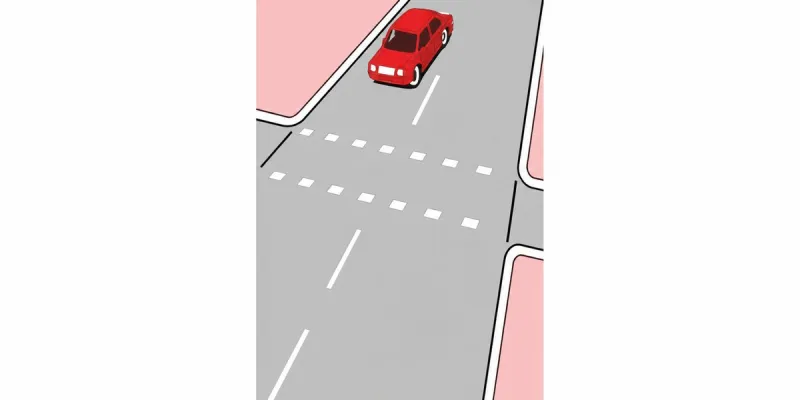
- A pedestrian crossing.
- A location where a bicycle path crosses the roadway.
- A location designated for driving livestock across the road.
Correct answer: A location where a bicycle path crosses the roadway. ABC · D/T
Why: Ճանապարհը հատող ընդհատվող գծերի շարքերը
1.15 գծանշումն են, որը ցույց է տալիս հեծանվային արահետի և երթևեկելի մասի հատման տեղը։
In tests: ABC 1, D/T 55
27. Where must the driver stop the vehicle when this pavement marking is present?
- At the pavement marking.
- On the pavement marking.
- At least 5 m before the pavement marking.
Correct answer: At the pavement marking. ABC · D/T
Why: Սա
1.13 գծանշումն է (եռանկյունների շարք). ցույց է տալիս այն տեղը, որտեղ վարորդն անհրաժեշտության դեպքում պետք է կանգ առնի և զիջի հատող ճանապարհով երթևեկողներին։ Կանգ են առնում գծանշման մոտ, ոչ դրա վրա և ոչ 5 մ առաջ։
In tests: ABC 12
28. What does this pavement marking mean?

- A traffic lane designated for public transit vehicles.
- A traffic lane designated for special-purpose vehicles.
- It indicates the boundaries of traffic lanes where reversible traffic control is in effect.
Correct answer: It indicates the boundaries of traffic lanes where reversible traffic control is in effect. ABC · D/T
Why: Կրկնակի ընդհատվող
1.9 գծանշումը ցույց է տալիս երթևեկության այն գոտիների սահմանները, որտեղ իրականացվում է դարձափոխային կարգավորում։
In tests: ABC 31
29. Is it permitted to make a U-turn at the indicated location?
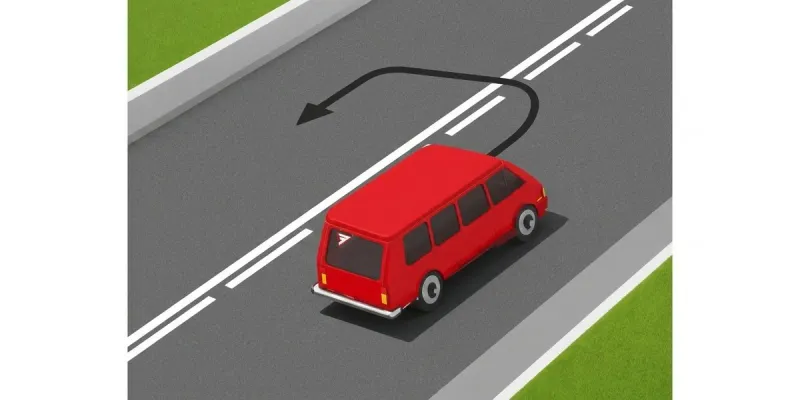
- Permitted.
- Prohibited.
Correct answer: Permitted. ABC · D/T
Why: Ավտոմոբիլը ձախ եզրային գոտում է (կետ 40), իսկ առանցքային
1.5 ընդհատվող գիծը թույլատրվում է հատել։ Կետ 50-ով հետադարձն արգելող տեղերից որևէ մեկը այստեղ չկա, ուստի հետադարձը թույլատրվում է։
In tests: ABC 16, D/T 15
30. When this pavement marking is present, is the driver of a bus operating on a tourist route permitted to enter the lane marked “A”?
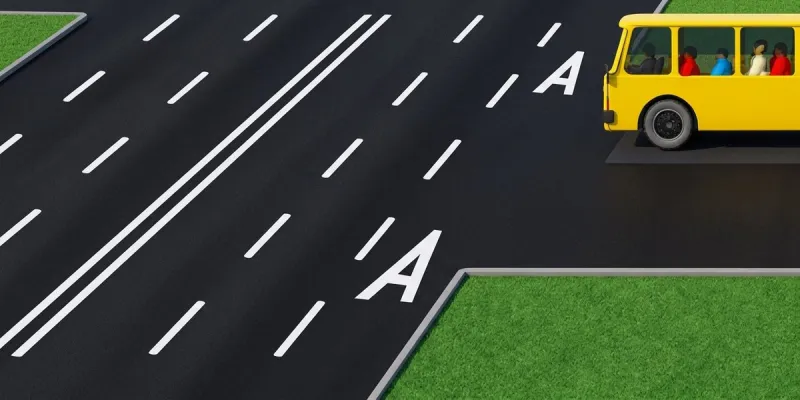
- Permitted.
- Prohibited.
Correct answer: Permitted. ABC · D/T
Why: «A» գոտին մնացած երթևեկելի մասից բաժանված է ընդհատվող գծով։ Կետ 124-ի համաձայն՝ նման գոտիով ճանապարհ մուտք գործելիս թույլատրվում է մտնել այդ գոտի՝ հարևան գոտի անհապաղ վերադասավորվելու պայմանով, ուստի զբոսաշրջային ավտոբուսին մուտքը թույլատրվում է։
31. What does the wide broken-line pavement marking indicate?
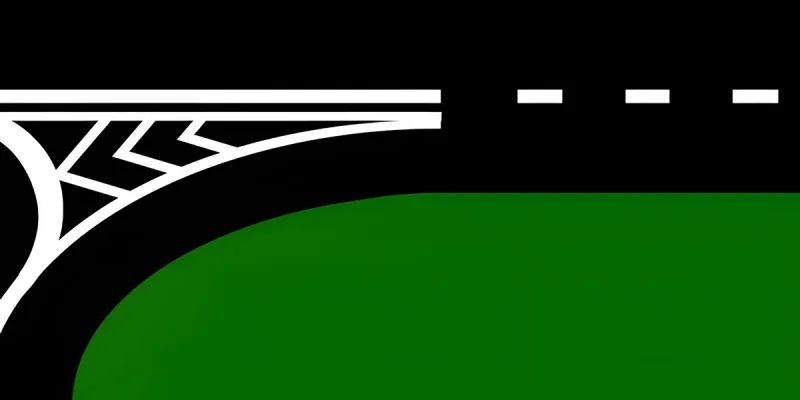
- The boundary between the roadway and the shoulder.
- The boundary between a main traffic lane of the roadway and an acceleration lane.
- The boundary between a main traffic lane of the roadway and a deceleration lane.
Correct answer: The boundary between a main traffic lane of the roadway and an acceleration lane. ABC · D/T
Why: Ընդհատվող լայն
1.8 գծանշումը ցույց է տալիս երթևեկելի մասի հիմնական գոտու և թափառքի (կամ արգելակման) գոտու միջև առկա սահմանը։
In tests: ABC 52, D/T 14
32. Which automobile is permitted to stop within the area where these signs are in effect?
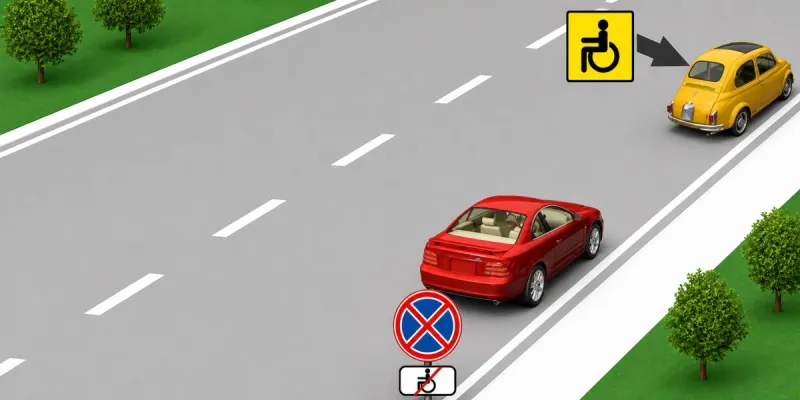
- The red automobile.
- Both automobiles.
- Neither automobile.
- The yellow automobile displaying the “Disabled” identification sign.
Correct answer: The yellow automobile displaying the “Disabled” identification sign. ABC · D/T
Why: Նշան
3.27 «Կանգառն արգելվում է»-ը
8.18 «Բացի հաշմանդամներից» ցուցանակով արգելում է կանգառը բոլորին, բացի հաշմանդամություն ունեցող անձանց տրանսպորտային միջոցներից։ Ուստի կանգ առնել կարող է միայն «Հաշմանդամ» ճանաչման նշանով դեղին ավտոմոբիլը։
Signs in this question: 3.27, 8.18, tsr-9.13
In tests: ABC 46, D/T 28
33. In which image has the driver stopped correctly to drop off passengers?
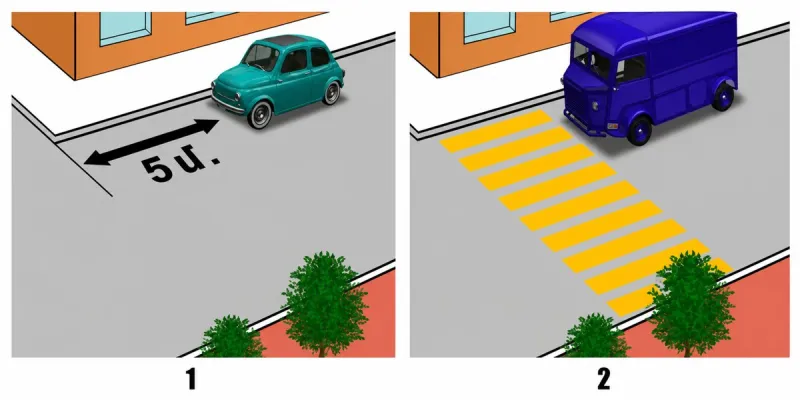
- In the left image.
- In both images.
- In the right image.
Correct answer: In the left image. ABC · D/T
Why: Կետ 84-ի համաձայն՝ կանգառն արգելվում է հետիոտնային անցումների վրա և դրանցից առաջ 5 մ-ից մոտ։ Ձախ նկարում կանգառը կատարված է անցումից 5 մ առաջ, իսկ աջ նկարում՝ անմիջապես անցումի վրա, ուստի ճիշտ է ձախ նկարը։
In tests: ABC 18, D/T 53
34. The signal to stop a train is:
- A circular motion of the arm (during daylight, with a brightly colored cloth or another clearly visible object; at night, with a torch or lantern).
- An arm raised above the head holding a disk or red flag.
- An arm extended forward.
- An arm extended forward and moved up and down.
Correct answer: A circular motion of the arm (during daylight, with a brightly colored cloth or another clearly visible object; at night, with a torch or lantern). ABC · D/T
Why: Կետ 112.4-ով մեքենավարին տրվող կանգառի ազդանշանն է ձեռքի շրջանաձև շարժումը՝ ցերեկը վառ գույնի լաթով կամ լավ տեսանելի առարկայով, գիշերը՝ ջահով կամ լապտերով։
In tests: ABC 54, D/T 7
35. In populated areas, on roads with one traffic lane in each direction and no tram tracks in the center, stopping and parking on the left side of the road are:
- Permitted.
- Prohibited.
Correct answer: Permitted. ABC · D/T
Why: Կետ 79.1-ով բնակավայրերում երթևեկելի մասի ձախ կողմում կանգառ ու կայանում թույլատրվում է յուրաքանչյուր ուղղությամբ մեկ գոտի ունեցող և մեջտեղում տրամվայի գծեր չունեցող ճանապարհներին։
In tests: ABC 7
36. At what distance from the “Stop Line” or the “STOP” sign must a vehicle be stopped in order to yield to an approaching train?
- 1.5 m.
- 2.5 m.
- 5 m.
- 10 m.
- Immediately at the “Stop Line” and/or the sign.
Correct answer: Immediately at the “Stop Line” and/or the sign. ABC · D/T
Why: Կետ 111-ով, երբ գծանցով երթևեկությունն արգելված է, վարորդը կանգնում է անմիջապես
1.12 «Կանգ» գծի,
2.5 նշանի կամ լուսացույցի մոտ։ 5 մ և 10 մ հեռավորությունները գործում են միայն դրանց բացակայության դեպքում։
Signs in this question: 2.5
In tests: ABC 47, D/T 8
37. Is stopping at the indicated location permitted?
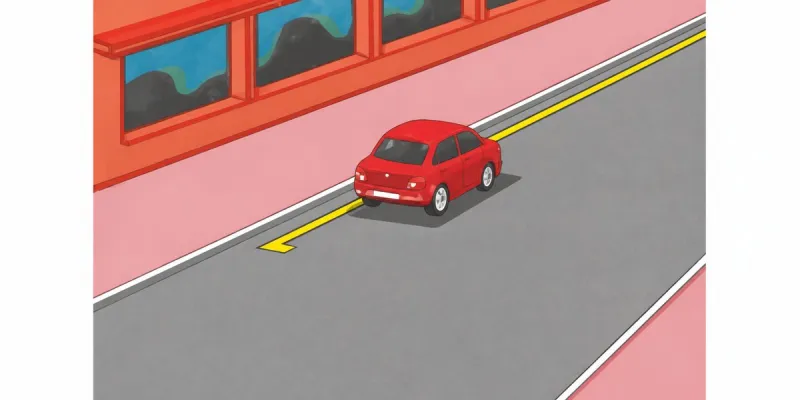
- Permitted.
- Prohibited.
Correct answer: Prohibited. ABC · D/T
Why: Եզրաքարի վրա գծված է դեղին հոծ
1.4 գծանշումը, որը ցույց է տալիս կանգառն ու կայանումն արգելված տեղը, ուստի նշված տեղում կանգառն արգելվում է։
In tests: ABC 15, D/T 20
38. Is the automobile permitted to stop at this location?
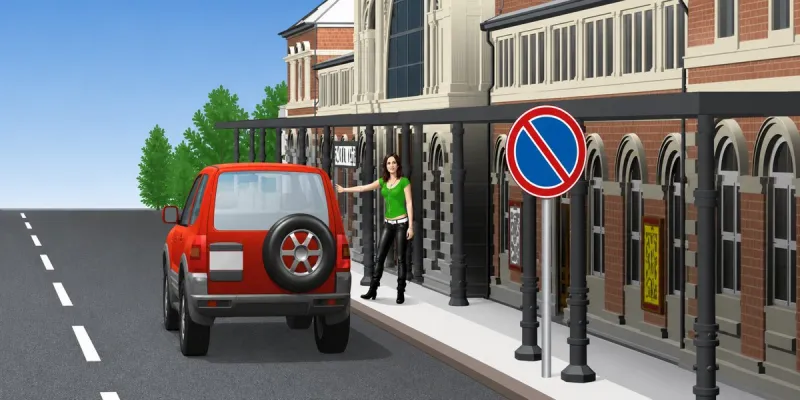
- Prohibited because the distance between the broken pavement marking and the stopped vehicle is less than 3 m.
- Prohibited on even-numbered days of the month.
- Permitted.
Correct answer: Permitted. ABC · D/T
Why: Նշանը
3.28 «Կայանելն արգելվում է»-ն է, որն արգելում է միայն կայանումը, ոչ թե կանգառը, ուստի ուղևոր իջեցնելու համար կանգ առնելը թույլատրվում է։ Կետ 84.3-ի 3 մ պահանջը վերաբերում է հոծ գծին, ոչ ընդհատվողին։
Signs in this question: 3.28
In tests: ABC 22, D/T 34
39. Which vehicle driver has violated the parking rules?
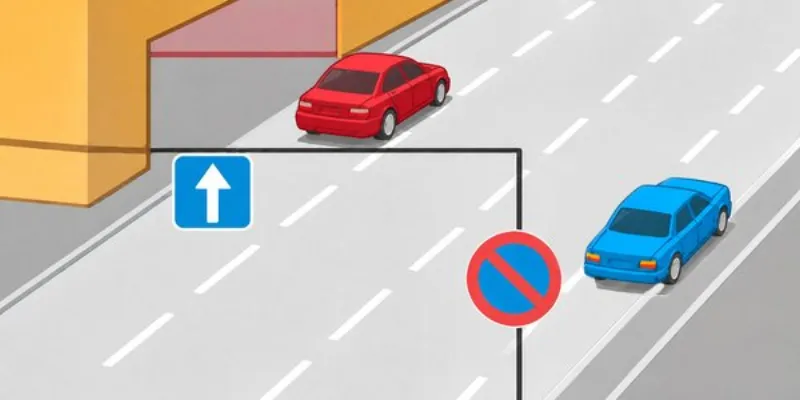
- The driver of the blue automobile.
- The driver of the red automobile.
- Both drivers have violated the rules.
- Neither driver has violated the rules.
Correct answer: Both drivers have violated the rules. ABC · D/T
Why: Ճանապարհը միակողմ երթևեկությամբ է (նշան
5.5)։ Կապույտ ավտոմոբիլը կայանված է
3.28 «Կայանելն արգելվում է» նշանի ազդման գոտում, իսկ կարմիրը՝ խաչմերուկի հատվող երթևեկելի մասի եզրից 5 մ-ից մոտ, ինչը կետ 84-ով արգելված է։ Խախտել են երկու վարորդներն էլ։
Signs in this question: 3.28, 5.5
In tests: ABC 50
40. Outside populated areas, where is parking for extended rest, overnight stays, or other purposes permitted?
- On the shoulders of the road.
- In areas designated for parking or outside the boundaries of the road.
- On the right side of the roadway, provided it does not interfere with other vehicle traffic.
- On the left side of the road, provided road traffic safety is ensured.
Correct answer: In areas designated for parking or outside the boundaries of the road. ABC · D/T
Why: Կետ 82-ով բնակավայրերից դուրս երկարատև հանգստի, գիշերակացի և այլ նպատակներով կայանել թույլատրվում է միայն դրանց համար նախատեսված հրապարակներում կամ ճանապարհի սահմաններից դուրս։
In tests: D/T 41
41. Stopping is prohibited if the distance between the solid line and the stopped vehicle is:
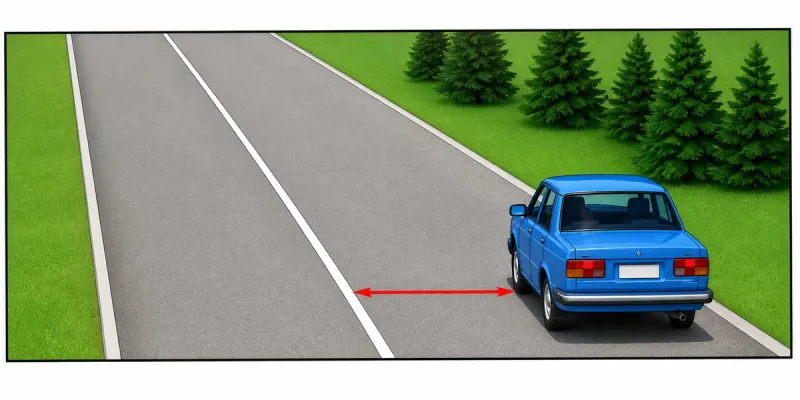
- 6 m.
- 5.5 m.
- 4 m.
- 3.5 m.
- 2.5 m.
Correct answer: 2.5 m. ABC · D/T
Why: Կետ 84-ի համաձայն՝ կանգառն արգելվում է այն վայրերում, որտեղ կանգնած տրանսպորտային միջոցի և հոծ գծի միջև տարածությունը 3 մ-ից պակաս է։ Թվարկվածներից միայն 2,5 մ-ն է 3 մ-ից պակաս։
In tests: ABC 1, D/T 6
42. If traffic across a railroad crossing is prohibited and there are no traffic signals, traffic signs, pavement markings, or barrier gate, the driver must stop:
- At least 5 m from the nearest rail.
- At least 7 m from the nearest rail.
- At least 10 m from the nearest rail.
Correct answer: At least 10 m from the nearest rail. ABC · D/T
Why: Կետ 111-ով, երբ բացակայում են լուսացույցը, նշանները, գծանշումն ու ուղեփակոցը, վարորդը կանգնում է մոտակա ռելսից ոչ պակաս, քան 10 մ հեռավորության վրա։
In tests: ABC 9, D/T 49
43. Within what distance of a railroad crossing is vehicle parking prohibited?
- 15 m.
- 50 m.
- 100 m.
- 150 m.
Correct answer: 15 m. ABC · D/T
Why: Կետ 86.4-ով կայանումն արգելվում է երկաթուղային գծանցներին 50 մ-ից մոտ։ Թվարկվածներից միայն 15 մ-ն է 50 մ-ից մոտ, ուստի այդ հեռավորության վրա կայանումն արգելվում է։ 50 մ-ի և ավելի հեռավորության վրա կայանումը թույլատրվում է։
In tests: ABC 19, D/T 53
44. Which answer correctly identifies the drivers who have violated the stopping rules?
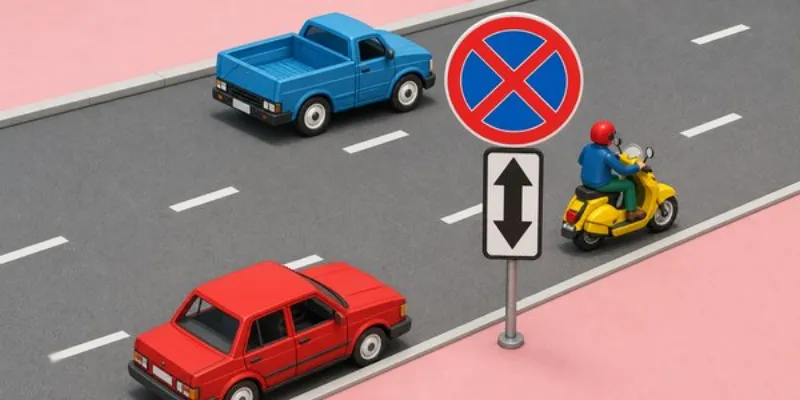
- The drivers of the red automobile and the motorcycle.
- The driver of the blue automobile.
- The motorcycle operator.
- The drivers of all the vehicles.
Correct answer: The drivers of all the vehicles. ABC · D/T
Why: Նշան
3.27 «Կանգառն արգելվում է»-ը
8.2.4 «Ազդման գոտի» ցուցանակով ցույց է տալիս, որ վարորդները գտնվում են արգելքի գոտում։ Կարմիր ավտոմոբիլը, մոտոցիկլը և կապույտ բեռնատարը կանգ են առել այդ գոտում, ուստի խախտել են բոլորը։
Signs in this question: 3.27, 8.2.4
In tests: ABC 5
45. Which vehicle drivers have stopped incorrectly to drop off passengers?
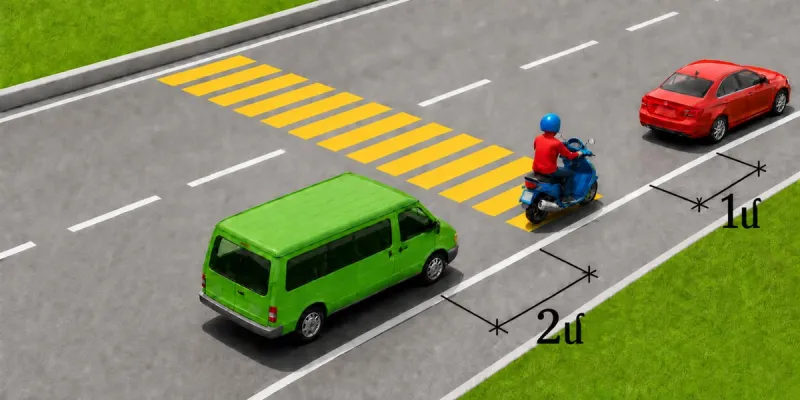
- The passenger-car driver.
- The motorcycle operator.
- The bus driver.
- The motorcycle operator and the bus driver.
- All drivers.
Correct answer: The motorcycle operator and the bus driver. ABC · D/T
Why: Կետ 84-ի համաձայն՝ կանգառն արգելվում է հետիոտնային անցումից առաջ 5 մ-ից մոտ։ Մոտոցիկլը կանգնել է անցումից 1 մ առաջ, իսկ ավտոբուսը իր ուղղությամբ անցումից 2 մ առաջ, ուստի սխալ են նրանք. կարմիր ավտոմոբիլն անցումից հետո է կանգնել, ինչը թույլատրվում է։
In tests: ABC 2
46. If traffic across a railroad crossing is prohibited and there are no traffic signals, traffic signs, or pavement markings, the driver must stop:
- At least 5 m before the barrier gate.
- At least 3 m before the barrier gate.
- Immediately before the barrier gate.
Correct answer: At least 5 m before the barrier gate. ABC · D/T
Why: Կետ 111-ով, երբ բացակայում են «Կանգ» գիծը,
2.5 նշանը և լուսացույցը, վարորդը կանգնում է ուղեփակոցից ոչ պակաս, քան 5 մ հեռավորության վրա։
In tests: ABC 43, D/T 17
47. What does the letter “A” marked in a traffic lane of the roadway mean?
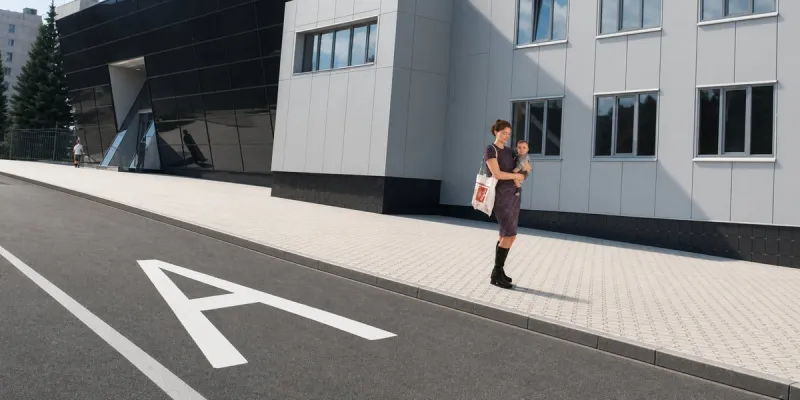
- The road (route) number.
- A special lane designated for public transit vehicles.
- A special lane designated for category A vehicles.
Correct answer: A special lane designated for public transit vehicles. ABC · D/T
Why: Երթևեկելի մասի գոտում գծանշված «A» տառը (
1.23.1 գծանշում) ցույց է տալիս ընդհանուր օգտագործման տրանսպորտային միջոցների երթևեկության համար նախատեսված հատուկ գոտին։
In tests: ABC 4, D/T 46
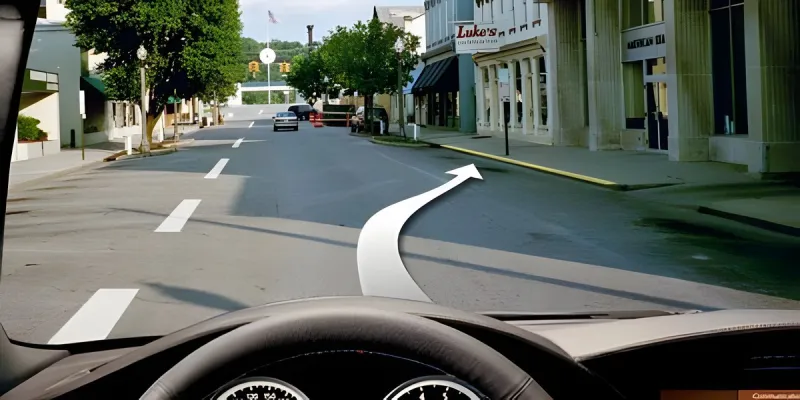
48. Is the vehicle permitted to stop at the indicated location to drop off passengers?
- Permitted.
- Prohibited.
- Permitted, but only by driving onto the sidewalk.
Correct answer: Prohibited. ABC · D/T
Why: Նշված տեղը խաչմերուկի անկյունում է՝ հատվող երթևեկելի մասի եզրից 5 մ-ից մոտ։ Կետ 84-ի համաձայն՝ նման վայրում կանգառն արգելվում է, ուստի ուղևոր իջեցնելու համար կանգ առնել չի թույլատրվում։
In tests: ABC 35
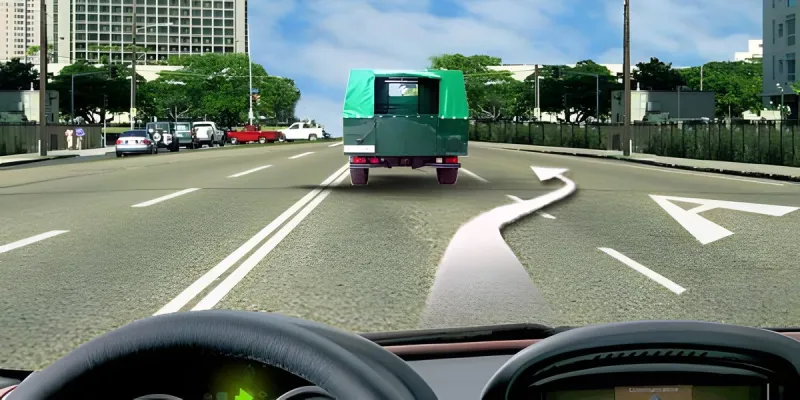
49. Is it permitted to continue in the direction indicated by the arrow?
- Prohibited.
- Permitted in all cases.
- Permitted for the purpose of stopping to drop off passengers.
- Permitted for the purpose of passing the truck.
Correct answer: Permitted for the purpose of stopping to drop off passengers. ABC · D/T
Why: Սլաքն ուղղված է դեպի «A» գոտին (
1.23.1 գծանշում), որը բաժանված է ընդհատվող գծով։ Կետ 124-ի համաձայն՝ նման գոտի թույլատրվում է մուտք գործել միայն ուղևորներ իջեցնելու-նստեցնելու կամ շրջադարձի համար, ոչ թե վազանցի։
In tests: ABC 32, D/T 32
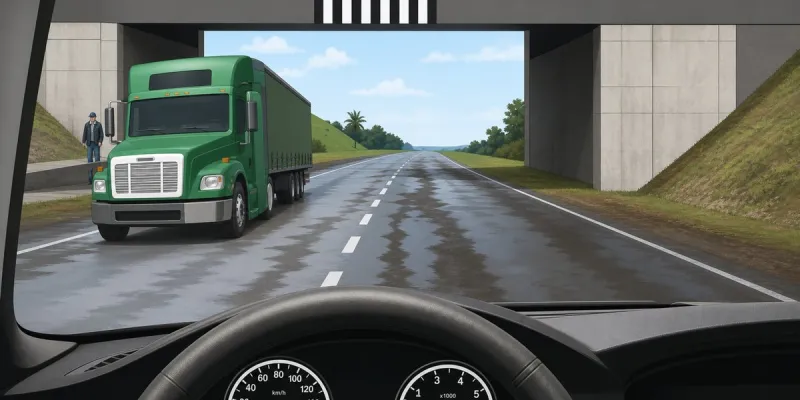
50. This type of vertical pavement marking indicates:
- The lower edges of a bridge or tunnel.
- The entrance to an unlit tunnel.
- Any element of a road structure that creates a hazard for traffic.
Correct answer: The lower edges of a bridge or tunnel. ABC · D/T
Why: Ուղղաձիգ
2.2 գծանշումը նշում է թունելների, կամուրջների և ուղեկամուրջների հենամեջային կառույցների ստորին եզրը։
In tests: ABC 41, D/T 44
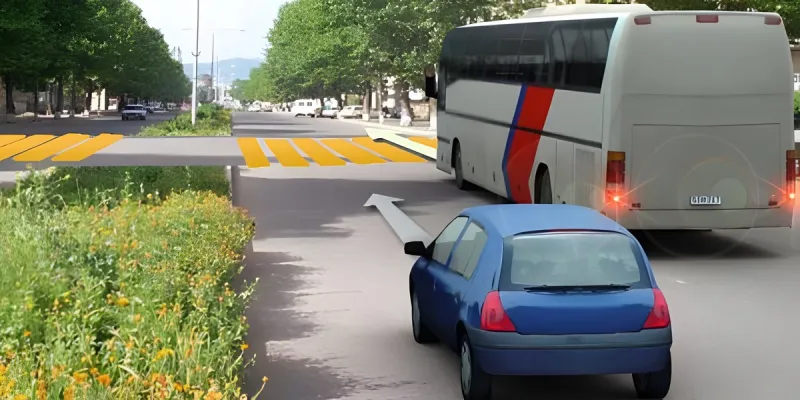
51. What should the passenger-car driver do if the bus driver has begun braking?
- Continue driving.
- Reduce speed, stop if necessary, and continue after making sure there are no pedestrians in the crossing.
- Stop and continue only after the bus resumes driving.
Correct answer: Reduce speed, stop if necessary, and continue after making sure there are no pedestrians in the crossing. ABC
Why: Ավտոբուսը արգելակում է չկարգավորվող հետիոտնային անցումից առաջ։ Կետ 104-ի համաձայն՝ հարևան շարքով ընթացող վարորդը պետք է դանդաղեցնի ընթացքը, անհրաժեշտության դեպքում կանգնի և շարունակի երթևեկությունը միայն համոզվելով, որ ավտոբուսի առջևում հետիոտներ չկան։
In tests: ABC 27
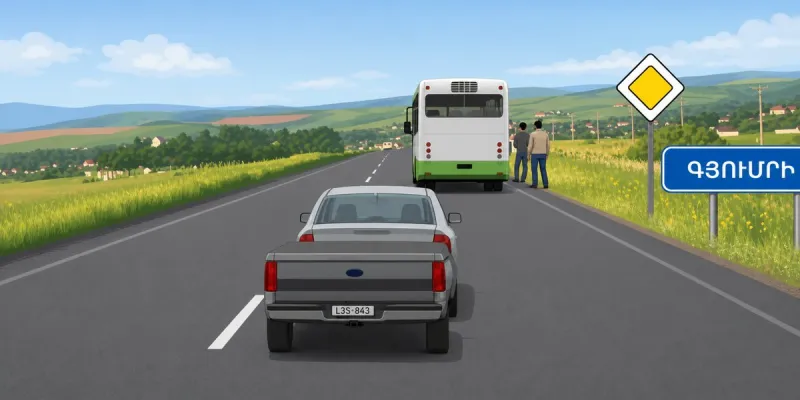
52. The bus driver has stopped to pick up passengers. The passenger car is proceeding at a speed of 70 km/h. Which vehicle driver is violating the requirements of the traffic rules?
- Neither driver.
- The bus driver.
- The passenger-car driver.
- Both drivers.
Correct answer: Neither driver. ABC · D/T
Why: Ճանապարհը բնակավայրից դուրս է (
5.25 նշանը դեռ առջևում է) և գլխավոր է (նշան
2.1)։ Կետ 86-ը նման ճանապարհներին արգելում է կայանումը, ոչ թե ուղևորներ նստեցնելու կանգառը (կետ 78), իսկ 70 կմ/ժ արագությունը բնակավայրից դուրս թույլատրելի է։ Ոչ ոք չի խախտում։
Signs in this question: 2.1, 5.25
In tests: ABC 49, D/T 34
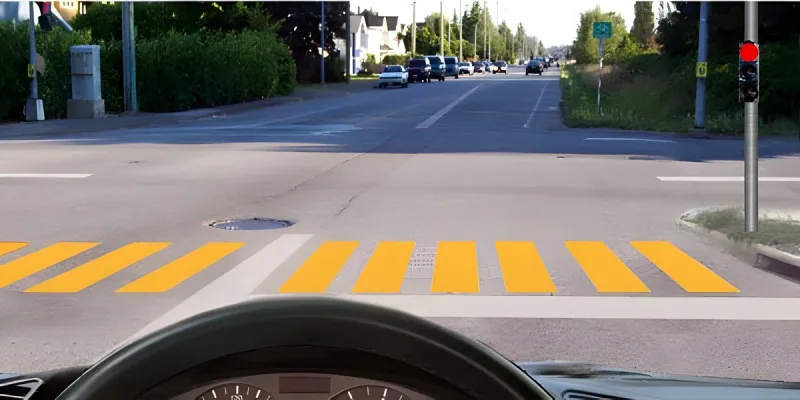
53. Where must the driver stop in this situation?
- Stopping is not required.
- Before the traffic signal.
- Before the “Stop Line” pavement marking.
- Before the intersection of the traffic lanes.
Correct answer: Before the “Stop Line” pavement marking. ABC · D/T
Why: Լուսացույցի կարմիր ազդանշան է, և հետիոտնային անցումից առաջ գծված է «Կանգ-գիծ»
1.12 գծանշումը։ Կետ 18-ի համաձայն՝ արգելող ազդանշանի դեպքում վարորդը պետք է կանգ առնի «Կանգ-գիծ» գծանշման առջև։
In tests: ABC 55
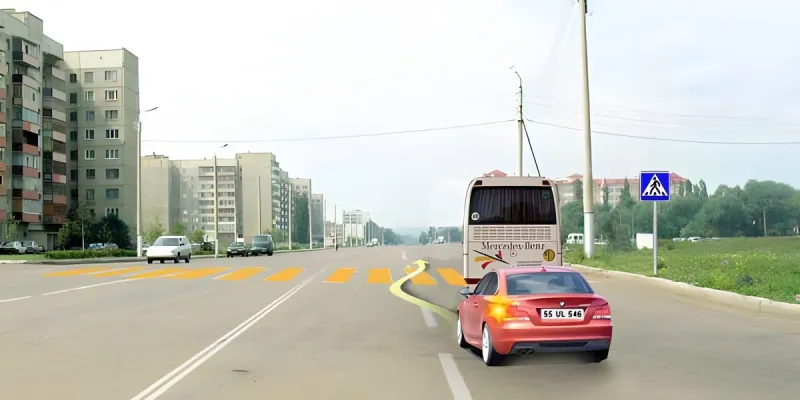
54. The bus has stopped to yield to a pedestrian. In this situation, is the passenger-car driver violating the requirements of the traffic rules?
- Yes.
- No.
Correct answer: Yes. ABC
Why: Ավտոբուսը կանգ է առել հետիոտնային անցումից (նշան
5.19.1, «զեբր») առաջ՝ հետիոտնին զիջելու համար։ Կետ 104-ի համաձայն՝ հարևան շարքով ընթացող թեթև մարդատարի վարորդը կարող է շարունակել միայն համոզվելով, որ ավտոբուսի առջևում հետիոտներ չկան, ուստի խախտում է։
Signs in this question: 5.19.1
In tests: ABC 9
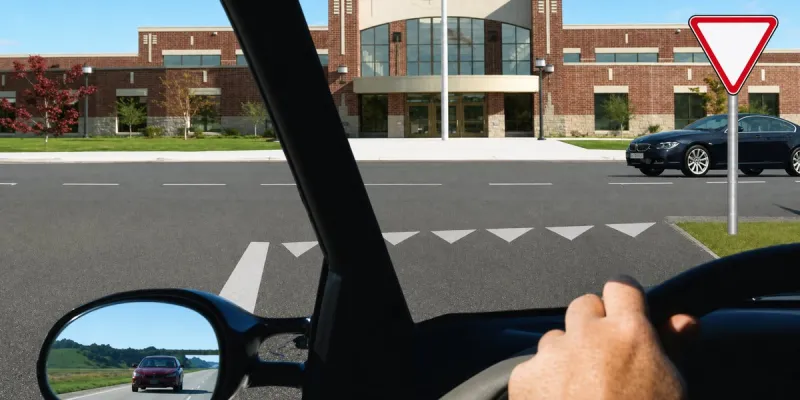
55. Where must the bus driver stop in order to yield to the passenger car before continuing to the left?
- Before the traffic sign.
- At the pavement marking.
- At a safe location at the driver’s discretion.
Correct answer: At the pavement marking. ABC · D/T
Why: 2.4 «Զիջեք ճանապարհը» նշանի հետ գծված է
1.13 գծանշումը (եռանկյունների շարք), որը ցույց է տալիս այն տեղը, որտեղ վարորդն անհրաժեշտության դեպքում կանգ է առնում՝ հատվող ճանապարհով երթևեկողին զիջելու համար։ Ուստի կանգ առնում ենք գծանշման մոտ։
Signs in this question: 2.4
In tests: ABC 45
56. Where must the driver stop in this situation?
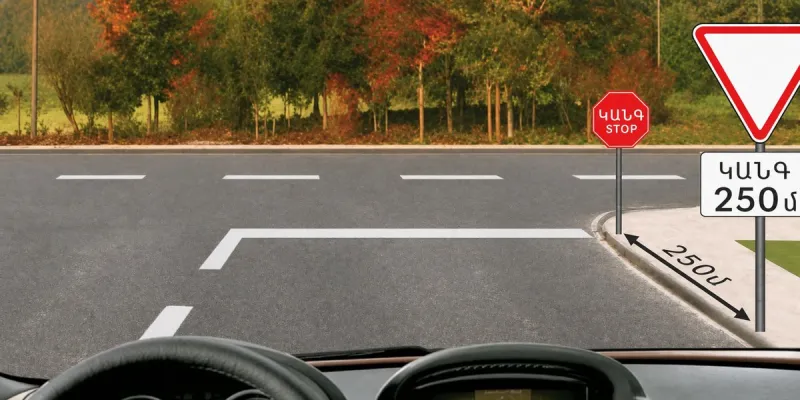
- At the first traffic sign.
- Before the “Stop Line” pavement marking.
- At the second traffic sign.
- Stopping is not required.
Correct answer: Before the “Stop Line” pavement marking. ABC · D/T
Why: Առաջին նշանը՝
2.4 «Զիջեք ճանապարհը»-ն
8.1.2 ցուցանակով, միայն նախազգուշացնում է 250 մ հետո տեղադրված
2.5 «Երթևեկությունն առանց կանգառի արգելվում է» նշանի մասին։
2.5 նշանի մոտ պարտադիր կանգառը կատարվում է «Կանգ-գիծ»
1.12 գծանշման առջև։
Signs in this question: 2.5, 2.4, 8.1.2
In tests: ABC 25, D/T 50
57. Which vehicles are permitted to stop within the area where this sign is in effect?
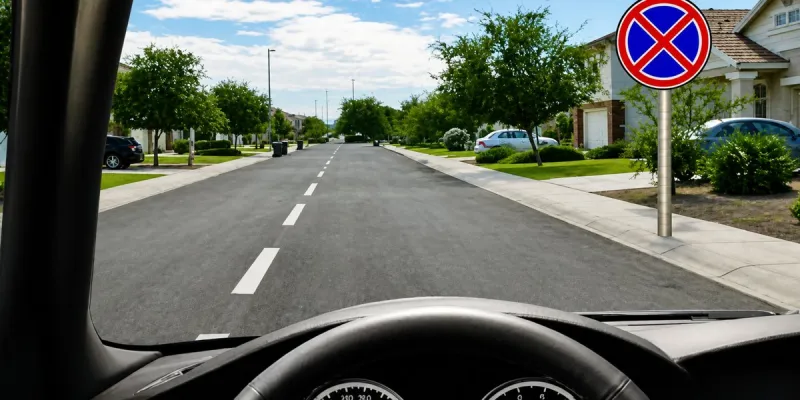
- Only public transit vehicles.
- Only vehicles driven by persons with disabilities.
- Only taxis with the taximeter activated.
- Stopping is prohibited for all vehicles.
Correct answer: Stopping is prohibited for all vehicles. ABC · D/T
Why: Նշան
3.27 «Կանգառն արգելվում է»-ն արգելում է կանգառը բոլոր տրանսպորտային միջոցներին. այն բացառություն չի նախատեսում ո՛չ ընդհանուր օգտագործման տրանսպորտային միջոցների, ո՛չ հաշմանդամների, ո՛չ տաքսիների համար։
Signs in this question: 3.27
In tests: D/T 45
58. Within the area where these traffic signs are in effect, is stopping to pick up passengers permitted?
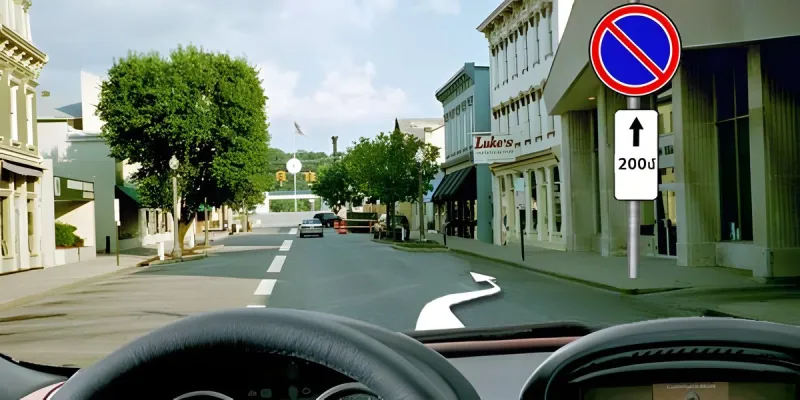
- Permitted.
- Prohibited.
Correct answer: Permitted. ABC · D/T
Why: Նշան
3.28 «Կայանելն արգելվում է»-ը
8.2.2 «Ազդման գոտի» ցուցանակով արգելում է միայն կայանումը։ Ուղևորներ նստեցնելու նպատակով կանգառը (կարճատև կանգ) այս գոտում թույլատրվում է։
Signs in this question: 3.28, 8.2.2
In tests: ABC 10, D/T 40
59. For which vehicles is the lane marked with the letter “A” designated?
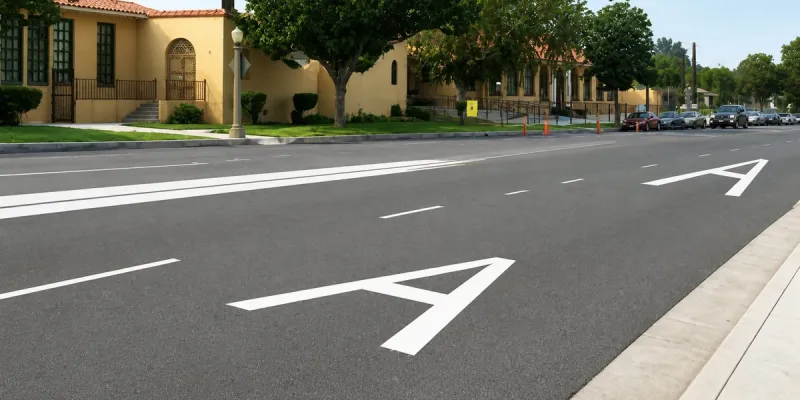
- Only buses operating on an established route.
- Trolleybuses and taxis.
- Public transit vehicles.
Correct answer: Public transit vehicles. ABC · D/T
Why: «A» տառով գծանշված գոտին (
1.23.1) կետ 124-ի համաձայն առանձնացված է ընդհանուր օգտագործման տրանսպորտային միջոցների համար՝ ոչ միայն ավտոբուսների կամ տրոլեյբուսների։
In tests: ABC 6, D/T 43
60. Is stopping permitted at the indicated location?
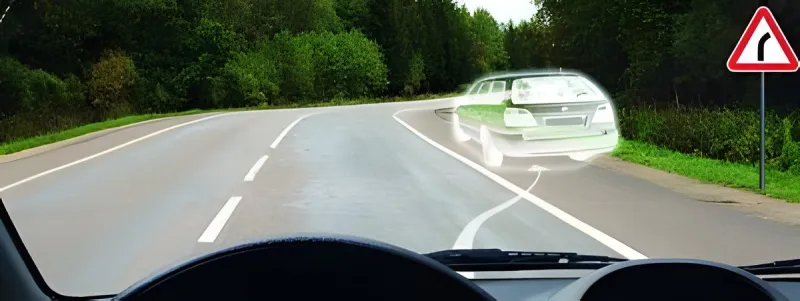
- Yes.
- No.
Correct answer: Yes. ABC · D/T
Why: Վտանգավոր շրջադարձի մոտ (նշան
1.11.1) կետ 84-ն արգելում է կանգառը երթևեկելի մասի վրա, եթե տեսանելիությունը 100 մ-ից պակաս է։ Նշված կանգառը կատարվում է կողնակին՝ երթևեկելի մասից դուրս, ինչը կետ 78-ով թույլատրվում է։
Signs in this question: 1.11.1
In tests: ABC 43, D/T 36
61. Is parking permitted in this situation?
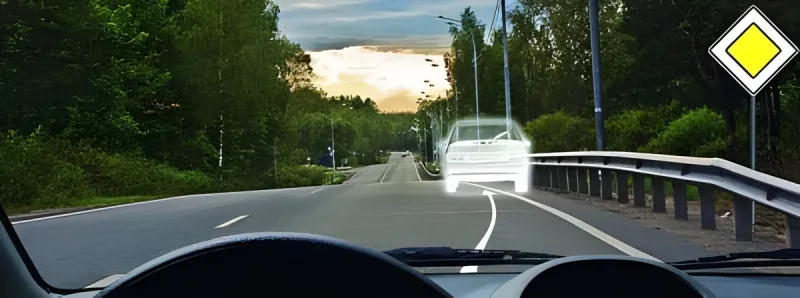
- Yes.
- Only during daylight hours.
- No.
Correct answer: No. ABC · D/T
Why: Բնակավայրից դուրս,
2.1 «Գլխավոր ճանապարհ» նշանով նշված ճանապարհի երթևեկելի մասի վրա կայանումն արգելվում է (կետ 86)՝ անկախ օրվա ժամից։
Signs in this question: 2.1
In tests: ABC 40, D/T 38
62. At which of the indicated locations is stopping permitted?
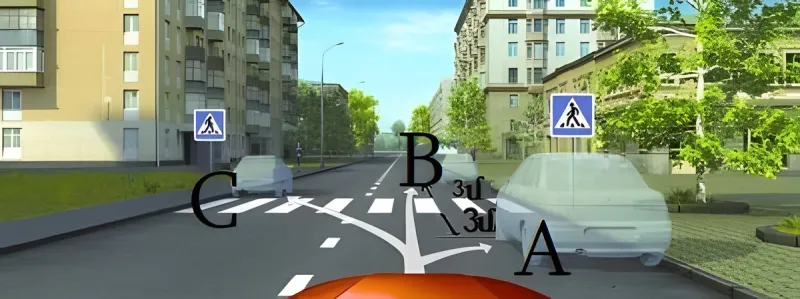
- Only A.
- Only B.
- Only B and C.
- At none of the locations.
Correct answer: Only B. ABC
Why: A տեղը հետիոտնային անցումից (նշաններ
5.19.1,
5.19.2) առաջ 5 մ-ից մոտ է, ինչը կետ 84-ով արգելված է։ C տեղը մի քանի գոտի ունեցող երկկողմ ճանապարհի ձախ կողմում է, որտեղ կանգառ չի թույլատրվում (կետեր 78, 79)։ Թույլատրվում է միայն B տեղում՝ աջ կողմում, անցումից հետո։
Signs in this question: 5.19.1, 5.19.2
In tests: ABC 29
63. At which location is stopping permitted?
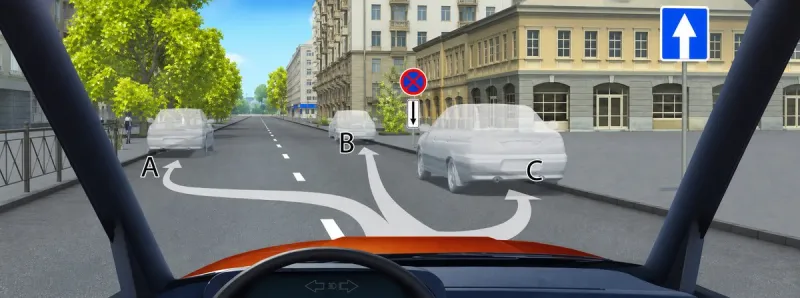
- Only B.
- Only A and B.
- Only A and C.
- At none of the locations.
Correct answer: Only A and B. ABC · D/T
Why: Ճանապարհը միակողմ երթևեկությամբ է (նշան
5.5), որտեղ կետ 79-ի համաձայն կանգառ թույլատրվում է նաև ձախ կողմում. A և B տեղերը թույլատրելի են։ C տեղը գտնվում է
3.27 «Կանգառն արգելվում է» նշանից հետո՝ դրա ազդման գոտում։
Signs in this question: 5.5, 3.27
In tests: D/T 27
64. Is stopping permitted at the indicated location?
- Yes.
- Prohibited.
- Only for the purpose of picking up a passenger.
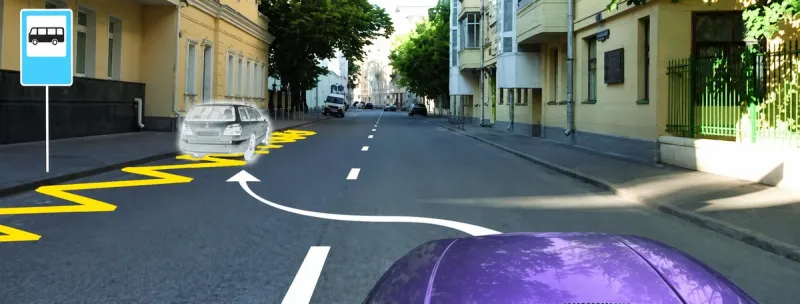
Correct answer: Prohibited. ABC · D/T
Why: Նշված տեղն ընդհանուր օգտագործման տրանսպորտային միջոցների կանգառի կետի տարածքում է (նշան
5.16, դեղին
1.17 գծանշում)։ Կետ 84-ի համաձայն՝ այդ տարածքում կանգառն արգելվում է։
Signs in this question: 5.16
In tests: ABC 13
65. In the indicated situation, is stopping permitted for the purpose of picking up a passenger?
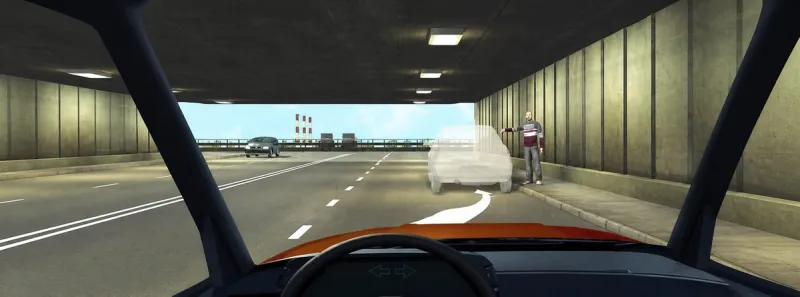
- Yes.
- No.
Correct answer: No. ABC · D/T
Why: Ավտոմոբիլը գտնվում է թունելում։ Կետ 84.2-ով թունելներում կանգառն արգելվում է, ուստի ուղևոր նստեցնելու համար կանգ առնել չի թույլատրվում։
In tests: ABC 49
66. In which of the indicated cases is stopping permitted?
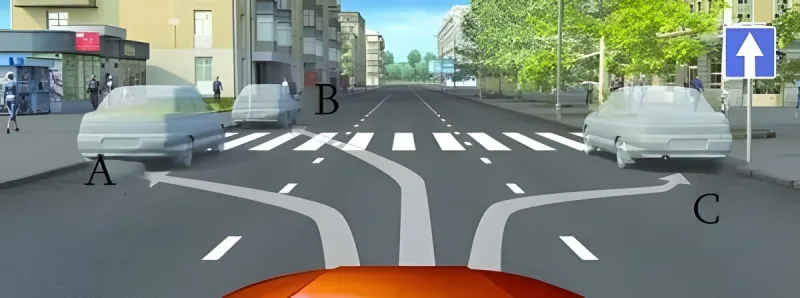
- Only B.
- Only C.
- A and C.
- In all cases.
Correct answer: Only B. ABC · D/T
Why: Ճանապարհը միակողմ երթևեկությամբ է (նշան
5.5)։ A և C տեղերը հետիոտնային անցումից առաջ 5 մ-ից մոտ են, ինչը կետ 84-ով արգելված է։ B տեղն անցումից հետո է, և կետ 79-ի համաձայն միակողմ ճանապարհին կանգառը թույլատրվում է։
Signs in this question: 5.5
In tests: ABC 14, D/T 39
67. Stopping is prohibited:
- At a railroad crossing.
- At a railroad crossing and within 50 m of it.
- At a railroad crossing and within 50 m before it.
Correct answer: At a railroad crossing. ABC · D/T
Why: Կանգառն արգելվում է հենց երկաթուղային գծանցի վրա (կետ 84.2)։ 50 մ գոտին վերաբերում է կայանմանը (կետ 86.4), ոչ թե կանգառին։
In tests: ABC 3, D/T 22
68. Parking is prohibited:
- At a railroad crossing.
- At a railroad crossing and within 50 m of it.
- At a railroad crossing and within 50 m before it.
Correct answer: At a railroad crossing and within 50 m of it. ABC · D/T
Why: Կայանումն արգելվում է գծանցի վրա (այնտեղ արգելված է նաև կանգառը, կետ 84.2 և 86.1) և գծանցին 50 մ-ից մոտ՝ երկու կողմից (կետ 86.4), ոչ միայն դրանից առաջ։
In tests: ABC 35
69. Which option shows a vehicle stopped correctly?
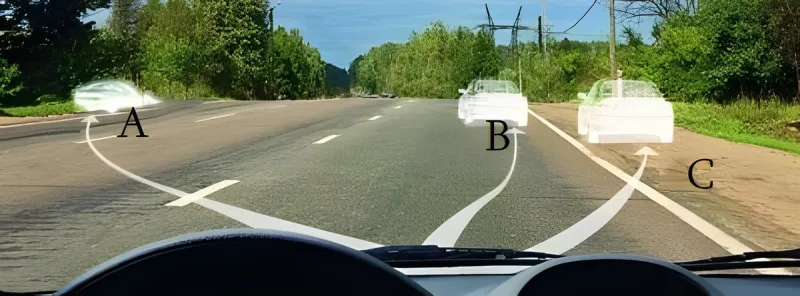
- Only C.
- Only A and C.
- Only B and C.
- In all three cases.
Correct answer: Only C. ABC · D/T
Why: Բնակավայրից դուրս կետ 78-ի համաձայն կանգառը կատարվում է կողնակին (C)։ Կողնակի առկայության դեպքում երթևեկելի մասի վրա կանգնելը (B) թույլատրված չէ, իսկ ձախ կողմում կանգառը (A) կետ 79-ով թույլատրվում է միայն բնակավայրերում։
In tests: ABC 37, D/T 23
70. Must you yield to the truck?
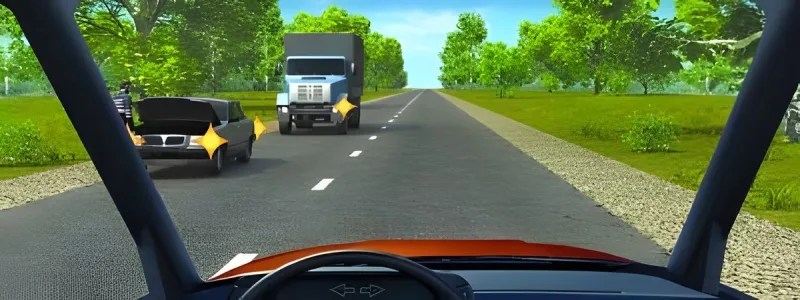
- Yes.
- No.
Correct answer: No. ABC · D/T
Why: Խափանված ավտոմոբիլը հանդիպակաց կողմում է, այսինքն՝ խոչընդոտը բեռնատարի առջևում է։ Կետ 46-ի համաձայն՝ ճանապարհը զիջում է իր առջևում խոչընդոտ ունեցող վարորդը, ուստի մենք զիջելու պարտավոր չենք։
In tests: ABC 30, D/T 35
71. Stopping at the indicated location is:
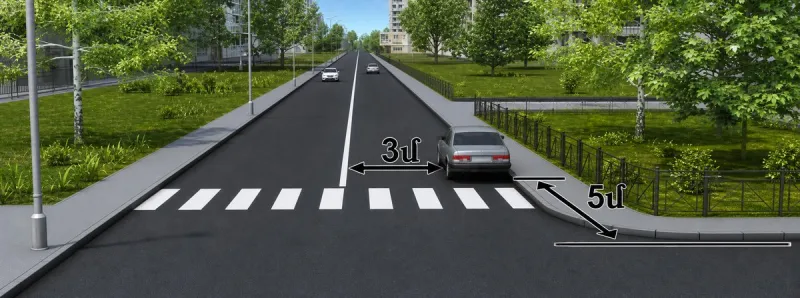
- Permitted.
- Prohibited.
Correct answer: Permitted. ABC
Why: Ավտոմոբիլը կանգ է առել հետիոտնային անցումից հետո (5 մ արգելքը գործում է անցումից առաջ) և հատվող երթևեկելի մասի եզրից 5 մ հեռավորության վրա, ուստի կետ 84-ի պահանջները չեն խախտվում, և կանգառը թույլատրվում է։
In tests: ABC 37
72. When is it permitted to cross the pavement marking?
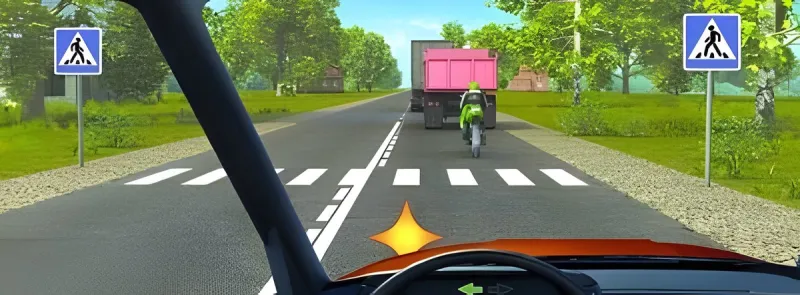
- Before the pedestrian crossing.
- After the pedestrian crossing.
Correct answer: After the pedestrian crossing. ABC · D/T
Why: Հետիոտնային անցումից (նշաններ
5.19.1,
5.19.2) առաջ առանցքային գիծը հոծ է (
1.1) և հատել չի թույլատրվում, իսկ անցումից հետո այն ընդհատվող է (
1.5), որը թույլատրվում է հատել։
Signs in this question: 5.19.1, 5.19.2
In tests: ABC 8
73. Has the truck driver violated the stopping rules?
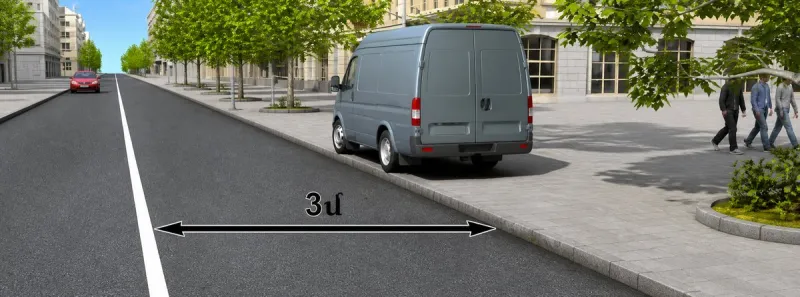
- Yes.
- No.
Correct answer: Yes. ABC
Why: Բեռնատարը կանգ է առել մայթի վրա բարձրանալով, ինչը կետ 84-ով արգելված է (բացառությամբ 61-րդ և 81-րդ կետերի դեպքերի)՝ անկախ երթևեկելի մասի վրա մնացած 3 մ-ից։
74. In the indicated situation, is stopping permitted for the purpose of picking up a passenger?
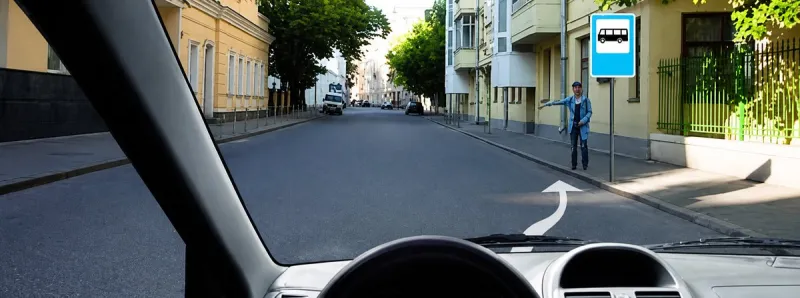
- Yes.
- Permitted only for the driver of a public transit vehicle.
- No.
Correct answer: Permitted only for the driver of a public transit vehicle. ABC · D/T
Why: 5.16 «Ավտոբուսի և (կամ) տրոլեյբուսի կանգառի տեղ» նշան։ Կետ 84.7-ով կանգառն արգելվում է կանգառի ցուցիչից 15 մ-ից մոտ (կամ
1.17 գծանշման տարածքում). այնտեղ կանգ առնել կարող են միայն կանգառը սպասարկող ընդհանուր օգտագործման տրանսպորտային միջոցները։
Signs in this question: 5.16
In tests: ABC 26, D/T 2
75. Which driver has violated the parking rules?
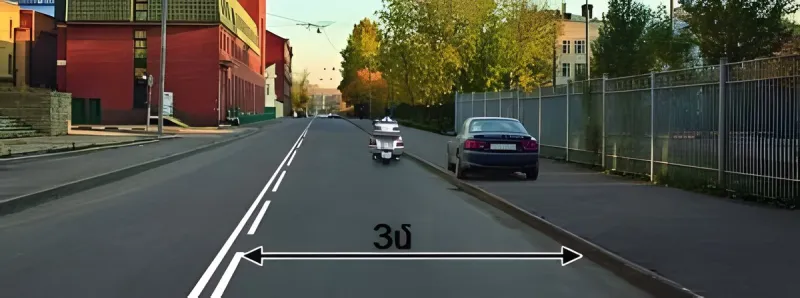
- Both drivers.
- Only the passenger-car driver.
- Only the driver of the motorcycle.
- No one.
Correct answer: Only the passenger-car driver. ABC
Why: Կրկնակի հոծ
1.3 գծից մինչև երթևեկելի մասի եզրն ընդամենը 3 մ է, ուստի կայանված թեթև մարդատարի և հոծ գծի միջև 3 մ-ից պակաս է մնում, ինչը կետ 84-ով արգելված է։ Մոտոցիկլը բավարար տարածություն է թողնում։
In tests: ABC 2
76. Which option shows a driver parked in a prohibited position?
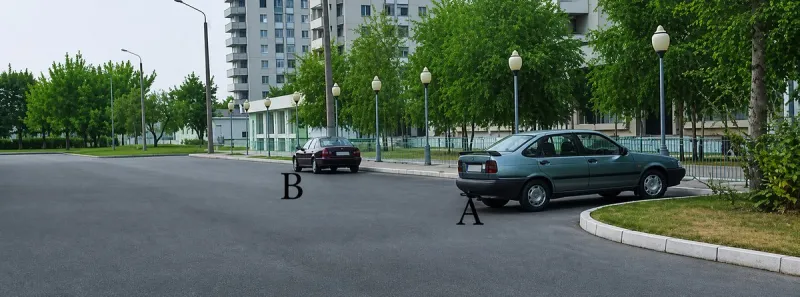
- Only A.
- Only B.
Correct answer: Only A. ABC
Why: Կետ 80-ի համաձայն՝ տրանսպորտային միջոցը տեղակայվում է երթևեկելի մասի եզրին զուգահեռ՝ մեկ շարքով։ A ավտոմոբիլը կայանված է եզրի նկատմամբ անկյան տակ, ուստի կայանումն արգելված դիրքով է։
In tests: ABC 48
77. Is stopping permitted at the indicated location?
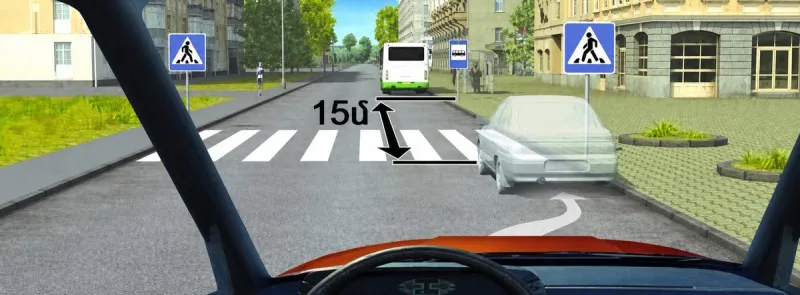
- Only for the purpose of dropping off a passenger.
- Prohibited.
Correct answer: Prohibited. ABC · D/T
Why: Ավտոմոբիլը կանգ է առնում անմիջապես հետիոտնային անցումից առաջ։ Կետ 84.4-ով կանգառն արգելվում է հետիոտնային անցումների վրա և շարժման ուղղությամբ անցումից առաջ՝ 5 մ-ից մոտ վայրում, ուստի այստեղ կանգ առնել չի թույլատրվում նաև ուղևոր իջեցնելու համար։
Signs in this question: 5.19.1, 5.19.2, 5.16
In tests: ABC 10, D/T 22
78. At which of the indicated locations is parking permitted?
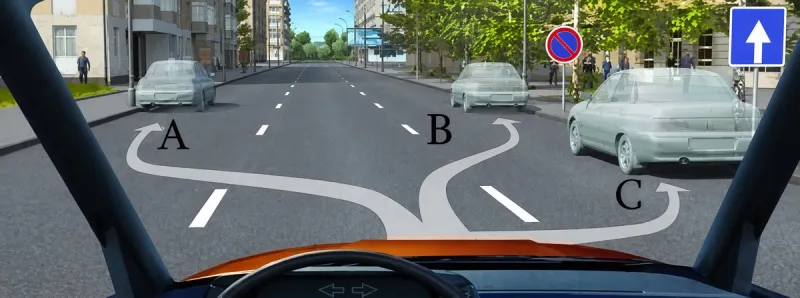
- Only A.
- Only C.
- A or C.
Correct answer: A or C. ABC · D/T
Why: Ճանապարհը միակողմ երթևեկությամբ է (նշան
5.5). կետ 79-ի համաձայն կայանել կարելի է ձախ կողմում (A) և աջ կողմում՝
3.28 «Կայանելն արգելվում է» նշանից առաջ (C)։ B տեղում ավտոմոբիլը կկանգնի երկրորդ շարքով, ինչը կետ 80-ով արգելված է։
Signs in this question: 5.5, 3.28
In tests: ABC 6
79. Is stopping permitted at the indicated location?
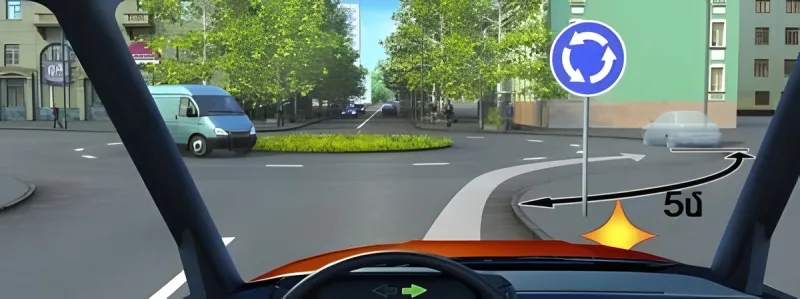
- No.
- Yes.
Correct answer: No. ABC · D/T
Why: Կանգառը նշված է շրջանաձև երթևեկությամբ խաչմերուկից (նշան
4.3) դուրս գալու տեղում՝ երթևեկելի մասերի հատման հատվածում, հատվող երթևեկելի մասի եզրից 5 մ-ից մոտ, ինչը կետ 84-ով արգելված է։
Signs in this question: 4.3
80. Who has violated the stopping rules?
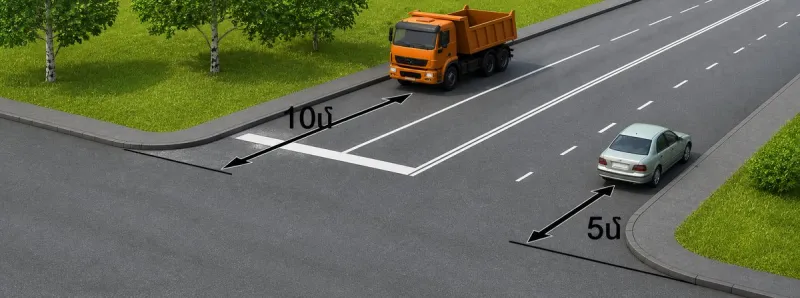
- Both drivers.
- Only the truck driver.
- Only the passenger-car driver.
- No one.
Correct answer: Only the truck driver. ABC
Why: Բեռնատարի կողմում նրա գոտին ձախից սահմանափակված է
1.1 հոծ գծով, և կանգնած բեռնատարի ու այդ գծի միջև տարածությունը 3 մ-ից պակաս է։ Կետ 84.3-ով կանգառն արգելվում է այն վայրերում, որտեղ կանգնած տրանսպորտային միջոցի և հոծ գծի միջև տարածությունը 3 մ-ից պակաս է, ուստի բեռնատարի վարորդը խախտել է կանոնները (խաչմերուկից 10 մ հեռավորությունն այստեղ խնդիր չէ)։ Թեթև մարդատարի կողմում գոտիները բաժանված են
1.5 ընդհատ գծով, իսկ
1.3 կրկնակի հոծ գիծը 3 մ-ից հեռու է։ Նա կանգնած է հատվող երթևեկելի մասի եզրից ուղիղ 5 մ հեռավորության վրա, իսկ կետ 84.6-ը արգելում է կանգառը միայն 5 մ-ից պակաս հեռավորության վրա, ուստի նա չի խախտել։
81. In which case has the driver violated the stopping rules?
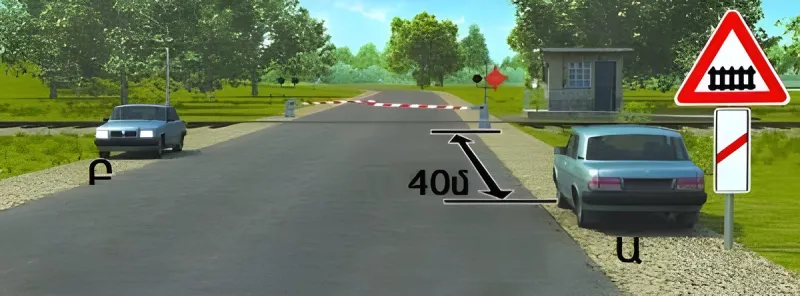
- Only A.
- Only B.
- Neither driver.
- Both drivers have violated the rules.
Correct answer: Neither driver. ABC
Why: Երկու ավտոմոբիլն էլ կանգ են առել գծանցից (նշաններ
1.1,
1.4.3) 40 մ առաջ։ Կետ 84-ը կանգառն արգելում է միայն գծանցի վրա, իսկ կետ 86-ի 50 մ սահմանափակումը վերաբերում է կայանմանը, ոչ թե կանգառին։ Ոչ ոք չի խախտել։
Signs in this question: 1.1, 1.4.3
In tests: ABC 25
82. In which case has the driver violated the parking rules?
- Only A.
- Only B.
- Both drivers have violated the rules.
- Neither driver.
Correct answer: Both drivers have violated the rules. ABC
Why: Երկու ավտոմոբիլն էլ կայանված են երկաթուղային գծանցից 40 մ հեռավորության վրա։ Կետ 86-ի համաձայն՝ կայանումն արգելվում է գծանցներին 50 մ-ից մոտ, ուստի խախտել են երկուսն էլ։
Signs in this question: 1.1, 1.4.3
In tests: ABC 44
83. Is parking permitted at the indicated location?
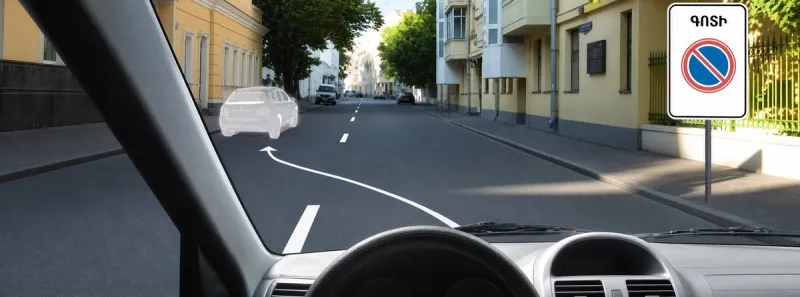
- Prohibited.
- Permitted.
Correct answer: Prohibited. ABC · D/T
Why: Նշանը
5.27 «Կայանման սահմանափակումով գոտի»-ն է՝ ներսում
3.28 նշանով. այդ գոտում կայանումն արգելված է։ Բացի դրանից, բնակավայրում ձախ կողմում կայանելը թույլատրվում է միայն յուրաքանչյուր ուղղությամբ մեկ գոտի ունեցող ճանապարհներին (կետ 79), ուստի նշված վայրում կայանումն արգելվում է։
Signs in this question: 5.27, 3.28
In tests: ABC 38, D/T 2
84. Is stopping on the bridge permitted for the purpose of picking up a passenger?
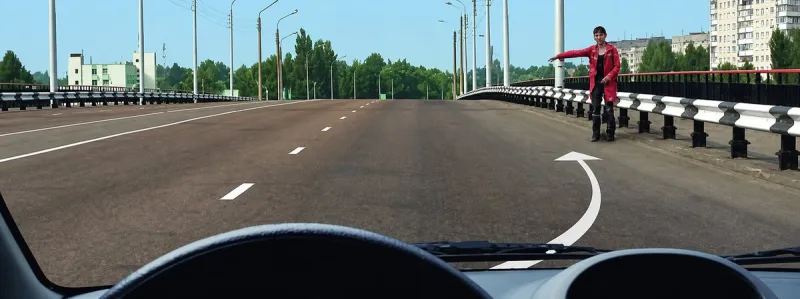
- Yes.
- No.
Correct answer: No. ABC · D/T
Why: Կետ 84-ի համաձայն՝ կանգառն արգելվում է կամուրջների վրա, ուստի կամրջի վրա ուղևոր նստեցնելու նպատակով կանգ առնել չի թույլատրվում։
In tests: ABC 40, D/T 40
85. Which driver has violated the stopping rules?
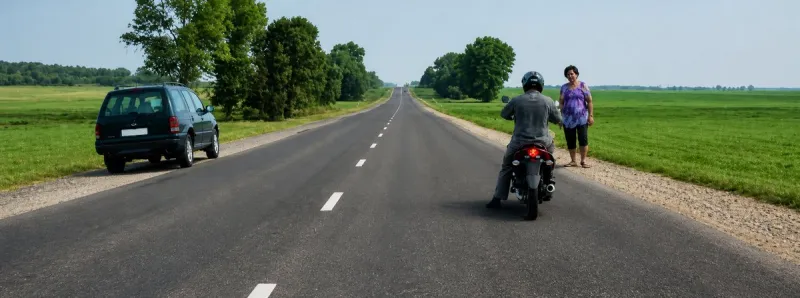
- The automobile driver.
- The driver of the motorcycle.
- Both drivers.
- No one.
Correct answer: Both drivers. ABC
Why: Բնակավայրից դուրս ավտոմոբիլը կանգնել է ձախ կողմում, ինչը կետ 79-ով թույլատրվում է միայն բնակավայրերում, իսկ մոտոցիկլը կանգ է առել երթևեկելի մասի վրա, թեև կողնակ կա (կետ 78)։ Խախտել են երկու վարորդներն էլ։
In tests: ABC 50
86. Which driver has stopped correctly?
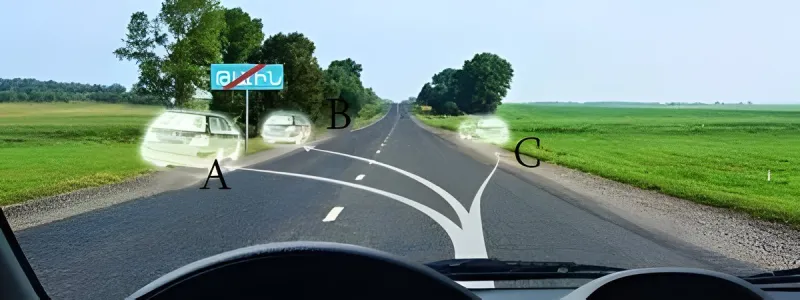
- Only C.
- B or C.
- All drivers.
Correct answer: Only C. ABC · D/T
Why: Բնակավայրի վերջից (նշան
5.26) հետո կանգառը կատարվում է կողնակին (C, կետ 78)։ Կողնակի առկայության դեպքում երթևեկելի մասի վրա (B) կանգնել չի թույլատրվում, իսկ ձախ կողմում (A) կանգառը կետ 79-ով թույլատրվում է միայն բնակավայրերում։
Signs in this question: 5.26
In tests: ABC 17
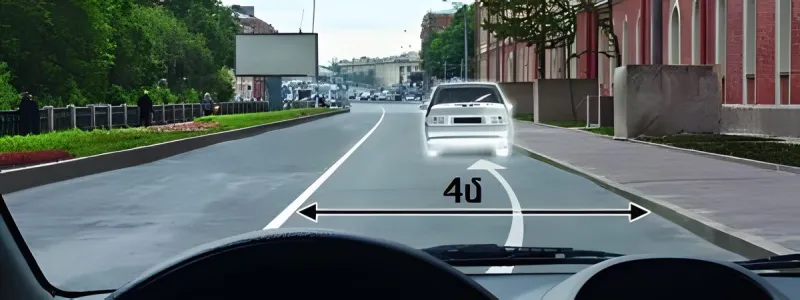
87. Is stopping permitted at the indicated location?
- Yes.
- No.
Correct answer: No. ABC · D/T
Why: Նշված տեղը խաչմերուկի անկյունում է՝ հատվող երթևեկելի մասի եզրից 5 մ-ից մոտ։ Կետ 84-ի համաձայն՝ նման վայրում կանգառն արգելվում է։
In tests: ABC 48, D/T 55
88. Which driver has violated the parking rules?
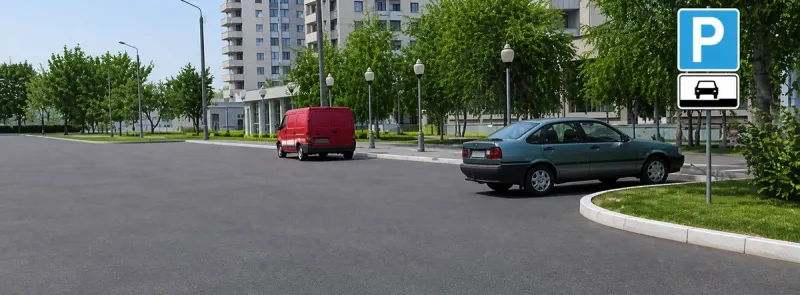
- The truck driver.
- The passenger-car driver.
- No one.
- Both drivers.
Correct answer: The passenger-car driver. ABC
Why: Նշան
6.4 «Կայանման տեղ»-ը
8.6.3 ցուցանակով սահմանում է կայանում մայթեզրին՝ եզրին զուգահեռ, ինչը կետ 81-ով թույլատրվում է միայն թեթև մարդատարներին, մոտոցիկլներին, մոպեդներին և հեծանիվներին։ Բեռնատարը ճիշտ է մնացել երթևեկելի մասին, իսկ թեթև մարդատարը կայանված է անկյան տակ՝ ոչ ցուցանակի պահանջով, ուստի խախտել է նրա վարորդը։
Signs in this question: 6.4, 8.6.3
In tests: ABC 11
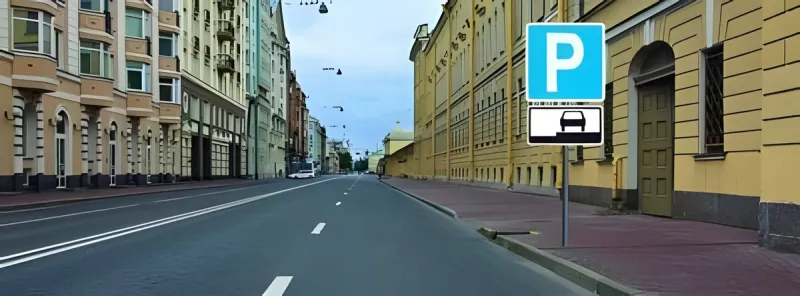
89. Is the driver of a truck weighing less than 3.5 metric tons permitted to park in the manner indicated on the supplemental plaque?
- Yes.
- No.
Correct answer: No. ABC
Why: Ցուցանակը (8.6 շարք) թույլատրում է կայանել մասամբ մայթեզրին։ Կետ 81-ի համաձայն՝ մայթեզրին կայանման նպատակով կանգնեցնել թույլատրվում է միայն թեթև մարդատար ավտոմոբիլները, մոտոցիկլները, մոպեդներն ու հեծանիվները, ուստի բեռնատարին, նույնիսկ 3,5 տ-ից թեթև, դա արգելված է։
Signs in this question: 6.4, 8.6.2
In tests: ABC 51
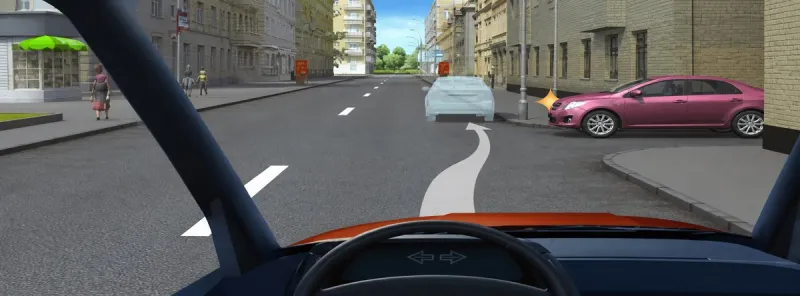
90. Is stopping permitted at the indicated location?
- Yes.
- No.
Correct answer: No. ABC
Why: Նշված տեղը աջից հարող փողոցի հետ խաչմերուկում է՝ հատվող երթևեկելի մասի եզրից 5 մ-ից մոտ։ Կետ 84.6-ով նման վայրում կանգառն արգելվում է։
In tests: ABC 47
91. At which of the indicated locations is stopping permitted?
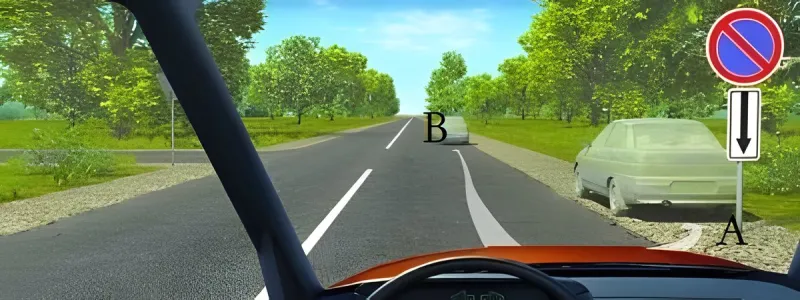
- Only A.
- Only B.
- At any of the locations.
Correct answer: Only A. ABC · D/T
Why: Նշանը
3.28 «Կայանելն արգելվում է»-ն է
8.2.3 ցուցանակով. այն արգելում է միայն կայանումը, ուստի A տեղում կանգառը թույլատրվում է։ B տեղը բնակավայրից դուրս երկկողմ ճանապարհի ձախ կողմում է, իսկ կետ 79-ով ձախ կողմում կանգառը թույլատրվում է միայն բնակավայրերում։
Signs in this question: 3.28, 8.2.3
In tests: ABC 21, D/T 3
92. Parking at the indicated location is:
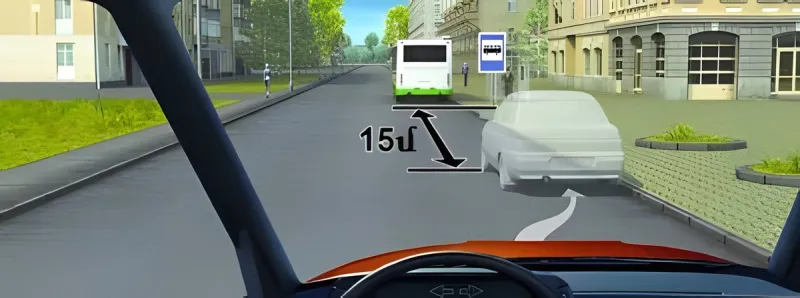
- Permitted.
- Prohibited.
Correct answer: Permitted. ABC
Why: 1.17 գծանշման բացակայության դեպքում կետ 84-ն արգելում է կանգառը
5.16 կանգառի ցուցիչից 15 մ-ից մոտ։ Նշված տեղը ցուցիչից ուղիղ 15 մ է հեռու, ուստի կայանումը թույլատրվում է։
Signs in this question: 5.16
In tests: ABC 23
93. Which driver has violated the parking rules?
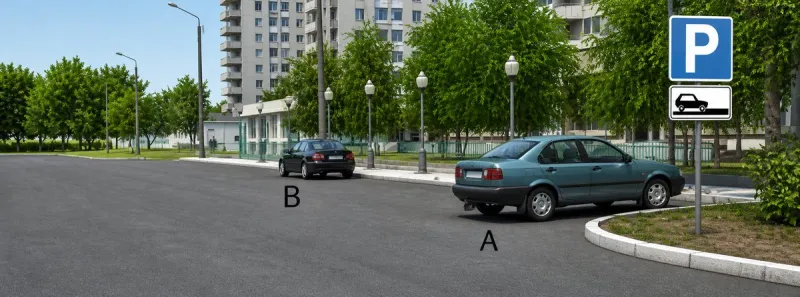
- Only A.
- Only B.
- No one.
Correct answer: Only B. ABC
Why: Նշան
6.4 «Կայանման տեղ»-ը
8.6.1 ցուցանակով սահմանում է կայանում երթևեկելի մասի եզրին զուգահեռ՝ մեկ շարքով (կետ 80)։ B ավտոմոբիլը կանգնած է եզրից հեռու՝ երկրորդ շարքով, ուստի խախտել է նրա վարորդը. A ավտոմոբիլը մայթեզրին է։
Signs in this question: 6.4, 8.6.1
In tests: ABC 46
94. Stopping at the indicated location is:
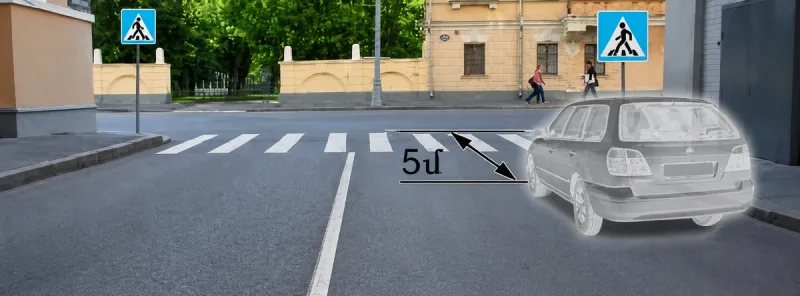
- Permitted.
- Permitted for the purpose of picking up a passenger.
- Prohibited.
Correct answer: Prohibited. ABC · D/T
Why: Ավտոմոբիլը կանգնած է հետիոտնային անցումի (նշաններ
5.19.1,
5.19.2) անմիջապես մոտ՝ խաչմերուկի անկյունում, անցումից և հատվող երթևեկելի մասի եզրից 5 մ-ից մոտ։ Կետ 84-ի համաձայն՝ նման տեղում կանգառն արգելվում է։
Signs in this question: 5.19.1, 5.19.2
In tests: ABC 51, D/T 33
95. Which driver has violated the stopping rules?
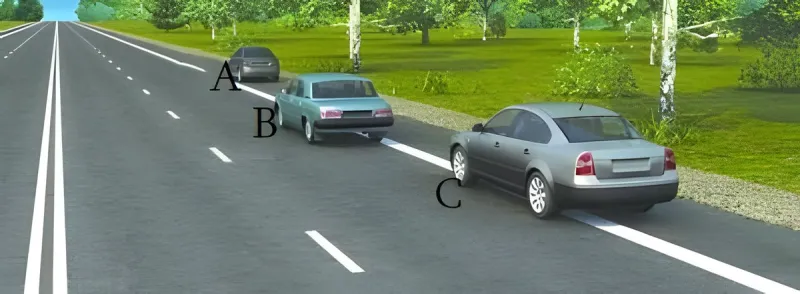
- Only B.
- Only B and C.
- All of them.
Correct answer: Only B and C. ABC
Why: Բնակավայրից դուրս կանգառը կատարվում է կողնակին (կետ 78)։ A ավտոմոբիլն ամբողջությամբ կողնակին է, իսկ B-ն և C-ն մնացել են երթևեկելի մասի վրա՝
1.2 եզրային գծից ներս, ուստի խախտել են B-ի և C-ի վարորդները։
In tests: ABC 13
96. Are the drivers permitted to stop at the indicated location?
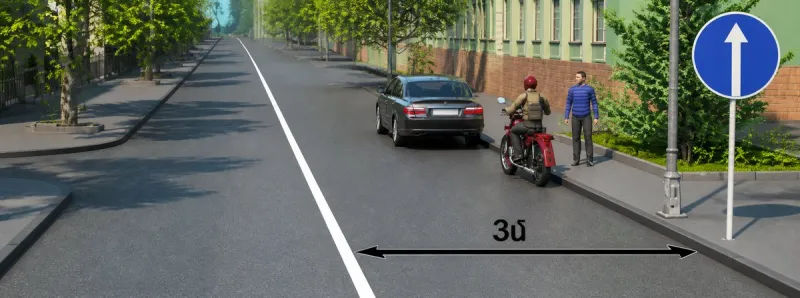
- Yes.
- Only the driver of the motorcycle.
- No.
Correct answer: No. ABC
Why: Աջ գոտին մինչև հոծ առանցքային գիծն ընդամենը 3 մ է, ուստի կանգնած տրանսպորտային միջոցի և հոծ գծի միջև 3 մ-ից պակաս կմնա։ Կետ 84-ի համաձայն՝ նման տեղում կանգառն արգելվում է բոլորին, այդ թվում՝ մոտոցիկլներին։
Signs in this question: 4.1.1
In tests: ABC 29
97. In which of the indicated cases is stopping permitted?
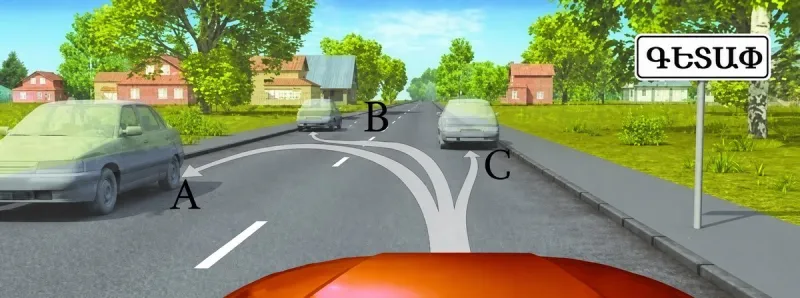
- Only C.
- Only B and C.
- In all cases.
Correct answer: In all cases. ABC · D/T
Why: Բնակավայրում (նշան
5.23.1), յուրաքանչյուր ուղղությամբ մեկ գոտի ունեցող ճանապարհին, կետ 79-ի համաձայն կանգառ թույլատրվում է նաև ձախ կողմում։ Ուստի A, B և C տեղերում կանգառը թույլատրվում է բոլոր դեպքերում։
Signs in this question: 5.23.1
98. Is stopping in this position permitted?
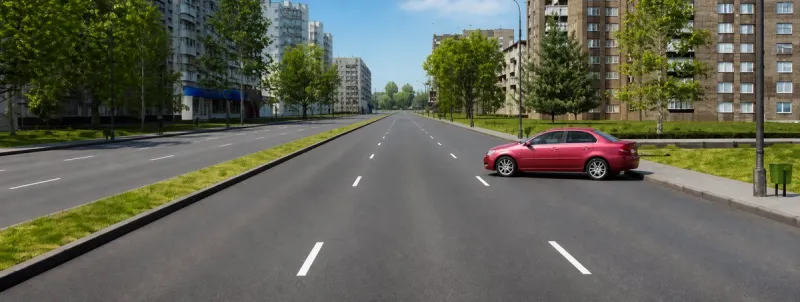
- Yes.
- Only for passenger cars.
- No.
Correct answer: No. ABC
Why: Կետ 80-ով տրանսպորտային միջոցը թույլատրվում է տեղակայել երթևեկելի մասի եզրին զուգահեռ մեկ շարքով, եթե գծանշմամբ այլ ձև թույլատրված չէ։ Կարմիր ավտոմոբիլը կանգնած է եզրին անկյան տակ, ուստի նման դիրքով կանգառն արգելվում է բոլոր տրանսպորտային միջոցներին։
In tests: ABC 30
99. After passing the truck, is it permitted to continue in this lane?
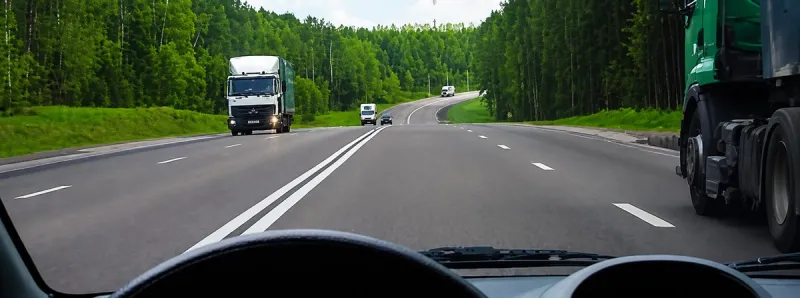
- Yes.
- No.
Correct answer: No. ABC · D/T
Why: Բնակավայրից դուրս կետ 55-ի համաձայն արգելվում է զբաղեցնել ձախ գոտին, երբ աջ գոտին ազատ է, ուստի բեռնատարից առաջ անցնելուց հետո այս գոտիով երթևեկությունը շարունակել չի թույլատրվում։
In tests: ABC 21, D/T 30
100. In this situation, is it permitted to continue in the occupied lane?
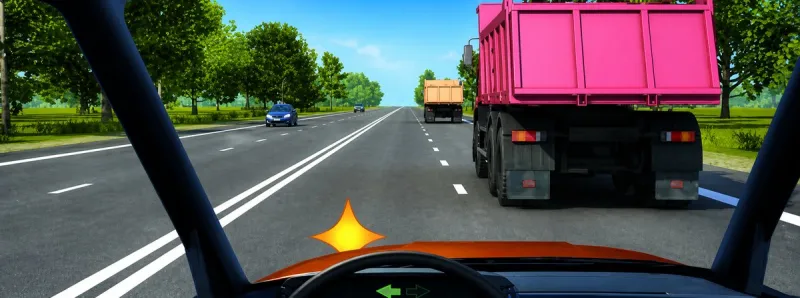
- Yes.
- No.
Correct answer: Yes. ABC · D/T
Why: Բնակավայրում կետ 56-ի համաձայն վարորդները կարող են երթևեկել իրենց համար հարմար գոտիով, ուստի զբաղեցրած ձախ գոտիով երթևեկությունը շարունակելը թույլատրվում է։
1.3 կրկնակի հոծ գիծը միայն հանդիպակաց հոսքերն է բաժանում։
In tests: ABC 54, D/T 9
101. Stopping at the indicated location is:
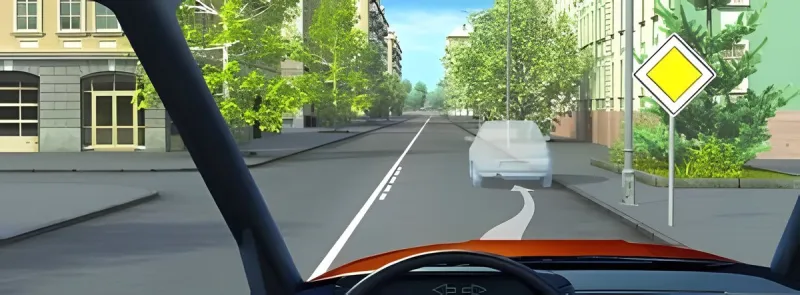
- Permitted.
- Permitted if the distance from the vehicle to the pavement marking is more than 3 meters.
- Prohibited.
Correct answer: Prohibited. ABC · D/T
Why: Նշված տեղը հատվող փողոցից առաջ՝ անկյունում է, հատվող երթևեկելի մասի եզրից 5 մ-ից մոտ։ Կետ 84-ի համաձայն՝ նման տեղում կանգառն արգելվում է՝ անկախ գծանշումից ունեցած հեռավորությունից։
Signs in this question: 2.1
In tests: D/T 25
102. This pavement marking indicates:
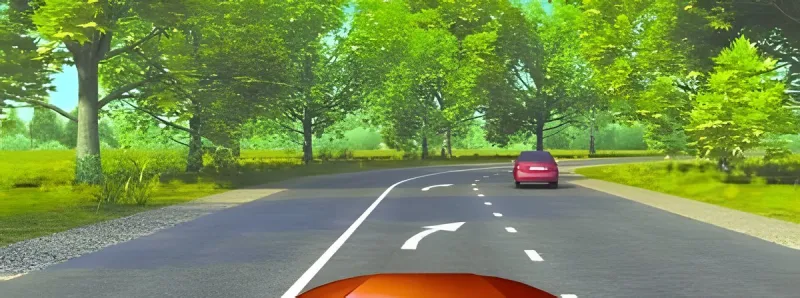
- Right-of-way when changing lanes.
- Approach to a curved section of road.
- Approach to the end of the lane.
Correct answer: Approach to the end of the lane. ABC · D/T
Why: 1.19 գծանշումը (գոտու գծին թեքվող սլաքներ) նախազգուշացնում է երթևեկության գոտու վերջին մոտենալու մասին՝ այն հատվածին, որտեղ տվյալ ուղղությամբ գոտիների թիվը նվազում է։
In tests: ABC 17, D/T 31
103. What does this pavement marking indicate?

- Approach to the “Stop Line” at a signal-controlled intersection.
- Approach to the “Stop Line” pavement marking when it is used together with a “STOP” sign.
- Approach to a barrier gate.
Correct answer: Approach to the “Stop Line” pavement marking when it is used together with a “STOP” sign. ABC · D/T
Why: «STOP» գրառումը
1.21 գծանշումն է, որը նախազգուշացնում է «Կանգ-գիծ»
1.12 գծանշմանը մոտենալու մասին, երբ այն կիրառված է
2.5 «Երթևեկությունն առանց կանգառի արգելվում է» նշանի հետ։
Signs in this question: 2.5
In tests: D/T 9
104. Vertical markings on barriers indicate:
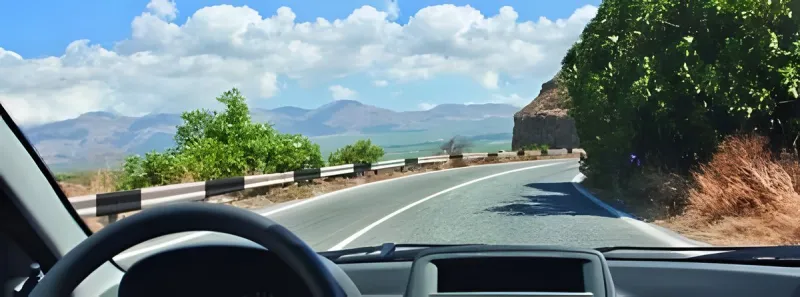
- Approach to a railroad crossing.
- Approach to a dangerous intersection.
- Movement along a dangerous section of road.
Correct answer: Movement along a dangerous section of road. ABC · D/T
Why: Ցանկապատերի կողային մակերևույթների ուղղաձիգ
2.5 գծանշումը նշում է փոքր շառավղով կորացումները, կտրուկ վայրէջքները և ճանապարհի այլ վտանգավոր հատվածները։
In tests: ABC 42
105. This triangular pavement marking indicates:
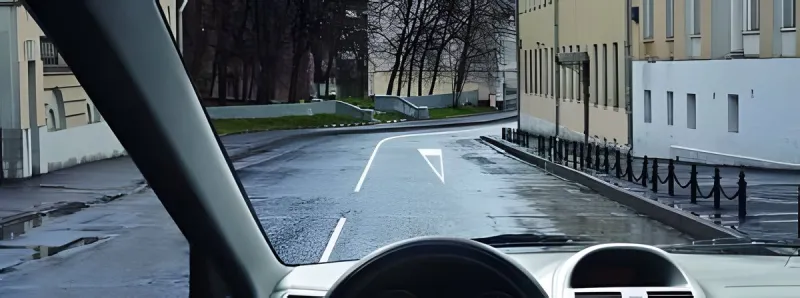
- Approach to a dangerous turn.
- Approach to a location where drivers must yield.
- Approach to a location where vehicles must stop.
Correct answer: Approach to a location where drivers must yield. ABC · D/T
Why: Եռանկյունաձև
1.20 գծանշումը նախազգուշացնում է
1.13 գծանշմանը, այսինքն՝ ճանապարհը զիջելու տեղին մոտենալու մասին։
In tests: ABC 11, D/T 5
106. These broken pavement markings within the intersection indicate:
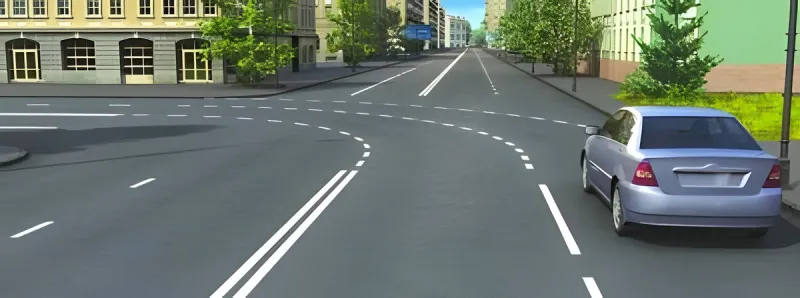
- Permitted directions of traffic.
- Traffic lanes within the intersection.
Correct answer: Traffic lanes within the intersection. ABC · D/T
Why: Խաչմերուկի տարածքում կարճ գծիկներով
1.7 գծանշումը ցույց է տալիս երթևեկության գոտիները խաչմերուկի սահմաններում։
In tests: ABC 34, D/T 48
107. With this pavement marking, passing is:
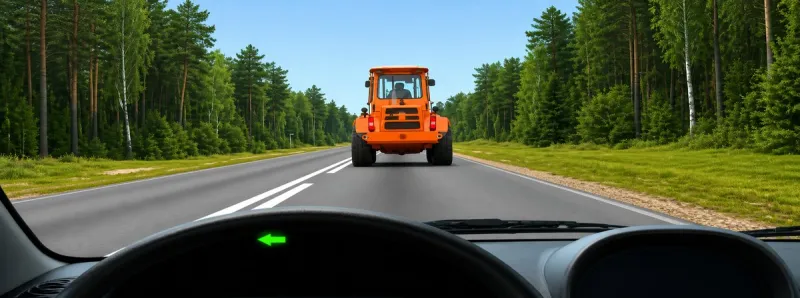
- Permitted.
- Prohibited.
- Permitted only when passing tractors.
Correct answer: Permitted. ABC · D/T
Why: 1.11 գծանշման ընդհատվող գիծը մեր կողմում է, ուստի այն մեր կողմից թույլատրվում է հատել, և տրակտորին վազանցելը թույլատրվում է։
In tests: D/T 52
108. This vertical pavement marking:
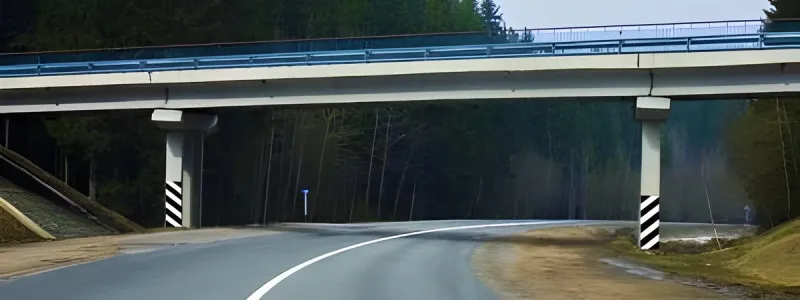
- Marks all vertical elements adjacent to the roadway.
- Marks only those elements of road structures that present a hazard to drivers.
Correct answer: Marks only those elements of road structures that present a hazard to drivers. ABC · D/T
Why: Ուղղաձիգ
2.1 գծանշումը կիրառվում է միայն ճանապարհային կառույցների այն տարրերի վրա (կամուրջների հենարաններ, եզրապատեր), որոնք վտանգ են ներկայացնում երթևեկության համար։
In tests: ABC 45
109. With this pavement marking, may you enter the intersection if doing so does not interfere with the passenger-car driver?
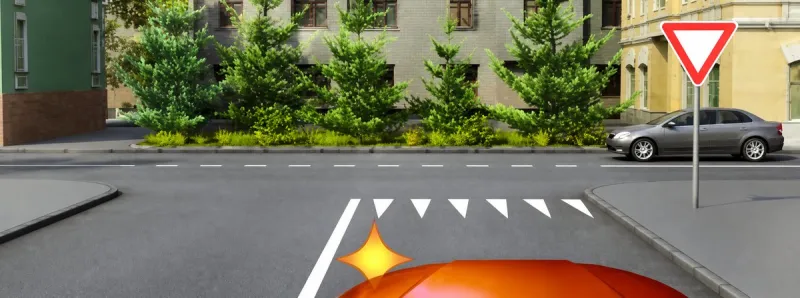
- Yes.
- No.
Correct answer: No. ABC · D/T
Why: 2.4 «Զիջեք ճանապարհը» նշանը և
1.13 գծանշումը ցույց են տալիս, որ մենք երկրորդական ճանապարհին ենք, և
1.13 գծանշման մոտ պետք է կանգ առնենք ու զիջենք ճանապարհը հատող ճանապարհով երթևեկող տրանսպորտային միջոցներին։ Կետ 96-ով երկրորդական ճանապարհով երթևեկող վարորդը պետք է զիջի գլխավոր ճանապարհով մոտեցող տրանսպորտային միջոցներին։ Թեթև մարդատարը գլխավոր ճանապարհով մոտենում է խաչմերուկին, ուստի մենք պետք է նախ այն բաց թողնենք և միայն դրանից հետո մուտք գործենք խաչմերուկ։
Signs in this question: 2.4
In tests: ABC 39, D/T 51
110. Which driver following the indicated path does not violate the pavement-marking requirements?
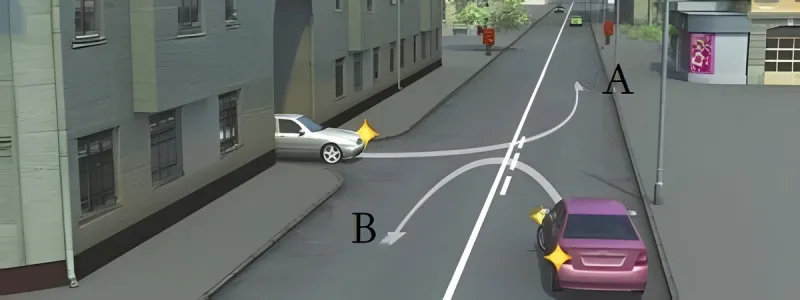
- Only A.
- Only B.
- Both violate the requirements.
- Neither violates the requirements.
Correct answer: Only B. ABC
Why: 1.11 գծանշումը թույլատրվում է հատել միայն ընդհատվող գծի կողմից։ B հետագիծը հատում է ընդհատվող գծի կողմից, իսկ A-ն՝ հոծ գծի կողմից, ուստի գծանշման պահանջները չի խախտում միայն B վարորդը։
In tests: ABC 19
111. In which case is it permitted to cross the solid pavement marking?
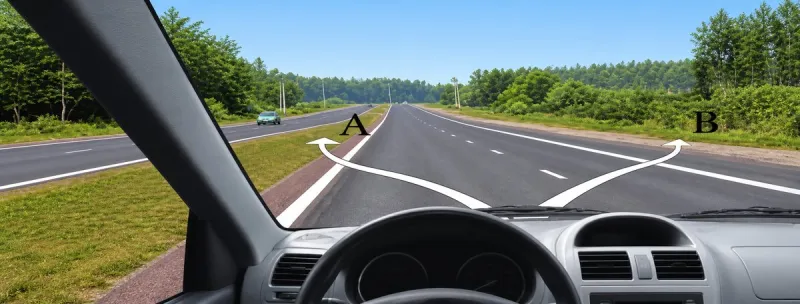
- Only B, when stopping.
- In neither case.
- In both cases, when stopping.
Correct answer: Only B, when stopping. ABC · D/T
Why: Երթևեկելի մասի եզրը ցույց տվող հոծ
1.2 գիծը թույլատրվում է հատել միայն կողնակին կանգառ կատարելու համար (կետ 78)՝ B հետագծով։ A հետագիծը երթևեկելիս է հատում գիծը, ինչն արգելված է։
In tests: ABC 8, D/T 12
112. What does the broken pavement marking indicate?
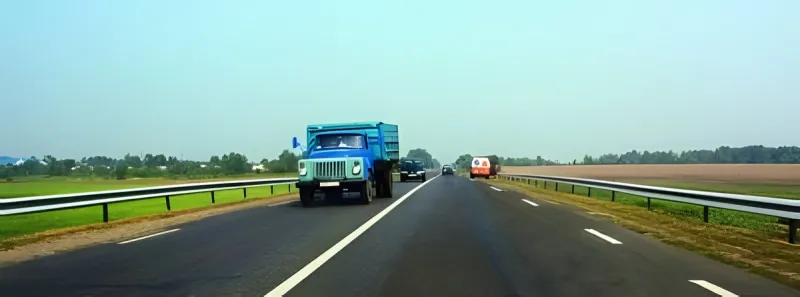
- The right to stop on the shoulder.
- The edges of the roadway on a two-lane road.
- The right to proceed on the shoulder.
Correct answer: The edges of the roadway on a two-lane road. ABC · D/T
Why: Եզրային ընդհատվող գծանշումը ցույց է տալիս երթևեկելի մասի եզրերը երկգոտի ճանապարհին. այն կողնակով երթևեկելու կամ այնտեղ կանգառ կատարելու իրավունք չի տալիս։
In tests: ABC 33, D/T 27
113. In this situation, proceeding along this path is:
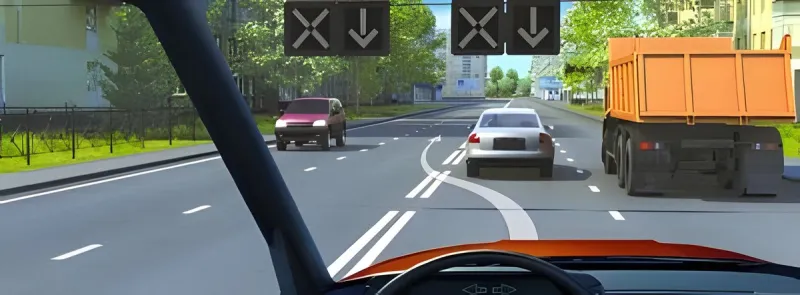
- Permitted only when passing.
- Permitted.
- Prohibited.
Correct answer: Prohibited. ABC · D/T
Why: 1.9 գծանշմամբ նշված դարձափոխային գոտու վերևի լուսացույցը թույլատրող կանաչ սլաք ցույց չի տալիս։ Կետ 13-ով «X»-աձև կարմիր ազդանշանը արգելում է այդ գոտով երթևեկությունը, իսկ երբ դարձափոխային լուսացույցներն անջատված են, մուտքն այդ գոտի նույնպես արգելված է, ուստի նշված հետագծով երթևեկելն արգելվում է։
In tests: ABC 24
114. Is parking permitted at the indicated location?
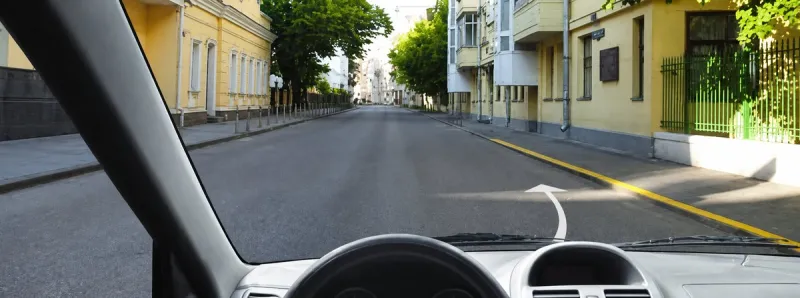
- Permitted.
- Permitted without driving onto the sidewalk.
- Prohibited.
Correct answer: Prohibited. ABC · D/T
Why: Եզրաքարի մոտ գծված դեղին ընդհատվող
1.10 գծանշումը ցույց է տալիս այն տեղը, որտեղ կայանելն արգելված է, ուստի նշված վայրում կայանել չի թույլատրվում։
In tests: ABC 23, D/T 28
115. With this pavement marking, passing is:
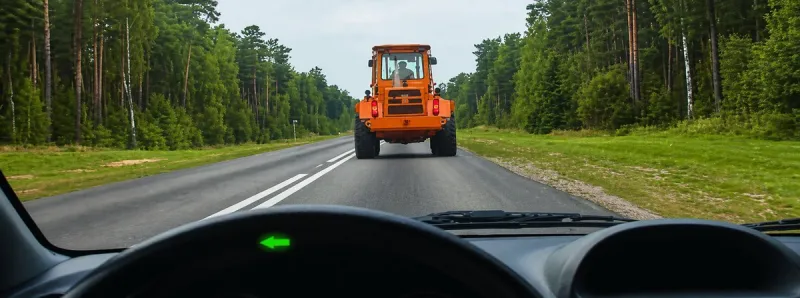
- Permitted.
- Permitted if the vehicle ahead is a slow-moving vehicle.
- Prohibited.
Correct answer: Prohibited. ABC · D/T
Why: 1.11 գծանշման հոծ գիծը մեր կողմում է, իսկ ընդհատվողը՝ հանդիպակաց երթևեկության կողմում։ Այն թույլատրվում է հատել միայն ընդհատվող գծի կողմից, ուստի հանդիպակաց գոտի դուրս գալով վազանց կատարելն արգելվում է, անկախ նրանից, որ առջևում դանդաղընթաց տրակտոր է։
In tests: ABC 27, D/T 7
116. May you continue beyond the sign?
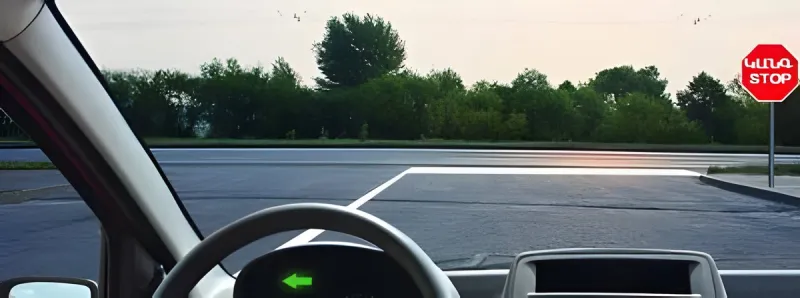
- Yes.
- Yes, up to the “Stop Line.”
- No.
Correct answer: Yes, up to the “Stop Line.” ABC · D/T
Why: Նշան
2.5 «Երթևեկությունն առանց կանգառի արգելվում է»-ը պահանջում է կանգ առնել «Կանգ-գիծ»
1.12 գծանշման առջև, ուստի նշանից հետո երթևեկությունը կարելի է շարունակել միայն մինչև «Կանգ-գիծը»։
Signs in this question: 2.5
In tests: ABC 44
117. When orange and white pavement markings conflict, drivers:
- May follow whichever pavement marking is more convenient.
- Must follow the white pavement marking.
- Must follow the orange pavement marking.
Correct answer: Must follow the orange pavement marking. ABC · D/T
Why: Կետ 174-ով, եթե ժամանակավոր (նարնջագույն) և մշտական (սպիտակ) գծանշումների պահանջները հակասում են, վարորդները ղեկավարվում են ժամանակավոր գծանշմամբ։
In tests: ABC 53, D/T 3
118. Which driver is permitted to cross the solid pavement marking when stopping?
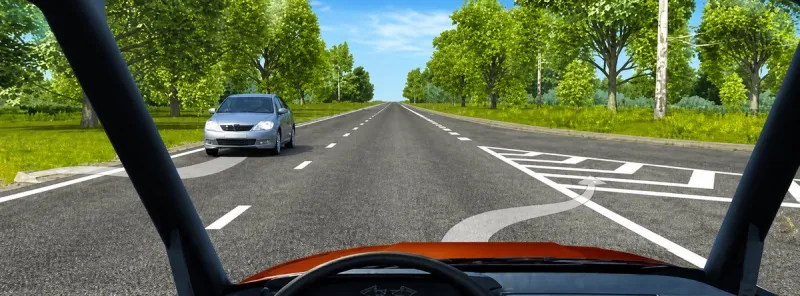
- Both drivers.
- The driver proceeding from the opposite direction.
- Neither driver is permitted.
Correct answer: The driver proceeding from the opposite direction. ABC · D/T
Why: Հանդիպակաց վարորդը հատում է երթևեկելի մասի եզրը ցույց տվող
1.2 հոծ գիծը՝ կողնակին կանգառ կատարելու համար, ինչը թույլատրվում է (կետ 78)։ Մեր աջ կողմում հոծ գիծը սահմանազատում է գծանշմամբ նշված ուղղորդ կղզյակը, որտեղ մուտք գործելն արգելված է, ուստի մեզ այն հատել չի թույլատրվում։
In tests: D/T 13
119. Is stopping permitted at the indicated location?
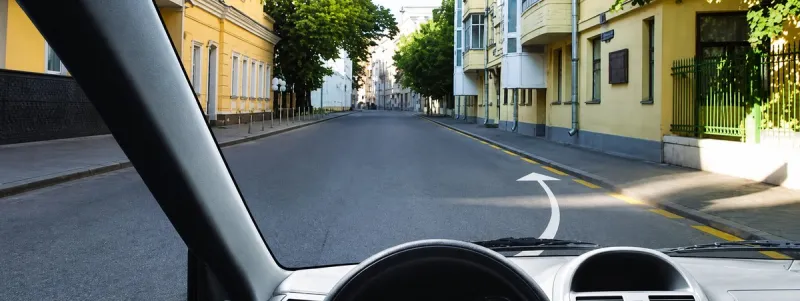
- For motorcycles only.
- No.
- Yes.
Correct answer: Yes. ABC · D/T
Why: Դեղին ընդհատվող
1.10 գծանշումն արգելում է միայն կայանումը, ուստի նշված վայրում կանգառը թույլատրվում է։
In tests: ABC 31, D/T 26
120. This pavement marking:
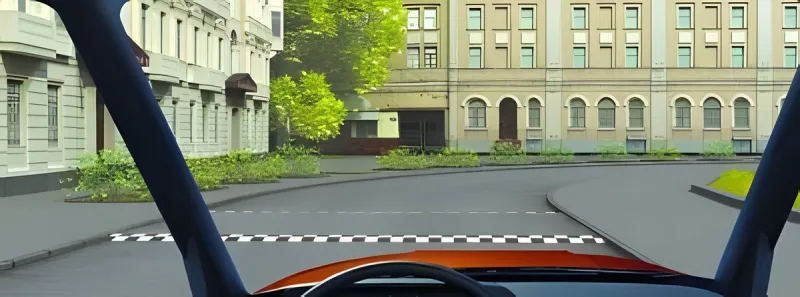
- Indicates the boundaries of a Residential Zone.
- Indicates a speed hump.
- Prohibits further traffic.
Correct answer: Indicates a speed hump. ABC · D/T
Why: Շախմատաձև
1.25 գծանշումը ցույց է տալիս երթևեկելի մասի արհեստական անհարթությունը։
In tests: ABC 3, D/T 24
121. This pavement marking prohibits:
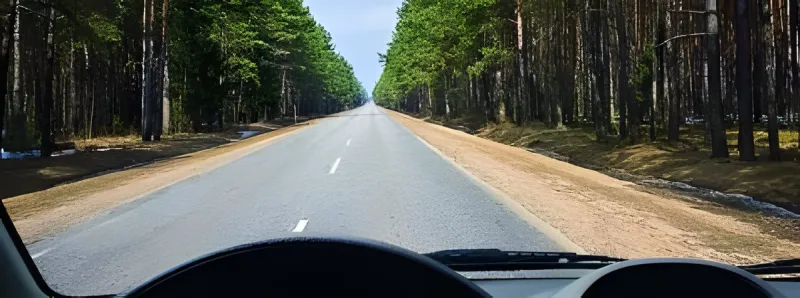
- Passing.
- Driving around an obstruction.
- Making a U-turn.
- Traffic to the left of it or over it.
Correct answer: Traffic to the left of it or over it. ABC · D/T
Why: Նկարում
1.5 ընդհատվող առանցքային գիծն է, որը բաժանում է հանդիպակաց ուղղությունների տրանսպորտային հոսքերը։ Կետ 2-ով սահմանված է աջակողմյան երթևեկություն, ուստի այդ գծից ձախ գտնվող կեսը նախատեսված է հանդիպակաց երթևեկության համար։ Ընդհատվող գիծը կարելի է հատել վազանցի, շրջանցման կամ հետադարձի համար, սակայն երթևեկել դրանից ձախ կամ դրա վրայով արգելվում է։
In tests: ABC 28
122. This pavement marking indicates:
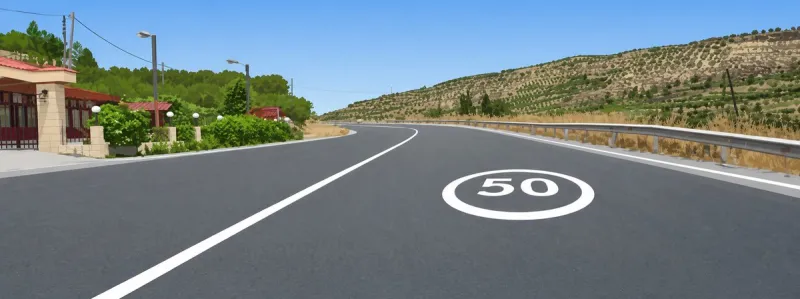
- The route or road number.
- The recommended speed.
- The maximum permitted speed on the indicated road section.
Correct answer: The maximum permitted speed on the indicated road section. ABC · D/T
Why: Երթևեկելի մասի վրա շրջանակի մեջ գրված «50»-ը
1.24.2 գծանշումն է, որը կրկնօրինակում է
3.24 «Առավելագույն արագության սահմանափակում» նշանը՝ թույլատրելի առավելագույն արագությունը տվյալ հատվածում։
Signs in this question: 3.24
In tests: ABC 28, D/T 39
123. The marking applied to the roadway indicates:
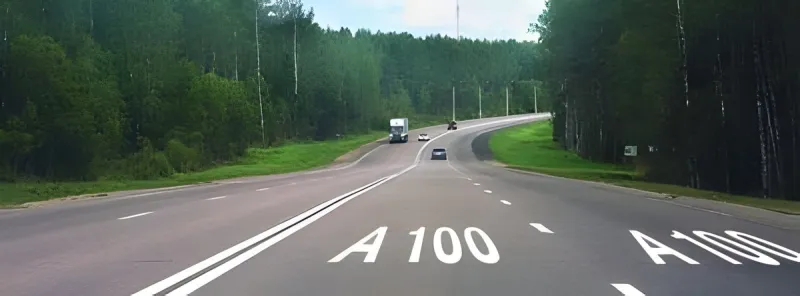
- The distance from the nearest intersection.
- The distance from the nearest populated area.
- The road or route number.
Correct answer: The road or route number. ABC · D/T
Why: Երթևեկելի մասի «A100» գրառումը
1.22 գծանշումն է, որը ցույց է տալիս ճանապարհի (երթուղու) համարը։
In tests: ABC 18, D/T 21
124. On which side may the obstruction be passed?
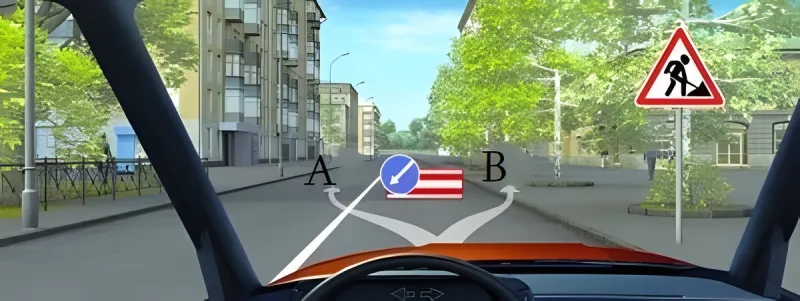
- Only A.
- Only B.
- Either side.
Correct answer: Only A. ABC · D/T
Why: Ճանապարհային աշխատանքների (նշան
1.25) արգելապատնեշի վրա տեղադրված է
4.2.2 «Արգելքի շրջանցումը ձախից» նշանը, ուստի արգելքը թույլատրվում է շրջանցել միայն A հետագծով՝ ձախից։
Signs in this question: 4.2.2, 1.25
In tests: ABC 38
125. Which vehicles may use the rightmost lane of this road?
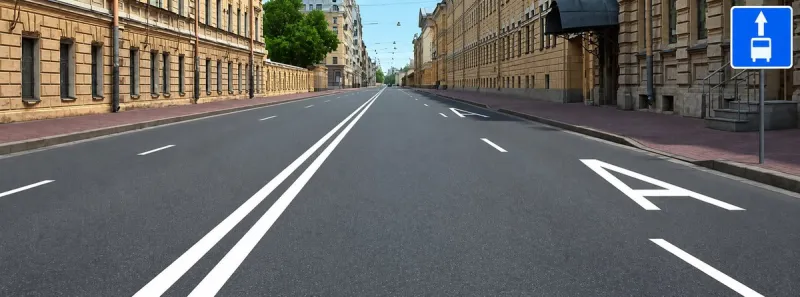
- Trolleybuses and public transit buses.
- Trolleybuses and buses.
- Buses only.
Correct answer: Trolleybuses and public transit buses. ABC · D/T
Why: Աջ եզրային գոտին ընդհանուր օգտագործման տրանսպորտային միջոցների գոտի է (նշան
5.14, «A» գծանշում)։ Կետ 124-ի համաձայն՝ այդ գոտիով կարող են երթևեկել միայն ընդհանուր օգտագործման տրանսպորտային միջոցները՝ տրոլեյբուսներն ու ընդհանուր օգտագործման ավտոբուսները։
Signs in this question: 5.14
In tests: ABC 55, D/T 15
126. Is parking permitted at the indicated location?
- Prohibited.
- Only on the sidewalk.
- Only for motorcycles.
- Permitted.
Correct answer: Prohibited. ABC · D/T
Why: Եզրաքարի մոտ գծված դեղին ընդհատվող
1.10 գծանշումը ցույց է տալիս կայանելն արգելված տեղը, ուստի նշված վայրում կայանելն արգելվում է։
In tests: ABC 39, D/T 21
127. The increasing length of the broken pavement-marking segments indicates:
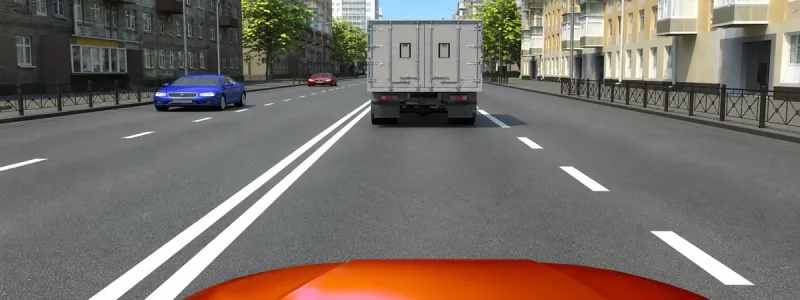
- Approach to the end of the lane.
- Approach to a dangerous road section.
- That the pavement marking will soon become a solid line.
Correct answer: That the pavement marking will soon become a solid line. ABC · D/T
Why: Ընդհատվող գծանշման գծիկների երկարացումը
1.6 «Մոտեցման գիծ» գծանշումն է, որը նախազգուշացնում է, որ գծանշումը շուտով դառնալու է հոծ։
In tests: ABC 42, D/T 29
128. In the indicated situation, proceeding straight ahead is:
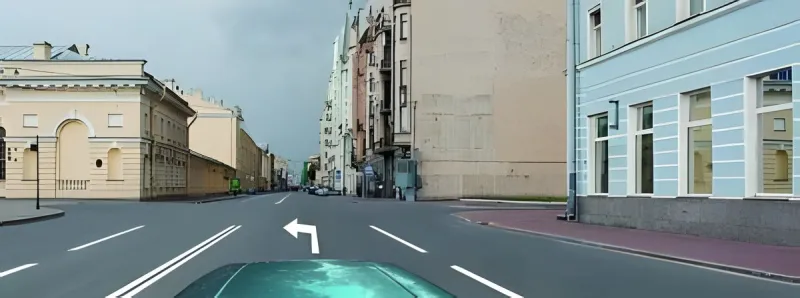
- Prohibited.
- Permitted.
- Permitted after changing to the right lane.
Correct answer: Permitted after changing to the right lane. ABC · D/T
Why: Մեր գոտու
1.18 գծանշման սլաքը թույլատրում է միայն ձախ շրջադարձը։ Կետ 60-ի համաձայն՝ երթևեկությունը կատարվում է գծանշված գոտիներով, ուստի ուղիղ երթևեկելը թույլատրվում է միայն աջ գոտի վերադասավորվելով։
129. How many traffic lanes does this road have?
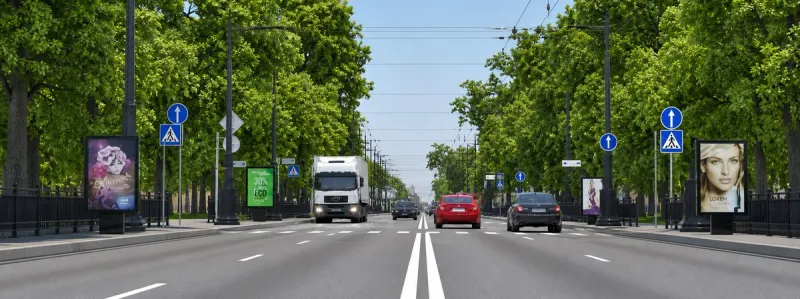
- Two.
- Four.
Correct answer: Four. ABC · D/T
Why: Կրկնակի հոծ առանցքային
1.3 գծանշումը կիրառվում է միայն չորս և ավելի գոտի ունեցող ճանապարհներին, ուստի այս ճանապարհը չորս գոտի ունի։
In tests: ABC 14, D/T 4
130. Is a tourist bus permitted to proceed in the lane marked “A”?
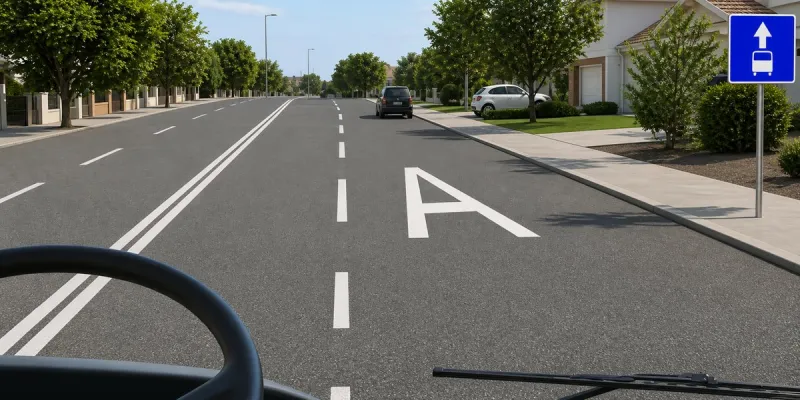
- Prohibited.
- Permitted.
Correct answer: Prohibited. D/T
Why: «A» գծանշմամբ գոտին (նշան
5.14,
1.23.1 գծանշում) նախատեսված է ընդհանուր օգտագործման տրանսպորտային միջոցների համար։ Զբոսաշրջային ավտոբուսը դրանց թվին չի պատկանում, ուստի կետ 124-ի համաձայն այդ գոտիով երթևեկելն արգելվում է։
Signs in this question: 5.14
131. In which of the following cases may the bus driver enter the center lane of a three-lane two-way road, where the center lane is used for traffic in both directions?
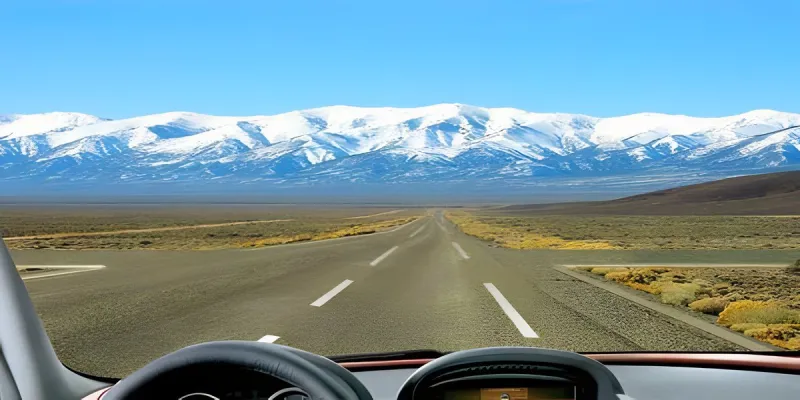
- For passing or going around an obstruction.
- For making a left turn or a U-turn.
- In both of the listed cases.
- None of the answers is correct.
Correct answer: In both of the listed cases. D/T
Why: Կետ 54-ով երեք գոտի ունեցող երկկողմ ճանապարհի միջին գոտի դուրս գալ թույլատրվում է միայն վազանցի, շրջանցման, ձախ շրջադարձի կամ հետադարձի համար. թվարկված երկու դեպքն էլ այդ ցանկից են։
132. Is the driver of a bus providing regular passenger service permitted to stop at the indicated location to pick up passengers?
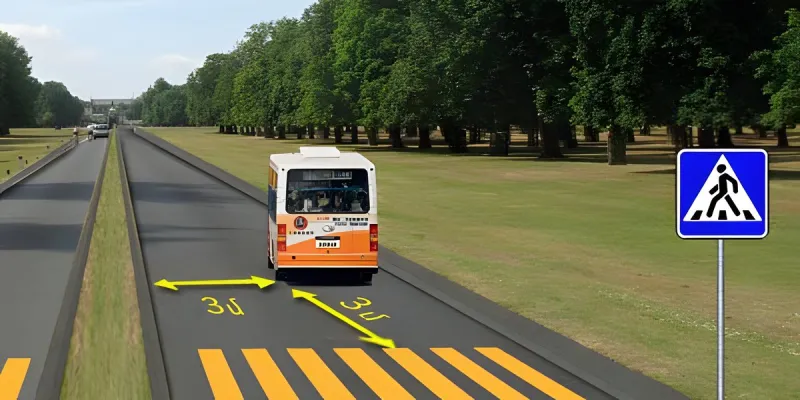
- Prohibited.
- Permitted.
Correct answer: Prohibited. D/T
Why: Կետ 85-ի համաձայն՝ ընդհանուր օգտագործման տրանսպորտային միջոցների կանգառը կանգառի կետերից դուրս արգելվում է, իսկ նշված տեղը նաև հետիոտնային անցումից (նշան
5.19.1) առաջ 5 մ-ից մոտ է (կետ 84)։ Ուստի ուղևորներ նստեցնելու կանգառն այստեղ արգելվում է։
Signs in this question: 5.19.1
133. Is the driver of a tourist bus permitted to park at the indicated location for extended rest?
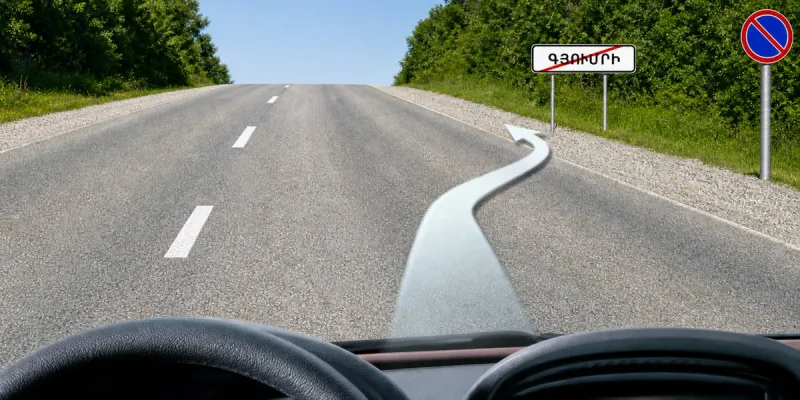
- No.
- Yes.
Correct answer: No. D/T
Why: Բնակավայրի վերջից (նշան
5.24.1) հետո երկարատև հանգստի նպատակով կայանել թույլատրվում է միայն դրա համար նախատեսված հրապարակներում կամ ճանապարհի սահմաններից դուրս (կետ 82), բացի այդ, տեղադրված է
3.28 «Կայանելն արգելվում է» նշանը։ Ուստի իրավունք չունի։
Signs in this question: 3.28, 5.24.1
134. In populated areas, are buses permitted to stop and park on the left side of the roadway on one-way roads?
- Permitted.
- Prohibited.
- Permitted only for stopping.
Correct answer: Permitted. D/T
Why: Կետ 79.2-ով բնակավայրերում միակողմ երթևեկության ճանապարհների ձախ կողմում կանգառ ու կայանում թույլատրվում է։ «Միայն կանգառ» սահմանափակումը վերաբերում է 3,5 տ-ից ավելի բեռնատարներին, ոչ ավտոբուսներին։
In tests: D/T 16
135. Are public transit vehicles permitted to stop outside designated stop areas?
- Prohibited.
- Permitted.
Correct answer: Prohibited. D/T
Why: Կետ 85-ով ընդհանուր օգտագործման տրանսպորտային միջոցների կանգառն արգելվում է կանգառի կետերի տարածքից դուրս, բացառությամբ հարկադրված կանգառի դեպքերի։
In tests: D/T 6
136. Is bus parking permitted in residential zones and courtyard areas?
- Prohibited.
- Permitted in designated areas.
- Permitted.
Correct answer: Permitted in designated areas. D/T
Why: Կետ 121.4-ով բնակելի գոտիներում ավտոբուսների և 3,5 տ-ից ավելի բեռնատարների կայանումն արգելվում է դրա համար նախատեսված և նշաններով կամ գծանշմամբ նշված տեղերից դուրս, այսինքն՝ թույլատրվում է միայն նախատեսված տեղերում։
In tests: D/T 20
137. Where are passengers permitted to wait for public transit vehicles?
- Only on raised boarding areas, or, if none are provided, on sidewalks or shoulders.
- At the edge of the roadway if the vehicle is already visible in the distance.
- In both cases.
Correct answer: Only on raised boarding areas, or, if none are provided, on sidewalks or shoulders. D/T
Why: Ուղևորները ընդհանուր օգտագործման տրանսպորտային միջոցներին պետք է սպասեն միայն երթևեկելի մասից բարձրացված սպասահարթակների վրա, իսկ դրանց բացակայության դեպքում՝ մայթերին կամ կողնակներին։ Երթևեկելի մասի եզրին սպասելն արգելված է, նույնիսկ եթե տրանսպորտային միջոցն արդեն երևում է։
In tests: D/T 46
138. When are passengers permitted to enter the roadway in order to board a public transit vehicle?
- When the vehicle approaches the stop and slows down.
- Only after the vehicle has come to a complete stop.
- When the vehicle doors open.
Correct answer: Only after the vehicle has come to a complete stop. D/T
Why: Ուղևորները ընդհանուր օգտագործման տրանսպորտային միջոց նստելու համար երթևեկելի մաս կարող են դուրս գալ միայն այն լիովին կանգ առնելուց հետո։ Մոտենալիս կամ դանդաղեցնելիս դուրս գալը վտանգավոր է։
In tests: D/T 48
139. When must a passenger leave the roadway after getting off a public transit vehicle?
- When the vehicle starts moving.
- When the driver of the vehicle closes the doors.
- Immediately.
Correct answer: Immediately. D/T
Why: Ընդհանուր օգտագործման տրանսպորտային միջոցից երթևեկելի մաս իջնելուց հետո ուղևորը պետք է անհապաղ ազատի երթևեկելի մասը, առանց սպասելու դռների փակվելուն կամ տրանսպորտային միջոցի շարժվելուն։
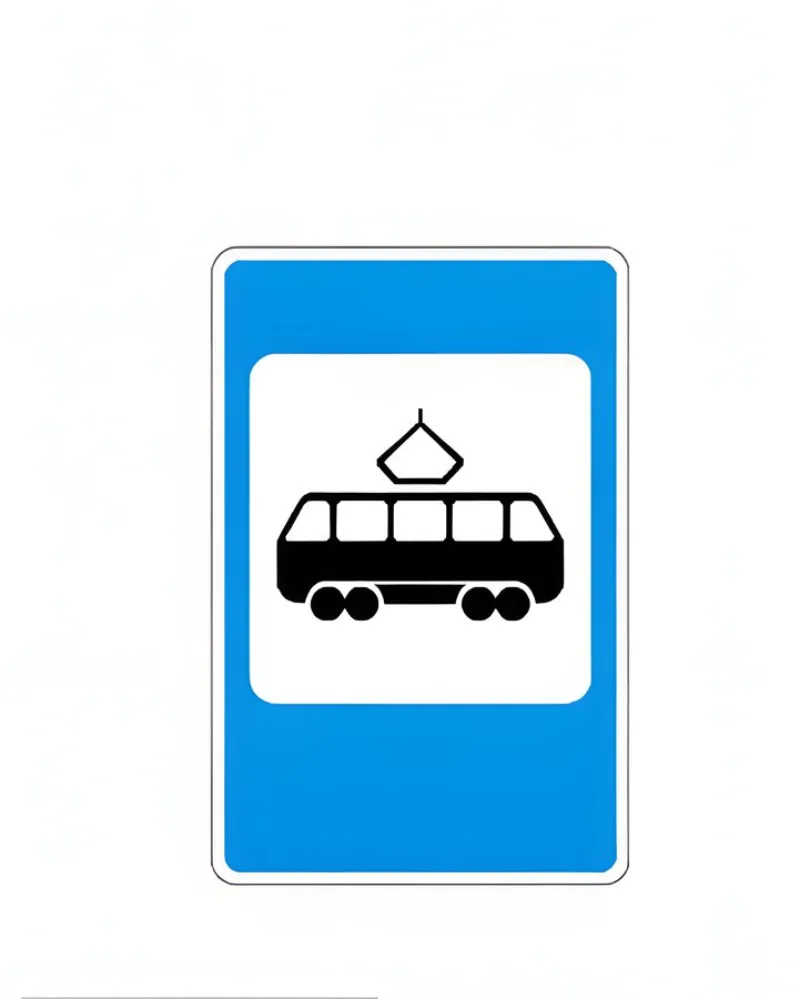
140. Is a trolleybus driver permitted to stop at a stop marked with the “Tram Stop” sign?
- Permitted if no tram is present at the time and the trolleybus does not interfere with the movement of other vehicles.
- Permitted only if the tram tracks are located at the right edge of the road in the direction of trolleybus travel.
- Prohibited.
- Permitted in all cases.
Correct answer: Prohibited. D/T
Why: 5.17 նշանը տրամվայի կանգառի տեղն է։ Կետ 85-ով ընդհանուր օգտագործման տրանսպորտային միջոցների կանգառը արգելվում է իրենց կանգառի կետերից դուրս, իսկ կետ 84.7-ով կանգառի տեղի ցուցիչից 15 մ-ից մոտ կանգառն արգելվում է այլ տրանսպորտային միջոցներին, ուստի տրոլեյբուսին այնտեղ կանգառ կատարելն արգելվում է։
Signs in this question: 5.17
In tests: D/T 37
141. Is a trolleybus driver permitted to stop at a stop marked with this sign?
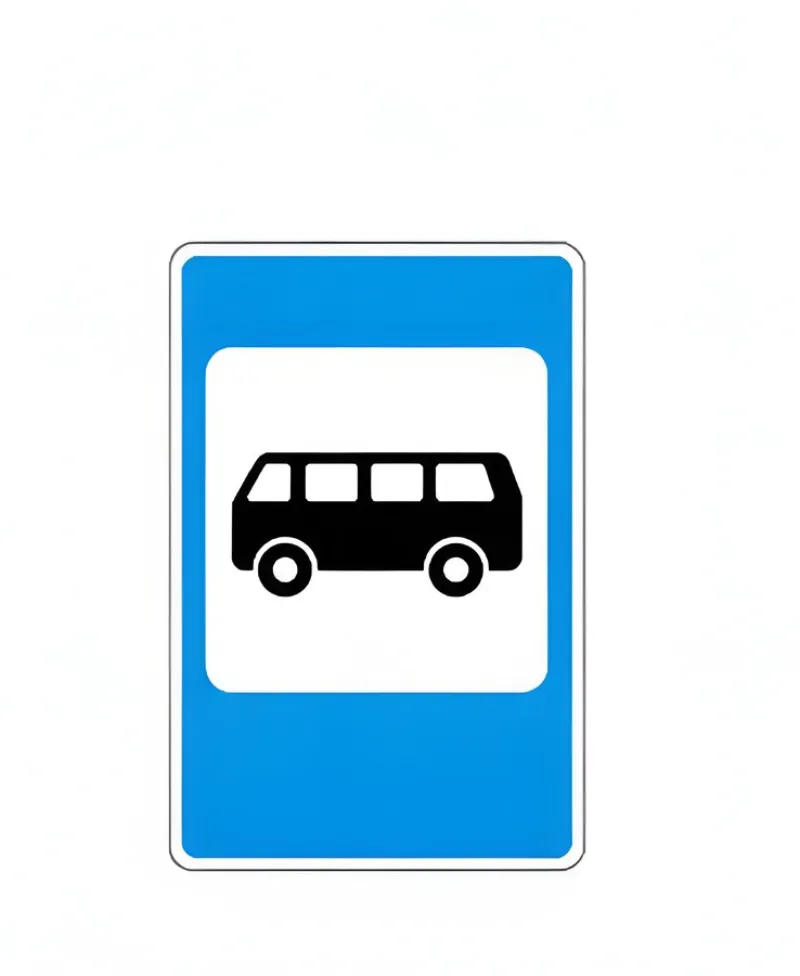
- Prohibited, because it is intended only for buses.
- Permitted.
- At the driver’s discretion.
Correct answer: Permitted. D/T
Why: 5.16 նշանը «Ավտոբուսի և (կամ) տրոլեյբուսի կանգառի տեղ»-ն է, ուստի այն տրոլեյբուսի կանգառի կետ է, և տրոլեյբուսի վարորդին այնտեղ կանգառ կատարելը թույլատրվում է (կետ 85)։
Signs in this question: 5.16
In tests: D/T 13
142. Are drivers of other vehicles permitted to park in an area marked with the “Taxi Stand” sign?
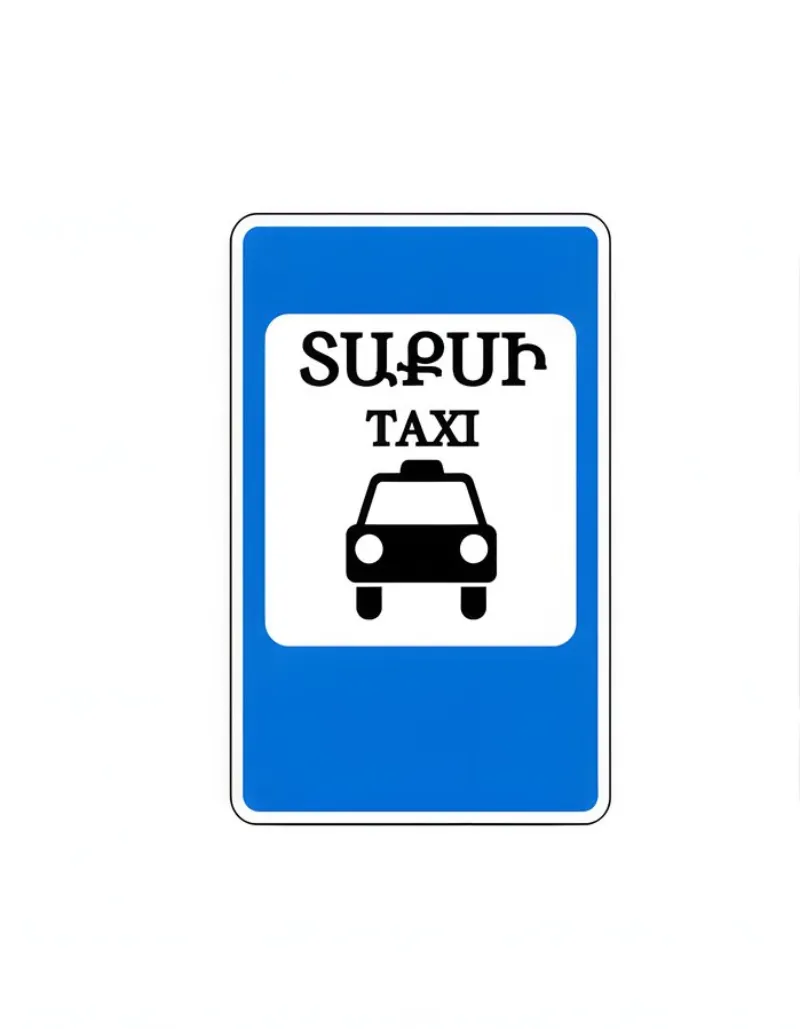
- Permitted only at night, when taxi traffic is light.
- Prohibited.
- Permitted only on Saturdays, Sundays, and holidays.
Correct answer: Prohibited. D/T
Why: 5.18 նշանը «Թեթև մարդատար տաքսիների կայանման տեղ»-ն է։ Կետ 84.7-ով տաքսիների կայանման տեղի ցուցիչից 15 մ-ից մոտ կանգառն արգելվում է, ուստի այլ տրանսպորտային միջոցներին այնտեղ կայանելն արգելվում է բոլոր օրերին և ժամերին։
Signs in this question: 5.18
In tests: D/T 10
143. What is the main feature of the “Parking Restriction Zone” sign compared with ordinary prohibitory signs?
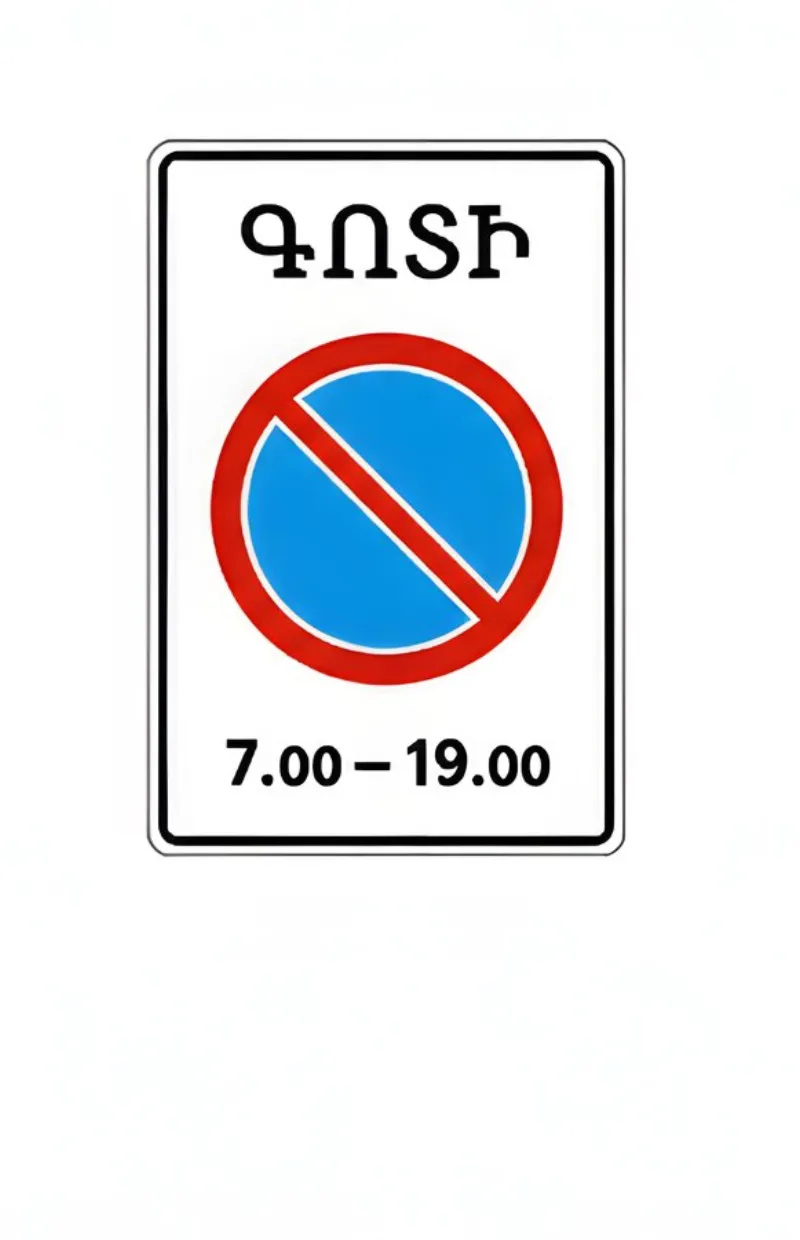
- It prohibits both parking and stopping for any purpose.
- It applies only to trucks.
- It applies across the entire width of the road, on both sides, and its effect is not terminated by an intersection.
Correct answer: It applies across the entire width of the road, on both sides, and its effect is not terminated by an intersection. D/T
Why: 5.27 «Կայանման սահմանափակումով գոտի» նշանը նշում է կայանումն արգելված տարածքի սկիզբը։ Ի տարբերություն սովորական արգելող նշանների, որոնք գործում են միայն ճանապարհի իրենց կողմում և մինչև մոտակա խաչմերուկը, գոտու նշանը տարածվում է ճանապարհի ամբողջ լայնությամբ (երկու կողմերում) և չի ընդհատվում խաչմերուկով՝ մինչև
5.28 «Կայանման սահմանափակումով գոտու վերջ» նշանը։
Signs in this question: 5.27, 5.28
144. Is a bus driver permitted to park within the area of effect of this sign immediately after passing through an intersection?
- Yes, because all restrictive signs cease to apply after an intersection.
- Yes, if the bus is a public transit vehicle.
- No, because the requirement of the sign is not terminated by an intersection.
Correct answer: No, because the requirement of the sign is not terminated by an intersection. D/T
Why: 5.27 «Կայանման սահմանափակումով գոտի» նշանի ազդեցությունը չի ընդհատվում խաչմերուկով և գործում է մինչև
5.28 «Կայանման սահմանափակումով գոտու վերջ» նշանը, ուստի խաչմերուկն անցնելուց հետո ավտոբուսի վարորդին կայանել չի թույլատրվում՝ անկախ ավտոբուսի տեսակից։
Signs in this question: 5.27, 5.28
145. Within the area of effect of this sign, is the driver of a public transit bus permitted to stop for the purpose of picking up or dropping off passengers?
- No, because parking is prohibited within the zone.
- Yes, permitted.
Correct answer: Yes, permitted. D/T
Why: 5.27 «Կայանման սահմանափակումով գոտի» նշանն արգելում է միայն կայանումը, ոչ թե կանգառը։ Ուղևորներին նստեցնելու կամ իջեցնելու համար կարճատև կանգառը կայանում չէ, ուստի այն թույլատրվում է։
Signs in this question: 5.27
In tests: D/T 11
146. A bus driver sees this sign on the right side of a road within a populated area. The road has one lane in each direction and no tram tracks in the middle. Is the driver permitted to park on the left side of the road?
- Yes, because the sign is installed on the right side and applies only to the right side.
- No.
Correct answer: No. D/T
Why: Կետ 79.1-ով նման ճանապարհին ձախ կողմում կայանելն ինքնին թույլատրվում է, բայց
5.27 «Կայանման սահմանափակումով գոտի» նշանը տարածվում է ճանապարհի ամբողջ լայնությամբ՝ երկու կողմերում, ուստի ձախ կողմում նույնպես կայանելն արգելվում է։
Signs in this question: 5.27
In tests: D/T 42
147. Is the driver of a bus powered by an internal-combustion engine permitted to park in a parking space marked with this sign?
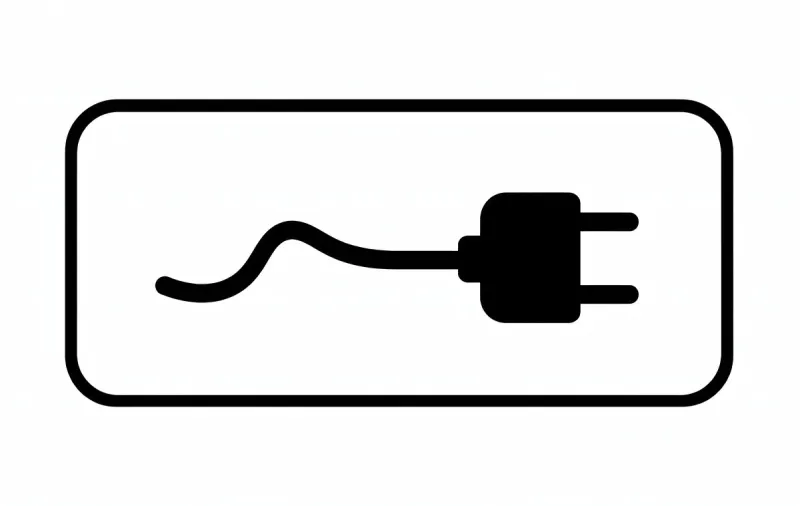
- Not permitted.
- Permitted if parking does not exceed 5 minutes.
- Permitted if the charging station is currently free and there are no electric vehicles.
Correct answer: Not permitted. D/T
Why: Ցուցանակը ցույց է տալիս, որ կայանատեղին նախատեսված է էլեկտրամոբիլների լիցքավորման համար։ Ներքին այրման շարժիչով ավտոբուսին այնտեղ կայանելը չի թույլատրվում՝ նույնիսկ կարճ ժամանակով կամ եթե լիցքավորման կայանն ազատ է։
148. Is the driver of a bus with a hybrid powertrain permitted to park in a parking space marked with this sign?
- Permitted.
- Not permitted.
Correct answer: Not permitted. D/T
Why: Ցուցանակը ցույց է տալիս, որ կայանատեղին նախատեսված է էլեկտրամոբիլների լիցքավորման համար։ Պաշտոնական պատասխանով հիբրիդային շարժիչով ավտոբուսին այնտեղ կայանելը չի թույլատրվում։
149. Is the driver of an electric bus permitted to park in a parking space marked with this sign if the bus is not connected to a charging device?
- Not permitted.
- Permitted.
Correct answer: Not permitted. D/T
Why: Ցուցանակը ցույց է տալիս, որ կայանատեղին նախատեսված է էլեկտրամոբիլների լիցքավորման համար։ Եթե էլեկտրական ավտոբուսը միացված չէ լիցքավորման սարքին, այն չի լիցքավորվում և պարզապես զբաղեցնում է տեղը, ուստի կայանելը չի թույլատրվում։
150. For drivers of which vehicles is the control point marked with this sign intended?
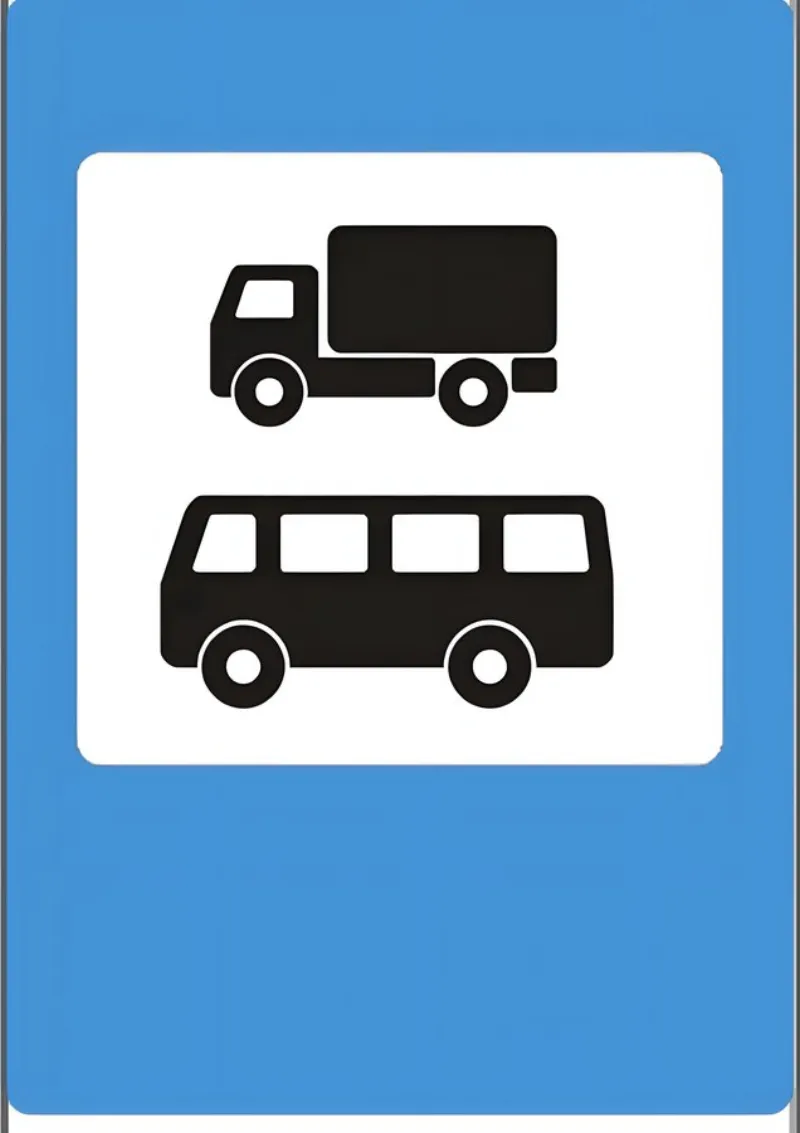
- For all types of vehicles crossing the state border of the country.
- For vehicles engaged in international road transport.
Correct answer: For vehicles engaged in international road transport. D/T
Why: Նշանը
7.14 «Միջազգային ավտոմոբիլային փոխադրումների հսկման կետ»-ն է, ուստի այն նախատեսված է միջազգային ավտոմոբիլային փոխադրումներ իրականացնողների համար, ոչ թե սահմանը հատող բոլոր տրանսպորտային միջոցների։
Signs in this question: 7.14
151. Is the driver of a hybrid automobile that cannot be charged from an external power source permitted to park within the area of effect of this sign?
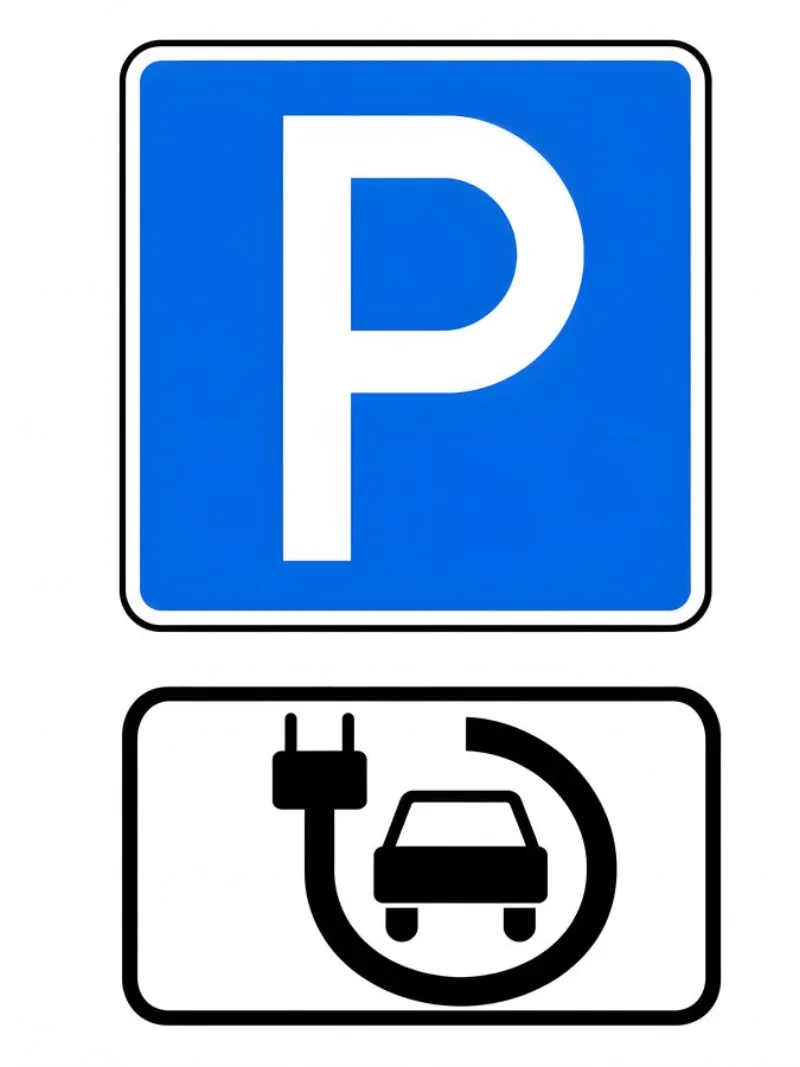
- Yes, because a hybrid automobile also has an electric motor.
- No, such a parking space is intended only for vehicles that can be charged from an external power source.
Correct answer: No, such a parking space is intended only for vehicles that can be charged from an external power source. D/T
Why: 6.4 «Կայանման տեղ» նշանը ցուցանակով նշում է էլեկտրամոբիլների լիցքավորման կայանատեղի։ Այն նախատեսված է միայն արտաքին սնուցման աղբյուրից լիցքավորվող ավտոմոբիլների համար, իսկ արտաքին լիցքավորման հնարավորություն չունեցող հիբրիդային ավտոմոբիլն այնտեղ լիցքավորվել չի կարող, ուստի կայանելն արգելվում է։
Signs in this question: 6.4
152. Is the driver of a tourist bus permitted to drop off a passenger in the zone where these signs are installed?
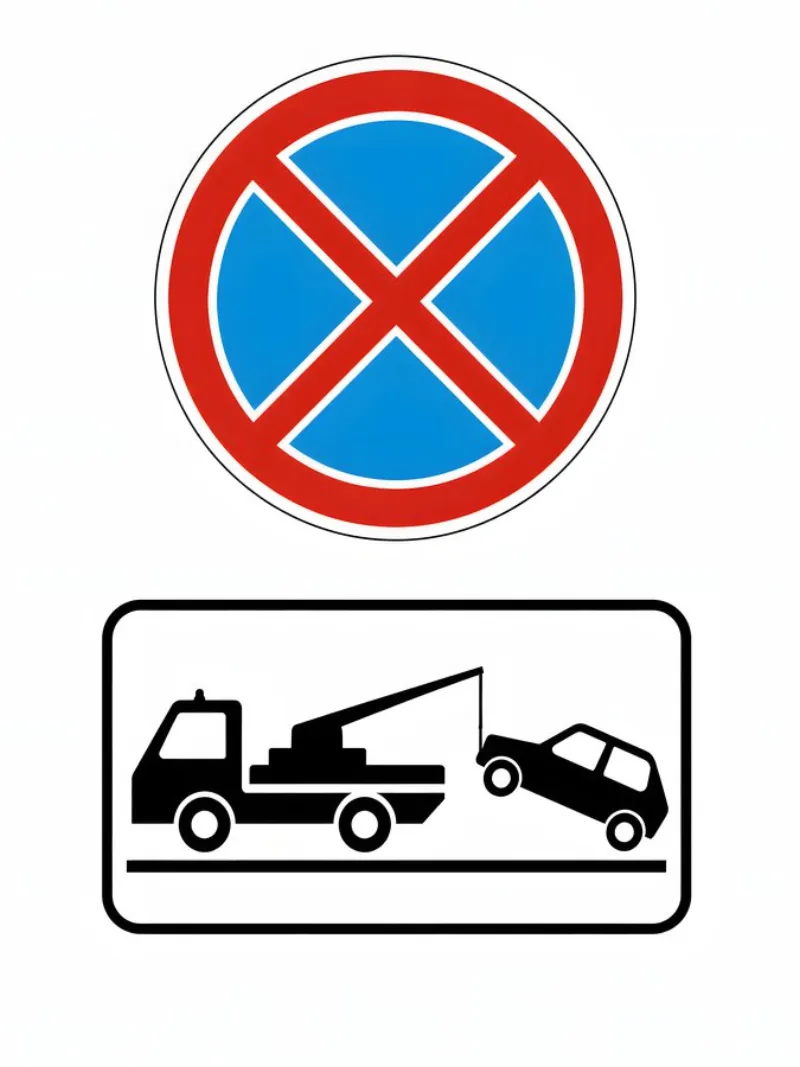
- Yes, if the driver remains at the wheel and can immediately leave the area of effect of the sign.
- Yes, because towing-away applies only to passenger cars.
- Prohibited.
Correct answer: Prohibited. D/T
Why: 3.27 «Կանգառն արգելվում է» նշանն արգելում է ցանկացած կանգառ, այդ թվում՝ ուղևոր իջեցնելու համար, և վերաբերում է բոլոր տրանսպորտային միջոցներին։ Ցուցանակը տեղեկացնում է, որ խախտողների տրանսպորտային միջոցները տարհանվում են. վարորդի ղեկին գտնվելը բացառություն չէ։
Signs in this question: 3.27
In tests: D/T 23
153. Is a bus permitted to stop or park on the right side of the road at the edge of the roadway?
- Prohibited.
- Permitted if there is no shoulder.
Correct answer: Permitted if there is no shoulder. D/T
Why: Կետ 78-ով կանգառն ու կայանումը թույլատրվում են ճանապարհի աջ մասում՝ մայթի մոտ կամ կողնակին, իսկ դրանց բացակայության դեպքում՝ երթևեկելի մասի եզրին։
In tests: D/T 11
154. Is a bus permitted to stop or park on the roadway on the right side of the road when a shoulder is available?
- Permitted.
- Prohibited.
Correct answer: Prohibited. D/T
Why: Կետ 78-ով կողնակի առկայության դեպքում կանգառն ու կայանումը կատարվում են կողնակին. երթևեկելի մասի եզրին՝ միայն մայթի կամ կողնակի բացակայության դեպքում, ուստի այս դեպքում երթևեկելի մասի վրա արգելվում է։
In tests: D/T 35
155. Is a bus permitted to stop or park on the sidewalk on the right side of the road?
- Only partial stopping is permitted.
- Permitted if the bus is a small-class bus.
- Prohibited.
Correct answer: Prohibited. D/T
Why: Կետ 84.1-ով մայթերին կանգառն արգելվում է, իսկ կետ 81-ով մայթեզրին կայանման նպատակով կանգնեցնել թույլատրվում է միայն թեթև մարդատար ավտոմոբիլները, մոտոցիկլները, մոպեդները և հեծանիվները՝ համապատասխան նշանների դեպքում, ուստի ավտոբուսին՝ արգելվում է։
In tests: D/T 17
156. Is a bus permitted to stop or park on the left side of the roadway outside a populated area on a road with one traffic lane in each direction?
- Prohibited.
- Permitted if there is no safe place for stopping or parking on the right side of the road.
Correct answer: Prohibited. D/T
Why: Կետ 79-ով երթևեկելի մասի ձախ կողմում կանգառ ու կայանում թույլատրվում է միայն բնակավայրերում, ուստի բնակավայրից դուրս՝ արգելվում է, անկախ աջ կողմի պայմաններից։
In tests: D/T 8
157. Within populated areas, is a bus permitted to stop or park on the left side of the roadway on a road with one lane in each direction and no tram tracks in the middle?
- Prohibited.
- Permitted.
Correct answer: Permitted. D/T
Why: Կետ 79.1-ով բնակավայրերում երթևեկելի մասի ձախ կողմում կանգառ ու կայանում թույլատրվում է յուրաքանչյուր ուղղությամբ մեկ գոտի ունեցող, մեջտեղում տրամվայի գծեր չունեցող ճանապարհներին, և ավտոբուսների համար սահմանափակում չկա։
158. Is a bus permitted to stop or park on the left side of a one-way road outside a populated area?
- Permitted.
- Prohibited.
Correct answer: Prohibited. D/T
Why: Կետ 79-ով միակողմ երթևեկության ճանապարհների ձախ կողմում կանգառ ու կայանում թույլատրվում է միայն բնակավայրերում, ուստի բնակավայրից դուրս՝ արգելվում է։
159. Within a populated area, on a one-way road, stopping on the left side of the roadway solely for loading or unloading or for picking up or dropping off passengers is permitted for:
- Trucks with a maximum authorized mass exceeding 3.5 metric tons.
- Buses.
- In both cases.
Correct answer: Trucks with a maximum authorized mass exceeding 3.5 metric tons. D/T
Why: Կետ 79.2-ով բնակավայրում միակողմ երթևեկության ճանապարհների ձախ կողմում 3,5 տ-ից ավելի թույլատրելի առավելագույն զանգված ունեցող բեռնատար ավտոմոբիլներին թույլատրվում է միայն կանգառ՝ բեռնելու, բեռնաթափելու, ուղևոր նստելու կամ իջնելու համար։ Ավտոբուսների համար այդ սահմանափակումը չկա։
In tests: D/T 29
160. Where is long-term parking (overnight parking) of buses permitted outside populated areas?
- Only in designated parking areas or outside the boundaries of the road.
- On the shoulders of illuminated road sections, outside the roadway.
- Wherever the driver considers it safe.
- In all of the listed cases.
Correct answer: Only in designated parking areas or outside the boundaries of the road. D/T
Why: Կետ 82-ով բնակավայրերից դուրս երկարատև հանգստի, գիշերակացի և այլ նպատակներով կայանել թույլատրվում է միայն դրանց համար նախատեսված հրապարակներում կամ ճանապարհի սահմաններից դուրս։ Կողնակները և վարորդի գնահատականը բավարար չեն։
161. Where are bus stopping and parking prohibited?
- At pedestrian crossings and within 15 meters of the edge where the pedestrian crossing meets the roadway.
- At pedestrian crossings and within 10 meters of the edge where the pedestrian crossing meets the roadway.
- At pedestrian crossings and within 5 meters of the edge where the pedestrian crossing meets the roadway.
- In all of the listed cases.
Correct answer: In all of the listed cases. D/T
Why: Պաշտոնական պատասխանը «Թվարկված բոլոր դեպքերում» է։ Ուշադրություն. կանոնների 84.4 կետի գործող տեքստով կանգառը (իսկ կետ 86.1-ով նաև կայանումը) արգելվում է հետիոտնային անցումների վրա և շարժման ուղղությամբ անցումից առաջ՝ 5 մ-ից մոտ վայրում։
In tests: D/T 54
162. Where are bus stopping and parking prohibited?
- On bridges and under them.
- On all downhill sections of road.
- Along the shores of reservoirs.
- In all of the listed places.
Correct answer: On bridges and under them. D/T
Why: Կետ 84.2-ով կանգառն (և ուրեմն նաև կայանումը) արգելվում է կամուրջների, էստակադների, ուղեկամուրջների վրա և դրանց տակ։ Վայրէջքների և ջրամբարների ափերի համար ընդհանուր արգելք չկա։
In tests: D/T 5
163. On which sections of road are bus stopping and parking prohibited?
- At locations where a stopped bus would obstruct traffic signals or road signs from the view of other drivers.
- On any uphill or downhill section.
- Where there is heavy vehicle and pedestrian traffic.
Correct answer: At locations where a stopped bus would obstruct traffic signals or road signs from the view of other drivers. D/T
Why: Կետ 84.8-ով կանգառն արգելվում է այն վայրում, որտեղ կանգնած տրանսպորտային միջոցը այլ վարորդներին թույլ չի տա տեսնելու լուսացույցի ազդանշանները կամ ճանապարհային նշանները։
164. Where are bus stopping and parking prohibited?
- Within 15 meters of an intersection of roadways.
- On all roads with tram tracks.
- At railroad crossings.
- In all of the listed cases.
Correct answer: At railroad crossings. D/T
Why: Կետ 84.2-ով կանգառն արգելվում է երկաթուղային գծանցների վրա։ Երթևեկելի մասերի հատման դեպքում արգելքը 5 մ է (կետ 84.6), իսկ տրամվայի գծեր ունեցող ճանապարհներին՝ միայն եթե դա խոչընդոտում է տրամվային (կետ 84.1)։
In tests: D/T 10
165. Are bus stopping and parking permitted where the distance between the stopped bus and a solid pavement marking, the opposite edge of the roadway, or the median is less than 3 meters?
- Permitted if traffic is not heavy and the bus does not cause congestion.
- Permitted if the driver remains at the wheel and can immediately move the bus if necessary.
- Prohibited.
- Permitted only for up to 5 minutes for picking up or dropping off passengers.
Correct answer: Prohibited. D/T
Why: Կետ 84.3-ով կանգառը (հետևաբար նաև կայանումը) արգելվում է այն վայրերում, որտեղ կանգնած տրանսպորտային միջոցի և հոծ գծի, բաժանարար գոտու կամ երթևեկելի մասի հակառակ եզրի միջև տարածությունը 3 մ-ից պակաս է՝ առանց բացառությունների։
In tests: D/T 24
166. At what distance from railroad crossings is bus stopping prohibited?
- Within 50 meters of the crossing.
- Directly on railroad crossings.
- Within 15 meters of the crossing.
- In all of the listed cases.
Correct answer: Directly on railroad crossings. D/T
Why: Կետ 84.2-ով կանգառն արգելվում է անմիջապես երկաթուղային գծանցների վրա։ 50 մ-ի սահմանափակումը (կետ 86.4) վերաբերում է միայն կայանմանը։
In tests: D/T 50
167. Where is bus parking prohibited near railroad crossings?
- Within 100 meters of railroad crossings.
- Within 50 meters of railroad crossings.
- Directly on a railroad crossing.
- In all of the listed cases.
- In cases 2 and 3.
Correct answer: In cases 2 and 3. D/T
Why: Կետ 86.4-ով կայանումն արգելվում է երկաթուղային գծանցներին 50 մ-ից մոտ, իսկ կետ 86.1-ով՝ կանգառն արգելված վայրում, այդ թվում՝ անմիջապես գծանցի վրա (կետ 84.2)։ Ճիշտ են 2-րդ և 3-րդ դեպքերը, 100 մ սահմանափակում չկա։
168. Are buses permitted to stop or park on the shoulder of a road marked with the “Road for Motor Vehicles” sign?
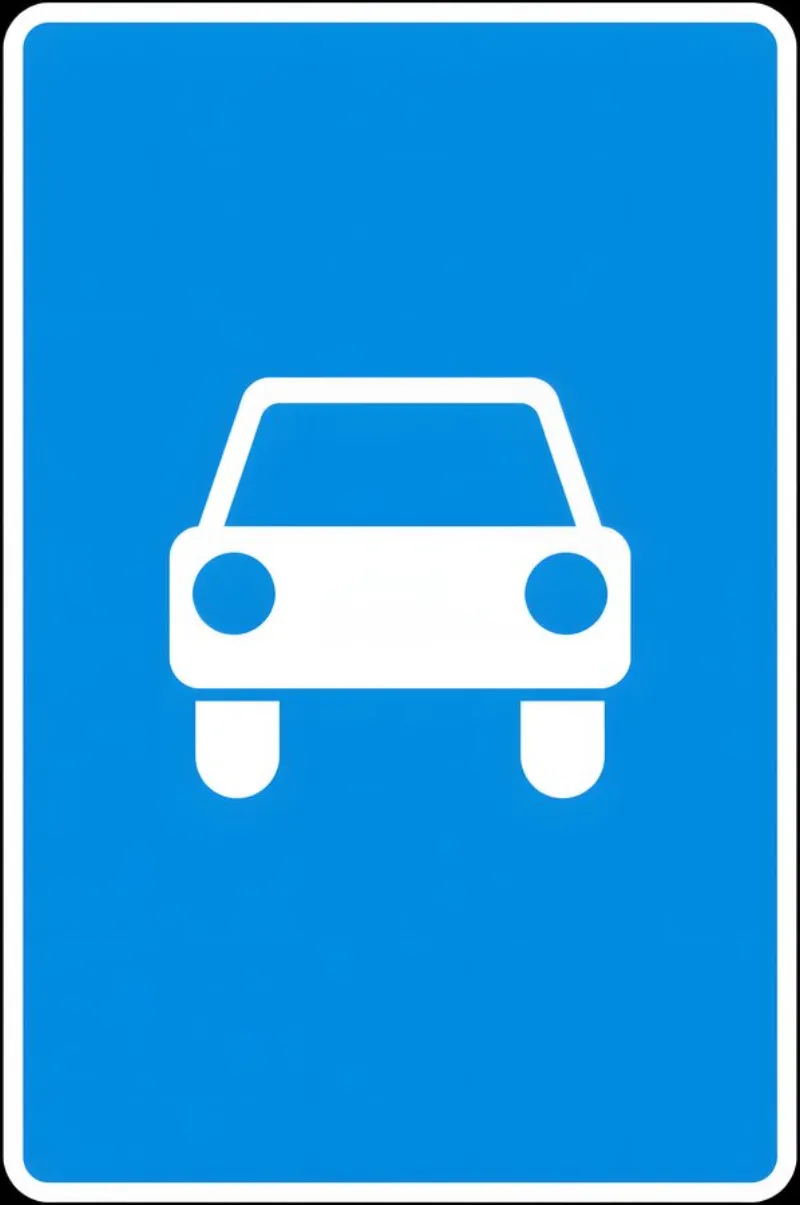
- Permitted on any section if the bus leaves the roadway completely and stops on the shoulder.
- Prohibited, except in the case of a forced stop.
Correct answer: Prohibited, except in the case of a forced stop. D/T
Why: 5.3 «Ճանապարհ ավտոմոբիլների համար» նշանով ճանապարհներին գործում են ավտոմայրուղիների կանոնները (կետ 117)։ Կետ 116.4-ով կանգառն արգելվում է
6.4 «Կայանման տեղ» կամ
7.11 «Հանգստի վայր» նշաններով կահավորված հարթակներից դուրս, այդ թվում՝ կողնակներին. բացառություն է միայն հարկադրված կանգառը։
Signs in this question: 5.3
In tests: D/T 1
169. A bus driver is leaving a fully enclosed residential-building area (yard) where there is no “Residential Zone” sign. Must the driver yield to other vehicles traveling on the road?
- Must yield.
- Not required, because in the absence of a “Residential Zone” sign, the road leaving that area is considered equivalent.
Correct answer: Must yield. D/T
Why: Կետ 122-ով բնակելի գոտու կանոնները տարածվում են նաև «Բնակելի գոտի» նշանով չնշված, բայց ամբողջ պարագծով բնակելի շենքերով պարփակված բակային տարածքների վրա, իսկ կետ 120-ով այդպիսի տարածքից դուրս գալիս վարորդը պետք է զիջի ճանապարհը մյուս տրանսպորտային միջոցներին։
170. Is bus parking permitted in yard areas?
- Prohibited.
- Permitted in designated places.
- Permitted.
Correct answer: Permitted in designated places. D/T
Why: Կետ 122-ով բնակելի գոտու կանոնները տարածվում են նաև բակային տարածքների վրա։ Կետ 121.4-ով ավտոբուսներին (բացառությամբ միկրոավտոբուսների) արգելվում է կայանել միայն դրա համար նախատեսված, նշաններով կահավորված կամ գծանշված տեղերից դուրս, ուստի այդ տեղերում կայանելը թույլատրվում է։
In tests: D/T 52
171. Is a bus driver permitted to stop in the indicated manner within the area of effect of these signs?
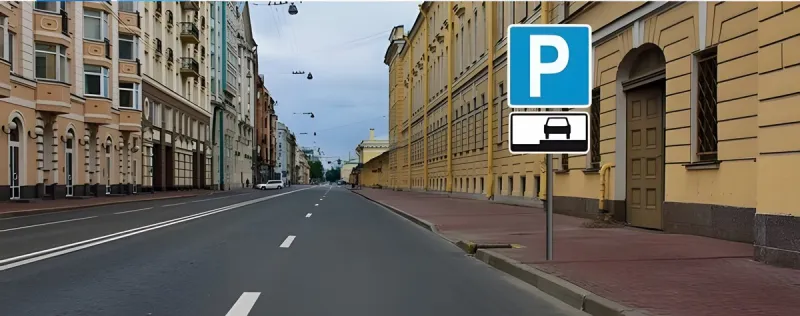
- Yes.
- No.
Correct answer: No. D/T
Why: 6.4 «Կայանման տեղ» նշանը
8.6.3 ցուցանակով թույլատրում է կայանումն ամբողջությամբ մայթեզրին։ Կետ 81-ով մայթեզրին կանգնեցնել թույլատրվում է միայն թեթև մարդատար ավտոմոբիլները, մոտոցիկլները, մոպեդները և հեծանիվները, ուստի ավտոբուսին այդ ձևով կանգնել չի թույլատրվում։
Signs in this question: 6.4, 8.6.3
In tests: D/T 54
172. Bus drivers are permitted to stop at the indicated location:
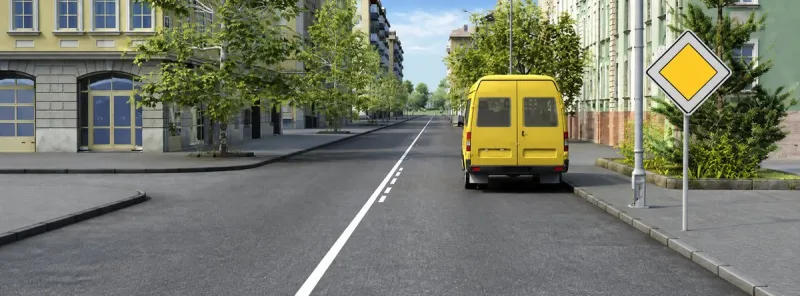
- Only if the bus is a public transit vehicle.
- Only if the bus is not a public transit vehicle.
- Prohibited in all cases.
Correct answer: Prohibited in all cases. D/T
Why: Միկրոավտոբուսը կանգնած է խաչմերուկում՝ ձախից հարող ճանապարհի դիմաց։ Կետ 84.6-ով խաչմերուկներում կանգառն արգելվում է. բացառությունը վերաբերում է եռակողմ հատման այն կողմին, որը հոծ գծով կամ բաժանարար գոտով է առանձնացված, իսկ այստեղ մեր կողմում
1.11 գծանշման ընդհատվող գիծն է։ Կանգառի կետ այստեղ չկա, ուստի ընդհանուր օգտագործման ավտոբուսին նույնպես կանգառն արգելվում է (կետ 85)։
Signs in this question: 2.1
In tests: D/T 38
173. Within a populated area, must drivers yield to public transit vehicles starting to move from designated and marked stopping places?
- Yes.
- No.
Correct answer: Yes. D/T
Why: Կետ 125-ով բնակավայրերում կահավորված և նշված կանգառի կետերի տարածքից երթևեկությունն սկսող ընդհանուր օգտագործման տրանսպորտային միջոցներն ունեն առավելություն, ուստի մյուս վարորդները պետք է զիջեն նրանց։ Իրենք էլ կարող են սկսել միայն՝ համոզվելով, որ հարևան գոտով մոտեցողները խոչընդոտ չեն։
174. In this situation, must the fixed-route bus driver yield?
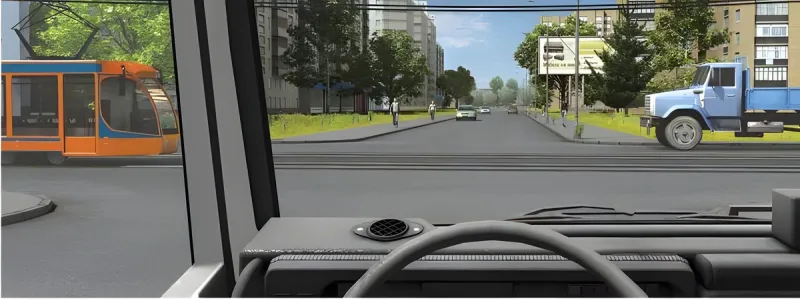
- No.
- Only to the tram operator.
- Only to the truck driver.
- Yes, the driver must yield to both drivers.
Correct answer: Yes, the driver must yield to both drivers. D/T
Why: Նշաններ և լուսացույց չկան, ուստի խաչմերուկը հավասարազոր է։ Կետ 98-ով տրամվայը, անկախ ուղղությունից, առավելություն ունի ոչ ռելսագնաց տրանսպորտային միջոցների նկատմամբ, իսկ բեռնատարը մոտենում է աջից, ուստի ավտոբուսը զիջում է երկուսին էլ։ Կետ 125-ի առավելությունը գործում է միայն կանգառի կետից երթևեկությունն սկսելիս, ոչ թե խաչմերուկում։
175. In this situation, a bus driver is permitted to stop:
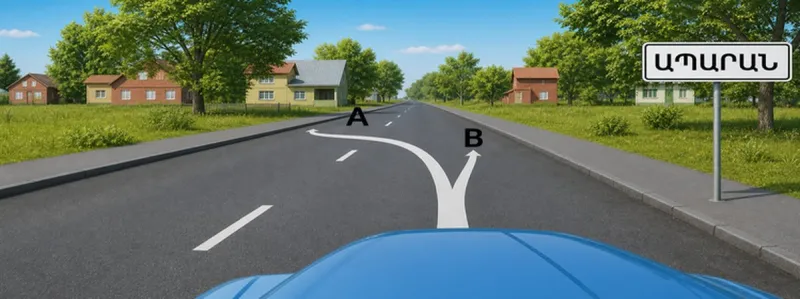
- On the right side only.
- On the left side only.
- On either side.
Correct answer: On either side. D/T
Why: 5.23.1 «Բնակավայրի սկիզբ» նշանից հետո գործում են բնակավայրի կանոնները։ Ճանապարհն ունի յուրաքանչյուր ուղղությամբ մեկ գոտի և տրամվայի գծեր չունի, ուստի կետ 78-ով աջ կողմում և կետ 79.1-ով ձախ կողմում կանգառ կատարելը թույլատրվում է։
Signs in this question: 5.23.1
In tests: D/T 30
176. Is the driver of a tourist bus permitted to stop at the indicated location if the distance to the pedestrian crossing is 3 meters?
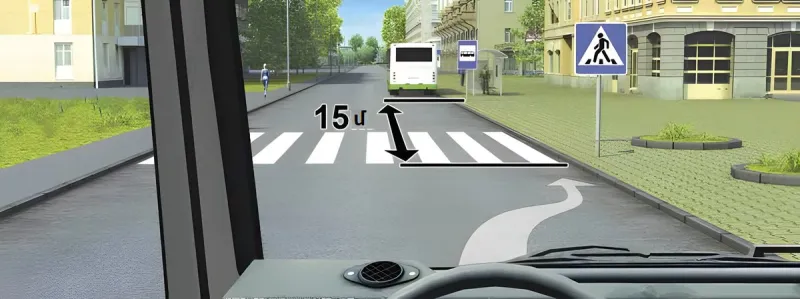
- Yes.
- No.
Correct answer: No. D/T
Why: Կետ 84.4-ով կանգառն արգելվում է հետիոտնային անցումների վրա և շարժման ուղղությամբ անցումից առաջ՝ 5 մ-ից մոտ վայրում։ 3 մ-ը 5 մ-ից պակաս է, ուստի զբոսաշրջային ավտոբուսին այնտեղ կանգառ կատարելն արգելվում է։
Signs in this question: 5.19.1, 5.16
In tests: D/T 32
177. Which driver has violated the stopping rules?
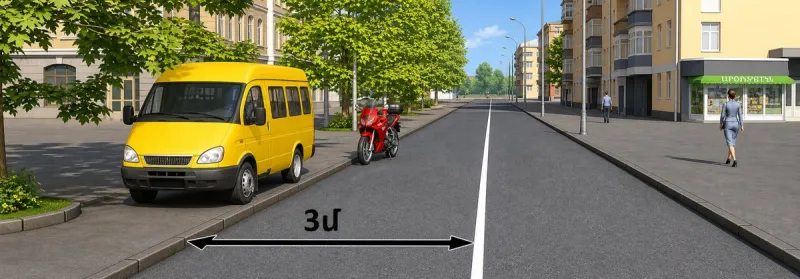
- The bus driver.
- The motorcycle operator.
- Neither driver.
- Both drivers.
Correct answer: Both drivers. D/T
Why: Ավտոբուսը կանգնած է մայթին, իսկ կետ 84.1-ով մայթերին կանգառն արգելվում է (կետ 81-ով մայթեզրին կարող են կանգնել միայն թեթև մարդատարներ, մոտոցիկլներ, մոպեդներ և հեծանիվներ՝ համապատասխան նշանների դեպքում)։ Մոտոցիկլի և հոծ գծի միջև 3 մ-ից պակաս է, ուստի կետ 84.3-ով նա նույնպես խախտել է։ Խախտել են երկու վարորդները։
In tests: D/T 19
178. Bus parking is prohibited:
- At the edge of the roadway when there is no shoulder.
- On the roadway outside populated areas on roads marked with the “Priority Road” sign.
- At a location 10 meters from the edge of intersecting roadways.
Correct answer: On the roadway outside populated areas on roads marked with the “Priority Road” sign. D/T
Why: Կետ 86.3-ով կայանումն արգելվում է բնակավայրերից դուրս
2.1 «Գլխավոր ճանապարհ» նշանով նշված ճանապարհների երթևեկելի մասի վրա։ Երթևեկելի մասի եզրին կողնակի բացակայության դեպքում կայանելը թույլատրվում է (կետ 78), իսկ հատվող երթևեկելի մասի եզրից արգելքը 5 մ է։
In tests: D/T 25
179. Are public transit vehicles permitted to stop outside designated stopping places?
- Permitted at a passenger’s request.
- Permitted in the event of a forced stop.
Correct answer: Permitted in the event of a forced stop. D/T
Why: Կետ 85-ով ընդհանուր օգտագործման տրանսպորտային միջոցների կանգառն արգելվում է կանգառի կետերից դուրս՝ բացառությամբ հարկադրված կանգառի դեպքերի. ուղևորի պահանջը բացառություն չէ։
180. At night, when stopping or parking on unlit sections of road, buses must have activated:
- Marker lights.
- Low-beam headlights.
- Fog lights.
Correct answer: Marker lights. D/T
Why: Կետ 130-ով օրվա մութ ժամանակ ճանապարհի չլուսավորված հատվածներում կանգառի և կայանման դեպքում պետք է միացված լինեն եզրաչափային լույսերը։
In tests: D/T 44
181. When this sign is present, stopping is permitted for:
- Buses only.
- Buses and/or trolleybuses.
- Trolleybuses only.
Correct answer: Buses and/or trolleybuses. D/T
Why: Նշանը
5.16 «Ավտոբուսի և (կամ) տրոլեյբուսի կանգառի տեղ»-ն է, ուստի այնտեղ կանգառի կետ ունեն ավտոբուսները և (կամ) տրոլեյբուսները (կետ 85)։
Signs in this question: 5.16
182. When this sign is present, stopping is permitted for:
- Buses and/or trolleybuses.
- Trams only.
- Trams and trolleybuses.
Correct answer: Trams only. D/T
Why: Նշանը
5.17 «Տրամվայի կանգառի տեղ»-ն է, ուստի այն միայն տրամվայների կանգառի կետ է (կետ 85)։
Signs in this question: 5.17
183. Is a bus driver permitted to stop on a bridge to pick up a passenger?
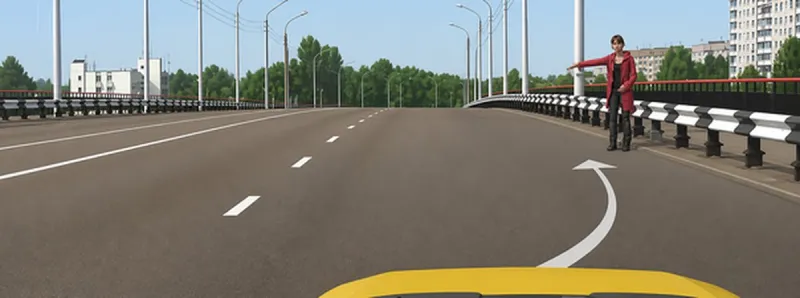
- Permitted.
- Permitted only for Category “D1” buses.
- Prohibited.
Correct answer: Prohibited. D/T
Why: Կետ 84.2-ով կամուրջների վրա կանգառն արգելվում է բոլոր տրանսպորտային միջոցներին, ուստի ուղևոր վերցնելու համար կանգ առնել չի թույլատրվում՝ անկախ ավտոբուսի ենթակարգից։
In tests: D/T 43
184. Which bus driver has violated the parking rules?
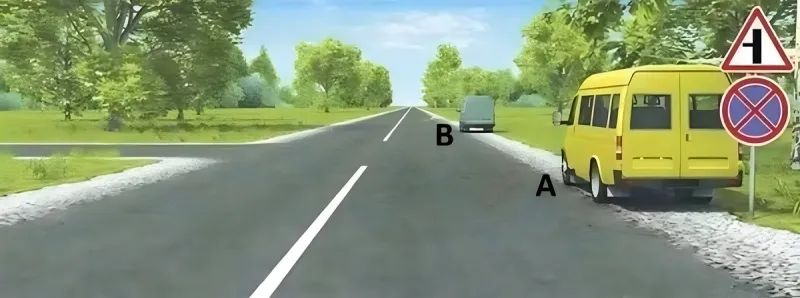
- Only the driver of the green bus.
- Only the driver of the yellow bus.
- The drivers of both buses.
Correct answer: Only the driver of the yellow bus. D/T
Why: 3.27 «Կանգառն արգելվում է» նշանը գործում է մինչև մոտակա խաչմերուկը, որի մասին նախազգուշացնում է
2.3.3 «Երկրորդական ճանապարհի հարում» նշանը։ Դեղին ավտոբուսը (A) կանգնած է արգելքի գոտում, ուստի խախտել է։ Կանաչ ավտոբուսը (B) հարումից հետո է, որտեղ արգելքն այլևս չի գործում, և կանգնած է կողնակին, ոչ թե գլխավոր ճանապարհի երթևեկելի մասին (կետ 86.3)։
Signs in this question: 3.27, 2.3.3
In tests: D/T 12
185. After making a left turn at this intersection, the driver of the fixed-route bus must stop at the designated stop to pick up and drop off passengers. Along which path must the driver make the left turn?
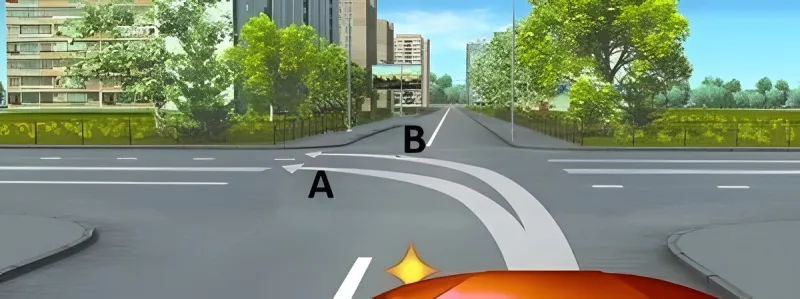
- Only along path A.
- Only along path B because the stop is located on the right side of the road.
- Along either path.
Correct answer: Along either path. D/T
Why: Կետ 41-ով շրջադարձը պետք է կատարել այնպես, որ երթևեկելի մասերի հատումից դուրս գալիս տրանսպորտային միջոցը չհայտնվի հանդիպակաց երթևեկության կողմում։ Երկու հետագծերն էլ ավարտվում են մեր ուղղության գոտիներում, ուստի ձախ շրջադարձը թույլատրվում է ցանկացածով, իսկ կանգառի կետին մոտենալու համար հետո կարելի է վերադասավորվել։
In tests: D/T 26
Take this test in the app
In Varordakan Tester the same tests are taken without hints, wrong answers are collected automatically, and there is an exam simulation (20 questions, 30 minutes, pass at 18), a 3D intersection simulator, video lessons and an AI assistant that cites the Traffic Rules point. Free.
Sources: questions from the official bank of the Road Police of Armenia (roadpolice.am, edition of 2 October 2026); rule points from the Traffic Rules of the Republic of Armenia (arlis.am). Varordakan Tester is an independent educational app, not affiliated with the Police of Armenia.
Explanations © 2026 Suren Galoyan, all rights reserved; reproduction without permission is prohibited. Questions and pictures are from the official bank of the Road Police of Armenia.
